All organisms are made of
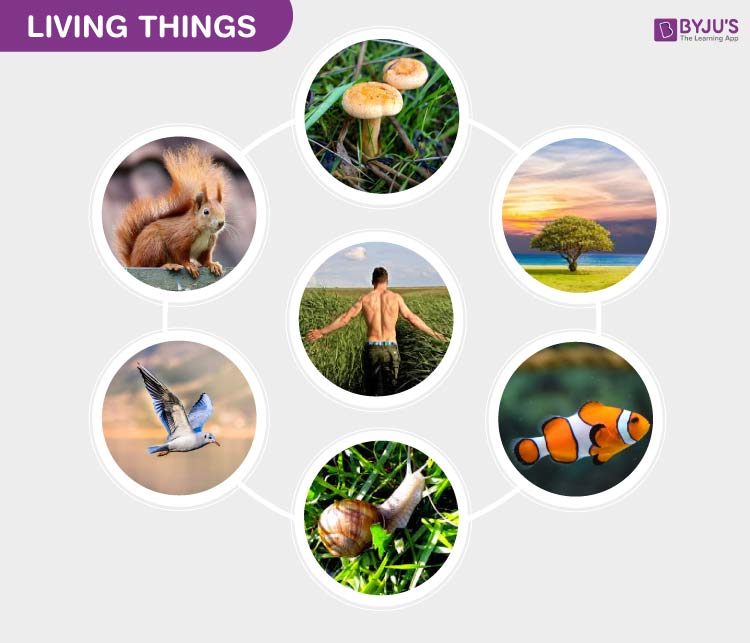
_________________________________.
All organisms are made of
_________________________________.
All organisms are made of
_________________________________.
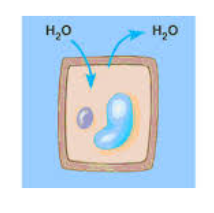
The definition of isotonic is ___________________________.
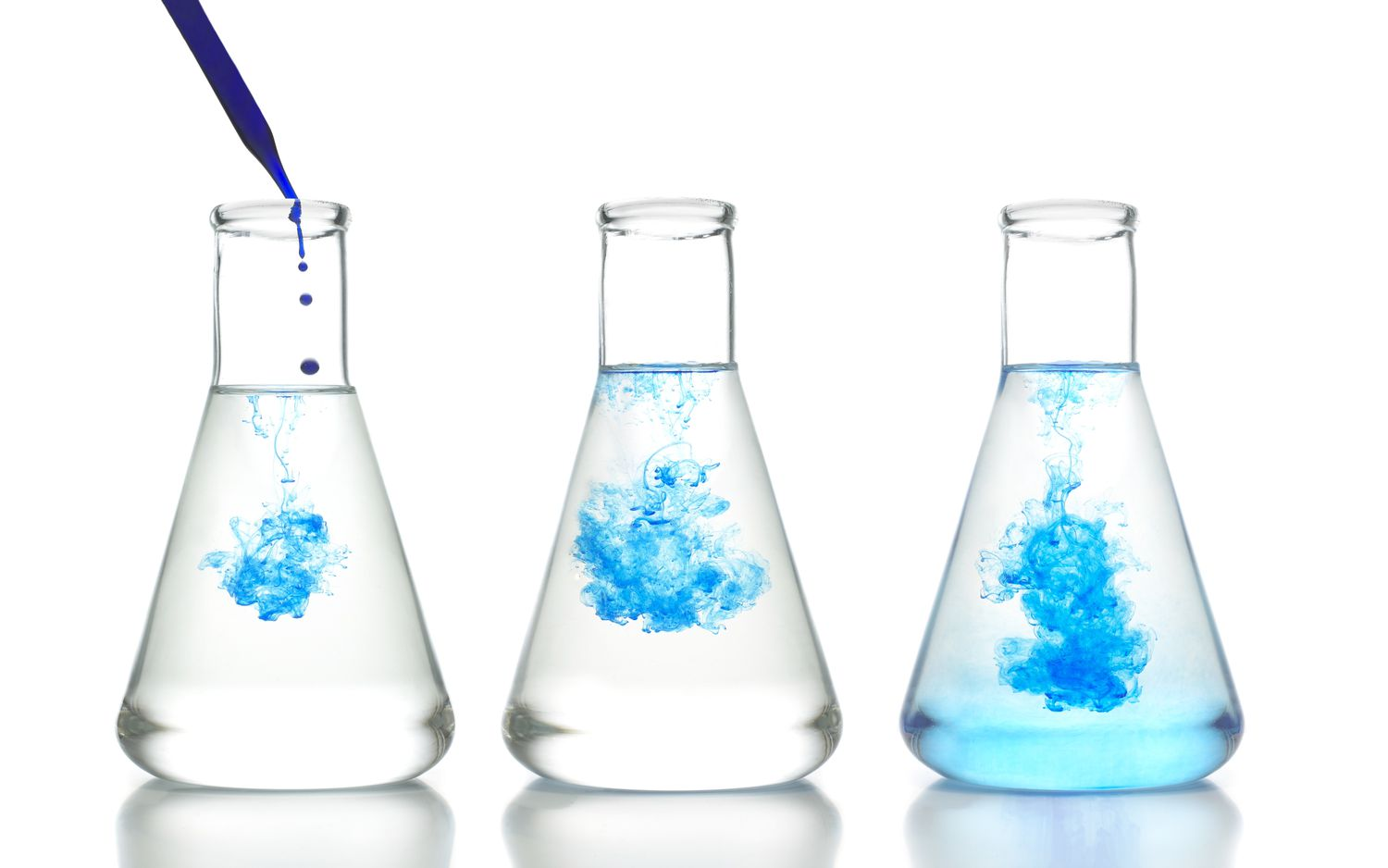
The blue liquid in the image is showing _________________________.
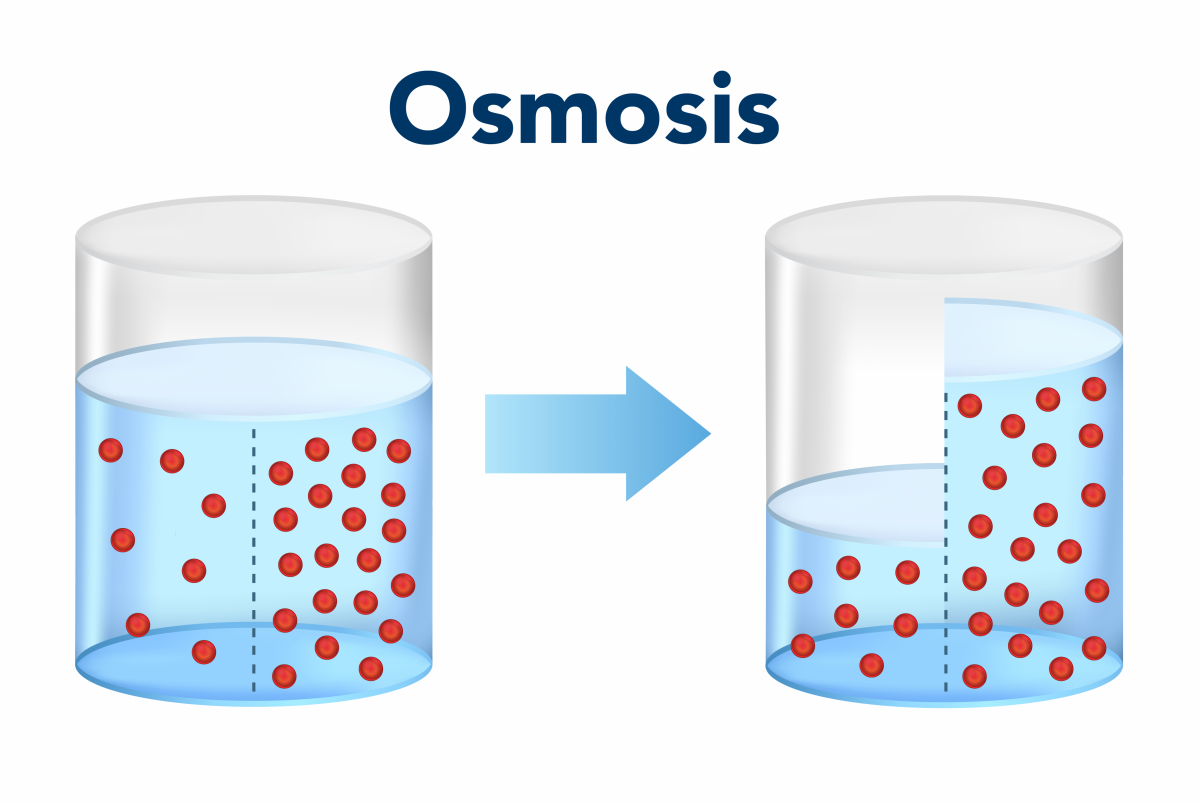
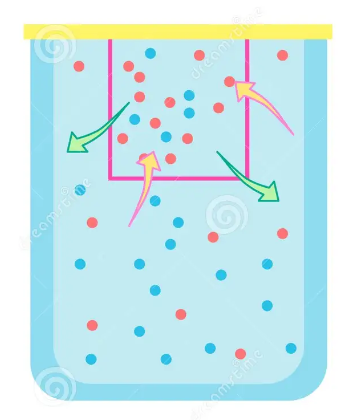
Osmosis is the movement of ____________________.
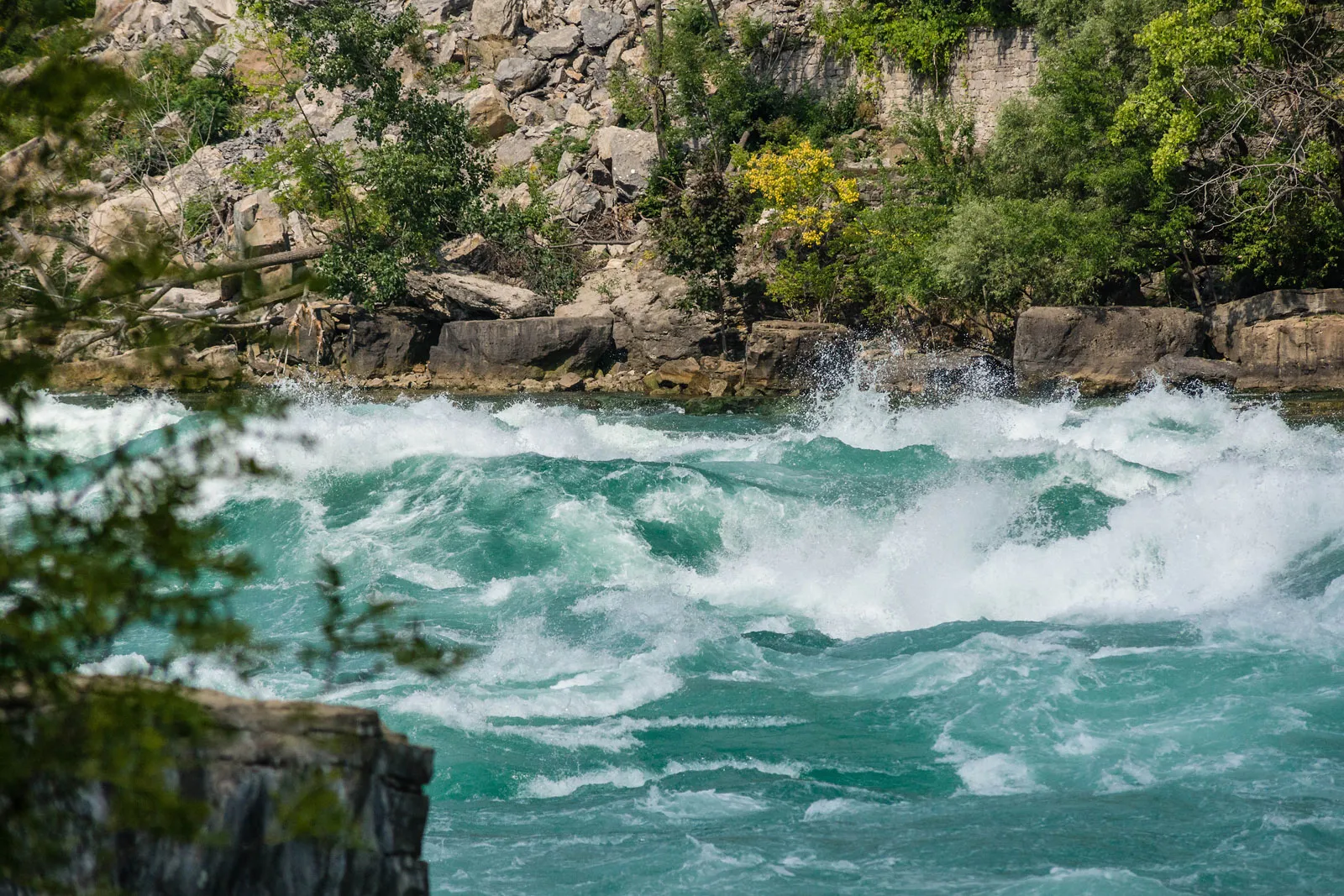
Water moves from ______________ concentration to _________________ concentration.
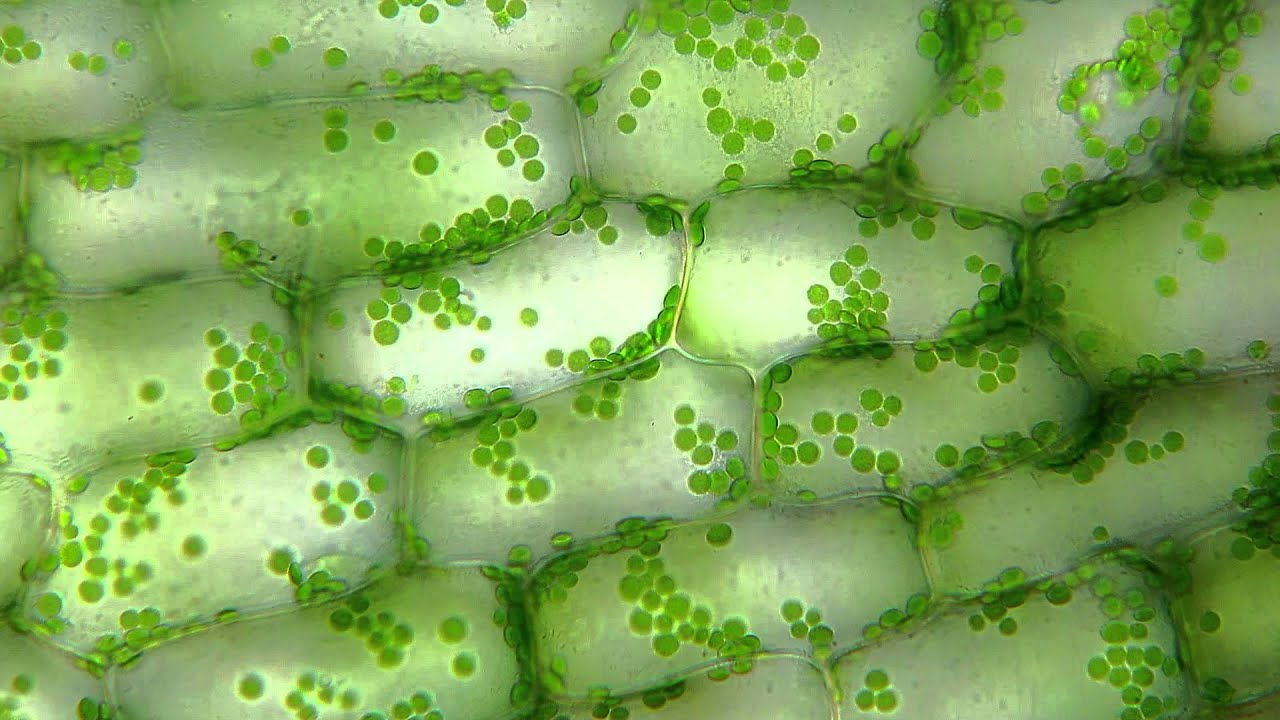
A student studies the above image to check for characteristics of life. The student says the image shows a living organism. Why?
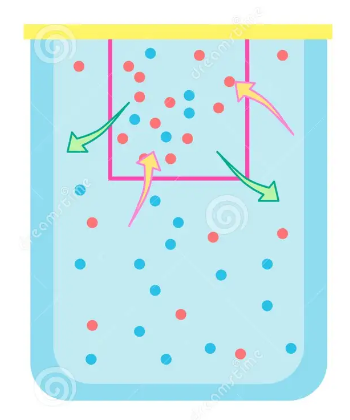
Selectively permeable means that _______________________________.
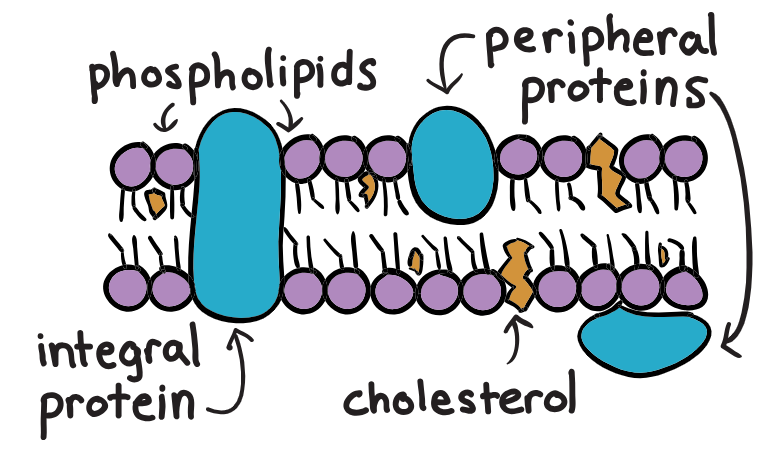
Cell membranes are made of _______________________________________________.
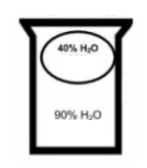
David places a sample of red blood cells in a beaker of 90% water and then observes the activity under a microscope.
What will happen to the cells in the beaker?
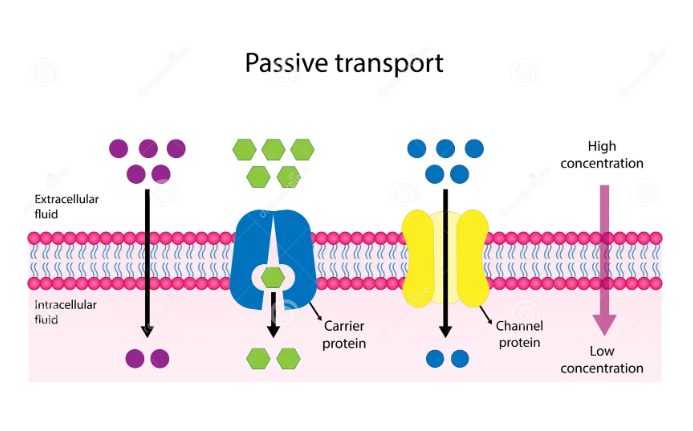
Passive transport means that __________________________________.
Osmosis can be defined as ________________________.
CCC: Cause and effect/Patterns: Mechanisms and explanation.
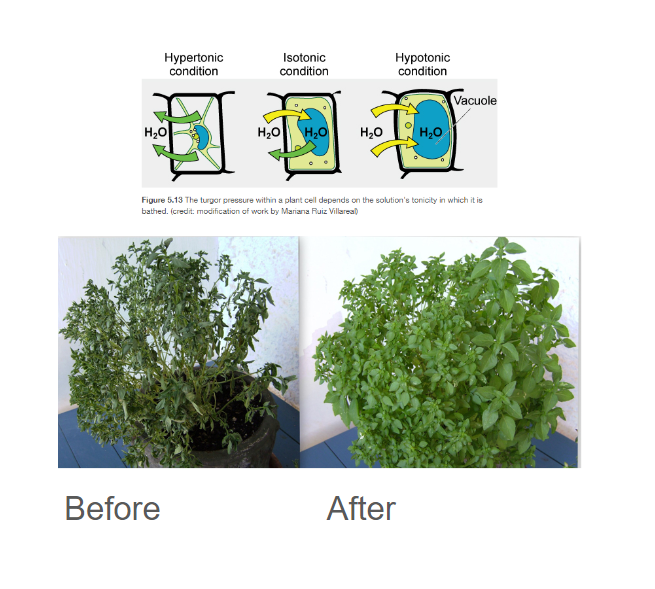
a. Using the images above, explain the how the addition of water causes the plant to become healthy.
a. Usando las imágenes de arriba, explique cómo la adición de agua hace que la planta se vuelva saludable.
b. How does the process you described create patterns you can see in nature? Give a few examples.
b. ¿Cómo el proceso que describiste crea patrones que puedes ver en la naturaleza? Da algunos ejemplos.
CER: Claim, Evidence, and Reasoning:
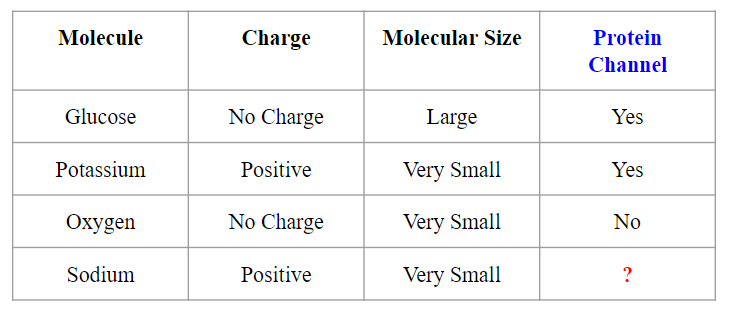
Would sodium need a protein channel?
¿El sodio necesitaría un canal de proteínas?
List three (3) facts from the table to support your answer.
Enumere tres (3) datos de la tabla para respaldar su respuesta.
Explain your facts and answer. Use comparisons from the table to help explain.
Explica tus hechos y responde. Utilice comparaciones de la tabla para ayudar a explicar.
PE: Cell Transport
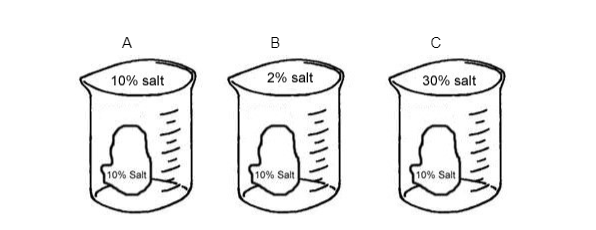
Cells in beaker allow water to move and not salt.
Label the beakers with the correct vocabulary:
hypertonic
hypotonic
isotonic
Use arrows to show the way the water will move in each beaker.
What will happen to each cell in the beaker?