Log in
Sign up for FREE
arrow_back
Library
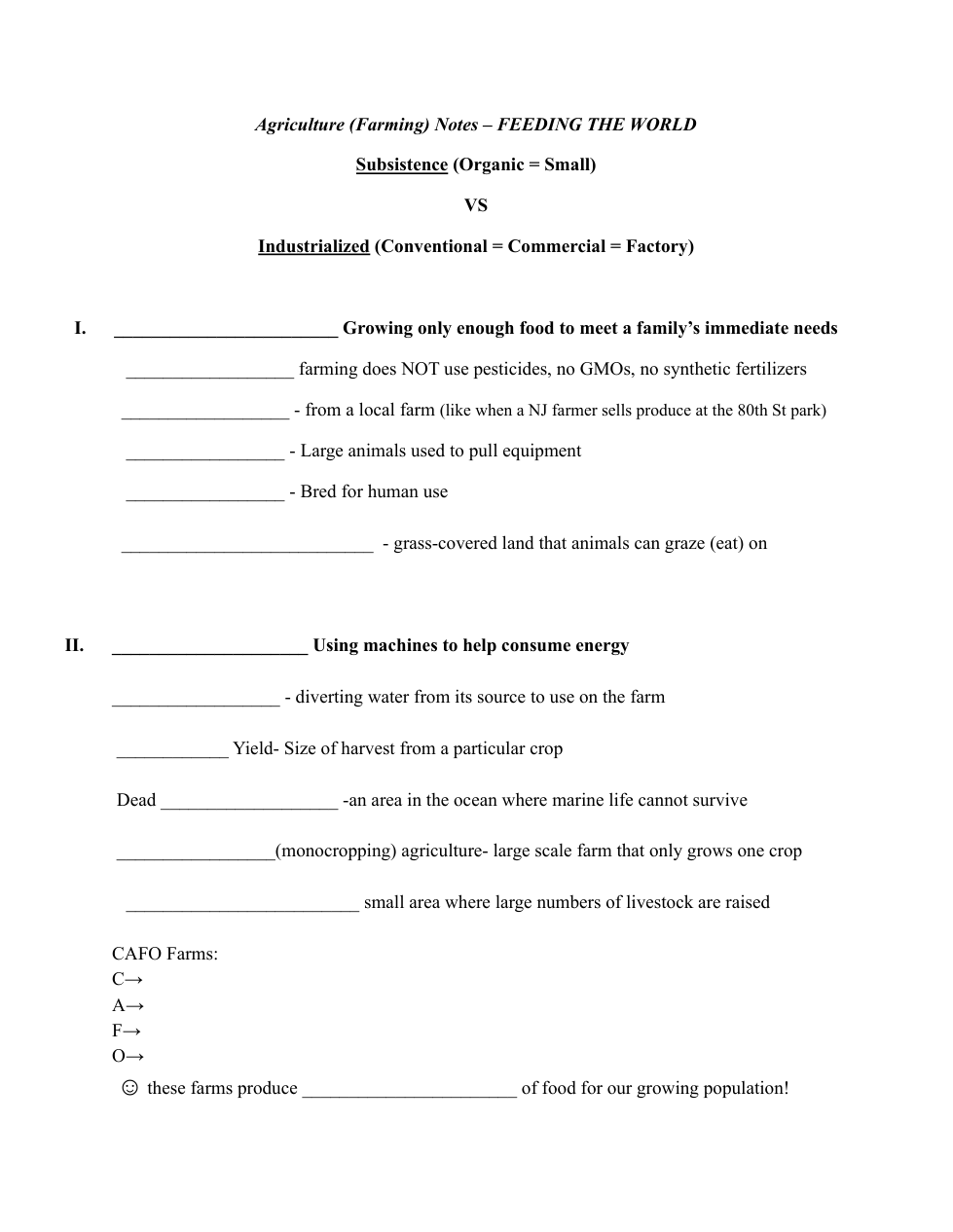
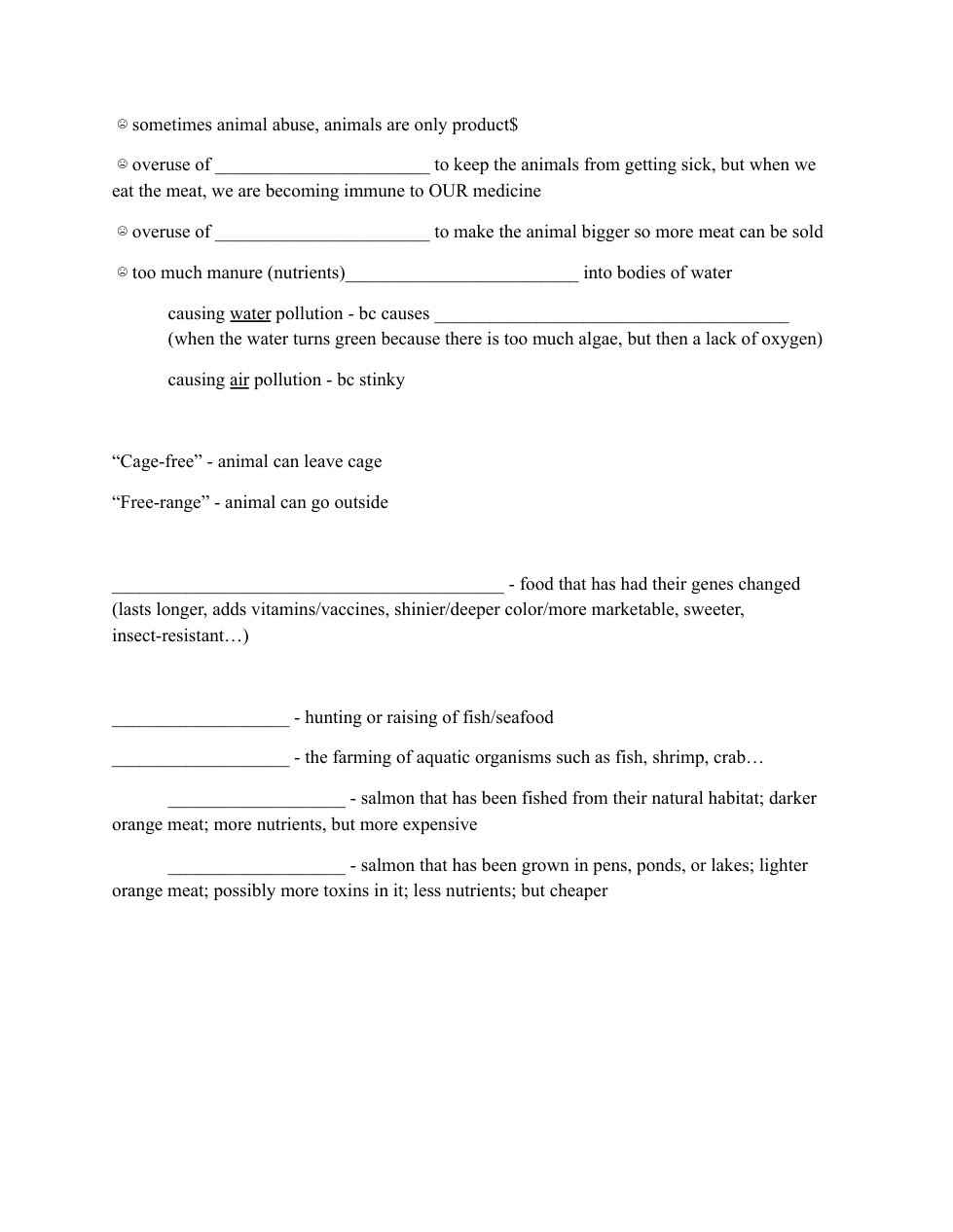
FARMING NOTES
By Dana Hojnowski
star
star
star
star
star
Share
share
Last updated over 1 year ago
35 questions
Add this activity
1
2
3
4
5
6
7
8
9
10
11
12
13
14
15
16
17
zoom_in
1
1
1
1
1
1
1
1
1
1
1
1
1
1
1
1
1
18
19
20
21
22
23
24
25
26
zoom_in
1
1
1
1
1
1
1
1
1
1
1
1
1
1
1
1
1
1
Question 1
1.
(two words)
Question 2
2.
Question 3
3.
Question 4
4.
Question 5
5.
Question 6
6.
Question 7
7.
Question 8
8.
Question 9
9.
Question 10
10.
Question 11
11.
Question 12
12.
Question 13
13.
C -
Question 14
14.
A -
Question 15
15.
F -
Question 16
16.
O -
Question 17
17.
Question 18
18.
Question 19
19.
Question 20
20.
Question 21
21.
Question 22
22.
Question 23
23.
Question 24
24.
Question 25
25.
Question 26
26.
Question 27
27.
Question 28
28.
Question 29
29.
Question 30
30.
Question 31
31.
Question 32
32.
Question 33
33.
Question 34
34.
Question 35
35.
REVIEW: Drag words each that relate to either PLANTS or ANIMALS:
(hint: one of them goes in both so 4 for plant, and 3 for animal)
antibiotics
growth hormones
pesticides
eutrophication
bioaccumulation
fertilizer nutrients
PLANT
ANIMAL
REVIEW: When too much
nutrients
or fertilizer goes into the water, it causes:
eutrophication
bioaccumulation
REVIEW: When too much
pesticide
goes into the water, it causes _____ as it goes up the food chain:
eutrophication
bioaccumulation
REVIEW: A(n) ____ is an area in the ocean that contains no life
abiotic area
basin
dead zone
river bed
REVIEW: Some animals graze on native grasses on ____, which can be fenced or unfenced.
feedlots
pastures
REVIEW: A small area where many animals are raised is called a ____.
dead zone
pasture
rangeland
feedlot
REVIEW: ____ agriculture makes use of machines and fossil fuels
subsistence
organic
industrialized
fishery
REVIEW: A(n) ____ is an example of a draft animal.
rabbit
ox
cat
hawk
REVIEW: Heavy grazing by animals can cause ____ because it removes the nutrients.
dead zones
crop yields
soil erosion