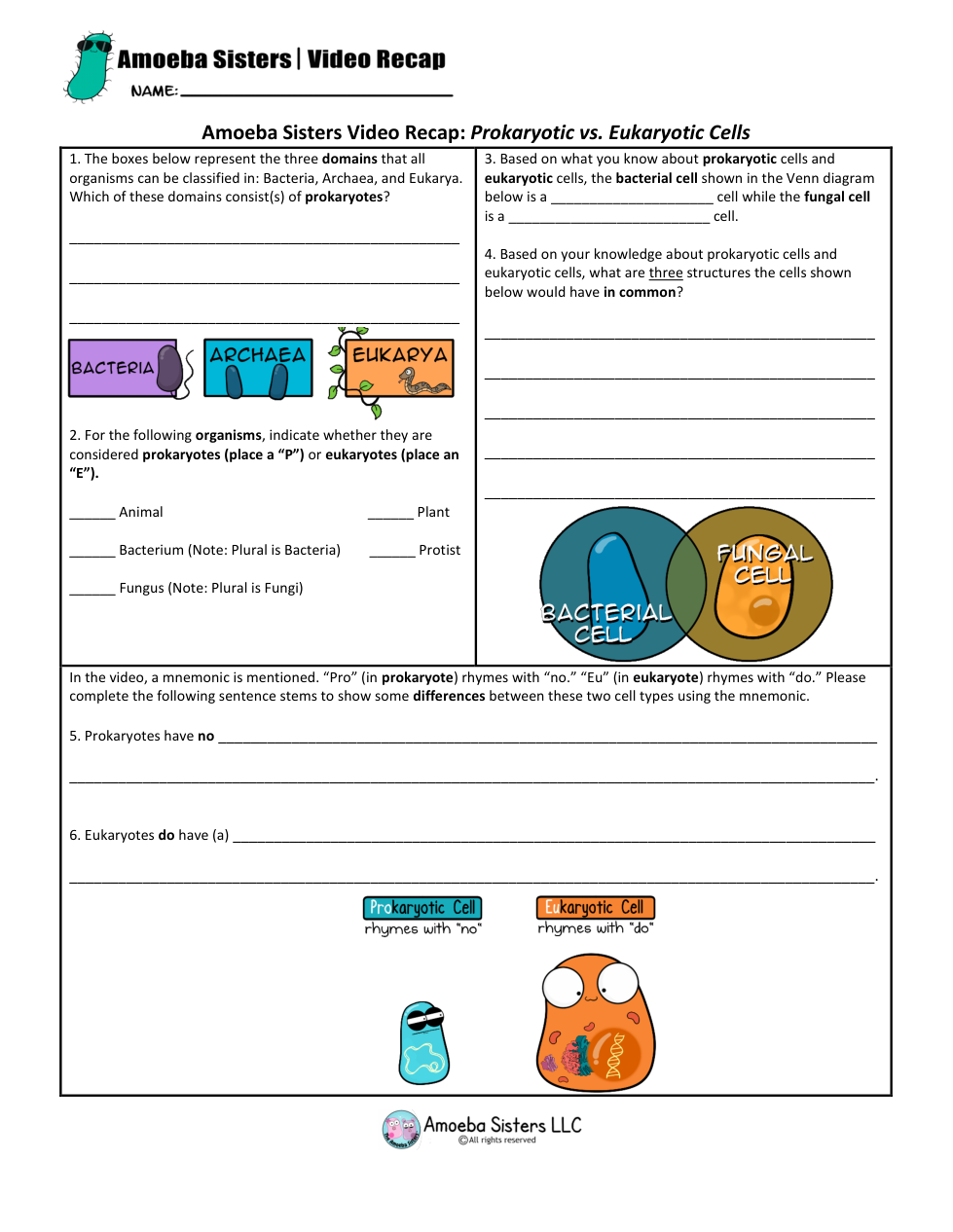

Using the info from the video (you can go back and replay it!!) Fill in the chart in the Show Your Work Box

The material for this topic is on CK12 Click the link below and:
Read the article
Watch the videos
Complete the Practice
Hit the TURN IN button on CK12 ONLY

Sketch a picture of a single phospholipid, label the hydrophobic and hydrophilic parts
What does hydrophobic mean?
What does hydrophilic mean?
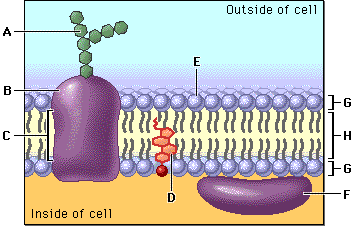
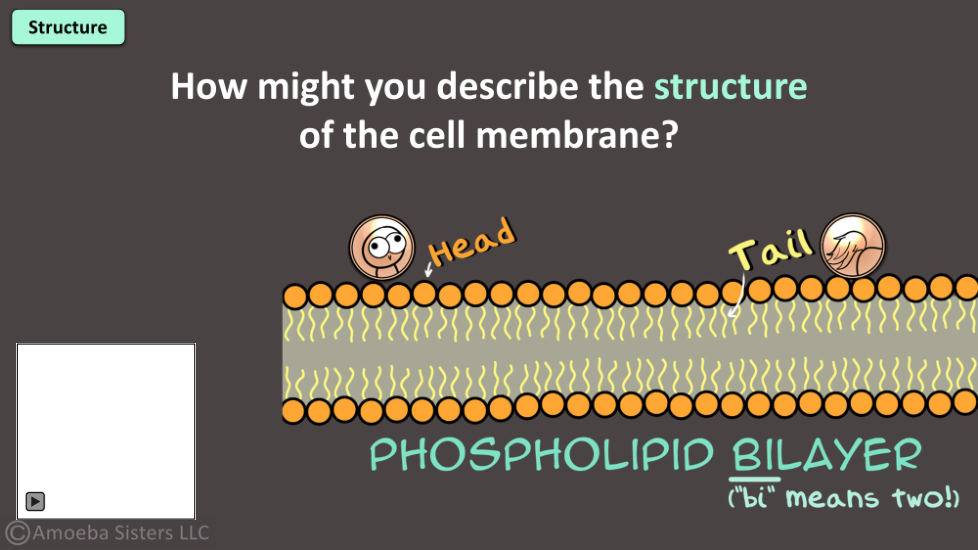
Sketch a picture of the cell membrane. Label the heads/tails of the phospholipids, the inside and outside of the cell, and the proteins.
What does semi-permiable mean?
What can go through the phospholipid part of the cell membrane? What needs a protein channel?
Water
Gases
Glucose
Ions
Steroids
Can pass through membrane
Needs a protein channel
Needs a protein channel + energy
Which of the following is a function of the cell membrane?
In the diagram below, structure B represents:
The phospholipid bilayer describes a structure with:
If all materials were allowed to cross the cell membrane, then a cell’s contents would be the same as its surroundings. This does NOT happen because the cell membrane is:
Which phrase best describes the property of selective permeability?
One of the functions of proteins in a cell membrane could be:

The material for this topic is on CK12 Click the link below and:
Read the article
Watch the videos
Complete the Practice
Hit the TURN IN button on CK12 ONLY
We will watch the video in class, but it is included here in case you need to review. Answer the questions on the slides, using the text boxes to the right.
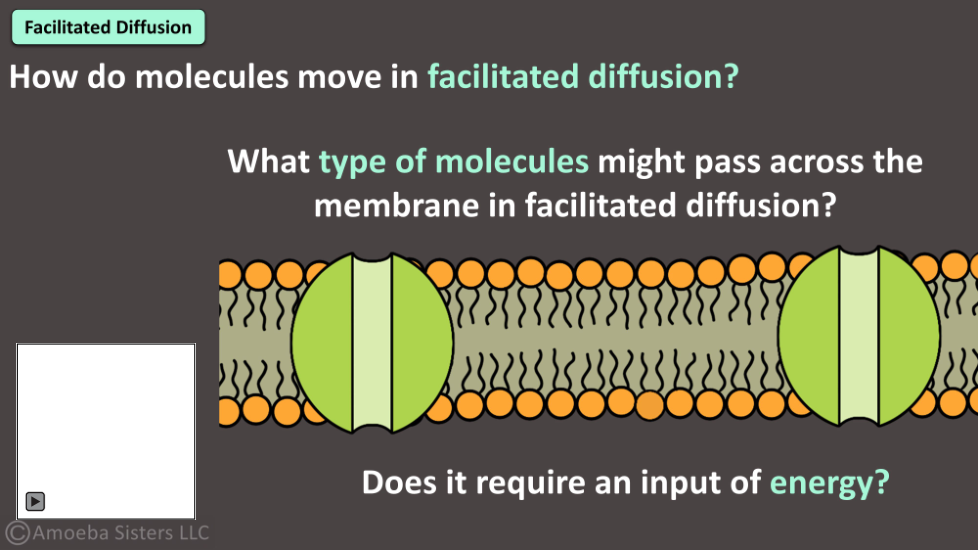
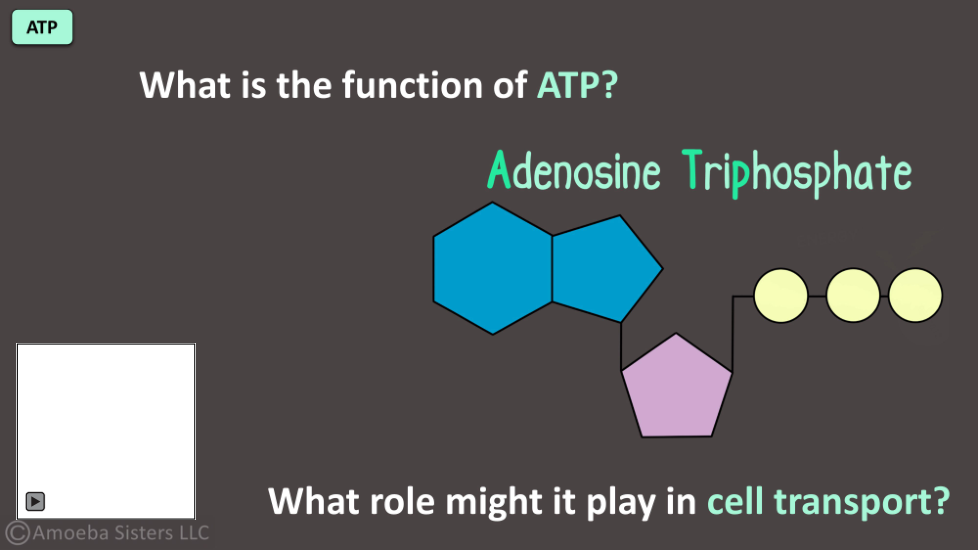
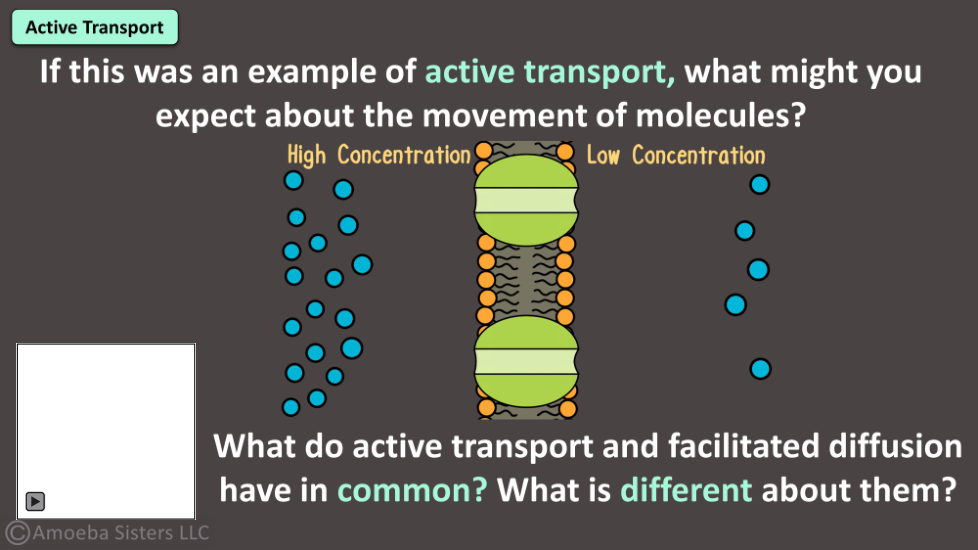
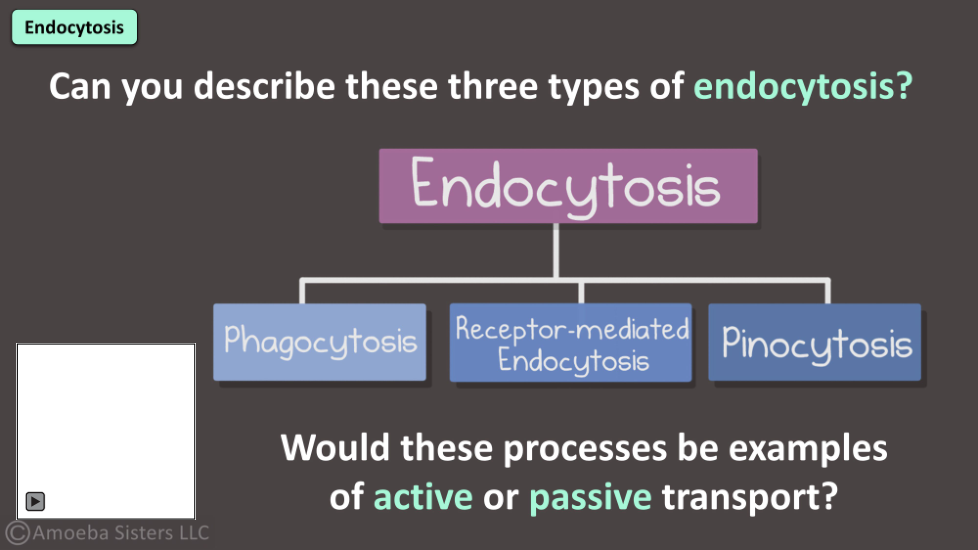
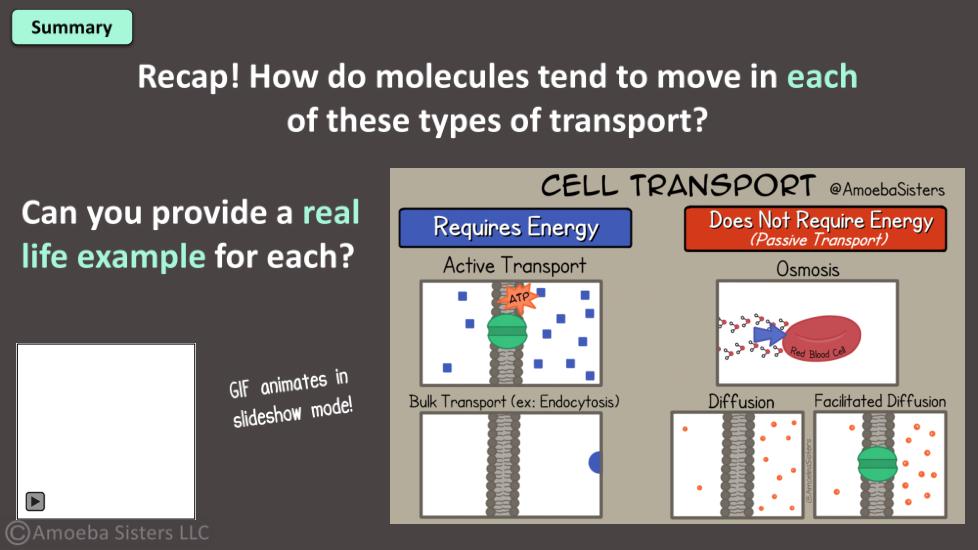

Goes against the gradient
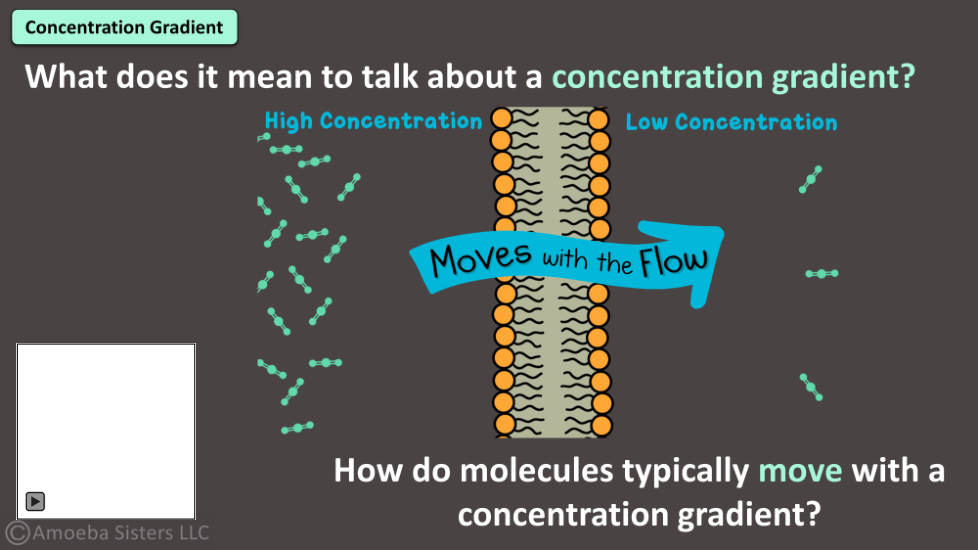
Goes with the gradient
Osmosis is a type of this
Uses the membrane
Uses protein channels
Uses energy
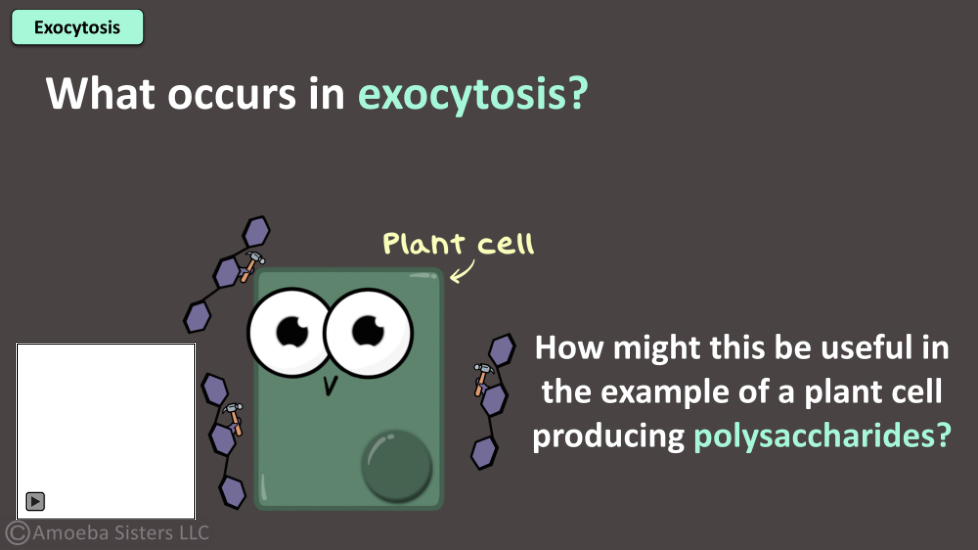
Exocytosis is an example of this (even though it doesn't use protein channels)
Endocytosis is an example of this (even though it doesn't use protein channels)
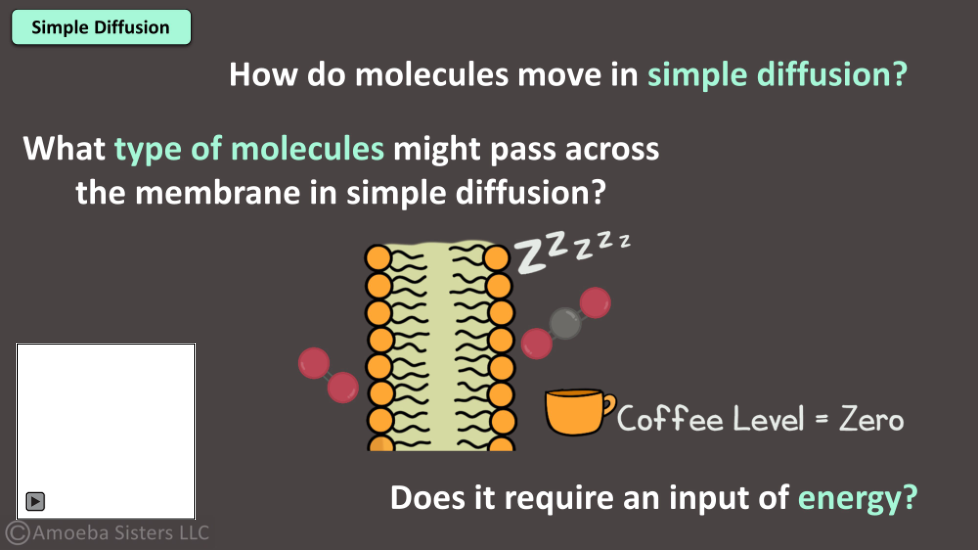
Simple Diffusion
Facilitated Diffusion
Active Transport

This assignment is on Gizmos
Log in with my username MrsTAButler
password is math with your initials
This is a STEM Case, so all the work is done on Gizmos
Go back and forth between the case and the handbook
DO NOT SUBMIT THIS FORMATIVE! THERE WILL BE MORE SECTIONS TO DO!
Wait here until you are instructed to go on to the next section. If you are done early, be productive!
Stretch
Get some water
Get a snack
Work on Edgenuity
Read