Period 7 Station Work: America Transforms in the 20th Century - SY23

Last updated over 1 year ago
39 questions
Note from the author:
Directions: Please answer the following questions based on the stations in class. If you were absent from class, click here to access the station work materials.
Required
2

Warm Up 1: What do you already know about...
  • World War I (either from prior knowledge or World History last year)
  • the history of Chicago
Contextualize your response by explaining in at least 2 complete sentences. Tell me the hiSTORY or herSTORY.

Station 1: Urbanization in the Progressive Era

Content Objective: I will be able to explain the effects of urbanization on 20th century American society.

Standard Objective: I will be able to draw connections between events (cause/effect).

Click here for Station 1 notes!
Required
1
During the Second Industrial _______ , America shifted from an agricultural (farm-based) society to an _______ (factory-based) one. Millions of immigrants and struggling farmers arrived in cities such as New York, Boston, and Chicago, looking for work. This led to the rapid _______ of America.

Most cities were _______ for rapid population growth. Housing was limited, and slums sprung up nationwide. Heating, lighting, _______ , and medical care were poor or nonexistent, and millions died from preventable _______ .

By the 1920s, the _______ of the US population lived in cities rather than in rural areas. Cities, like _______ , offered economic opportunities to women, migrants, and immigrants, as well as the passage of new immigration restrictions.
Required
1
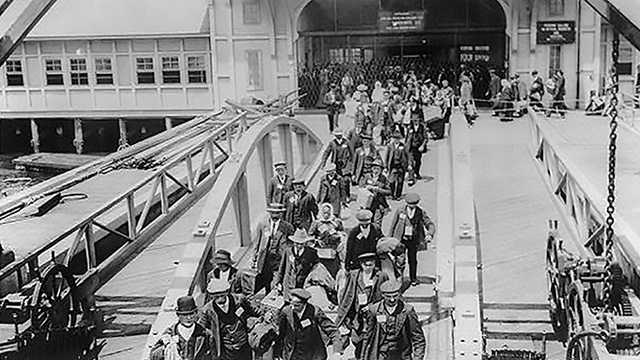
Beginning in the 1890s, there was a significant increase in the number of immigrants coming from _______ and Eastern Europe, particularly from _______ , Greece, and the Russian Empire. Many "new" immigrants were members of non-Protestant religions, such as Catholicism and _______. They faced discrimination and prejudice from the earlier waves of immigrants and from native-born Americans, who viewed them as culturally and socially _______ .

Many of these “new” _______ were poor, uneducated, and unskilled so they had to be willing to work long hours for little pay. As time went on, the income _______ between wealthy and poor became more and more glaring. Most Americans in the working class lived well below the _______ line, yet the industrialists and business of the Gilded Age and Progressive Era lived extravagantly.
Required
1

The "earlier waves of immigrants" who were prejudiced towards New Immigrants even though they also experienced nativism were likely the

Required
0

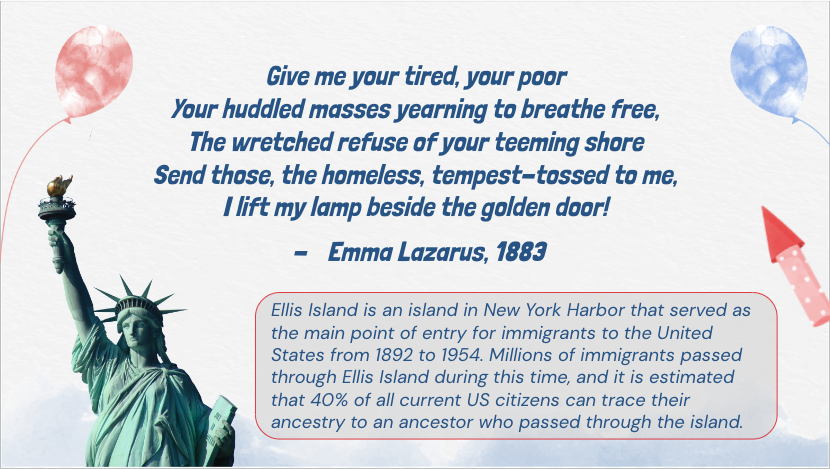
The Statue of Liberty was a gift from France that U.S. placed on Ellis Island. Emma Lazarus' poem is engraved at the bottom of this historical landmark. What does this quote mean to you?

Required
1
The subsequent _______ Era (1890s-1920s) was a period of intense social and political reform. Progressive reformers sought to _______ the regulatory power of the federal government in order to _______ corruption, eliminate unfair business practices, and society.

From _______ , Jane Addams founded the _______ House, a settlement house that catered to the influx of _______ immigrants that came in the 1920s. _______ dedicated her life to improving the lives of women, children, and immigrants by teaching them English and providing resources for them to adjust to city life.
Required
1
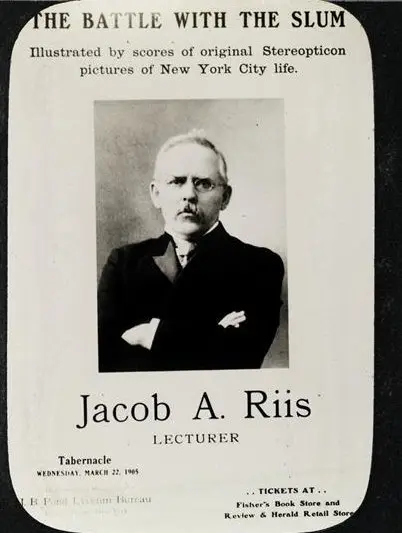
Famous Progressives like Ida Tarbell, Lewis Hines, Ida B. Wells, and Jacob Riis were sometimes called “_______ ” because they brought the unpleasant “muck” of corruption in government and big business to the surface.

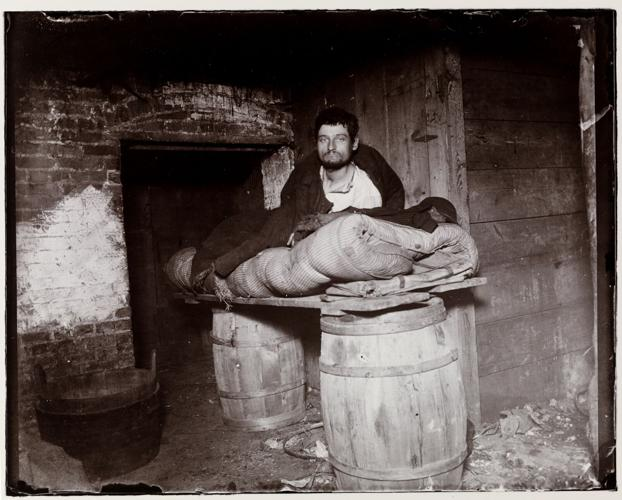
Jacob _______, in particular, was a Danish-American social reformer, journalist, and _______ . He is known for using his photographic and journalistic talents to help the impoverished in New York City. While living in New York, Riis experienced severe poverty and became a reporter writing about the horrific quality of life in the _______ . He attempted to _______ the lives of the urban poor by exposing their living conditions to the middle and upper classes.

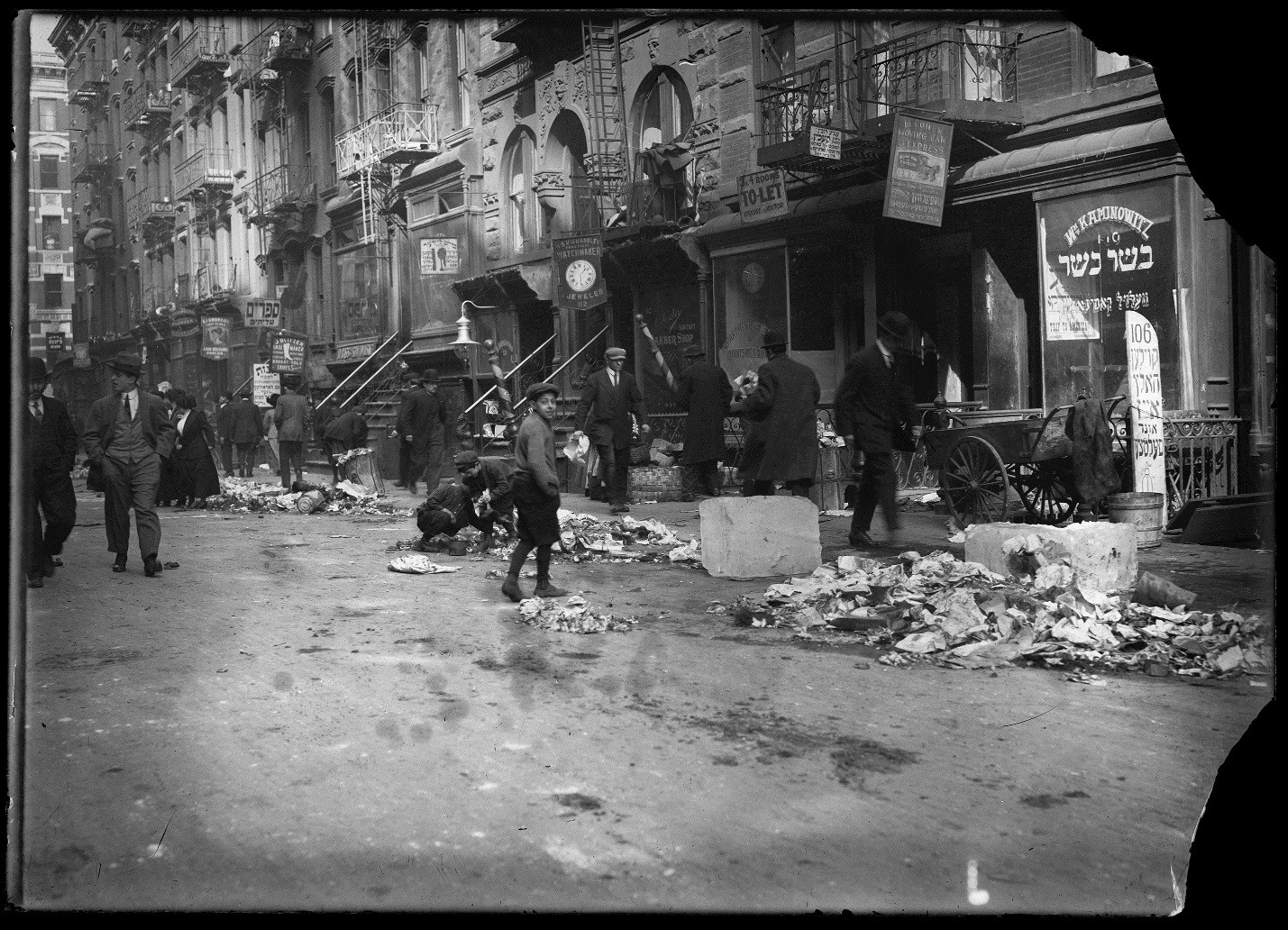
Let’s examine Riis’ photography so we can better understand American life in the early 20th century!

Required
1

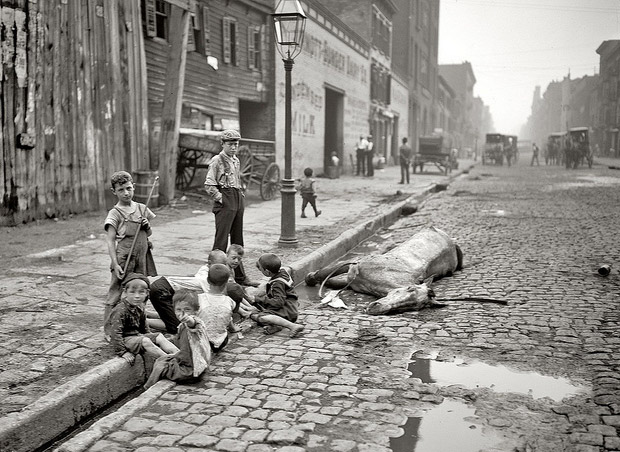
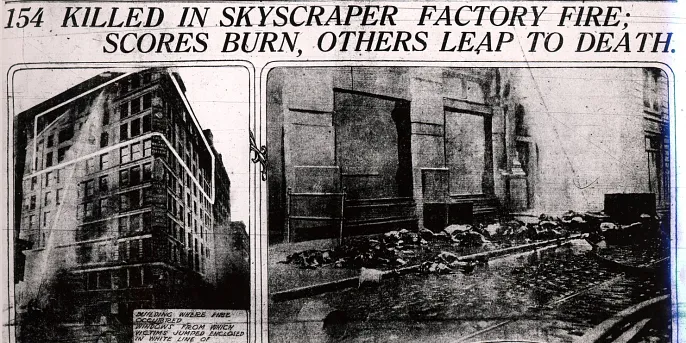
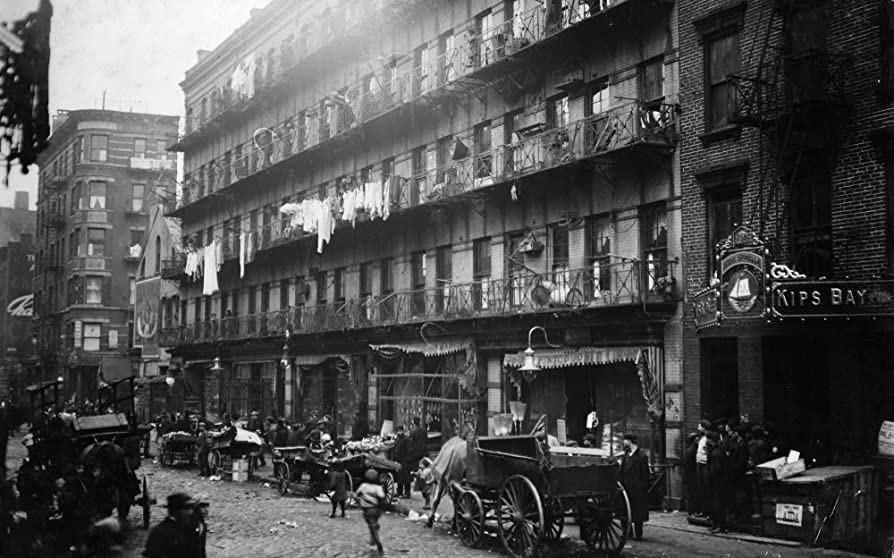
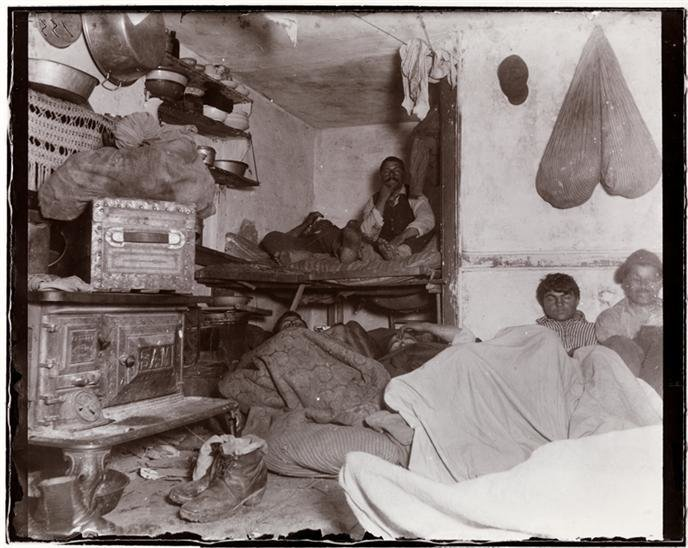
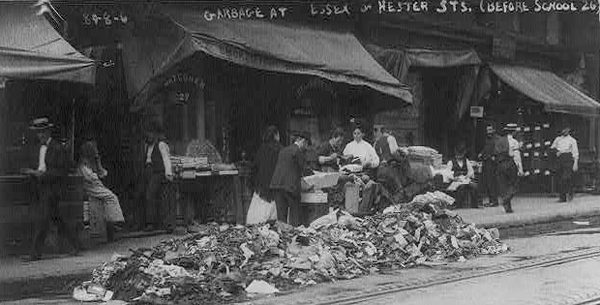
All of the pictures in your folder are primary source images taken from major cities during the Industrial era. As you read about the challenges of urbanization, decide which image best reflects each quote.

Draggable itemCorresponding Item
"After working-class families left the central city, immigrants often took over their old housing, sometimes with two or three families occupying a one-family residence. These multifamily urban dwellings, called tenements, were overcrowded and unsanitary."
"During this time, as the populations of cities increased, so did the homeless population, and pickpockets and thieves flourished. Although New York City organized the first full-time, salaried police force in 1844, it and most other city law enforcement units were too small to have much impact on crime."
"As the cities grew, so did the challenge of keeping them clean. Horse manure piled up on the streets, sewage flowed through open gutters, and factories spewed foul smoke into the air."
"As the urban population increased, working-class families in cities had two housing options. They could either buy a house on the outskirts of town, where they would face transportation problems, or rent cramped rooms in a boardinghouse in the central city. Boardinghouses were poorly kept, and exteriors of the buildings were unsightly."
"Without dependable trash collection, people dumped their garbage on the streets. Since garbage was picked up infrequently, people sometimes dumped it into the air shafts, where it attracted vermin. To keep out the stench, residents nailed windows shut."
"The limited water supply in many cities contributed to the spread of fires. Major fires occurred in almost every large American city during the Industrial Era. In addition to lacking water with which to combat blazes, most cities were packed with wooden dwellings, which were like kindling waiting to be ignited. The use of candles and kerosene heaters also posed a fire hazard."
Required
1

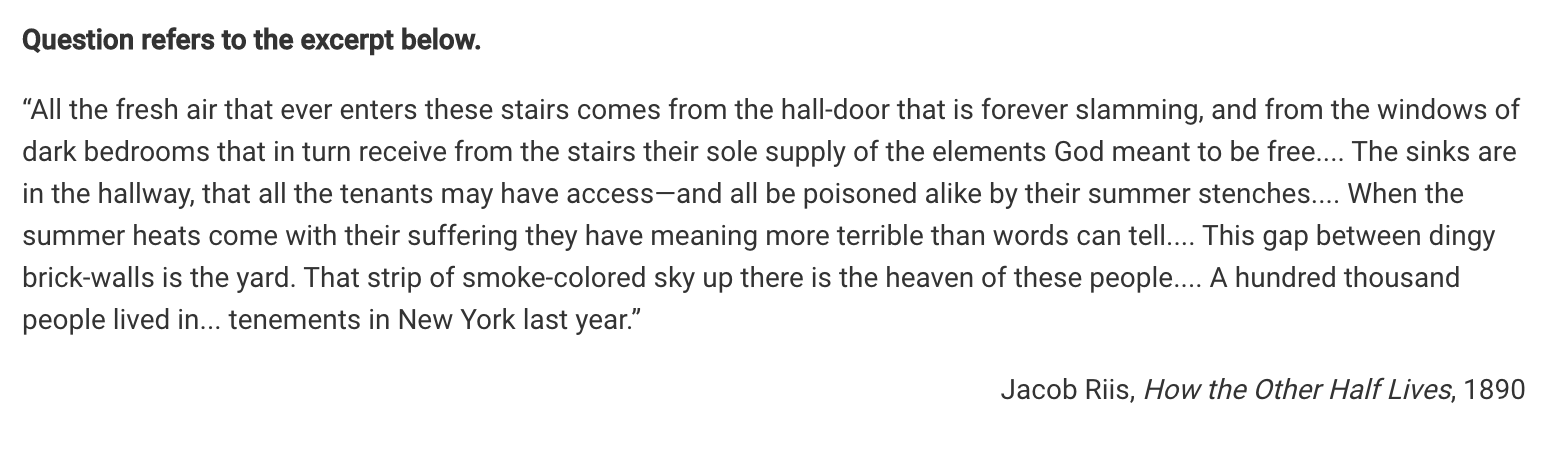
The excerpt is best understood as a response to which of the following historical developments?

Required
1

By the 1910s, the conditions described in the excerpt were most addressed by

Station 2: Robber Barons, Social Darwinism, and Labor Issues

Content Objective: I will be able to understand how monopolies in the Gilded Age led to labor issues in the Progressive era.

Standard Objective: I will be able to draw connections between events (cause/effect).

Click here for Station 2 notes!
Required
1
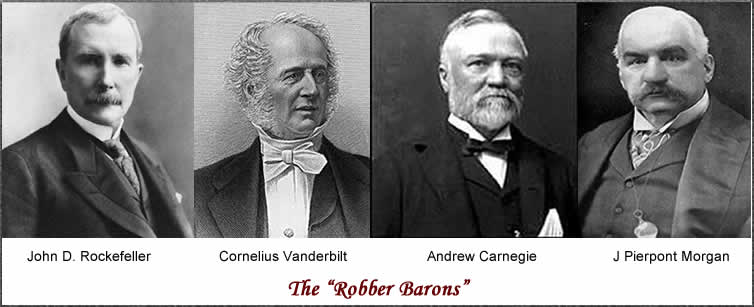
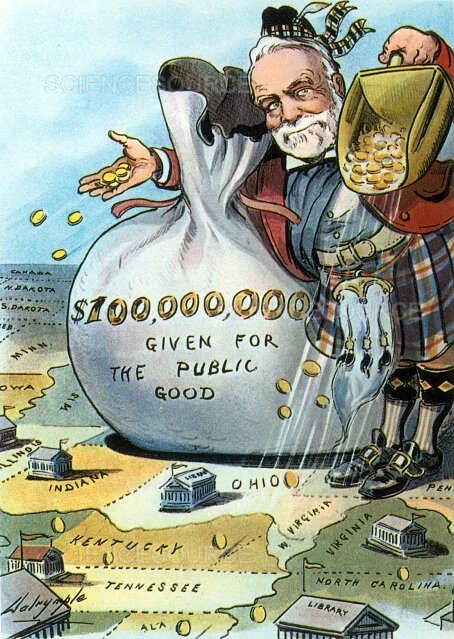
When we learned about the Gilded Age, we studied industrialists like John D. _______ and Andrew _______ amassed substantial power and wealth by building monopolies in key industries such as oil, steel, railroads, and banking. They controlled the marketplace and fully embraced the philosophy of _______ and the belief in “survival of the fittest.” Also known as “robber barons,” these business tycoons often engaged in _______ business practices that _______ lower-class workers, who were typically immigrants, and effectively eliminated their _______ .
Required
1

Can you match each robber baron to their trust?

Draggable itemCorresponding Item
J. Pierpont Morgan
Standard Oil
John D. Rockefeller
New York Central Railroad
Andrew Carnegie
U.S. Steel
Cornelius Vanderbilt
J.P. Morgan & Company
Required
1
Social Darwinism is the application of Charles _______ theory of natural selection to American society that due to _______ , the most intelligent, industrious, and productive people would grow wealthy and survive, while the uneducated and lazy would remain _______ and die off. Coupled with _______ * policies by the government, powerful _______ and _______ emerged to dominate the economic and political landscapes of the late 19th and early 20th centuries.
“Laissez faire” is French for “let do.” Essentially, the U.S. government let businesses do what they wanted from the Gilded Age through the 1920s.

What are the consequences of unbridled capitalism? How can we "check" the power of big business?

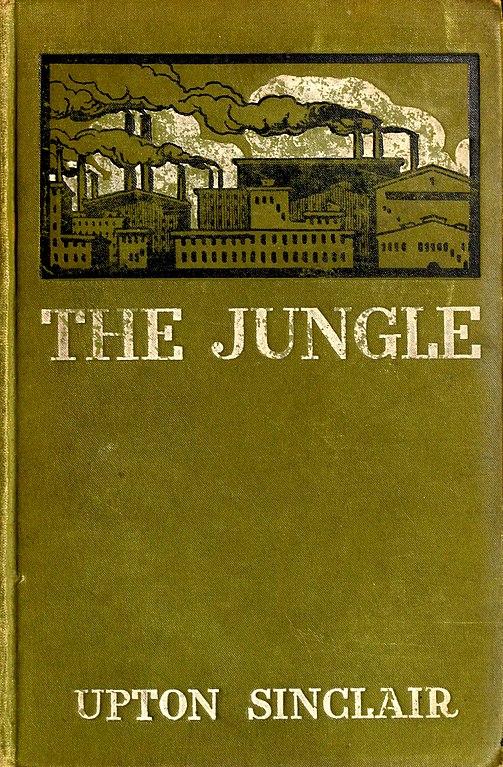
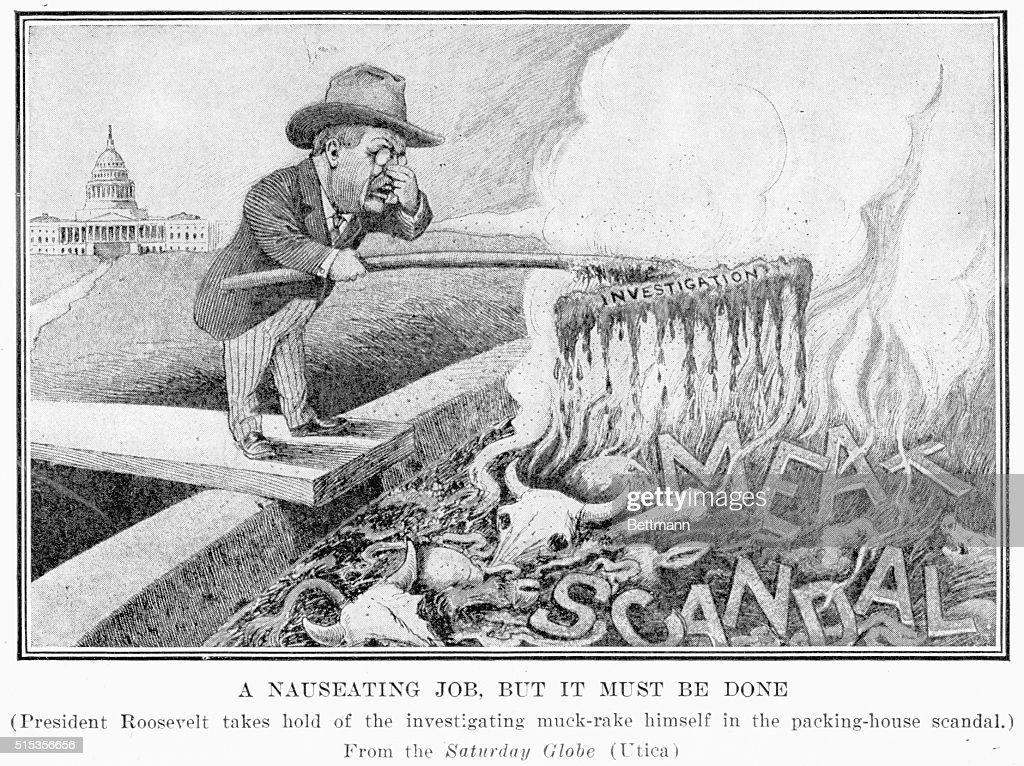
Directions: Please read the excerpts from The Jungle by Upton Sinclair. Sinclair describes the filthy conditions of the meat packing industry in Chicago. His vivid and disturbing descriptions of the industry led to the creation of the Food and Drug Administration, which regulates food producers.
0

Before You Read: Have you ever thought about where your food comes from? How do you know it's clean and safe to eat?

0

After You Read: Now that you’ve read about the horrendous conditions of the meat-packing industry in Chicago, which two lines were the most shocking to your group? Type the quotes in the box below.

Required
1

How does the political cartoon above relate the Upton Sinclair's The Jungle?

Your response should...
  • Answer the Prompt in 2-3 sentences
  • Cite Evidence by identifying at least two details from the image
  • Expand by connecting to at least one historical event, figure, or key term from the Progressive Era.

Required
2

Warm Up 2: What do you already know about...
  • the Roaring 20s (either from prior knowledge or reading The Great Gatsby)
  • the Harlem Renaissance?
Contextualize your response by explaining in at least 2 complete sentences. Tell me the hiSTORY or herSTORY.

Station 3: The Roaring 20s & Rise of Consumerism

Content Objective: I will be able to contextualize the rise of consumerism in the 1920s with the present day United States.

Standard Objective: I will be able to draw connections between events (compare/contrast).

Click here for Station 3 notes!
Required
1
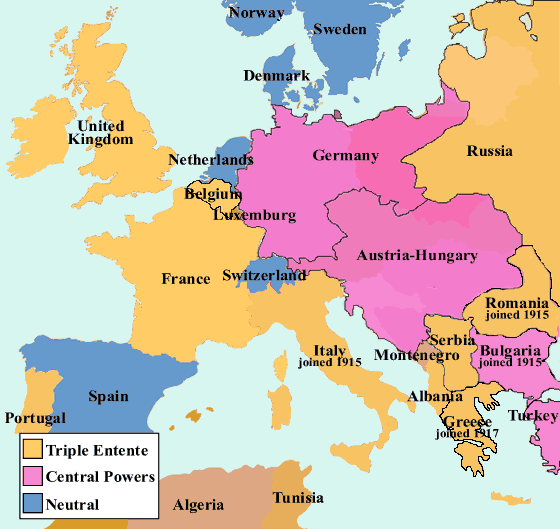
World War I tldr; America was initially reluctant to enter the First World War due to _______ stemming all the way back to Washington's Farewell Address and the "America first" mentality of _______ . We eventually joined WWI after discovery of the _______ telegram, which revealed a potential alliance between Germany and _______ to regain territories lost in the Mexican-American War.
Required
1

What was the outcome of World War I?

  • Germany
  • Triple Entente
  • France
  • Central Powers
  • United States
  • Austria-Hungary
  • Great Britain
  • Ottoman Empire
  • Won
  • Lost
Required
1
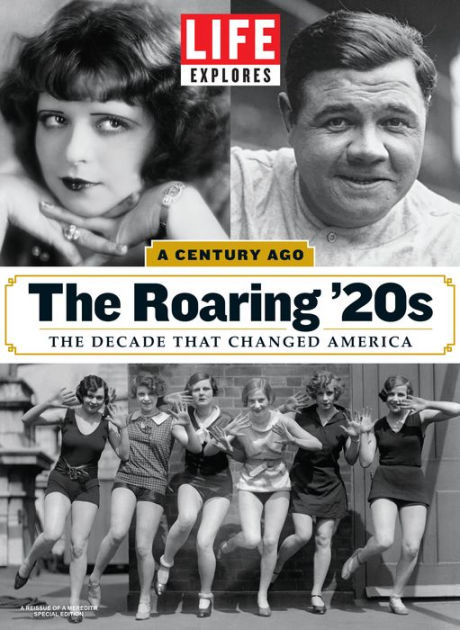
The 1920s heralded a dramatic break between America's past and future. _______ World War I (1914-1917), the country remained culturally and psychologically rooted in the nineteenth century, but in the 1920s America seemed to break from its recent past -- ushering in a more _______ era.

In the Great Gatsby, Fitzgerald described the 1920s as the “_______ Age.” This is a very accurate description of the time. Music experienced a revolution as black musicians such as _______ helped create and popularize jazz. This new type of music created a shift in society as young people, both black and white, desired to break from tradition. The older generation viewed jazz as too sensual, which only made young people more _______ .
Required
1
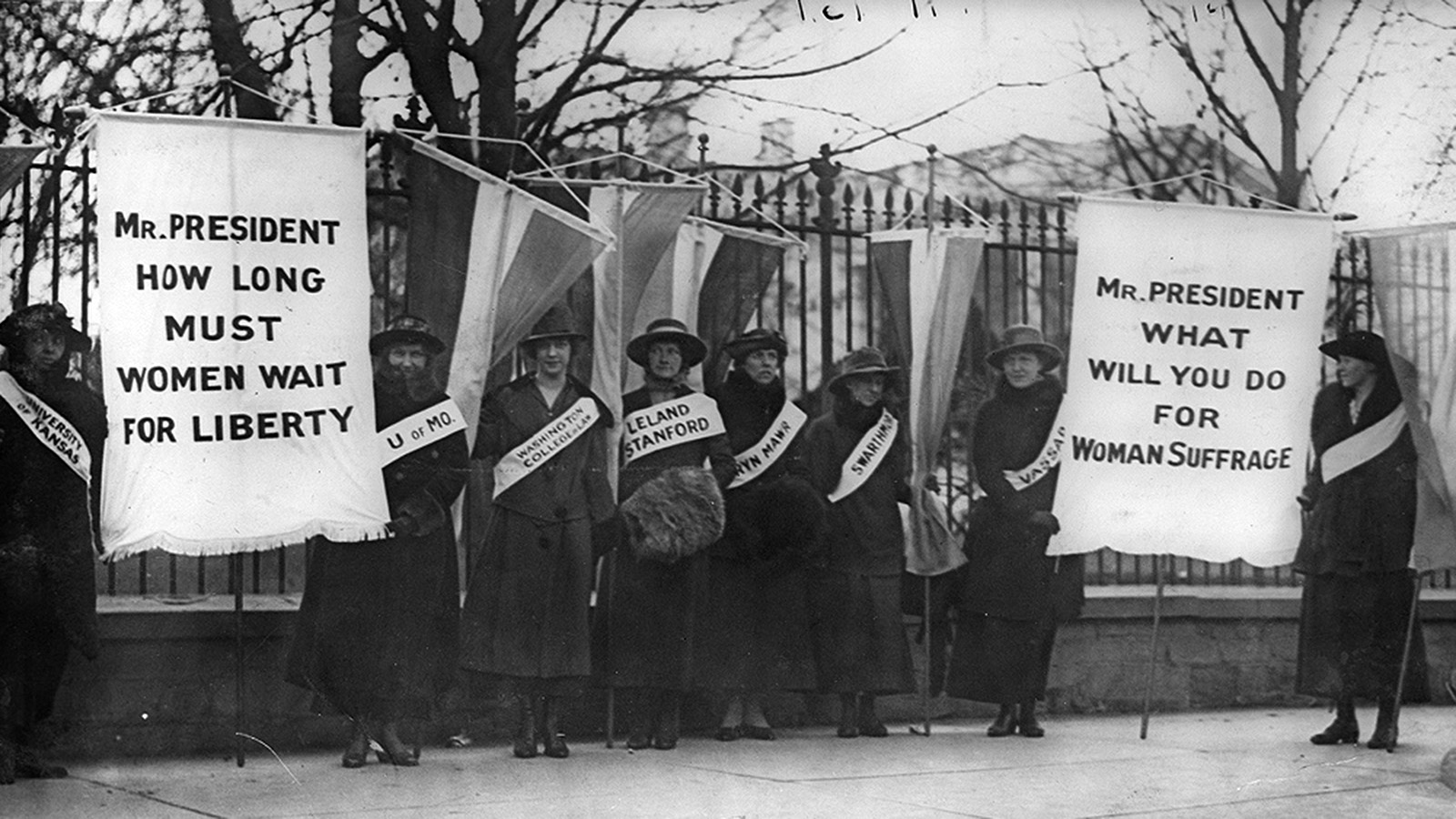
The Feminist movement grew in great strides during the Roaring 20s, too. _______ , independent young women who smoked cigarettes, cut their hair into short bobs, and wore makeup, challenged the social norm and traditional gender roles. Margaret Sanger*, a _______ activist, attempted to legalize birth control. Another step towards equality for women was the passing of the _______ amendment in 1919, which guaranteed women the right to vote. However, during the 1920s, women did not receive equal wages and were often discriminated against in the _______ .
*While Margaret Sanger opened the first birth control clinic in America that would eventually become Planned Parenthood, the organization now condemns their founder due to her involvement in the American Eugenics movement. We will learn more about this when we cover World War II!

Required
1
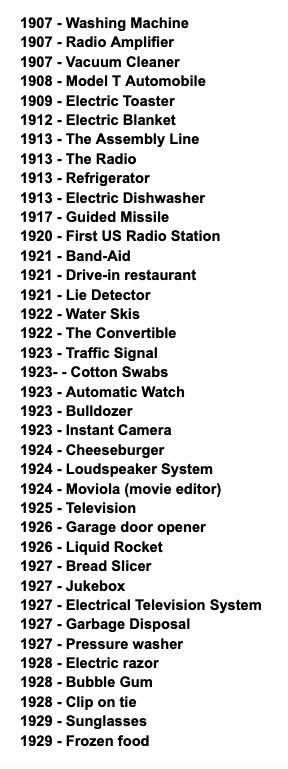
  • WWI _______ a business boom.
  • _______ produced consumer goods were now affordable - thanks to assembly line production.
  • Radio, _______ , and film contributed to boom of national popular culture.
  • Americans enjoyed the _______ standard of living in the world - new machines, cheaper goods, higher wages, and more _______ time.
Required
0

How many objects do you currently use today?

Required
0

Which three objects does your group use the most?

This week, we will learn about the rise of consumerism, which is the belief that it is beneficial for people to spend a lot of money on goods and services.
Required
0

In the 1920s, Americans were so eager to buy the items listed above -- even if they really couldn’t afford it. Why do you think that is?

Well done! Now you might be wondering how Americans were convinced to buy so many goods, which is largely a result of the advertisements that emerged in this time period. Take a look at some examples here.
Required
0

What do all of these 1920s advertisements have in common? What do these examples suggest about the values of American society in the Roaring 20s?

Required
0

In what ways does the consumerism and advertisements of the 1920s persist today (100 years later)?

Use the "Show Your Work" function to share examples of similar modern advertisements with the class!

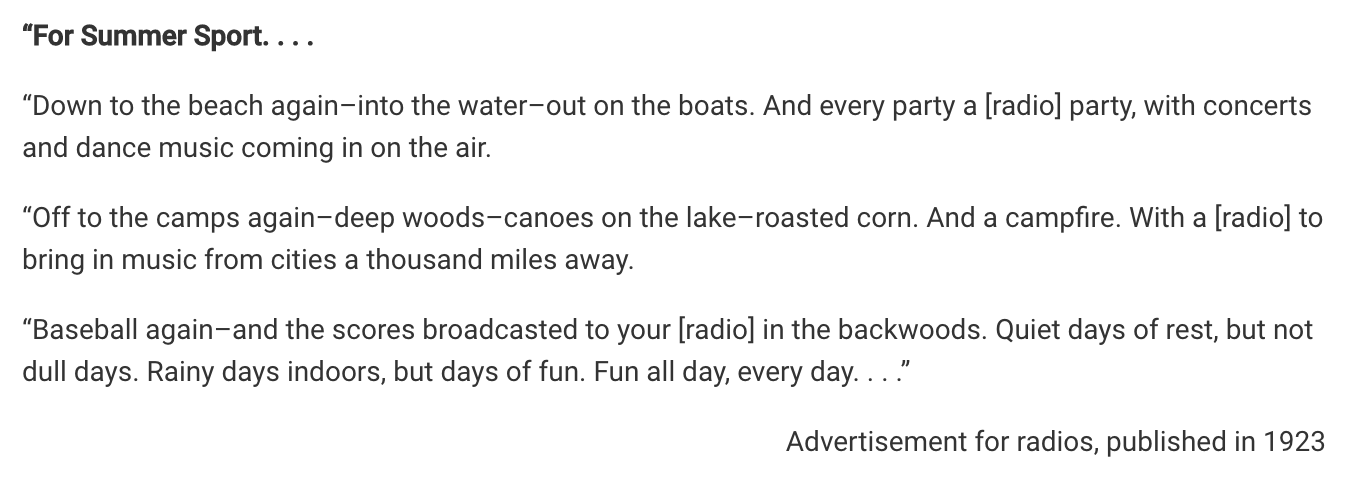
The following questions refer to the excerpt below.

Required
1

The excerpt best reflects which of the following changes to United States society compared to previous periods?

Required
1

The development depicted in the excerpt had most in common with which of the following earlier developments?

Station 4: The Great Migration & Harlem Renaissance

Content Objective: I will be able to understand the relationship between the Great Migration, Jim Crow, and the Harlem Renaissance.

Standard Objective: I will be able to draw connections between events (cause/effect).

Click here for Station 4 notes!
Required
1
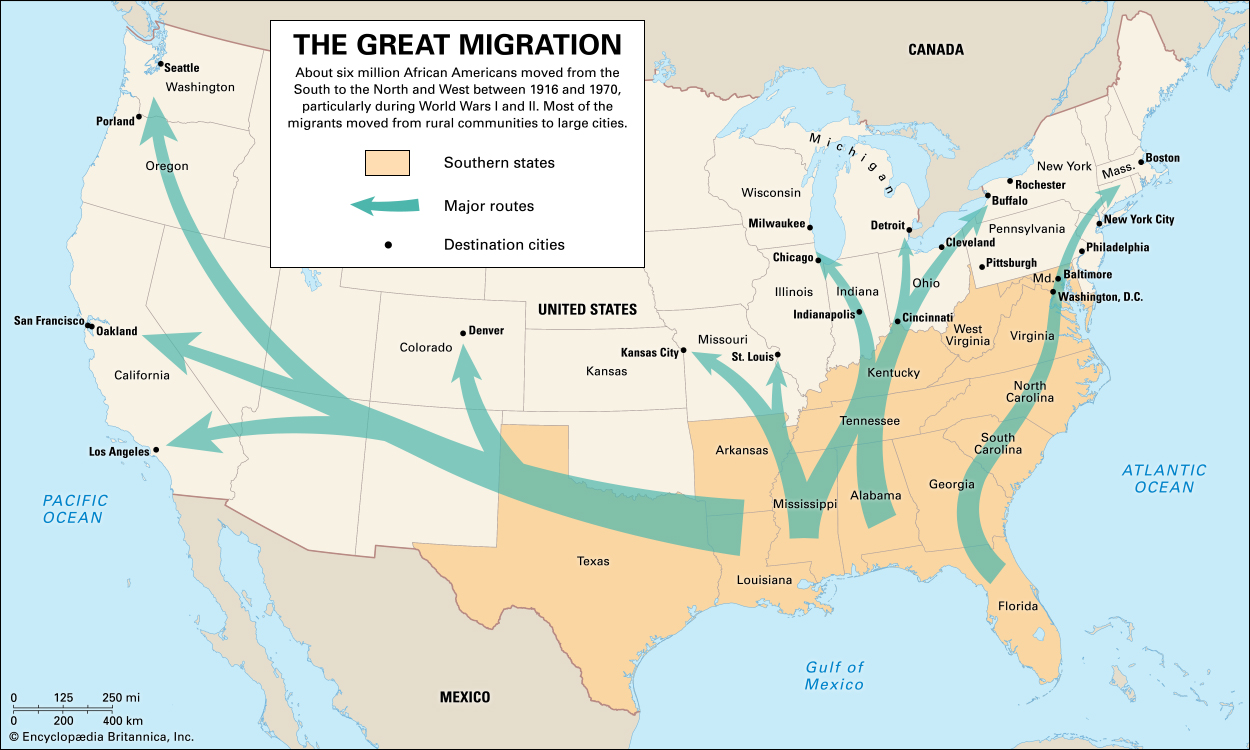
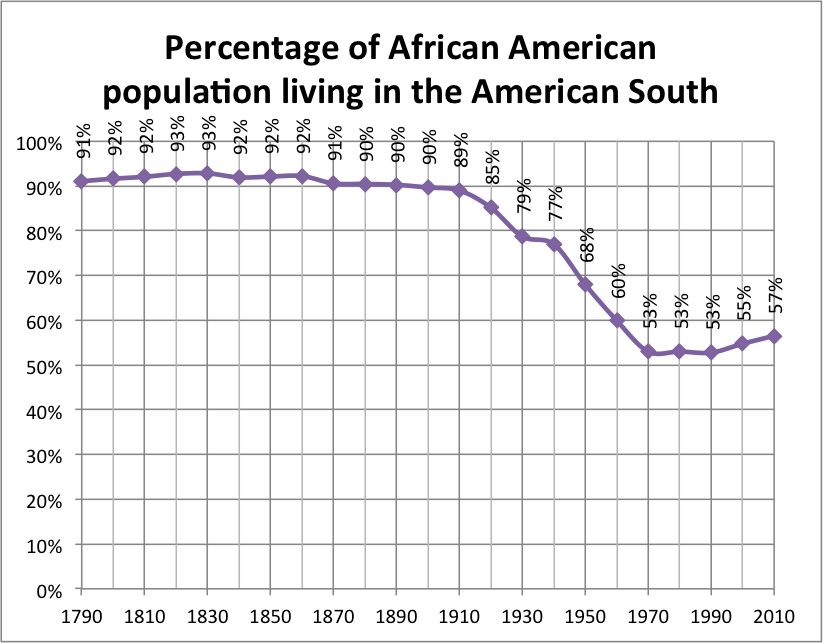
In Period 5, we learned that the Northern part of the U.S. was quite _______ and had much larger cities than in the South. Starting in 1916: _______ African Americans moved from the rural south to northern industrial cities. By 1970 over _______ of African Americans lived in the Northern areas whereas only _______ lived there in 1900.
Required
1

Which statement is best supported by the graph and the information in our class notes?

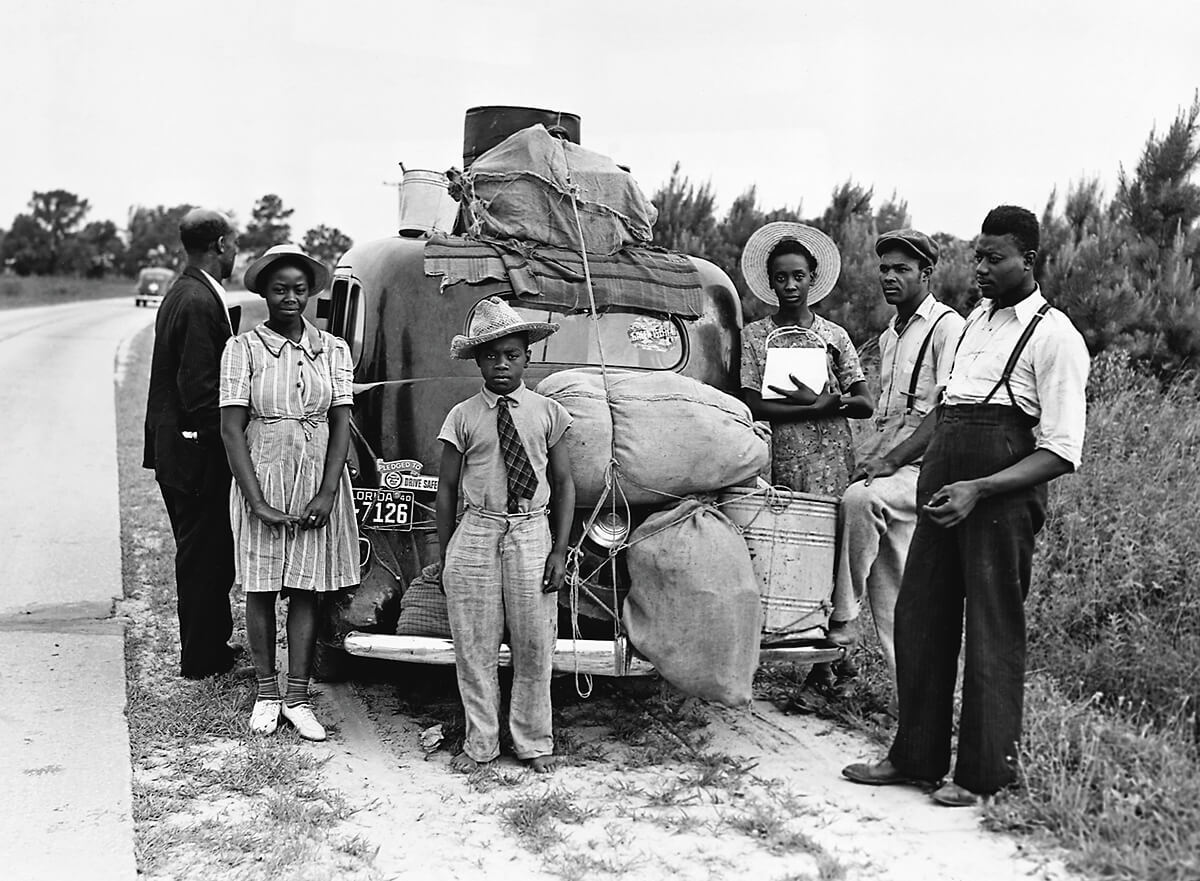
Review: There are numerous reasons why millions of Black American families left the South in the early 20th century – some even fled in secret overnight!
Required
1

Identify each cause of the Great Migration as a Push or Pull factor.

  • Rise of the KKK
  • Job prospects in industrial cities
  • “Sharecropping“ contracts
  • Segregation via Jim Crow laws
  • Suppression of Black voting rights
  • Full citizenship in the North
  • Push Factor
  • Pull Factor
Required
1
Due to the racial _______ that pervaded in most northern states, the areas in which African Americans were allowed to settle were _______ due to redlining.  Thus, cities within cities arose. _______ , in New York City, for example became a destination for thousands. It became the _______ of African American culture and art. The Harlem Renaissance of the 1920’s and 1930’s gave voice to the yearnings of African Americans.
0

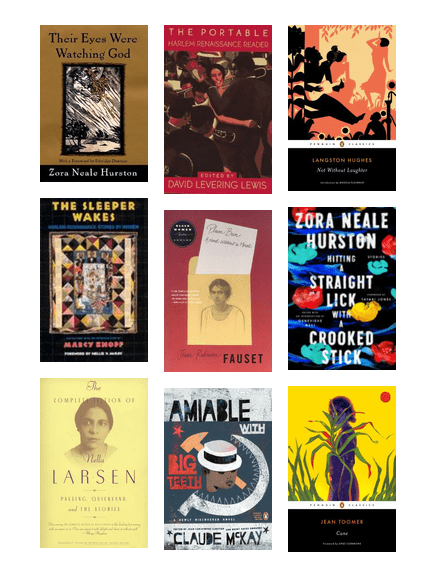
Are you familiar with any of these authors or books? If so, explain.

Required
0

Click here to explore the art of the Harlem Renaissance. Choose one artist whose works speak to you and explain why.

Under "Show Your Work," please include your favorite image/poem/song by this artist.

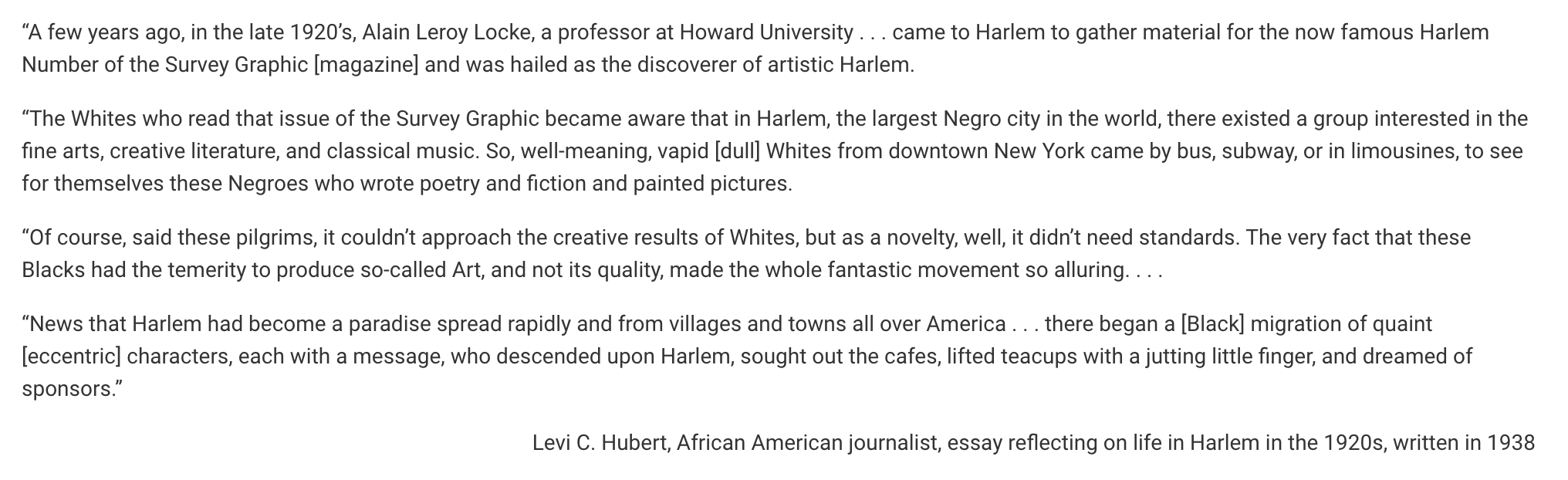
The following questions refer to the excerpt below.

Required
1

Which of the following best explains a context for the development depicted in the excerpt?

Required
1

The excerpt best reflects which of the following developments by the 1920s?

Required
1

Which of the following contributed to Hubert’s criticism in the excerpt of White Americans who visited Harlem in the 1920s?

0

Exit Ticket: Please evaluate how well you understood the Period 7 Station Work on a scale from 1 to 4: