Ɛhia
1
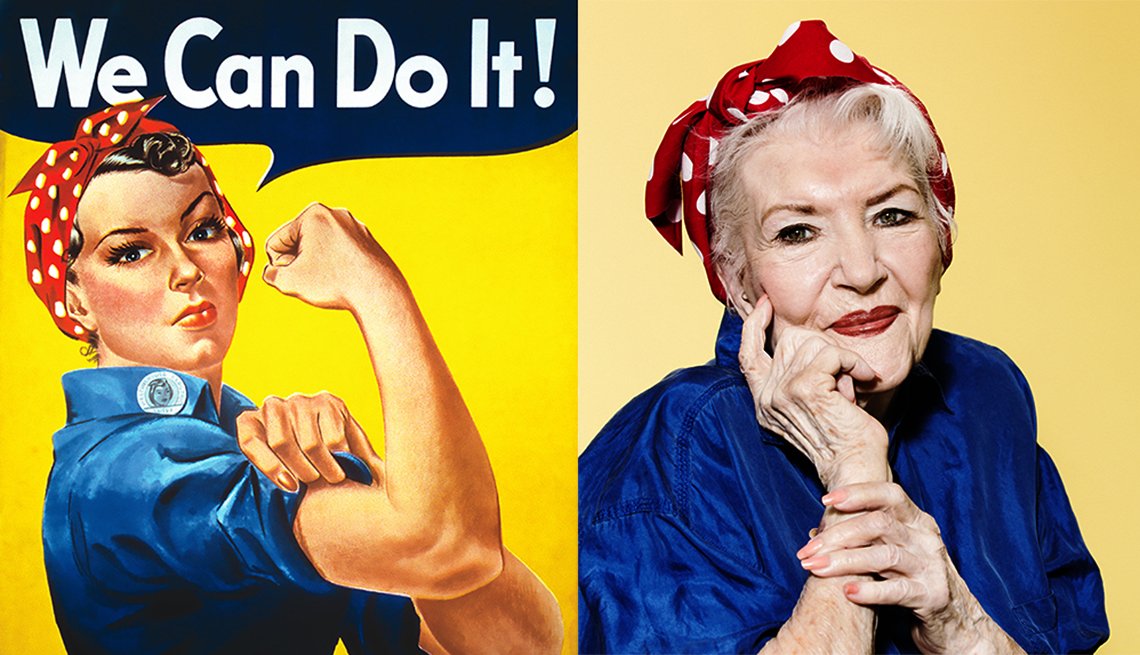
Everyone knows the iconic image that, during World War II, became an enduring symbol of
Naomi Parker-Fraley was most likely the woman behind the famous poster bearing the slogan “We Can Do It! Although she passed away in 2018 at age
Content Objective: I will be able to explain the Homefront contributions of American women to the World War II effort.
Standard Objective: I will be able to draw reasonable conclusions from the text.
Click here for the slides from today.
Content Objective: I will be able to explain the Homefront contributions of American women to the World War II effort.
Standard Objective: I will be able to draw reasonable conclusions from the text.
Click here for the slides from today.
Warm Up: Please rate how well you understood last night's pre-work on a scale from 1 to 4. If you have any questions, drop them in the "Show Your Work" area.
Warm Up: Would you travel to another country outside of the United States for a job? Explain.
Warm Up: One interesting historical fact I learned from the pre-work is…
Everyone knows the iconic image that, during World War II, became an enduring symbol of
Naomi Parker-Fraley was most likely the woman behind the famous poster bearing the slogan “We Can Do It! Although she passed away in 2018 at age
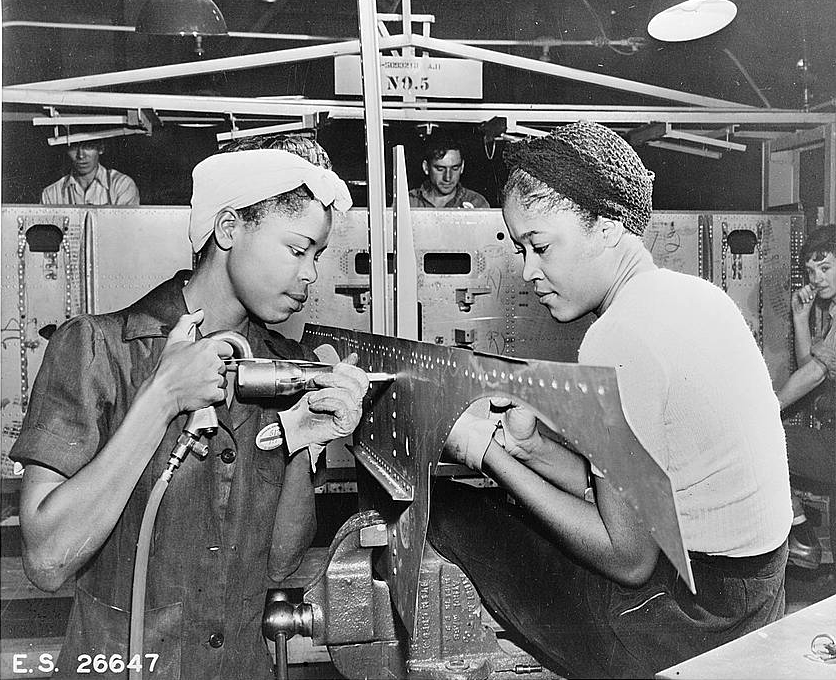
When we think of World War II, we often think of the 16 million Americans who fought overseas, but what about the other
Global war placed great demands on the American people. Without the steadfast support of the “
Initially
Applying Knowledge: Today, we are going to focus on another group of people who are rarely credited for their contributions to WWII.
Content Objective: I will be able to make inferences about the Mexican migrant worker experience in the Bracero program.
Standard Objective: I will be able to draw reasonable conclusions from the text.
Click here for the slides from today.
Class Poll: Did you know that the United States relied on Mexican laborers to maintain the Homefront?
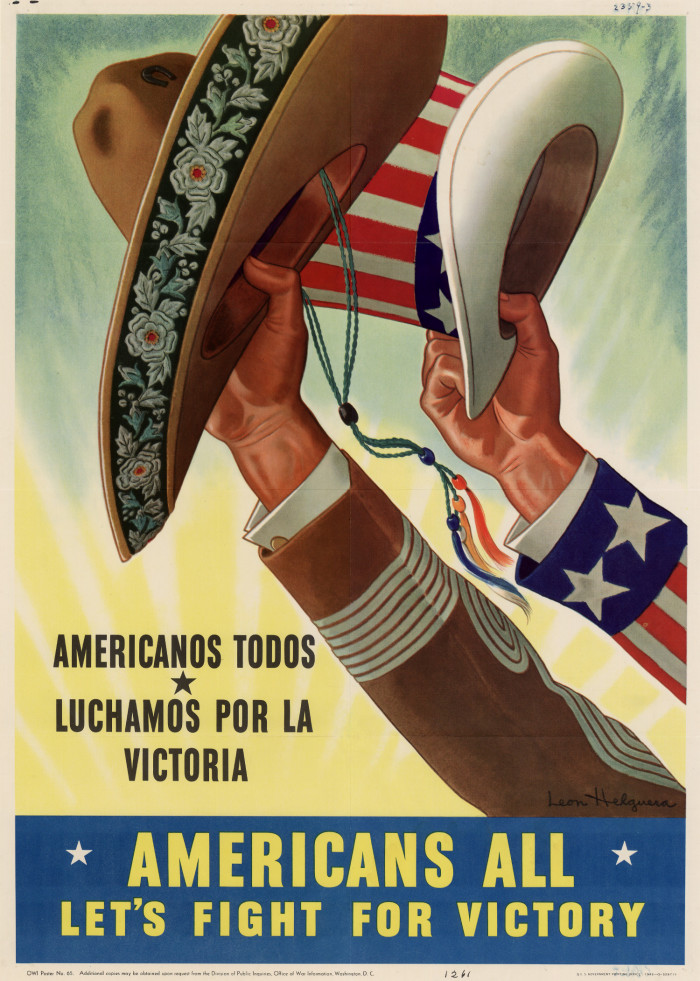
Due to the need for workers in
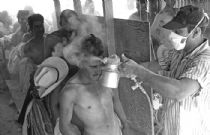
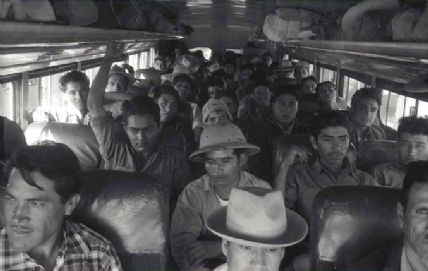
Many laborers faced an array of injustices and abuses, including
Applying Knowledge: Let's get a sense of the timeline before you use the rest of class time to explore primary source documents!
The Mexican Farm Labor Program Agreement, otherwise known as the bracero program, is between Mexico and the U.S. is the first law establishing the legalization and control of Mexican migrant workers along America’s southern border area.
Immigration and Naturalization Service begins "Operation Wetback" after many braceros remained in the U.S. after their contracts ended, and wrongly repatriates U.S.-born children of Mexican braceros.
Although large farm owners lobbied Congress to allow Mexican migrant workers to stay in the U.S., public pressure deters the programs renewal and the program ultimately ends.
Congress sanctions the bracero program with Public Law 45, which guarantees a minimum wage of 30 cents per hour and “humane treatment” for workers.
Applying Knowledge: Great work! For the remainder of class, you and your group will be exploring the Bittersweet Harvest exhibition from the National Museum of American History. As you explore, match each quote to the corresponding conclusion about the bracero program.
| Draggable item | arrow_right_alt | Corresponding Item |
|---|---|---|
“They sprayed us like rats, like insects. We left covered in powder." - Isaías Sánchez, ex-bracero | arrow_right_alt | There were more opportunities in the United States than there were in Mexico. Bracero workers left their home country to work in the U.S. so they could support their families. |
“I came looking for a way to send them money…I always thought about my mother and my brothers. I never thought about making my life just for me.” - Jesús Martínez, ex-bracero | arrow_right_alt | There was some level of corruption in the Bracero program since, in order to get a contract, Mexican workers had to pay money to officials, which wasn’t part of the law. |
"They paid twenty cents a box. You had to kill yourself to make ten dollars.” - Isidoro Ramírez, ex-bracero | arrow_right_alt | Braceros were often subjected to humiliating practices and bureaucratic procedures that were based on racist beliefs and ideology. |
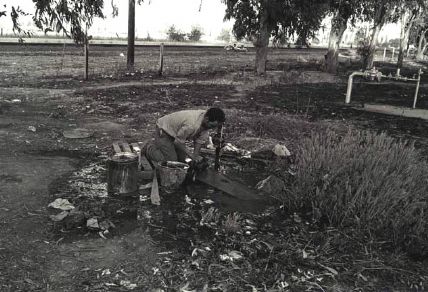
Washing clothes / Lavado de la ropa, California | arrow_right_alt | Braceros were brought in trucks and treated like cattle or, at best, arms that managed the cattle rather than people. |
| arrow_right_alt | While viewed as threats to local workers, braceros largely minded their own business and tried not to bother others. |
“I got a contract, but it wasn’t easy. . . . We had to pay money [to the officials], and it wasn’t supposed to be like that.” - Ismael Nicolás Osorio, ex-bracero | arrow_right_alt | Despite standards set by the U.S. Department of Labor, braceros were subject to poor housing conditions and disputes over pay. |
“We came to work. We didn’t come to take anything from anyone." - Isaías Sánchez, ex-bracero | arrow_right_alt | On farms, braceros were subject to backbreaking stoop-labor to pick crops such as sugar beets, cotton, lettuce, and strawberries for little-to-no-pay. |
Exit Ticket: Was the Bracero program one of exploitation or opportunity? Explain your answer using specific facts from today's lesson.
Exit Ticket: Please evaluate how well you understood today’s lesson on a scale from 1 to 4: