Preskoči na glavni sadržaj
Prijava
Sign up for FREE
arrow_back
Biblioteka

Period 7 Station Work: America Transforms in the 20th Century - SY23

star
star
star
star
star
Posljednje ažuriranje almost 2 years ago
39
Napomena autora:

Directions: Please answer the following questions based on the stations in class. If you were absent from class, click here to access the station work materials.

Directions: Please answer the following questions based on the stations in class. If you were absent from class, click here to access the station work materials.

Obavezno
2
Obavezno
1
CUL 4.0
IIRC.02
KC 4.2.III

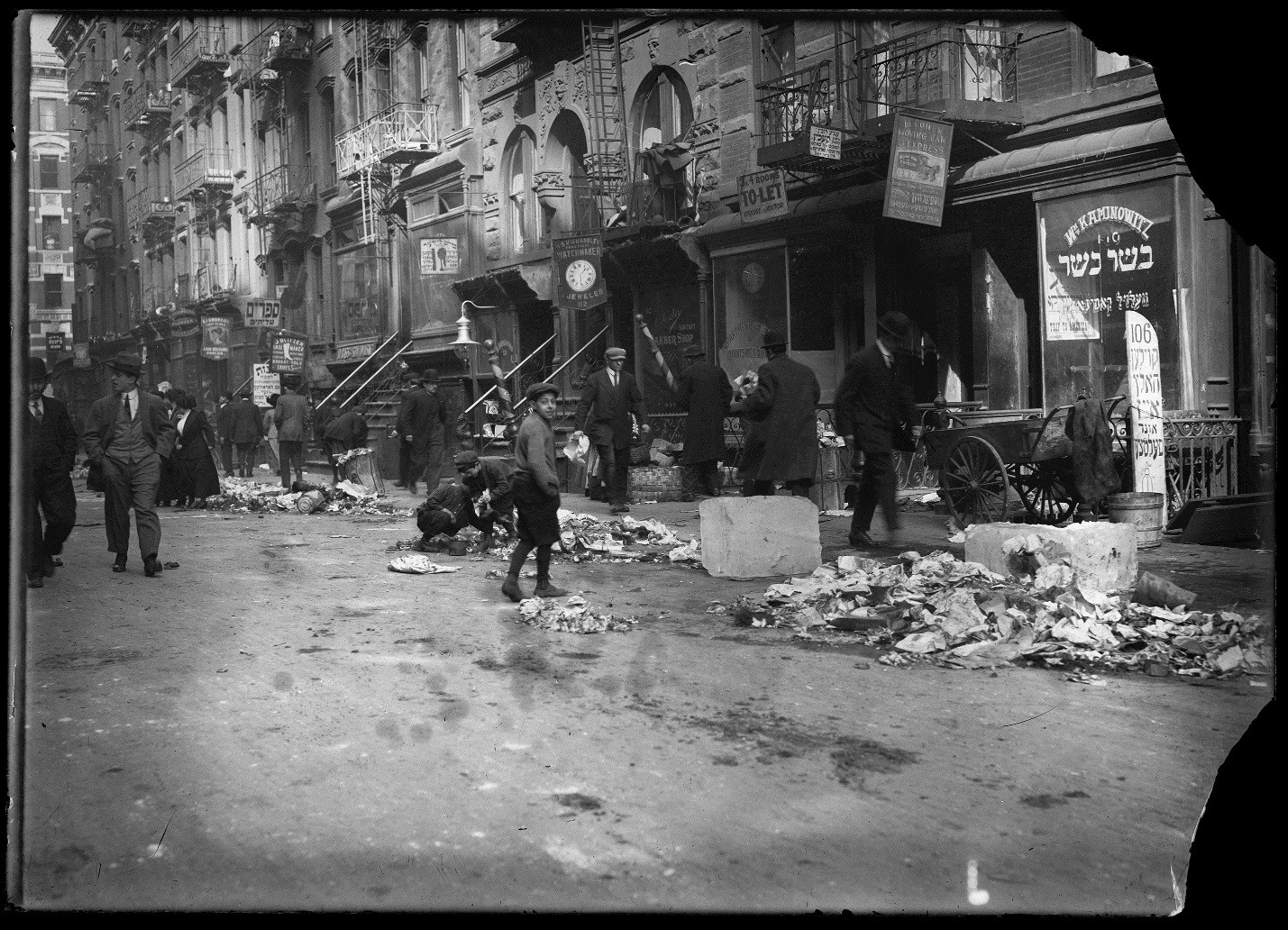
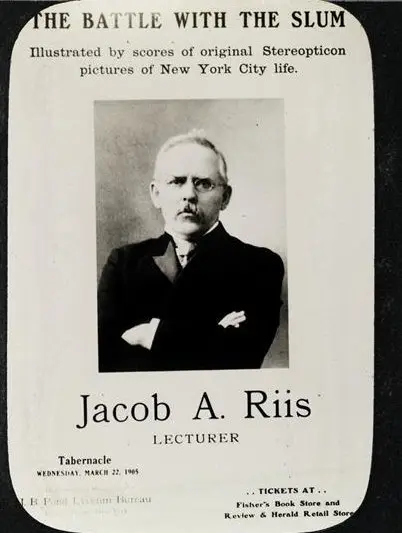
Let’s examine Riis’ photography so we can better understand American life in the early 20th century!

Obavezno
1
Obavezno
1
IIUR.01
KC 7.1.I
WXT 1.0
Obavezno
1
IIUR.01
KC 7.1.II
POL 2.0
Obavezno
1

What are the consequences of unbridled capitalism? How can we "check" the power of big business?

0
Obavezno
1
Obavezno
2
Obavezno
1
Obavezno
1
Obavezno
0

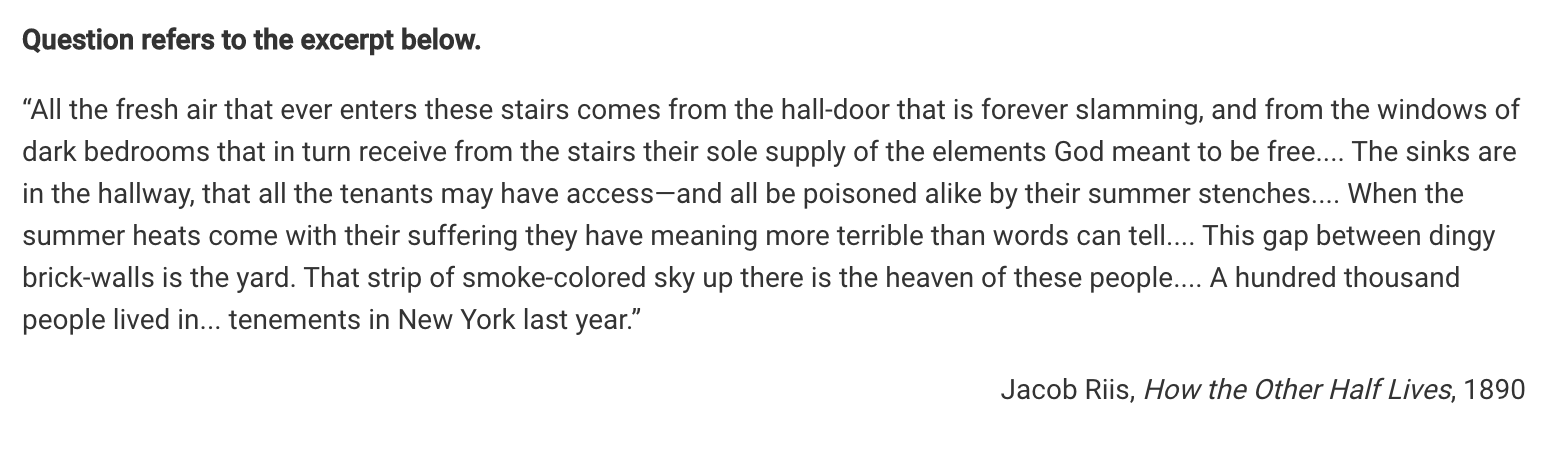
The following questions refer to the excerpt below.

Obavezno
1
KC 7.2.I
WXT 3.0
Obavezno
1
KC 7.2.I
WXT 3.0
Obavezno
1
Obavezno
0

The following questions refer to the excerpt below.

Obavezno
1
CUL 2.0
IICI.01
KC 7.2.I
Obavezno
1
IIUR.01
KC 7.2.I
MIG 2.0
Obavezno
1
CUL 4.0
IIUR.01
KC 7.2.I
0
Pitanje 1
1.

Warm Up 1: What do you already know about...

  • World War I (either from prior knowledge or World History last year)

  • the history of Chicago

Contextualize your response by explaining in at least 2 complete sentences. Tell me the hiSTORY or herSTORY.

Station 1: Urbanization in the Progressive Era

Content Objective: I will be able to explain the effects of urbanization on 20th century American society.

Standard Objective: I will be able to draw connections between events (cause/effect).

Click here for Station 1 notes!

Obavezno
1
Pitanje 2
2.
Obavezno
1
Pitanje 3
3.
Pitanje 4
4.

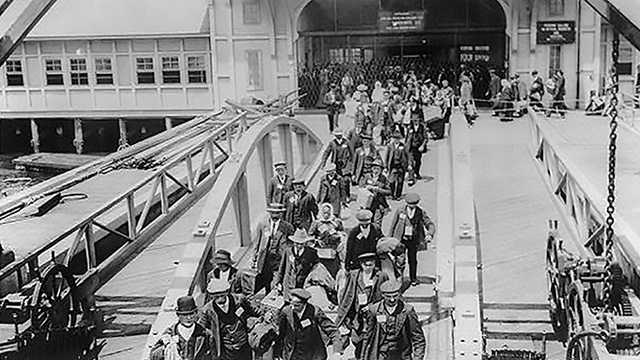
The "earlier waves of immigrants" who were prejudiced towards New Immigrants even though they also experienced nativism were likely the

Obavezno
0
Pitanje 5
5.

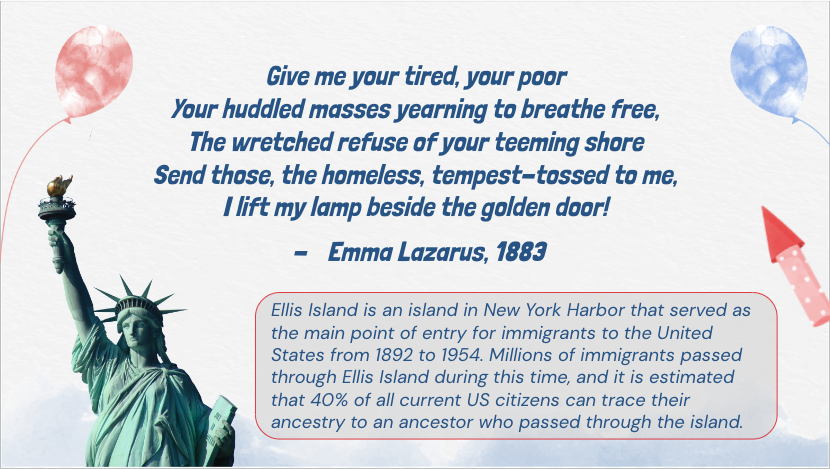
The Statue of Liberty was a gift from France that U.S. placed on Ellis Island. Emma Lazarus' poem is engraved at the bottom of this historical landmark. What does this quote mean to you?

Obavezno
1
Pitanje 6
6.
Obavezno
1
Pitanje 7
7.
Pitanje 8
8.

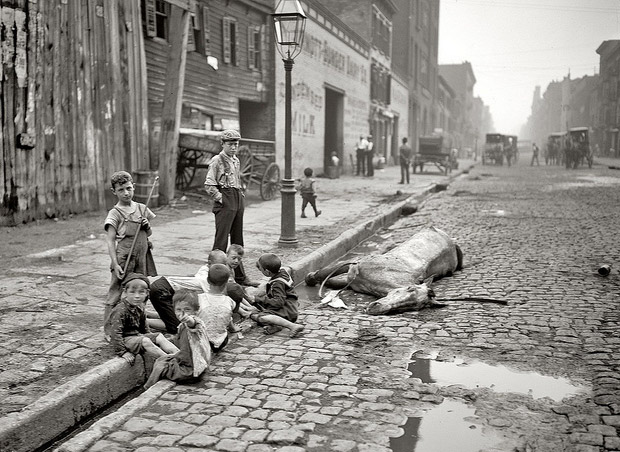
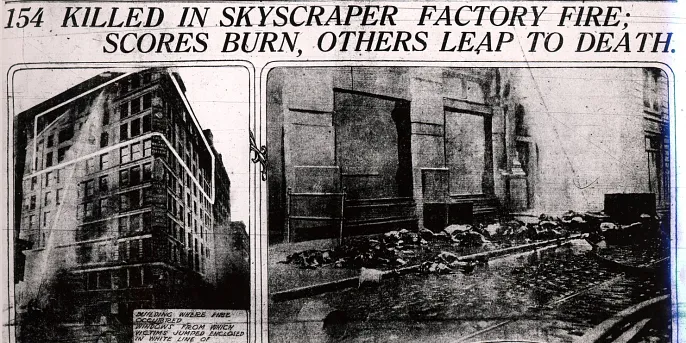
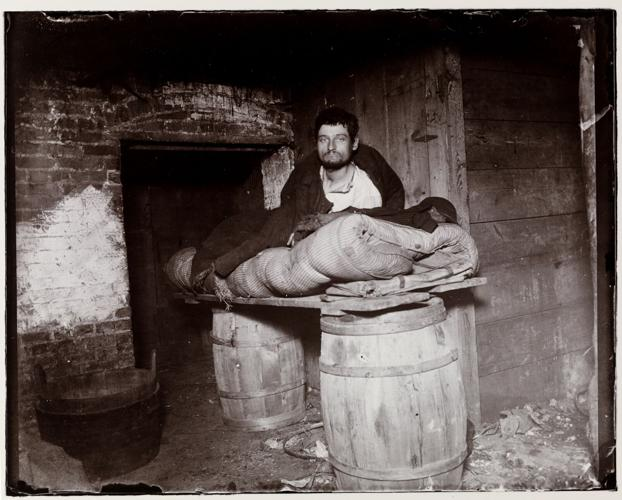
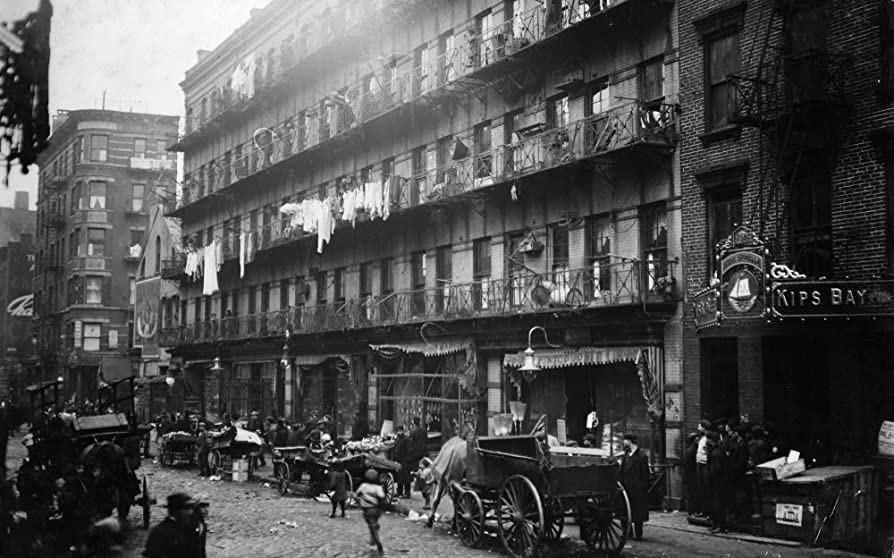
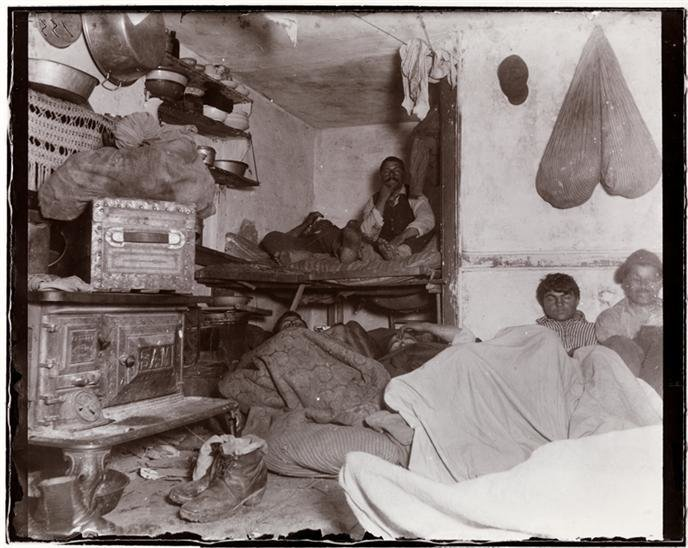
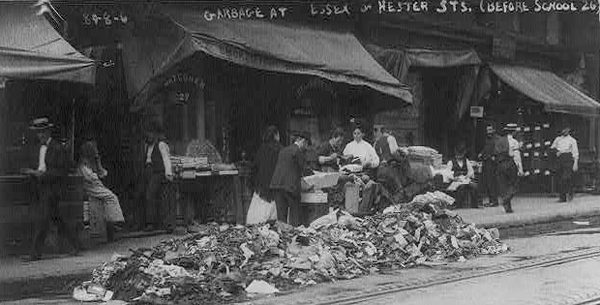
All of the pictures in your folder are primary source images taken from major cities during the Industrial era. As you read about the challenges of urbanization, decide which image best reflects each quote.

Stavka koja se može prevućiarrow_right_altOdgovarajuća stavka

"During this time, as the populations of cities increased, so did the homeless population, and pickpockets and thieves flourished. Although New York City organized the first full-time, salaried police force in 1844, it and most other city law enforcement units were too small to have much impact on crime."

arrow_right_alt

"As the cities grew, so did the challenge of keeping them clean. Horse manure piled up on the streets, sewage flowed through open gutters, and factories spewed foul smoke into the air."

arrow_right_alt

"Without dependable trash collection, people dumped their garbage on the streets. Since garbage was picked up infrequently, people sometimes dumped it into the air shafts, where it attracted vermin. To keep out the stench, residents nailed windows shut."

arrow_right_alt

"The limited water supply in many cities contributed to the spread of fires. Major fires occurred in almost every large American city during the Industrial Era. In addition to lacking water with which to combat blazes, most cities were packed with wooden dwellings, which were like kindling waiting to be ignited. The use of candles and kerosene heaters also posed a fire hazard."

arrow_right_alt

"As the urban population increased, working-class families in cities had two housing options. They could either buy a house on the outskirts of town, where they would face transportation problems, or rent cramped rooms in a boardinghouse in the central city. Boardinghouses were poorly kept, and exteriors of the buildings were unsightly."

arrow_right_alt

"After working-class families left the central city, immigrants often took over their old housing, sometimes with two or three families occupying a one-family residence. These multifamily urban dwellings, called tenements, were overcrowded and unsanitary."

arrow_right_alt

Pitanje 9
9.

The excerpt is best understood as a response to which of the following historical developments?

Pitanje 10
10.

By the 1910s, the conditions described in the excerpt were most addressed by

Station 2: Robber Barons, Social Darwinism, and Labor Issues

Content Objective: I will be able to understand how monopolies in the Gilded Age led to labor issues in the Progressive era.

Standard Objective: I will be able to draw connections between events (cause/effect).

Click here for Station 2 notes!

Obavezno
1
Pitanje 11
11.
Pitanje 12
12.

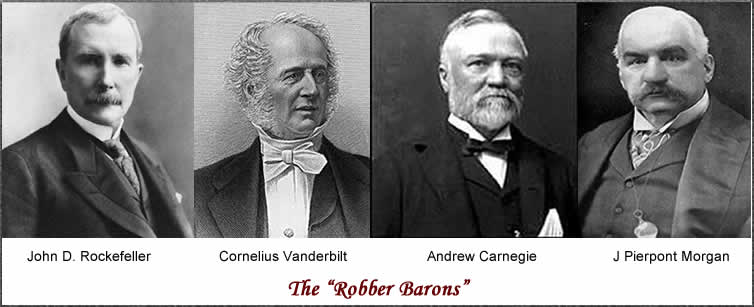
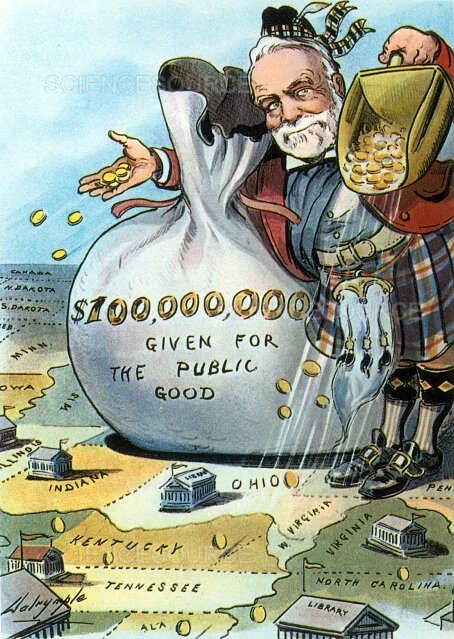
Can you match each robber baron to their trust?

Stavka koja se može prevućiarrow_right_altOdgovarajuća stavka

Cornelius Vanderbilt

arrow_right_alt

Standard Oil

Andrew Carnegie

arrow_right_alt

New York Central Railroad

J. Pierpont Morgan

arrow_right_alt

U.S. Steel

John D. Rockefeller

arrow_right_alt

J.P. Morgan & Company

Obavezno
1
Pitanje 13
13.

“Laissez faire” is French for “let do.” Essentially, the U.S. government let businesses do what they wanted from the Gilded Age through the 1920s.

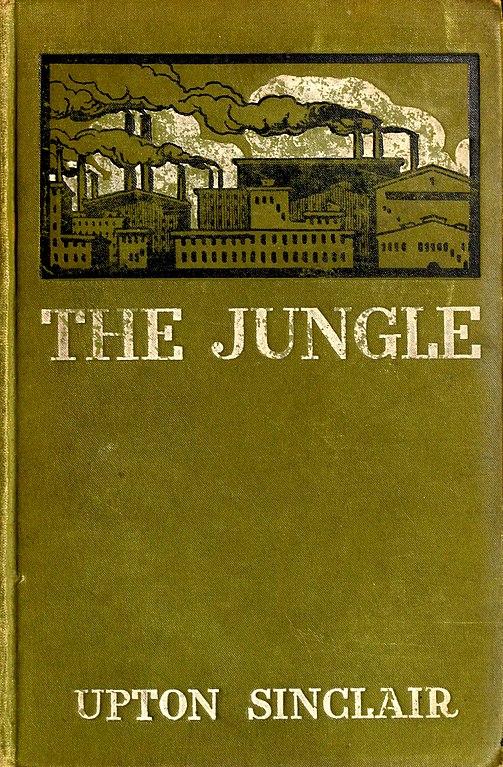
Directions: Please read the excerpts from The Jungle by Upton Sinclair. Sinclair describes the filthy conditions of the meat packing industry in Chicago. His vivid and disturbing descriptions of the industry led to the creation of the Food and Drug Administration, which regulates food producers.

0
Pitanje 14
14.

Before You Read: Have you ever thought about where your food comes from? How do you know it's clean and safe to eat?

Pitanje 15
15.

After You Read: Now that you’ve read about the horrendous conditions of the meat-packing industry in Chicago, which two lines were the most shocking to your group? Type the quotes in the box below.

Pitanje 16
16.

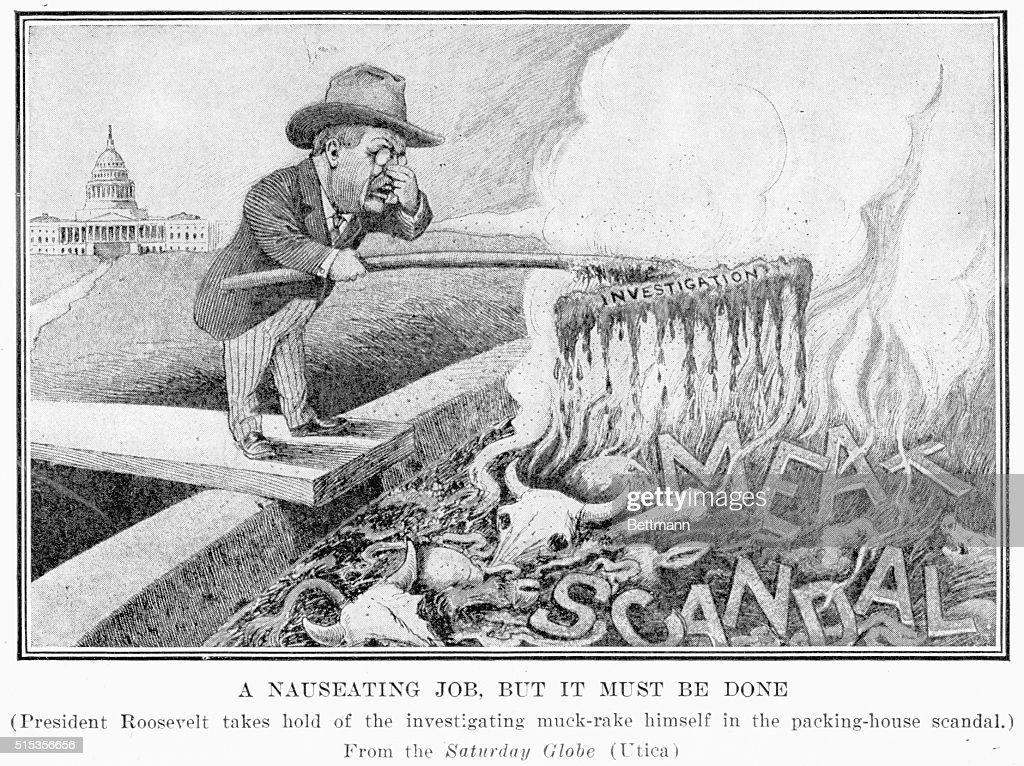
How does the political cartoon above relate the Upton Sinclair's The Jungle?

Your response should...

  • Answer the Prompt in 2-3 sentences

  • Cite Evidence by identifying at least two details from the image

  • Expand by connecting to at least one historical event, figure, or key term from the Progressive Era.

Pitanje 17
17.

Warm Up 2: What do you already know about...

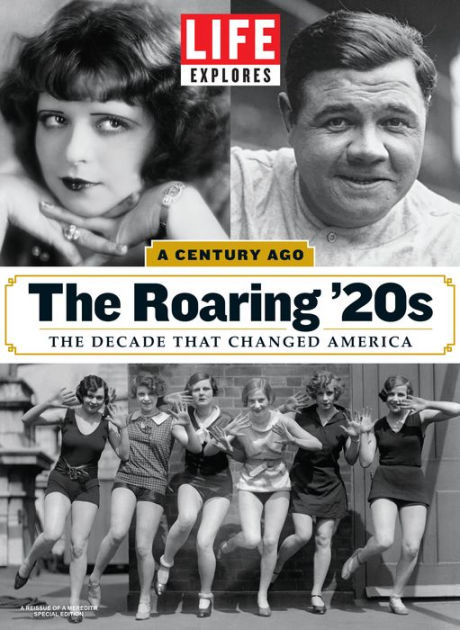
  • the Roaring 20s (either from prior knowledge or reading The Great Gatsby)

  • the Harlem Renaissance?

Contextualize your response by explaining in at least 2 complete sentences. Tell me the hiSTORY or herSTORY.

Station 3: The Roaring 20s & Rise of Consumerism

Content Objective: I will be able to contextualize the rise of consumerism in the 1920s with the present day United States.

Standard Objective: I will be able to draw connections between events (compare/contrast).

Click here for Station 3 notes!

Obavezno
1
Pitanje 18
18.
Pitanje 19
19.

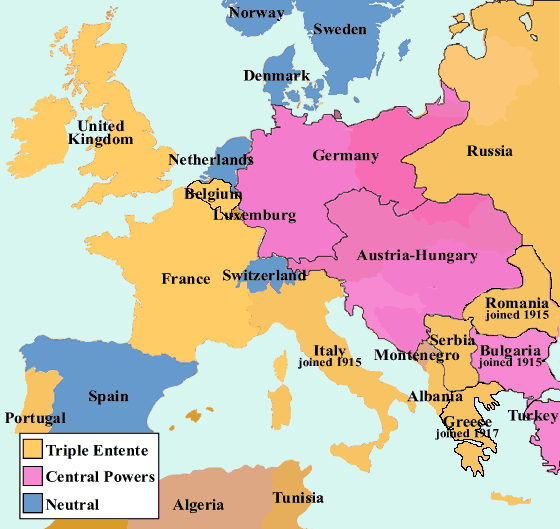
What was the outcome of World War I?

  • Central Powers

  • United States

  • Austria-Hungary

  • Great Britain

  • Germany

  • Triple Entente

  • Ottoman Empire

  • France

  • Won

  • Lost

Obavezno
1
Pitanje 20
20.
Obavezno
1
Pitanje 21
21.

*While Margaret Sanger opened the first birth control clinic in America that would eventually become Planned Parenthood, the organization now condemns their founder due to her involvement in the American Eugenics movement. We will learn more about this when we cover World War II!

Pitanje 22
22.
Obavezno
0
Pitanje 23
23.

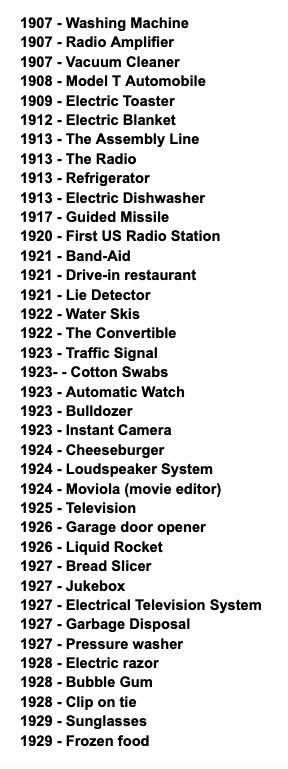
How many objects do you currently use today?

Obavezno
0
Pitanje 24
24.

Which three objects does your group use the most?

This week, we will learn about the rise of consumerism, which is the belief that it is beneficial for people to spend a lot of money on goods and services.

Obavezno
0
Pitanje 25
25.

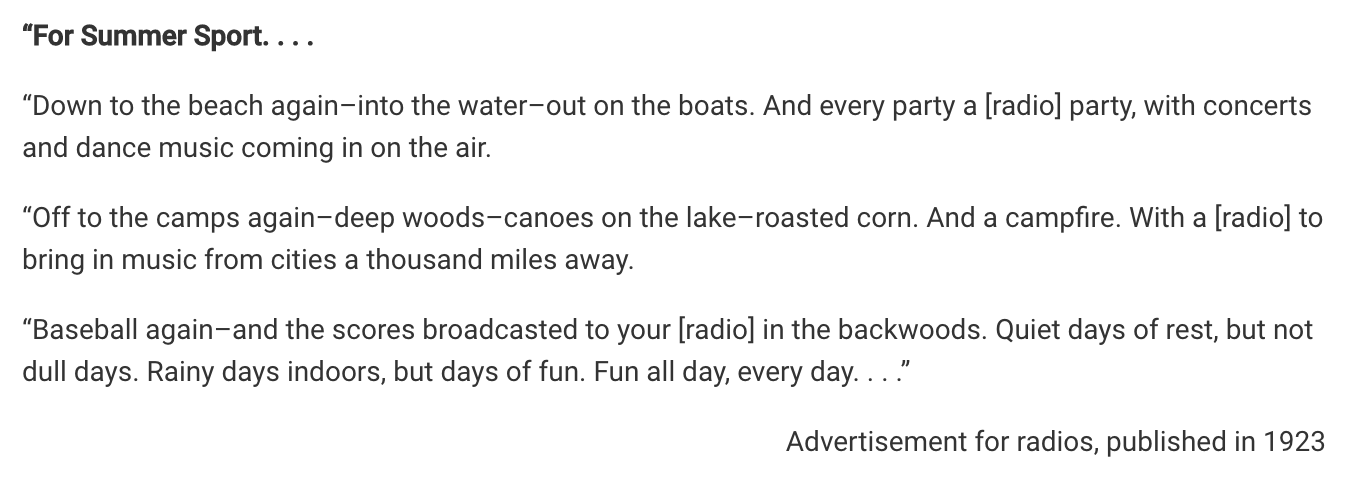
In the 1920s, Americans were so eager to buy the items listed above -- even if they really couldn’t afford it. Why do you think that is?

Well done! Now you might be wondering how Americans were convinced to buy so many goods, which is largely a result of the advertisements that emerged in this time period. Take a look at some examples here.

Obavezno
0
Pitanje 26
26.

What do all of these 1920s advertisements have in common? What do these examples suggest about the values of American society in the Roaring 20s?

Pitanje 27
27.

In what ways does the consumerism and advertisements of the 1920s persist today (100 years later)?

Use the "Show Your Work" function to share examples of similar modern advertisements with the class!

Pitanje 28
28.

The excerpt best reflects which of the following changes to United States society compared to previous periods?

Pitanje 29
29.

The development depicted in the excerpt had most in common with which of the following earlier developments?

Station 4: The Great Migration & Harlem Renaissance

Content Objective: I will be able to understand the relationship between the Great Migration, Jim Crow, and the Harlem Renaissance.

Standard Objective: I will be able to draw connections between events (cause/effect).

Click here for Station 4 notes!

Obavezno
1
Pitanje 30
30.
Obavezno
1
Pitanje 31
31.

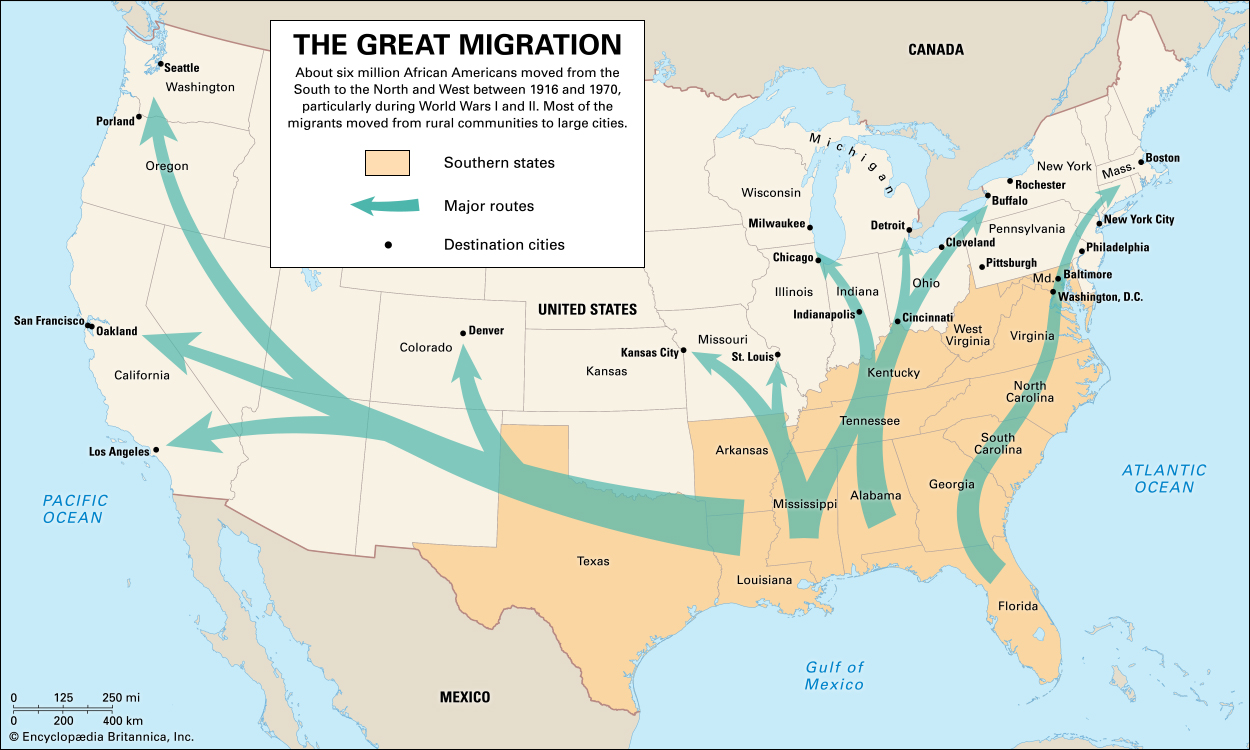
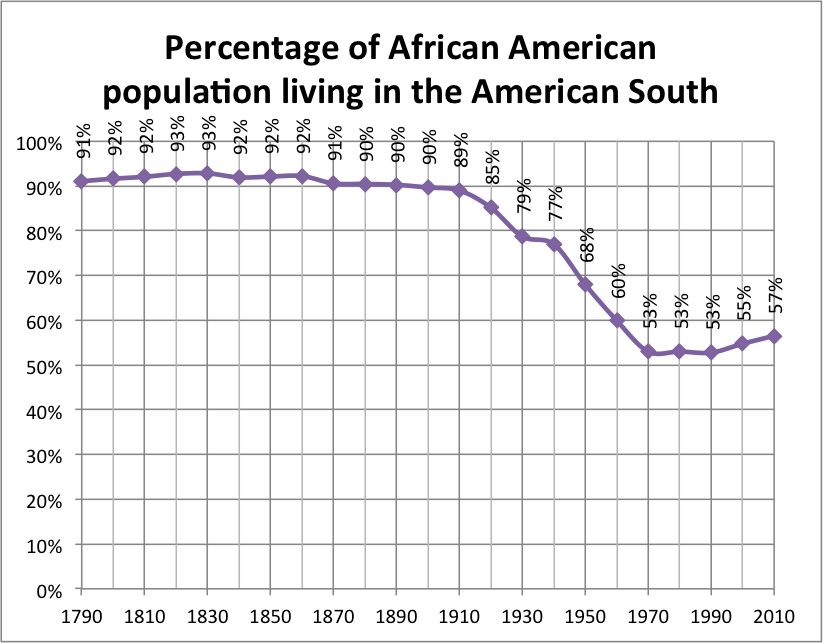
Which statement is best supported by the graph and the information in our class notes?

SQN.01

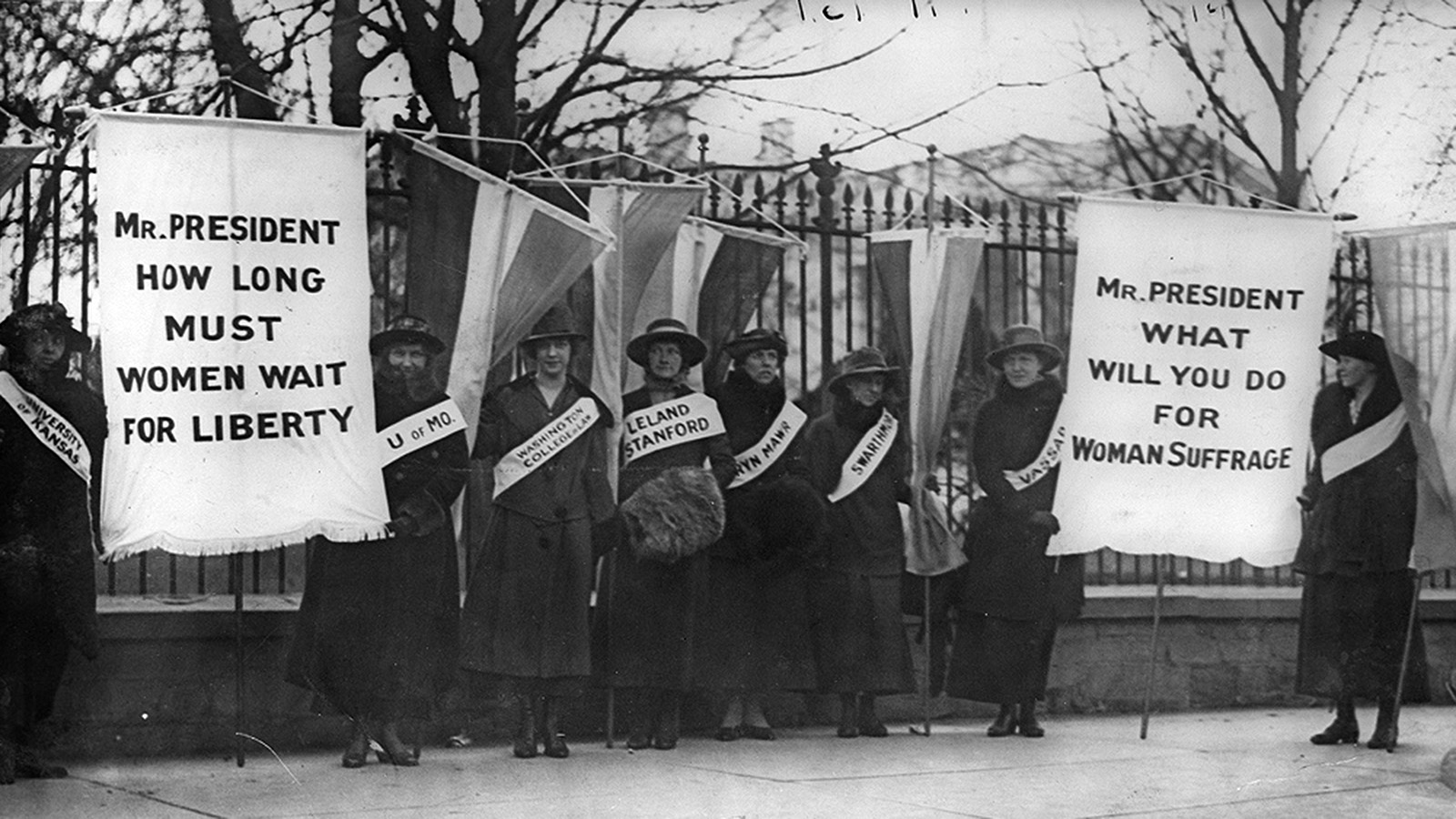
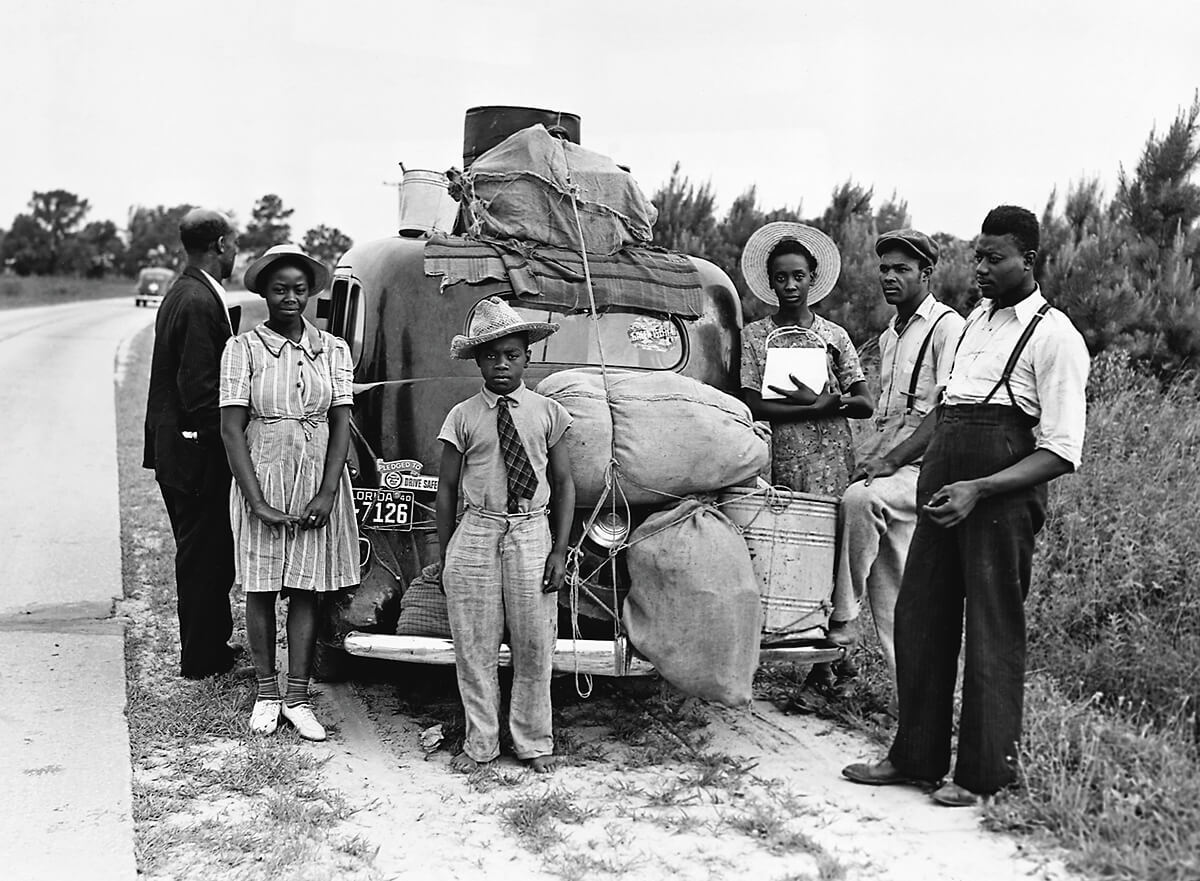
Review: There are numerous reasons why millions of Black American families left the South in the early 20th century – some even fled in secret overnight!

Pitanje 32
32.

Identify each cause of the Great Migration as a Push or Pull factor.

  • Rise of the KKK

  • Full citizenship in the North

  • Job prospects in industrial cities

  • Segregation via Jim Crow laws

  • “Sharecropping“ contracts

  • Suppression of Black voting rights

  • Push Factor

  • Pull Factor

Obavezno
1
Pitanje 33
33.
0
Pitanje 34
34.

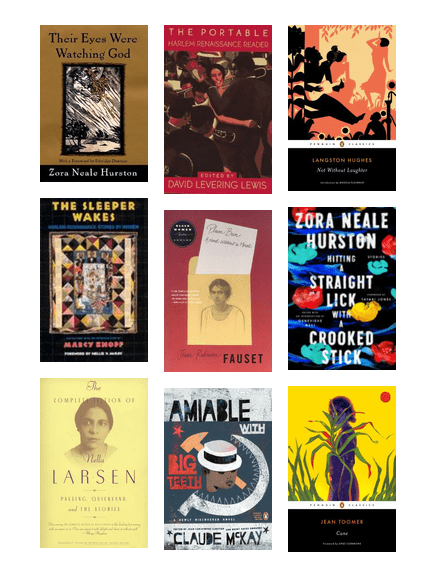
Are you familiar with any of these authors or books? If so, explain.

Pitanje 35
35.

Click here to explore the art of the Harlem Renaissance. Choose one artist whose works speak to you and explain why.

Under "Show Your Work," please include your favorite image/poem/song by this artist.

Pitanje 36
36.

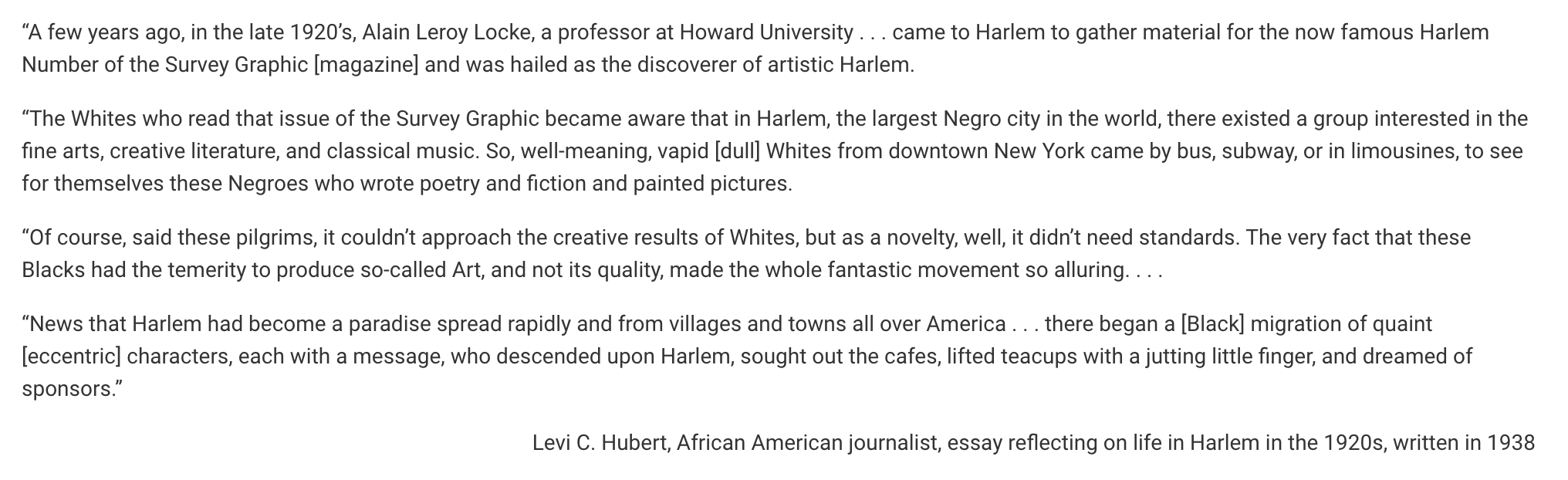
Which of the following best explains a context for the development depicted in the excerpt?

Pitanje 37
37.

The excerpt best reflects which of the following developments by the 1920s?

Pitanje 38
38.

Which of the following contributed to Hubert’s criticism in the excerpt of White Americans who visited Harlem in the 1920s?

Pitanje 39
39.

Exit Ticket: Please evaluate how well you understood the Period 7 Station Work on a scale from 1 to 4: