Ɛhia
1
The Great Depression was primarily caused by the
Nationwide defaults on loans and mortgages led to rampant unemployment, homelessness, and
Content Objective: I will be able to explain FDR's New Deal in my own words and evaluate its success.
Standard Objective: I will be able to draw reasonable conclusions from the text.
Click here for the slides from today.
Content Objective: I will be able to explain FDR's New Deal in my own words and evaluate its success.
Standard Objective: I will be able to draw reasonable conclusions from the text.
Click here for the slides from today.
Warm Up for Wednesday, 3/29: Please rate how well you understood last night's pre-work on a scale from 1 to 4. If you have any questions, drop them in the "Show Your Work" area.
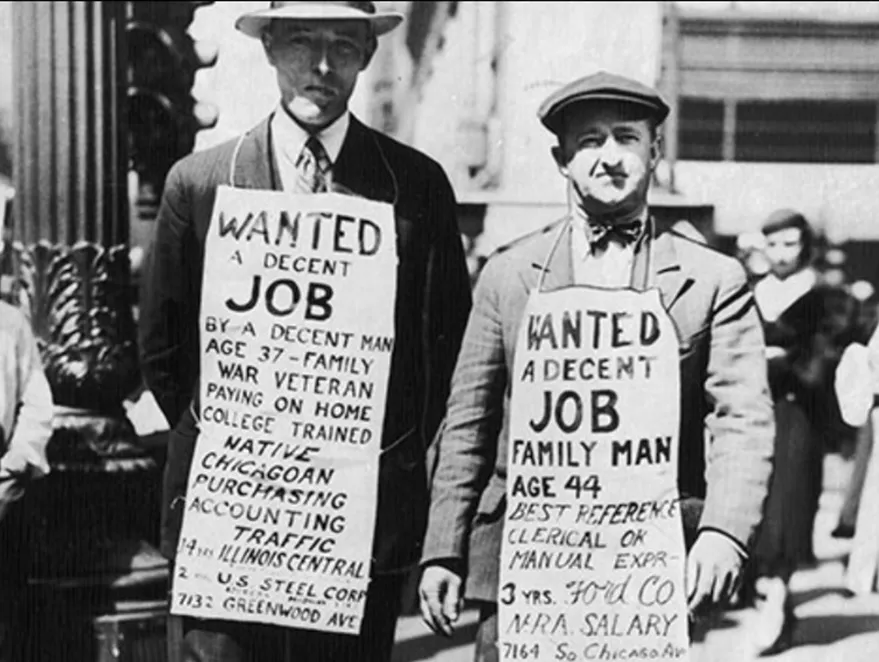
Warm Up for Wednesday, 3/29: What do you notice about the photo from the Great Depression under "Show Your Work"?
Feel free to mark up or annotate when we discuss as a class!
Warm Up: One interesting historical fact I learned from the pre-work is…
The Great Depression was primarily caused by the
Nationwide defaults on loans and mortgages led to rampant unemployment, homelessness, and
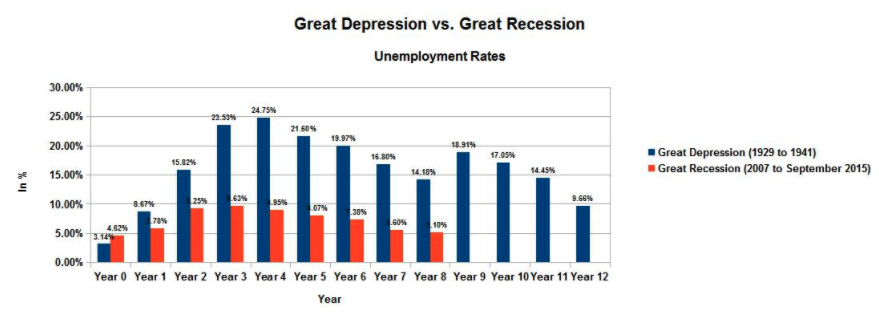
Which was worse?
Explain how you know under "Show Your Work."
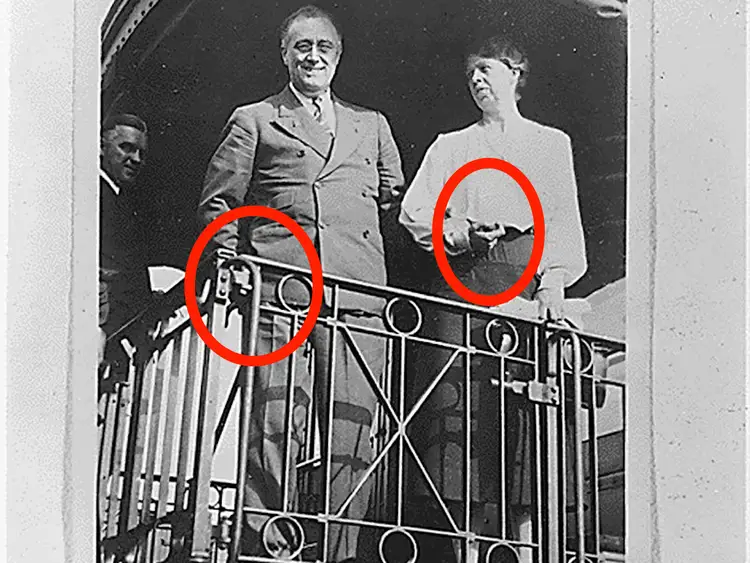
President Franklin D. Roosevelt, better known as
To this day, FDR is the only president who had a physical
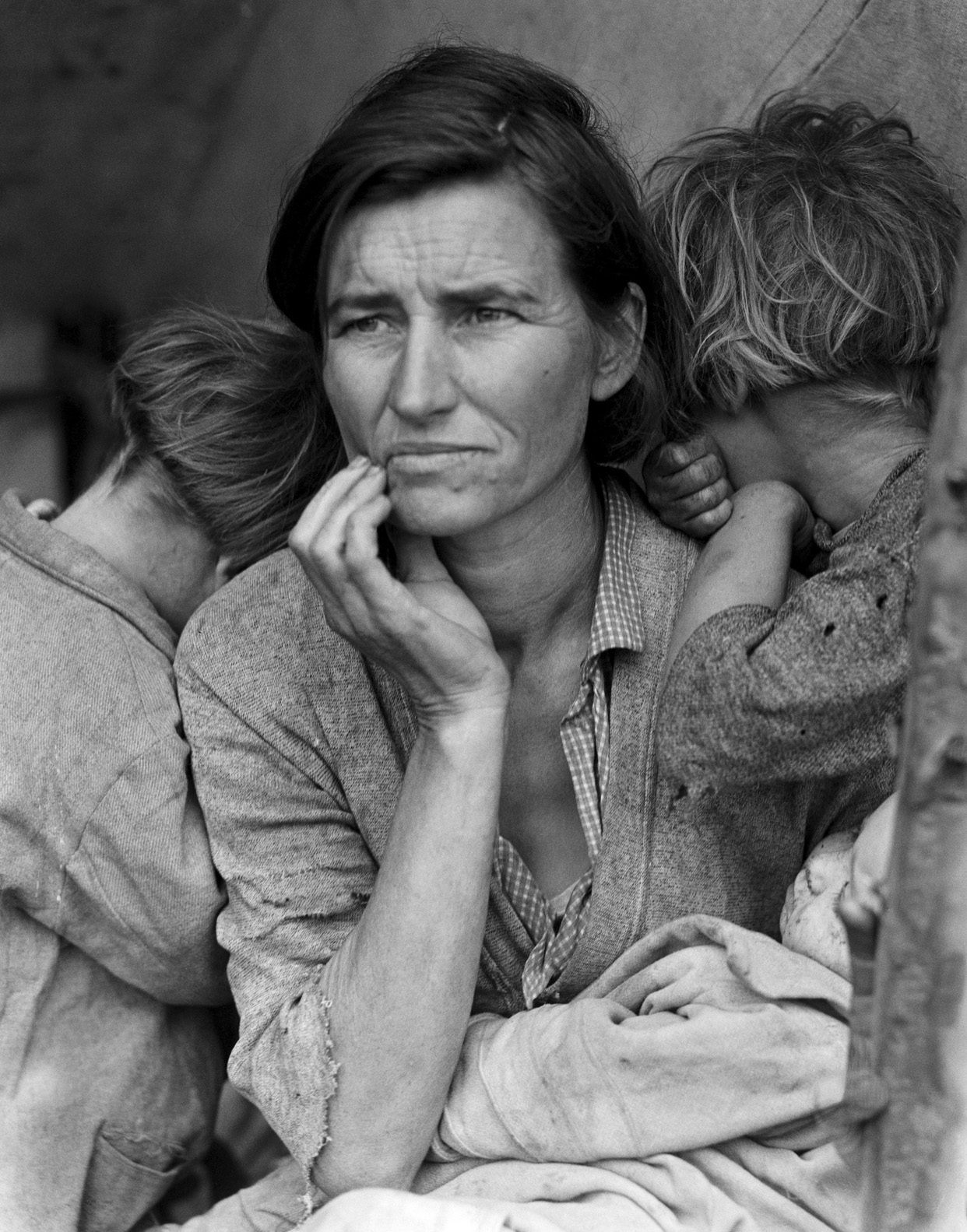
FDR’s signature legislation was called the
Historians commonly divide this set of domestic policies into two:
The First New Deal (1933-1934) was an “alphabet soup” of relief, recovery, and reform agencies created to address the
The Second New Deal (1935-1938) addressed
Applying Knowledge: Please read the following excerpt about FDR and the New Deal independently.
"Roosevelt’s plan to alleviate problems of the Great Depression was called the New Deal. New Deal policies focused on three general goals: relief for the needy, economic recovery, and financial reform. Many historians distinguish between a First New Deal (1933–1934) and a Second New Deal (1935–1936), with the second one more liberal and more controversial. When a new President and administration take office, they often try to pass a lot of legislation in the beginning to prove their capability and earn the nations trust. During this period, called the Hundred Days, Roosevelt let loose a flood of legislation designed to rescue banks, industry, and agriculture and provide jobs for the unemployed. He sent bill after bill to Congress. Between March 9 and June 16, 1933—Congress passed 15 major acts to resolve the economic crisis, setting a pace for new legislation that has never been equaled.
Together, these programs made up what would later be called the First New Deal. These laws, and others that followed, significantly expanded the federal government’s role in the nation’s recovery. Roosevelt’s first major step was declaring a bank holiday. On his very first night in office, Roosevelt told Secretary of the Treasury William H. Woodin that he wanted an emergency banking bill ready for Congress in less than five days. The following afternoon, Roosevelt declared a national bank holiday, temporarily closing all banks, and called Congress into a special session scheduled to begin on March 9, 1933. When Congress convened, the House of Representatives unanimously passed the Emergency Banking Relief Act after only 38 minutes of debate. The Senate approved the bill that evening, and Roosevelt signed it into law shortly afterward. The new law required federal examiners to survey the nation’s banks and issue Treasury Department licenses to those that were financially sound. Under this act, the government would decide which banks were fit to stay open, which should receive government loans, and which should be closed. On March 12 President Roosevelt gave his first, of many, fireside chats.
These were radio talks that would explain in simple language his plans to help the country. Sometimes beginning his talks with "Good evening, friends", Roosevelt urged listeners to have faith in the bank and to support this New Deal measures saying, “I assure you that it is safer to keep your money in a reopened bank than under the mattress.” When banks opened the day after the speech, deposits far outweighed withdrawals. FDR’s reassurance to the American people helped to quell public fears and helped the banks become successful again. The "fireside chats" were considered enormously successful and attracted more listeners than the most popular radio shows during the "Golden Age of Radio." Roosevelt continued his broadcasts into the 1940s, as Americans turned their attention to World War II.
Which of the following pieces of evidence supports the claim that FDR's fireside chats were successful at alleviating the American people's concerns about the Great Depression?

Warm Up for Thursday, 3/30: Please rate how well you understood last night's pre-work on a scale from 1 to 4. If you have any questions, drop them in the "Show Your Work" area.
Warm Up for Thursday, 3/30: Do you think the government should intervene during times of economic crisis? Explain.
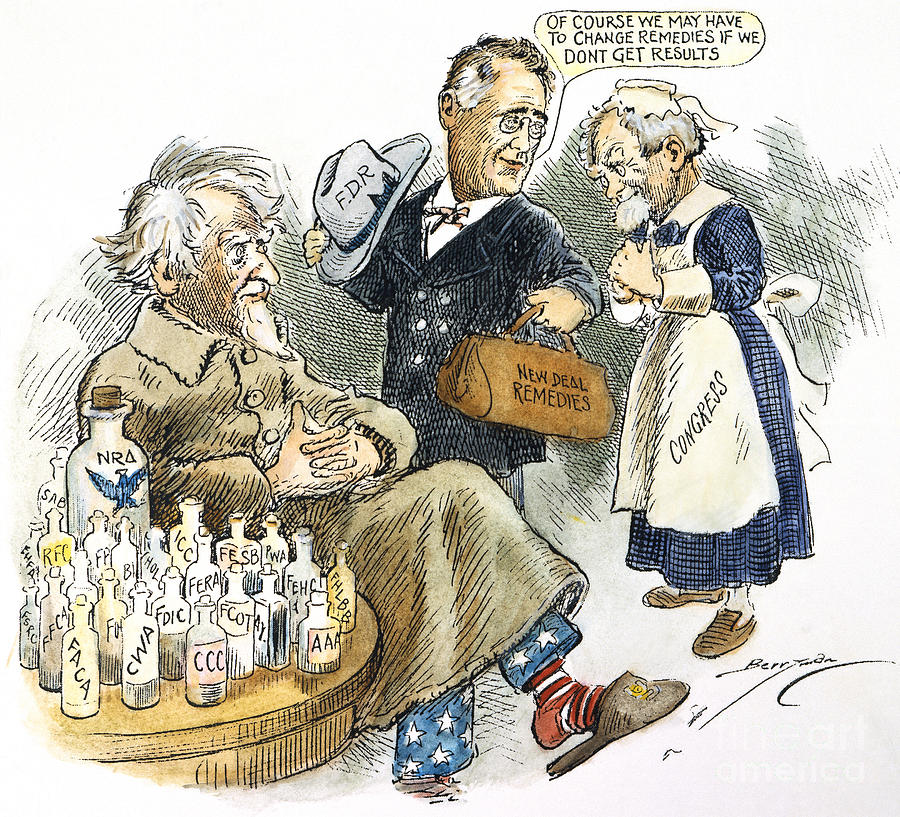
Which New Deal program are you and your group going to research?
Under "Show Your Work" record your findings from Chapter 32!
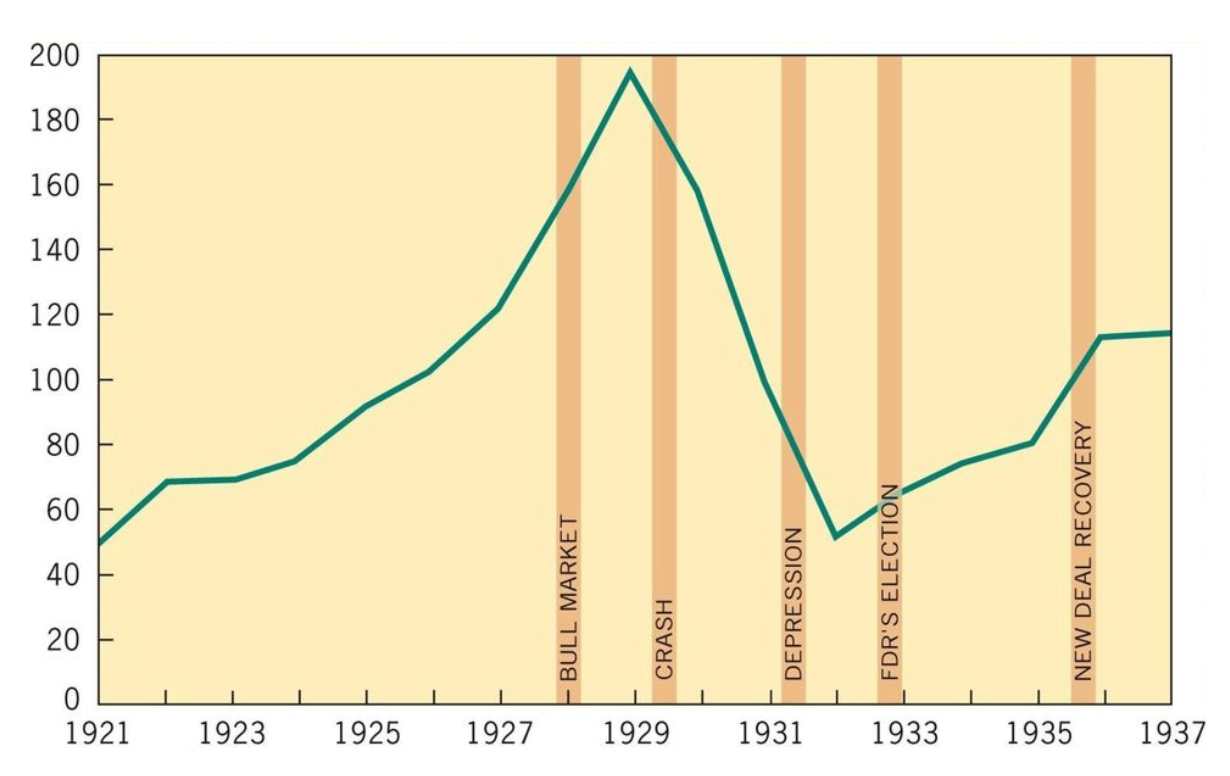
Exit Ticket: Which of the following was a significant cause of the trend shown between 1921 and 1929?
Exit Ticket: Which of the following trends from this graph best explains the popular support of the New Deal?
Exit Ticket: The trend shown between 1933 and 1937 would contribute to
Exit Ticket: Please evaluate how well you understood today’s lesson on a scale from 1 to 4:
Why did FDR bail out the banks with the Emergency Banking Relief Act?
Which of the following R's of Roosevelt's New Deal would lead to long-term changes to the U.S. economy?
Under "Show Your Work," explain your thinking by defining the purpose of the "R" and how it would lead to long-term changes.