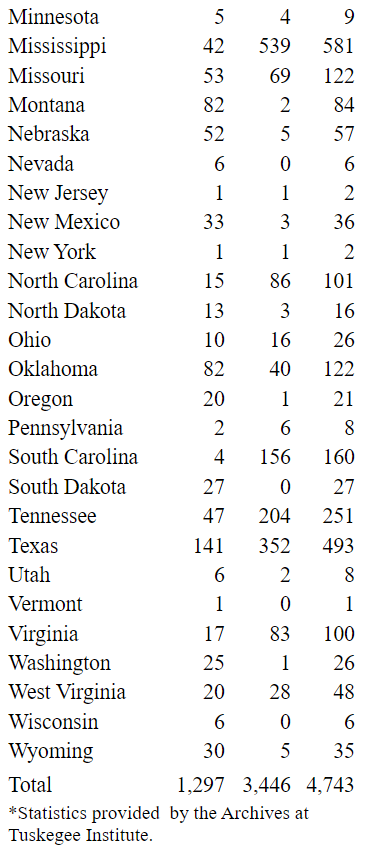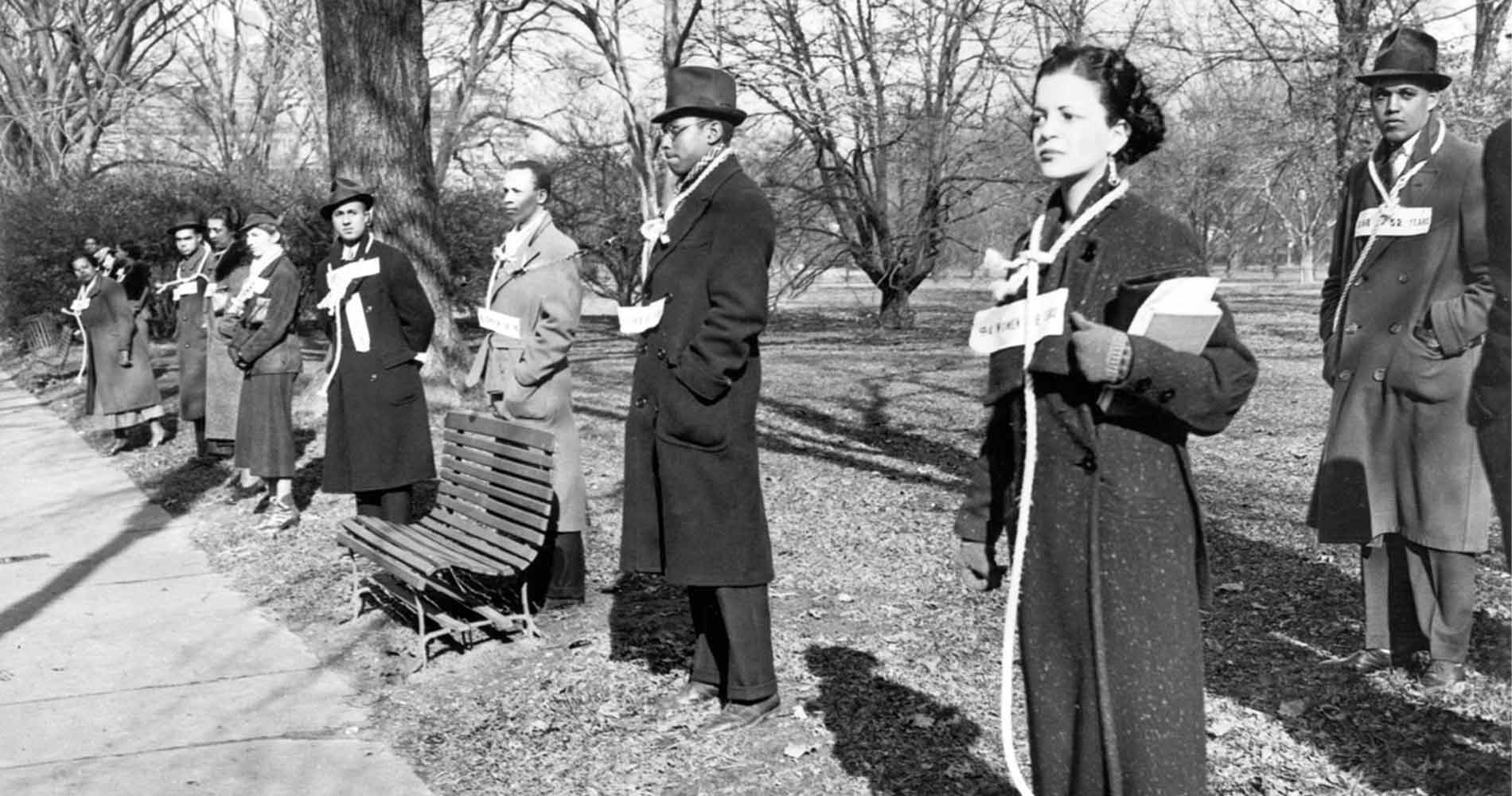
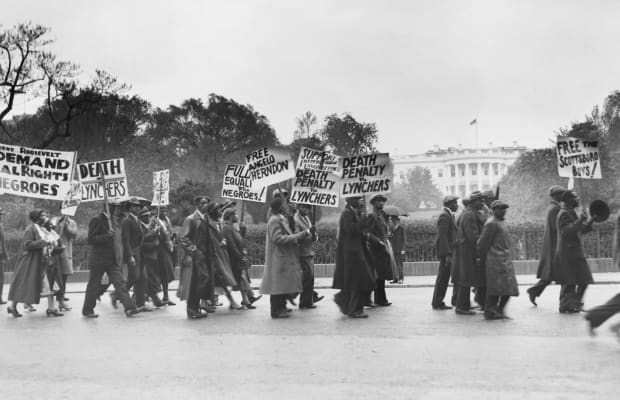
Black advocates formed national anti-lynching organizations and petitioned for legislation and official intervention in response to lynchings. Howard University students protest outside the National Crime Conference in Washington, DC, 1934.
Warm Up Review Question: What was one right that the Black community gained during the Reconstruction Era? How did literacy tests degrade that right?
Background Knowledge Check: Do you know what a lynching is?
For nearly a century following the Civil War,
Lynching is the murder of a person by a mob through a public
Millions of Black Americans were terrorized by
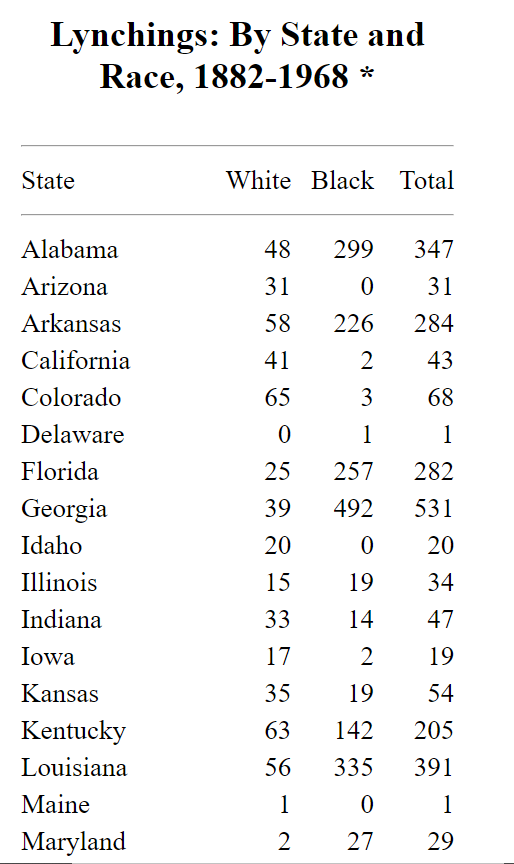
Examine the lynching records provided by the Tuskegee Institute. What do you notice/what stands out to you? Do you see any patterns? What questions do you have?
Equal Justice Initiative (our country’s official organization for ending racialized violence) has documented nearly
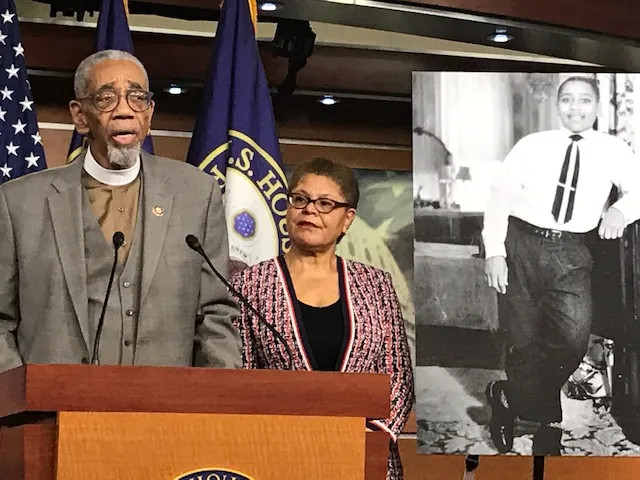
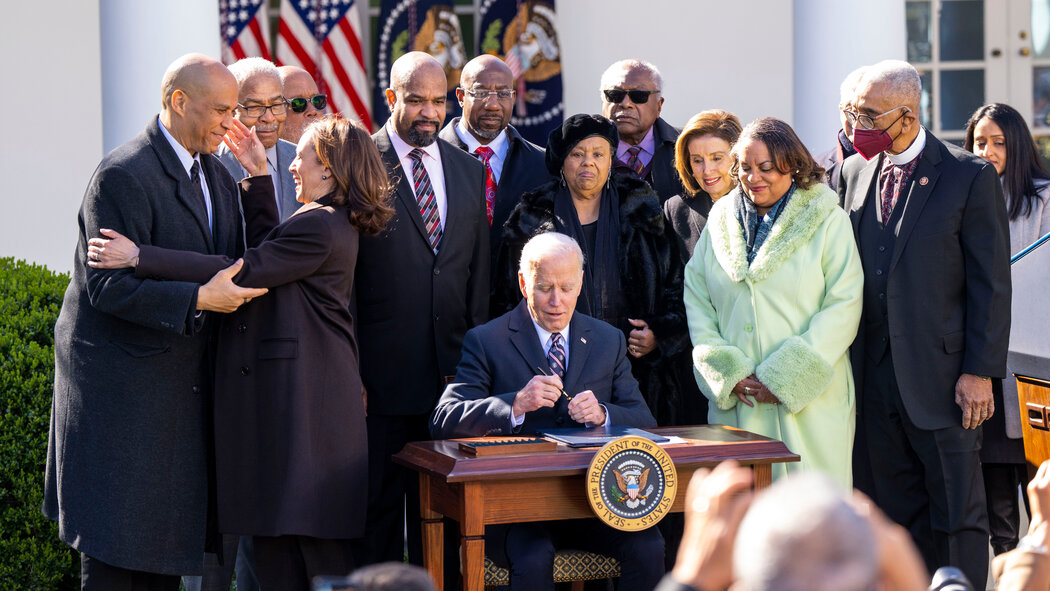
Just under a year ago (3.29.2022) President
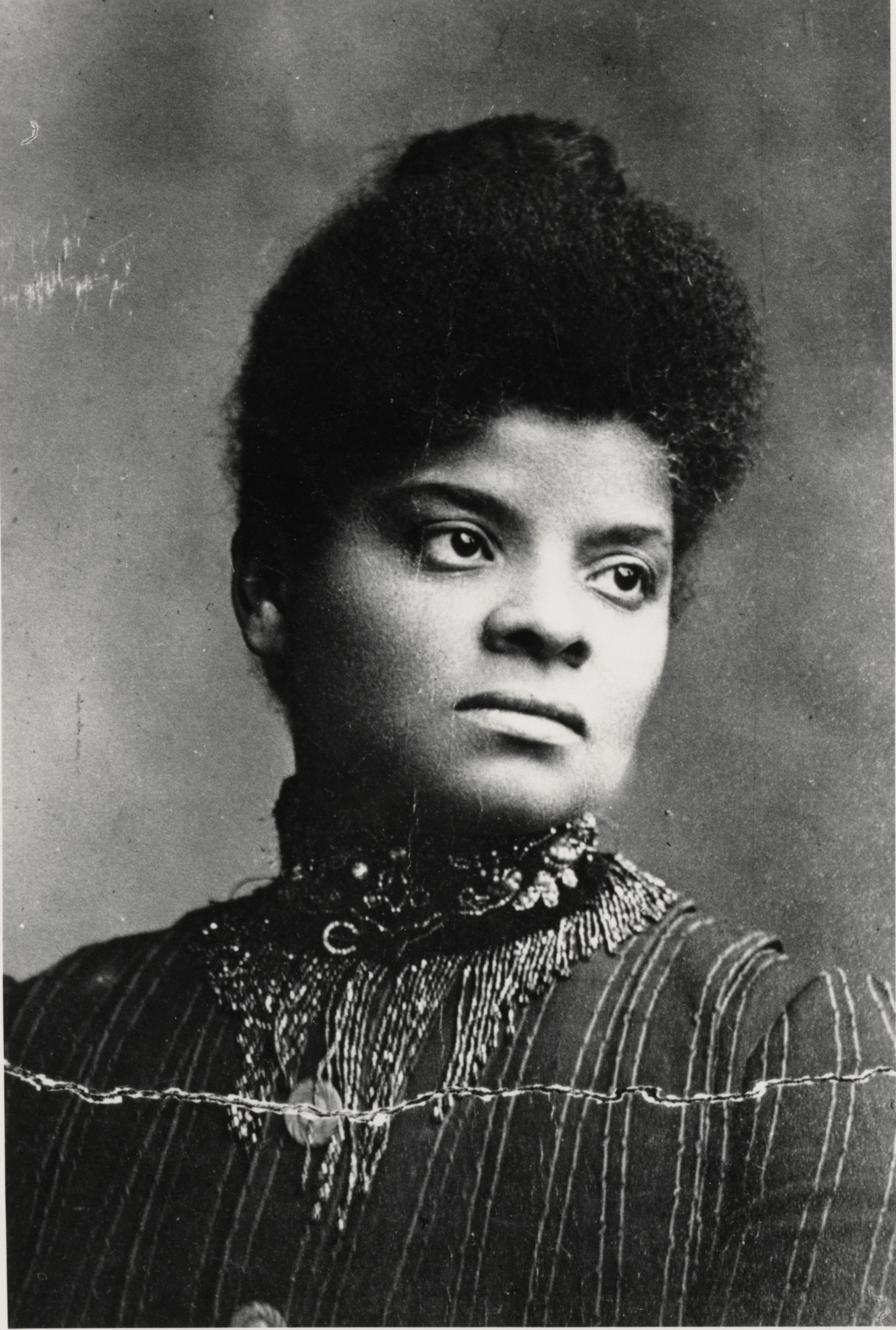
What do you already know about Ida B. Wells?
-Ida B. Wells was a famous
-Began investigating lynchings when her friend and two other men were brutally lynched for owning a successful grocery store
-Driven out of the South by a mob, but continued writing in the North
-Founder of many famous civil rights organizations including the
Do you have any questions you'd like answered about this topic? Any thoughts you want to share?