Unit 4.6 Classwork: Monopolies in the Gilded Age
star
star
star
star
star
Last updated about 2 years ago
11 Nsɛmmisa
Hyɛ no nsow a efi ɔkyerɛwfo no hɔ:
1
Ɛhia
1
Ɛhia
1
Ɛhia
1
0
Content Objective: I will be able to understand the conditions that led to the rise of monopolies [trusts] in the Gilded Age.
Standard Objective: I will be able to draw reasonable inferences and logical conclusions from a political cartoon.
Absent? Just want to review the slides? Click here.
Content Objective: I will be able to understand the conditions that led to the rise of monopolies [trusts] in the Gilded Age.
Standard Objective: I will be able to draw reasonable inferences and logical conclusions from a political cartoon.
Absent? Just want to review the slides? Click here.
Warm Up: Have you ever played the game Monopoly before? Explain. If you have not played the game Monopoly before, look up the rules on Google and explain the goal in one complete sentence.
Guided Viewing: Why did Lizzie Magie create the Monopoly board game? Explain the historical context.
The Gilded Age (1860-1896) refers to the time period during and
However, this era in American history is also known for the greed and
The Gilded Age was a result of the Industrial
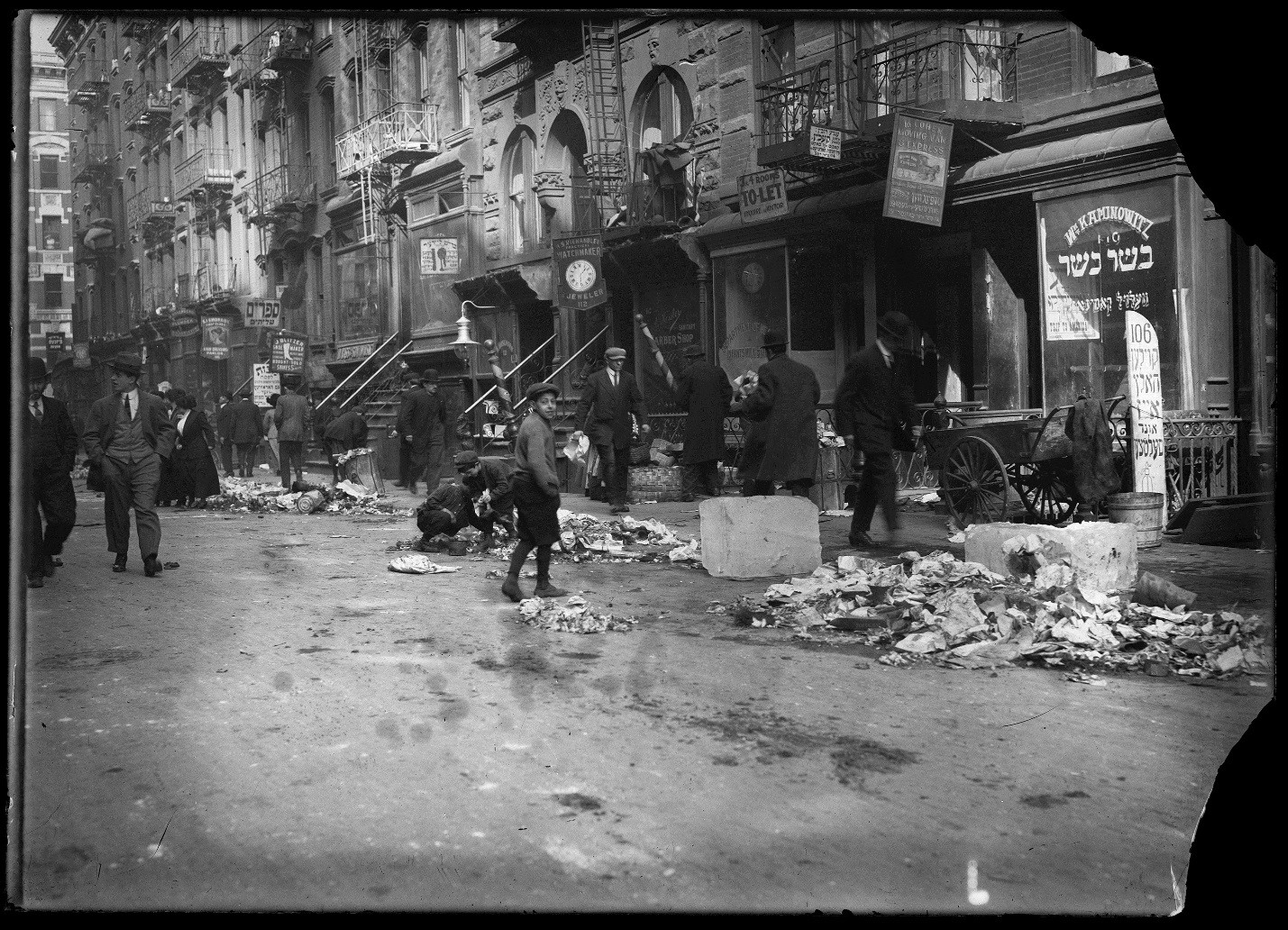
Millions of immigrants and struggling farmers arrived in cities such as New York, Boston, and Chicago, looking for work. This led to the rapid
Most cities were
Many new
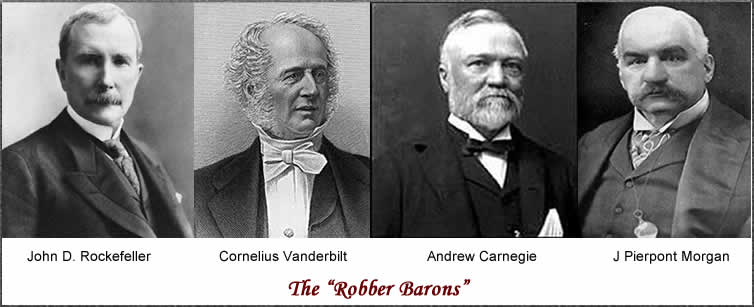
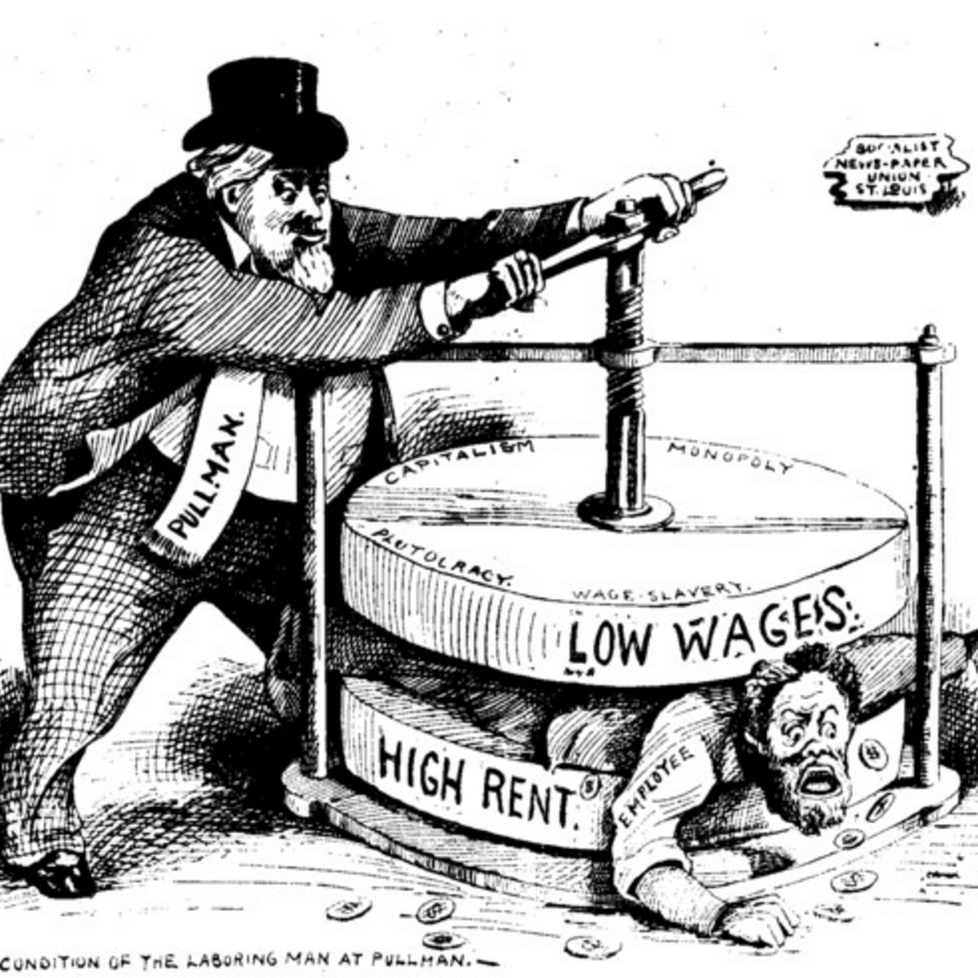
These wealthy industrialists and businessmen became critically known as “
Robber Barons made a fortune by
The best known Robber Barons were John D.
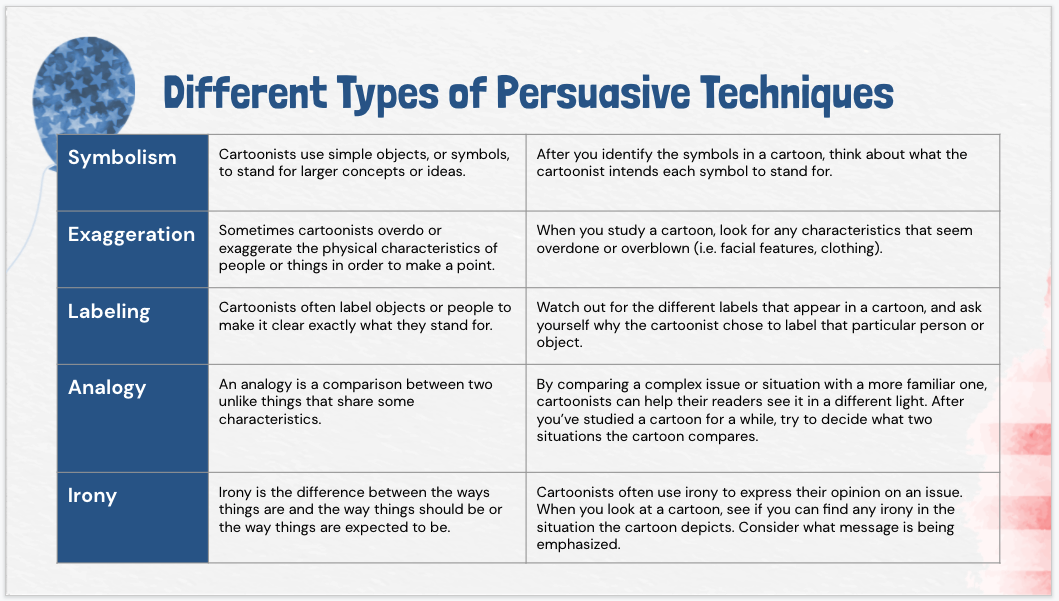
Applying Knowledge Together: Today, we are going to analyze a political cartoon from the Gilded Age. Recall the persuasive techniques of political cartoons that we learned last week
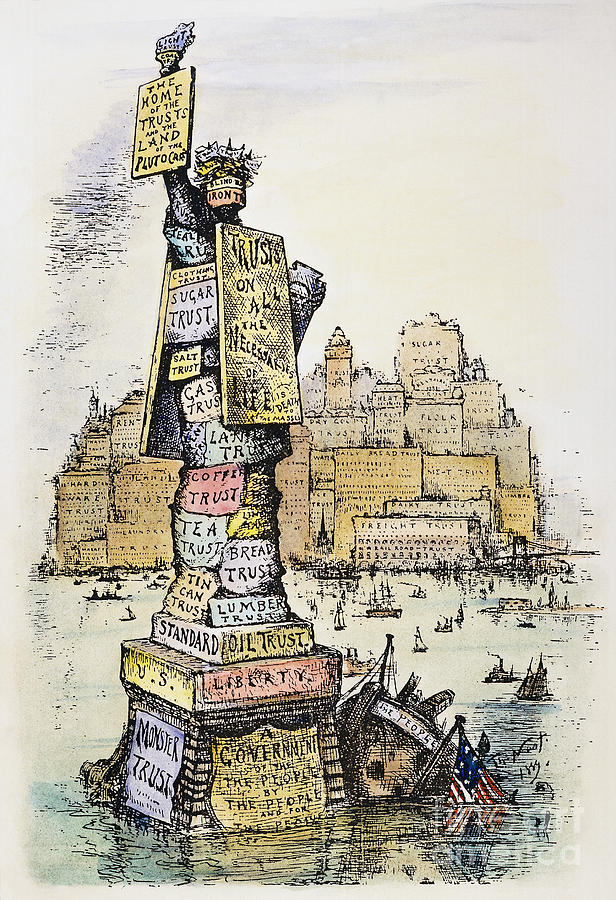
Applying Knowledge: Let's take a look at another political cartoon from the time period we're studying.
Meet the Cartoon: What do you notice first? (Circle the 3 most obvious elements in "Show Your Work")
Observe the Visuals: List the people, objects, and places. Consider actions or activities as you caption each element. Which ones do you think are symbolic?
Consider the Words: Which words or phrases are most significant? List adjectives that describe the emotions portrayed in your captions.
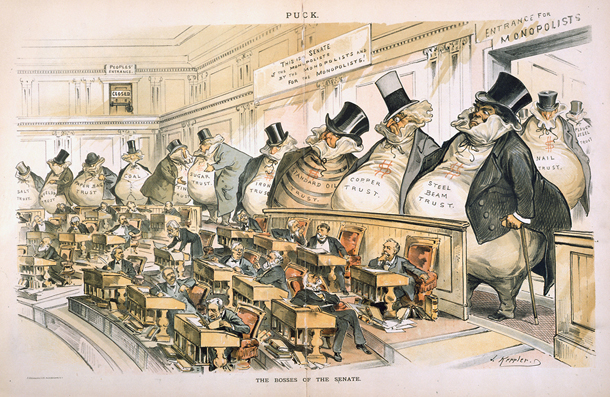
4. Dig Even Deeper: When was the cartoon created? What was happening historically at the time? Who drew this cartoon? What do we know about them?
5. Use as Evidence: What is the overall message of this image?
Exit Ticket: The perspective of the artist who created the "Bosses of the Senate" political cartoon is that the U.S. Senate
Exit Ticket: Please evaluate how well you understood today’s lesson on a scale from 1 to 4: