Do First - Ocean Currents
star
star
star
star
star
Last updated over 1 year ago
5 Nsɛmmisa
An ocean current is a continuous flow of water in the ocean. Surface ocean currents occur on the surface of the water. Deep ocean currents occur hundreds of feet below the ocean surface.
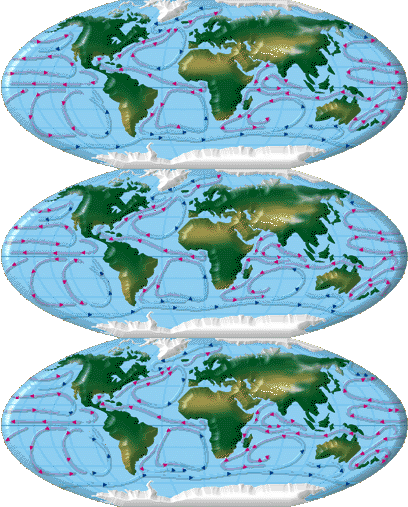
Ocean currents can be warm or cold. In general, warm currents originate at or near the equator. Cold currents originate at or near the poles. Warm currents flow away from the equator and cool currents flow towards the equator. Warm and cold currents can flow into each other forming ocean systems called a gyre.
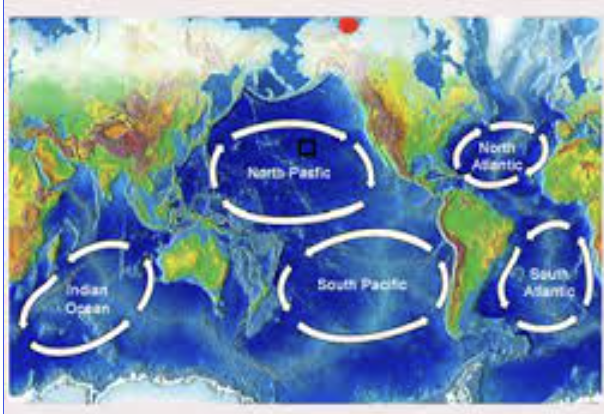
The two main types of ocean currents are...
A) Warm ocean currents originate
B) Warm ocean currents flow and cool currents flow .
Ocean currents can significantly impact the climate of coastal locations along continents. Warm water carries heat. This heat can transfer to air, making the air warmer. This warmer air passes over land, making the land warmer.
This can cause cold regions to be warmer than they would be if the currents did not exist. For example, warm water near the equator is pulled north and across the Atlantic Ocean towards Great Britain. This current causes Western Europe to be warmer than it would be if the current did not exist. Also, water near the equator moves south along the eastern coast of South America, which causes this region to be warmer than it would be if the current did not exist.
Conversely, cold water does not carry heat, but it can absorb heat. Cold water can absorb heat from the air, making the air cooler. The cooler air passes over land, making the land cooler. This can cause hot regions to be cooler than they would be if the currents did not exist. For example, water near Antarctica moves north towards the western coast of Australia.
This current causes the west part of Australia to be cooler than it would be if the current did not exist.
A) How can the ocean affect the climate?
B) If ocean currents did not exist..
C) Cold water...
D) If a cold ocean current did not exist...