Log in
Sign up for FREE
arrow_back
Library

Scientific Inquiry #09 (Limiting Factors)

star
star
star
star
star
Last updated about 3 hours ago
12 questions
Carrying Capacity
Limiting Factors
Required
0.5
HS-LS2-1
Types of Limiting Factors
0
0
Required
0.5
Question 1
1.

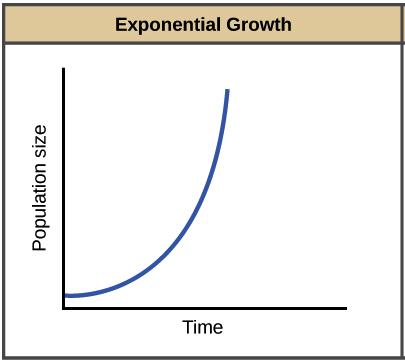
Populations increase over time.

This graph shows exponential (or J-curve) growth.

Is this type of growth sustainable? Can a population just keep growing and growing? Why or why not?

HS-LS2-1


Required
0.5
HS-LS2-1
Required
0.5
Question 3
3.

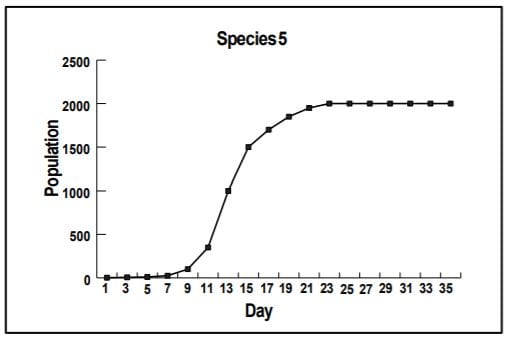
What is Species 5's carrying capacity? How do you know?

HS-LS2-1


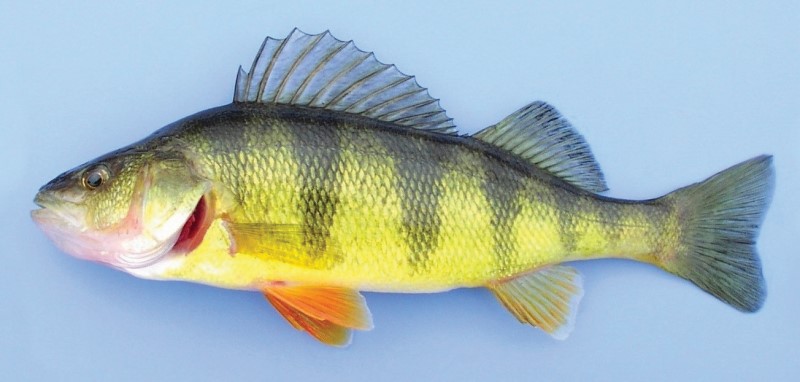
Yellow Perch


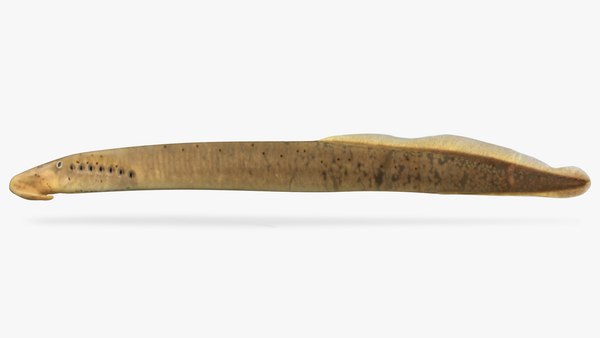
Chestnut Lamprey


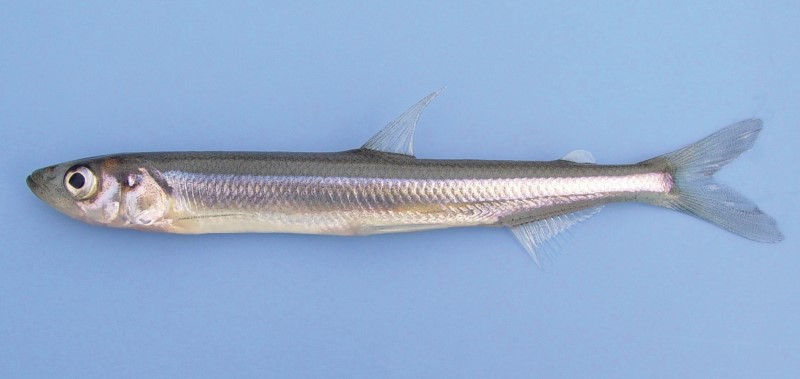
Rainbow Smelt
Question 4
4.

Brainstorm: What sort of things could limit the Yellow Perch's population growth in Lake Winnipeg? List a minimum of two.

Required
0.5
HS-LS2-1
Required
0.5
HS-LS2-1
Required
0.5
HS-LS2-1
Required
0.5
HS-LS2-1
Required
0.5
HS-LS2-1
Required
0.5
HS-LS2-1
Question 11
11.

Question 12
12.

Question 2
2.

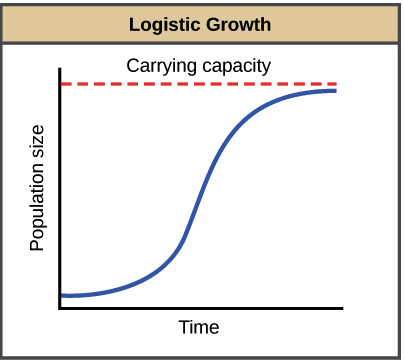
This graph shows logistic (or S-curve) growth.

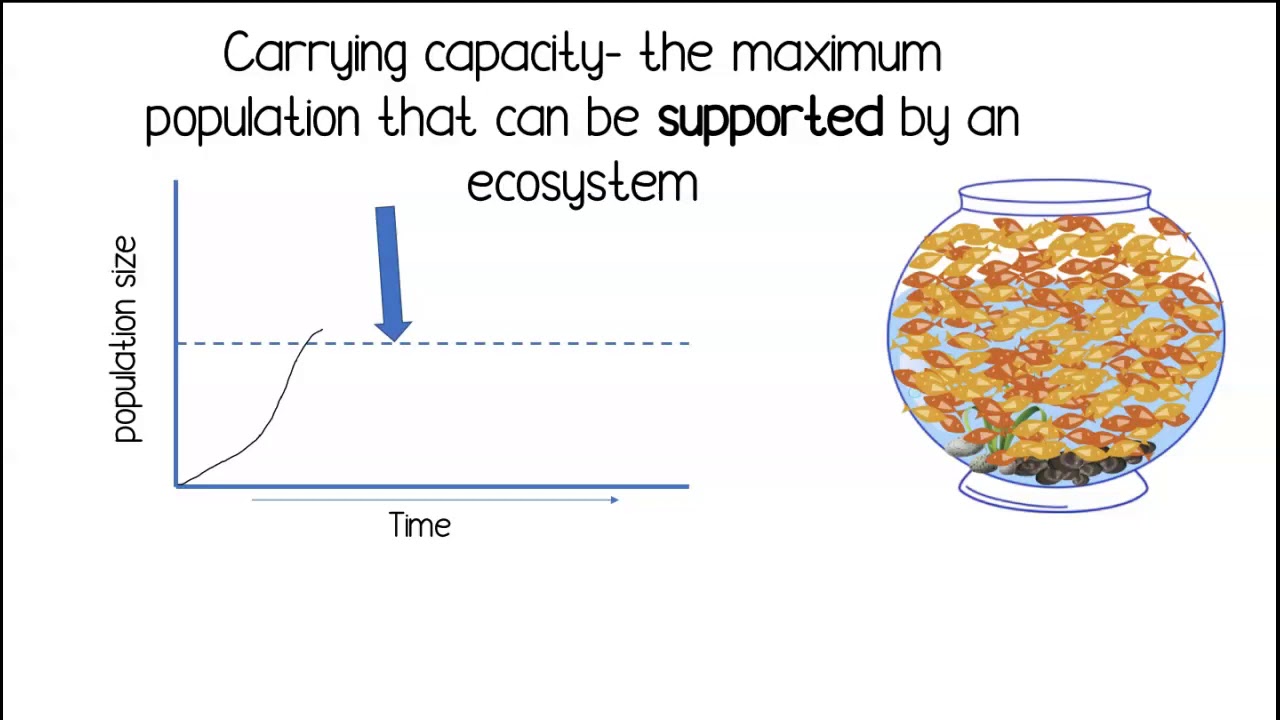
What are some things that might cause a population to hit carrying capacity and stop growing?

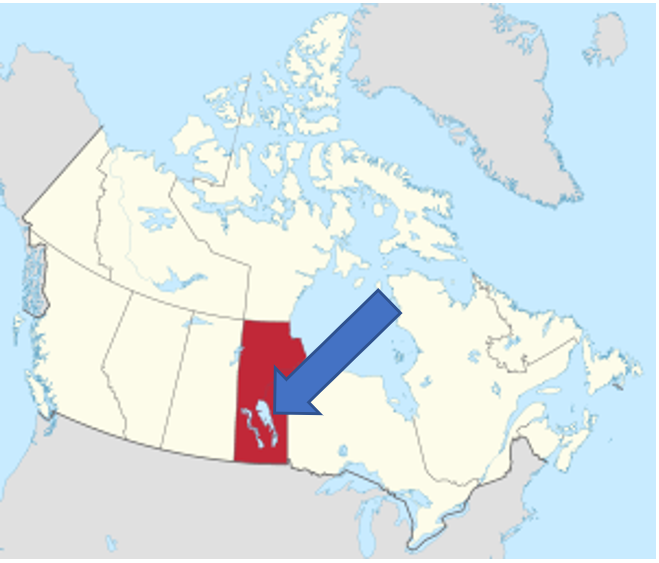
Lake Winnipeg is a shallow lake located in Manitoba, Canada that is home to many species of fish.

Yellow perch prefer water that has little current. They can tolerate moderate turbidity (cloudiness of the water). Also, they prefer a temperature range of 18 to 20 degrees Celsius (64.4 - 68 degrees Fahrenheit). If the temperature of the water varies too much above this range, yellow perch will either move to a new location or die.

Yellow perch spawn in May or early June when water temperatures are above 6 degrees Celsius (42.8 degrees Fahrenheit). First, they migrate to tributaries and then several males attend a female while she releases her eggs.

Yellow perch can grow to 302 mm (~12 inches) in length. Their life span is approximately 9 years. If there is a lack of resources or too many of them (over-population), yellow perch adapt by stunting. This means that instead of starving, they simply do not grow as large as normal. Thus, they are able to live off less food.

Yellow perch feed in midwater or on the bottom of Lake Winnipeg. They eat a wide variety of invertebrates, and fish such as emerald shiners. The eyes of yellow perch allow them to see almost 360 degrees around them. Thus, they are better able to spot their prey and evade predators.

In Lake Winnipeg, yellow perch are eaten by northern pike and walleye. They are also caught for food by commercial fishers and anglers.

Chestnut lampreys are also found in Lake Winnipeg. Lampreys are parasitic fish that attach to other species of fish (such as yellow perch) to feed on their blood and tissues.

Recently, rainbow smelt have been introduced into Lake Winnipeg. Rainbow smelt are a very invasive and competitive species. They have been thought to have caused a decrease in the emerald shiner population.

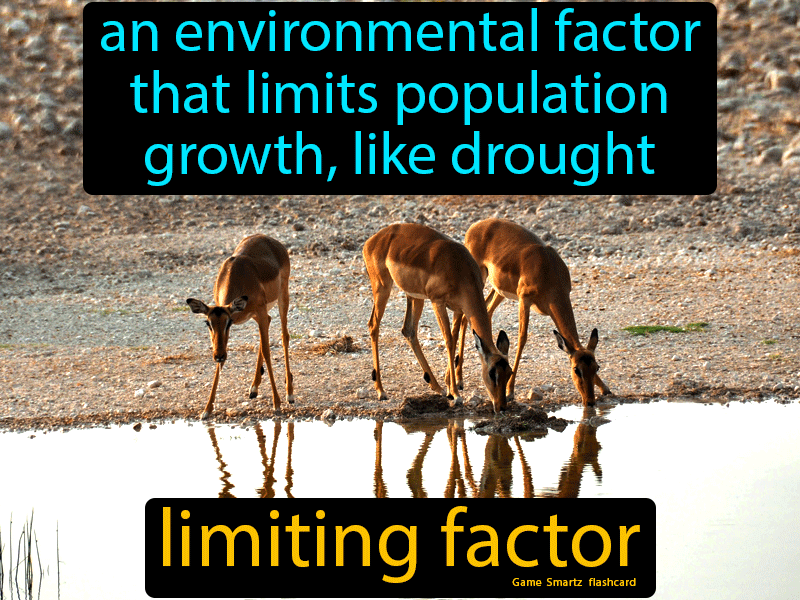
Lake Winnipeg provides a home for many species of fish. However, a severe drought could disrupt this ecosystem greatly. Lake Winnipeg’s water level would drop, the temperature could change and it could become more turbid. Thus, the carrying capacity (the maximum population an area can support) of the lake would change.

But, in its current condition, Lake Winnipeg is an excellent habitat for many species of fish.
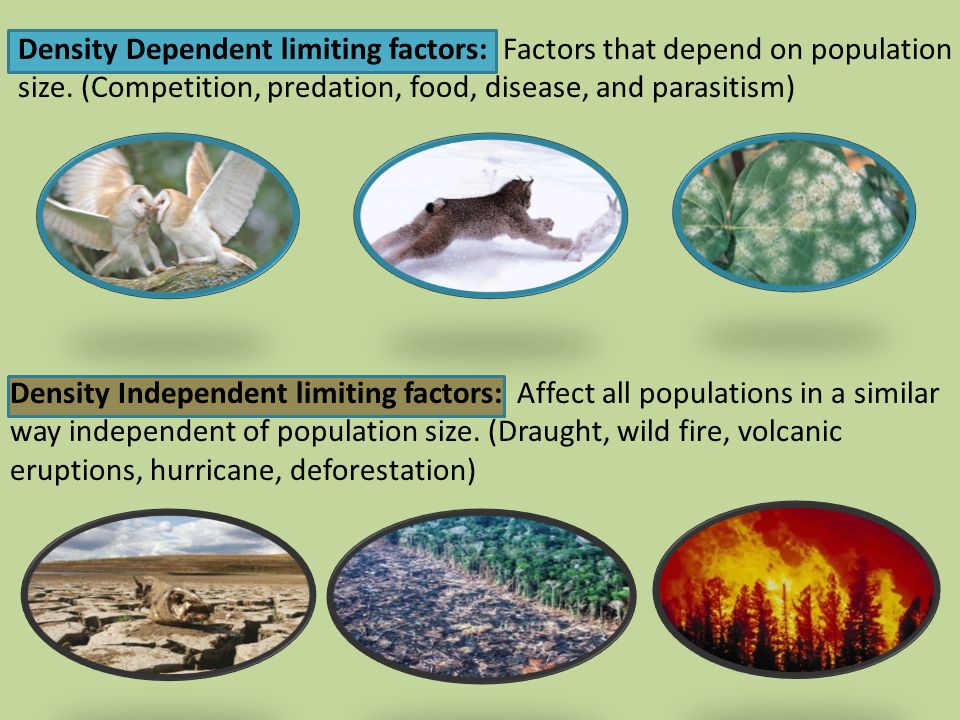
Each of these statements involves a situation that will affect the growth of the fish populations in Lake Winnipeg. Classify each of the statements as density dependent or density independent.
Question 5
5.

Question 6
6.

Question 7
7.

Question 8
8.

Question 9
9.

Question 10
10.

I can identify factors that limit a population's growth.
All of the time
Most of the time
Some of the time
None of the time
I can identify factors a limiting factor as density dependent or density independent.
All of the time
Most of the time
Some of the time
None of the time
A severe flood brings a lot of sediment and silt into Lake Winnipeg. The turbidity of the lake increases greatly.
Density dependent
Density independent
A drought decreases the water level in Lake Winnipeg.
Density dependent
Density independent
Due to the introduction of rainbow smelt, Lake Winnipeg becomes crowded and some fish species do not survive.
Density dependent
Density independent
Parasites cause disease to spread quickly.
Density dependent
Density independent
Rainbow smelt and yellow perch attempt to occupy the same area. The more aggressive smelt survive; the perch do not.
Density dependent
Density independent
Since northern pike prey on yellow perch, an increase in the perch population causes an increase in the pike population.
Density dependent
Density independent