
The image shows the UK family from the video. The image includes (from left to right) Mom, Millie, Marcia, and Dad. Millie and Marcia are twins; they were born from the same parents at the same time.
Meet the 11-year-old twins with two different skin tones.
There's no trouble telling these 11-year-old twins apart, as one is white and one is black. Marcia and Millie Biggs looked almost identical when they were born but their difference in skin tone became more apparent as they aged. As brown-eyed Millie started to become darker skinned, blue-eyed Marcia took on a lighter complexion and grew blonde, curly hair. The twins' mom is white, while their dad is Jamaican.
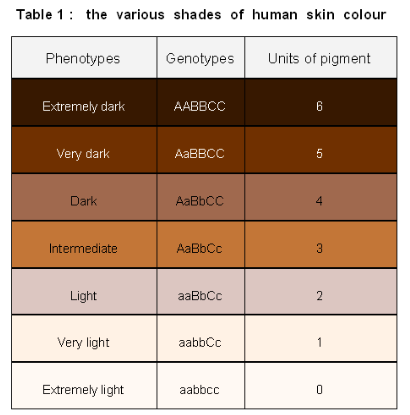
If Marcia and Millie's mother had the very light skin phenotype (aabbCc genotype), which of the following combination of alleles could she have given her daughters? Select all possibilities.
If Marcia and Millie's father had the dark skin phenotype (AaBbCC genotype), which of the following combination of alleles could he have given his daughters? Select all possibilities. (Hint use FOIL method)
Based on the evidence from the video and images, make a claim: Millie and Marcia have different skin colors, even though they have the same parents, as a result of...
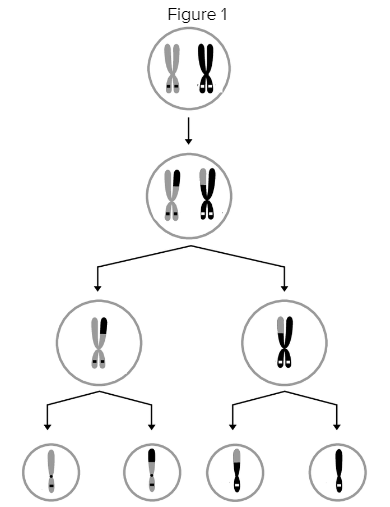
Using Figure 1, provide a biological explanation that includes reasoning for the genetic variation between the twins. (In other words, justify your answer for #3)
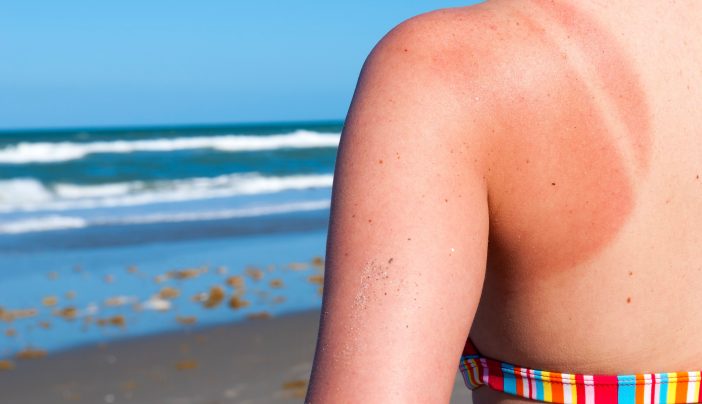
Based on the evidence from the video and images, make a claim: Marica's sunburn is a result of...
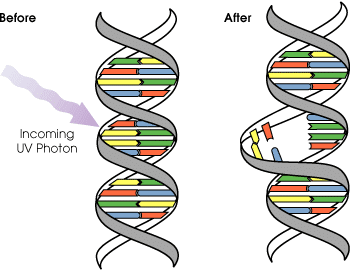
Using the image above, give a scientific explanation of Marcia's sunburn that supports the claim above. (In other words, justify your answer for #5)
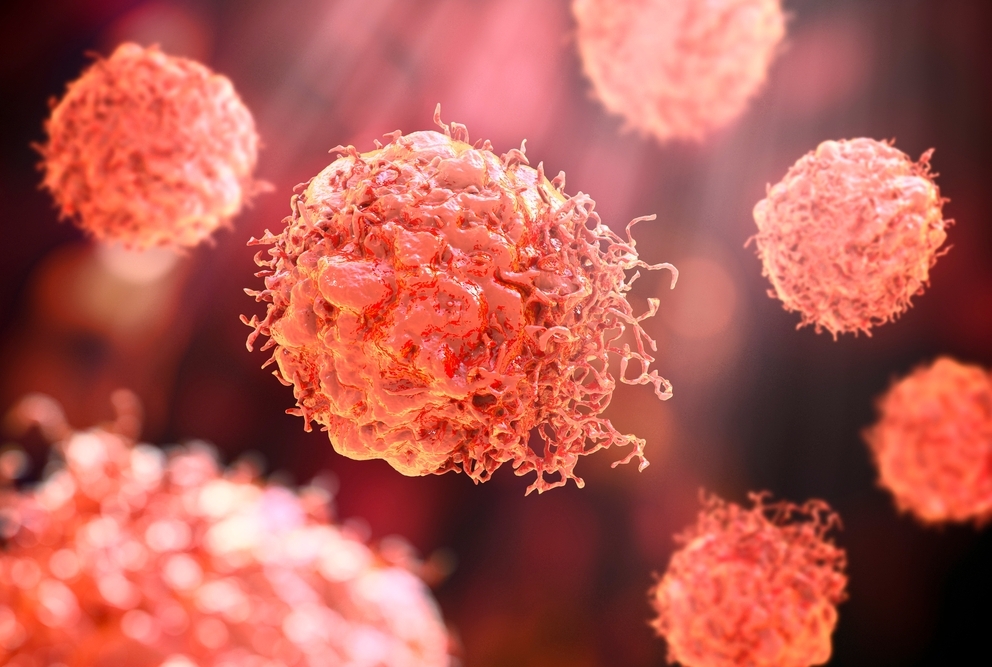
Based on the given information, make a claim: The twins' mom's cancer is a result of...
Give a scientific explanation of twin's mom's cancer that supports the claim above. (In other words, justify your answer for #7)
What is the gene pool?
What is the source of genetic variation?
What is genetic variation?
Where did the alleles for antibiotic resistance come from?
What is the term for the introduction of new genes in a population?
Which factor causes genetic drift?
Why is variation in populations important for species survival?
What does allele frequency refer to?
Which topics in this unit were difficult for you and which did you find most interesting?