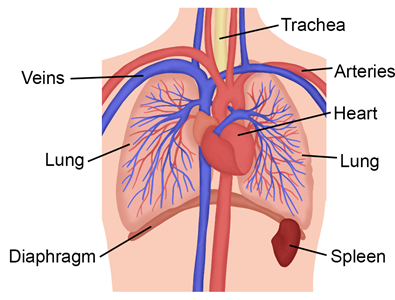
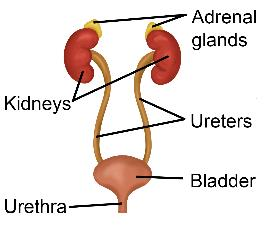
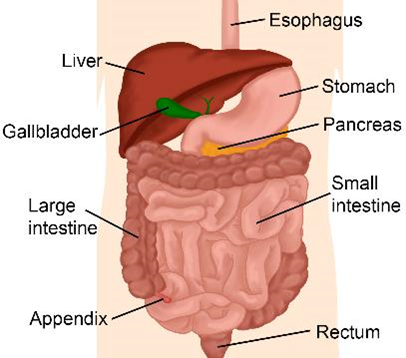
Skeletal System: Compare the human skeletal system below to the frog skeletal system in the Gizmo.
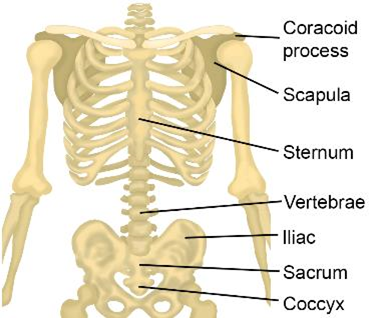
Identify at least one similarity
Before you can complete this assignment, you need to click here log in to Gizmos.
Use ISWAewiner as the username.
Select Biology B T3 as the class.
Select your name from the student list.
Select Gizmos.
Enter your password.
Your password is the first letter of first name, full last name, grade number
Example: KMartin12
Include hypens, spaces, Jr, etc, if you have multiple parts in your last name. Examples: KDuncan-Martin12, K Martin Duncan, Kmartin Duncan III12
Still need help? E-mail ewiner@k12insightwa.org
Scientists dissect (cut up) other organisms to learn more about their anatomy, or body structure. In doing so, scientists can also learn more about human anatomy. In the Frog Dissection Gizmo, you will complete a virtual dissection of a frog.
First, select the Female frog.
You have the following tools: scalpel, forceps, and pins.
Use the tools to cut and pull back the skin and muscles of the frog's chest.
Once you have opened the frog's chest cavity (don't forget the pins!), practice taking a screenshot of your frog.
Use the camera button located to the upper right of the frog or use Tools > Screenshot. Right click on the image and choose "Copy image."
Return to Formative and paste your screen shot in the box below. Use Control + v (PCs) or Command + v (Macs) to paste your screenshot.
To the right of the frog, you will see a Skeletal system diagram. Clicking the right and left arrows will switch between different systems.
Your task: Remove the items from the frog and place them in the correct spot in the appropriate organ system.
Use the organ tray to hold items temporarily if you need.
Take a screen shot of your completed skeletal system.
Use the camera button located to the upper right of the organ system or use Tools > Screenshot. Right click on the image and choose "Copy image."
Return to Formative and paste your screen shot in the box below. Use Control + v (PCs) or Command + v (Macs) to paste your screenshot.
Take a screen shot of your completed lymphatic system.
Use the camera button located to the upper right of the organ system or use Tools > Screenshot. Right click on the image and choose "Copy image."
Return to Formative and paste your screen shot in the box below. Use Control + v (PCs) or Command + v (Macs) to paste your screenshot.
Take a screen shot of your completed digestive system.
Use the camera button located to the upper right of the organ system or use Tools > Screenshot. Right click on the image and choose "Copy image."
Return to Formative and paste your screen shot in the box below. Use Control + v (PCs) or Command + v (Macs) to paste your screenshot.
Take a screen shot of your completed circulatory and respiratory system.
Use the camera button located to the upper right of the organ system or use Tools > Screenshot. Right click on the image and choose "Copy image."
Return to Formative and paste your screen shot in the box below. Use Control + v (PCs) or Command + v (Macs) to paste your screenshot.
Take a screen shot of your completed female reproductive system.
Use the camera button located to the upper right of the organ system or use Tools > Screenshot. Right click on the image and choose "Copy image."
Return to Formative and paste your screen shot in the box below. Use Control + v (PCs) or Command + v (Macs) to paste your screenshot.
Take a screen shot of your completed urinary system.
Use the camera button located to the upper right of the organ system or use Tools > Screenshot. Right click on the image and choose "Copy image."
Return to Formative and paste your screen shot in the box below. Use Control + v (PCs) or Command + v (Macs) to paste your screenshot.
Take a screen shot of your completed nervous system.
Use the camera button located to the upper right of the organ system or use Tools > Screenshot. Right click on the image and choose "Copy image."
Return to Formative and paste your screen shot in the box below. Use Control + v (PCs) or Command + v (Macs) to paste your screenshot.
Question: What are the similarities and differences between frog and human anatomy?
Skeletal System: Compare the human skeletal system below to the frog skeletal system in the Gizmo.
Identify at least one similarity
Circulatory & Respiratory Stystems: Consider the human circulatory and respiratory system.
Which organs do the frog and human have in common?
Read the describe of the frog heart in the Gizmo by clicking on it.
Human hearts have four chambers, while frog hearts have chambers.
Urinary System: Consider the human urinary system.
Which organs do the frog and human have in common?
Why do you think frog anatomy is so similar to human anatomy? Give examples and possible explanations.
Match the organ system to its correct description
| Draggable item | arrow_right_alt | Corresponding Item |
|---|---|---|
Cardiovascular (Circulatory) System | arrow_right_alt | Communication network of nerve cells that transmits information and coordinates bodily functions |
Muscular System | arrow_right_alt | Heart and blood vessel system that delivers oxygen, white blood cells, hormones, and nutrients throughout the body |
Skeletal System | arrow_right_alt | Contains three types of muscles that attach to bones and facilitates movement |
Nervous System | arrow_right_alt | Consists of bones that gives the body shape, holds it together, and protects organs and tissues |
Match the organ system to its correct description
| Draggable item | arrow_right_alt | Corresponding Item |
|---|---|---|
Urinary (Renal) System | arrow_right_alt | Series of glands that help regulate the body's processes through hormones |
Endocrine System | arrow_right_alt | Collection of lymph nodes and vessels that regulate the body's defenses |
Lymphatic (Immune) System | arrow_right_alt | Maintains electrolyte levels and filters waste from the blood |
| Draggable item | arrow_right_alt | Corresponding Item |
|---|---|---|
Digestive System | arrow_right_alt | Group of passageways and organs that extracts oxygen from air and expels carbon dioxide from the body |
Reproductive System | arrow_right_alt | Series of organs that convert food into fuel by absorbing nutrients and expelling solid waste |
Respiratory System | arrow_right_alt | Responsible for creating offspring through fertilization |
Digestive System: Consider the human digestive system.
Which organs do the frog and human have in common?