Classwork: Immigration During the Gilded Age
star
star
star
star
star
Last updated about 2 years ago
22 Nsɛmmisa
Hyɛ no nsow a efi ɔkyerɛwfo no hɔ:
Ɛhia
0
Ɛhia
0
Ɛhia
1
Ɛhia
1
Ɛhia
1
IIUR.01
Ɛhia
0
Ɛhia
1
Ɛhia
1
Ɛhia
1
Ɛhia
1
Ɛhia
1
1
Ɛhia
1
Content Objective: I will be able to determine why Mexicans & Asian immigrants moved to the United States during the Gilded Age.
Skill Objective: I will be able to draw connections between events (cause/effect).
Absent? Just want to review the slides? Click here!
Content Objective: I will be able to determine why Mexicans & Asian immigrants moved to the United States during the Gilded Age.
Skill Objective: I will be able to draw connections between events (cause/effect).
Absent? Just want to review the slides? Click here!
Have you ever moved from one place to another? Explain the reasons why your family chose to move.
If you haven’t moved, consider the reasons why your family has chosen to stay in the same place!
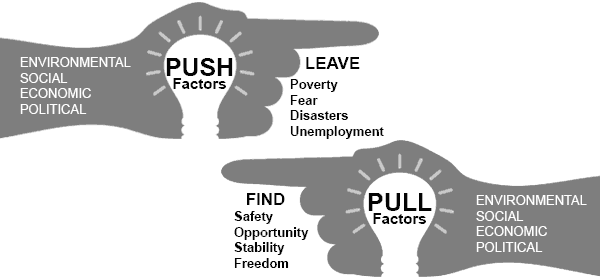
Migration is when one person or a group of people move

During the Gilded Age (
Push Factors are conditions that can drive people to leave their homes, they can be
Pull Factors are exactly the
Practice categorizing some of the most common push and pull factors in the chart below.
Strong healthcare services
Safety/stability
Economic advancement
Corrupt government
Family ties
Civil unrest/drug wars
Political or religious freedom
Natural disasters
Warfare in home country
Mass poverty
Persecution (oppression based on ethnicity, religion, or sexual orientation or political beliefs.)
Educational opportunities
Push Factors (pushing a person to move AWAY from their country)
Pull Factors (pulling a person to move TO a new country)
During the Gilded Age, as the United States experienced an
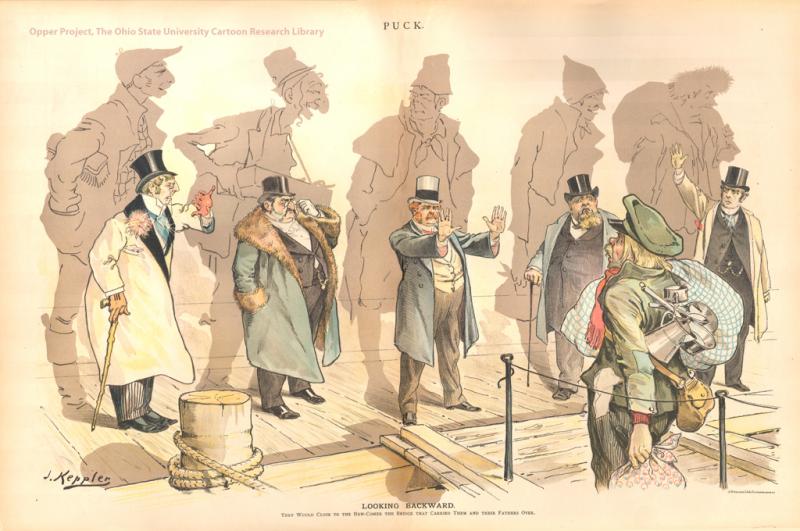
Examine the political cartoon created during the Gilded Age's mass influx on new immigrants. Circle any key details you notice on the image.
Caption: "Looking Backward. They would close to the new-comer the bridge that carried them and their fathers over."
How is the cartoon highlighting the hypocrisy of NATIVISTS (people who were anti-new immigrant) during the Gilded Age?
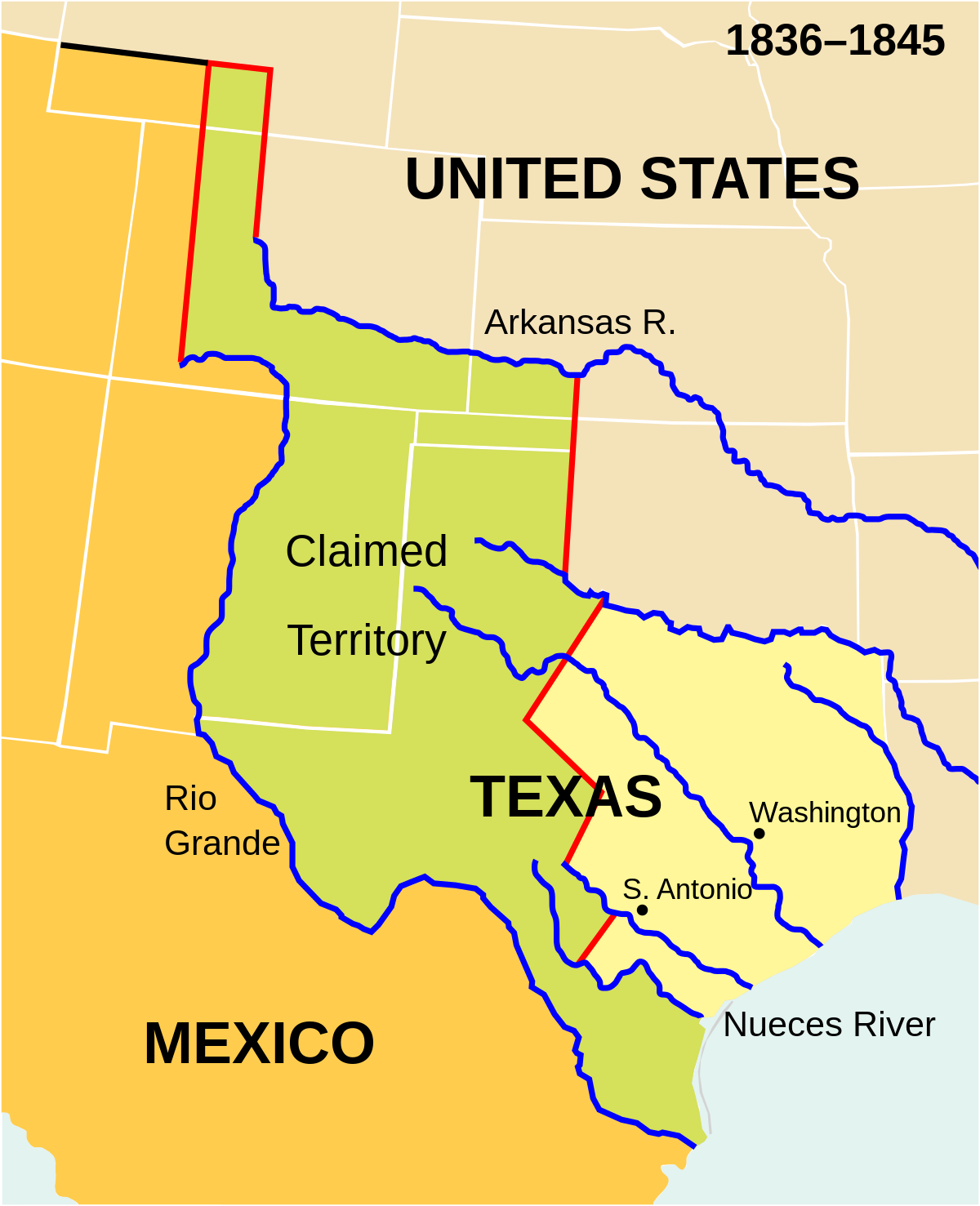
Quick Background Info: For almost a half-century after the
FYI: Texas was annexed by the United States in 1845 and became the 28th state. Prior to this annexation, Texas was a part of Mexico.
-Consecutive years of
-High
-The
-Beginning around the 1890s,
- Laborers could get paid substantially
A worker laying railroad ties in Mexico, on average, earned 20 cents a day in 1900. In the United States, the same work paid one dollar.
Mexican ranchers who worked on haciendas in Mexico were paid
Following the Gilded Age, the Mexican immigrant population of the United States grew rapidly:
1870: only
1900: already
1930: up to 641,000

Not all Americans welcomed this change however. Many Americans during this time held
Exit Ticket: In your own words, what are push and pull factors? Provide one example of either a push or pull factor Mexican immigrants during the Gilded Age.
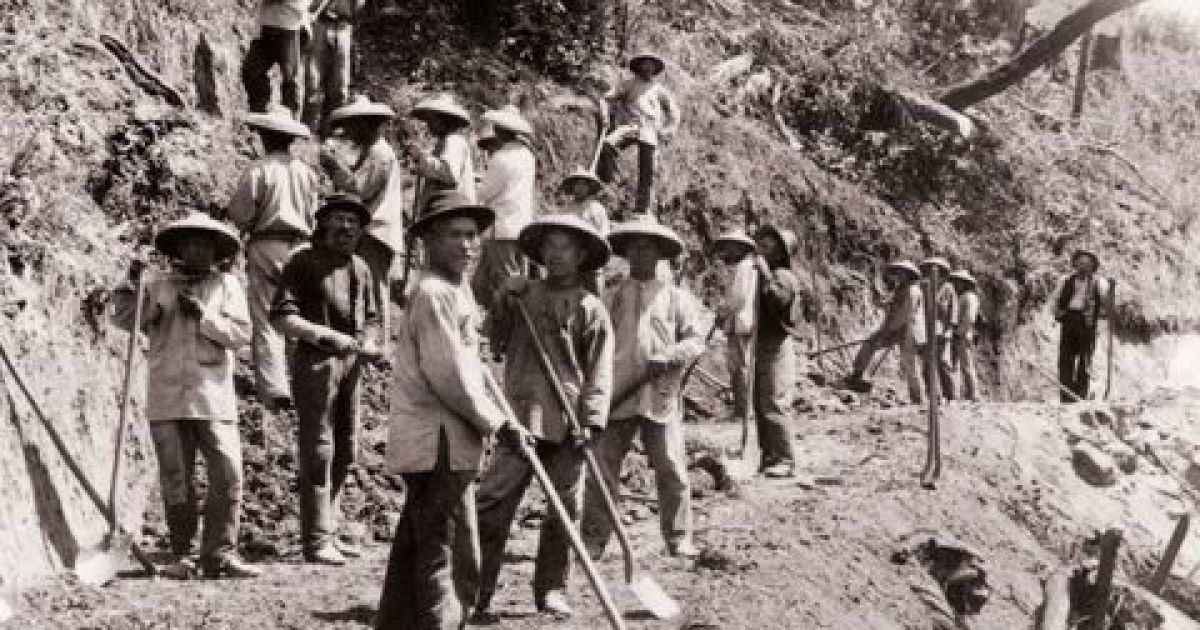
Prohibited by law in 1790 from obtaining US citizenship through naturalization [legally becoming a citizen], Chinese immigrants faced harsh
The Chinese community banded
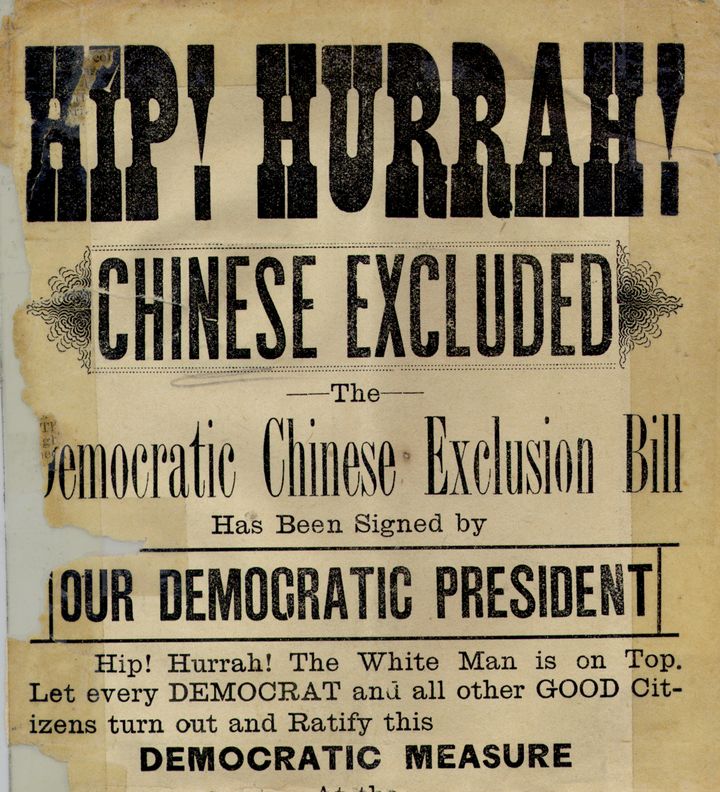
But, as Chinese workers began competing with white Americans for jobs in California cities, anti-Chinese discrimination increased with the rise of
Racism and discrimination became law. The new California constitution of 1879 denied naturalized Chinese citizens the right to vote or hold state
Furthermore the US Congress passed the Chinese Exclusion Act in 1882, which was the first significant law
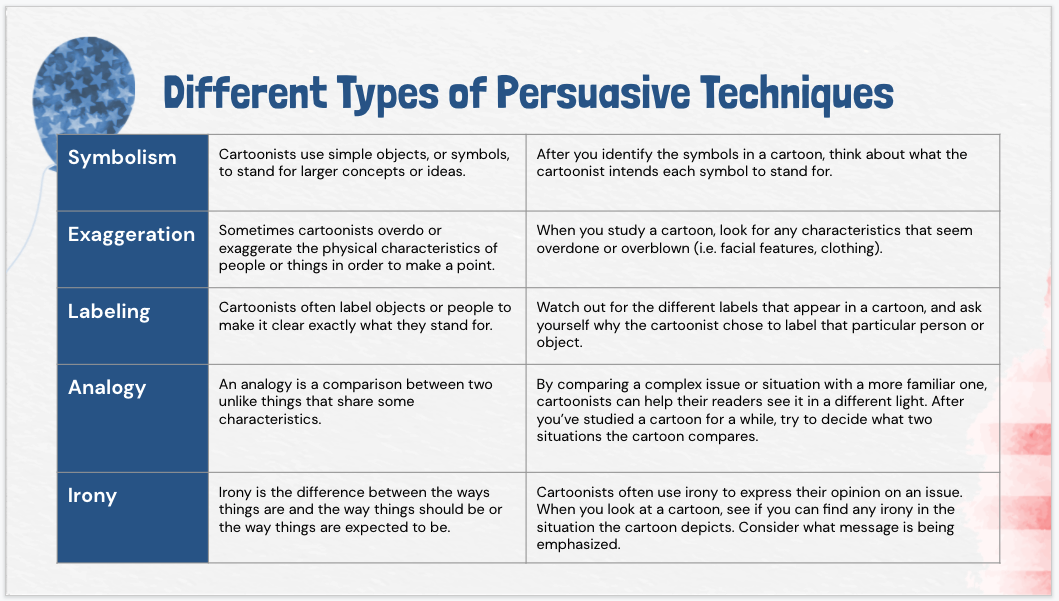
Applying Knowledge Together: Today, we are going to analyze a political cartoon from the time that the Chinese Exclusion Act was passed. Recall the persuasive techniques of political cartoons that we learned last week
Applying Knowledge: Let's take a look at another political cartoon from the time period we're studying.
Meet the Cartoon: What do you notice first? (Circle the 3 most obvious elements in "Show Your Work")
Observe the Visuals: List the people, objects, and places. Consider actions or activities as you caption each element. Which ones do you think are symbolic?
Consider the Words: Which words or phrases are most significant? List adjectives that describe the emotions portrayed in your captions.
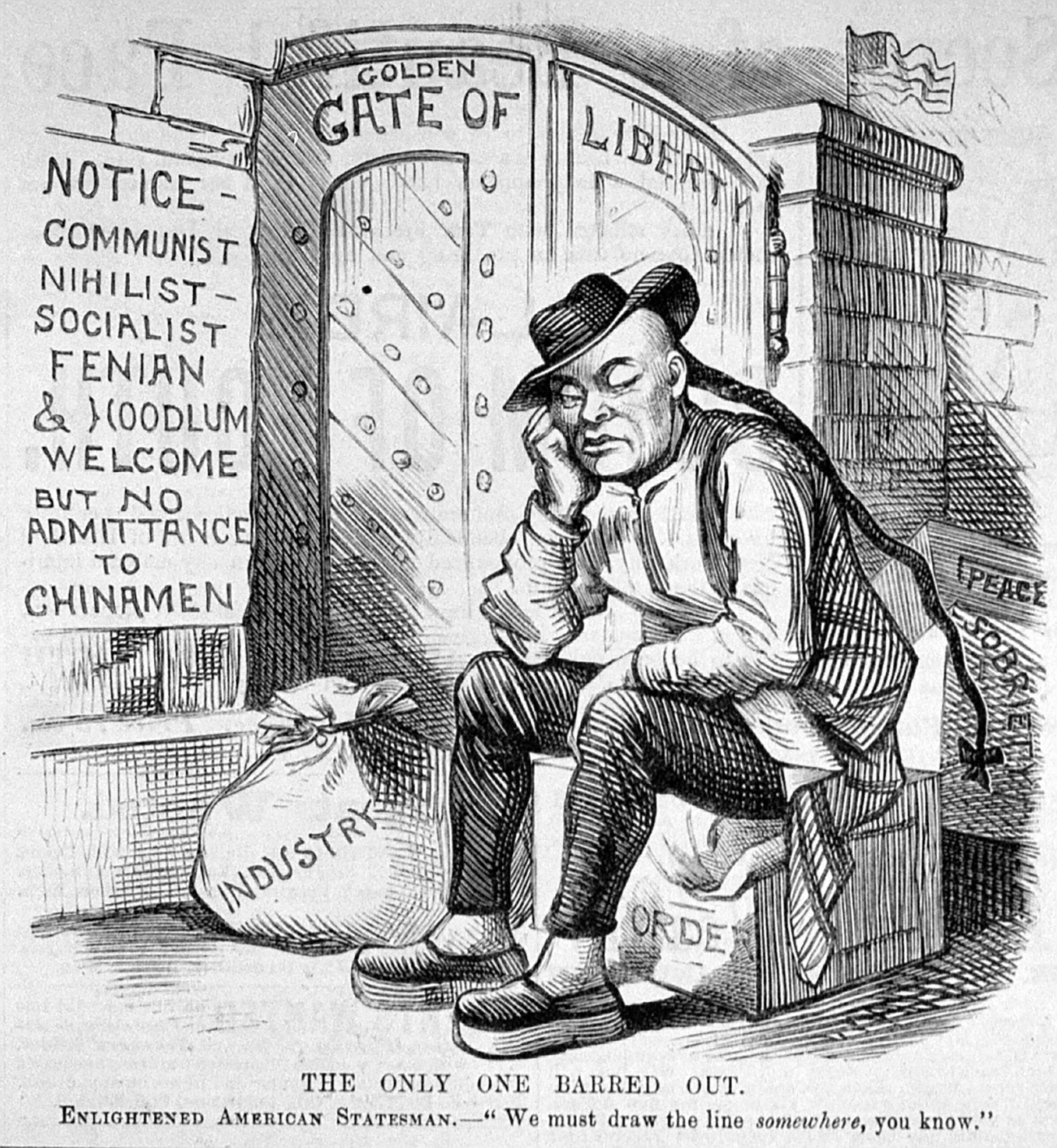
4. Dig Even Deeper: What time period do you think this political cartoon is from? What was happening historically at the time it was created?
5. Use as Evidence: What is the overall message of this image?
Exit Ticket: Which persuasive techniques were used in the "Golden Gate of Liberty" political cartoon?