There are INCORRECT answers in the choices! Be careful!
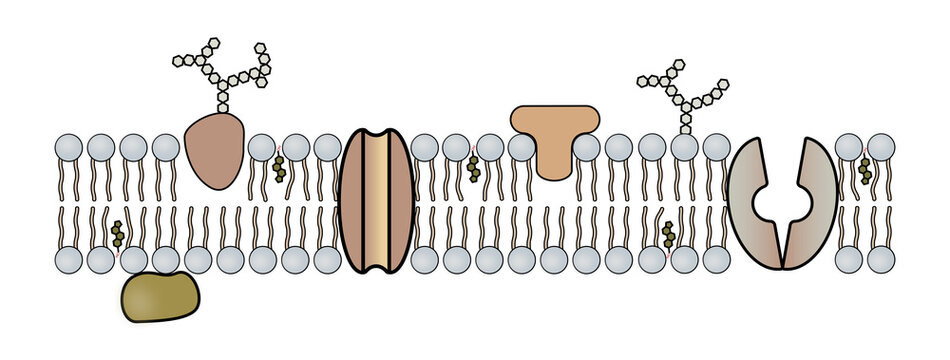
Mmuae Afoforo a Wobɛpaw:
hydrophobic head
hydrophilic head
phospholipid bilayer
hydrophobic tail
protein channel
hydrophilic tail
nucelus
Match the organelle to the function
| Draggable item | arrow_right_alt | Corresponding Item |
|---|---|---|
Golgi apparatus | arrow_right_alt | Controls what enters/exits the cell |
Endoplasmic reticulum | arrow_right_alt | Surrounds and supports organelles |
Vacuole | arrow_right_alt | Makes protein |
Mitochondria | arrow_right_alt | Controls cell activities, houses DNA |
Nucleus | arrow_right_alt | Processing and transporting molecules, detoxification and making lipids |
Chloroplast | arrow_right_alt | Packages, modifies, sorts materials |
Cell membrane | arrow_right_alt | Makes ATP |
Cytoplasm | arrow_right_alt | Offers additional protection and shape maintenance |
Ribosome | arrow_right_alt | Performs photosynthesis (makes glucose from sunlight) |
Cell Wall | arrow_right_alt | Stores materials |
Animals are an example
Protists are an example
Plants are an example
Contains genetic material, such as DNA
Contains ribosomes
Bacteria are an example
Fungi are an example
Your body cells are an example
Has a nucleus
Contains cytoplasm
Contains membrane-bound organelles
Has cell membrane
Prokaryotes
Eukaryotes
Both
There are INCORRECT answers in the choices! Be careful!
| Draggable item | arrow_right_alt | Corresponding Item |
|---|---|---|
hydrophobic | arrow_right_alt | like water/attracted to water |
hydrophilic | arrow_right_alt | dislikes water/avoids water |
Which type of transport is described: water moving from high to low concentration
What is the main difference between passive and active transport?
Steroids
Ions
Water
Gases
Glucose
Can pass through membrane
Needs a protein channel
Needs a protein channel + energy
If all materials were allowed to cross the cell membrane, then a cell’s contents would be the same as its surroundings. This does NOT happen because the cell membrane is:
Uses protein channels
Osmosis is a type of this
Endocytosis is an example of this (even though it doesn't use protein channels)
Goes against the gradient
Uses the membrane
Exocytosis is an example of this (even though it doesn't use protein channels)
Goes with the gradient
Uses energy
Simple Diffusion
Facilitated Diffusion
Active Transport
All living things are composed of one or more cells. 2. Cells are the basic unit of life. 3. Cells come from existing cells. This list describes:
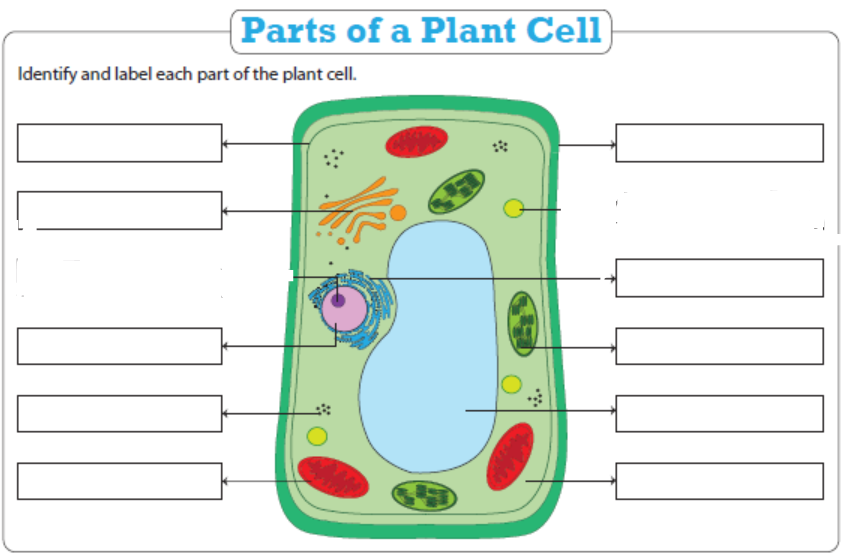
If the diagram above was an animal cell, which organelles would be missing? (Select all that apply)