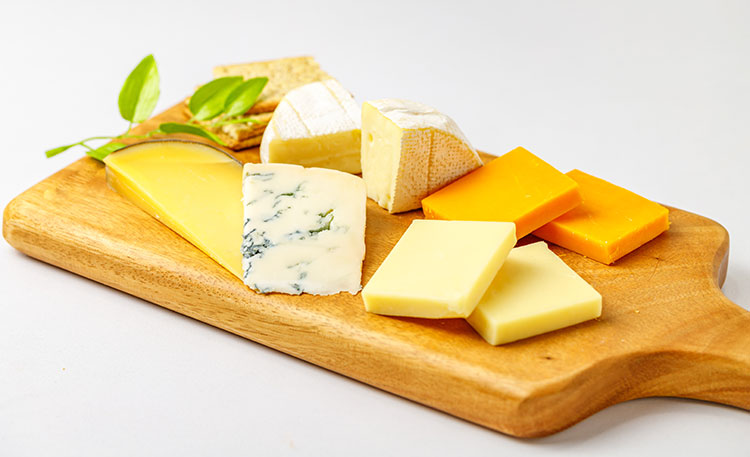
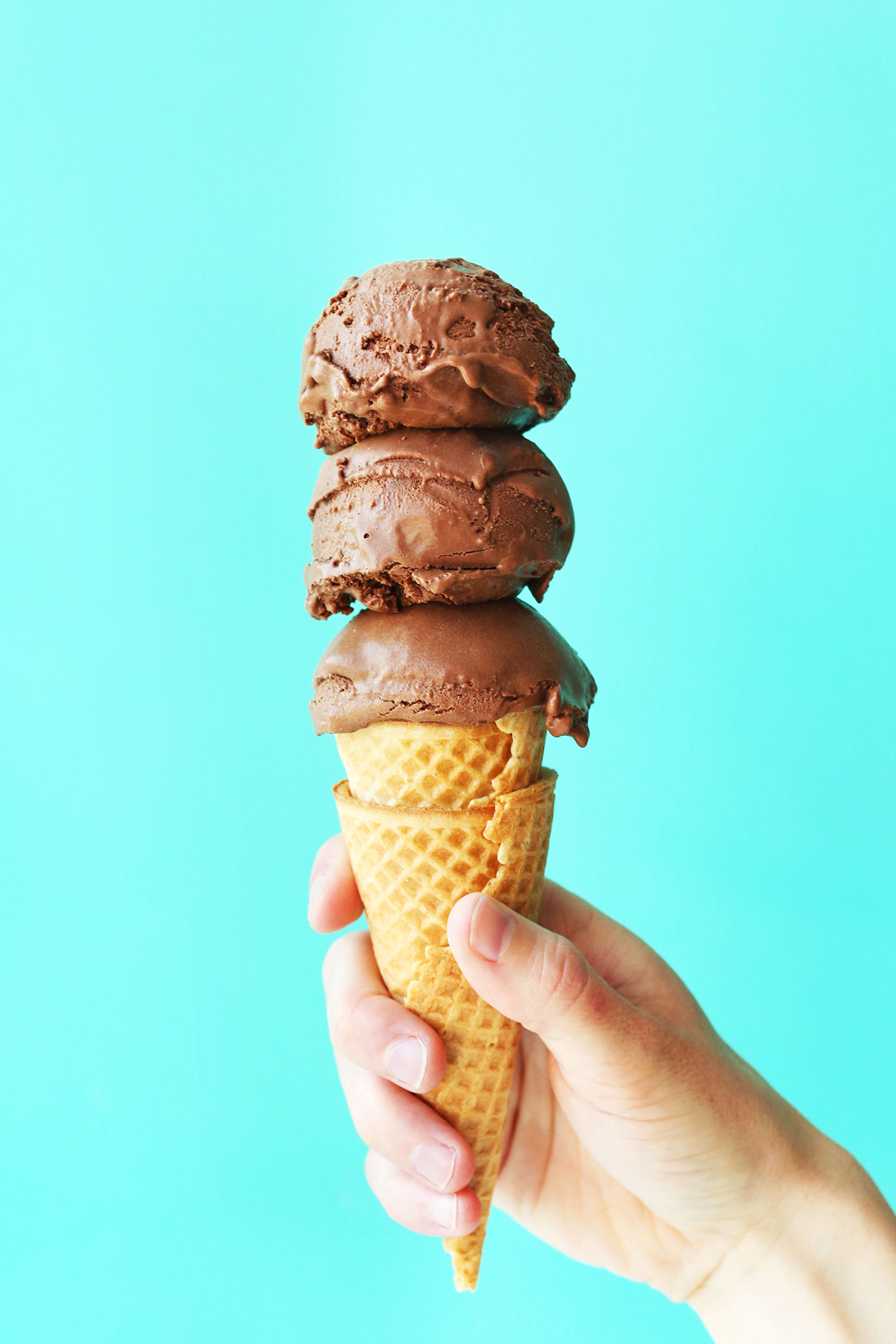
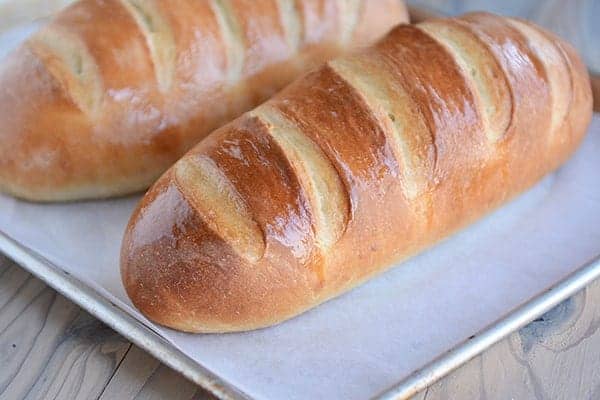
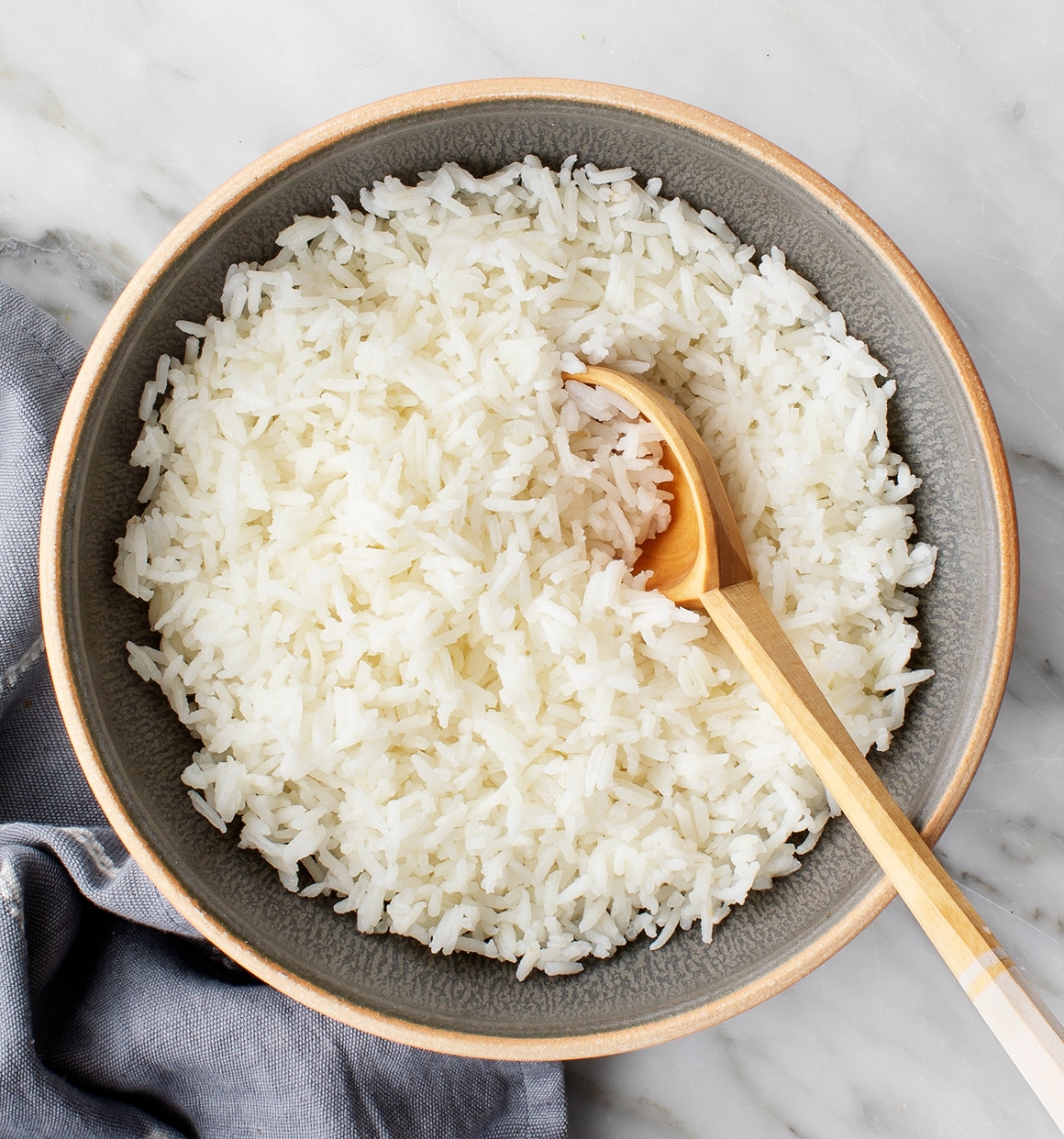
Match the following common food words with their meaning:
| Draggable item | arrow_right_alt | Corresponding Item |
|---|---|---|
el postre | arrow_right_alt | to eat |
el refresco | arrow_right_alt | to drink |
el pastel | arrow_right_alt | fish (cooked) |
el pan | arrow_right_alt | lemonade |
los espaguetis | arrow_right_alt | dish, plate |
yo como | arrow_right_alt | bread |
beber | arrow_right_alt | butter |
la limonada | arrow_right_alt | soda |
el pescado | arrow_right_alt | spaghetti |
el plato | arrow_right_alt | I eat |
la mantequilla | arrow_right_alt | dessert |
comer | arrow_right_alt | cake |
Match the following common food words with their meaning:
| Draggable item | arrow_right_alt | Corresponding Item |
|---|---|---|
el té helado | arrow_right_alt | milk |
la leche | arrow_right_alt | dinner |
las papas | arrow_right_alt | salad |
la hamburguesa | arrow_right_alt | iced tea |
la cena | arrow_right_alt | steak |
la ensalada | arrow_right_alt | rice |
el bistec | arrow_right_alt | potatoes |
el arroz | arrow_right_alt | orange juice |
el jamón | arrow_right_alt | hamburger |
el queso | arrow_right_alt | French fries |
las papas fritas | arrow_right_alt | ham |
el jugo de naranja | arrow_right_alt | cheese |
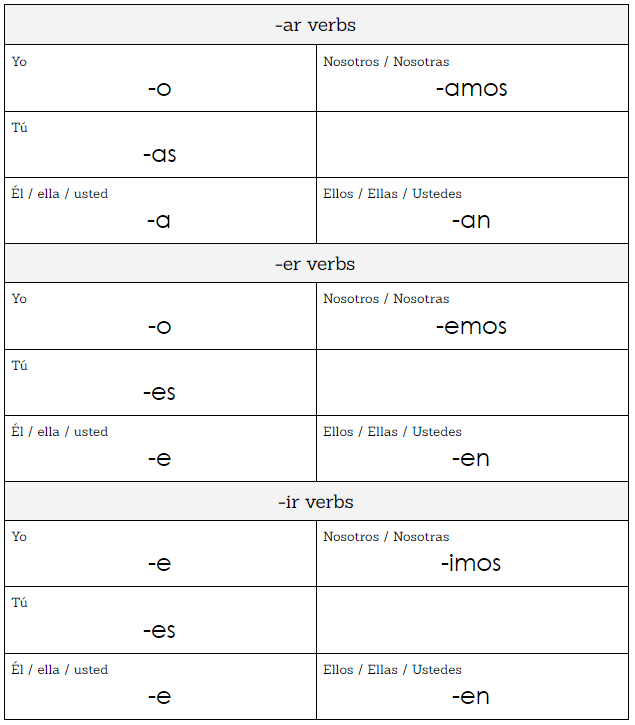
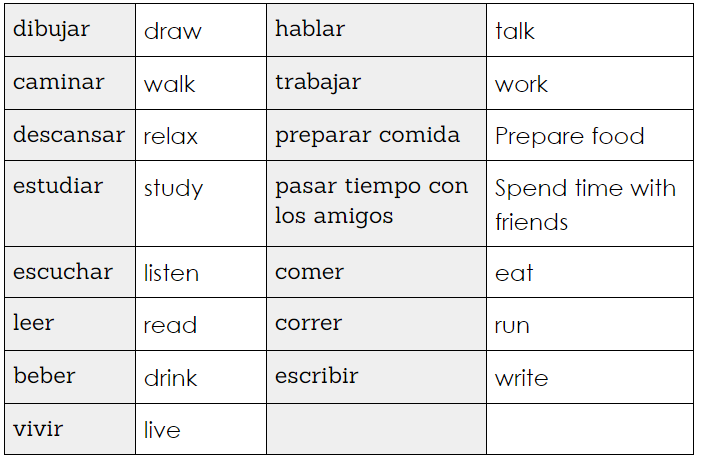
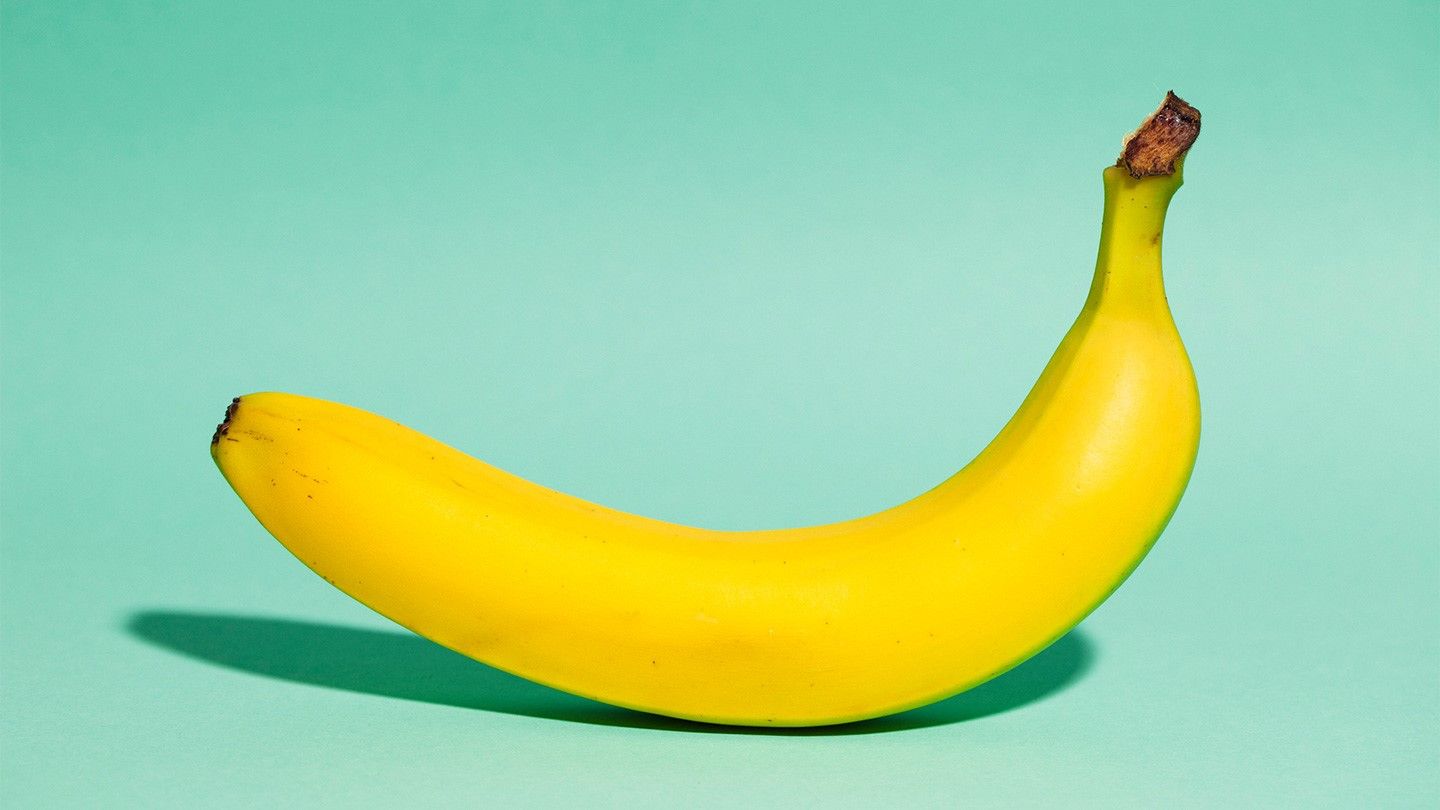
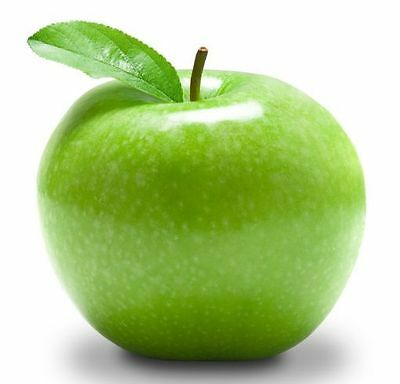
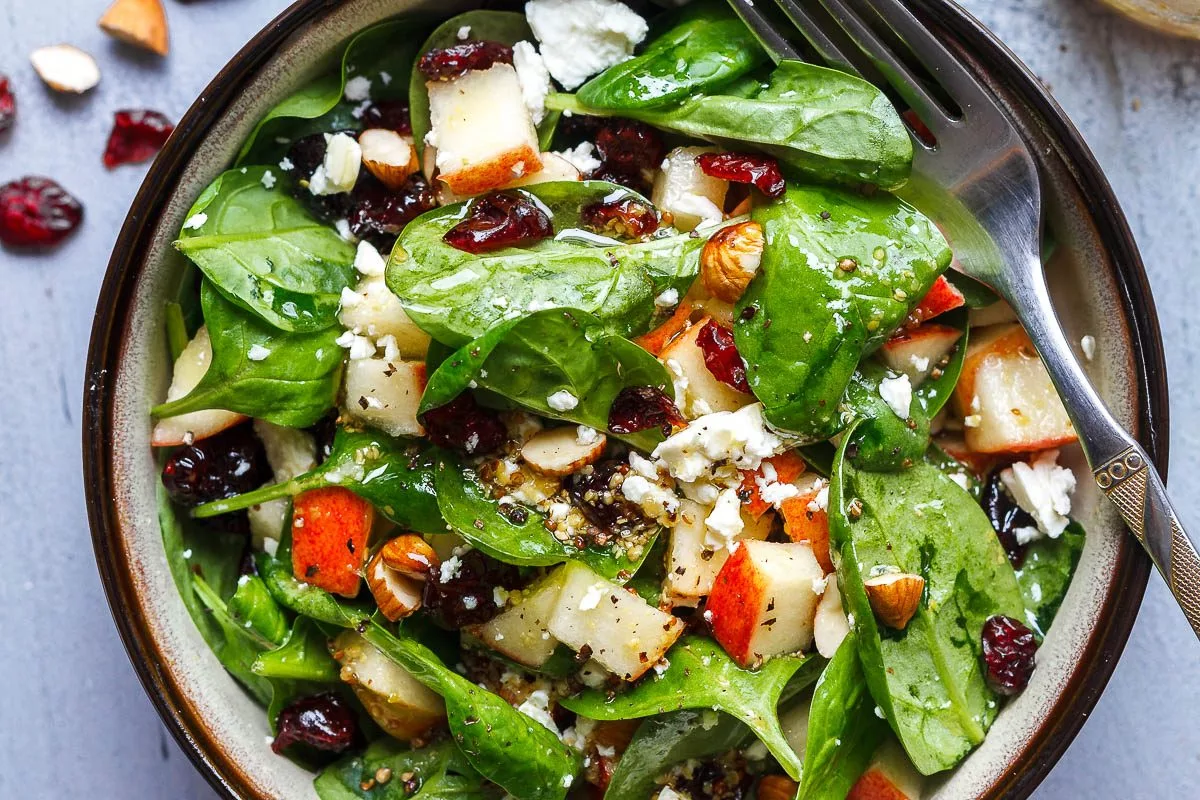
Match the fruits with their pictures.
| Draggable item | arrow_right_alt | Corresponding Item |
|---|---|---|
la manzana | arrow_right_alt |
|
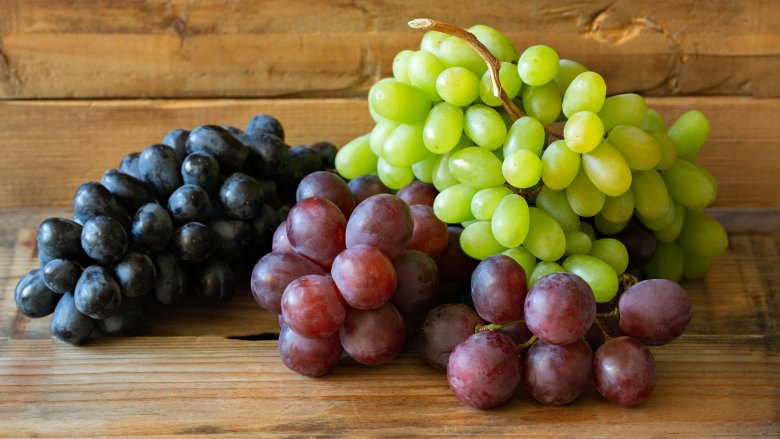
las uvas | arrow_right_alt |
|
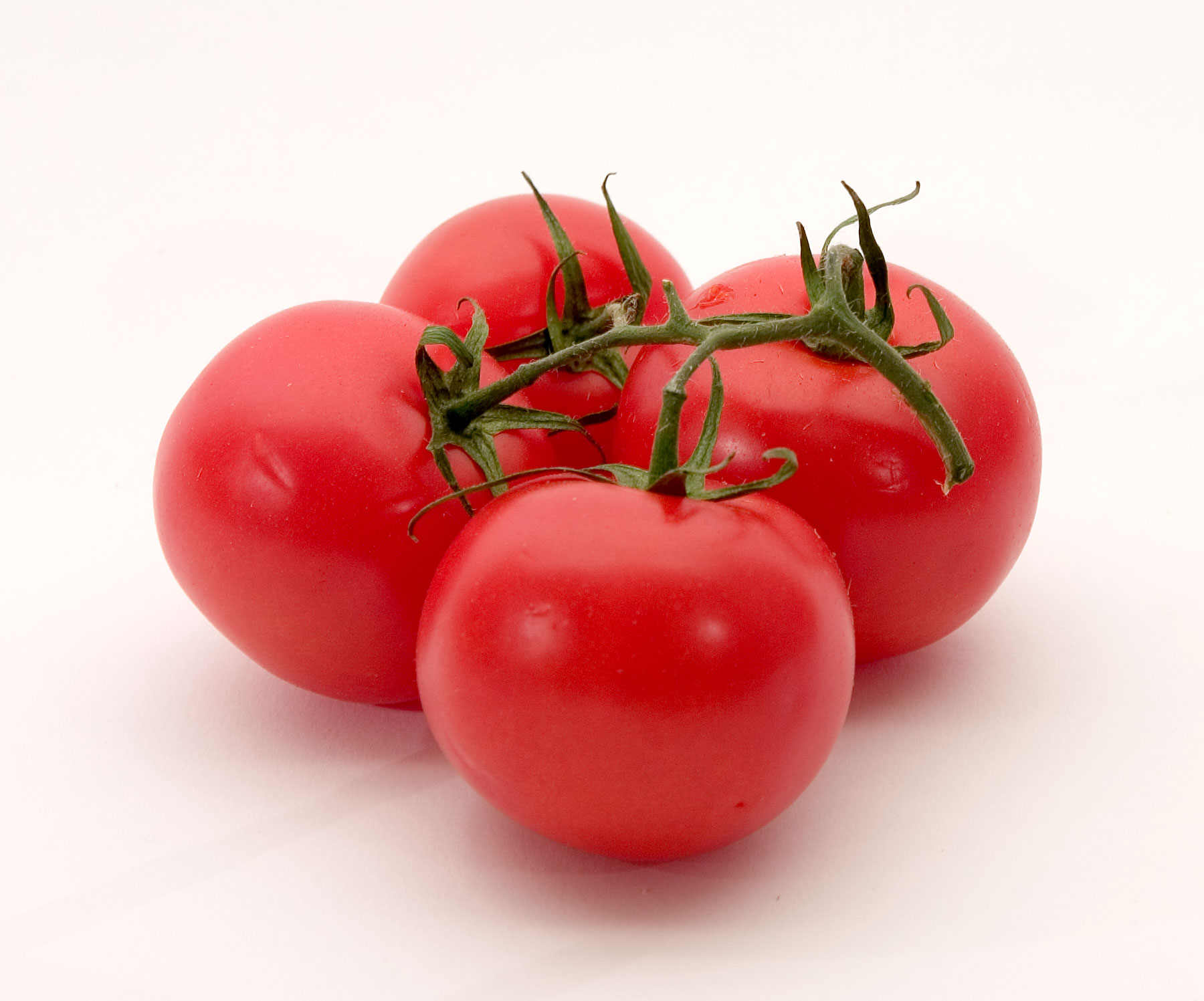
el tomate | arrow_right_alt |
|
la banana | arrow_right_alt |
|
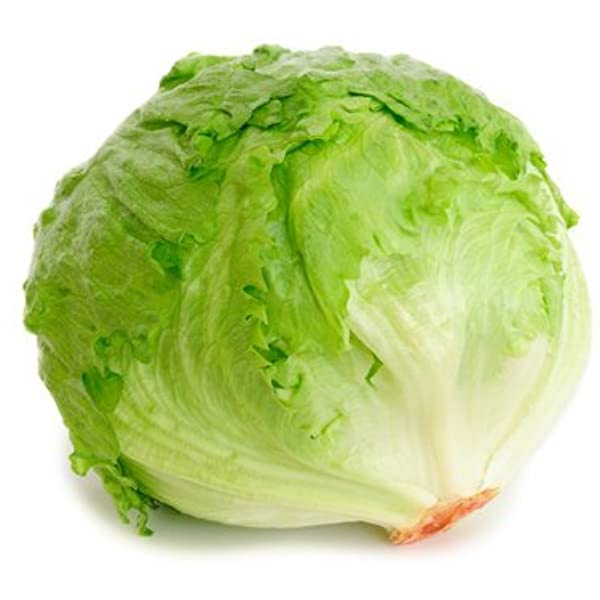
Match the vegetables with their pictures.
| Draggable item | arrow_right_alt | Corresponding Item |
|---|---|---|
ensalada | arrow_right_alt |
|
lechuga | arrow_right_alt |
|
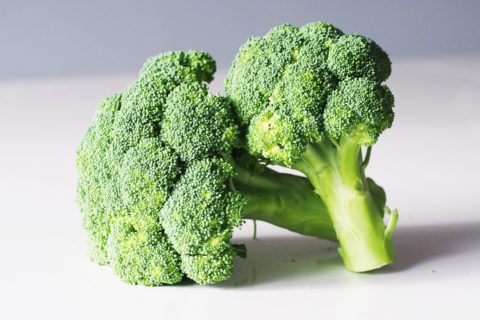
el brócoli | arrow_right_alt |
|
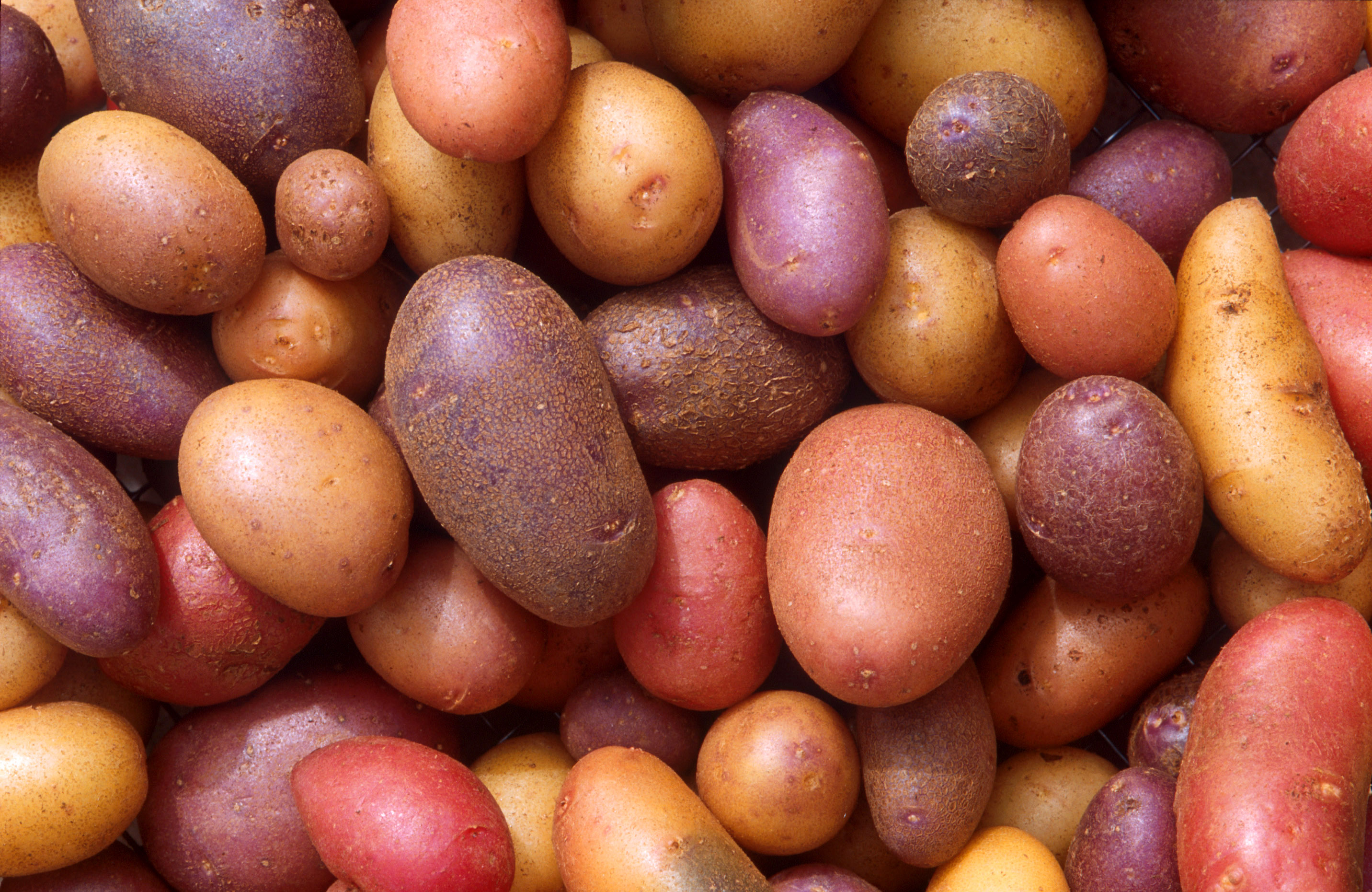
la patata/la papa | arrow_right_alt |
|
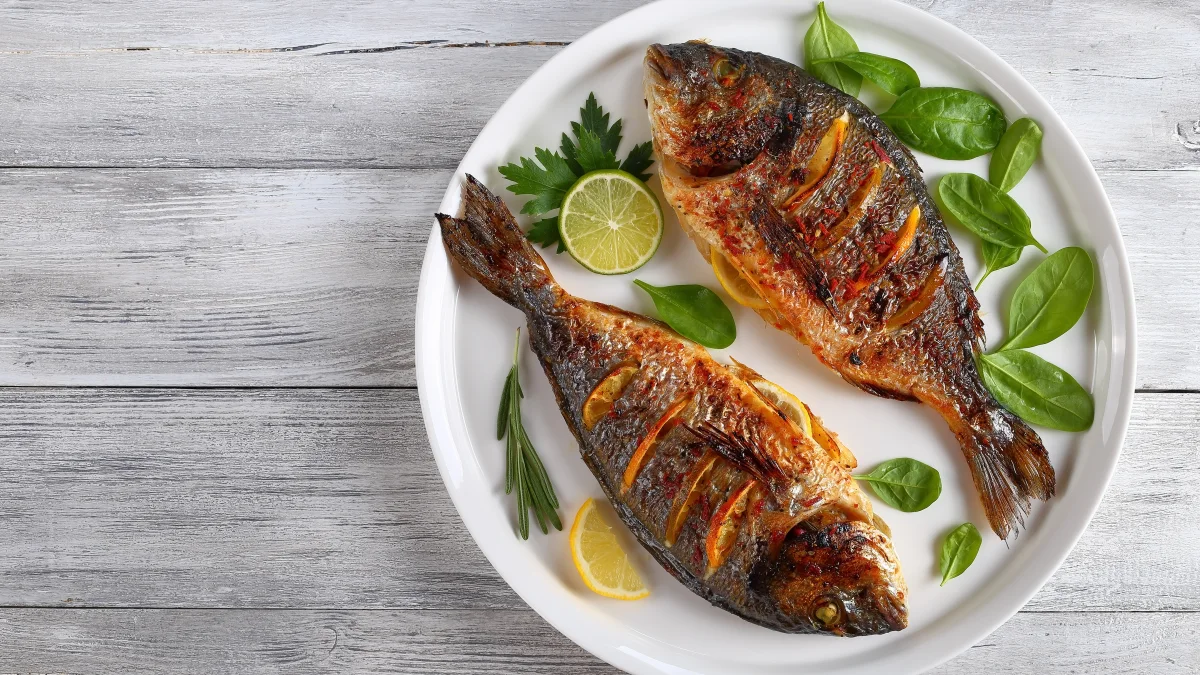
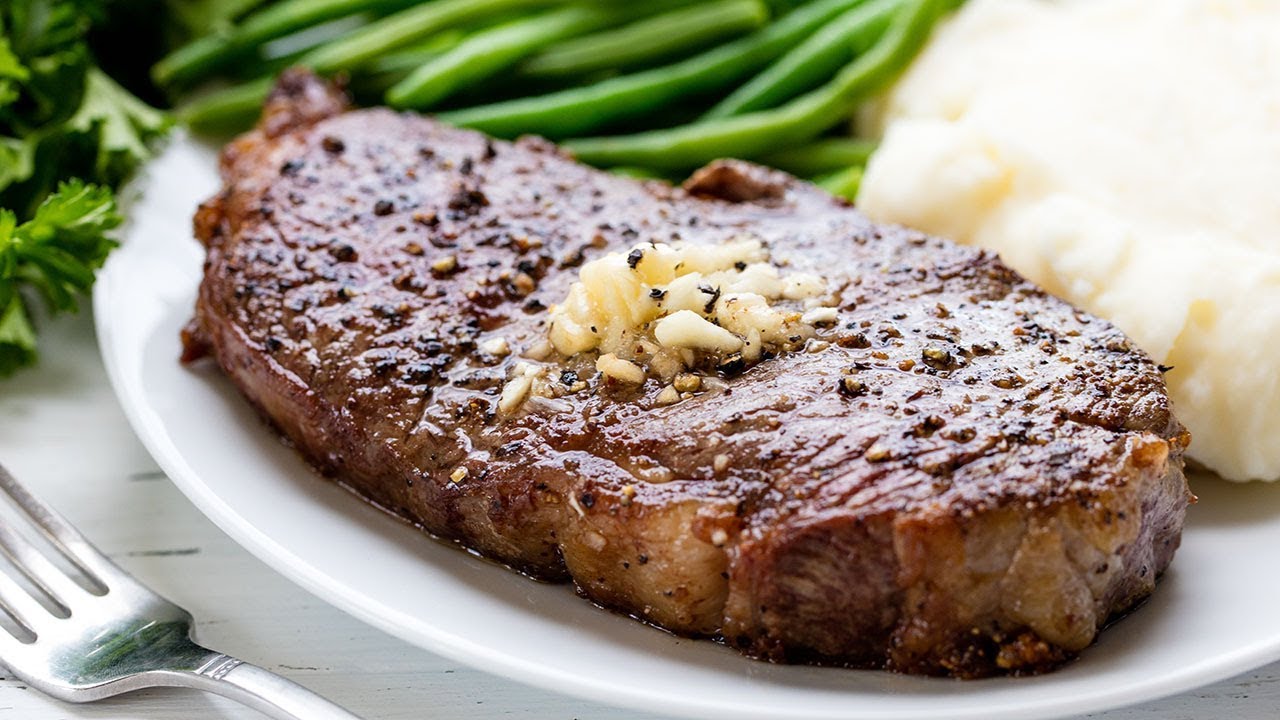
Match the meat/protein items with their pictures.
| Draggable item | arrow_right_alt | Corresponding Item |
|---|---|---|
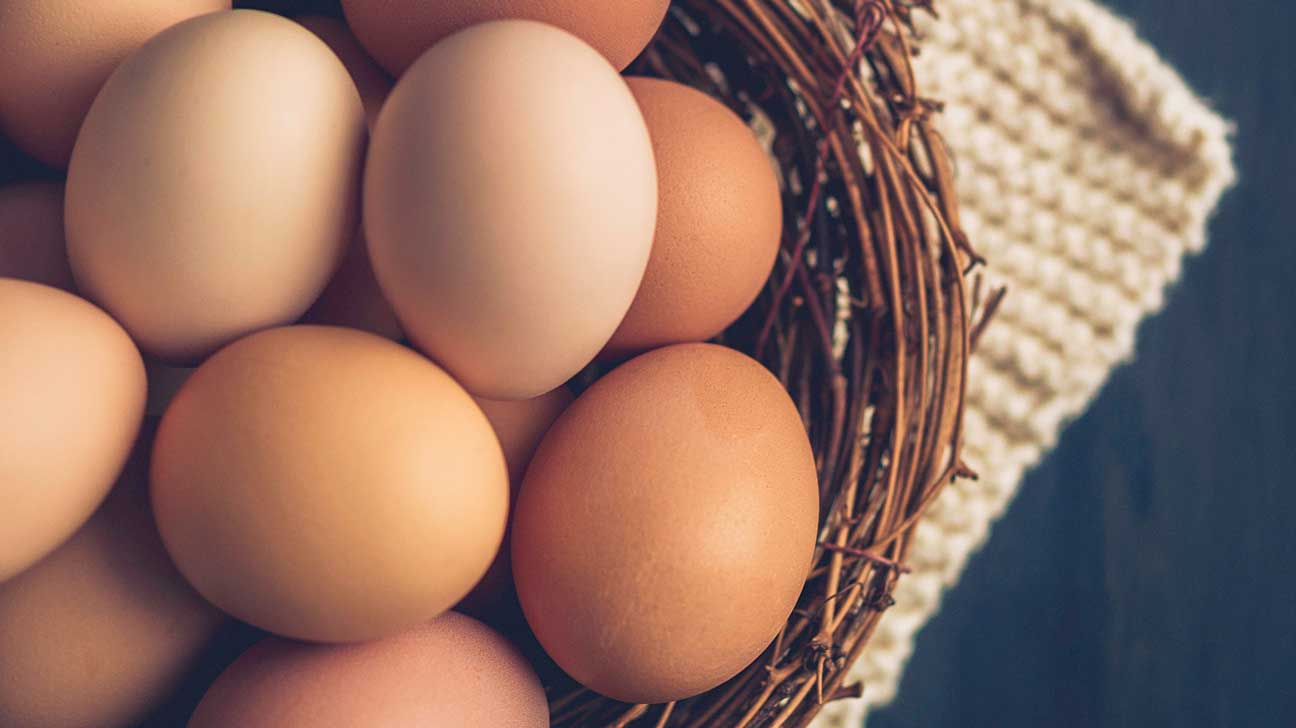
los huevos | arrow_right_alt |
|
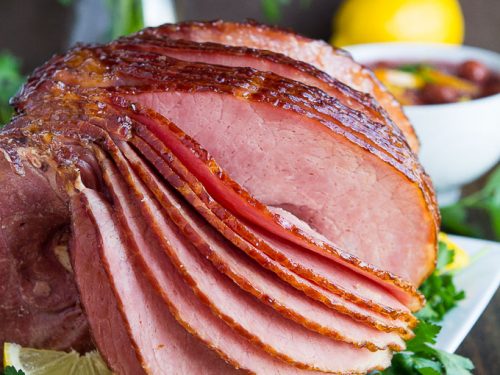
el pescado | arrow_right_alt |
|
el bistec | arrow_right_alt |
|
el jamón | arrow_right_alt |
|
Match the dairy items with their pictures.
| Draggable item | arrow_right_alt | Corresponding Item |
|---|---|---|
el helado | arrow_right_alt |
|
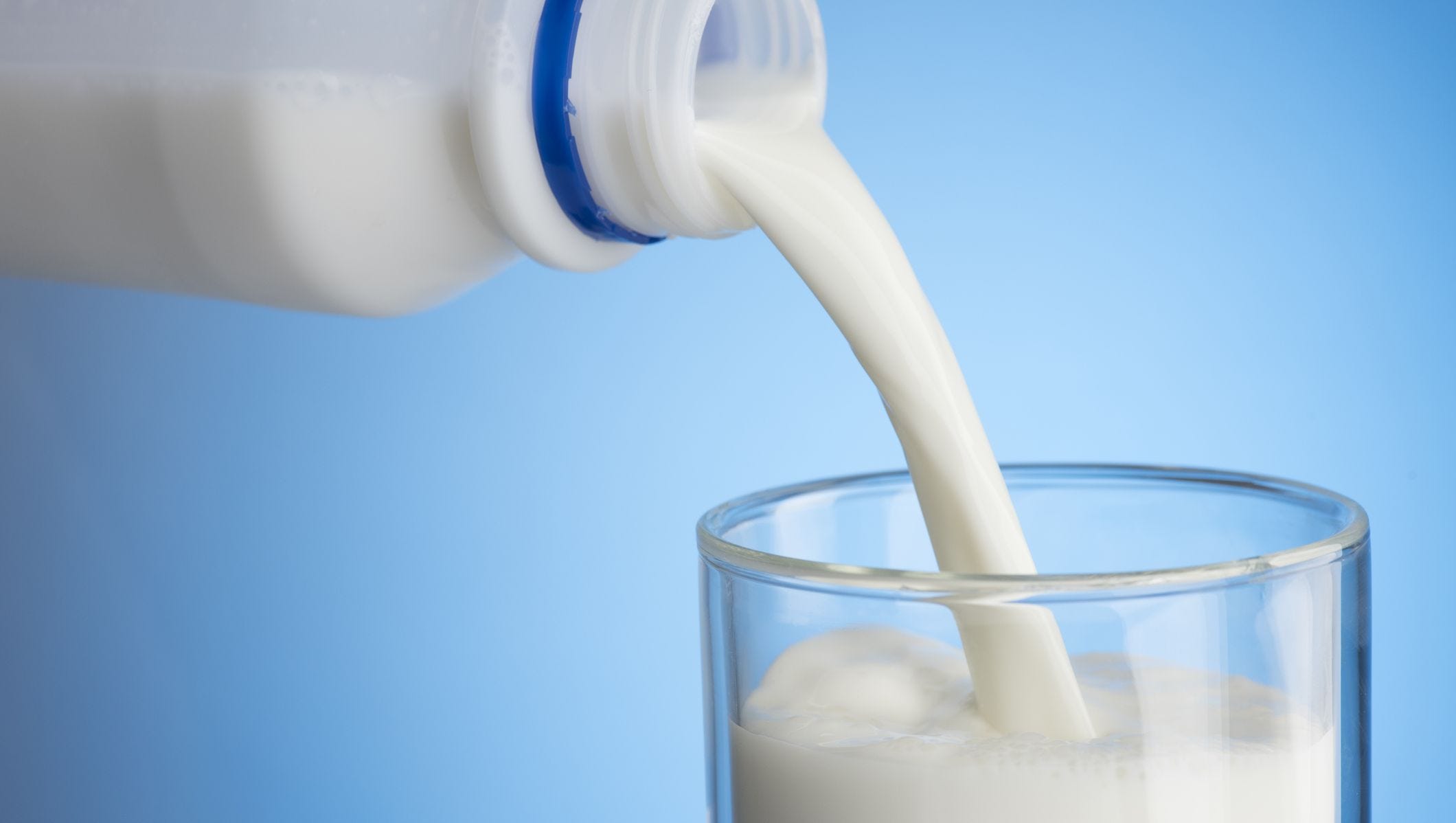
la leche | arrow_right_alt |
|
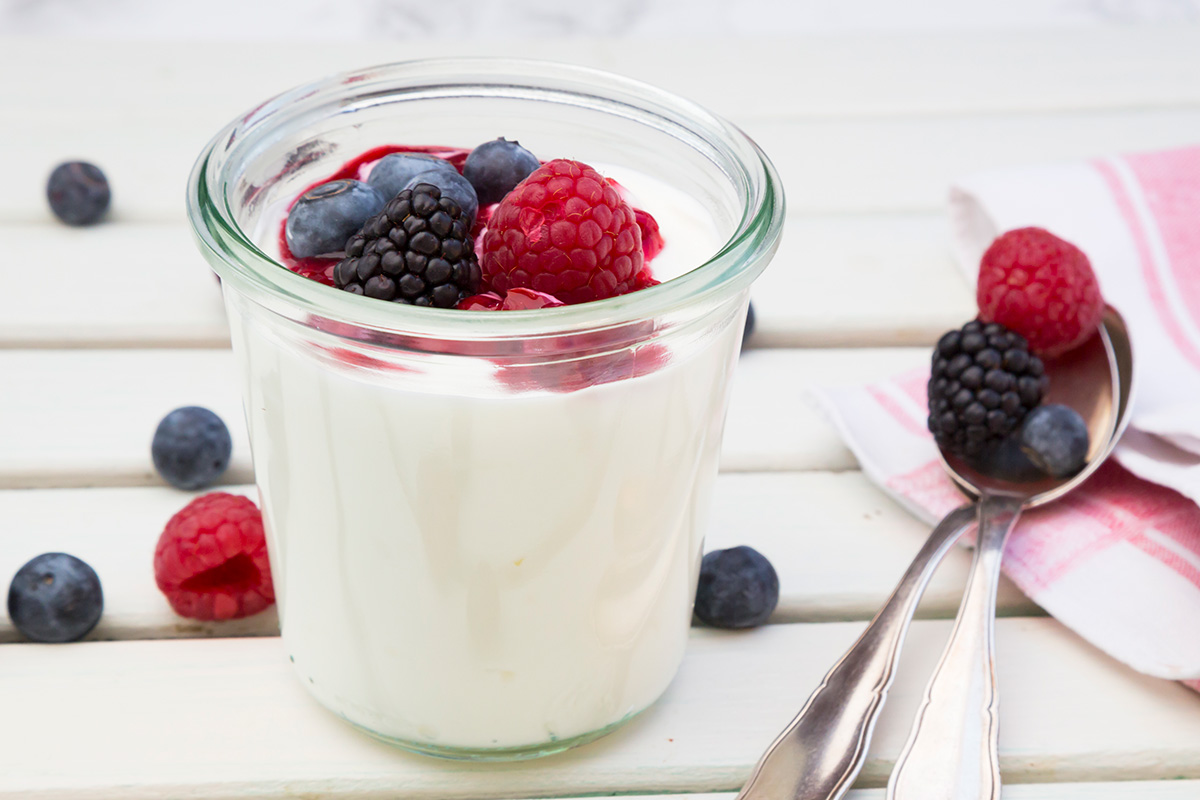
el yogur | arrow_right_alt |
|
el queso | arrow_right_alt |
|
Match the grains with their pictures.
| Draggable item | arrow_right_alt | Corresponding Item |
|---|---|---|
el arroz | arrow_right_alt |
|
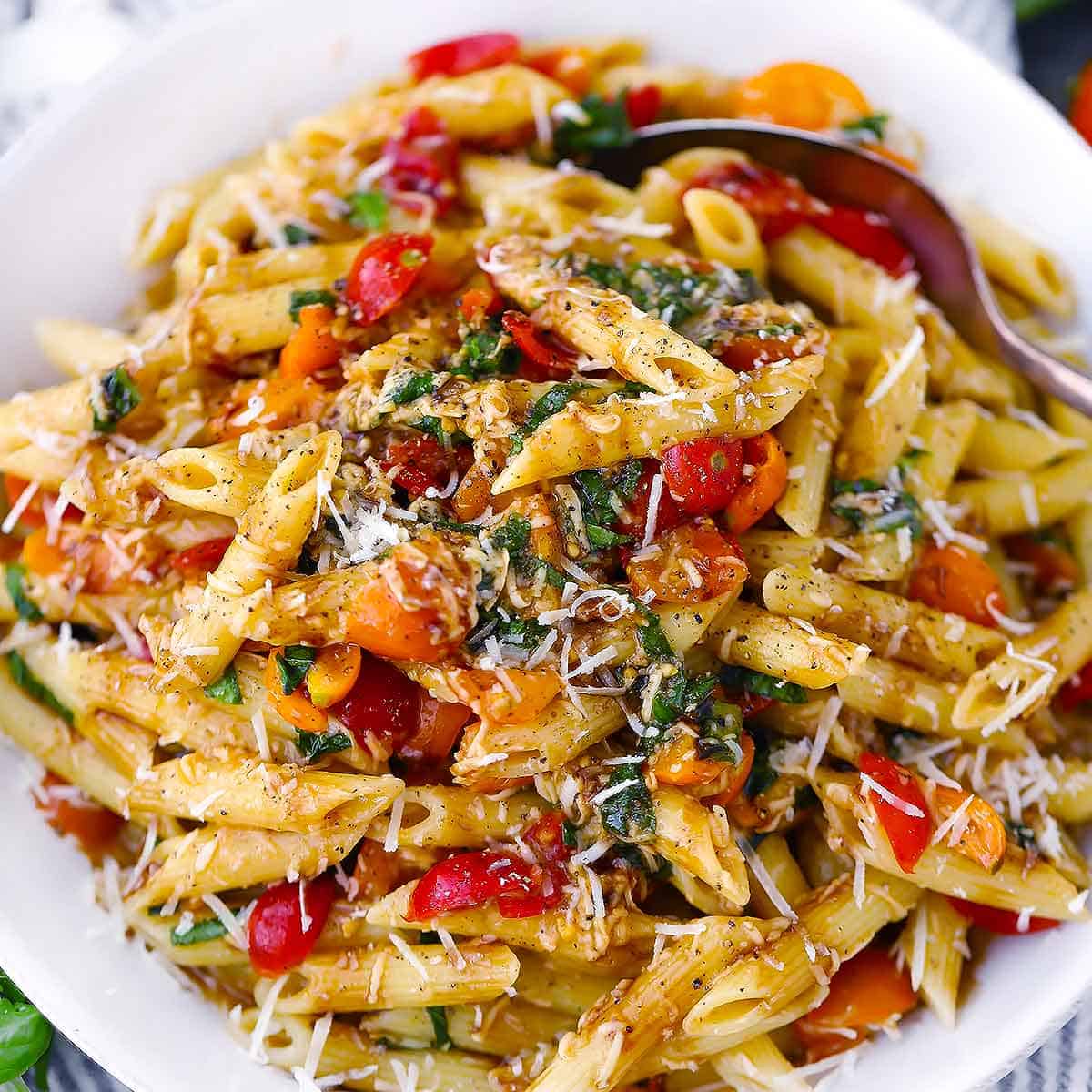
la pasta | arrow_right_alt |
|
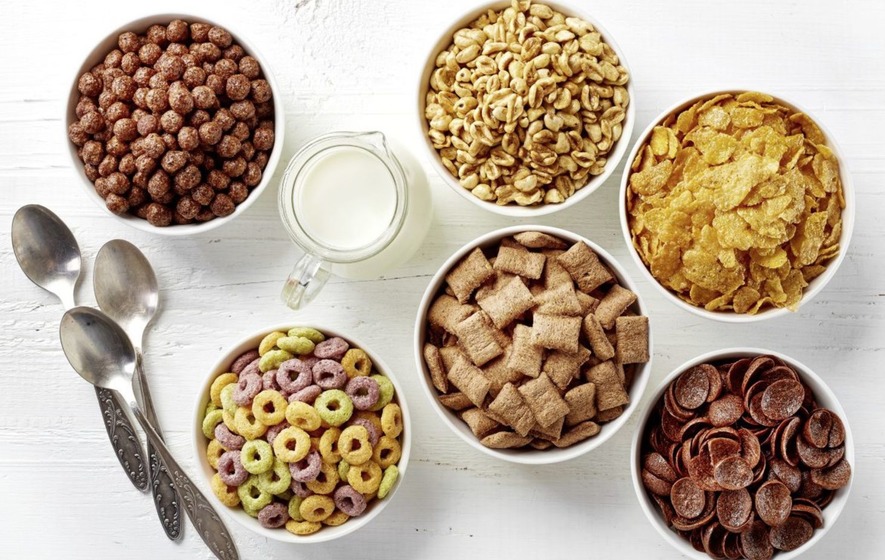
el cereal | arrow_right_alt |
|
el pan | arrow_right_alt |
|
Match the beverages with their pictures.
| Draggable item | arrow_right_alt | Corresponding Item |
|---|---|---|
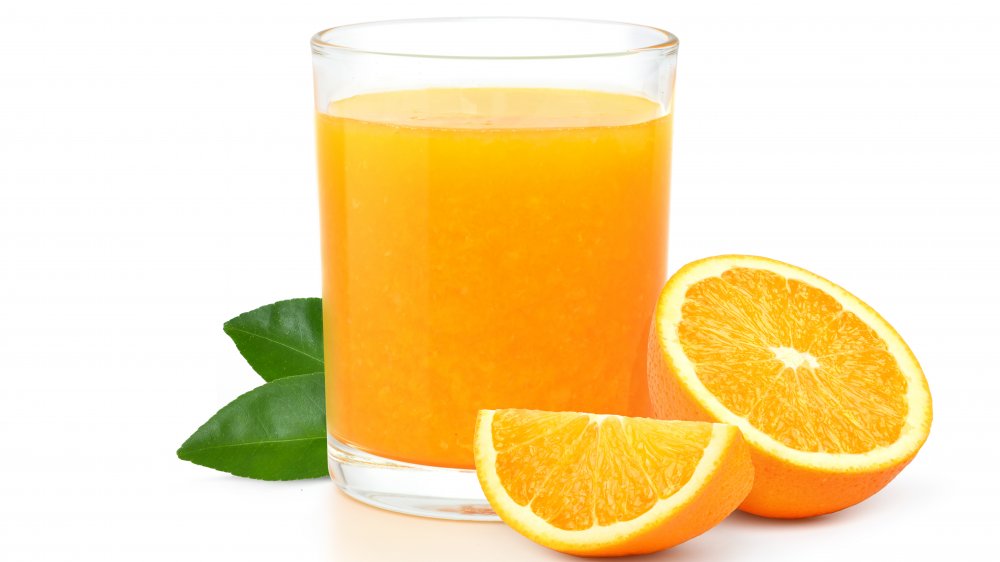
el jugo de naranja | arrow_right_alt |
|
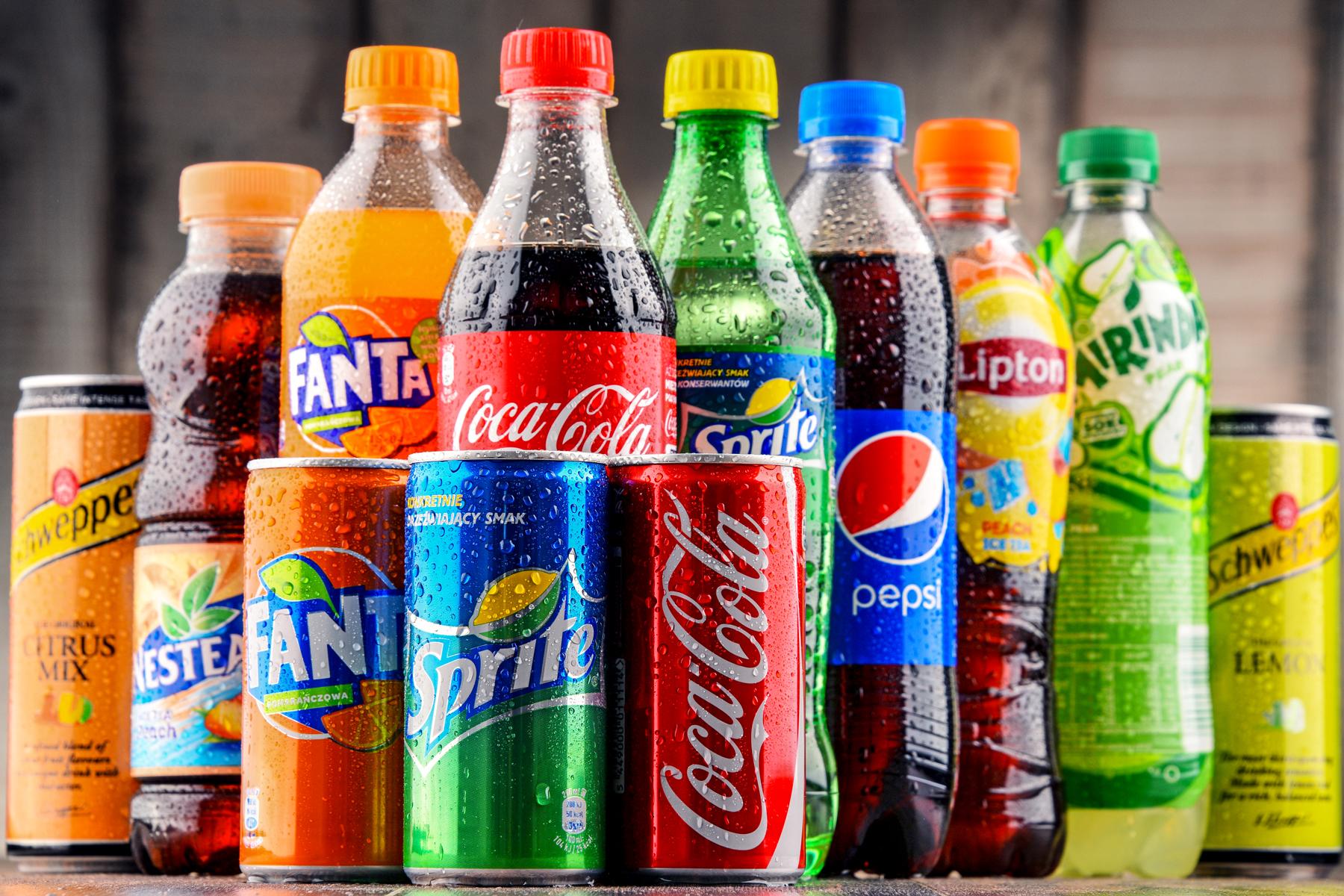
el refresco | arrow_right_alt |
|
agua | arrow_right_alt |
|
el café | arrow_right_alt |
|
Match these dietary descriptions:
| Draggable item | arrow_right_alt | Corresponding Item |
|---|---|---|
dairy | arrow_right_alt | lactosa |
lactose | arrow_right_alt | allergy |
nuts | arrow_right_alt | intolerance |
intolerancia | arrow_right_alt | gluten |
alergia | arrow_right_alt | nueces |
gluten | arrow_right_alt | lácteos |
Let's narrow it down! Before you listen to Señora describe some foods she likes, match the following items mentioned to their emoji(s):
| Draggable item | arrow_right_alt | Corresponding Item |
|---|---|---|
la leche | arrow_right_alt | 🍕 |
la pizza | arrow_right_alt | 🍓 🍇🍈🍌 |
el refresco | arrow_right_alt | 🥕🥦🍄 |
los vegetales | arrow_right_alt | 🍝 |
las frutas | arrow_right_alt | ☕ |
la pasta | arrow_right_alt | 🥛 |
el café / el té | arrow_right_alt | 🥤 |
Which does she say is probably her favorite food?
What doesn't she like to drink?
What did you hear?
What did you hear?
What did you hear?
What did you hear?
What did you hear?
What did you hear?
What did you hear?
Me gusta comer _____ = I like to eat
Yo como ___ = I eat
Yo preparo _____ = I prepare
Yo cocino ____ = I cook
Mi _________ cocina = My [person] cooks
Nos gusta comer ______ = We like to eat
Usualmente, nosotros comemos... = Usually, we eat
Nosotros preparamos _____ = We prepare
Nosotros cocinamos ____ = We cook
Level-Ups:
Juntos = together
En mi opinión... = In my opinion
Porque = because
Saludable = healthy
No saludable = not healthy
Cada semana = every week
mucho = a lot
poco = a little (bit)

If GORDO means fat, then the verb ENGORDA probably means
Using the clues given, this headline reads...

If GORDO means fat, then the verb ENGORDA probably means
Using the clues given, this headline reads...
Bonus: Watch the short ¡Tengo hambre! video👇 and answer the quick questions:
brócoli 🥦
café ☕️
uvas 🍇
agua 💧
patatas 🥔
bananas 🍌
vegetales
frutas
bebidas
pescado 🐟
arroz 🍚
pan 🥖
yogur
queso 🧀
bistec 🥩
lácteos
granos
carne
leche 🥛
helado 🍨
pasta 🍝
cereal 🥣
manzanas 🍎
lácteos
frutas
granos
pollo frito 🍗
pastel 🍰
ensalada 🥗
manzanas 🍎
vegetales 🥬
helado 🍨
saludable y natural y fresco
insalubre (no saludable)
Are the following verbs -ar verbs, -er verbs, or -ir verbs? (Hint: look at the LAST TWO LETTERS)
Drag them to the correct category.
bailar
beber
leer
comer
jugar
cantar
escribir
dormir
ver
vivir
-ar verbs
-er verbs
-ir verbs
Match each conjugated verb with the correct meaning.
| Draggable item | arrow_right_alt | Corresponding Item |
|---|---|---|
Hablan | arrow_right_alt | I talk |
Hablo | arrow_right_alt | You talk |
Hablamos | arrow_right_alt | He talks |
Hablas | arrow_right_alt | We talk |
Habla | arrow_right_alt | They talk |
Match each conjugated verb with the correct meaning.
| Draggable item | arrow_right_alt | Corresponding Item |
|---|---|---|
Corres | arrow_right_alt | I run |
Corren | arrow_right_alt | You run |
Corremos | arrow_right_alt | She runs |
Corro | arrow_right_alt | We run |
Corre | arrow_right_alt | Y'all run |
Match each conjugated verb with the correct meaning.
| Draggable item | arrow_right_alt | Corresponding Item |
|---|---|---|
Vive | arrow_right_alt | I live |
Vivo | arrow_right_alt | You live |
Viven | arrow_right_alt | You (formal) live |
Vives | arrow_right_alt | We live |
Vivimos | arrow_right_alt | They live |
Now, match:
| Draggable item | arrow_right_alt | Corresponding Item |
|---|---|---|
leemos | arrow_right_alt | I live |
caminan | arrow_right_alt | she studies |
descansas | arrow_right_alt | we read |
vivo | arrow_right_alt | they walk |
estudia | arrow_right_alt | you relax |
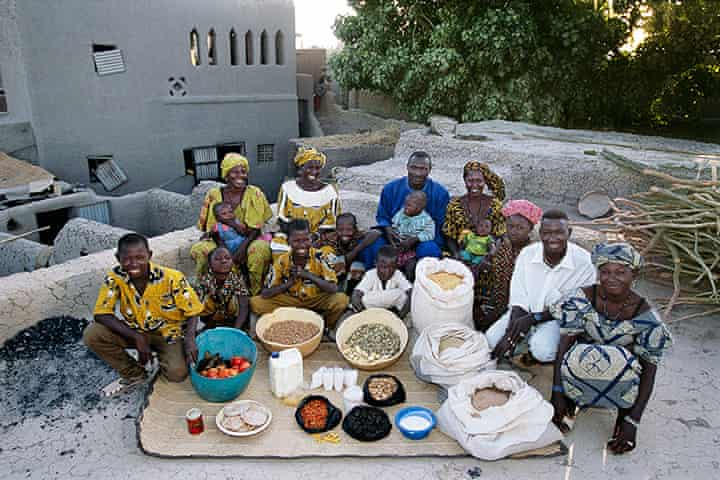
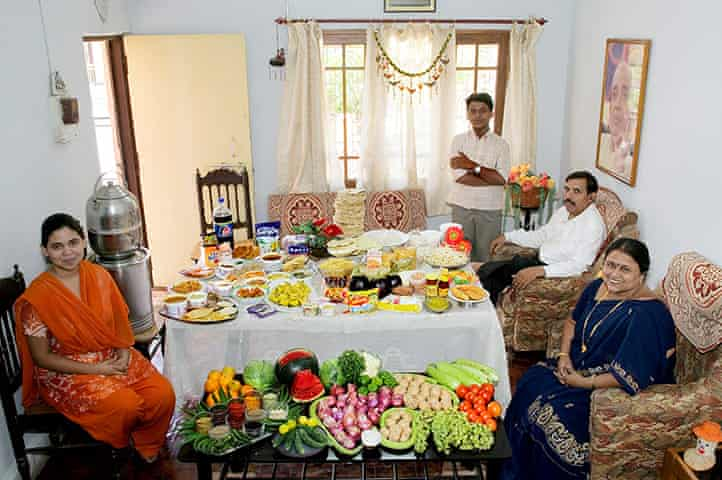
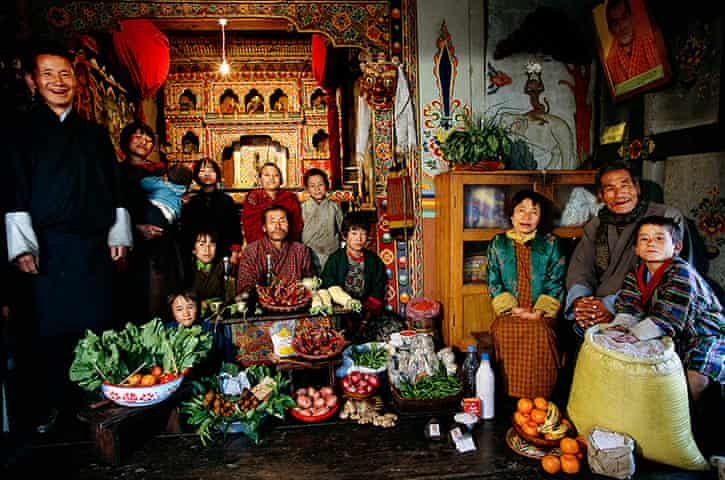
Continuing in this gallery of images from around the world, which foods do you see? Which do you not see?
🕵️ Categorize the vocabulary below the image: ¿Qué hay y qué no hay? (What is there? What isn't there?)
🕵️ ¿Qué hay y qué no hay?
(Mali)
muchos refrescos
la pizza
los granos
mucha carne
los vegetales
En la foto, hay...
En la foto, no hay...
🕵️ ¿Qué hay y qué no hay?
(India)
los vegetales
un refresco
la pizza
las frutas
En la foto, hay...
En la foto, no hay...
🕵️ ¿Qué hay y qué no hay?
(Bhutan)
las papas
la pizza
el sándwich
las naranjas
En la foto, hay...
En la foto, no hay...
🕵️ ¿Qué hay y qué no hay?
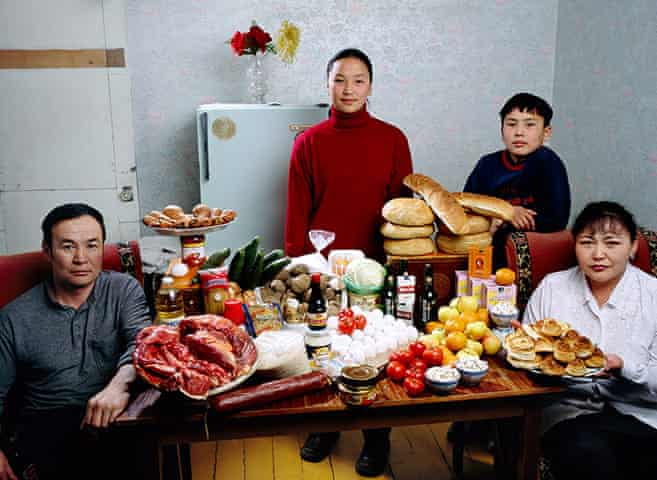
(Mongolia)
el pan
los huevos
las frutas
la carne
En la foto, hay...
En la foto, no hay...
Yo como el tocino 🥓 en el cereal 🥣.
Yo bebo la hamburguesa con queso.
Hay manzanas 🍎 en la sopa de verduras 🍲🥓.
Yo como los huevos 🍳 con pan tostado 🍞.
Yo bebo el té helado con limón 🍋.
Yo siempre como las papas fritas 🍟. No me gustan nada 🤮.
Yo como los perros calientes 🌭 en la leche 🥛.
Yo como el desayuno ☕️🍳🥞🧇 a las ocho de la noche 🕚.
Cuando hace calor 🥵, yo bebo la limonada fría 🧊.
Match:
| Draggable item | arrow_right_alt | Corresponding Item |
|---|---|---|
me gustan | arrow_right_alt | I like ONE thing ("bacon") |
me gusta | arrow_right_alt | I like PLURAL THINGS ("fruits") |
_______ las frutas porque son deliciosas.
A mi amigo, Bob, _______ la pizza porque es rica
______ la salud.
A Sara y a Ana ______ los perritos calientes.
¿______ las comidas de otros países?
_______ las hamburguesas con queso.
_______ el helado de chocolate.
A mi amigo Lance _______ los ejercios.
Don't forget verbs change their ending depending on who's doing the action!
I write:
We play
My family (unit) eats
My dad cooks
You prepare
This person is VERY hungry.
This person loves to eat ______.
To drink, this person prefers _____.
This person's favorite food is _____.
On the side of his/her favorite dish, this person likes to eat _____.
To drink with this meal, this person likes ______.
This person wants (quiero=I want) a _______ for dessert.
Since he/she is thirsty, this person wants (quiero=I want) to drink _____.
In the first sentence, this person expresses _____.
This person wants _________ with cheese, tomatos, onions, and carrots.
This person wants to drink _____.
This person wants to eat _____ with potatoes and rice.
(See if you can guess bistec without looking it up :)
Listen to the audio and pick the sentence you hear.
Listen to the audio to answer the question below--
Is this story about a boy or a girl?
Listen to the audio and pick the sentence that you heard.
Listen to the audio and answer the question below--
What activities does the main character enjoy?
Listen to the audio and pick the sentence that you hear.
Listen to the audio and answer the question below--
What does the speaker eat in this sentence?
Listen to the audio and answer the question below--
How often does the speaker eat this item?
Listen to the audio and pick the sentence that you hear--
Listen to the audio and answer the question below--
What does she eat in the sentence?
Listen to the audio and pick the sentence that you hear--
Listen to the audio and answer the question below--
How does she feel about this food?
Listen to the audio and pick the sentence you hear--
Listen to the audio and answer the question below---
¿Cómo se dice "después" en inglés?
Listen to the audio and answer the question below---
What does she eat in this sentence?
Listen to the audio and pick the sentence you hear--
Listen to the audio and answer the question below--
How does she feel about the food here?
Listen to the audio and pick the sentence you hear--
Listen to the audio and answer the question below--
What does she eat last?
Listen to the audio and pick the sentence you hear--
Listen to the audio and pick answer the question below--
How does she feel about this food?
Listen to the audio and pick the sentence you hear:
Listen to the audio and answer the question below--
How does she feel now?
| Draggable item | arrow_right_alt | Corresponding Item |
|---|---|---|
| arrow_right_alt | ||
| arrow_right_alt | ||
| arrow_right_alt | Hints: cebolla: 🧅 lechuga: 🥬 | |
| arrow_right_alt | ||
| arrow_right_alt |
| Draggable item | arrow_right_alt | Corresponding Item |
|---|---|---|
| arrow_right_alt | milk | |
| arrow_right_alt | orange juice | |
| arrow_right_alt | strawberries | |
| arrow_right_alt | bread | |
| arrow_right_alt | butter |
| Draggable item | arrow_right_alt | Corresponding Item |
|---|---|---|
| arrow_right_alt | fat | |
| arrow_right_alt | carrots | |
| arrow_right_alt | tomatoes | |
| arrow_right_alt | chicken | |
| arrow_right_alt | cheese |
Where is Claudia from?
How old is Claudia?
What does Claudia eat for breakfast? (Check all that apply.)
What does Claudia drink for breakfast? (Check all that apply.)
What does Claudia eat for lunch? (Check all that apply.)
What does Claudia drink for lunch? (Check all that apply.)
What does Claudia do for exercise?
What does Claudia eat for dinner? (Check all that apply.)
What does Claudia say she does NOT eat?
From this conclusion (or the whole letter), what would you say about Claudia?
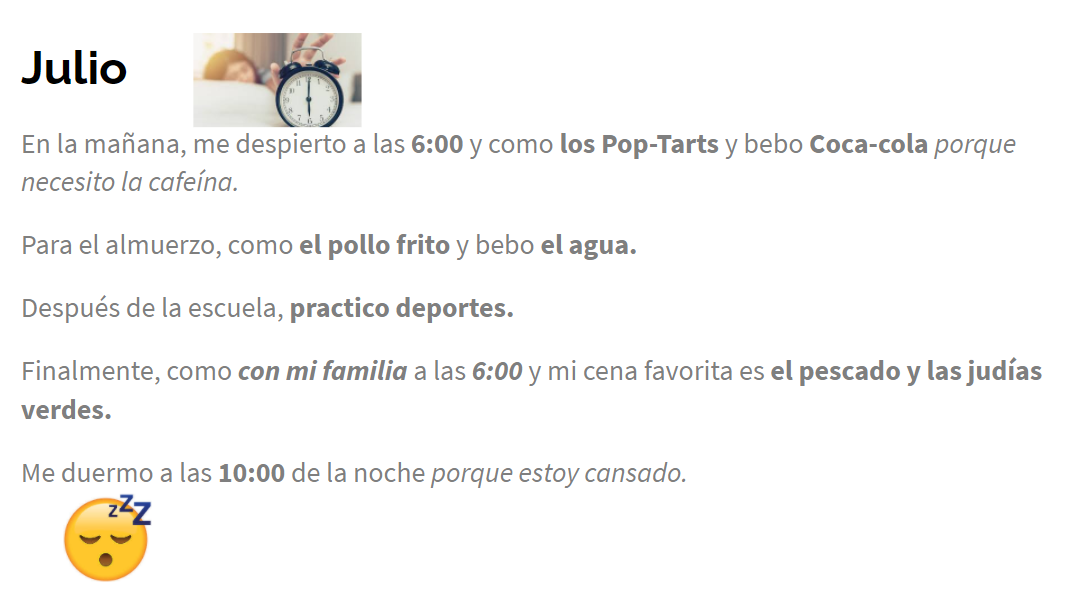
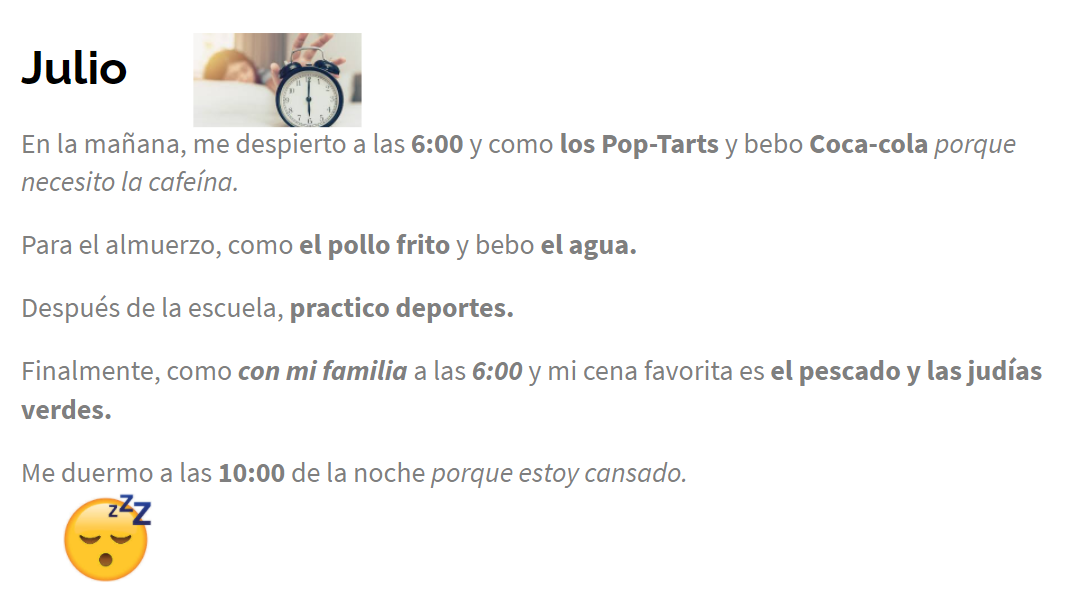
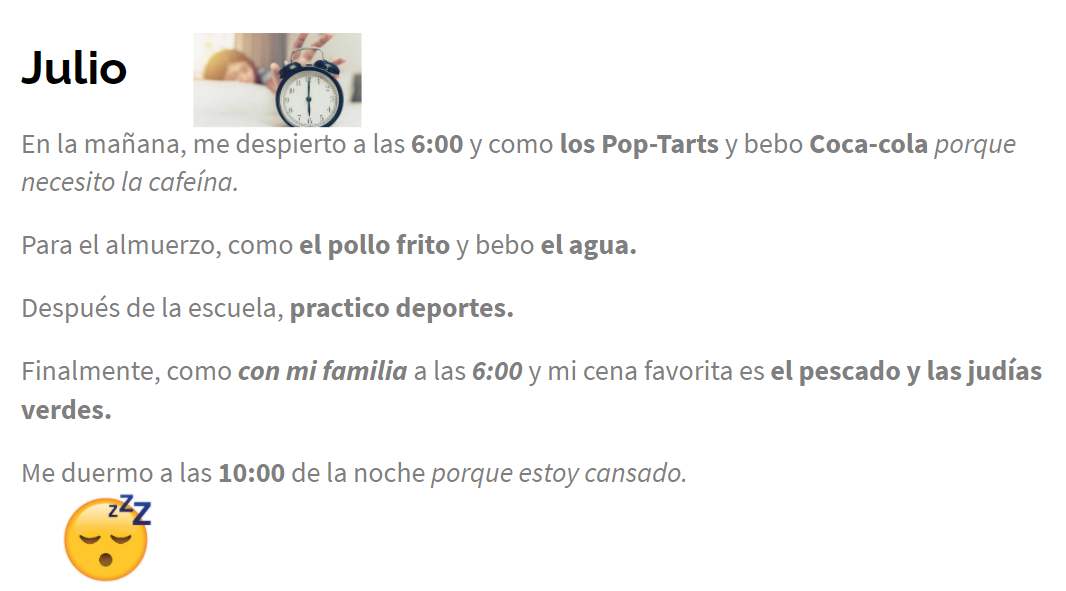
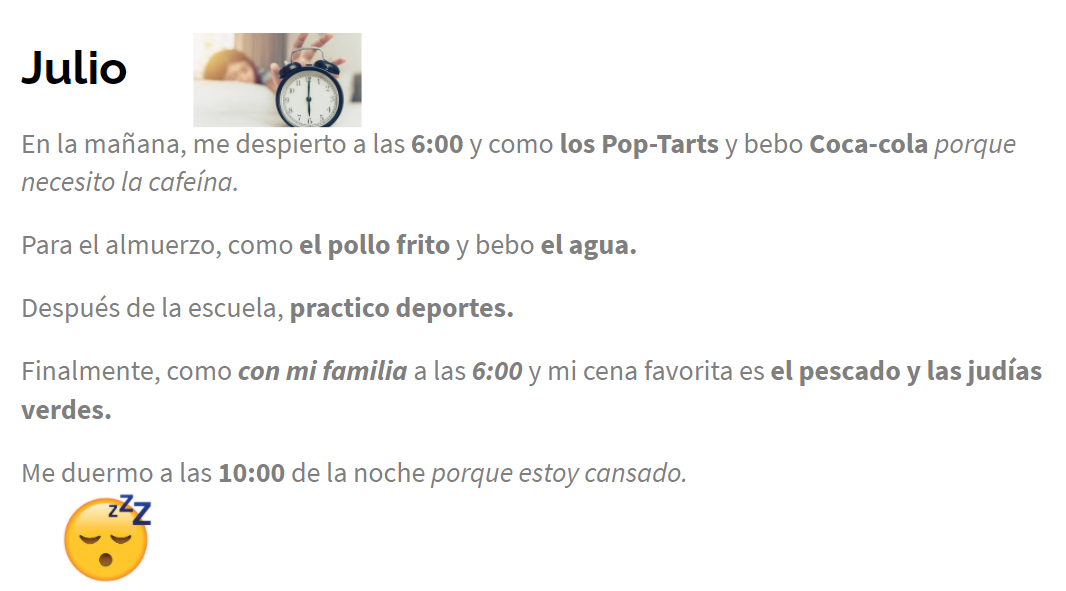
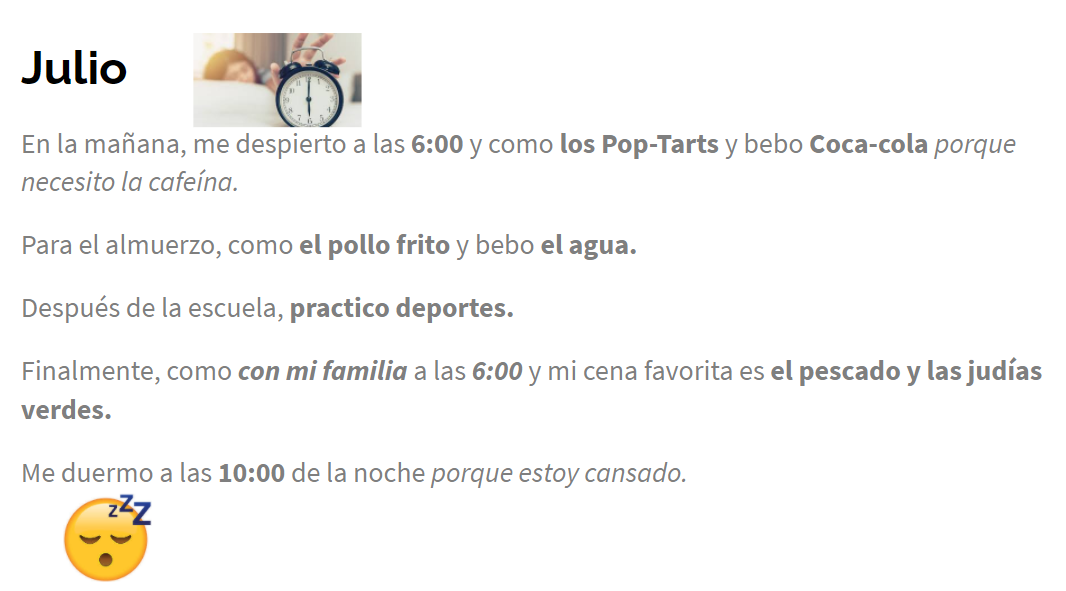
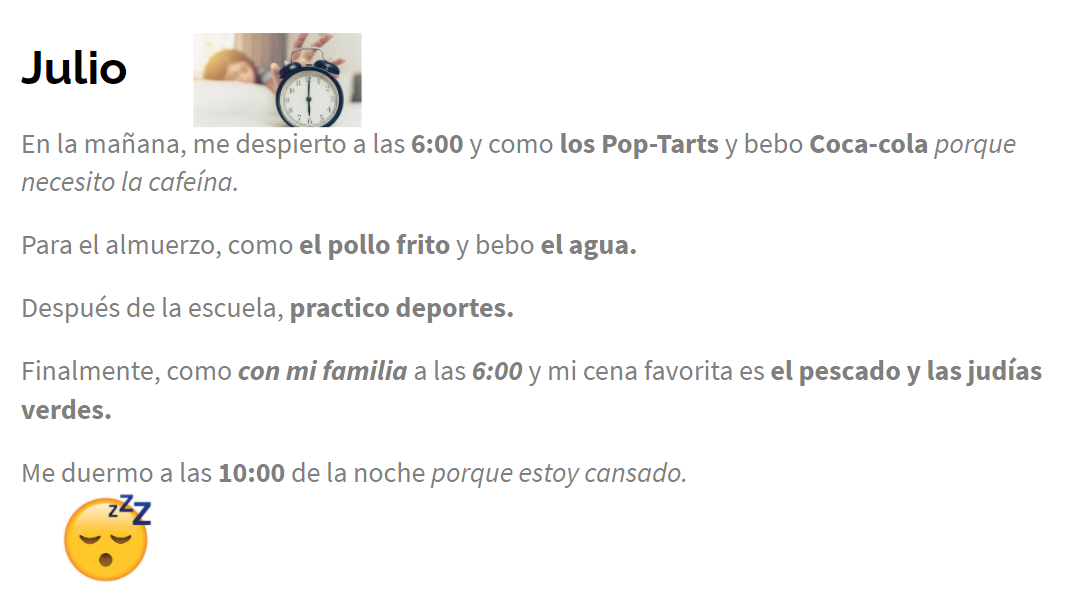
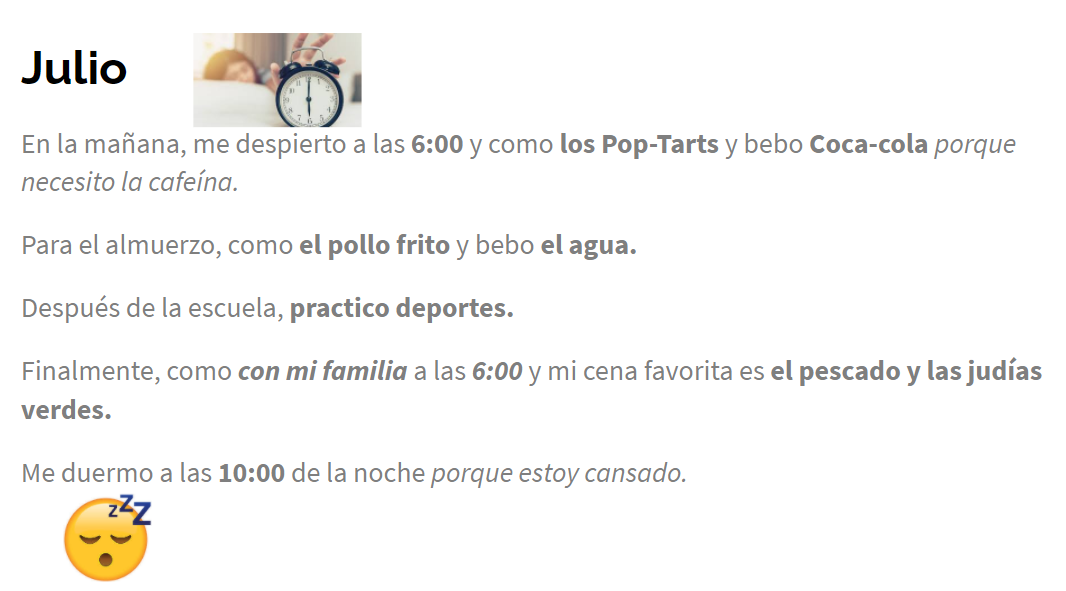
At what time does this person wake up?
What does this person have for breakfast?
What does this person have for lunch?
What does this person do after school?
Who eats dinner with this person?
What is this person's favorite dinner?
When does this person go to bed?
Match the family with its description
| Draggable item | arrow_right_alt | Corresponding Item |
|---|---|---|
| arrow_right_alt | Los abuelos están con susttheir nietos: una chica joven y un bebé. |
| arrow_right_alt | Los abuelos tienen un gato. |
| arrow_right_alt | La abuela cocina galletas 🍪 con su nietograndson. |
| arrow_right_alt | Los padres tiene una hija joven. |
| arrow_right_alt | La madre y el padre tienen un hijo únicoonly. |
| arrow_right_alt | El padre tiene dos hijos jóvenes: una hija y un hijo. |
| arrow_right_alt | La mamá tiene dos hijos. |
| arrow_right_alt | Los padres tienen tres hijas (una de las hijas es una bebé) y un hijo. |
| arrow_right_alt | En esta familia extendida, los abuelos viven con sustheir hijos y su nieta. |
| arrow_right_alt | En esta familia, hay padres, abuelos, y tres hijos: una chica adolescente, un chico adolescente, y una chica joven. |
| arrow_right_alt | Los padres tienen un hijo únicoonly. | |
| arrow_right_alt | Los padres tienen un hijo adolescenteteenager y una hija joven. |
| arrow_right_alt | Las madres tienen una hija únicaonly. |
| arrow_right_alt | Los padres tienen dos hijos; los dos son hermanos. |
Match who you hear:
| Draggable item | arrow_right_alt | Corresponding Item |
|---|---|---|
| arrow_right_alt | daughter | |
| arrow_right_alt | brother | |
| arrow_right_alt | uncle | |
| arrow_right_alt | dads or parents | |
| arrow_right_alt | grandfathers or grandparents | |
| arrow_right_alt | moms |
Read the following story and answer the comprehension questions:
Me llamo Sofía.
Mi familia es muy grande.
Pero, muchos de mis parientes viven muy lejosfar de mí.
Mi parienterelative favorito es mi tía, pero ahoranow ella vive en California.
Mi tía se llama Marta y ella es de Argentina.
También es muy generosa, cómica, y simpática.
Pero, yo vivo en Duluth, GA en un apartamento pequeño.
Vivo allí en con mi mamá, mi padrastro, mi hermanastra, y nuestrosour dos gatos.
Nosotros somos muy interesantes:
Mis padres están divorciados.
Mi hermanastra es una bebé.
Ella es menoryounger que yo.
Ella se llama Marisol, y ella es muy ruidosa y torpe.
Mi madre es un poco antipática porque es estresada y no es paciente conmigo.
Mi padrastro es molesto a veces porque es más o menos estricto.
Mi padrastro es mayorolder que mi madre.
No me gusta mucho ni mi hogar ni mi familia, pero me encantan nuestros (our) mascotas.
Tenemos dos gatos.
Los gatos son gemelos idénticos pero tienen personalidades diferentes.
Un gato es perezosos y el otro tiene mucha energía todos los días.
¡Esathat es mi familia!

Is her family big or small, according to Sofía?
Do a lot of Sofía’s family members live near or far from her?
Who is Sofía's person’s favorite family member?
What kind of housing does this person live in?
Who does Sofía live with?
Is her sibling older or younger than her?
Why does she say her mom is mean (antipática)?
Why does she say her stepdad is annoying (molesto)?
Does Sofía like her family and home?
What are their cats like?
What does "padres" mean?
What does "parientes" mean? Hint: It's a false congnate!
"menor" =
"mayor" =
"We are..."
"He or she is..."
"They are..."
"gemelos" =
Finish this sentence:
| Draggable item | arrow_right_alt | Corresponding Item |
|---|---|---|
Jada y Willow Smith son... | arrow_right_alt | mayor que Beyoncé. |
Jaden y Will Smith son... | arrow_right_alt | menor que Beyoncé. |
Oprah es... | arrow_right_alt | papá e hijo. |
Franklin D. Roosevelt y Teddy Roosevelt son... | arrow_right_alt | mamá e hija. |
Zendaya es... | arrow_right_alt | primos. |

Breakfast in Spain is usually:

In Spain, which is a common breakfast?

Ana mentions churros as another breakfast option -- how often does she eat them?

Churros are usually dipped in a thick, cold chocolate sauce.

Churros are a popular breakfast because they're nutritious.

Which is usually the biggest meal of the day in Spain?

Where is the 'coffee' during the day?

Is a tortilla in Spain similar to a tortilla you'd get at a Mexican restaurant?
Tortilla in Span looks like:

Match the following foods Ana mentions:
| Draggable item | arrow_right_alt | Corresponding Item |
|---|---|---|
| arrow_right_alt | 🐙 | |
| arrow_right_alt | 🥔 | |
| arrow_right_alt | 🍽️ 🍽️ 🍽️ 🍽️ |

fin de semana
This meat/seafood special price is a ____ sale.

Look at the recommended portions for foods and re-sequence based on size, SMALLEST FIRST:
fruits or vegetables
ice cream
carbs
cheese or ham
butter or oil

Match the translations based on what you hear, you have these on p. 17:
| Draggable item | arrow_right_alt | Corresponding Item |
|---|---|---|
| arrow_right_alt | |
| arrow_right_alt |
| Draggable item | arrow_right_alt | Corresponding Item |
|---|---|---|
| arrow_right_alt | ||
| arrow_right_alt | ||
| arrow_right_alt | Hints: cebolla: 🧅 lechuga: 🥬 | |
| arrow_right_alt | ||
| arrow_right_alt |
Are the following verbs -ar verbs, -er verbs, or -ir verbs? Drag them to the correct category.
vivir
cantar
escribir
comer
dormir
leer
jugar
ver
beber
bailar
-ar verbs
-er verbs
-ir verbs
Match each conjugated verb with the correct meaning.
| Draggable item | arrow_right_alt | Corresponding Item |
|---|---|---|
Hablas | arrow_right_alt | I talk |
Habla | arrow_right_alt | You talk |
Hablamos | arrow_right_alt | He talks |
Hablan | arrow_right_alt | We talk |
Hablo | arrow_right_alt | They talk |
Match each conjugated verb with the correct meaning.
| Draggable item | arrow_right_alt | Corresponding Item |
|---|---|---|
Corre | arrow_right_alt | I run |
Corremos | arrow_right_alt | You run |
Corres | arrow_right_alt | She runs |
Corren | arrow_right_alt | We run |
Corro | arrow_right_alt | Y'all run |
Match each conjugated verb with the correct meaning.
| Draggable item | arrow_right_alt | Corresponding Item |
|---|---|---|
Vives | arrow_right_alt | I live |
Vive | arrow_right_alt | You live |
Viven | arrow_right_alt | You (formal) live |
Vivo | arrow_right_alt | We live |
Vivimos | arrow_right_alt | They live |
Which of the following does Señora Blanco say?
Check off the following that Señora says she DOES have in her pantry:
"¿Qué quiero yo?" =
él prepara =
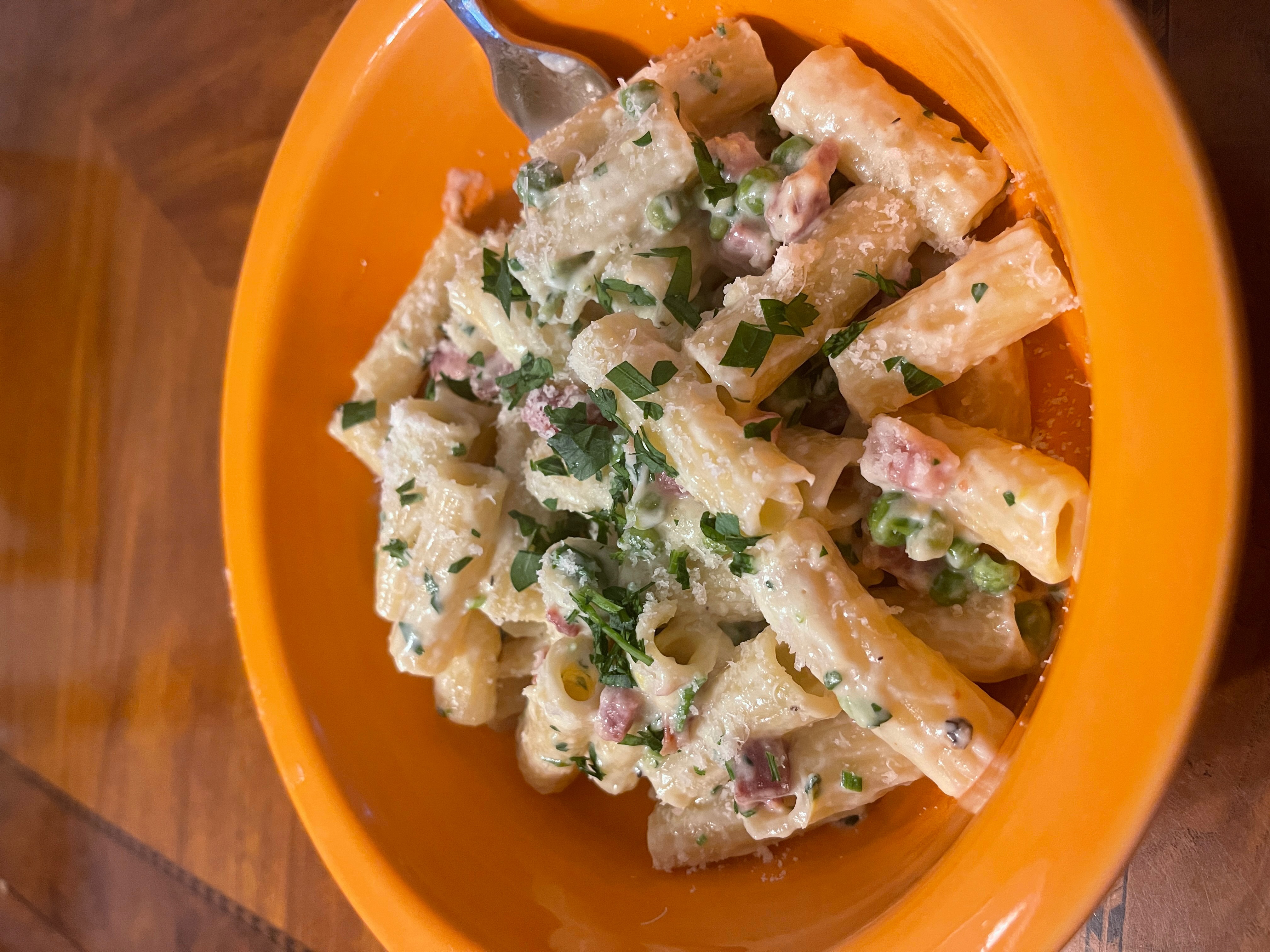
Señora forgets to mention these two ingredients in the Carbonara:

What is the relationship beween the teenager and the woman?
Wait, who the heck is the girl in the blue shirt?!
The boy says, "Ooo, tostones. _____."
Ana is...
Ana (orange shirt) is turning 🎂...
carne de res para asar
Asar probably means
camarón crudo
The shrimp probably come...
Check the following TRUE statements only using keyword clues: