Preskoči na glavni sadržaj
Prijava
Sign up for FREE
arrow_back
Biblioteka

MC La cogida y la muerte Poem by García Lorca

star
star
star
star
star
Posljednje ažuriranje over 2 years ago
11

Federico Garcia Lorca | Biography, Poems, Death, & Facts | Britannica

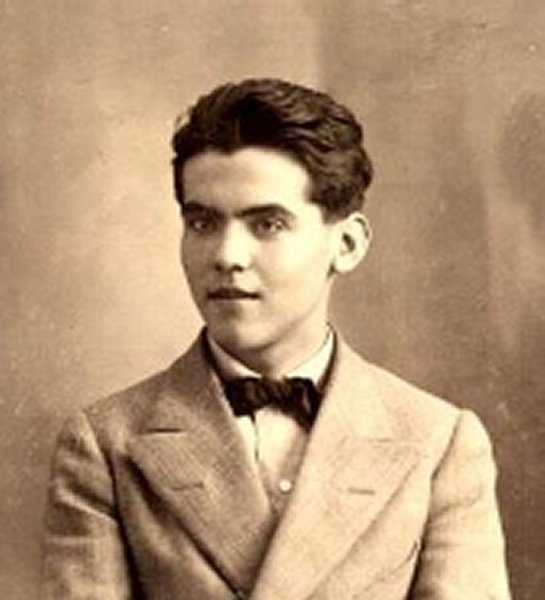
Federico García Lorca, (born June 5, 1898, Fuente Vaqueros, Granada province, Spain—died August 18 or 19, 1936, between Víznar and Alfacar, Granada province), Spanish poet and playwright who, in a career that spanned just 19 years, resurrected and revitalized the most basic strains of Spanish poetry and theatre.

The eldest of four children born to a wealthy landowner and his schoolteacher wife, Lorca grew up in rural Andalusia, surrounded by images and social conditions that influenced his work lifelong.

Salvador Dalí

La Cogida y la muerte, 1973

This poem is from Llanto por Ignacio Sánchez Mejías. Mejías, a bullfighter, was a personal friend of García Lorca.

Vocabulario útil

  1. como -like

  2. desolado - bleak

  3. el algodón - cotton

  4. el asta - pole

  5. el ataúd-coffin

  6. el bordón-long musical note, part of bagpipe

  7. el corazón-heart

  8. el cristal-glass

  9. el gentío-crowd

  10. el humo-smoke

  11. el muslo-thigh

  12. el níquel- nickel

  13. el oído-ear

  14. el sudor-sweat

  15. el yodo-iodine

  16. en punto-sharp

  17. irisarse-to be a variety of rainbow-like colors

  18. la cal-lime

  19. la cama-bed

  20. la campana-bell

  21. la cogida-throwing, goring

  22. la espuerta-basket

  23. la esquina-corner

  24. la herida-wound

  25. la ingle-groin

  26. la muerte-death

  27. la nieve-snow

  28. la paloma-dove

  29. las flautas-flutes

  30. las ruedas-wheels

  31. las trompas de lirios-fallopian lillies

  32. llevarse-to take away

  33. lo demás-the rest

  34. los huesos-bones

  35. los huevos-eggs

  36. los soles-suns

  37. los sones-sounds

  38. luchar-to fight

  39. mugir-to moo

  40. puso-put

  41. quemar- to burn

  42. romper-to break

  43. sembrar-to scatter

  44. sonar- to sound

Obavezno
1
Pitanje 1
1.
Stavka koja se može prevućiarrow_right_altOdgovarajuća stavka

el reloj

arrow_right_alt

bull

la muerte

arrow_right_alt

bell

A las cinco de la tarde.

arrow_right_alt

watch

la campana

arrow_right_alt

At five in the afternoon.

el toro

arrow_right_alt

death

Obavezno
1
Obavezno
1
Obavezno
1
Obavezno
1
Obavezno
1
Obavezno
1
Obavezno
1
Obavezno
1
Obavezno
1
Obavezno
1

The Goring and the Death

At five in the afternoon.

It was just five in the afternoon.

A boy brought the white sheet

at five in the afternoon.

A basket of lime made ready

at five in the afternoon.

The rest was death and only death

at five in the afternoon.

The wind blew the cotton wool away

at five in the afternoon.

And oxide scattered nickel and glass

at five in the afternoon.

Now the dove and the leopard fight

at five in the afternoon.

And a thigh with a desolate horn

at five in the afternoon.

The bass-pipe sound began

at five in the afternoon.

The bells of arsenic, the smoke

at five in the afternoon.

Silent crowds on corners

at five in the afternoon.

And only the bull with risen heart!

at five in the afternoon.

When the snow - sweat appeared

at five in the afternoon.

when the arena was splashed with iodine

at five in the afternoon.

death laid its eggs in the wound

at five in the afternoon.

At five in the afternoon.

At just five in the afternoon.

A coffin on wheels for his bed

at five in the afternoon.

Bones and flutes sound in his ear

at five in the afternoon.

Now the bull bellows on his brow

at five in the afternoon.

The room glows with agony

at five in the afternoon.

Now out of distance gangrene comes

at five in the afternoon.

Trumpets of lilies for the green groin43

at five in the afternoon.

Wounds burning like suns

at five in the afternoon,

and the people smashing windows

at five in the afternoon.

At five in the afternoon.

Ay, what a fearful five in the afternoon!

It was five on every clock!

It was five of a dark afternoon!

https://lyricstranslate.com
La cogida y la muerte

A las cinco de la tarde.

Eran las cinco en punto de la tarde.

Un niño trajo la blanca sábana

a las cinco de la tarde.

Una espuerta de cal ya prevenida

a las cinco de la tarde.

Lo demás era muerte y sólo muerte

a las cinco de la tarde.

El viento se llevó los algodones

a las cinco de la tarde.

Y el óxido sembró cristal y níquel

a las cinco de la tarde.

Ya luchan la paloma y el leopardo

a las cinco de la tarde.

Y un muslo con un asta desolada

a las cinco de la tarde.

Comenzaron los sones de bordón

a las cinco de la tarde.

Las campanas de arsénico y el humo

a las cinco de la tarde.

En las esquinas grupos de silencio

a las cinco de la tarde.

¡Y el toro solo corazón arriba!

a las cinco de la tarde.

Cuando el sudor de nieve fue llegando

a las cinco de la tarde

cuando la plaza se cubrió de yodo

a las cinco de la tarde,

la muerte puso huevos en la herida

a las cinco de la tarde.

A las cinco de la tarde.

A las cinco en Punto de la tarde.

Un ataúd con ruedas es la cama

a las cinco de la tarde.

Huesos y flautas suenan en su oído

a las cinco de la tarde.

El toro ya mugía por su frente

a las cinco de la tarde.

El cuarto se irisaba de agonía

a las cinco de la tarde.

A lo lejos ya viene la gangrena

a las cinco de la tarde.

Trompa de lirio por las verdes ingles

a las cinco de la tarde.

Las heridas quemaban como soles

a las cinco de la tarde,

y el gentío rompía las ventanas

a las cinco de la tarde.

A las cinco de la tarde.

¡Ay, qué terribles cinco de la tarde!

¡Eran las cinco en todos los relojes!

¡Eran las cinco en sombra de la tarde!

Pitanje 2
2.

¿Qué hora es?

Pitanje 3
3.

¿Qué trajo un niño?

Pitanje 4
4.

¿Quiénes luchan?

Pitanje 5
5.

¿Qué era lo demás?

Pitanje 6
6.

¿Qué comenzaron?

Pitanje 7
7.

¿Qué había en las esquinas?

Pitanje 8
8.

¿Qué fue llegando?

Pitanje 9
9.

¿Qué viene a lo lejos?

Pitanje 10
10.

¿Qué rompía el gentío?

Pitanje 11
11.

Why did the poet keep repeating "a las cinco de la tarde"? Why were they the "terribles cinco de la tarde"?