Homework - Electric Generators

Last updated over 1 year ago
9 questions
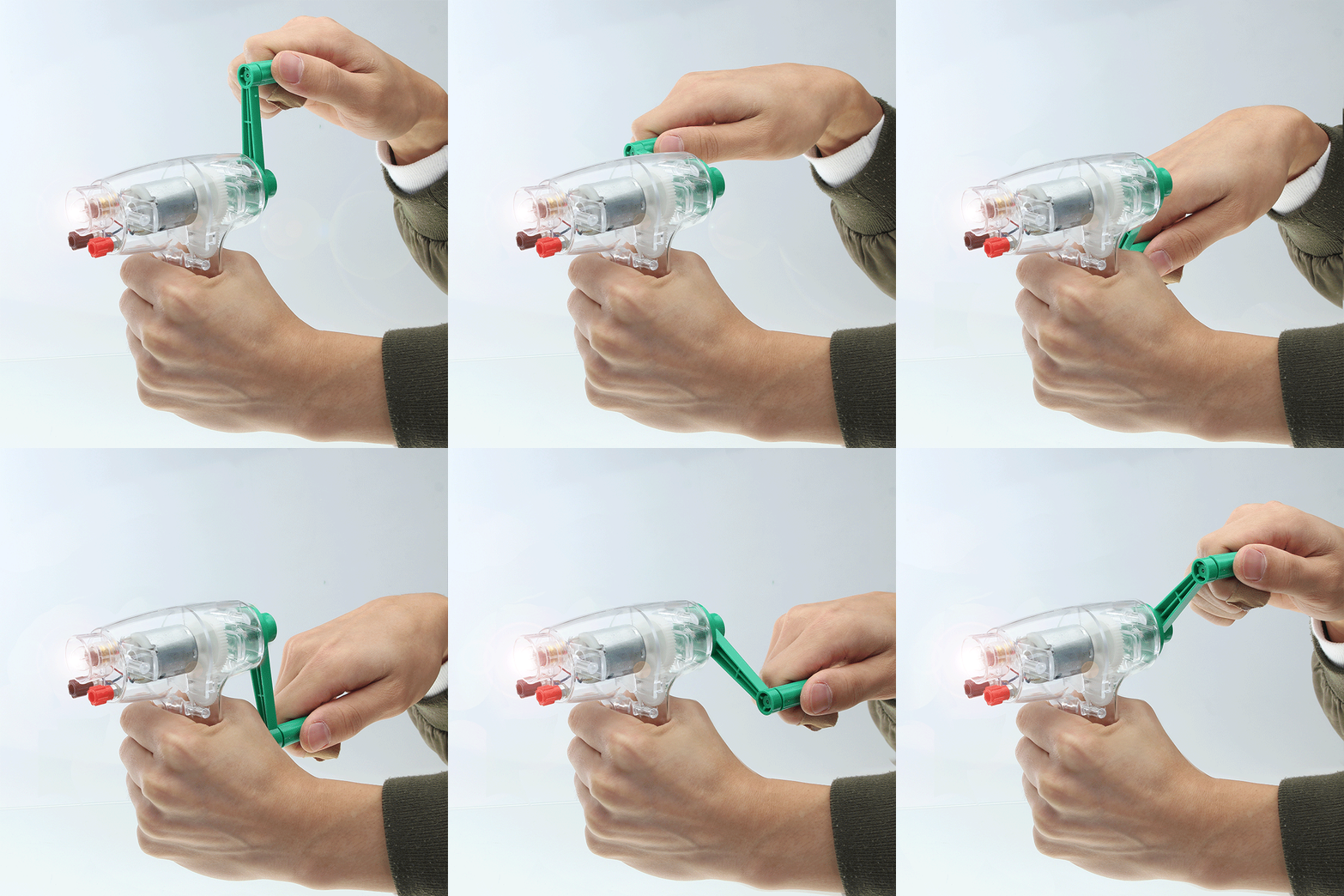
In a generator, the crank rotates a wire coil through the magnetic filed of a small permanent magnet. This produces and electric current in the circuit. The current continues only as the crank rotates the coil within the magnetic field.

1

Mechanical Energy to Electric Energy


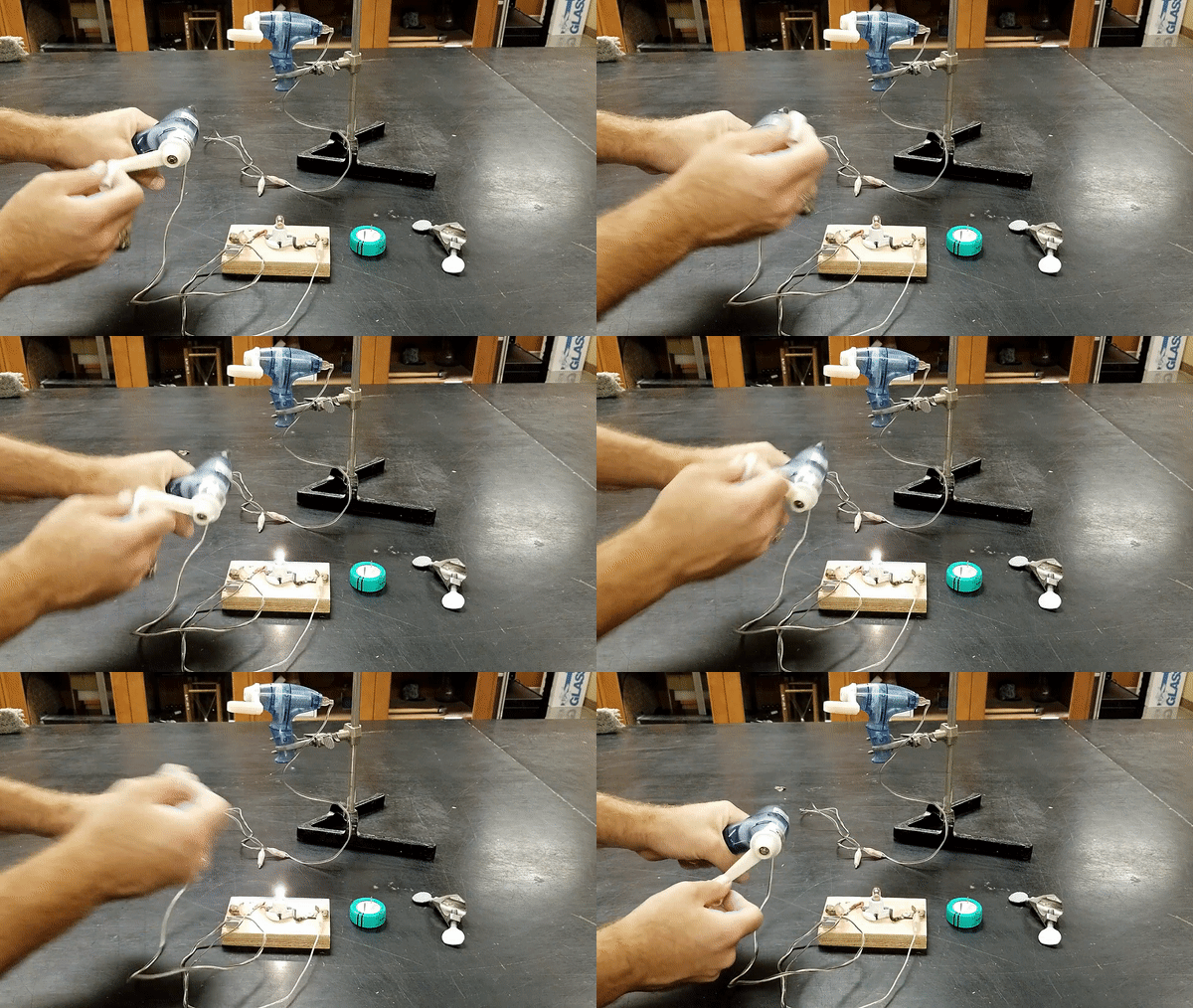
A useful energy transfer occurs in a generator. As you turn a hand generator it gains mechanical energy. When the wire coils rotate through a magnetic field an electric current is produced. The rotating coils transfer mechanical energy to electrical energy. When the wire coils rotate through a magnetic field an electric current is produced. The rotating coils transfer mechanical energy to electric energy. The more mechanical energy put into the generator the more electrical energy produced.
1
1

2-3 Sentences

Explain how mechanical energy can be converted into electrical energy.

Types of Current


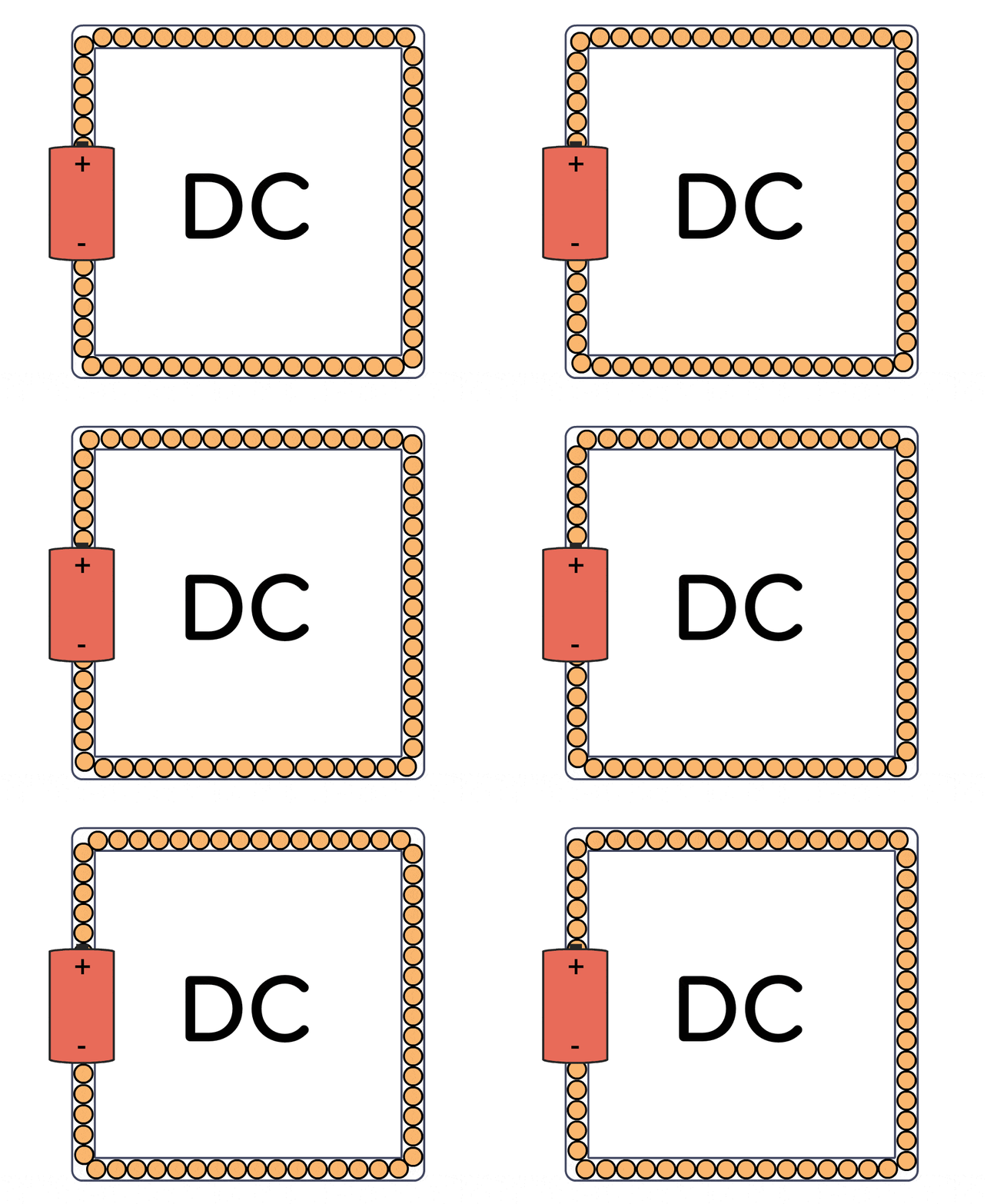
The electric current produced by a battery differs from the current produced by a generator. The current produced by a battery flows in a circuit in only one direction. An electric current that flows in one direction is called DIRECT CURRENT (DC).


1

Types of Current


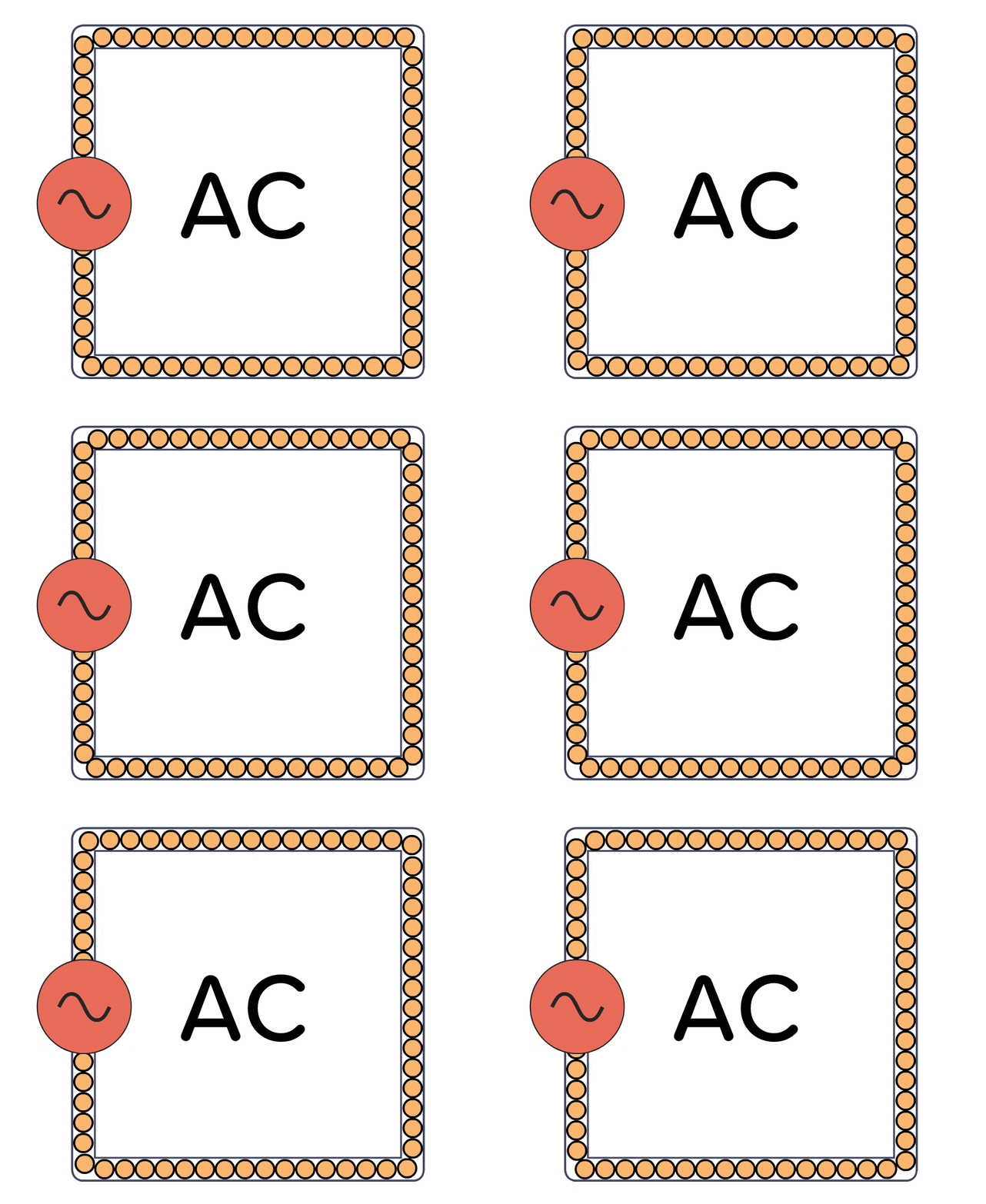
The current produced by a generator changes directions as the poles of the rotating coil line up with the poles of the magnet. An electric current that changes direction in a regular pattern is ALTERNATING CURRENT (AC).


1
1
Step 1: Wrap the wire around the cardboard tube to make a coil of about 20 turns. Remove the coil form the tube.

Step 2: Use the sandpaper to remove 2cm of insulation from each end of the wire.

Step 3: Connect the ends of the wire to ammeter. An ammeter measures the the current in the wire. Record the reading of your meter in the Data and Observations section.

Step 4: Insert one end of the magnet into the coil and then remove it. Record the current measured by the meter.

Step 5: Move the magnet at different speeds inside the coil, and record the current in the data and observations section.

Step 6: Watch the meter, and move the bar magnet in different ways around the outside of the coil. Record your observations.

Step 7: Repeat steps 4 and 5, keeping the magnet stationary and removing the wire coil.

Step 8: Clean up
1
1

Record your Data and Observations

1

What is your conclusion from your observations? Your conclusion must be 4-5 sentences.