Log in
Sign up for FREE
arrow_back
Library

CHAPTER 12 QUIZ cloned 3/29/2023

star
star
star
star
star
Last updated over 2 years ago
4 questions
Note from the author:
The Juvenile and the Miranda Warnings

In 1995, teenagers Michael Alvarado and Paul Soto attempted to steal a truck in a shopping mall parking lot in Santa Fe Springs, California. Alvarado approached the passenger side door of the truck, and Soto, holding a .357 Magnum pistol, approached the driver. The driver refused to give Soto the keys, so Soto shot and killed him. Alvarado then helped Soto hide the gun.

Both Alvarado and Soto were convicted of second-degree murder and robbery. Alvarado was convicted in large part because of incriminating statements he made about his involvement in the shooting during a two-hour interview with a police detective about a month after the murder.

At the time of the interview, Alvarado was a 17-year-old high school student. The detective contacted Alvarado’s mother, who agreed to bring him to the police station for questioning. When Alvarado arrived with his parents, the detective denied the parents’ request to remain with their son during the interview. While they waited in the lobby, Alvarado was questioned alone. During the two-hour session, the detective twice asked Alvarado if he wanted to take a break. Alvarado admitted to his role in the killing. At the end of the interview he went home. Alvarado was never advised that he had a right to remain silent, to consult a lawyer prior to answering questions, or to leave the police station.

El Juvenil y las Advertencias miranda

En 1995, los adolescentes Michael Alvarado y Paul Soto intentaron robar un camión en el estacionamiento de un centro comercial en Santa Fe Springs, California. Alvarado se acercó a la puerta del lado del pasajero del camión, y Soto, sosteniendo una pistola .357 Magnum, se acercó al conductor. El conductor se negó a darle las llaves a Soto, por lo que Soto le disparó y lo mató. Alvarado luego ayudó a Soto a esconder el arma.

Tanto Alvarado como Soto fueron condenados por asesinato y robo en segundo grado. Alvarado fue condenado en gran parte debido a las declaraciones incriminatorias que hizo sobre su participación en el tiroteo durante una entrevista de dos horas con un detective de la policía aproximadamente un mes después del asesinato.

En el momento de la entrevista, Alvarado era un estudiante de secundaria de 17 años. El detective contactó a la madre de Alvarado, quien accedió a llevarlo a la estación de policía para ser interrogado. Cuando Alvarado llegó con sus padres, el detective negó la solicitud de los padres de permanecer con su hijo durante la entrevista. Mientras esperaban en el vestíbulo, Alvarado fue interrogado solo. Durante la sesión de dos horas, el detective le preguntó dos veces a Alvarado si quería tomarse un descanso. Alvarado admitió su papel en el asesinato. Al final de la entrevista se fue a casa. A Alvarado nunca se le informó que tenía derecho a permanecer en silencio, a consultar a un abogado antes de responder preguntas o a abandonar la estación de policía.
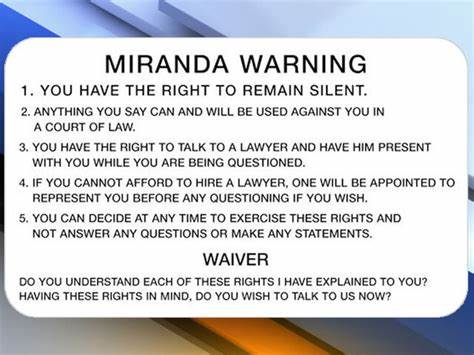
The Juvenile and the Miranda Warnings

In 1995, teenagers Michael Alvarado and Paul Soto attempted to steal a truck in a shopping mall parking lot in Santa Fe Springs, California. Alvarado approached the passenger side door of the truck, and Soto, holding a .357 Magnum pistol, approached the driver. The driver refused to give Soto the keys, so Soto shot and killed him. Alvarado then helped Soto hide the gun.

Both Alvarado and Soto were convicted of second-degree murder and robbery. Alvarado was convicted in large part because of incriminating statements he made about his involvement in the shooting during a two-hour interview with a police detective about a month after the murder.

At the time of the interview, Alvarado was a 17-year-old high school student. The detective contacted Alvarado’s mother, who agreed to bring him to the police station for questioning. When Alvarado arrived with his parents, the detective denied the parents’ request to remain with their son during the interview. While they waited in the lobby, Alvarado was questioned alone. During the two-hour session, the detective twice asked Alvarado if he wanted to take a break. Alvarado admitted to his role in the killing. At the end of the interview he went home. Alvarado was never advised that he had a right to remain silent, to consult a lawyer prior to answering questions, or to leave the police station.

El Juvenil y las Advertencias miranda

En 1995, los adolescentes Michael Alvarado y Paul Soto intentaron robar un camión en el estacionamiento de un centro comercial en Santa Fe Springs, California. Alvarado se acercó a la puerta del lado del pasajero del camión, y Soto, sosteniendo una pistola .357 Magnum, se acercó al conductor. El conductor se negó a darle las llaves a Soto, por lo que Soto le disparó y lo mató. Alvarado luego ayudó a Soto a esconder el arma.

Tanto Alvarado como Soto fueron condenados por asesinato y robo en segundo grado. Alvarado fue condenado en gran parte debido a las declaraciones incriminatorias que hizo sobre su participación en el tiroteo durante una entrevista de dos horas con un detective de la policía aproximadamente un mes después del asesinato.

En el momento de la entrevista, Alvarado era un estudiante de secundaria de 17 años. El detective contactó a la madre de Alvarado, quien accedió a llevarlo a la estación de policía para ser interrogado. Cuando Alvarado llegó con sus padres, el detective negó la solicitud de los padres de permanecer con su hijo durante la entrevista. Mientras esperaban en el vestíbulo, Alvarado fue interrogado solo. Durante la sesión de dos horas, el detective le preguntó dos veces a Alvarado si quería tomarse un descanso. Alvarado admitió su papel en el asesinato. Al final de la entrevista se fue a casa. A Alvarado nunca se le informó que tenía derecho a permanecer en silencio, a consultar a un abogado antes de responder preguntas o a abandonar la estación de policía.
10
10
10
10
Question 1
1.

a. What are the strongest arguments that Alvarado should have been given Miranda warnings at the beginning of the questioning by the detective?

un. ¿Cuáles son los argumentos más fuertes de que Alvarado debería haber recibido advertencias de Miranda al comienzo del interrogatorio por parte del detective?

Question 2
2.

b. What are the strongest arguments that there was no need to give Alvarado Miranda warnings in these circumstances?

b. ¿Cuáles son los argumentos más fuertes de que no había necesidad de dar advertencias a Alvarado Miranda en estas circunstancias?

Question 3
3.

c. If you were a judge on an appeals court hearing this case, how would you analyze the issue of whether Alvarado was in custody and being interrogated? Should his age and experience be a factor? Explain.

c. Si usted fuera un juez en un tribunal de apelaciones que escucha este caso, ¿cómo analizaría el tema de si Alvarado estaba bajo custodia y siendo interrogado? ¿Debería su edad y experiencia ser un factor? Explicar.

Question 4
4.

d. Should Alvarado have done anything differently? Should the detective have done anything differently?

d. ¿Debería Alvarado haber hecho algo diferente? ¿Debería el detective haber hecho algo diferente?