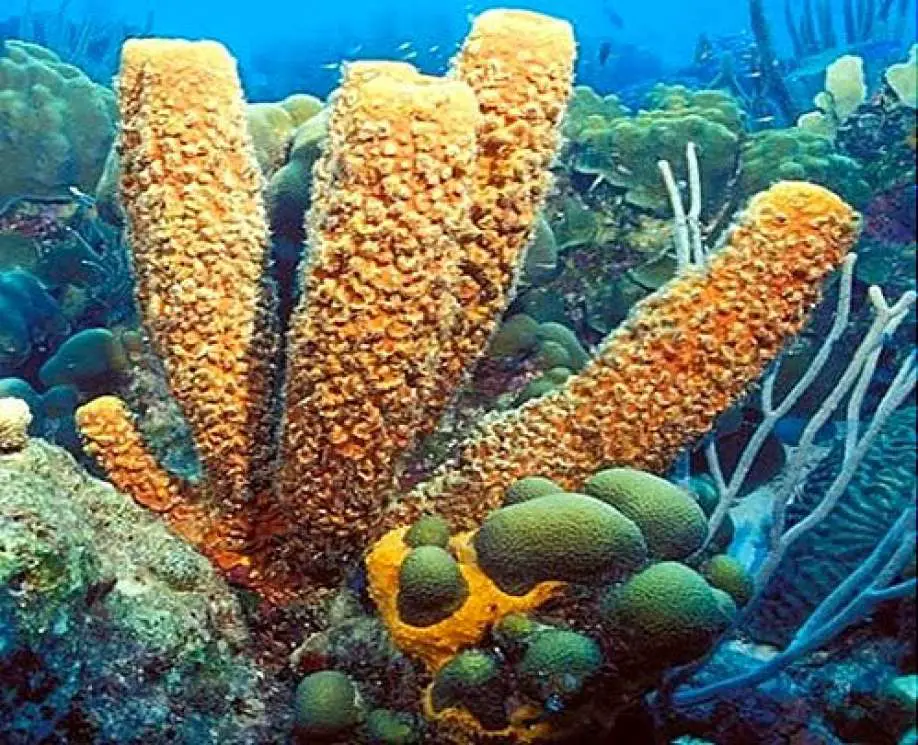
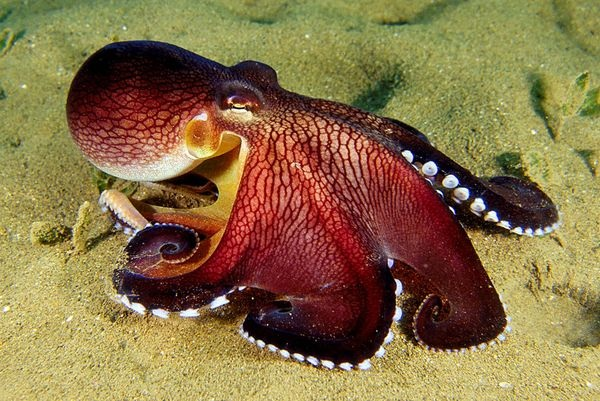
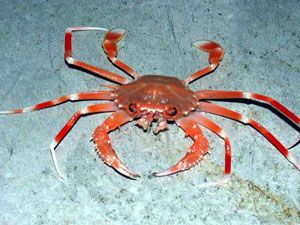
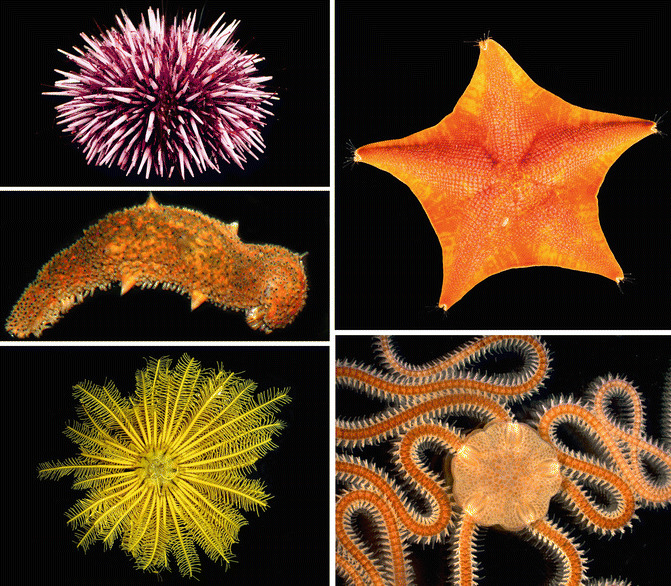
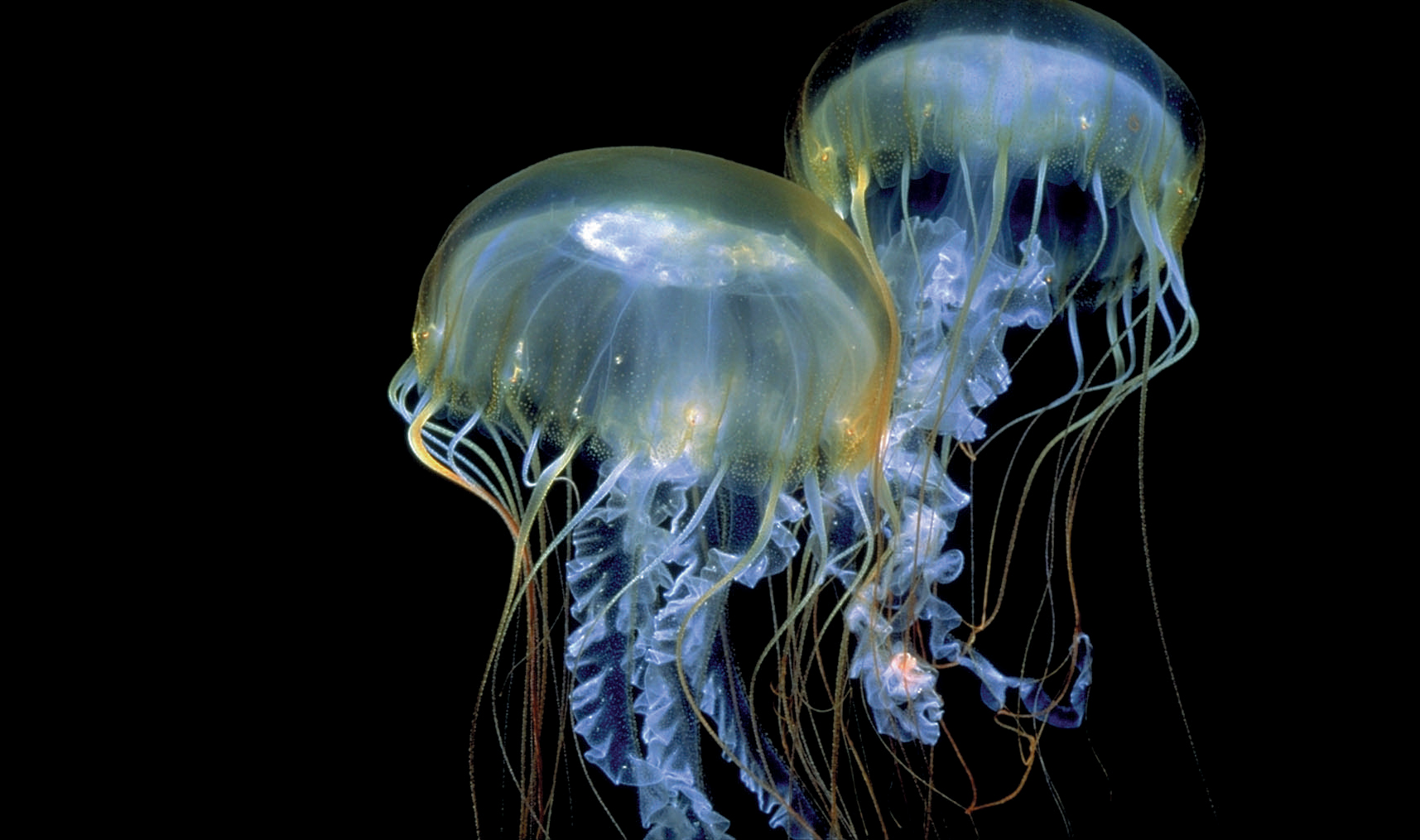
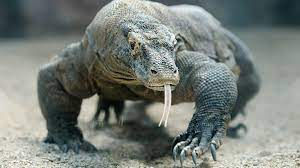
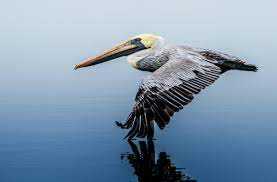
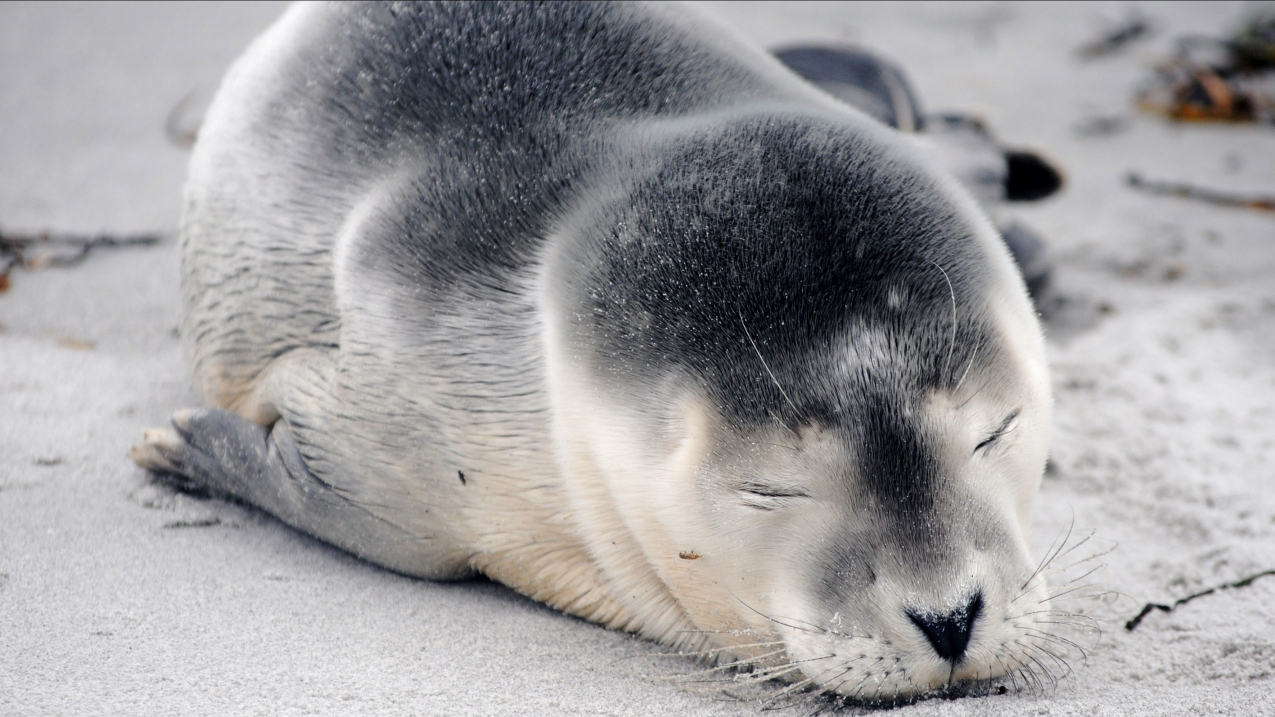
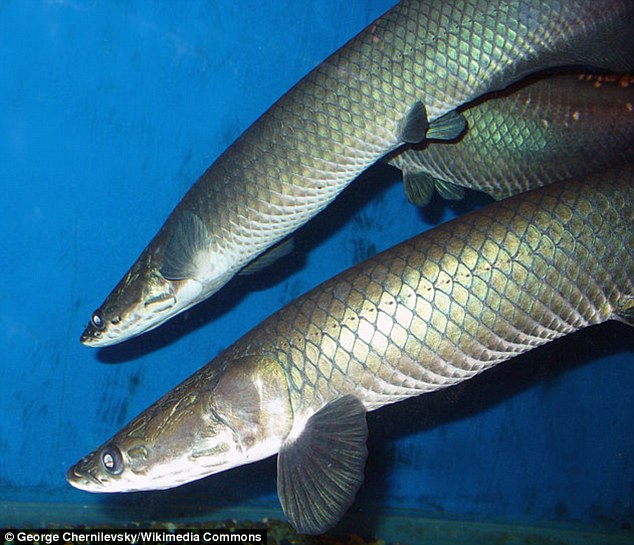
Match the Phylum to the organism.
Match the Phylum to the organism.
| Draggable item | arrow_right_alt | Corresponding Item |
|---|---|---|
Echinodermata | arrow_right_alt | |
Cnidaria | arrow_right_alt | |
Mollusca | arrow_right_alt | |
Arthropoda | arrow_right_alt | |
Porifera | arrow_right_alt |
Match the Phylum to its meaning.
| Draggable item | arrow_right_alt | Corresponding Item |
|---|---|---|
Platyhelminthes | arrow_right_alt | Pore-bearing |
Porifera | arrow_right_alt | Stinging Cells |
Nematoda | arrow_right_alt | Flatworms |
Cnidaria | arrow_right_alt | Round Worms |
Match the Phylum to its meaning.
| Draggable item | arrow_right_alt | Corresponding Item |
|---|---|---|
Arthropoda | arrow_right_alt | Segmented worms |
Echinodermata | arrow_right_alt | Soft Body |
Mollusca | arrow_right_alt | Jointed Legs |
Annelida | arrow_right_alt | Spiny Skin |
Match the Phylum to the organism.
| Draggable item | arrow_right_alt | Corresponding Item |
|---|---|---|
Echinodermata | arrow_right_alt | |
Cnidaria | arrow_right_alt | |
Mollusca | arrow_right_alt | |
Arthropoda | arrow_right_alt | |
Porifera | arrow_right_alt |
An invertebrate is...
There are more different species of vertebrates than there are of invertebrates.
Which of the following organisms have gills for breathing?
Which of the following organisms have lungs for breathing? Select all that apply.
Which of the following organisms give live births? Select all that apply.
Which of the following organisms have scales that cover their bodies? Select all that apply.
Which of the following organisms lays hard shelled eggs? Select all that apply.
True or False. Organisms with a spinal cord are called vertebrates.