Log in
Sign up for FREE
arrow_back
Library

StudySync: Mother to Son by Langston Hughes

star
star
star
star
star
Last updated almost 3 years ago
20 questions
Note from the author:
Lecture alongside these activities - the 4th question needs teacher guidance. Students were taught connotation, colloquialism, and metaphor ahead of this lesson.
African-American poet Langston Hughes is one of the best-known poets of the Harlem Renaissance, a cultural and intellectual movement that began in the 1920s and resulted in the production of African-American literature, art, and music that challenged racism and promoted progressive politics, such as racial and social integration. In Hughes’ poem “Mother to Son,” the speaker is a mother who draws on her own experiences to teach her son about perseverance.
Preview and Introduction
Required
1
First Read of "Mother to Son"
Required
1
Required
1
Focused Read of "Mother to Son"
Written Response
Required
3
Questions 4-3 | 08:05
00:00/00:00
Questions 4-3
08:05
keyboard_arrow_down
Required
1
Required
1
Required
1
Required
1
Question 5
5.
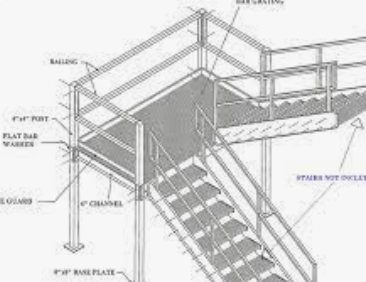
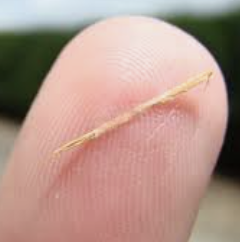
Drag and drop the definitions of the term in the definition column. Then, drag and drop the picture that represents the word in the term column.

Other Answer Choices:
having qualities like glassware that is very clear and that suggests elegance
a small, thin, sharp bit of wood that has broken off from a larger board
a wide, flat place between sections of stairs in a staircase

Mother to Son

BY LANGSTON HUGHES


Well, son, I’ll tell you:
Life for me ain’t been no crystal stair.
It’s had tacks in it,
And splinters,
And boards torn up,
And places with no carpet on the floor—
Bare.
But all the time
I’se been a-climbin’ on,
And reachin’ landin’s,
And turnin’ corners,
And sometimes goin’ in the dark
Where there ain’t been no light.
So boy, don’t you turn back.
Don’t you set down on the steps
’Cause you finds it’s kinder hard.
Don’t you fall now—
For I’se still goin’, honey,
I’se still climbin’,
And life for me ain’t been no crystal stair.
Required
1
Required
1
Required
1
Required
1
Required
1
Question 11
11.

Select the words that show how Langston Hughes uses colloquial language in his poetry.

Well, son, I’ll tell you:
Life for me ain’t been no crystal stair.
It’s had tacks in it,
And splinters,
And boards torn up,
And places with no carpet on the floor—
Bare.
But all the time
I’se been a-climbin’ on,
And reachin’ landin’s,
And turnin’ corners,
And sometimes goin’ in the dark
Where there ain’t been no light.
So boy, don’t you turn back.
Don’t you set down on the steps
’Cause you finds it’s kinder hard.
Don’t you fall now—
For I’se still goin’, honey,
I’se still climbin’,
And life for me ain’t been no crystal stair.
Question 12
12.

How does Hughes' use of colloquial language affect the poem? Select all the apply.

1 Well, son, I’ll tell you:
2 Life for me ain’t been no crystal stair.
3 It’s had tacks in it,
4 And splinters,
5 And boards torn up,
6 And places with no carpet on the floor—
7 Bare.
8 But all the time
9 I’se been a-climbin’ on,
10 And reachin’ landin’s,
11 And turnin’ corners,
12 And sometimes goin’ in the dark
13 Where there ain’t been no light.
14 So boy, don’t you turn back.
15 Don’t you set down on the steps
16 ’Cause you finds it’s kinder hard.
17 Don’t you fall now—
18 For I’se still goin’, honey,
19 I’se still climbin’,
20 And life for me ain’t been no crystal stair.
Required
1
Required
1
Required
1
Required
1
Required
1
Required
1
Question 19 | 00:00
00:00/00:00
Question 19
00:00
keyboard_arrow_down
Required
9
Question 19
19.

Answer this prompt in CER format. What is the main message of the poem? How does Langston Hughes use colloquialism, metaphor, and/or connotation to create this meaning?

Question 20
20.

What is a metaphor you would create to describe life? Explain your metaphor.

Question 4
4.

How did Langston Hughes communicate with this audience? What kind of language did he use?

Question 1
1.

Describe the Harlem Renaissance to someone who's never heard of it before.

Question 2
2.

Describe what Langston Hughes communicated in his writings.

Question 3
3.

Langston Hughes was a writer. What kind of texts did he write?

Question 6
6.

Describe your first impression of the poem.

Question 7
7.

Let's take a poll. If you had to describe the tone of this poem in one word right now, what would you say. (Just choose one, please).

Question 8
8.

Explain your rationale for your choice. Think about the kinds of words in the poem. What connotation do they seem to mostly have?

Question 9
9.

Who is the narrator of this poem?

Question 10
10.

How do you know?

Question 13
13.

Extended Metaphors are metaphors that are developed through an entire piece of writing. They are very common in poetry and used as a means of creating connections from the author to the audience. What is the extended metaphor in "Mother to Son"?

Question 14
14.

In which line is the metaphor more clear?

Question 15
15.

Describe the mother's life according to the metaphor.

Question 16
16.

The mother shows perseverance. Which line best shows this character trait?

Question 17
17.

What theme is mostly expressed in the poem?

Question 18
18.

Which quote from the poem most strongly supports the theme of the poem?