Introduction
Botana curus is a valuable plant because it produces Curol, a compound used for treating certain kinds of cancer. Curol cannot be produced in the laboratory. Botana curus grows very slowly and is on the endangered species list, so its ability to provide Curol in large quantities is limited.
Species that are more closely related to Botana curus are more likely to produce the important substance Curol. Three similar plant species that are plentiful (X, Y, and Z) may be related to Botana curus. You will work as a researcher to:
gather structural and molecular evidence to determine which plant species is most closely related to the hypothetical species, Botana curus
use this evidence to decide which plant species is most likely to serve as a source of the important substance Curol
Structural Evidence for Relationships Perform the following tests and record your observations in the tables within this packet..
Why are we interested in the plant Botana curus?
Why are we looking for another source of Curol? pick 2
Why are we investigating species X, Y , and Z?
In this section we will examine the structures of Botana curus and Plants X, Y, and Z. By looking for similarities in their structures we will develop a prediction about which plant is most closely related to Botana curus (and may also make Curol)
1. Leaf Characteristics:
Examine the leaf samples provided. In the table below describe the characteristics you observe in the leaves.
Characteristics to include:
is the leaf simple (made up of 1 piece) or compound (made up of multiple leaflets)
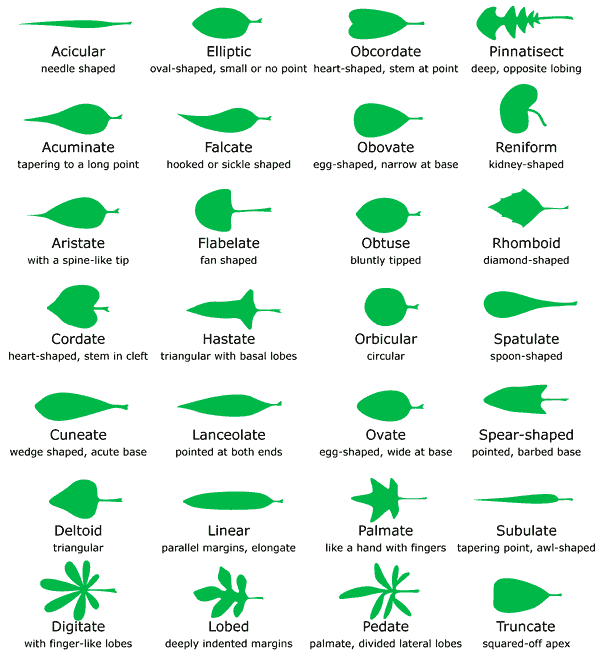
shape of leaf (use the guide below
📷
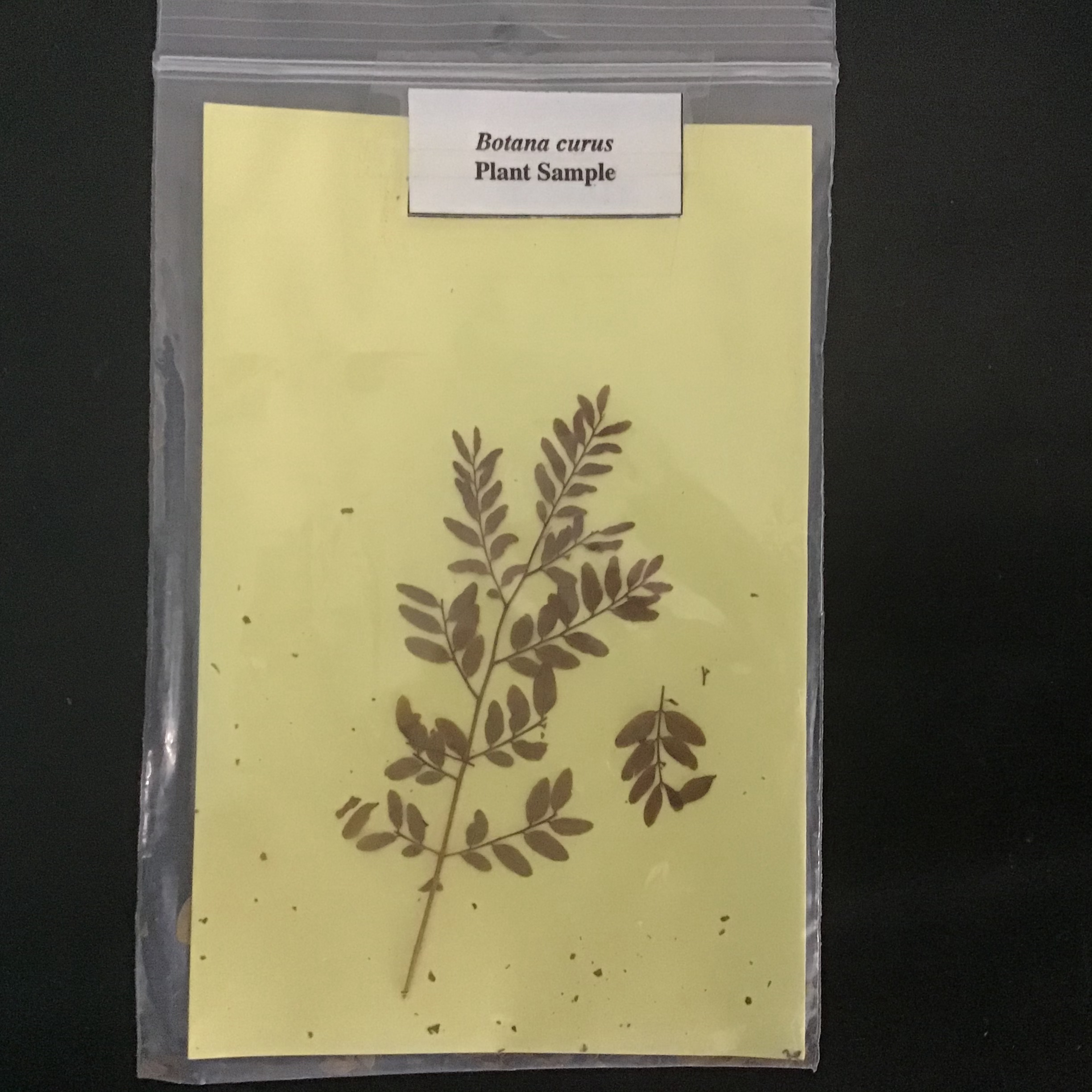
Is the leaf simple (made up of 1 piece) or compound (made up of multiple leaflets)
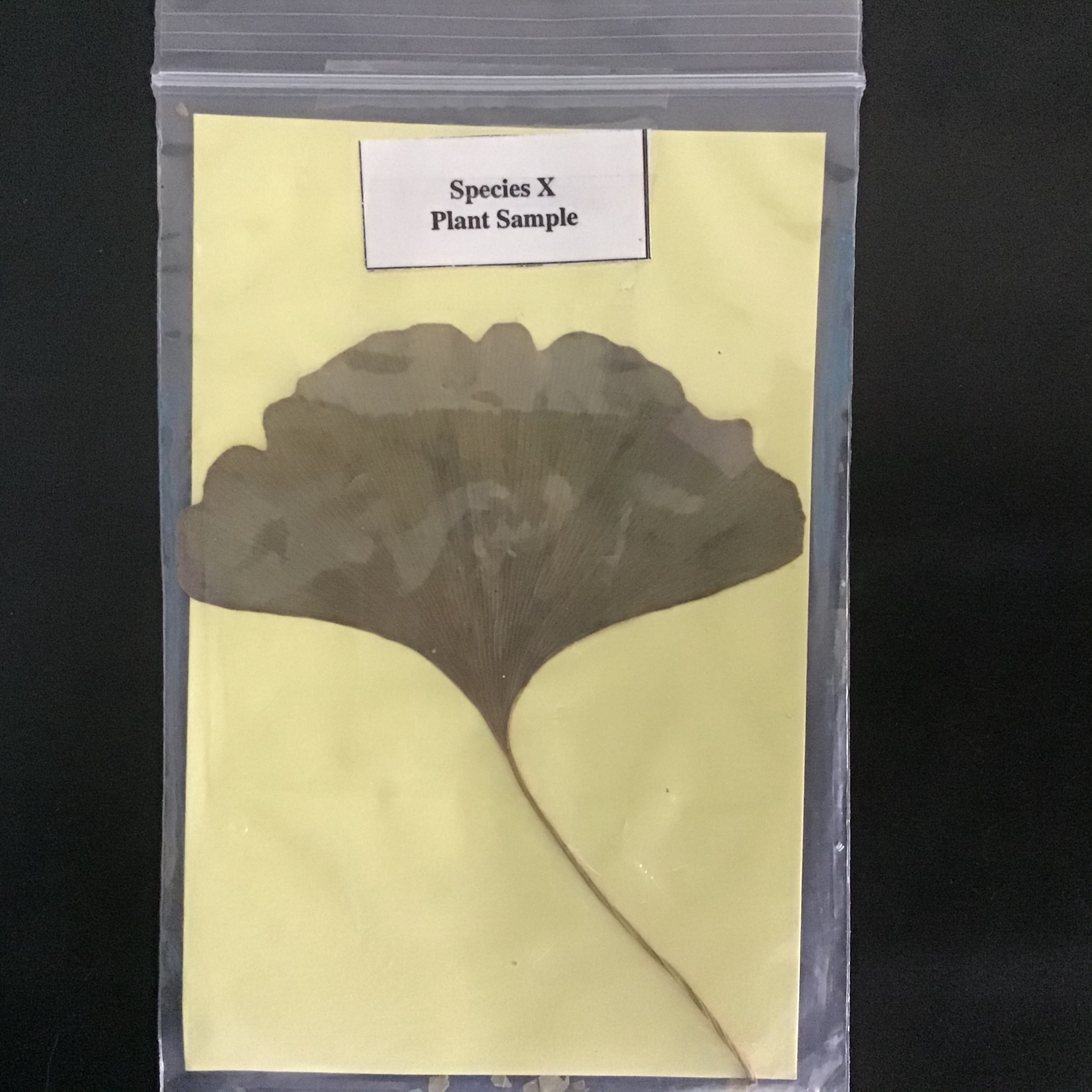
Is the leaf simple (made up of 1 piece) or compound (made up of multiple leaflets)
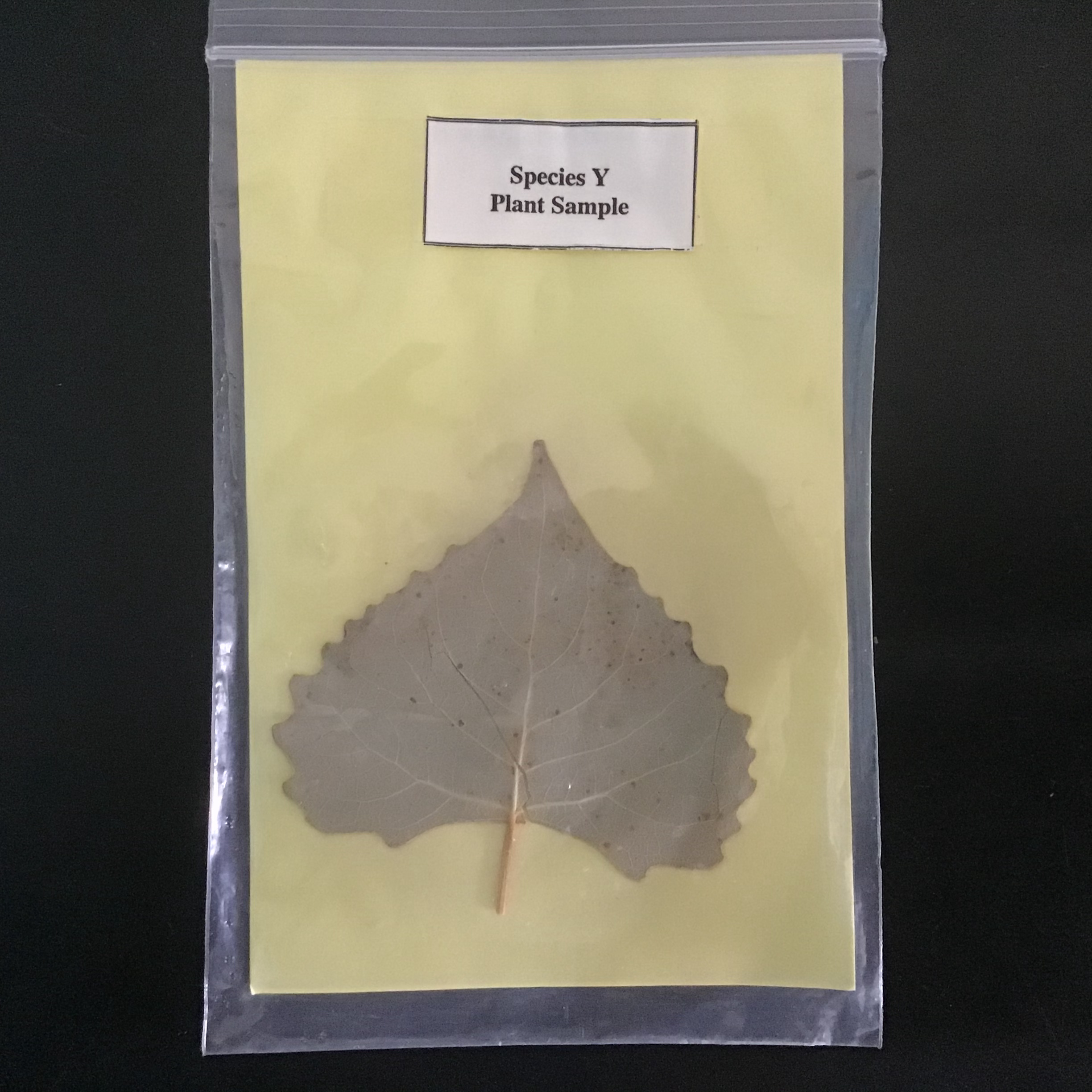
Is the leaf simple (made up of 1 piece) or compound (made up of multiple leaflets)
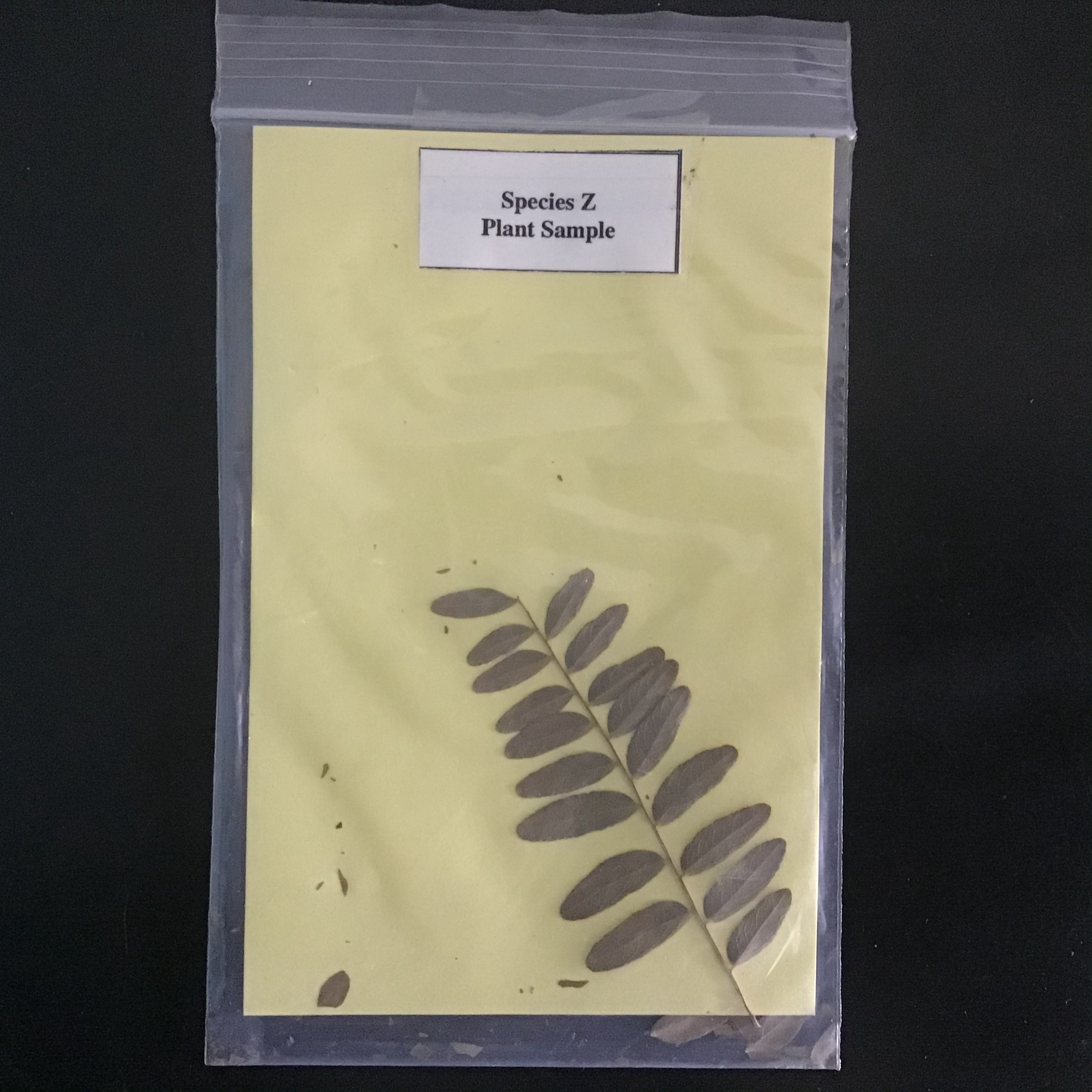
Is the leaf simple (made up of 1 piece) or compound (made up of multiple leaflets)
Seed Characteristics:
Examine the seed samples provided. In the table below describe the characteristics you observe in the seeds.
Characteristics to include:
size
shape
color
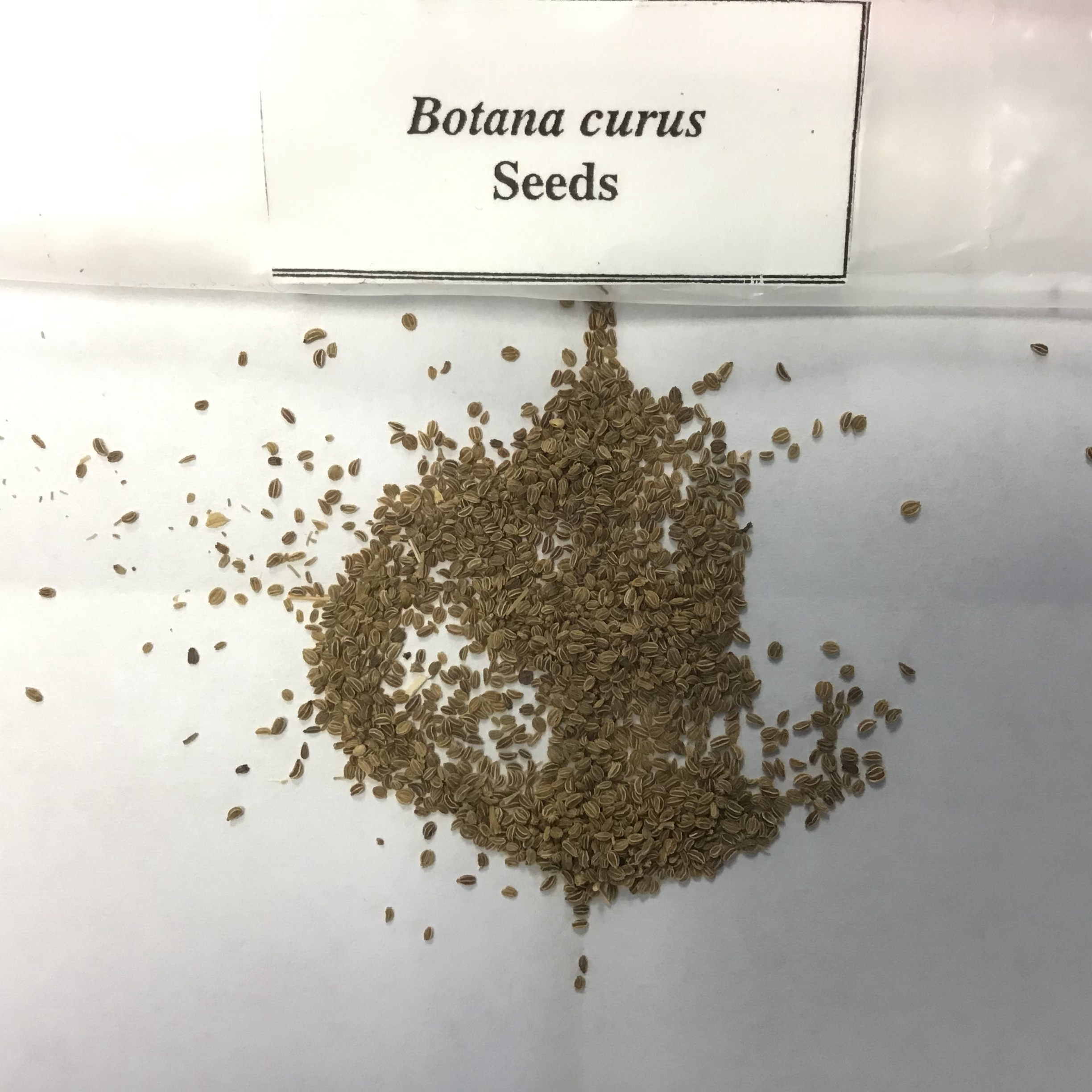
Describe the shape of the seed.
What color is the seed?
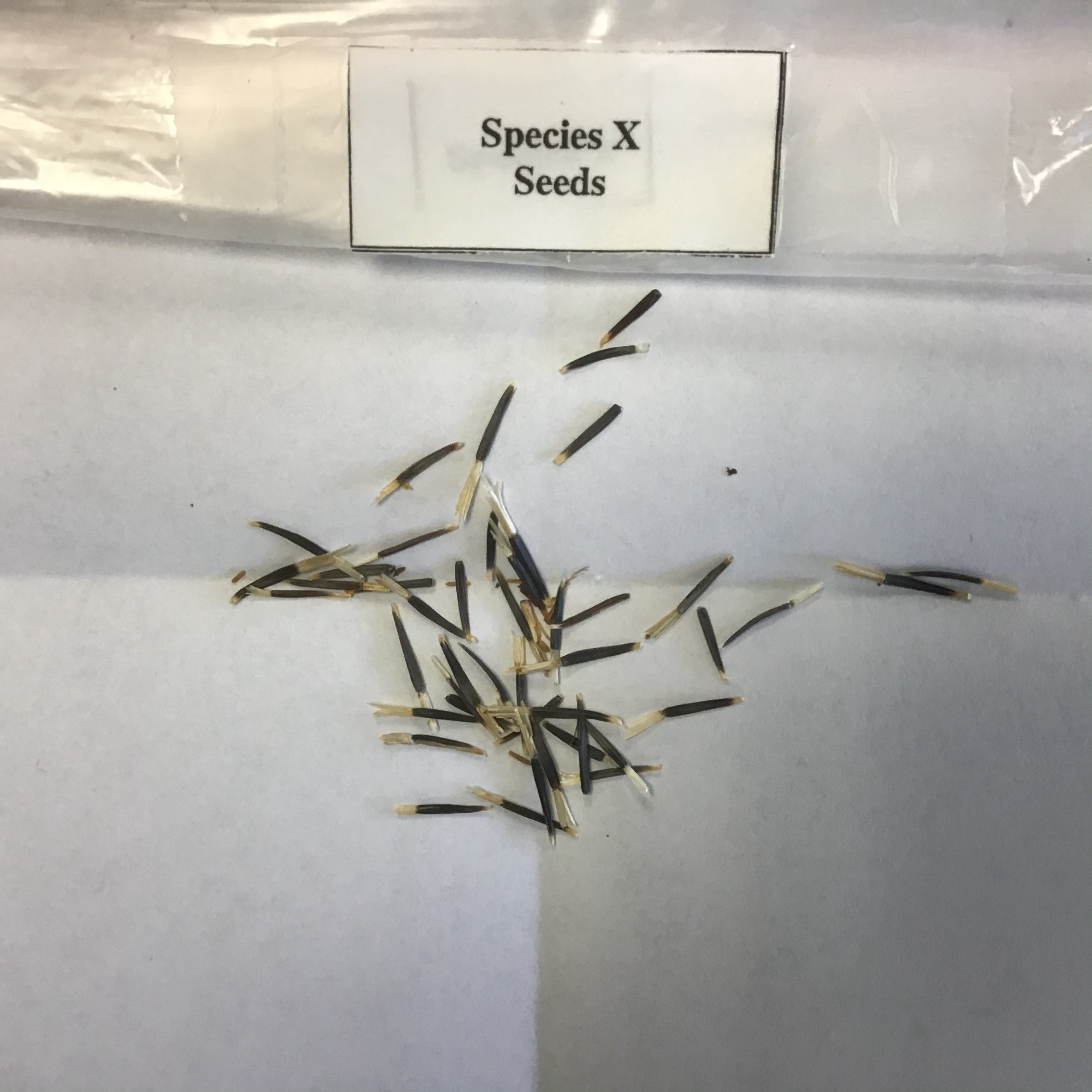
Describe the shape of the seed.
What color is the seed?
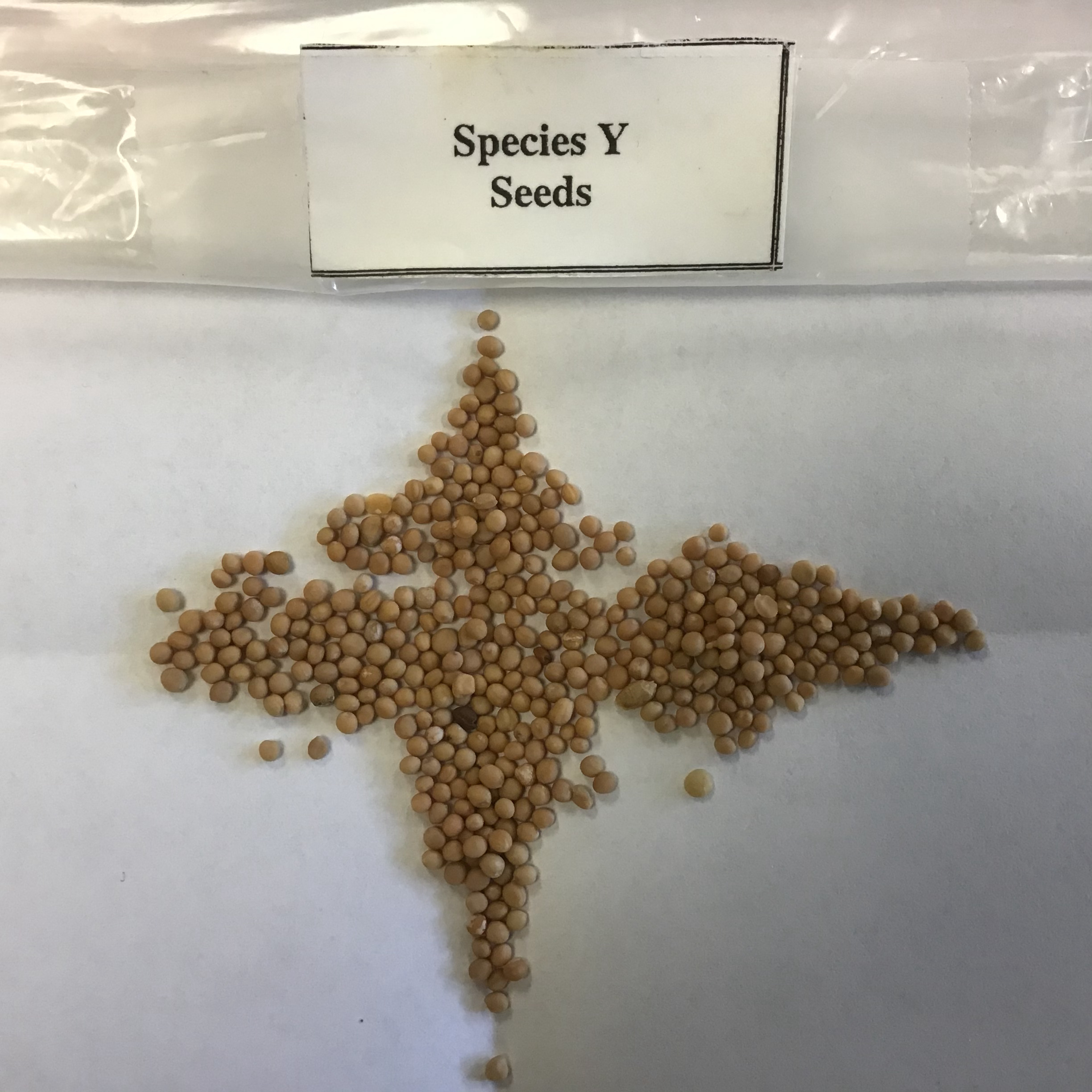
Describe the shape of the seed.
What color is the seed?
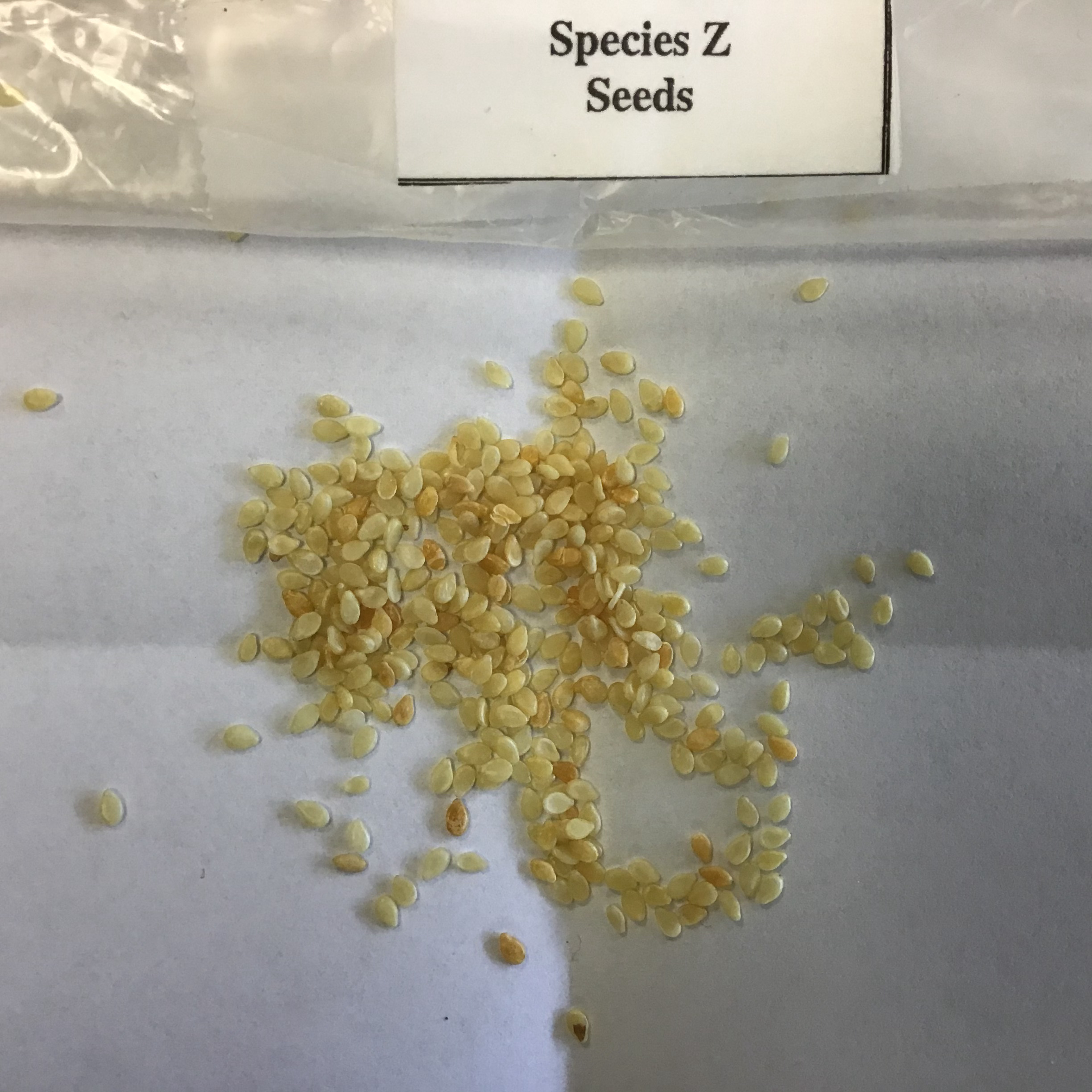
Describe the shape of the seed.
What color is the seed?
Microscopic Internal Structure of Stems:
Use the lowest magnification on your microscope to examine the slides that show cross sections through stems of Botana curus and Species X, Y, and Z.
Compare the arrangement (circular or scattered) of the bundles of vascular tissue in the specimens.
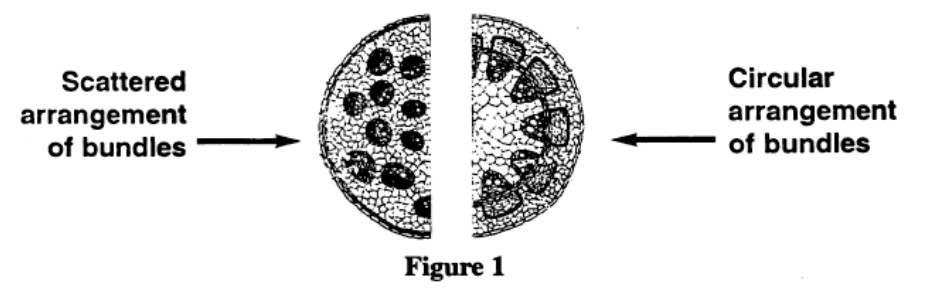
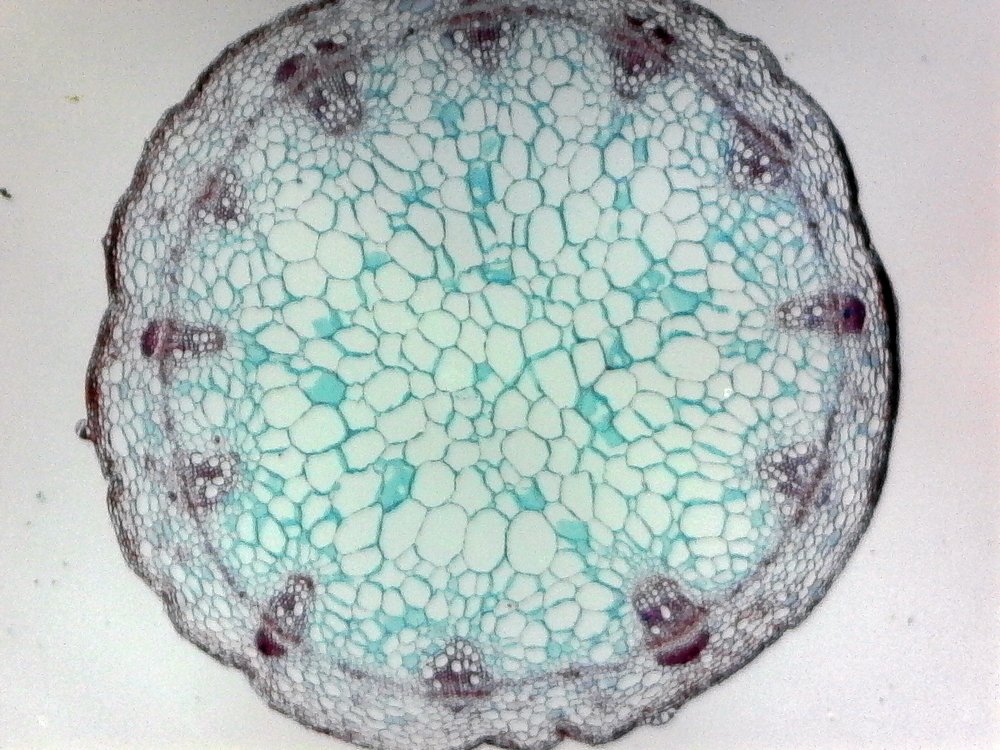
Is the stem arrangement scattered or circular? Compare to the chart above.
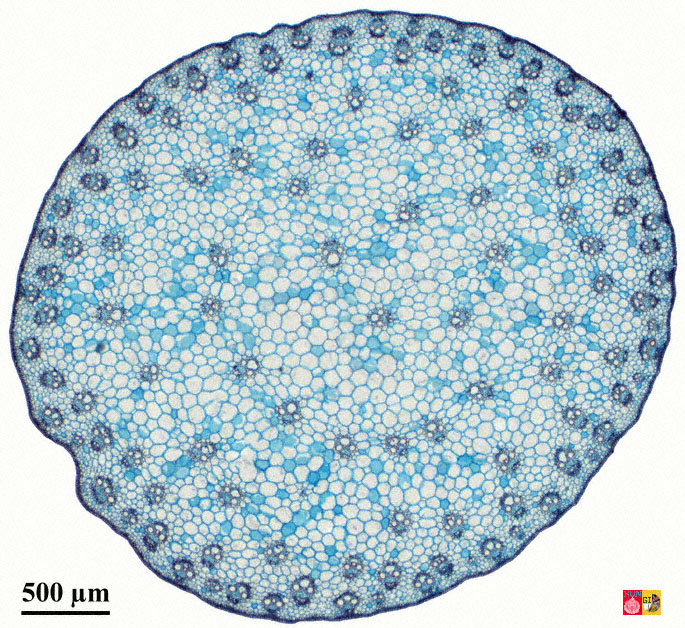
Is the stem arrangement scattered or circular? Compare to the chart above.
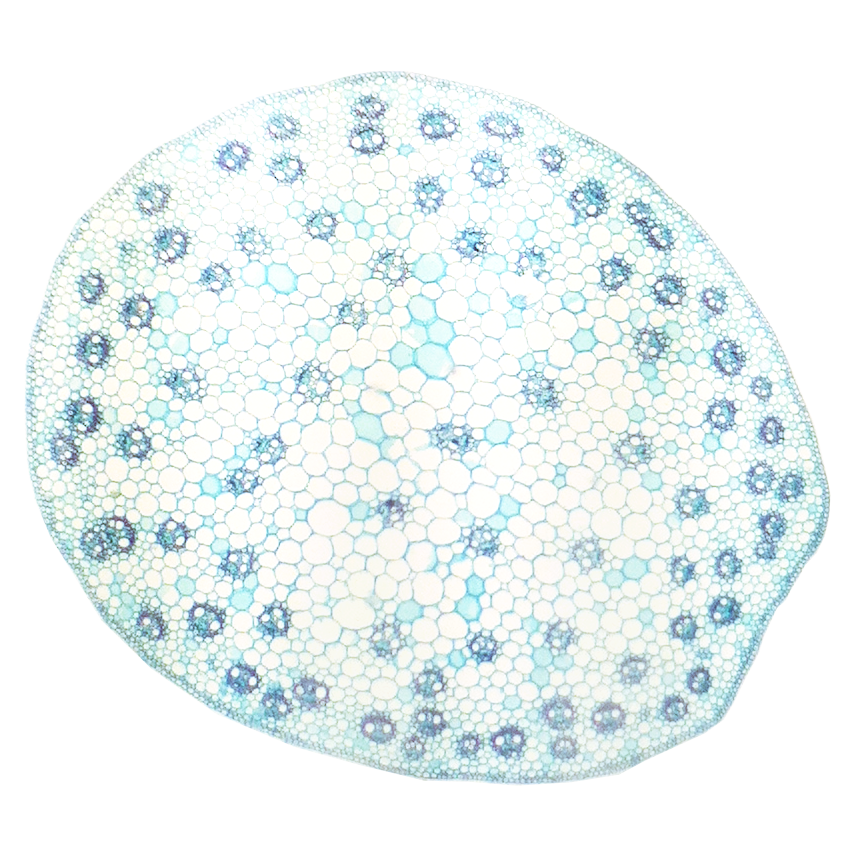
Is the stem arrangement scattered or circular? Compare to the chart above.
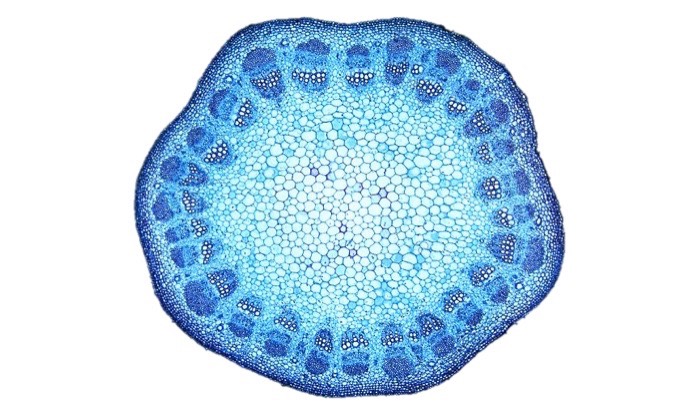
Is the stem arrangement scattered or circular? Compare to the chart above.
Based on your data for structural relationships, which species (X, Y, or Z) would you hypothesize is most likely to produce Curol?
Explain how the evidence from your data table supports your hypothesis. You must use 2 pieces of evidence in your answer.
We will now look beyond structural similarities and compare some of the molecules found in Botana curus and Species X, Y, and Z to see which plant is most closely related.
In this section we will compare:
pigments found in each species
enzymes present in each species
Paper Chromatography to Separate Plant Pigments
You must wear safety goggles if performing this part of the activity in person.
Draw a pencil line 2 cm from the bottom of the chromatography paper. Use a pencil to label the top edge of the chromatography paper Bc (Botana curus), X, Y, and Z as shown
Use a clean pipette to transfer two drops of plant extract from Botana curus just above the pencil line as shown
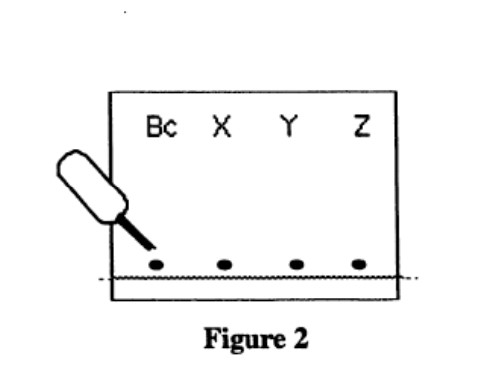
Using a clean pipette each time, repeat the procedure to place drops of the other plant extracts in the appropriate locations on the paper.
Add just enough water to cover the bottom of the cup approximately 1 cm deep. The water line should NOT be high enough to touch the spots of plant extract on the chromatography paper when the paper is placed in the cup.
Fold the chromatography paper and stand it in the cup as shown
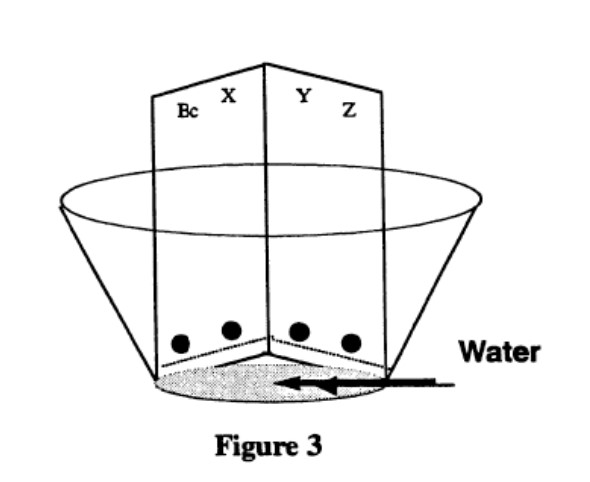
The chromatography paper must be removed from the cup before the water line reaches the pencil labels at the top of the chromatography paper. While the plant extracts are moving up the chromatography paper, go on to the next test, but keep checking on the progress of the water moving up the paper so that you can remove it at the proper time.
Once the chromatogram is done, record your observations of the colors and relative amounts of pigments in the table below.
Clean the pipettes thoroughly by rinsing them with water.
Carefully pour solutions from the chromatography cup into the waste container.
Discard the used chromatography paper.
You can watch the 1st video below to see how to complete this procedure.
The 2nd video shows a time lapse of the results for those students completing this part of the lab remotely.
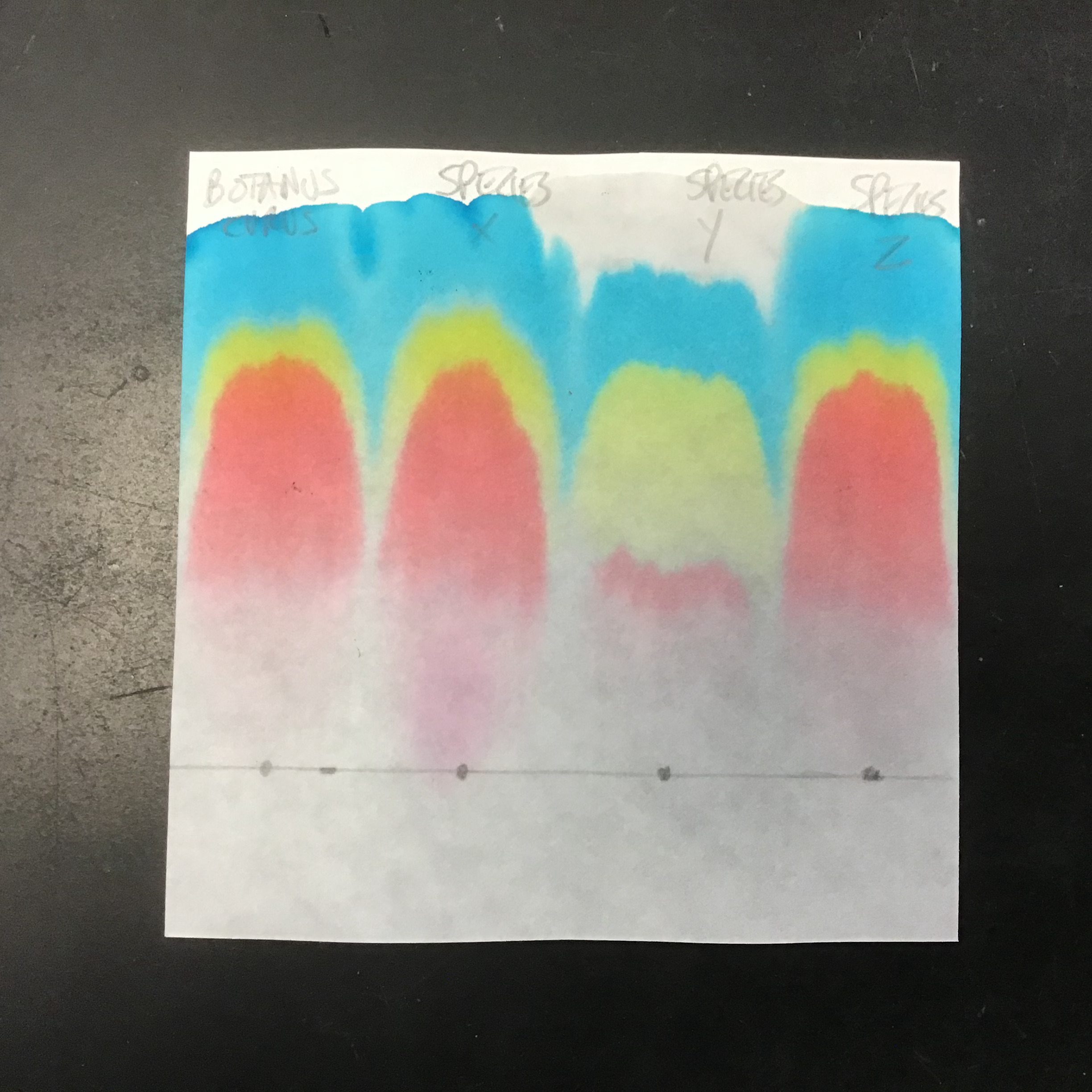
Based on this which pigment molecules are the smallest in the plant extract we tested?
According to the paper chromatography results, which species may be more closely related to Botana curus?
Why did you choose the species above?
Indicator Tests for Enzyme M.
You must wear safety goggles if performing this part of the activity in person.
It is not practical to test a plant directly for Curol. However, if enzyme M is present, a plant may produce Curol.
Test the plant extracts for the presence of enzyme M.
Put one small scoop of indicator powder into one depression of the well tray.
Use a clean pipette to add 5 drops of Botana curus extract to the indicator powder. A fizzing reaction indicates that enzyme M is present.
Repeat the test for enzyme M using the other plant extracts using a clean pipette for each extract to avoid cross contamination.
Record the results of your tests for enzyme M in the table below. "Fizzing" is a positive reaction. "No fizz" is a negative reaction
Clean the pipettes thoroughly by rinsing them with water.
Rinse the well tray and blot it dry using a paper towel.
If completing this lab remotely observe the results in the video below (look & listen for the "fizzing")
How does the indicator powder demonstrate the presence of Enzyme M?
Which species had a positive test indicating the presence of enzyme M? A positve test means it makes the enzyme.
Which species does not make enzyme M and has a negative test?
We will continue to compare the molecules found in Botana curus and Species X, Y, and Z to see which plant is most closely related to Botana curus.
In this section we will:
compare DNA in each species
compare amino acid sequence in each species
1.
Using Gel Electrophoresis To Compare DNA
One way to compare species is to use a technique called gel electrophoresis to look for similarities and differences in the DNA.
Enzymes are added to a sample of DNA which will cut the DNA at specific sequences. The resulting fragments of DNA are placed in a well (or hole) in an agarose gel.
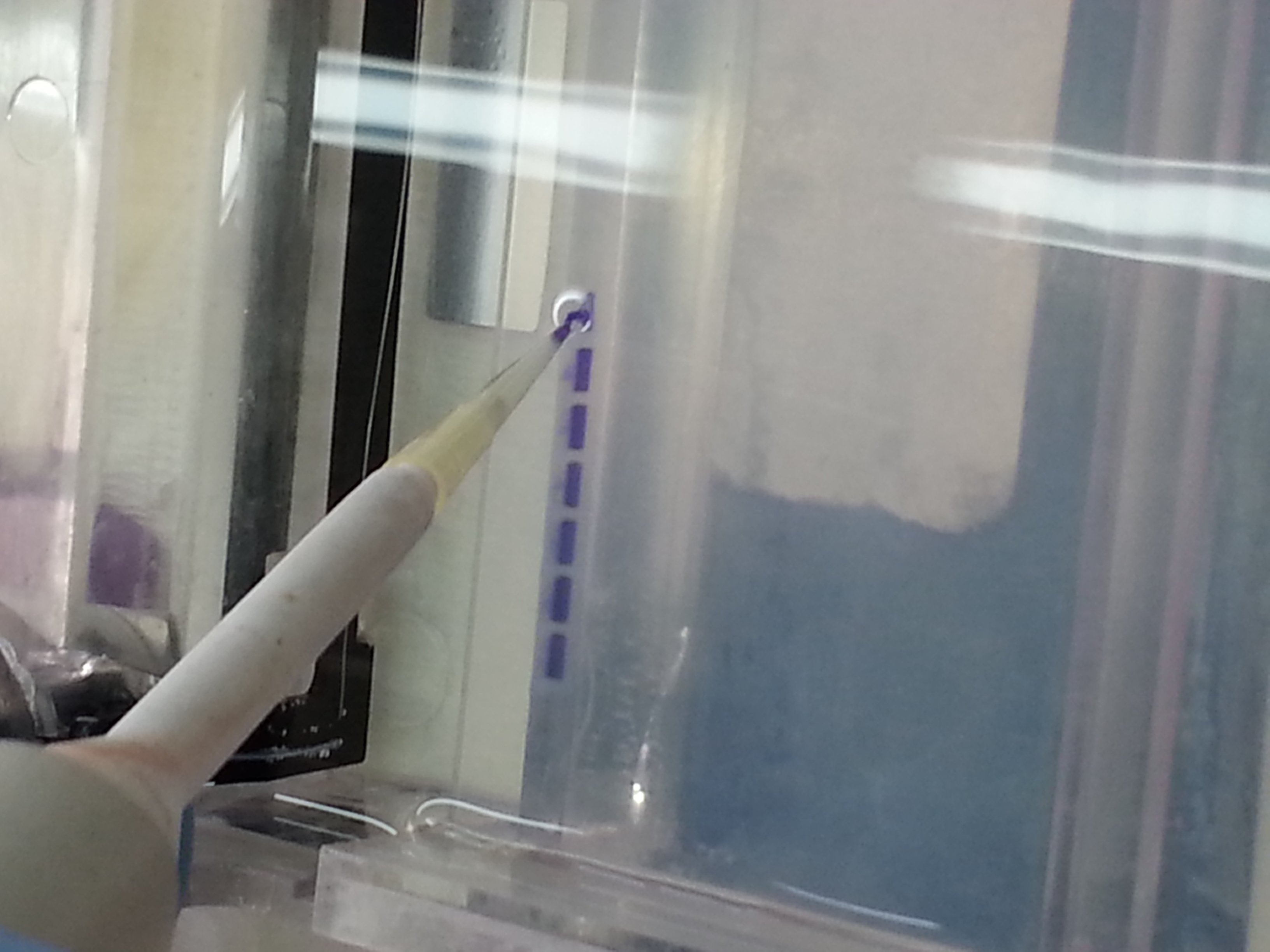
DNA is a negatively charged molecule. Once DNA is placed in the gel electricity is applied . There will be a positive end and a negative end which will cause the DNA fragments move through the gel.
Longer fragments will move slower and be found at the top of the gel near the well. Shorter fragments will move faster and be found at the bottom of the gel.
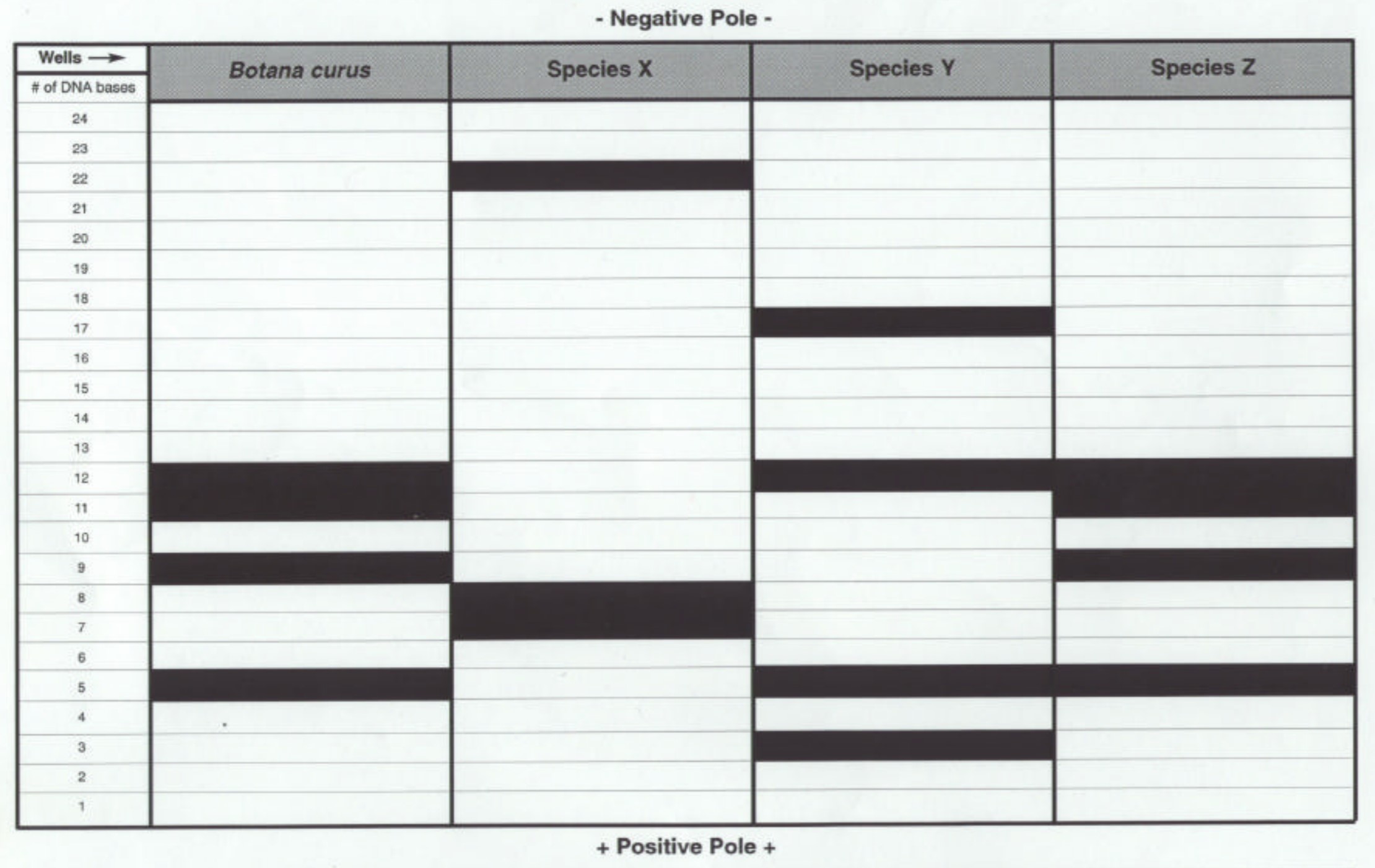
The number of DNA bases in Species X.
The number of DNA bases in Species Y.
The number of DNA bases in Species Z.
Looking at the results above, which species shows the greatest DNA similarity to Botana curus?
What is used to cut the DNA into fragments?
Cite specific evidence from the gel electrophoresis results that back up your claim about which species has the most similar DNA profile to Botana curus.
Translating the DNA Code To Make a Protein
The sequences of DNA bases in the table below represent parts of the genes responsible for the production of one type of protein, an enzyme, produced by Botana curus and Species X, Y, and Z.
Transcribe: Under each DNA sequence listed for each species, write the complementary messenger RNA base sequences that each of these gene fragments would produce. Note: Unlike during DNA replication there is no "T" in mRNA, the RNA base “U” will substitute as the complementary base for an "A" in the DNA sequence.
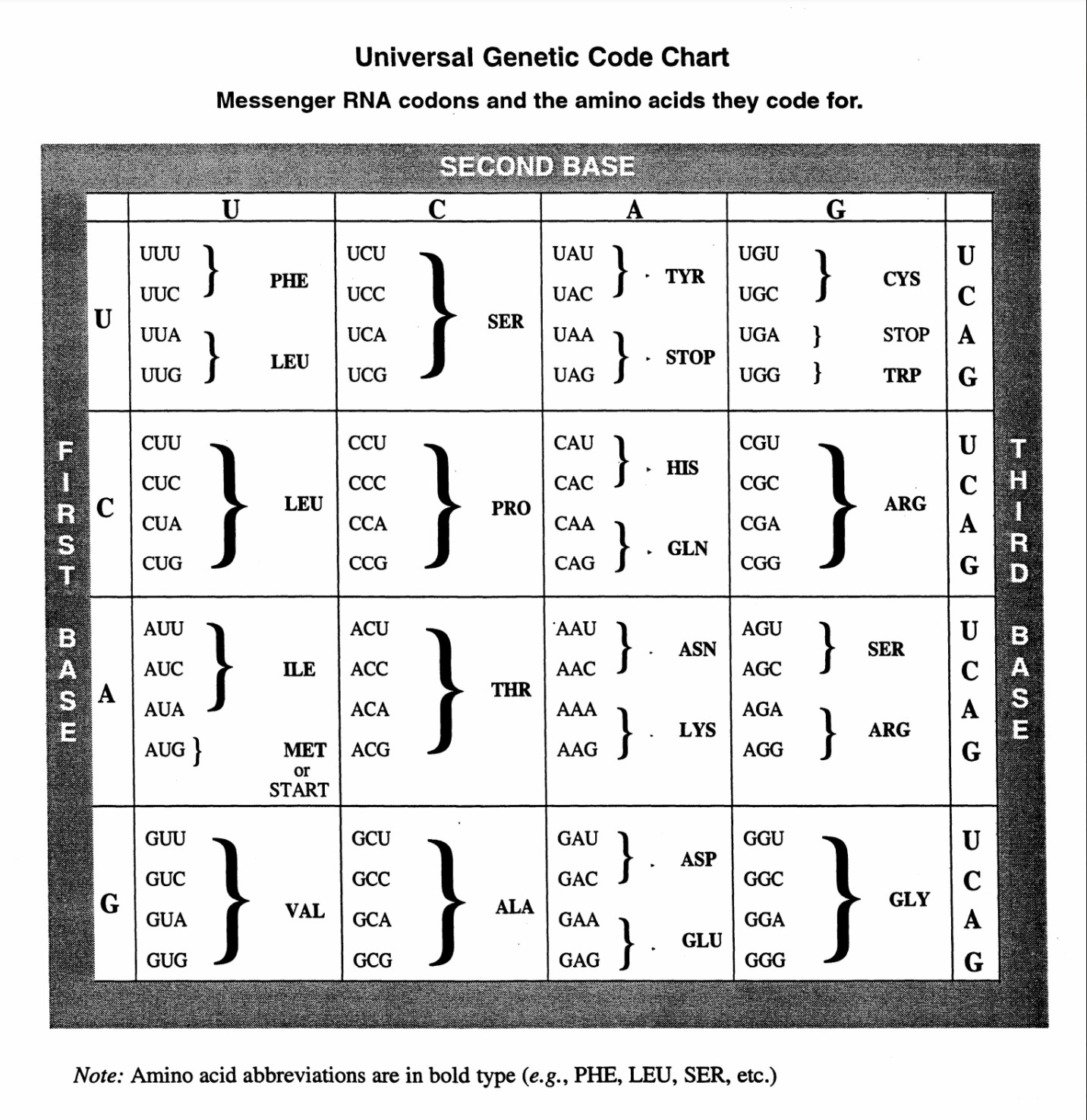
Translate: Use the universal genetic code chart below to translate the messenger RNA base sequences into sequences of amino acids in the protein produced by each species. Write the sequences of amino acids under the messenger RNA sequences.
The DNA sequence of Botana curus (Bc) is : CAC GTG GAC TGA GGA CTC CTC.
Make a strand of mRNA, by matching the complimentary bases. Note: the DNA linear sequence is on the rigth and the mRNA that you need to manipulate is on the left.
| Draggable item | arrow_right_alt | Corresponding Item |
|---|---|---|
CCU | arrow_right_alt | CAC |
ACU | arrow_right_alt | GTG |
GUG | arrow_right_alt | GAC |
GAG | arrow_right_alt | TGA |
CAC | arrow_right_alt | GGA |
GAG | arrow_right_alt | CTC |
CUG | arrow_right_alt | CTC |
Now change the mRNA sequence for Bc and determine the amino acid sequence that is coded for each mRNA codon. You will need the chart above. Note: the mRNA is on the right and the amino acid abbreviation that you need to manipulate is on the left.
| Draggable item | arrow_right_alt | Corresponding Item |
|---|---|---|
GLU | arrow_right_alt | GUG |
VAL | arrow_right_alt | CAC |
GLU | arrow_right_alt | CUG |
HIS | arrow_right_alt | ACU |
THR | arrow_right_alt | CCU |
PRO | arrow_right_alt | GAG |
LEU | arrow_right_alt | GAG |
The DNA sequence of Species X is : CAC GTG GAC AGA GGA CAC CTC
Make a strand of mRNA, by matching the complimentary bases. Note: the DNA linear sequence is on the rigth and the mRNA that you need to manipulate is on the left.
| Draggable item | arrow_right_alt | Corresponding Item |
|---|---|---|
CCU | arrow_right_alt | CAC |
GUG | arrow_right_alt | GTG |
GUG | arrow_right_alt | GAC |
CUG | arrow_right_alt | AGA |
GAG | arrow_right_alt | GGA |
CAC | arrow_right_alt | CAC |
UCU | arrow_right_alt | CTC |
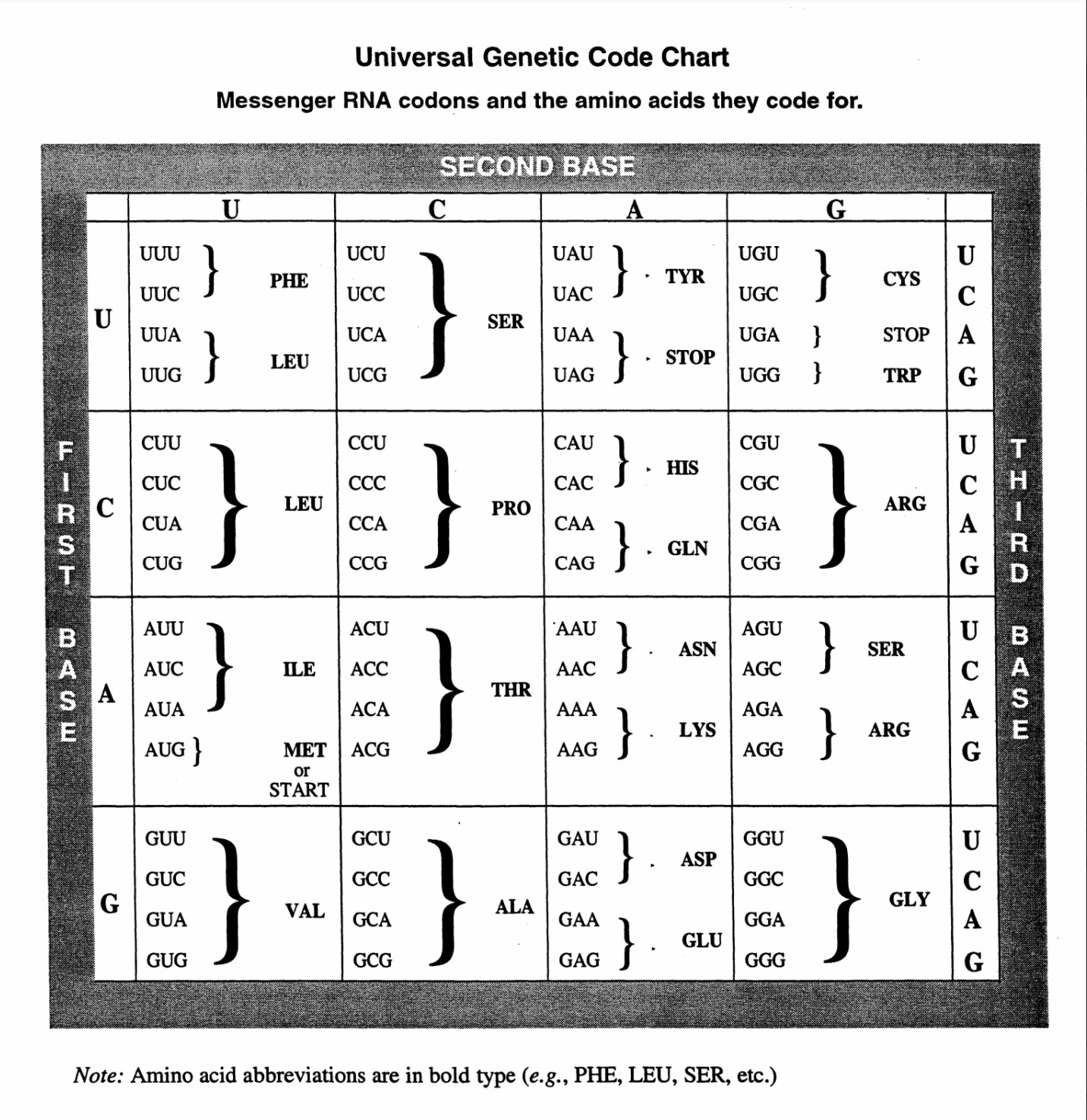
Now change the mRNA sequence for Species X and determine the amino acid sequence that is coded for each mRNA codon. You will need the chart above. Note: the mRNA is on the right and the amino acid abbreviation that you need to manipulate is on the left.
| Draggable item | arrow_right_alt | Corresponding Item |
|---|---|---|
SER | arrow_right_alt | GUG |
GLU | arrow_right_alt | CAC |
VAL | arrow_right_alt | CUG |
HIS | arrow_right_alt | UCU |
LEU | arrow_right_alt | CCU |
PRO | arrow_right_alt | GUG |
VAL | arrow_right_alt | GAG |
The DNA sequence of Species Y is : CAC GTG GAC AGA GGA CAC CTC
Make a strand of mRNA, by matching the complimentary bases. Note: the DNA linear sequence is on the rigth and the mRNA that you need to manipulate is on the left.
| Draggable item | arrow_right_alt | Corresponding Item |
|---|---|---|
CAC | arrow_right_alt | CAC |
GUG | arrow_right_alt | GTG |
UCU | arrow_right_alt | GAC |
CCU | arrow_right_alt | AGA |
GUG | arrow_right_alt | GGA |
GAG | arrow_right_alt | CAC |
CUG | arrow_right_alt | CTC |
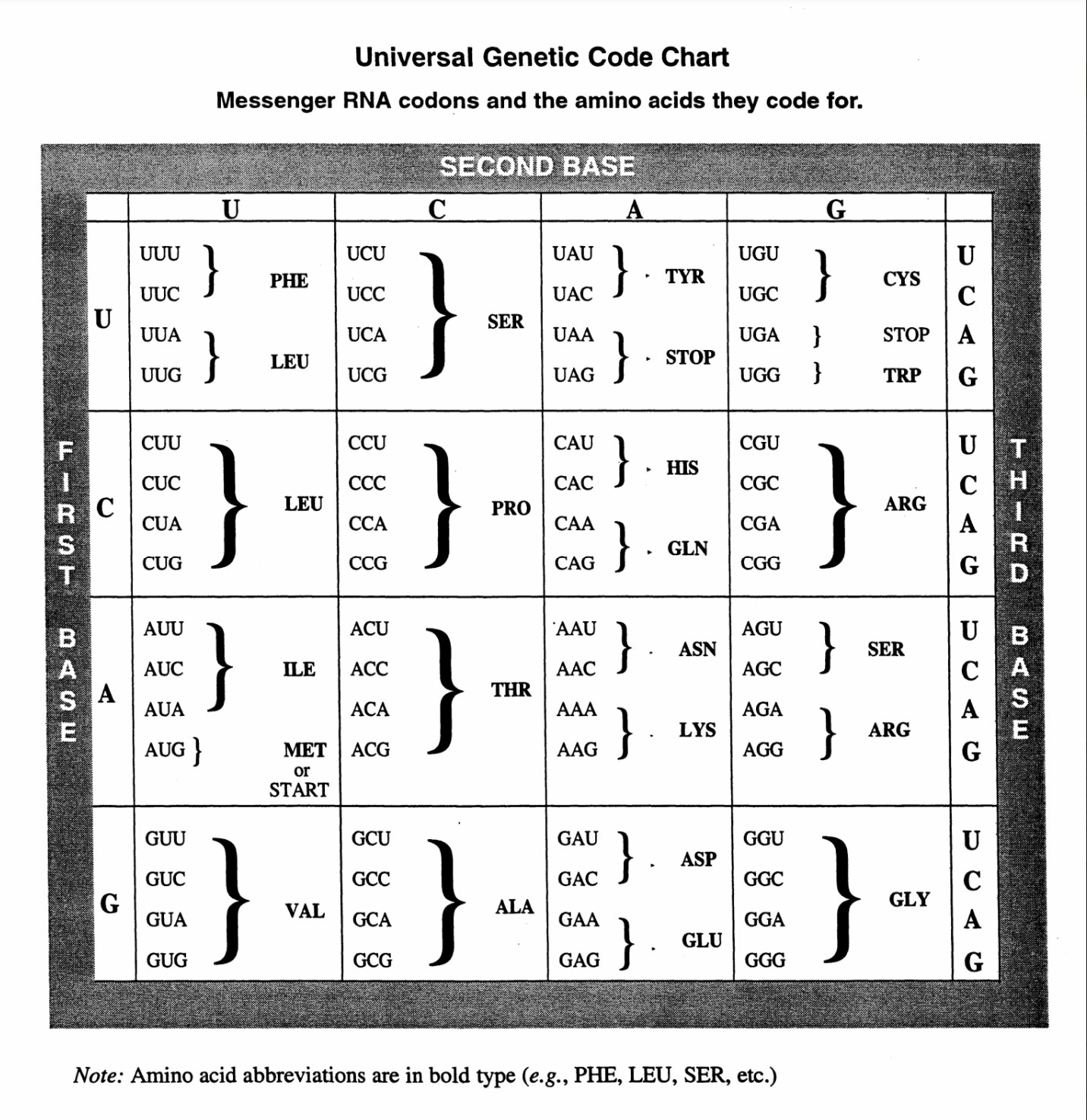
Now change the mRNA sequence for Species Y and determine the amino acid sequence that is coded for each mRNA codon. You will need the chart above. Note: the mRNA is on the right and the amino acid abbreviation that you need to manipulate is on the left.
| Draggable item | arrow_right_alt | Corresponding Item |
|---|---|---|
VAL | arrow_right_alt | GUG |
GLU | arrow_right_alt | CAC |
SER | arrow_right_alt | CUG |
VAL | arrow_right_alt | UCU |
HIS | arrow_right_alt | CCU |
PRO | arrow_right_alt | GUG |
LEU | arrow_right_alt | GAG |
The DNA sequence of Species Z is : CAC GTA GAC TGA GGA CTT CTC
Make a strand of mRNA, by matching the complimentary bases. Note: the DNA linear sequence is on the rigth and the mRNA that you need to manipulate is on the left.
| Draggable item | arrow_right_alt | Corresponding Item |
|---|---|---|
CAU | arrow_right_alt | CAC |
CUG | arrow_right_alt | GTA |
GAG | arrow_right_alt | GAC |
GAA | arrow_right_alt | TGA |
GUG | arrow_right_alt | GGA |
CCU | arrow_right_alt | CTT |
ACU | arrow_right_alt | CTC |
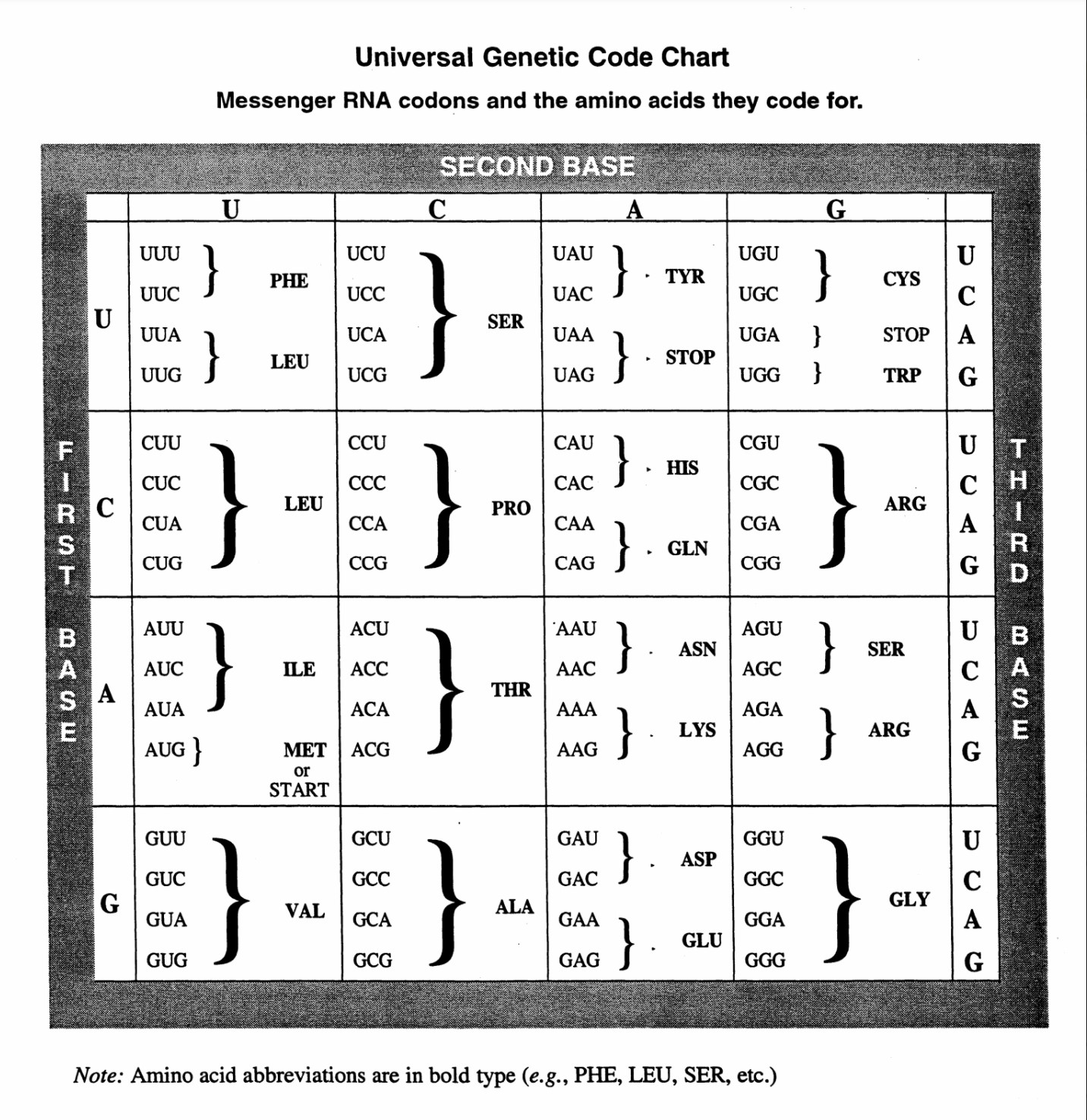
Now change the mRNA sequence for Species Z and determine the amino acid sequence that is coded for each mRNA codon. You will need the chart above. Note: the mRNA is on the right and the amino acid abbreviation that you need to manipulate is on the left.
| Draggable item | arrow_right_alt | Corresponding Item |
|---|---|---|
LEU | arrow_right_alt | GUG |
GLU | arrow_right_alt | CAU |
HIS | arrow_right_alt | CUG |
VAL | arrow_right_alt | ACU |
GLU | arrow_right_alt | CCU |
THR | arrow_right_alt | GAA |
PRO | arrow_right_alt | GAG |
Amino acids sequences: The amino acids sequences for the samples are:
Botana curus: VAL HIS LEU THR PRO GLU GLU
Species x : VAL HIS LEU SER PRO VAL GLU
Species y : VAL HIS LEU SER PRO VAL GLU
Species z : VAL HIS LEU THR PRO GLU GLU
Use this information to answer the questions below:
What are the amino acid differences between Species X and Botana curus?
What are amino acid differences between Species Y and Botana curus?
What are the amino acid differences between species z and Botana curus?
Using the the amino acid sequence, which species is most closely related to Botana curus?
Using the information from all parts of this lab identify which plant is most closely related to Botana curus and therefore most likely to produce Curol.
Explain why you believe this species is most closely related to Botana curus by citing specific evidence from your research. You must include 3 different tests ( leaf structure, seed structure, stem structure, Enzyme test, chromatography test, amino acid sequence or electrophoresis) in your answer.
After you examined the leaves, seeds and stems of Botana curus and Species X, Y, and Z you made a prediction about which plant was most closely related (Look back att #24 and #25).
Was your hypothesis supported or refuted?
Which of the following provides a biological explanation for the common characteristics that these species share?
Which branching tree, shown below, best represents the relationships among the four species?
(Bc = Botana curus)
The Biodiversity Crisis
Plant and animal species are being lost at a rate that is unprecedented in the history of life. Human activities are responsible for much of this biodiversity crisis. Some biologists estimate that within the next century, half of Earth's current species may become extinct.
Extinction and the loss of biodiversity occurs when species do not have adaptations that enable them to survive environmental changes. Human activities such as destruction of natural habitats and pollution are thought to be the major environmental factors causing the decline of species, but others are also important. Overhunting, introduction of foreign species that compete with native species, and removal of predators have also played a significant role in endangering some species.
Why should we worry about the loss of biodiversity? We depend on many species for food, clothing, shelter, oxygen, soil fertility--the list goes on and on. Large-scale extinctions of other species may be a warning to us that we are altering the biosphere so rapidly that our species is threatened too.
Biodiversity ensures the availability of a rich variety of genetic material that may lead to future agricultural or medical discoveries having significant value to humankind. Some species have been used as sources for medicines and other useful products. Scientists now use genetic engineering to transfer desirable genes from one species to another. As diversity is lost, potential sources of these genetic materials may be lost with it.
Biodiversity also increases the stability of the ecosystem. Every population is linked, directly or indirectly, with many others in an ecosystem. Disruptions in the numbers and types of one species can upset ecosystem stability. This means that extinction of one species can accelerate the rate of extinction for other species.
Endangered species hold medicinal, agricultural, ecological, commercial, and aesthetic value. They must be protected so that future generations can experience their presence and value.
Assume that the plant you identified as being closely related to Botana curus grows rapidly, survives in many environments, and produces Curol.
News reports indicate that Botana curus plants may become extinct unless expensive efforts are made to preserve the species. Members of your research team disagree as to whether or not Botana curus should be saved.
What does it mean that a species would become extinct?
Select 4 examples of human activities that could endanger Botana curus:
Why it might be important to preserve Botana curus? (choose 2)
What are 2 arguments people might make for NOT preserving Botana curus?
What kind of evidence- structural or molecular- is most helpful in making decisions about relationships between species?
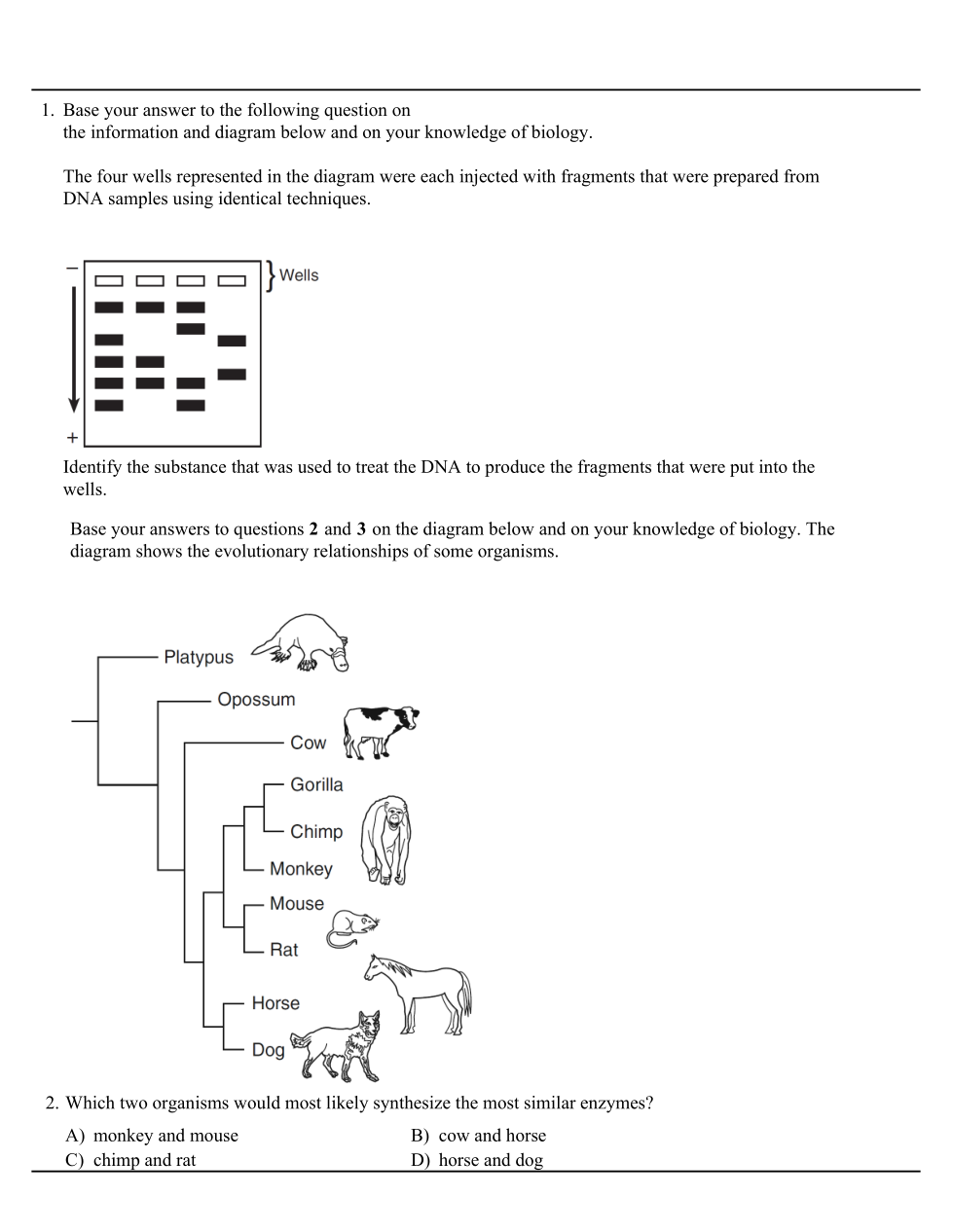
The substance that was used to treat the DNA, to produce the fragments was
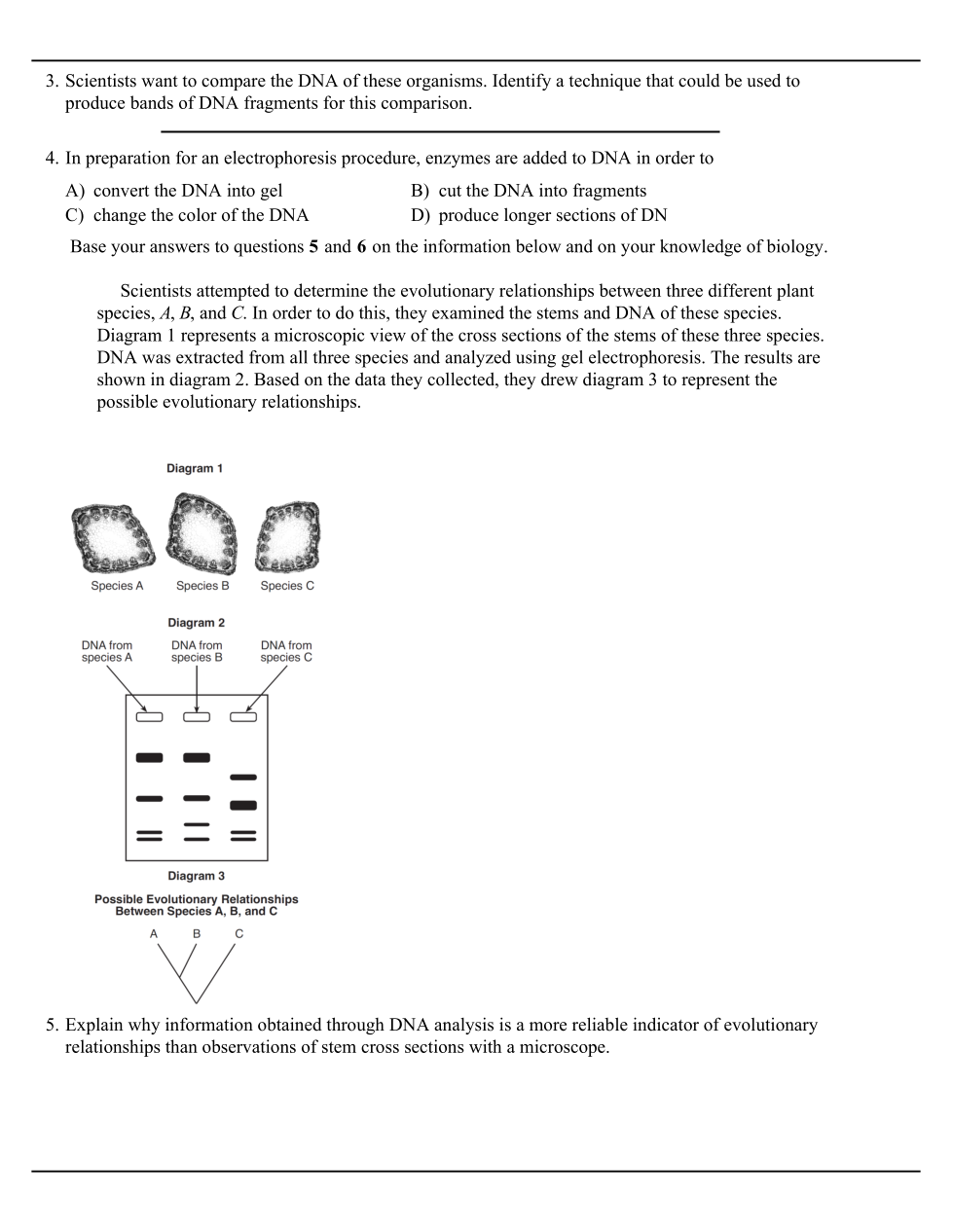
Identify the technique used to produce bands of DNA fragments for comparison.
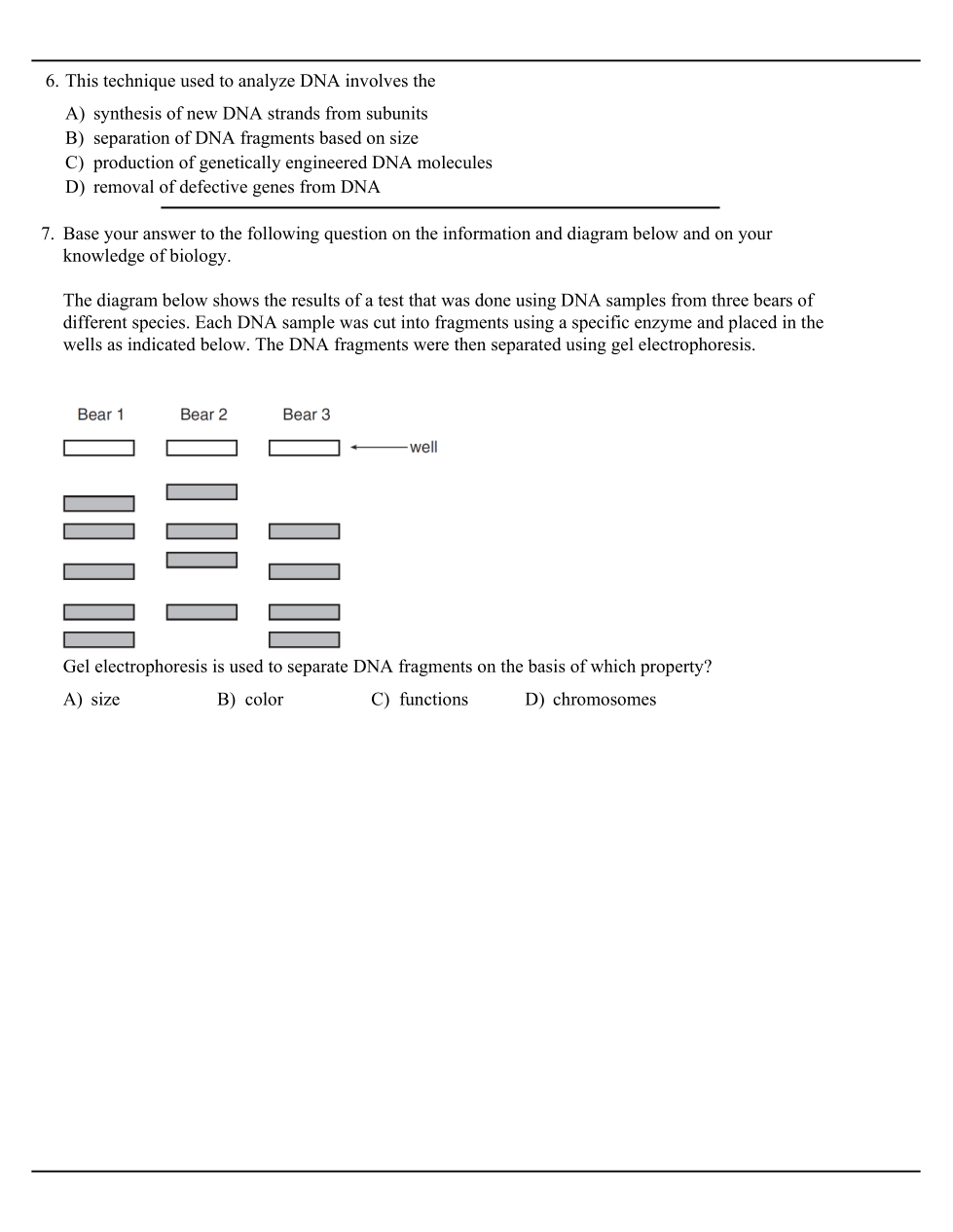
This technique (pictured above) used to analyze DNA involves the
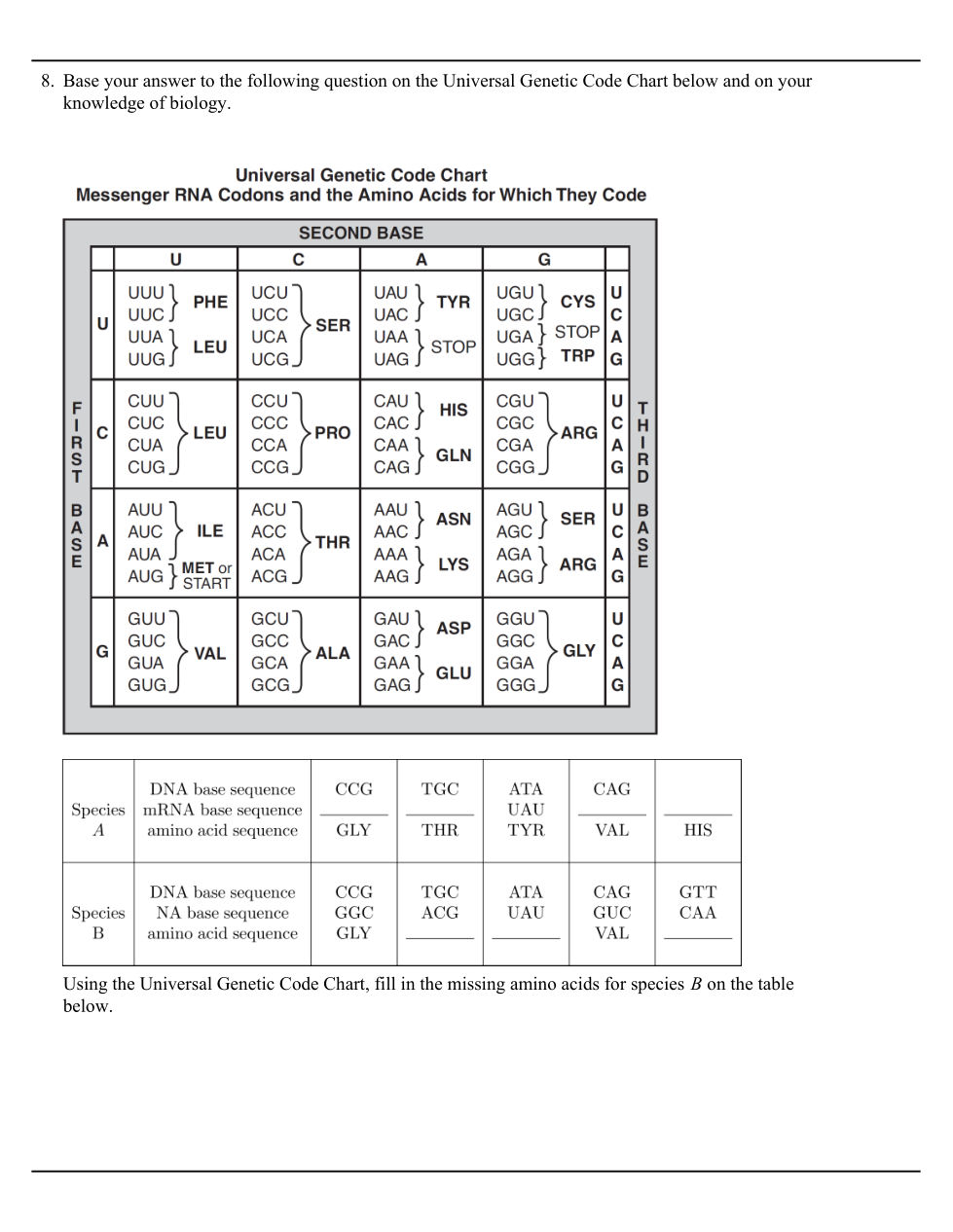
Species A DNA bases are on the right, match the correct mRNA bases on the left.
| Draggable item | arrow_right_alt | Corresponding Item |
|---|---|---|
ACG | arrow_right_alt | CCG |
GUC | arrow_right_alt | TGC |
GGC | arrow_right_alt | CAG |
Match the correct amino acid for each mRNA codon. mRNAon the right and the amino acids are on the left.
| Draggable item | arrow_right_alt | Corresponding Item |
|---|---|---|
TYR | arrow_right_alt | ACG |
GLN | arrow_right_alt | UAU |
THR | arrow_right_alt | CAA |
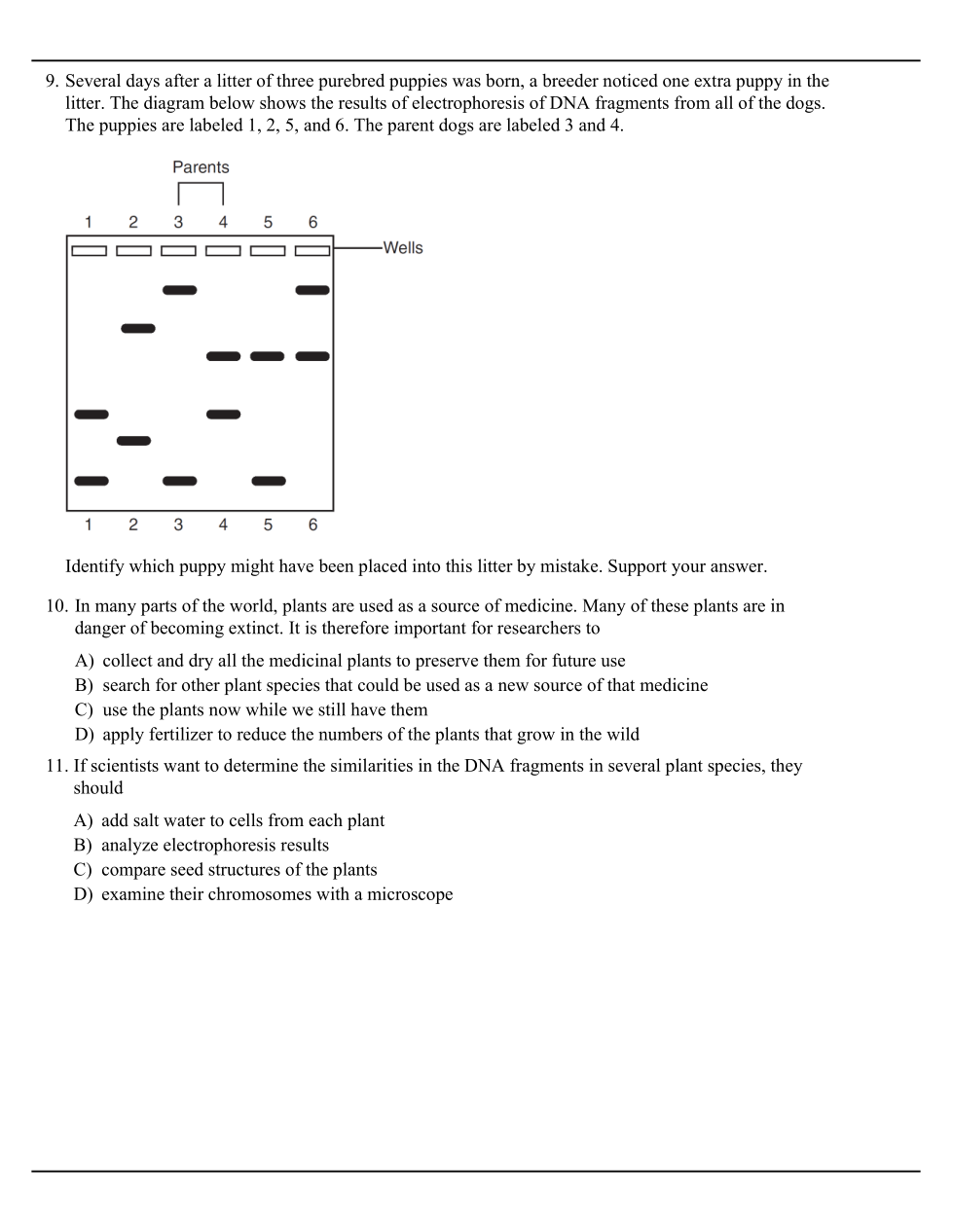
Which puppy might have been placed in the litter by mistake?
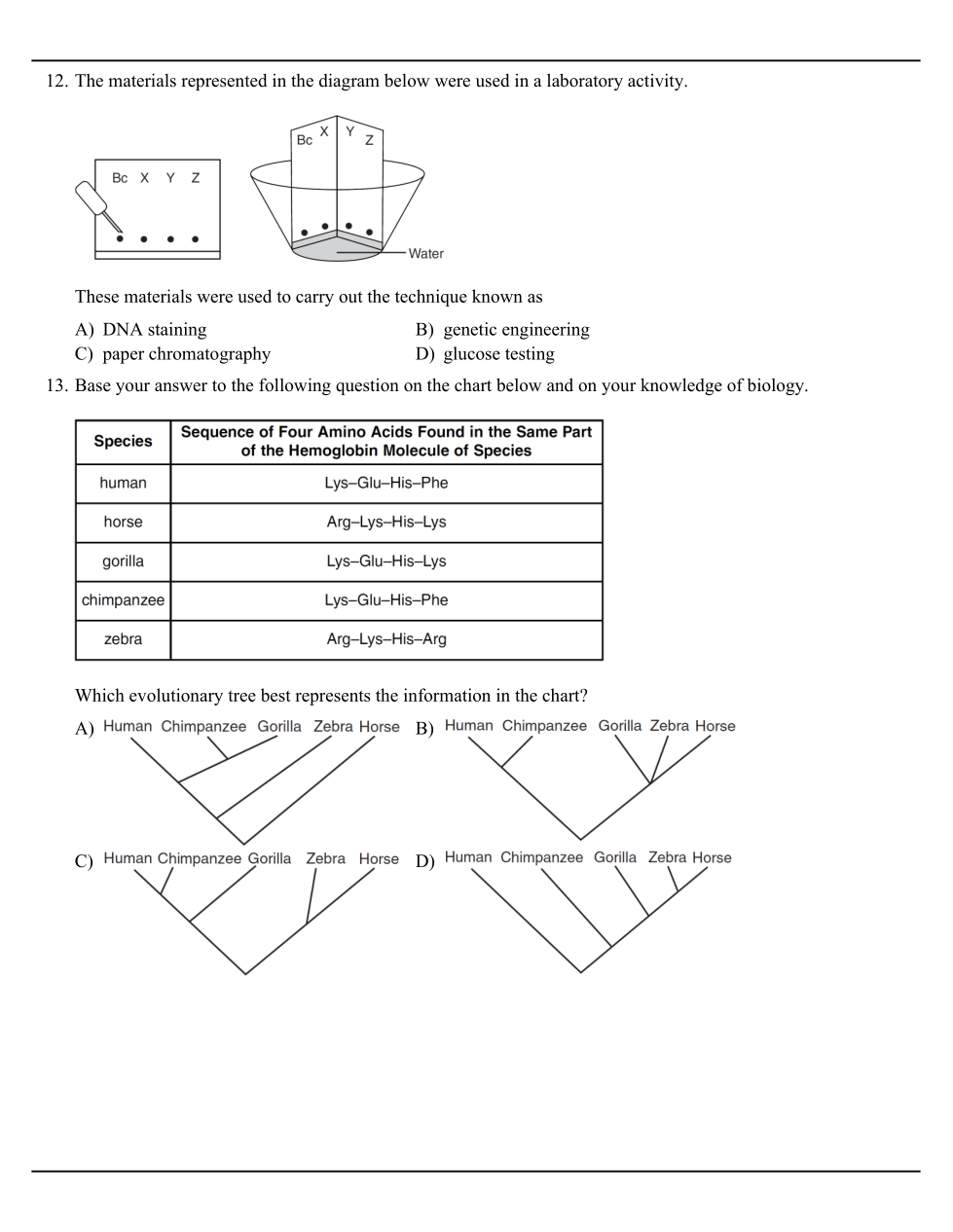
The materials on the document attached were used to carry out the technique known as
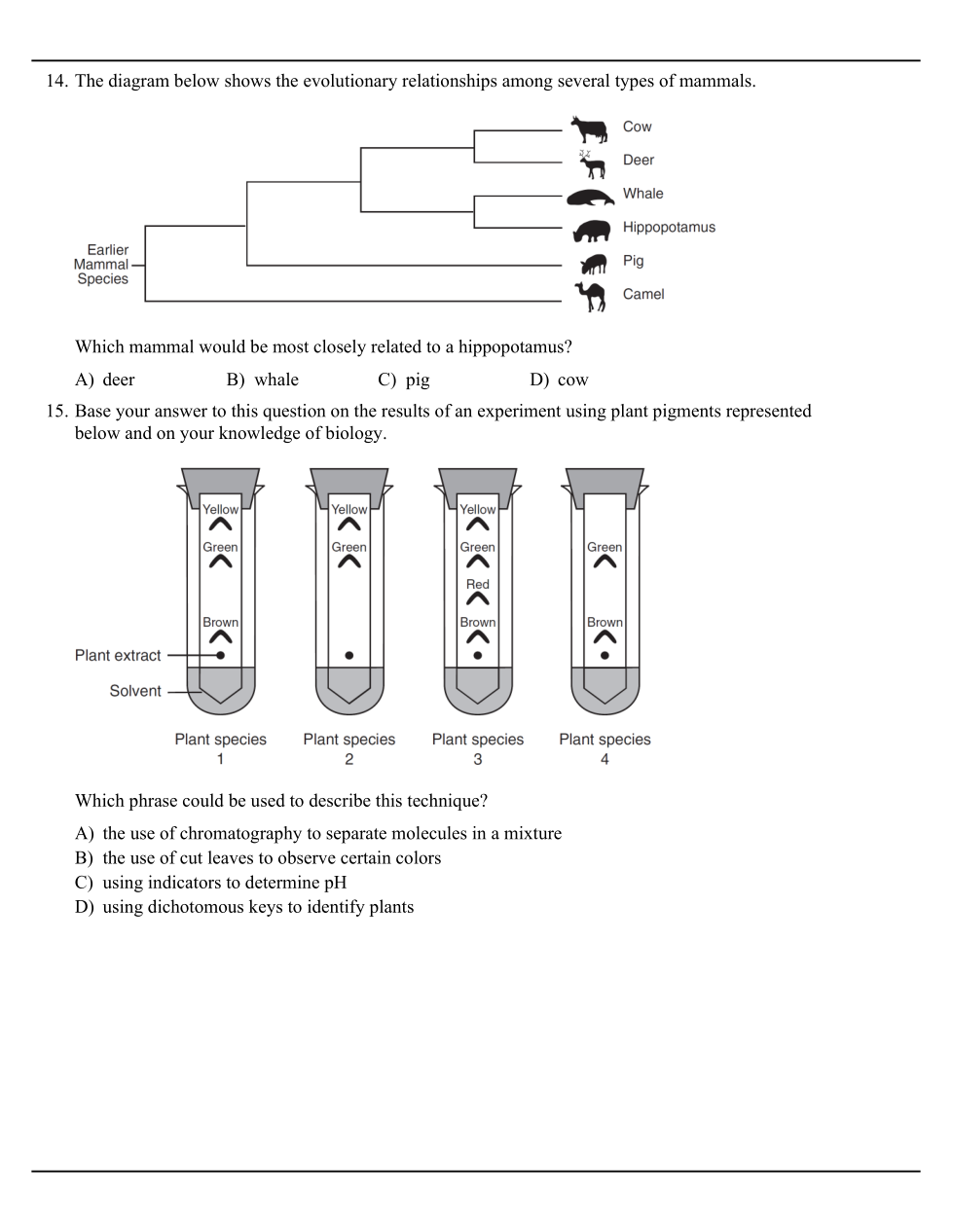
Based on the evolutionary tree on the attached document, which mammal would be most closely related to a hippopotamus?
Did you turn in your worksheet
Using the guide above, what shape are the leaves?
Using the guide above, what shape are the leaves?
Using the guide above, what shape are the leaves?
Using the guide above, what shape are the leaves?
Which 2 organisms would likely produce the most similar enzymes?
In preparation for an electrophoresis procedure, enzymes are added to DNA in order to
Why is DNA analysis a more reliable indicator of evoluntionary relationships than physical evidence like stem cross-sections?
Base your answer on the information provided on the attached document.
Gel electrphoresis is used to separate DNA fragments on the basis of which property
In many parts of the world, plants are used as a source of medicine. Many of these plants are in danger of becoming extinct. It is therefore important for researchers to
If scientists want to determine the similarities in the DNA fragments in several plant species, they should
Base your answer on the chart provided on the document attached.
Which evolutionary tree best represents the information on the chart?
Based on the images shown in the attached document, which of the following phrases could be used to describe this technique?