Ɛhia
1
In Unit 4, we learned that the Northern part of the U.S. was quite
Content Objective: I will be able to understand the relationship between the Great Migration, Jim Crow, and the Harlem Renaissance.
Standard Objective: I will be able to draw connections between events (cause/effect).
Click here for the slides from today.
Content Objective: I will be able to understand the relationship between the Great Migration, Jim Crow, and the Harlem Renaissance.
Standard Objective: I will be able to draw connections between events (cause/effect).
Click here for the slides from today.
Warm Up: What do you notice in this image? Circle at least three key details.
Extra Credit: Based on clues from the photograph, what do you think we're learning about today?
In Unit 4, we learned that the Northern part of the U.S. was quite
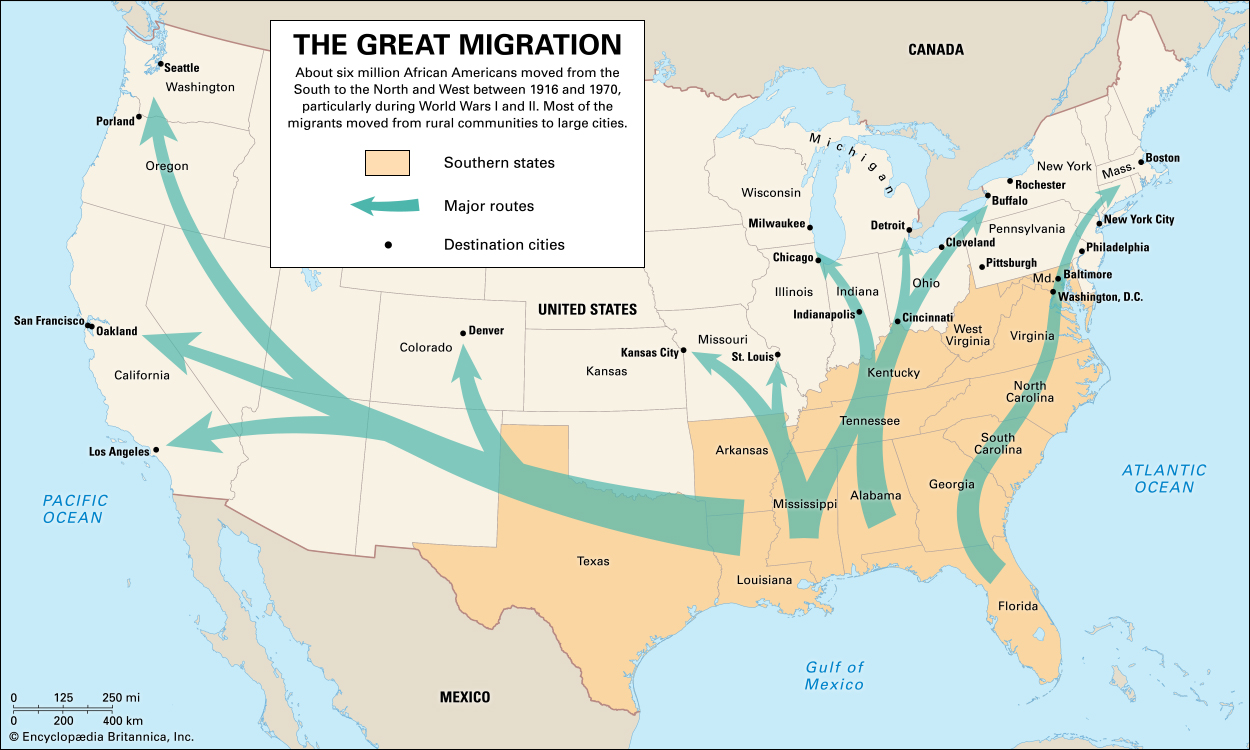
Identify each cause of the Great Migration as a Push or Pull factor.
Job prospects in industrial cities
Full citizenship in the North
Rise of the KKK
Segregation via Jim Crow laws
Suppression of Black voting rights
Push Factor
Pull Factor
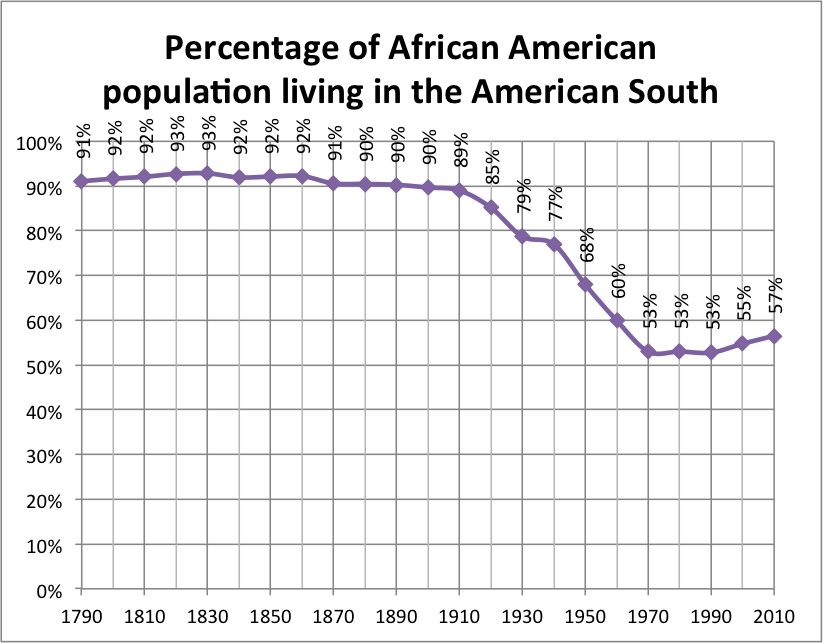
Which statement is best supported by the graph and the information in our class notes?

Due to the racial
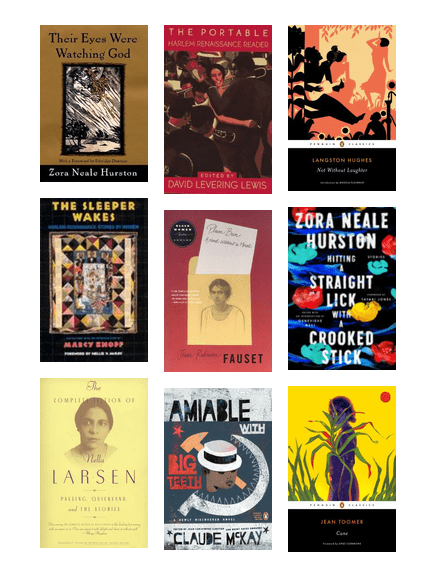
Are you familiar with any of these authors or books? If so, explain.
Excerpt 1: Located just north of Central Park, Harlem was a formerly white residential district that by the early 1920s was becoming virtually a Black city within the boroughs [neighborhoods] of Manhattan. Other boroughs of New York City were also home to people now identified with the Renaissance, but they often crossed paths in Harlem or went to special events at the 135th Street Branch of the New York Public Library. Black intellectuals from Washington, Baltimore, Philadelphia, Los Angeles, and other cities (where they had their own intellectual circles, theatres, and reading groups) also met in Harlem or settled there. New York City had an extraordinarily diverse and decentered Black social world in which no one group could monopolize cultural authority. As a result, it was a particularly fertile place for cultural experimentation.
The Harlem Renaissance was a phase of a larger New Negro movement that had emerged in the early 20th century and in some ways ushered in the Civil Rights Movement of the late 1940s and early 1950s. The social foundations of this movement included the Great Migration of African Americans from rural to urban spaces and from South to North; dramatically rising levels of literacy; the creation of national organizations dedicated to pressing African American civil rights, “uplifting” the race, and opening socioeconomic opportunities; and developing race pride, including pan-African sensibilities and programs.
The passage indicates that Harlem became the birthplace for the Harlem Renaissance due to its
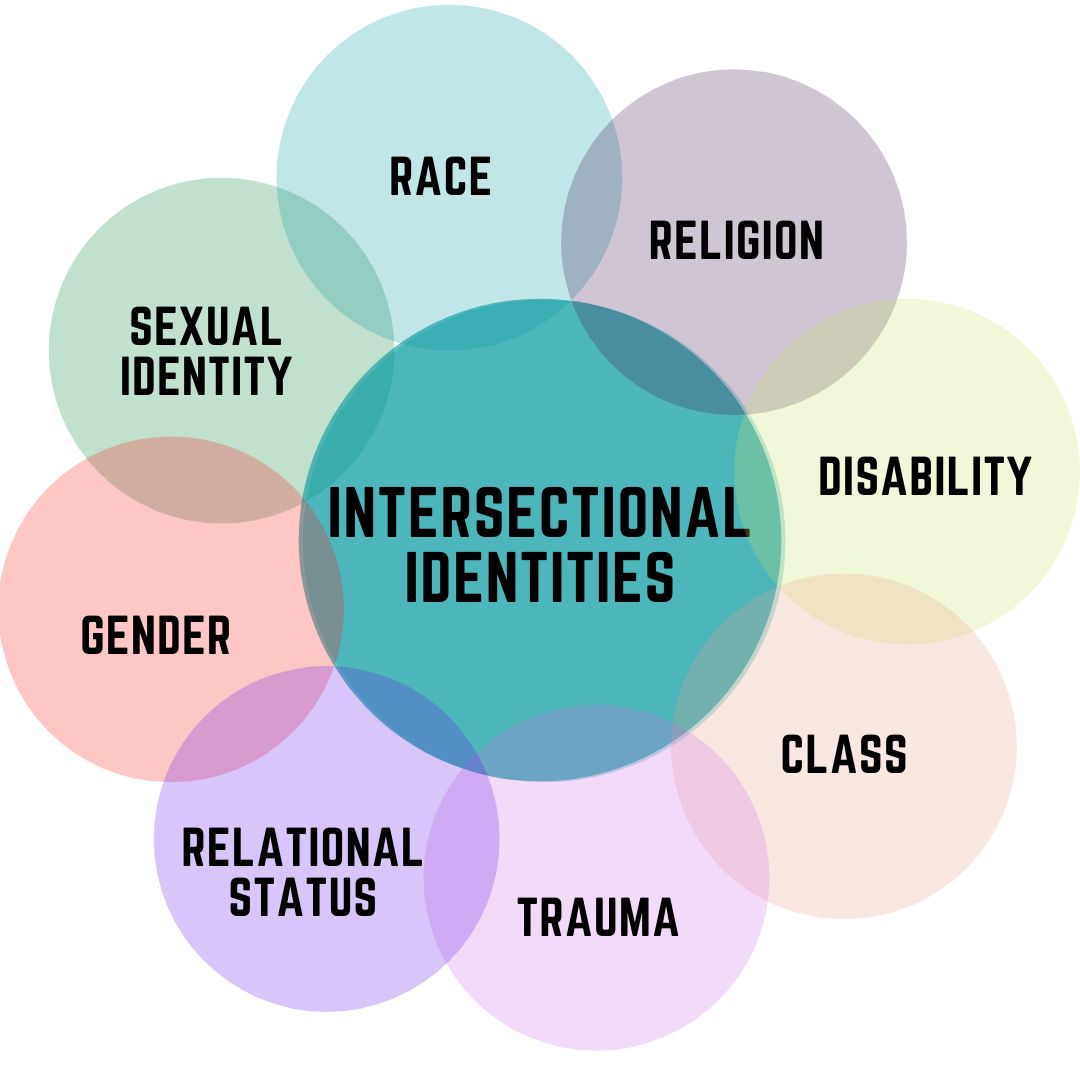
Excerpt 2: While the most celebrated poets of the Harlem Renaissance were men—Hughes, McKay, Cullen—Black women’s poetry was far from incidental to the movement. Women poets negotiated a number of difficulties concerning gender and tradition as they sought to extricate themselves from stereotypes of hypersexuality and primitive abandon. Attempting to claim femininity on terms denied them by the dominant society, they worked variously within and against inherited constraints concerning the treatment of love and nature as well as racial experience in poetry.
A significant proportion of poets, as well as other participants in the Harlem Renaissance, were gay or bisexual, including McKay, Cullen, Locke, Dunbar Nelson, Richard Bruce Nugent, and perhaps Hughes. References to lesbian sexuality were also well-known in blues songs by Ma Rainey and Bessie Smith...According to some critics, "the Renaissance was as gay as it was Negro." However, with the exception of Nugent, gay sexuality among the well-known writers and artists was discreet and mostly closeted.
How do you think being Black and a woman affected female poets of the Harlem Renaissance?
How do you think being Black and LGBTQ+ affected other participants of the Harlem Renaissance?
Exit Ticket: Click here to explore the art of the Harlem Renaissance. Choose one artist whose works speak to you and explain why.
Under "Show Your Work," please include your favorite image/poem/song by this artist.
Exit Ticket: Please evaluate how well you understood today’s lesson on a scale from 1 to 4:
All of the following are ways that the Harlem Renaissance led to the Civil Rights Movement of the late 1940s and 1950s EXCEPT