31.3 - What is Evolution?

Last updated 11 months ago
24 questions
The basic idea of biological evolution is that populations and species of organisms change over time. Today, when we think of evolution, we are likely to link this idea with one specific person: the British naturalist Charles Darwin.

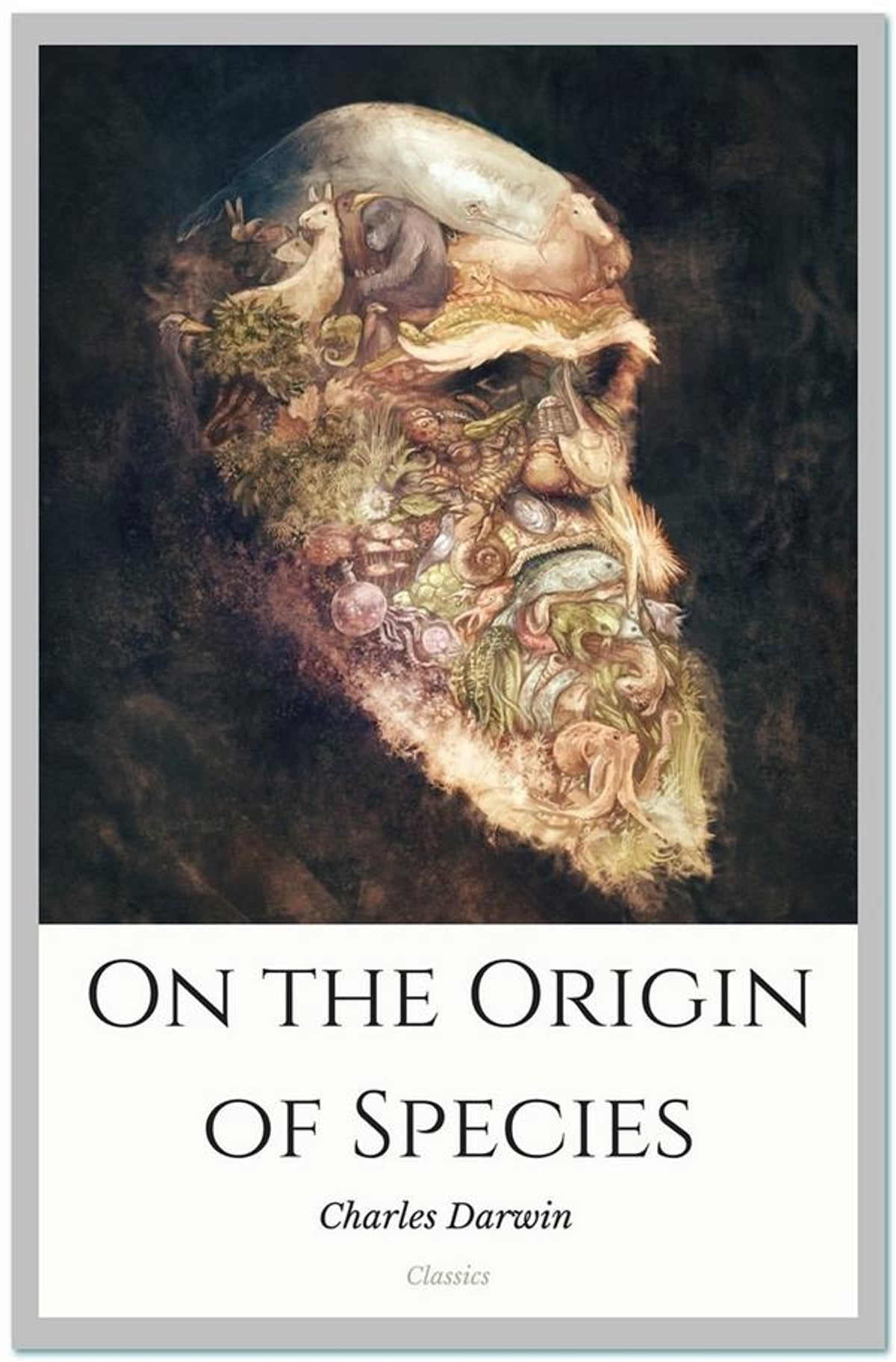
In the 1850s, Darwin wrote an influential and controversial book called On the Origin of Species. In it, he proposed that species evolve (or, as he put it, undergo "descent with modification"), and that all living things can trace their descent to a common ancestor.
1
1
Darwin also suggested a mechanism for evolution: natural selection, in which heritable traits that help organisms survive and reproduce become more common in a population over time.

In this article, we'll take a closer look at Darwin's ideas. We'll trace how they emerged from his worldwide travels on the ship HMS Beagle, and we'll also walk through an example of how evolution by natural selection can work.


1
1

Hertiable traits that help an organism survive become more common. Which of the following traits do you think was helpful for the organism and helped them survive as that trait became more pronounced.

1

The mechanism by which evolution works is by..

Darwin and the voyage of the Beagle

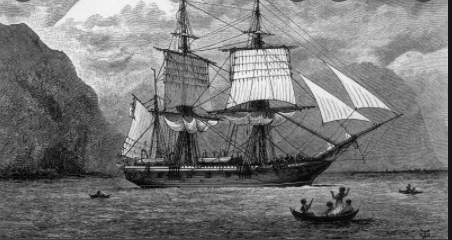
From 1831 to 1836, Charles Darwin partook in a survey expedition carried out by the ship HMS Beagle, which included stops in South America, Australia, and the southern tip of Africa. At each of the expedition's stops, Darwin had the opportunity to study and catalog the local plants and animals.

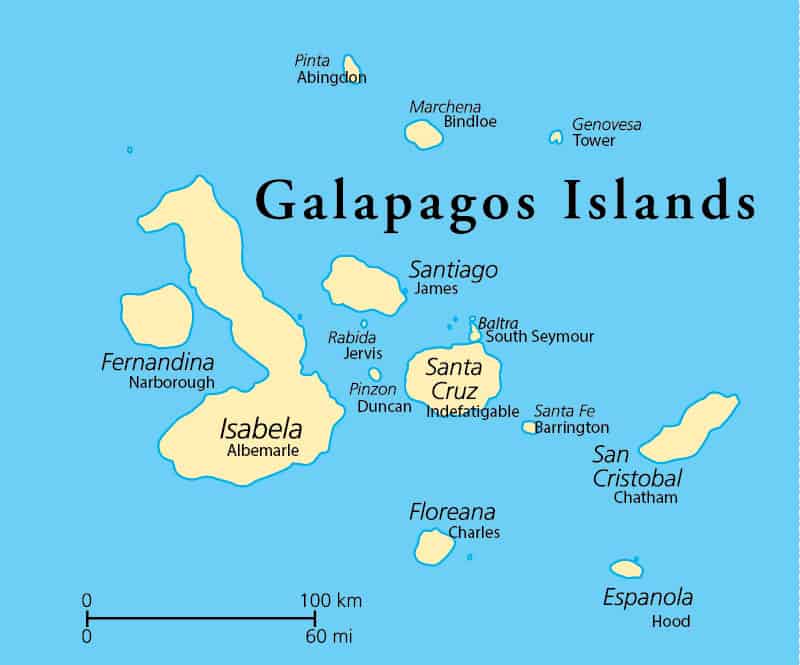
Over the course of his travels, Darwin began to see intriguing patterns in the distribution and features of organisms. We can see some of the most important patterns Darwin noticed in distribution of organisms by looking at his observations of the Galápagos Islands off the coast of Ecuador.

1
1
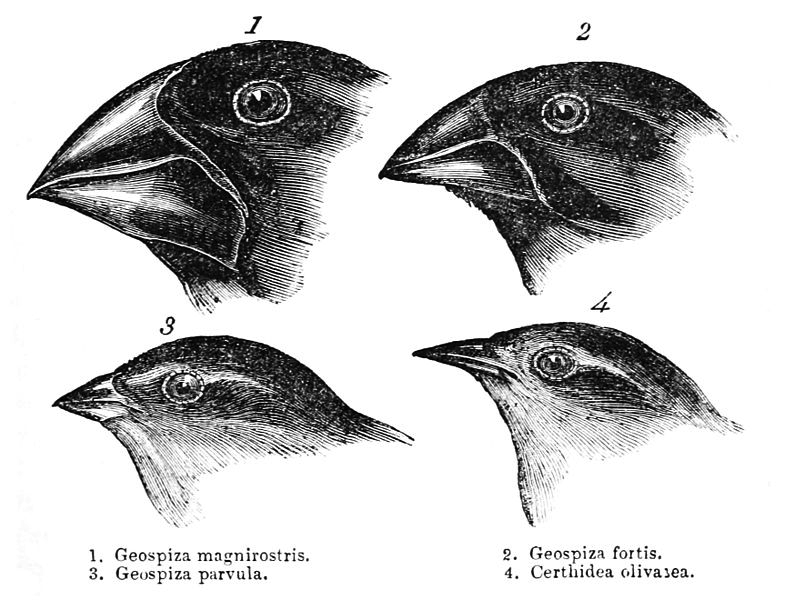
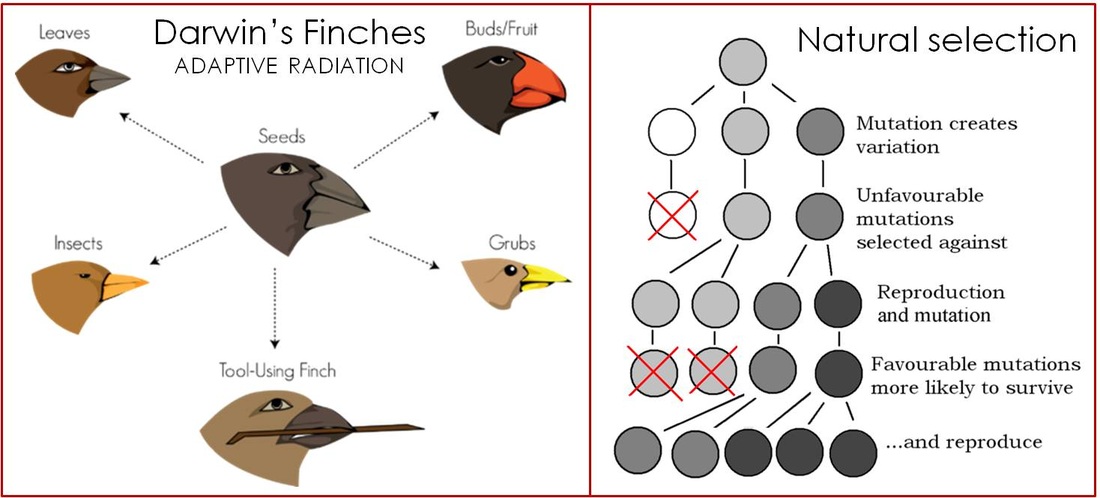
Darwin found that nearby islands in the Galápagos had similar but nonidentical species of finches living on them. Moreover, he noted that each finch species was well-suited for its environment and role.

For instance, species that ate large seeds tended to have large, tough beaks, while those that ate insects had thin, sharp beaks. Finally, he observed that the finches (and other animals) found on the Galápagos Islands were similar to species on the nearby mainland of Ecuador, but different from those found elsewhere in the world.
1
1
Darwin Noticed that the nearby islands had similar but nonidentical finches.

He also notice that each finch was ________________ for its environment and role.

For example finches found on islands with large seeds had _______________________.

Finches that were found on isalends with more insects had ______________________ .
Other Answer Choices:
thin, sharp beaks
well-suited
large, tough beaks
Darwin didn't figure all of this out on his trip. In fact, he didn't even realize all the finches were related but distinct species until he showed his specimens to a skilled ornithologist (bird biologist) years later! Gradually, however, he came up with an idea that could explain the pattern of related but different finches.

According to Darwin's idea, this pattern would make sense if the Galápagos Islands had long ago been populated by birds from the neighboring mainland. On each island, the finches might have gradually adapted to local conditions (over many generations and long periods of time). This process could have led to the formation of one or more distinct species on each island.
1
1

On each Isald Charles Dawin found that the finches were different. This is because over many generations the finches have adapted to the local conditions. Which is the best example of an adaptation to a local condition.

If the idea that organisms adapt to the local conditions over many generations was correct, then why was it correct? What mechanism could explain how each finch population had acquired adaptations, or features that made it well-suited to its immediate environment? During his voyage, and in the years after, Darwin developed and refined a set of ideas that could explain the patterns he had observed during his voyage. In his book, On the Origin of Species, Darwin outlined his two key ideas: evolution and natural selection.

1
1
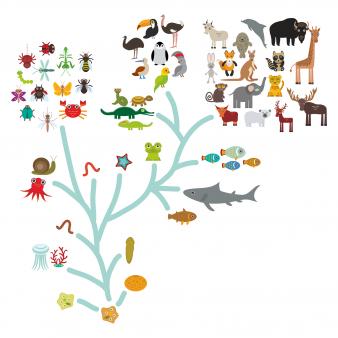
Darwin proposed that species can change over time, that new species come from pre-existing species, and that all species share a common ancestor. In this model, each species has its own unique set of heritable (genetic) differences from the common ancestor, which have accumulated gradually over very long time periods. Repeated branching events, in which new species split off from a common ancestor, produce a multi-level "tree" that links all living organisms.

Darwin referred to this process, in which groups of organisms change in their heritable traits over generations, as “descent with modification." Today, we call it evolution. Darwin's explanation shows how one species can branch into two over time, and how this process can repeat multiple times in the "family tree" of a group of related species.

1
1

Natural selection

Importantly, Darwin didn't just propose that organisms evolved. If that had been the beginning and end of his theory, he wouldn't be in as many textbooks as he is today! Instead, Darwin also proposed a mechanism for evolution: natural selection. This mechanism was elegant and logical, and it explained how populations could evolve (undergo descent with modification) in such a way that they became better suited to their environments over time.


1
1

Natural selections explains how populations

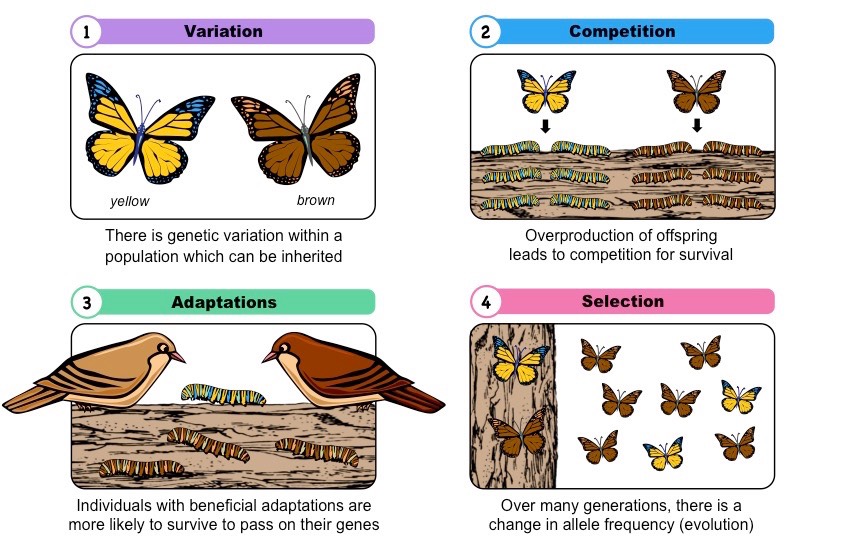
Darwin's concept of natural selection was based on several key observations:
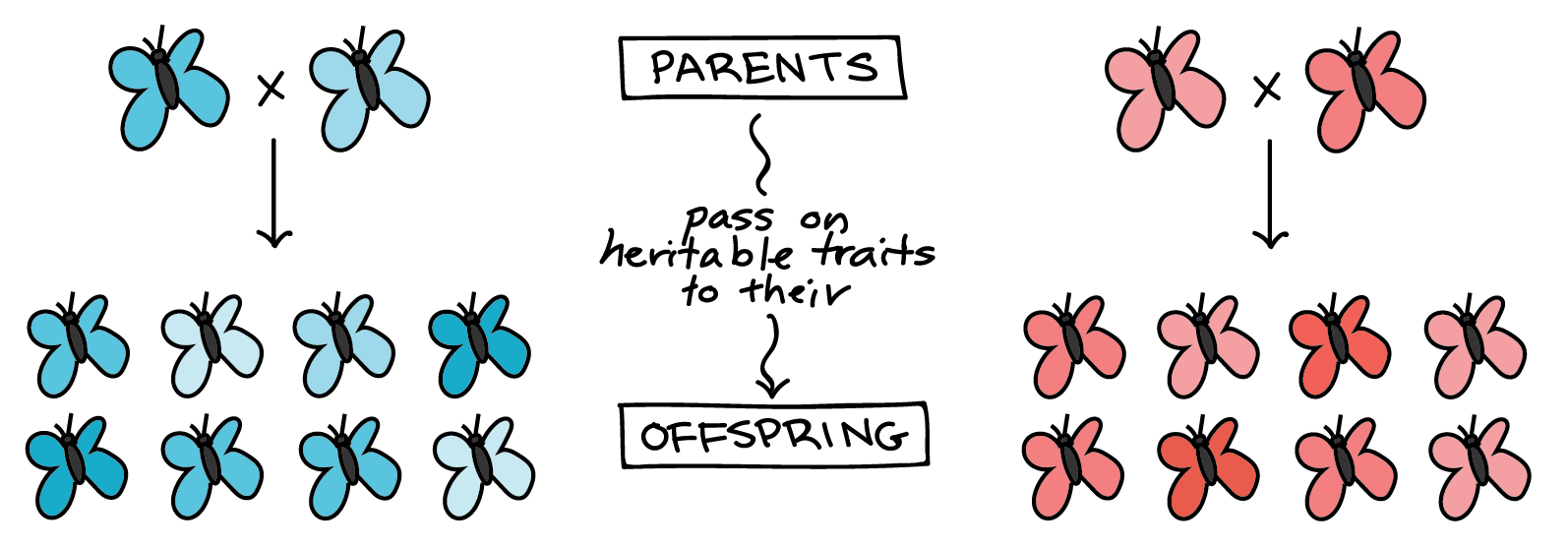
  • Traits are often heritable. In living organisms, many characteristics are inherited, or passed from parent to offspring. (Darwin knew this was the case, even though he did not know that traits were inherited via genes.)
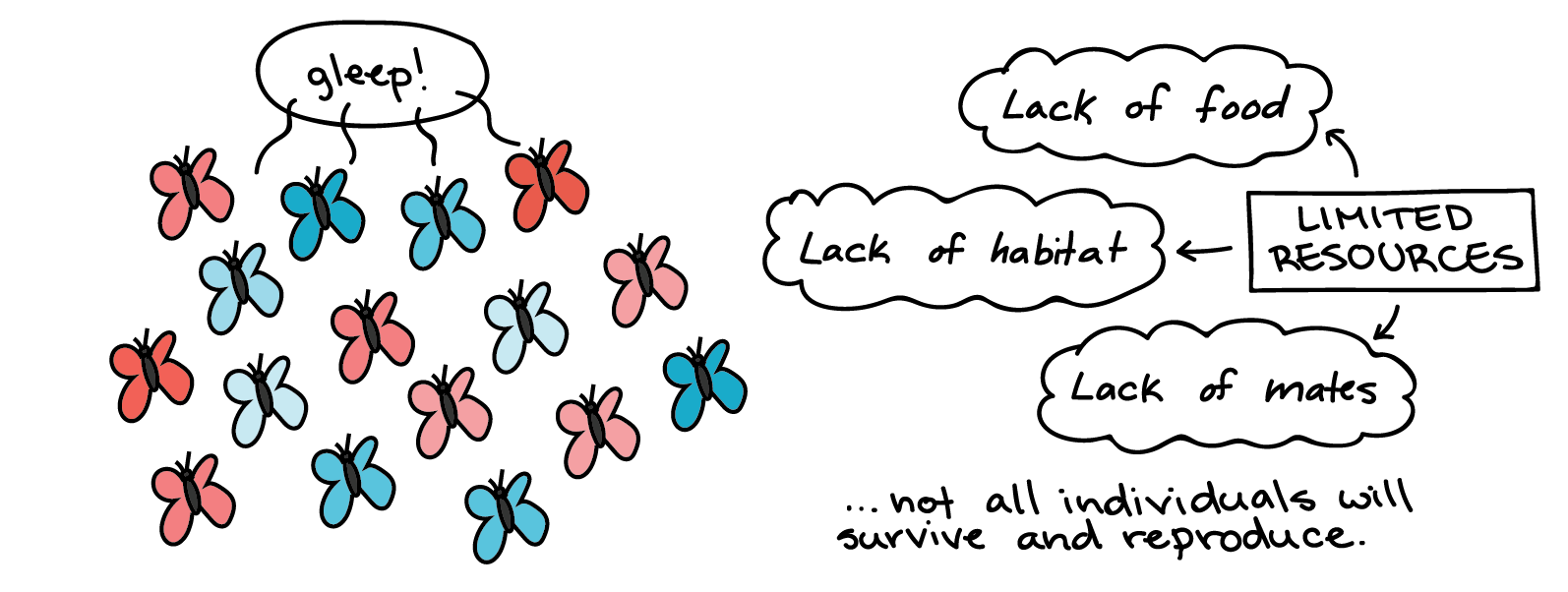
  • More offspring are produced than can survive. Organisms are capable of producing more offspring than their environments can support. Thus, there is competition for limited resources in each generation.
  • Offspring vary in their heritable traits. The offspring in any generation will be slightly different from one another in their traits (color, size, shape, etc.), and many of these features will be heritable.


1
1

Create a list of the 3 key concepts that natual selection is based on IN YOUR OWN WORDS:

Key concept 1:

Key concept 2:

Key concept 3:

1
Based on these simple observations, Darwin concluded the following:
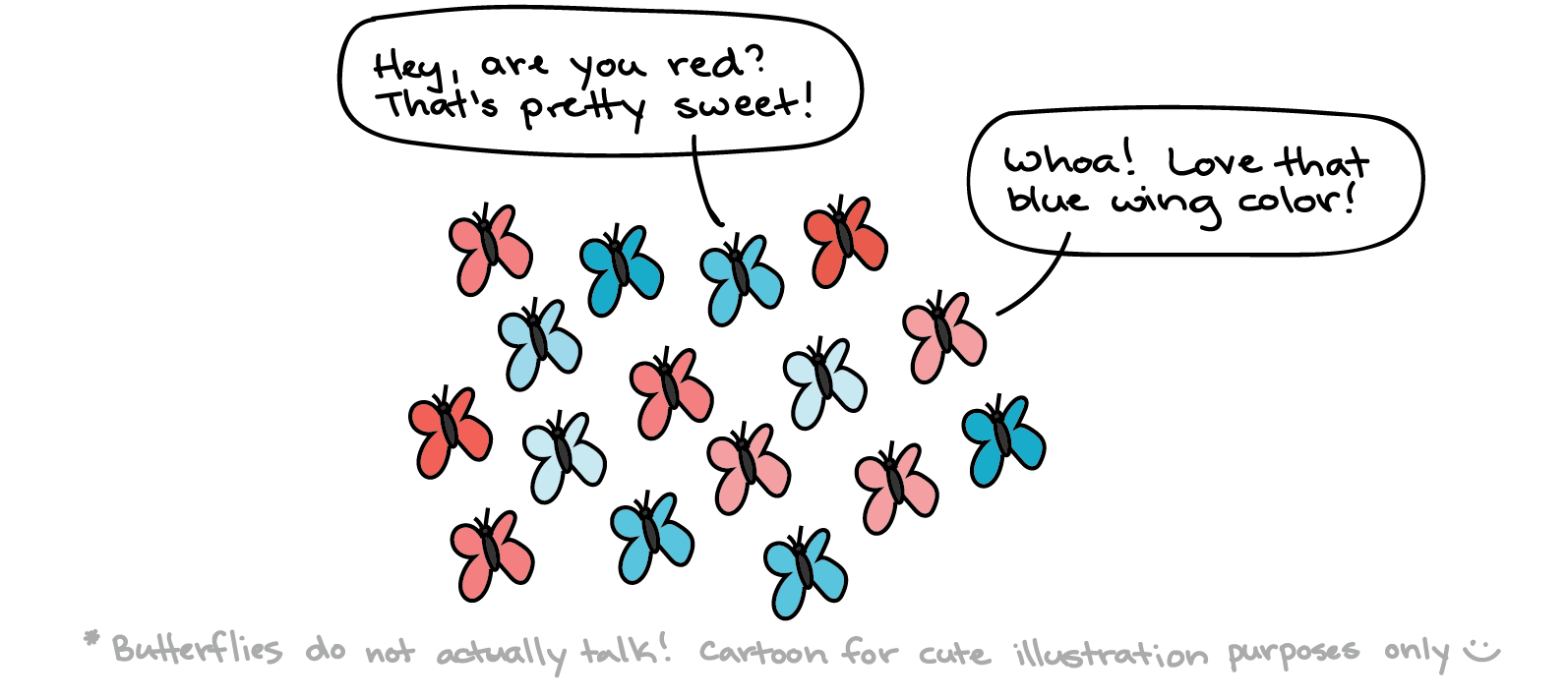
  • In a population, some individuals will have inherited traits that help them survive and reproduce (given the conditions of the environment, such as the predators and food sources present). The individuals with the helpful traits will leave more offspring in the next generation than their peers, since the traits make them more effective at surviving and reproducing.
  • Because the helpful traits are heritable, and because organisms with these traits leave more offspring, the traits will tend to become more common (present in a larger fraction of the population) in the next generation.
  • Over generations, the population will become adapted to its environment (as individuals with traits helpful in that environment have consistently greater reproductive success than their peers)

1
1
Individuals with the ______________________ traits will leave ______________________ offspring in the next generation than their peers, since the traits make them more effective at ______________________ and reproducing.
Other Answer Choices:
helpful
surviving
more
1
Helpful traits are only useful to the population if they can be ______________________ or inherited by their ______________________. As the helpful trait becomes more and more selected by nature, this trait becomes more ______________________ amongst future generations.
Other Answer Choices:
passed down
common
offspring
Darwin's model of evolution by natural selection allowed him to explain the patterns he had seen during his travels. For instance, if the Galápagos finch species shared a common ancestor, it made sense that they should broadly resemble one another (and mainland finches, who likely shared that common ancestor).

If groups of finches had been isolated on separate islands for many generations, however, each group would have been exposed to a different environment in which different heritable traits might have been favored, such as different sizes and shapes of beaks for using different food sources. These factors could have led to the formation of distinct species on each island.
1