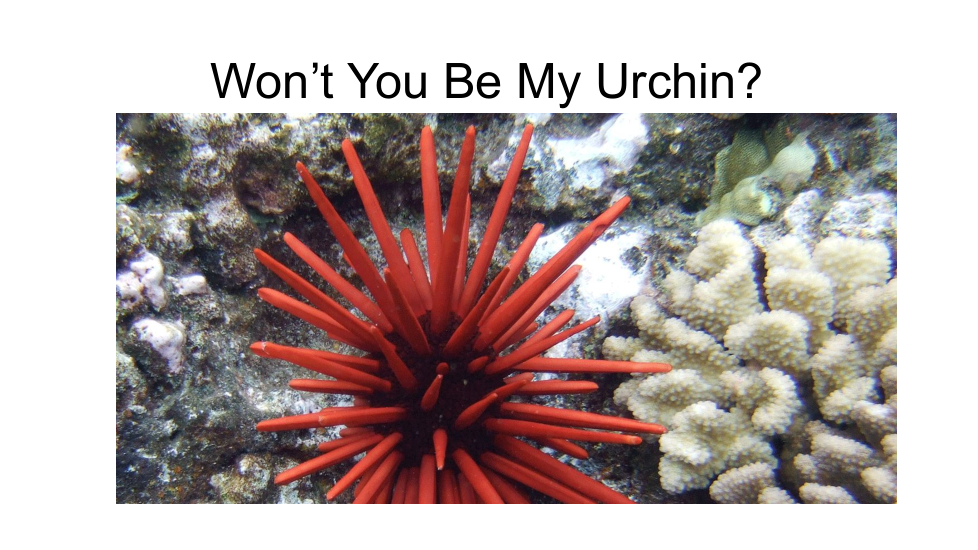
| Draggable item | arrow_right_alt | Corresponding Item |
|---|---|---|
Sea Urchins | arrow_right_alt | Sea animal with soft, flowing tentacles |
Clownfish (like Nemo) | arrow_right_alt | Sea animal with hard shell and sharp spines |
Anemones | arrow_right_alt | Sea animal with cartilage skeleton and fins |
Shark | arrow_right_alt | Sea animal with bony skeleton; herbivores |
Corals are the animals that build coral reefs. They are very sensitive and can be hurt by human activity like and pollution. Coral reef ecosystems are also in danger from warming waters due to change. Sadly, today many coral reefs around the world are because the places they grow are changing. Sarah is a biologist who is determined to figure out ways to save coral reefs. Sarah wants to understand how to help the dying corals so they can keep building the important and coral reef habitats.
I'd like a video here that shows corals feeding but I can't seem to upload. https://youtu.be/GJaDJpVbSp8
Corals compete with large types of algae, like seaweed, for space to grow on the reef. Corals are picky and only like to live in certain places. If there is too much algae, corals will have no place to attach and grow. Sea urchins are important herbivores and one of the species that like to eat algae.
Given this information, what kind of research could be done? As a marine biologist, what experiments might you perform to help conserve corals?
Choose one topic from the previous list. Write a hypothesis for a possible experiment. Remember to include IV and DV!
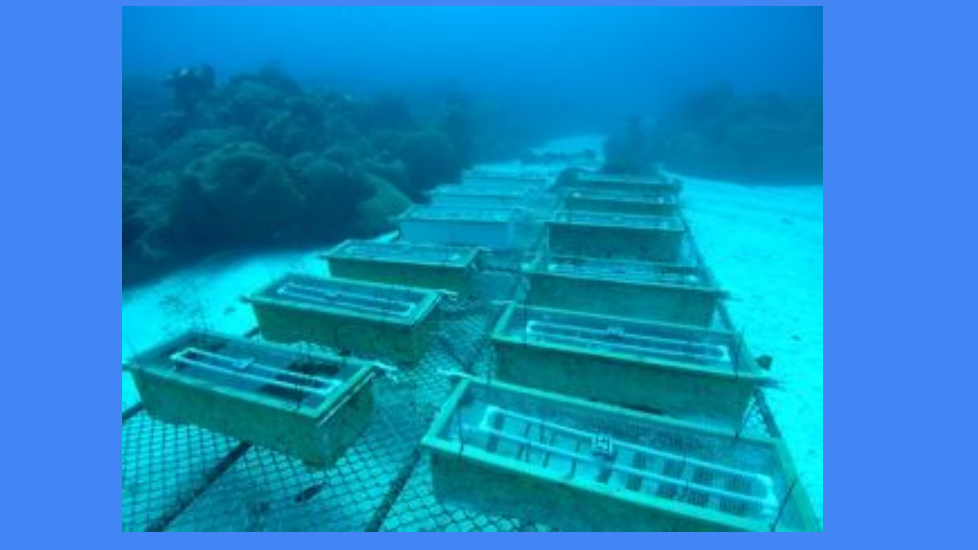
To test her idea Sarah set up an experiment. She set 8 bins out on the reef. Into half of the bins, Sarah added urchins. Into the other half she left without urchins as a control. Sarah put tiles into all of the bins. Tiles gave an empty space for coral and algae to compete and grow. After a few months, Sarah looked at the tiles. She counted how many corals were growing on each tile. Draw and label this experiment!
Corals get their food from algae living in their tissues or by capturing and digesting prey. Most reef-building corals have a unique partnership with tiny algae called zooxanthellae. The algae live within the coral polyps, using sunlight to make sugar for energy. What type of relationship do corals have with these algae?
Sea urchins eat algae and sometimes eat corals. Corals sometimes eat phytoplankton. Draw a food web that includes sea urchins, algae, phytoplankton, and corals. Make sure to include arrows!
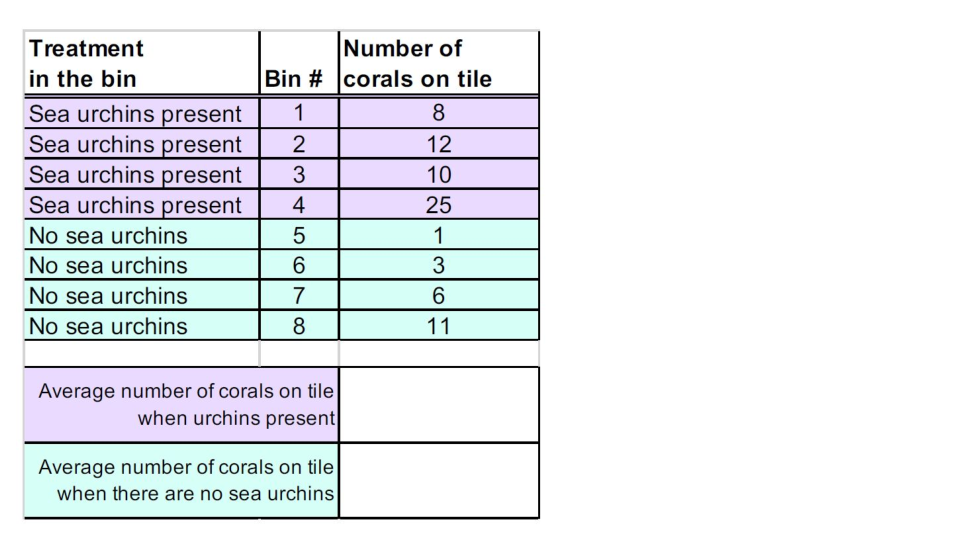
| Draggable item | arrow_right_alt | Corresponding Item |
|---|---|---|
Dependent Variable | arrow_right_alt | Presence of Sea Urchins |
Independent Variable | arrow_right_alt | Average Number of Corals on Tile |
Did the data support Sara's hypothesis? Explain
Your next steps as a scientist: Science is an ongoing process. What new question(s) should be investigated to build on Sarah's research? What future data should be collected to answer your question?
Video? https://youtu.be/WJeATDtY-hU
Video? https://www.youtube.com/watch?v=4APrtdbc_Yg