Content Objective: IWBAT contextualize the Roaring 20s era.
Skill Objective: IWBAT determine central ideas and themes of a text.
Absent? Just want to review the slides? Click here.
Content Objective: IWBAT contextualize the Roaring 20s era.
Skill Objective: IWBAT determine central ideas and themes of a text.
Absent? Just want to review the slides? Click here.
The Age of Prosperity
-
-
-Radio, advertising, and film contributed to boom of national
Spending Money
-New and
-For the first time ever, regular Americans could buy cool items, not just necessities.
-Americans enjoyed the highest
Stock Market Success
-Stocks skyrocket! Average people begin to
-
-
Advertising Advances
-Glorification of
-Advertising becomes more sophisticated – playing on people’s
-Use of social success and threats
The Material American
-Possession of material items
-Change of buying habits: focus on
Look at the inventions timeline in your folder, count the number of objects you currently use today. Write the total number here.
Of the items on the new inventions list, which three does your group use the most?
Why do you think people in the 1920s were so eager to buy these items even if they really couldn’t afford it? How do you see this mentality reflected in our society today?
Think about some of the items you use that have been invented in the last five to ten years. Why are those inventions/items so imortant for people in our society today? Do we need or want most of these items?
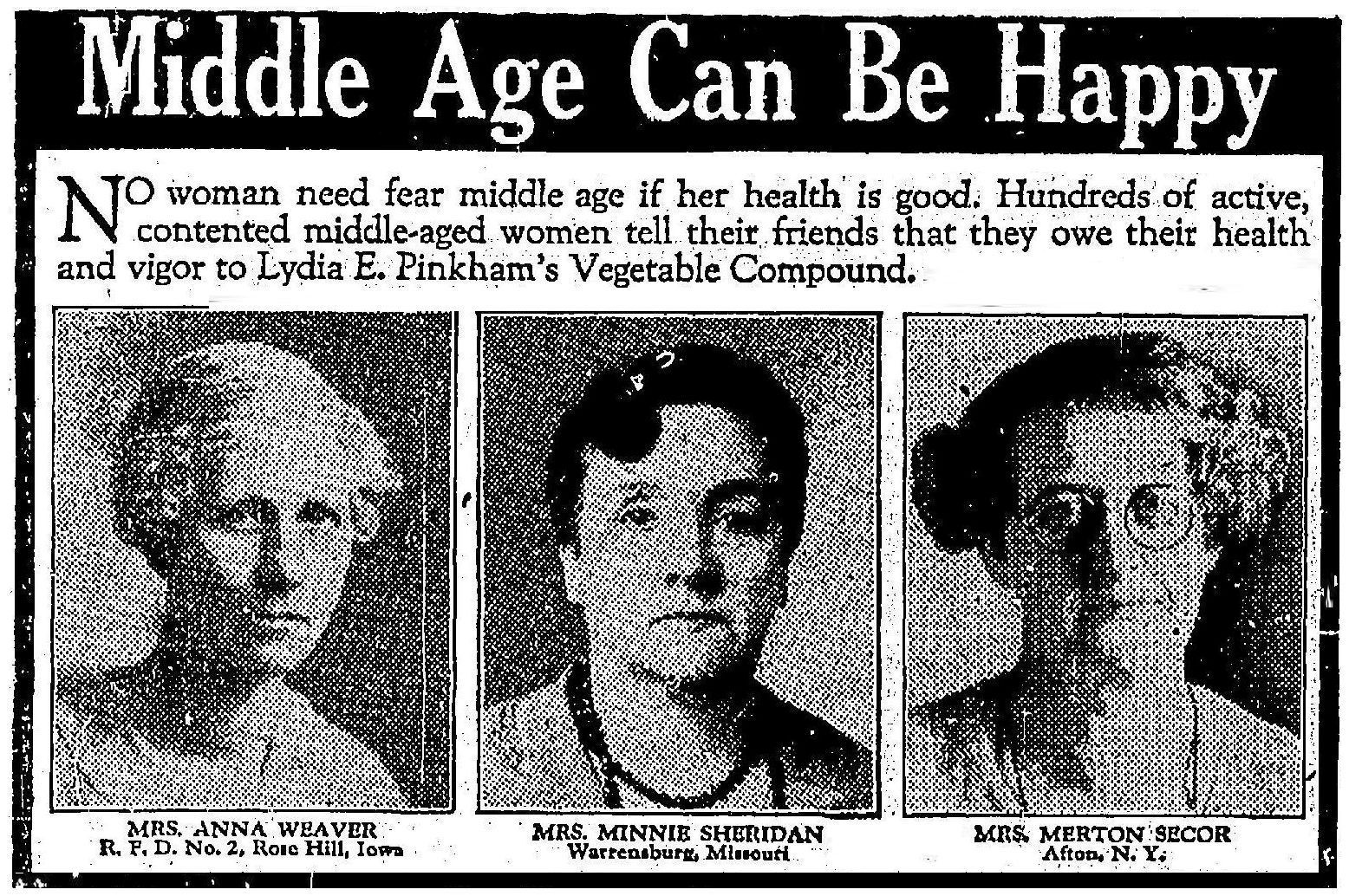
What do all of these 1920s advertisements have in common? What techniques did they use to make people want to buy their products?
What do these advertising examples suggest about the values of American society in the Roaring 20s?
In what ways do you see similarities and differences between advertisements in the 1920s and advertisements today, 100 years later?
In the "Show Your Work" area, insert one modern day advertisement that supports your explanation.

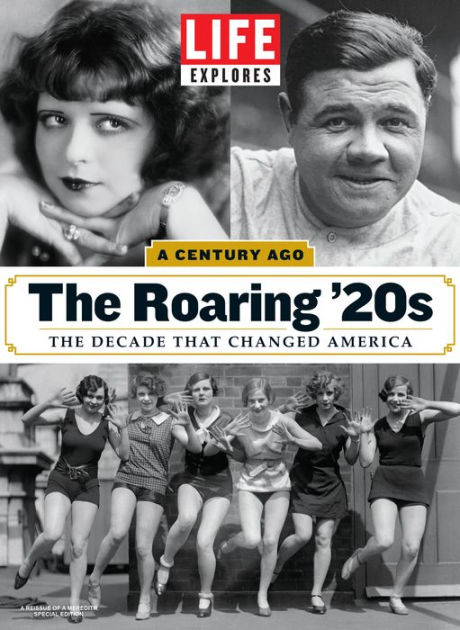
The 1920s heralded a dramatic break between America's past and future.
In the Great Gatsby, Fitzgerald described the 1920s as the “

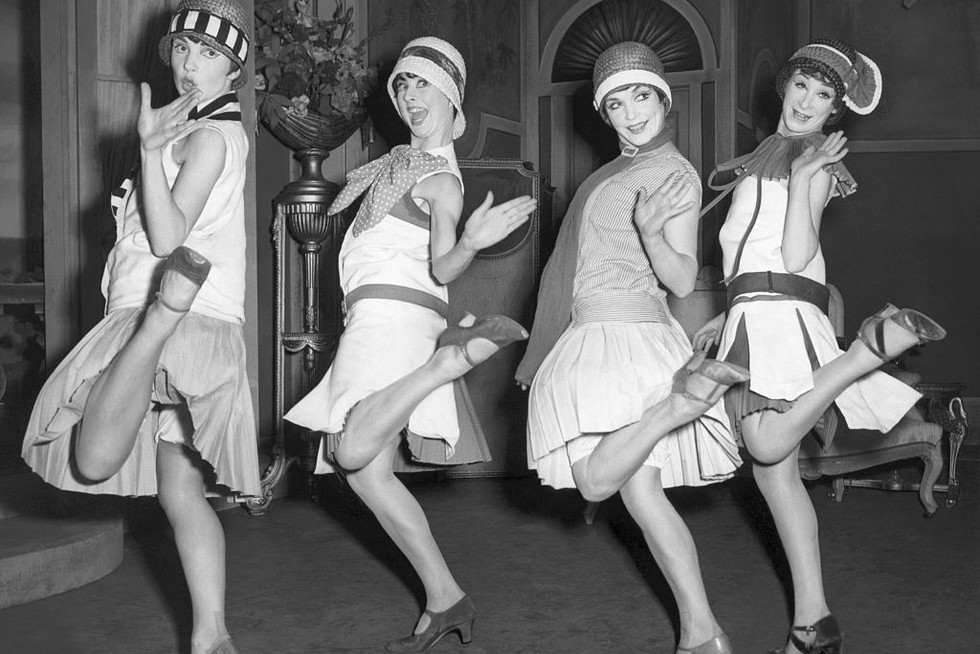
The Feminist movement grew in great strides during the Roaring 20s, too.
After reading the article in your folder and looking at the images with your group, how would you describe pre and post 1920s fashion?
In your personal opinion, do you like the style of dress in the 1920s? Why or why not? What similarities do you see between 1920s fashion and 2020s fashion, 100 years later?
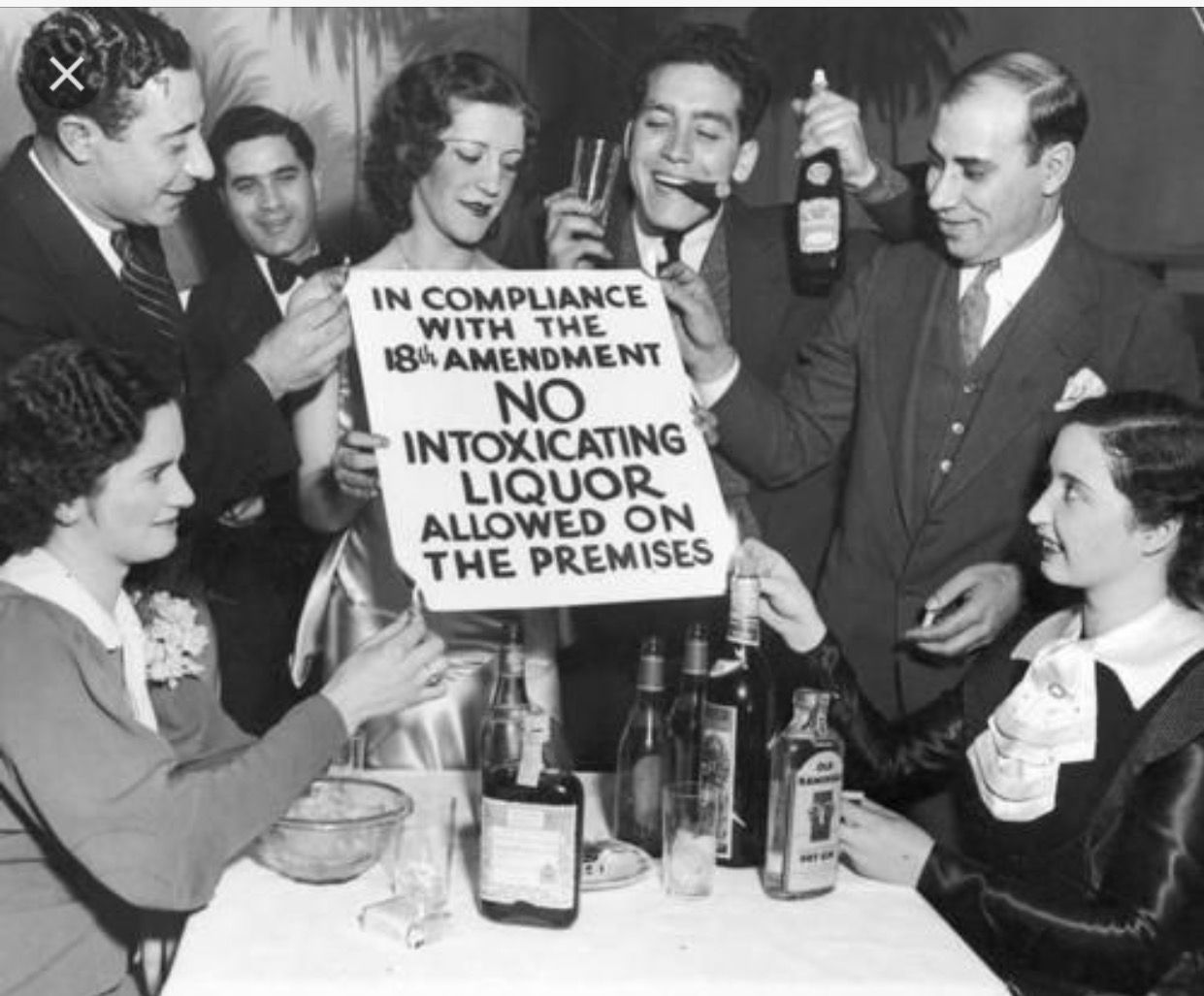
After reading the article in your folder with your group, how is the history of prohibition and the history of Chicago linked? What was one major effect of prohibition in Chicago?
Examine the political cartoon on prohibition in your folder. What is the cartoonist saying about the reasons certain groups of people would want prohibition to continue?
After learning about different aspects of the 1920s, do you think the era had a more positive or negative effect on our nation? Use at least on facts from the stations activity to support your opinion. Please respond in at least two complete sentences.
Example-Sentence:
"In my opinion, the 1920s had a more [position/negative] effect on the country because ______. One example of this from the stations activity is ______, because ______."