Ɛhia
1
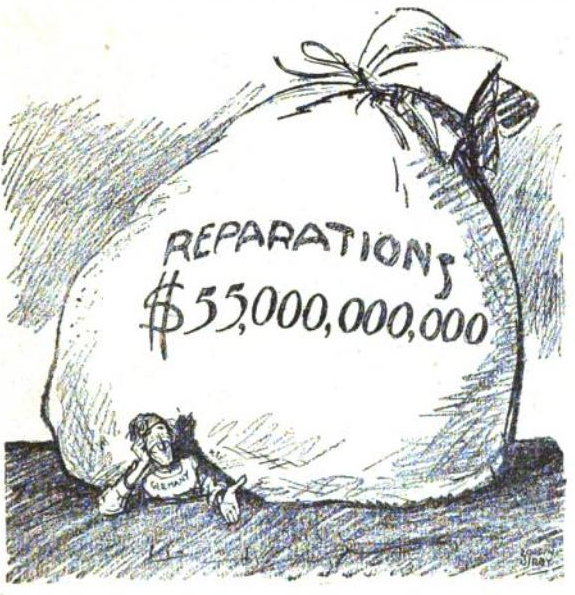
The Treaty of Versailles was signed in 1919, and officially ended World War I between Germany and the Allied Powers (Great Britain, France, and the
Content Objective: I will be able to understand the relationship between the consumerism of the 1920s and the Great Depression.
Standard Objective: I will be able to draw connections between events (cause/effect).
Absent? Just want to review the slides? Click here for the slides from today.
Content Objective: I will be able to understand the relationship between the consumerism of the 1920s and the Great Depression.
Standard Objective: I will be able to draw connections between events (cause/effect).
Absent? Just want to review the slides? Click here for the slides from today.
Warm Up: What do you notice about the photo from the Great Depression under "Show Your Work"?
Feel free to mark up or annotate when we discuss as a class!
The Treaty of Versailles was signed in 1919, and officially ended World War I between Germany and the Allied Powers (Great Britain, France, and the
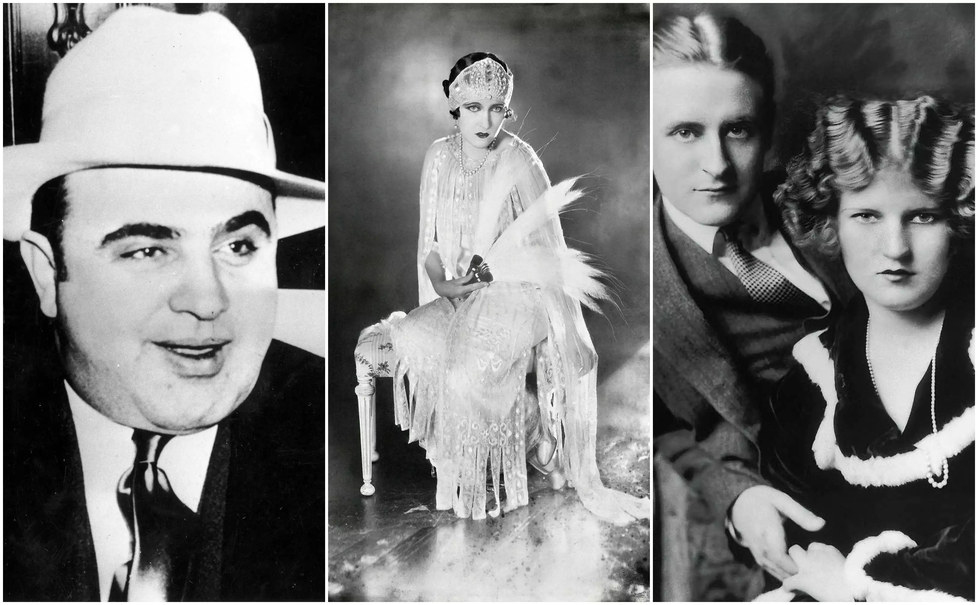
For the United States, however, the effects of World War I were positive -- ushering in the Roaring 1920s as a decade of unprecedented
The expansion of
With so many new products and so many Americans eager to purchase them,
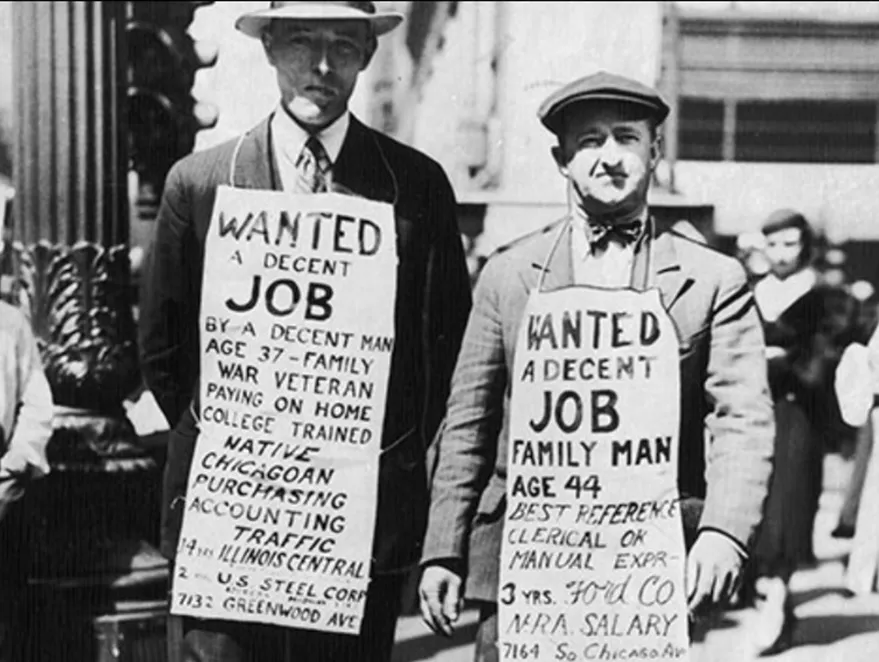
The Great Depression was primarily caused by the
Nationwide defaults on loans and mortgages led to rampant unemployment, homelessness, and
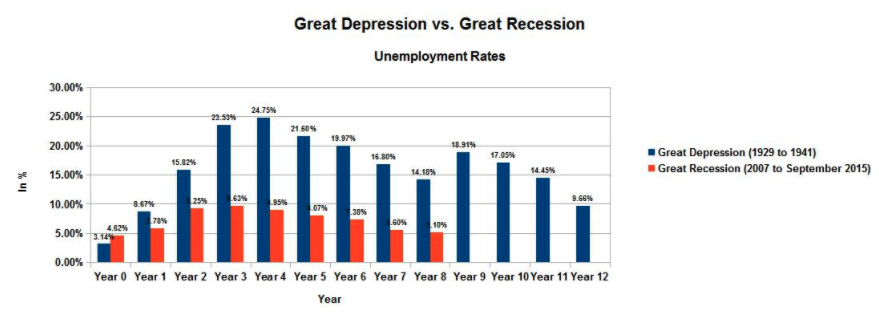
Which was worse?
Explain how you know under "Show Your Work."
Applying Knowledge: The following questions refer to an excerpt from The Politics of Boom and Bust. Please complete this work independently.

The economic mood of Americans just before the stock market crashed in 1929 could best be described as
Which choice provides the best evidence for the answer to the previous question?

In the graph, which range of years displays a decrease in Common Stock Prices?

As used in line 3, "collapsed" most nearly means

Exit Ticket: In your own words, describe three causes of the Great Depression using complete sentences.
Sentence-Starters:
A major cause of the Great Depression was...
In addition, _____________ led to the Great Depression because...
Finally, ____________ contributed to the Great Depression as well since...