Content Objective: I will be able to analyze the historical context of FDR's "Infamy" speech.
Standard Objective: I will be able to draw reasonable conclusions from the text.
Click here for the slides from today.
Content Objective: I will be able to analyze the historical context of FDR's "Infamy" speech.
Standard Objective: I will be able to draw reasonable conclusions from the text.
Click here for the slides from today.
Today we are going to practice taking "college-ready" notes! When you are in college, professors will not have fill in the blank notes, and often times they won't even have slides on the board during a lecture. This means we need to practice summarizing text quickly and effectively.
You will work on this skill as a senior, but let's try it briefly right now!
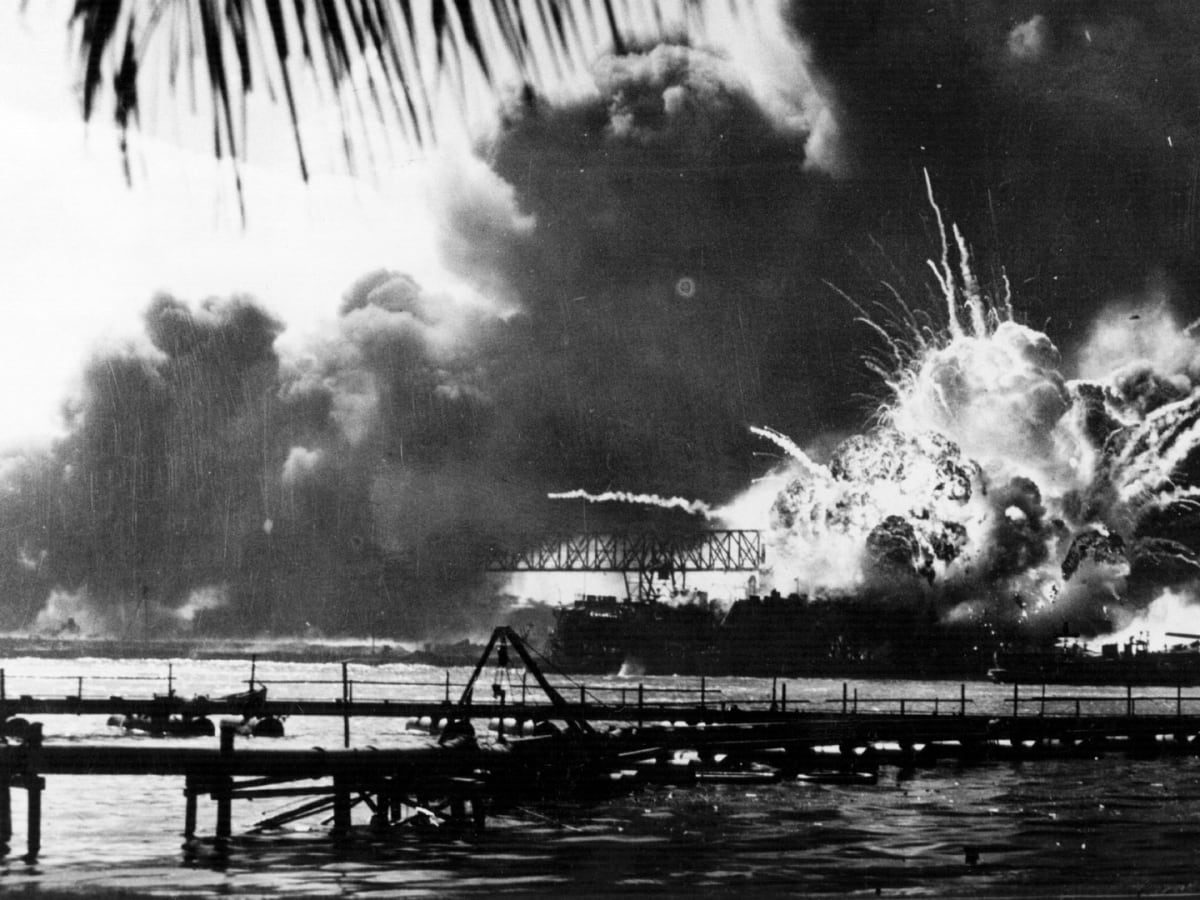
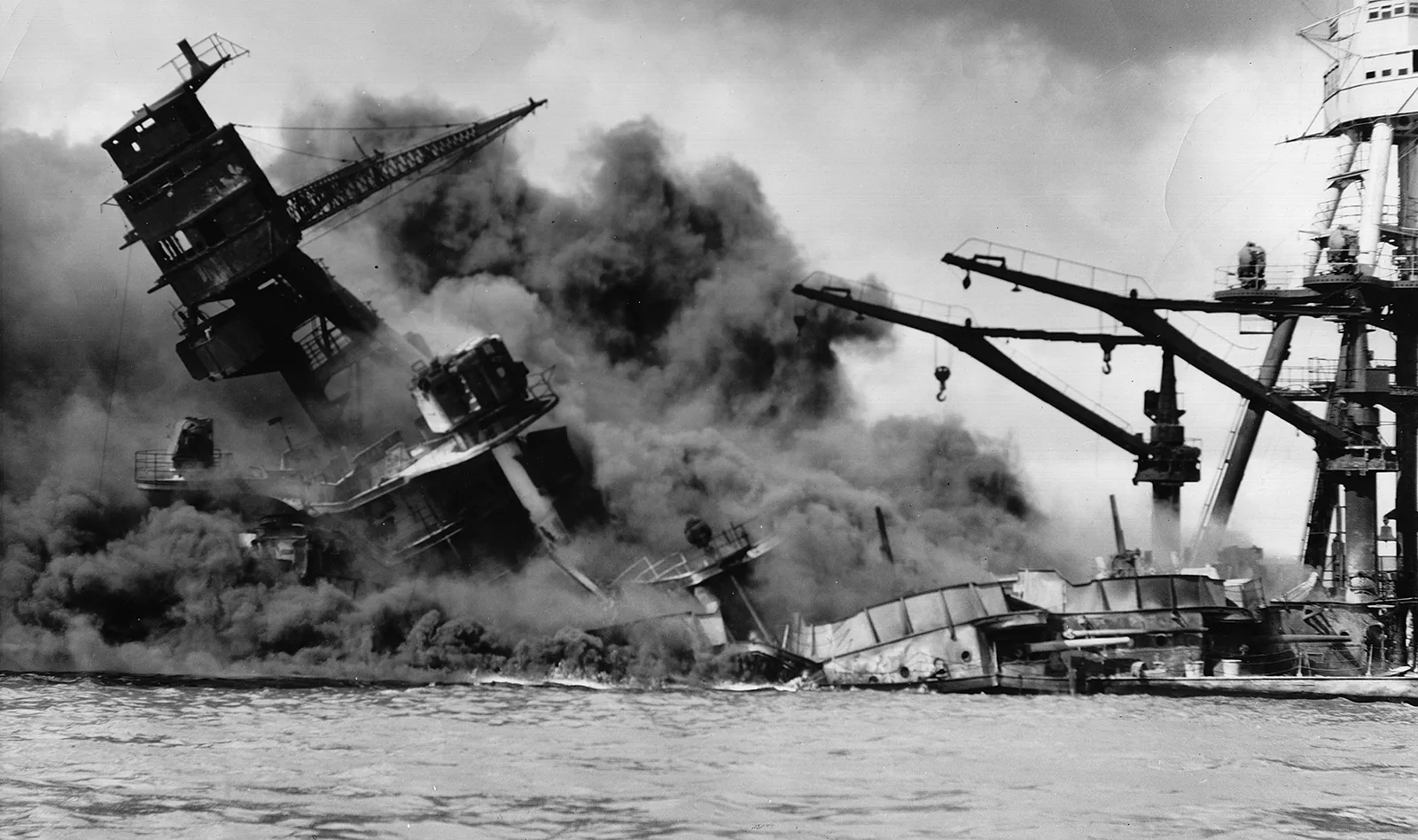
How can this text be summarized? Please try creating three "college-ready" bulletin points to summarize the paragraph above.
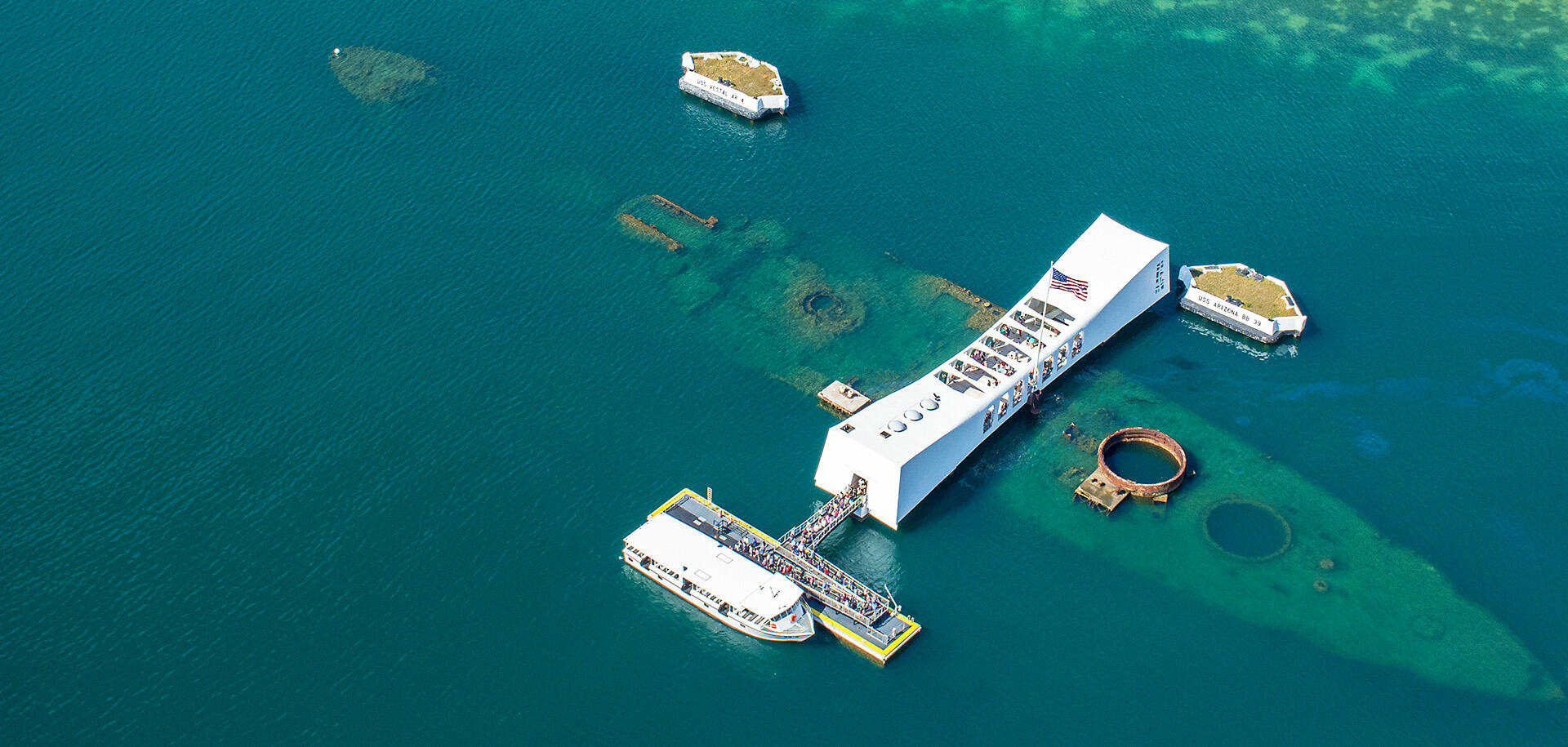
The day after the assault, President Franklin D. Roosevelt gave a speech asking Congress to declare war on Japan. Ultimately, the Japanese attack on Pearl Harbor catapulted the United States into World War II.
How can this text be summarized? Please try creating two "college-ready" bulletin points to summarize the paragraph above.
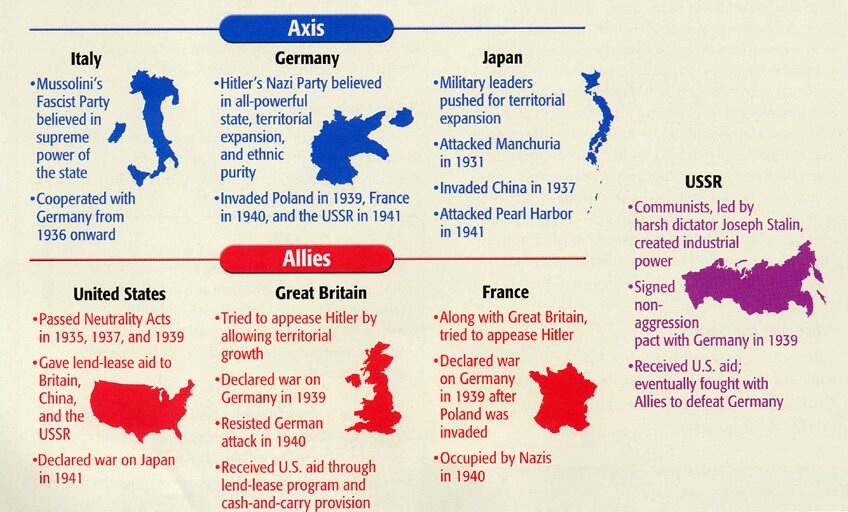
Applying Knowledge: Today, we are going to listen to President Franklin D. Roosevelt's famous "Infamy" speech, which was given on December 8th, 1941 - the day after Pearl Harbor.
SIDE NOTE: True or False? Only the U.S. President can declare war on another country.
Exit Ticket: Please evaluate how well you understood today’s lesson on a scale from 1 to 4:
What does President Roosevelt mean by the word “infamy”?
The phrases "many American lives were lost" and "onslaught against us" primarily serve to
The primary reason President Roosevelt makes for entering World War II is to