Ɛhia
1
Ɛhia
1
Ɛhia
1
Ɛhia
1
Ɛhia
1
Ɛhia
1
Ɛhia
1
Ɛhia
1
Ɛhia
1
Ɛhia
1
Ɛhia
1
Ɛhia
1
Ɛhia
1
1
The study of how things move. It seeks to measure things like position (displacement), speeds, velocity, and acceleration
This type of measurement provides two pieces of information, the magnitude, AND the direction. Some examples are displacement, velocity, and net force
Which of the following activities would produce a positive displacement (a displacement that doesn't equal zero).
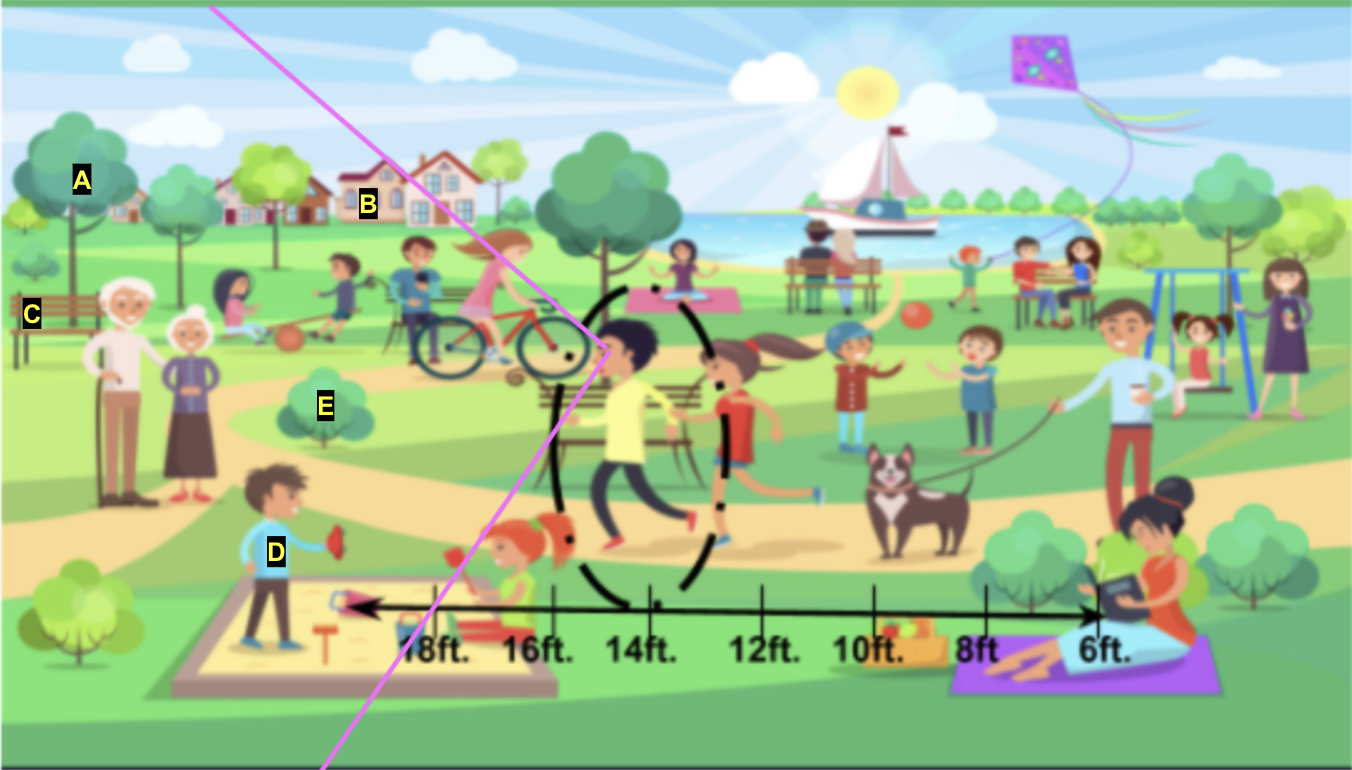
Which of the following (yellow & black letters) is NOT a point of reference for the runner in yellow?
In the picture below, lines A and B represent different types of motion/paths of travel of the airplane. Label these lines by typing the name for each type of motion/path of travel in the space below.
Line A is an example of ________________ , and Line B is an example of _____________ .
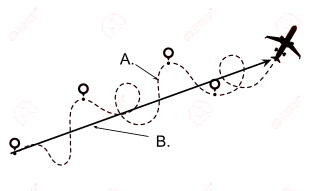
P.S. Ignore the little circles on line A, they are just illustrating various stops the plane made on its route.
Just type the words in order, separated by a comma and a space.
Which turtle had the quickest speed at the beginning (in the first 2 minutes) of the race?
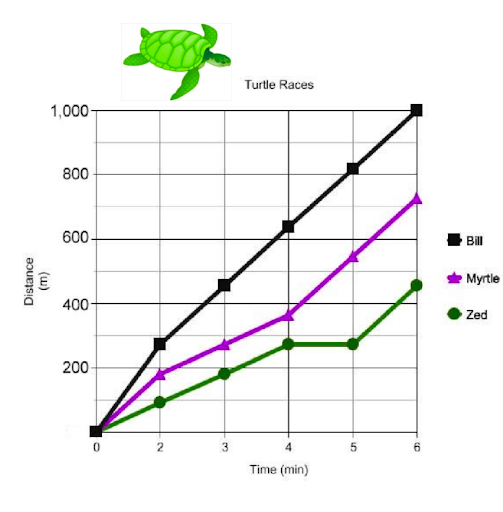
Which turtle stopped for a portion of the race?
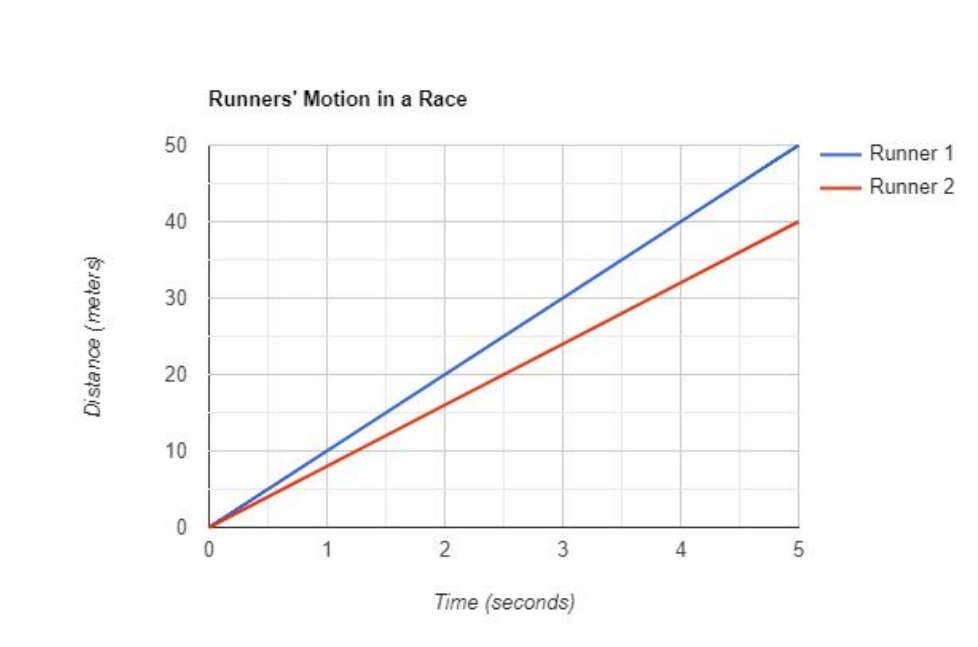
Using the graph, what can you tell about Runner #1 (BLUE LINE)?
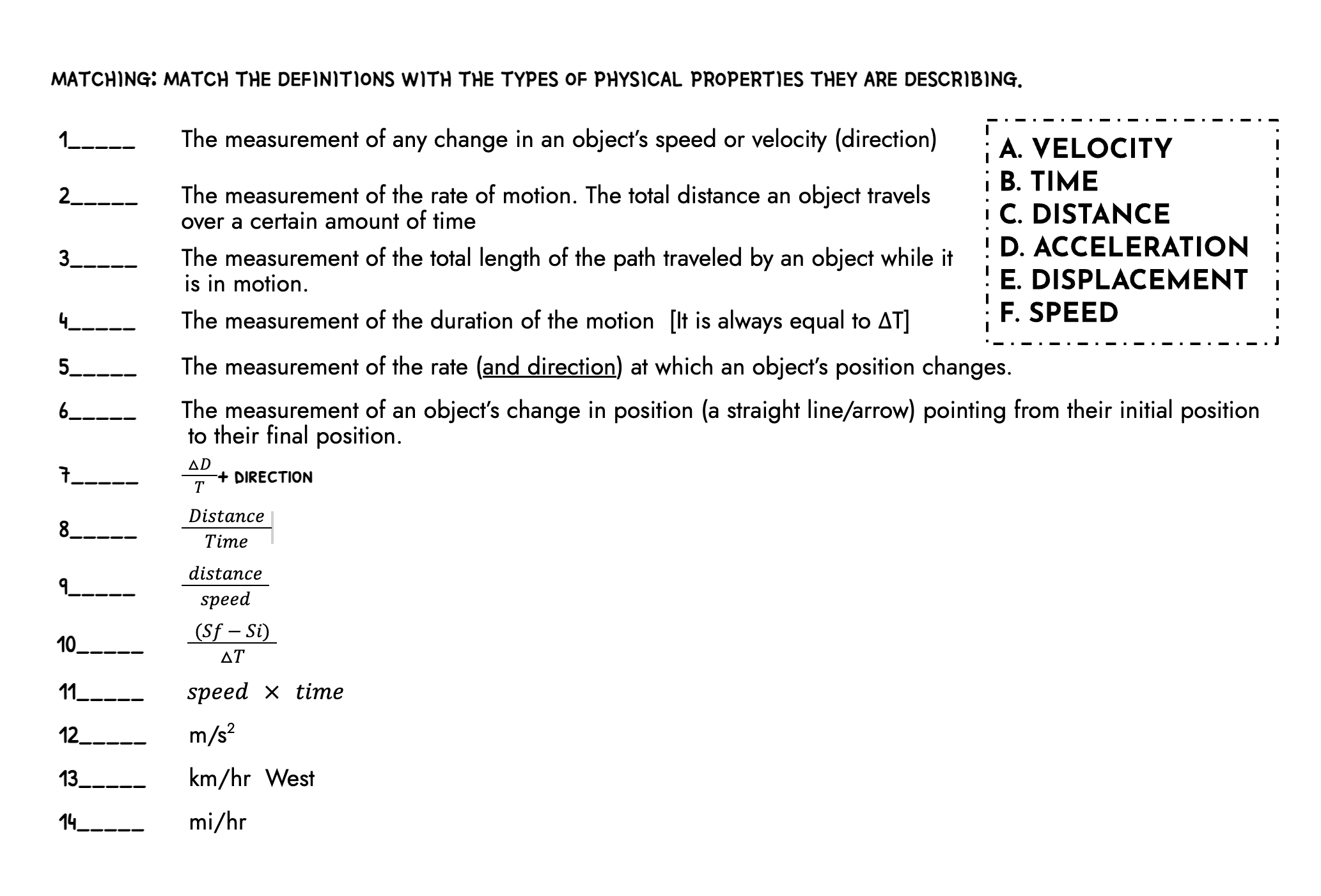
Measurement of any change in an object's speed or velocity (direction)
The measurement of the rate of motion. The total distance an object travels over a certain amount of time
The measurement of the total length of the path traveled by an object while it is in motion
The measurement of the duration of the motion (it is always equal to ▵T)
The measurement of the rate (and direction) at which an object's position changes
The measurement of an object's change in position (using an arrow that points in a straight line) from its initial position to its final position.
Match the formula provided to the dimension below. Look at your paper if you need a closer look!
Match the formula provided to the dimension below. Look at your paper if you need a closer look!
Match the formula provided to the dimension below. Look at your paper if you need a closer look!
Match the formula provided to the dimension below. Look at your paper if you need a closer look!
Match the formula provided to the dimension below. Look at your paper if you need a closer look!
Match the units m/s2 with the correct dimension below
Match the units km/hr West with the correct dimension below
Match the units mi/hr with the correct dimension below
What do we call the pink lines outlining a geometric shape in front of the runner, containing the points of reference he uses to assess his motion?
What is the speed of Runner #1 (blue line) at 2.5 seconds?
Type the number, followed by the letters that represent the correct units. Do not put a space or any other words.
What is the average speed of runner number 2 (red line)
Type the number, followed by the letters that represent the correct units. Do not put a space or any other words.