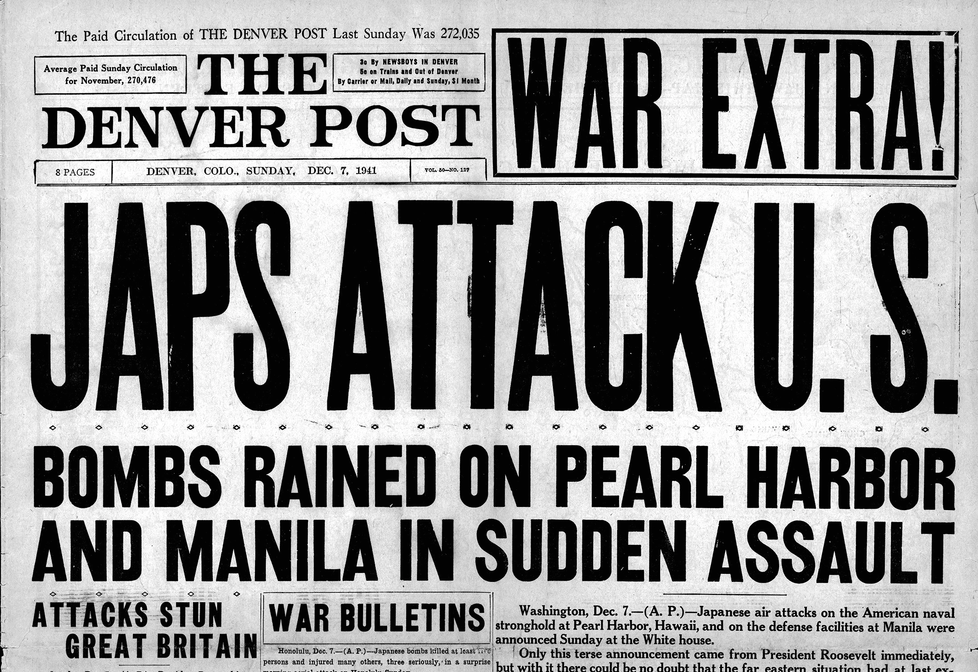
Kamikaze strikes against Allied warships were prevalent throughout World War II. The Japanese had demonstrated near-fanatical resistance, fighting to almost the last man on Pacific islands, committing mass suicide and unleashing kamikaze attacks. Kamikaze pilots deliberately crashed specially made planes directly into enemy warships, which resulted in suicide. In these kamikaze attacks, more than 3,000 Japanese pilots committed suicide, and it resulted in the deaths of more than 7,000 casualties among American, Australian, and British personnel.
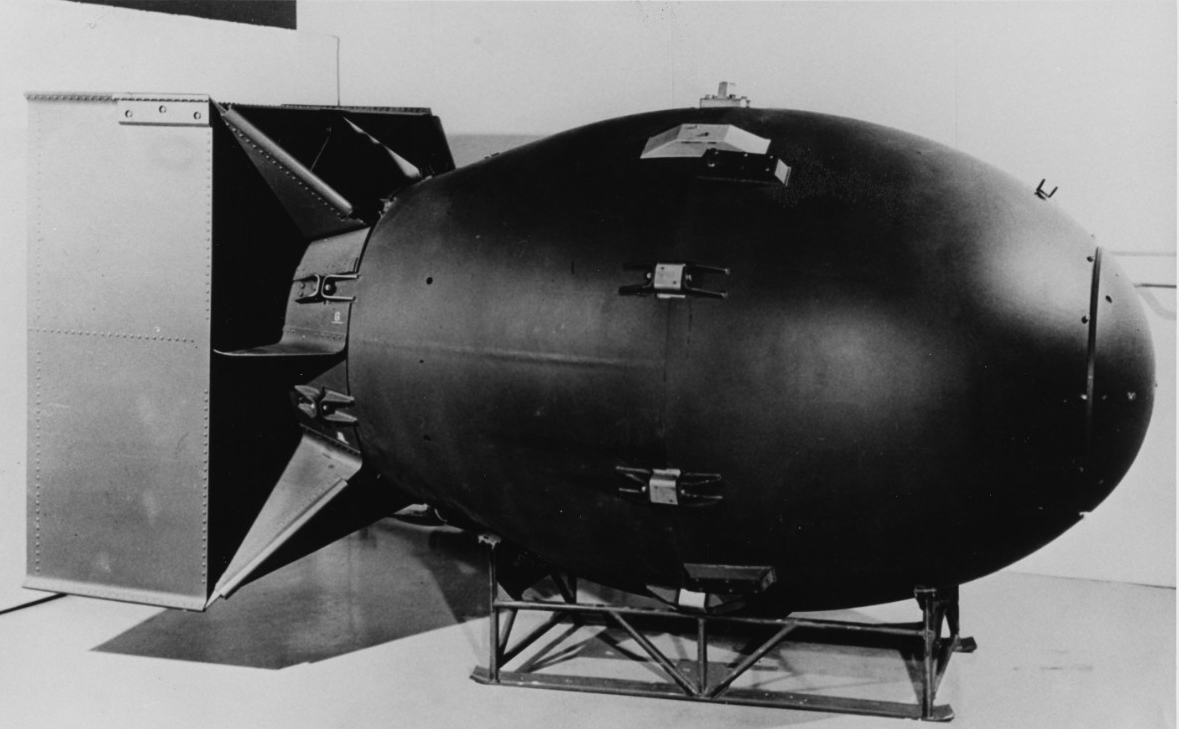
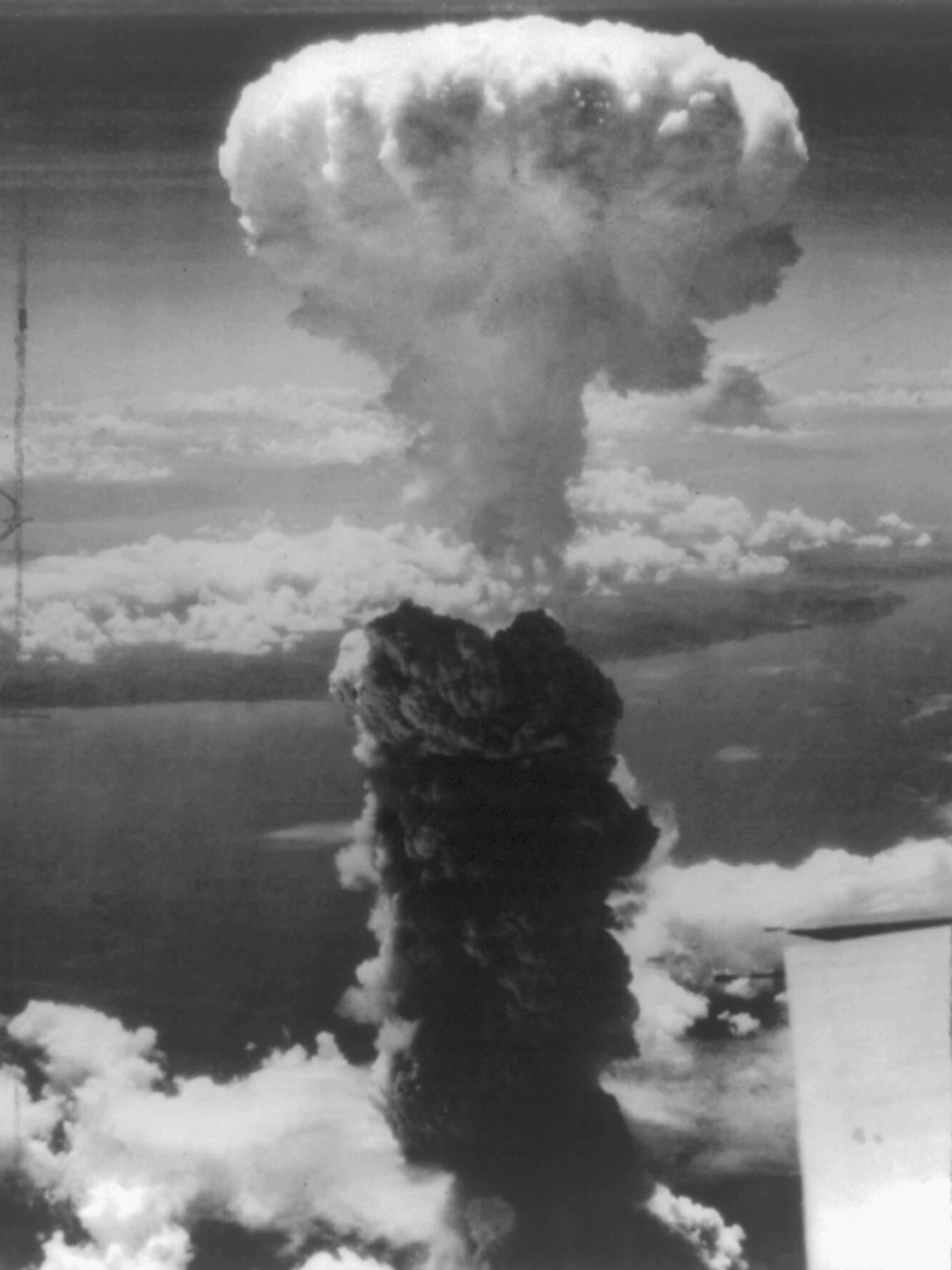
Dropping the Atomic Bomb was the only thing that would have persuaded the Japanese government to surrender.
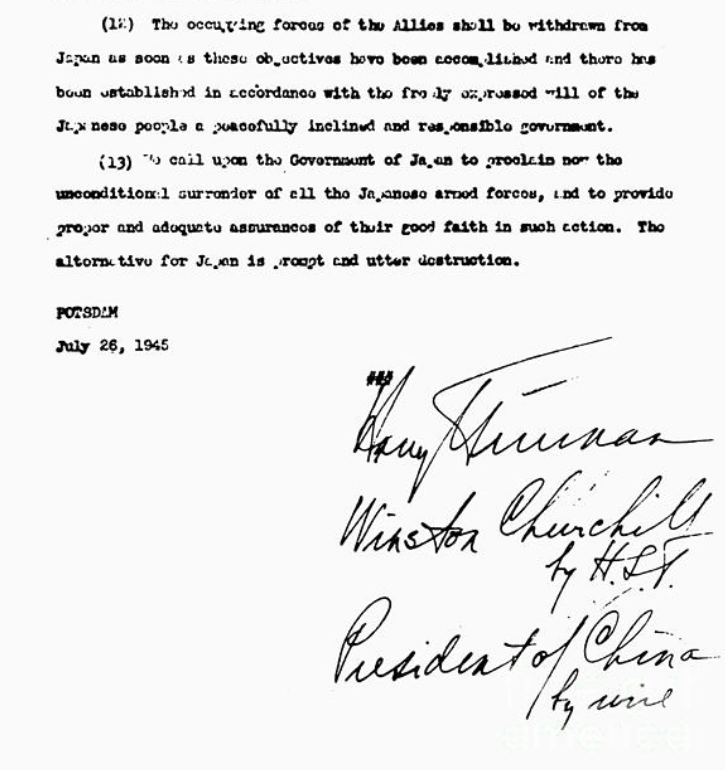
Even the prospect of an American invasion of their homeland had not tempted the Japanese government into surrendering. The odds were heavily stacked against the Japanese defeating any invasion, yet surrendering was unheard of in their culture. Had the Americans landed, then the defenders would have fought to the death and taken as many of the invaders with them as they could.
The dropping of the atomic bombs gave the Japanese government no realistic alternative to surrendering. They had no way of stopping the United States from dropping more atomic bombs on any of their cities. They were not aware that there had only been two bombs available, and rightfully took the decision to surrender instead of risking the destruction of another city.