Do First - Case Study: The Aral Sea

Last updated 11 months ago
10 questions
1
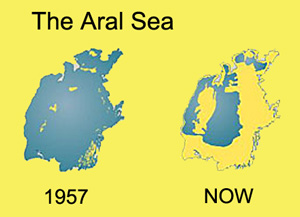
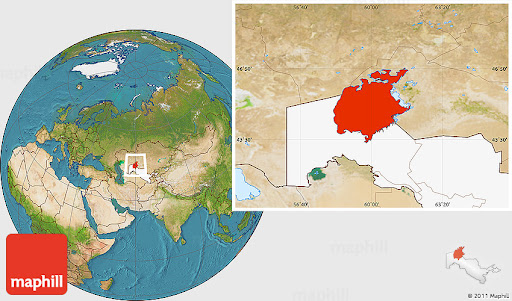
Prior to the 1970s, the Aral Sea, which is located in central Asia, was the fourth largest lake in the world. The lake was supplied with freshwater from two major rivers, the Amu Darya and Syr Darya, and located in a basin where the only water loss was due to evaporation. Local economies were supported by the fisheries in the lake.

In the 1960s, the Soviet government, which had control of the Aral Sea at the time, diverted large amounts of water from the Amu Darya and Syr Darya rivers to grow cotton and other crops. The engineers behind this project knew this withdrawal would cause the sea to recede. They thought the benefits of an agricultural economy would outweigh the losses to the fishing industry supported by the lake.

Within 10 years, the Aral Sea was rapidly losing water as evaporation exceeded the amount of water still flowing into the lake. The shoreline began to shrink, causing fisherman to travel farther into the water. The lake's salinity, or how salty the water is, greatly increased. This destroyed the fisheries. By 1980 the fishing industry collapsed.
1

Describe what the Aral sea looked like prior to the 1970's.

1
1

Where were large amounts of water diverted from the Amu Darya and Syr Darya rivers?

1
1
1
Order the steps

What happened is that ___________________________________________________________________________________________________________________ ____________________________________________________________________________________
Other Answer Choices:
shoreline began to shrink
causing fisherman to travel farther into the wate
evaporation exceeded the amount of water still flowing into the lake
the Aral Sea was rapidly losing water
1

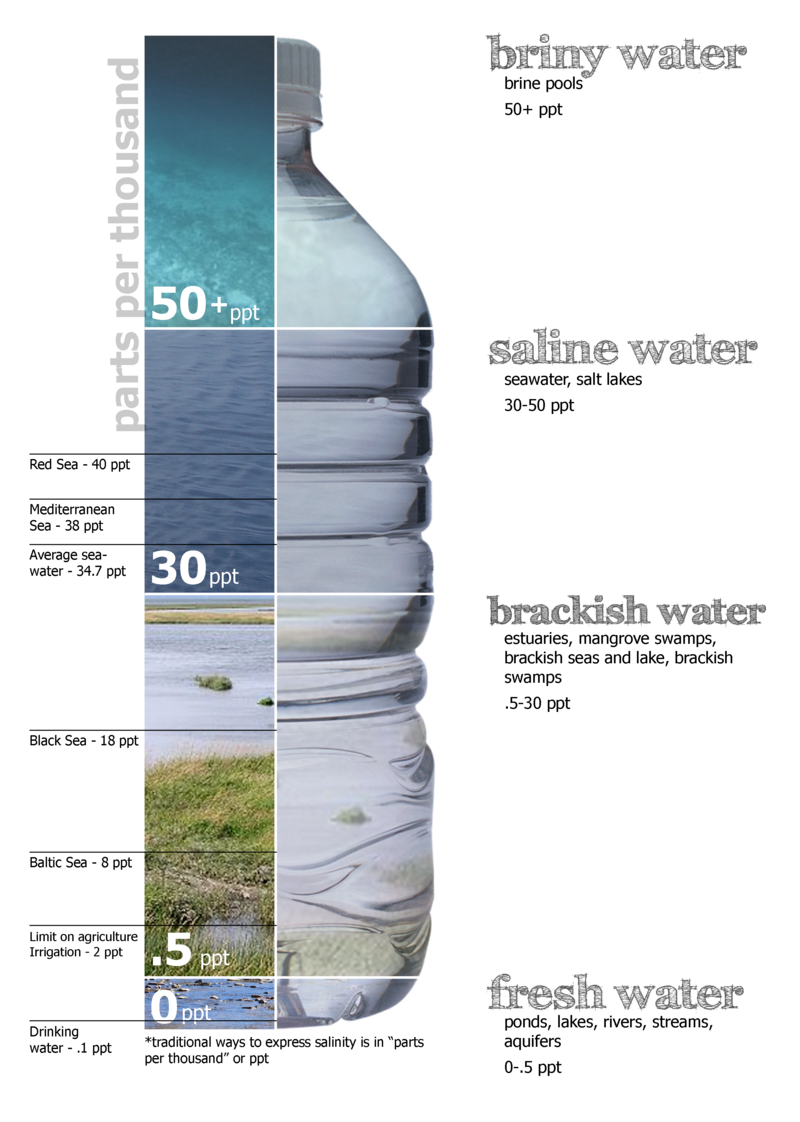
What does it mean when it says that the lakes salinity increased?

Not only did the lake dry up, but the two rivers carried fertilizer downstream. The salt left behind from evaporation mixed with these chemicals creating a layer of contaminated salt on the lake bed. This salt was carried by the wind and created less productive crop lands and human health problems.
1
The lake soon __________. It also carried__________ downstream. Salt left by __________ mixed with the chemicals contaminating the surface water. Salt was then carried by the __________ creating less productive crop lands and human health problems.
Ultimately, the loss of the Aral Sea altered the regional climate and led to many health and economic problems. The human modifications of this natural system produced severe environmental consequences.
1