Homework - Down the Drain
star
star
star
star
star
Last updated about 1 year ago
11 questions
Note from the author:
Background information
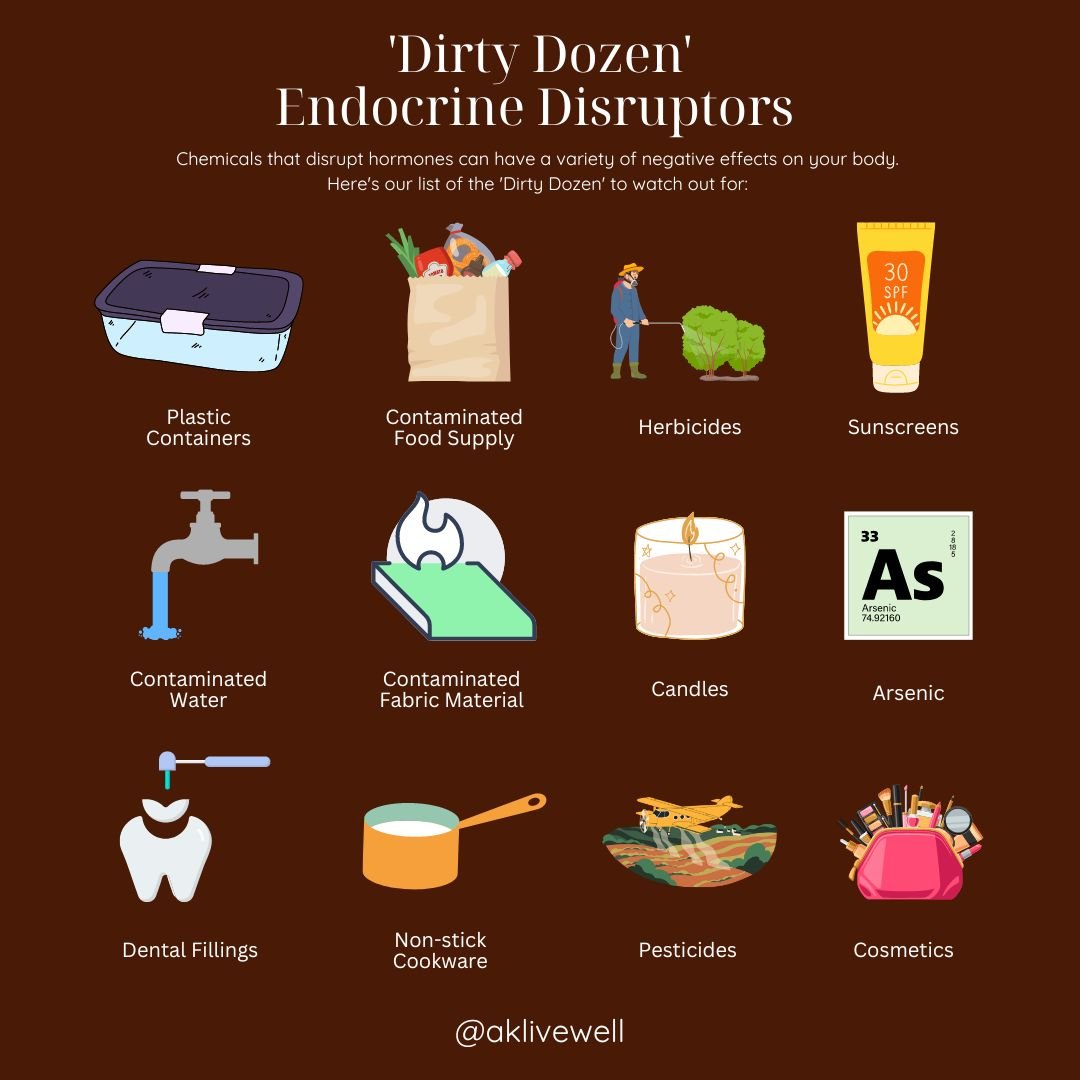
Endocrine Disruption is Inherently Toxic
International Endocrine Society: • A hormone disruptive substance is an exogenous chemical, or mixture of chemicals, that interferes with any aspect of hormone action.
“Environmental chemicals that interfere with any aspect of hormone action should be presumed to produce adverse effects.”
The Great Lakes have faced various threats for years, from industrial pollution to invasive species, but another challenge worries many researchers these days — the emerging chemical threat.
It’s not just pesticides, as scientists are finding worrying levels of pharmaceutically active compounds such as anti-inflammatories, antibiotics, anti-epileptics, and beta blockers in lake water. As well, hormones, pesticides and alkylphenols have been identified as threats.
These products and medicines flushed down toilets and dumped into sinks are not stopped at water treatment plants, which are not geared to deal with them
A new report prepared for the International Joint Commission by two Windsor, Ont., researchers has outlined the threats the chemicals pose. The International Joint Commission was formed by the U.S. and Canadian governments to find solutions to problems in the Great Lakes Basin.
The compounds "are receiving attention due to their potential adverse effects on animals and humans at low levels of exposure," said the report, co-authored by Merih Otker Uslu and Nihar Biswas of the University of Windsor. They sound a warning later in the report, which is a review of data collected from 2007-11. "The toxic effects on aquatic organisms, alterations on the reproductive system of aquatic organisms and the promotion of the development of resistant bacterial strains representing a health risk to humans, are among the adverse effects of these compounds.
Background information
Endocrine Disruption is Inherently Toxic
International Endocrine Society: • A hormone disruptive substance is an exogenous chemical, or mixture of chemicals, that interferes with any aspect of hormone action.
“Environmental chemicals that interfere with any aspect of hormone action should be presumed to produce adverse effects.”
The Great Lakes have faced various threats for years, from industrial pollution to invasive species, but another challenge worries many researchers these days — the emerging chemical threat.
It’s not just pesticides, as scientists are finding worrying levels of pharmaceutically active compounds such as anti-inflammatories, antibiotics, anti-epileptics, and beta blockers in lake water. As well, hormones, pesticides and alkylphenols have been identified as threats.
These products and medicines flushed down toilets and dumped into sinks are not stopped at water treatment plants, which are not geared to deal with them
A new report prepared for the International Joint Commission by two Windsor, Ont., researchers has outlined the threats the chemicals pose. The International Joint Commission was formed by the U.S. and Canadian governments to find solutions to problems in the Great Lakes Basin.
The compounds "are receiving attention due to their potential adverse effects on animals and humans at low levels of exposure," said the report, co-authored by Merih Otker Uslu and Nihar Biswas of the University of Windsor. They sound a warning later in the report, which is a review of data collected from 2007-11. "The toxic effects on aquatic organisms, alterations on the reproductive system of aquatic organisms and the promotion of the development of resistant bacterial strains representing a health risk to humans, are among the adverse effects of these compounds.
9