What Does a Warming Climate Mean for Ecosystems on Land?
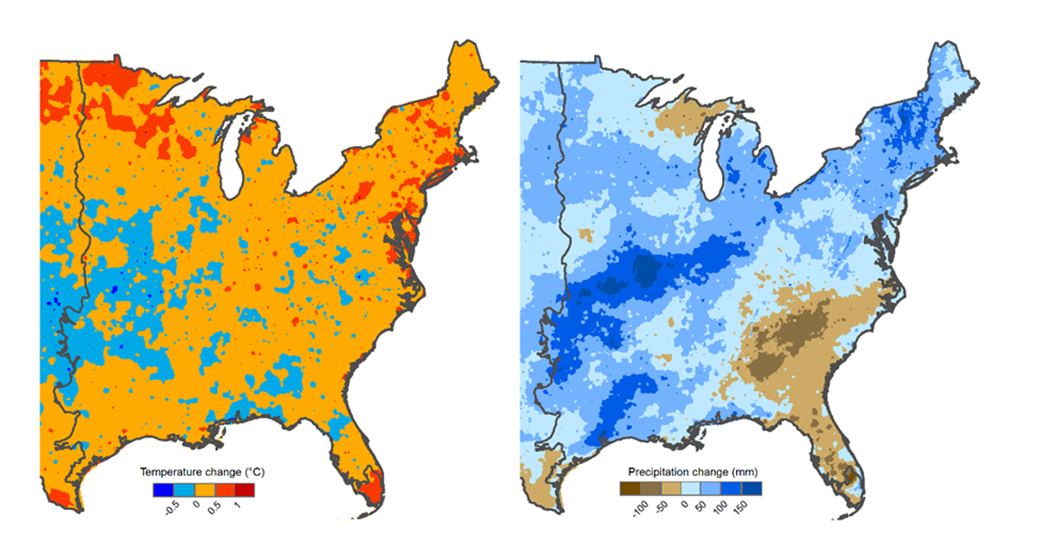
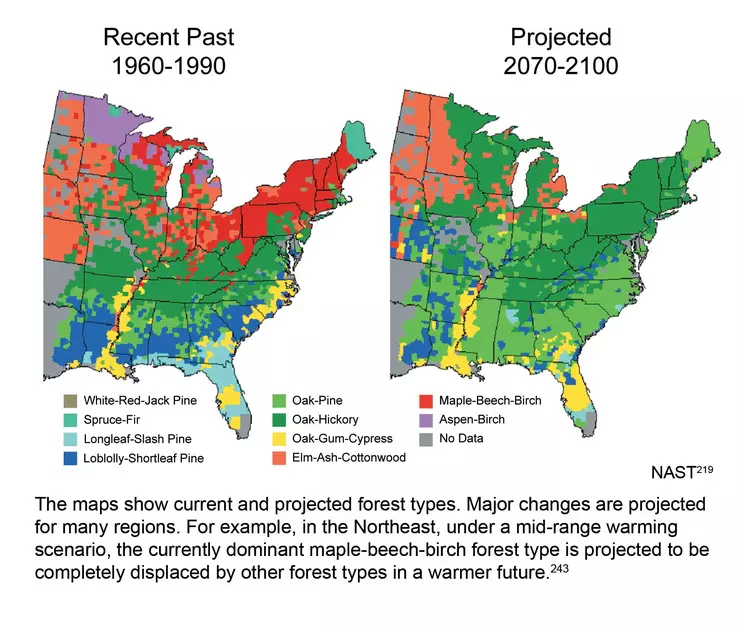
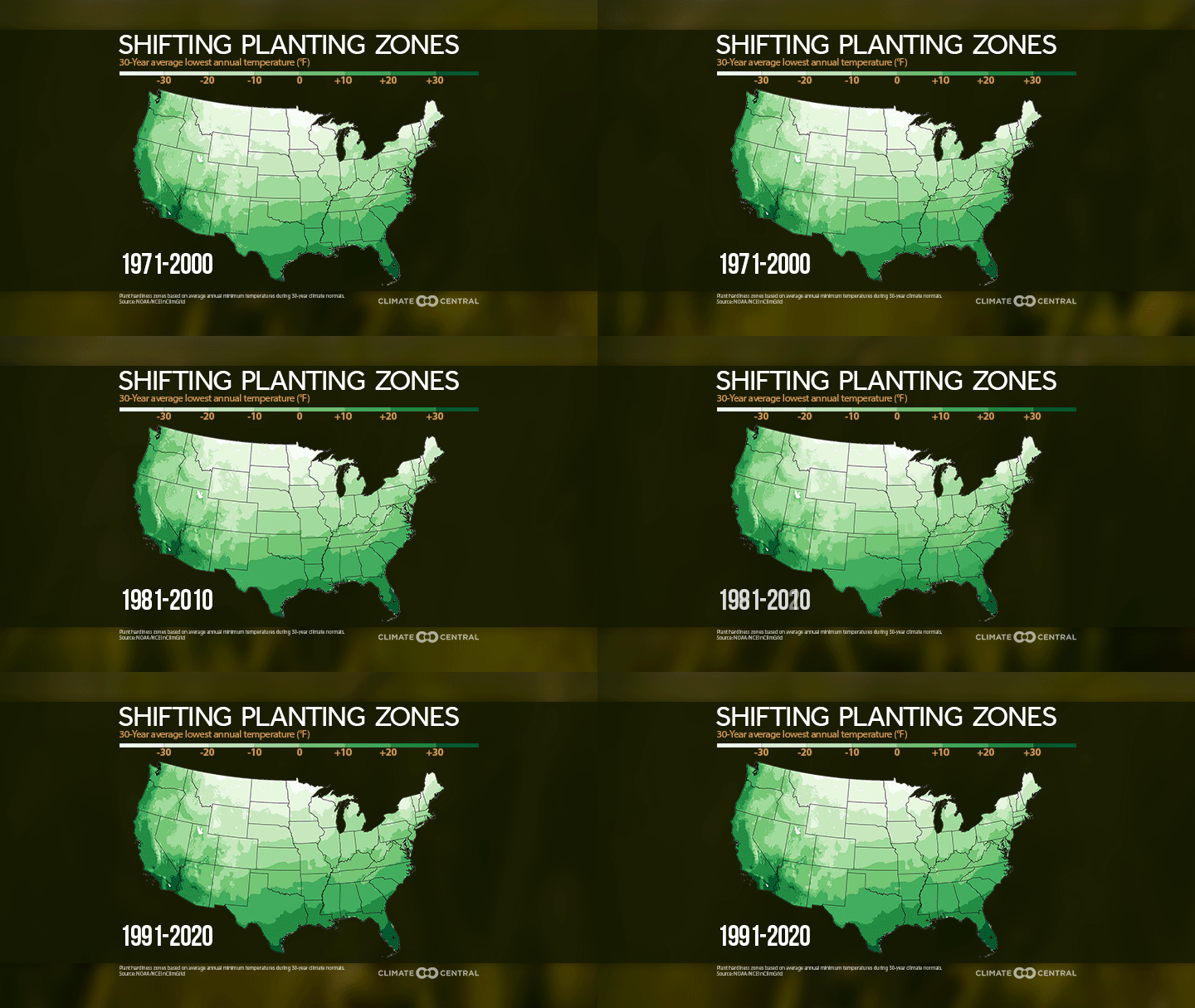
The geographic distribution of organisms can be significantly altered by climate change. As climates warm, organisms that were formerly restricted to warmer regions will become more common toward the poles.
1 point
1
1 point
1
Question 2
2.
Draw an image of the statement below:
"As climates warm, organisms that were formerly restricted to warmer regions will become more common toward the poles."
Shifting Ecosystems
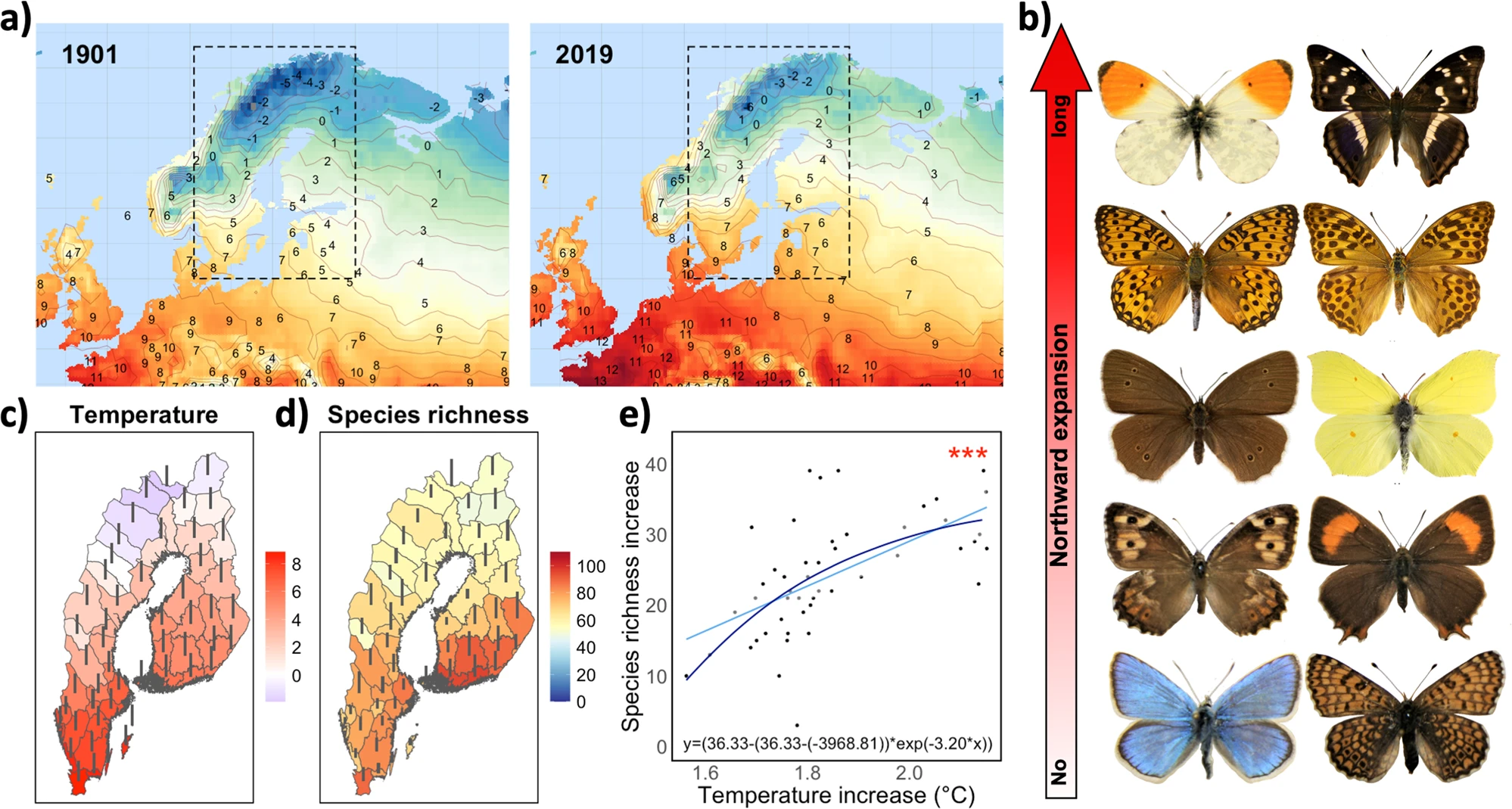
Biologists report that animals are breeding earlier or extending their ranges into new territory as the climate changes. In Europe and North America, for example, 57 butterfly species have either died out at the southern end of their range, or extended their northern limits, or both.
1 point
1
1 point
1
Question 4
4.
What are two big consequences of climate change mentioned in the text that biologists are reporting?
1 point
1
Question 5
5.
In this video, what do you notice about this polar bears activity. Why did it expand its range?
Plants are also moving into new territories. Given enough time and a route for migrations, many species may adapt to new conditions, but we are now forcing many of them to move much faster than they moved at the end of the last ice age. Trees such as oaks typically migrate at a rate of a 400 hundred meters per year, about 1/10 of the rate of the temperature over land.
1 point
1
1 point
1
Question 7
7.
The main ideas in the text is:
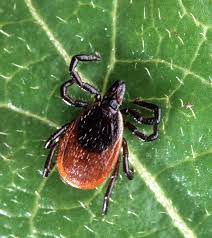
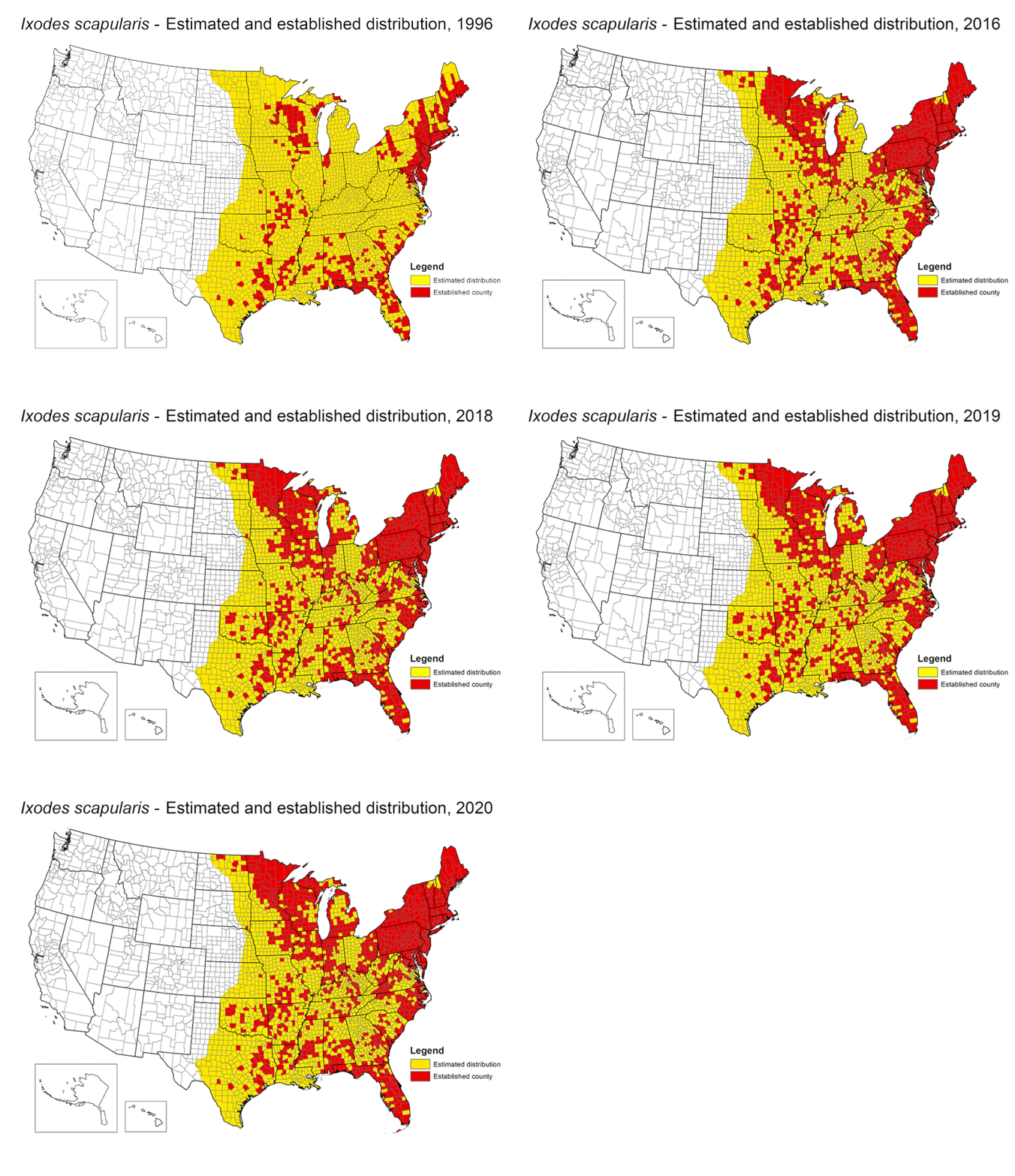
Insect pests and diseases have also expanded their ranges as hard winters have retreated northward. Mosquitoes, for example have spread as warmer temperatures heat up environments that were previously too cold. While this increase in habitat is beneficial for organisms that use these insects as a food source, mosquitoes are carriers of infectious diseases.
1 point
1
1 point
1
Question 9
9.
What is an example of infectious diseases spreading as a result of climate change?
Understanding the climate system is essential to understand the ways in which we can minimize the impact. We can choose to pursue mitigation strategies that slow the pace of climate change or adaptation strategies that adjust to its impact.
1 point
1
Addressing Climate Change
Strategies and activities to address climate change today are important, yet it could be 100 years or more before the effects of today's actions are realized. Meanwhile, societies must adjust to increasingly warmer climates. Some societies already are doing just that. In France, farmers are planting crops that can tolerate warmer temperatures. In Austria, ski resorts are planning hiking trails and golf courses for a future without snow. In Copenhagen, Denmark, new subway systems are will be built with raised structures that allow for the rise in sea level that is expected from global warming.
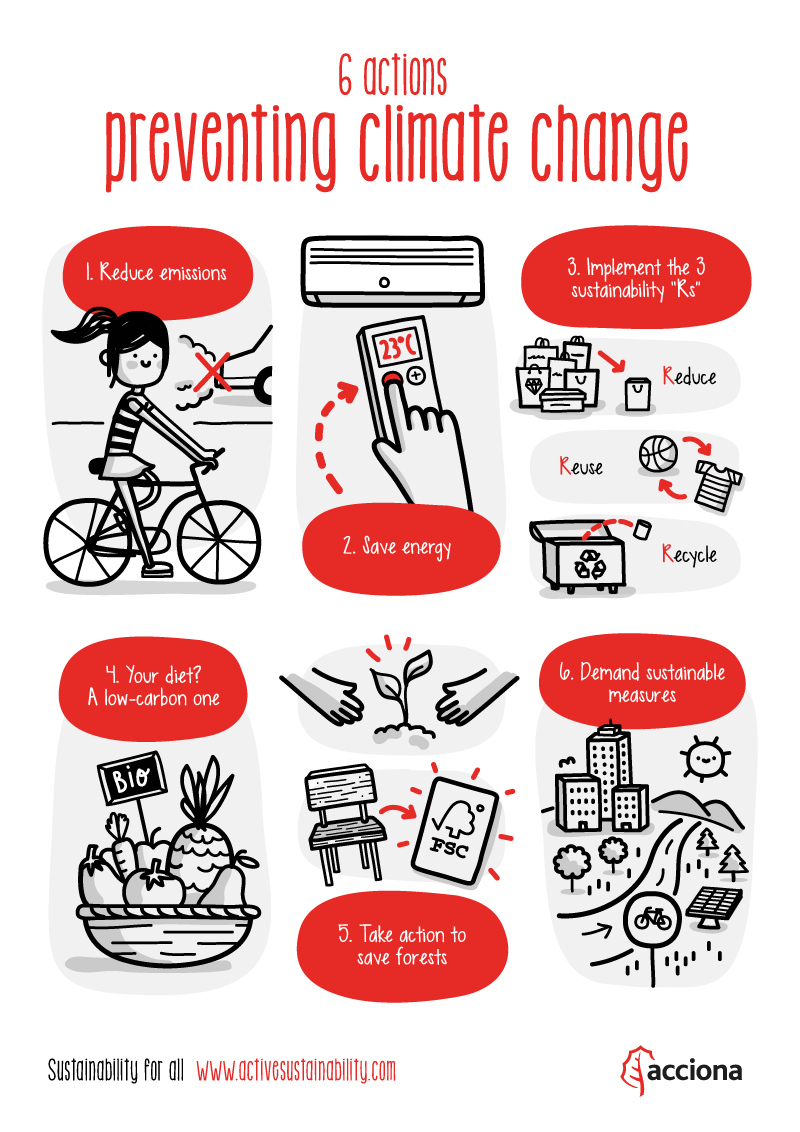
Reducing the level of climate change might seem challenging. However, solutions are possible if we choose to act as individuals and as a society. In the previous lesson, you learned about ways to reduce human impact on Earth's land, water, and air. Many of the same activities and technologies can help reduce human impact on climate as well.
1 point
1
1 point
1
Question 12
12.
Which of the following adjustment strategies do believe will be the most effective. Explain why in 3-4 sentences.