Log in
Sign up for FREE
arrow_back
Library

Civics Final: 2023 Cumulative

star
star
star
star
star
Last updated almost 3 years ago
20 questions
4
4
10
4
4
4
4
4
4
4
4
6
4
4
4
16
4
4
4
4
Question 1
1.

Question 2
2.

Question 3
3.
Fill in the Chart Below with the Following Words
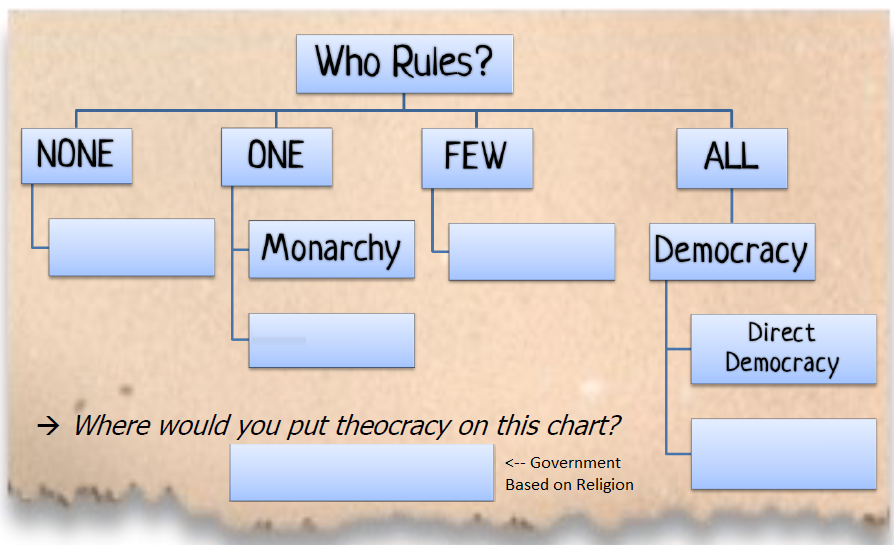
Other Answer Choices:
Representative Democracy
Theocracy
Anarchy
Dictatorship
Oligarchy
Question 4
4.

Question 5
5.

Question 6
6.

Question 7
7.

Question 8
8.

Question 9
9.

Question 10
10.

Question 11
11.

Question 12
12.
Fill in the Chart Below with Checks and Balances between the 3 Branches of Government:
In other words: What can each branch do to check the power of the other branches?
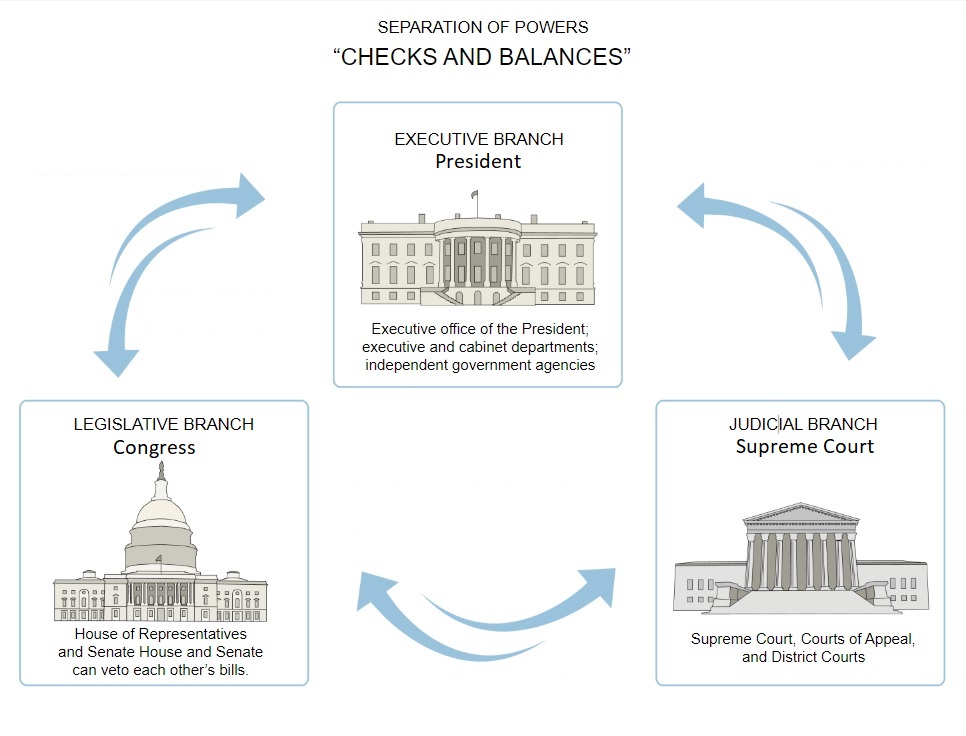
Other Answer Choices:
Can declare laws unconstitutional
Can Veto New Laws
Nominates & Appoints Judges
Can declare actions to be unconstitutional
Can impeach judges and remove them from office
Impeach the President; Override Vetoes, Approve Nominations
Question 13
13.

Question 14
14.

Question 15
15.

Question 16
16.

Question 17
17.

Question 18
18.

Question 19
19.

Question 20
20.

Why are watchdogs necessary in the Media?
To determine which ice cream flavors are the best
To keep people safe from the cutest puppies
To make sure that nothing gets stolen
To expose important news so people can make informed decisions
Which of the following are examples of how News Media help to set Public Agenda?
Reliable News helps people to know what's going on in the world
The News Media chooses which stories grab people's attention, focus, and priorities
The News Media tells people what is true/false so they know what to believe
The News just really loves cute little puppies, and oatmeal cookies, too, which are the best
Which of the following means that ONLY ONE person can rule the government?
(Only one correct answer)
Anarchy
Oligarchy
Dictatorship or Tyranny
Monarchy
Which of the following is NOT a limit on Government?
Federalism
A Constitution
Rule of Law
Separation of Powers
An example of Oligarchy is..
The few over the many - like a military take-over
Everyone has the right to vote for their representatives and on their laws
A King or Queen sharing power with Parliament or Congress
No-one being in control - Like the Purge
Which of the following is NOT a core element of a Democracy?
A strong Economy, with lots of GDP (Gross Domestic Product)
Legislative Bodies to Write Laws
Voting Rights & Elected Officials
A Court System to make sure the laws are just and fair
People voting for elected representatives helps to guarantee which of the following?
Rights of the Minority
Rule of Law
Separation of Powers
Consent of the Governed
Which of the following is needed to guarantee Separation of Power?
Different countries fighting wars
Different levels of government between national, state, city, and local government
A strong court System
Balanced branches of government to lead gov't, make laws, & restrict power
Federalism is NOT defined by which of the following?
Three Branches of Government (Legislative, Executive, & Judicial)
A clear centralized government that leads many different groups
The Supremacy Clause, which states that Federal Laws override state laws
A Separation between elected officials at Local, State, and National levels
Which of the following is a core responsibility of the Legislative Branch?
Having the final say on which laws pass
Settling disputes & disagreements between people and government
Reviewing laws to ensure fairness, equality, and justice under the law
Writing laws in the Senate and House of Representatives
"Separate but Equal" was a precedent set by the Supreme Court. A Precedent is...
The final decision of Boston's District Court
The special ability of the Senate to pass laws over the President's Veto
A verdict made by a higher court that sets a standard for future decisions
A verdict voted on by Congress
Legal Citizenship is defined by..
The Social Contract between the public and the government
The legal documented relationship between a person and the government
The Military that governs the public and chooses who belongs
Where someone was born
Which of the following describe the 13th Amendment?
The Abolishment of Slavery
All persons born in the US guaranteed equal protection under the law
Protection from unreasonable search and seizure of property by the Government
Freedom of Speech, Assembly, and Religion
CERER: Choose one of the court cases below, and write a CERER that answers the questions:
  • Why does EVERYONE need "equal protection under the law?"
  • How does this court case demonstrate that some people have more citizenship rights than others?
- Use the case to demonstrate how citizenship was unequal between people
- Refer to the idea of “Equal protections” under the 14th Amendment, and whether treatment was truly equal.
  • Dredd Scott vs. Sandford (Citizenship Prior to the Civil War),
  • Plessy vs. Ferguson (Equality in Travel Between States), or
  • Brown vs. Board (Equality in Education)
For reference: The 14th Amendment’s Equal Protections: “All persons born in the US are guaranteed Citizenship and equal protection of rights and responsibilities under the law.”

Rubric:
  1. Claim: 2 Points
  2. Evidence of Court Case: 2 Points
  3. Reasoning of Impact: 3 Points
  4. Evidence of 14th Amendment: 2 Points
  5. Reasoning on Citizenship: 3 Points
  6. Conclusion: 2 Points
  7. Organization & Clarity: 2
You will need AT LEAST 4 clear sentences, but feel free to write 6 short sentences to make sure you meet the rubric.
Socialism is Based On..
The Market Economy - Buying & selling goods and services for profit
A Combination of all the above
Command Economy - Leaders deciding what resources are best for everyone
Trade Economy - Trading and bartering items for what you need to survive
A Policy Is...
Discussing and compromising to reach an agreement
A plan or strategy for addressing an issue
To build relationships with foreign countries to promote cooperation.
To cut or restrict trade or funding from a group or country
The Laws of Supply And Demand Includes..
Military Force: The combined army, navy, and airforce built by a country
Final goods and services: The FINISHED product sold to the end user.
Total Market Value: The price paid for a good or service
An inverse relationship between supply and demand: A cheaper price means higher demand, more sales, and less supply
GDP (Gross Domestic Product) is NOT defined by...
Total Market Value: The price paid for a good or service
Final goods and services: The FINISHED product sold to the end user.
A Command Economy: Where the Government decides which resources go where
Domestic: Goods and services produced within or inside of a country