1-1 (Intro): Lincoln and Kennedy Coincidence
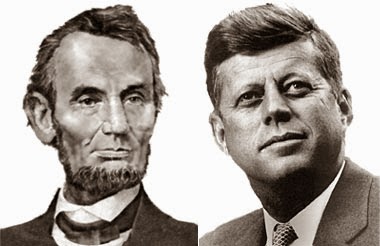
Abraham Lincoln was elected to Congress in 1846. John F. Kennedy was elected to Congress in 1946. Abraham Lincoln was elected President in 1860. John F. Kennedy was elected President in 1960. The names Lincoln and Kennedy each contain seven letters. Both were particularly concerned with civil rights. Both wives lost their children while living in the White House. Both Presidents were shot on a Friday. Both were shot in the head. Kennedy had a secretary named Lincoln. (contrary to popular belief, Lincoln did not have a secretary named Kennedy) Both were assassinated by Southerners. Both were succeeded by Southerners. Both successors were named Johnson. Andrew Johnson, who succeeded Lincoln, was born in 1808. Lyndon Johnson, who succeeded Kennedy, was born in 1908. Both assassins were known by their three names. Both names are comprised of fifteen letters Booth ran from the theater and was caught in a warehouse. (well, more like a shed, but that's a little detail we have forgotten..) Oswald ran from a warehouse and was caught in a theater. Booth and Oswald were assassinated before their trials.