#5 Big Tobacco Ads
star
star
star
star
star
Posljednje ažuriranje almost 2 years ago
6

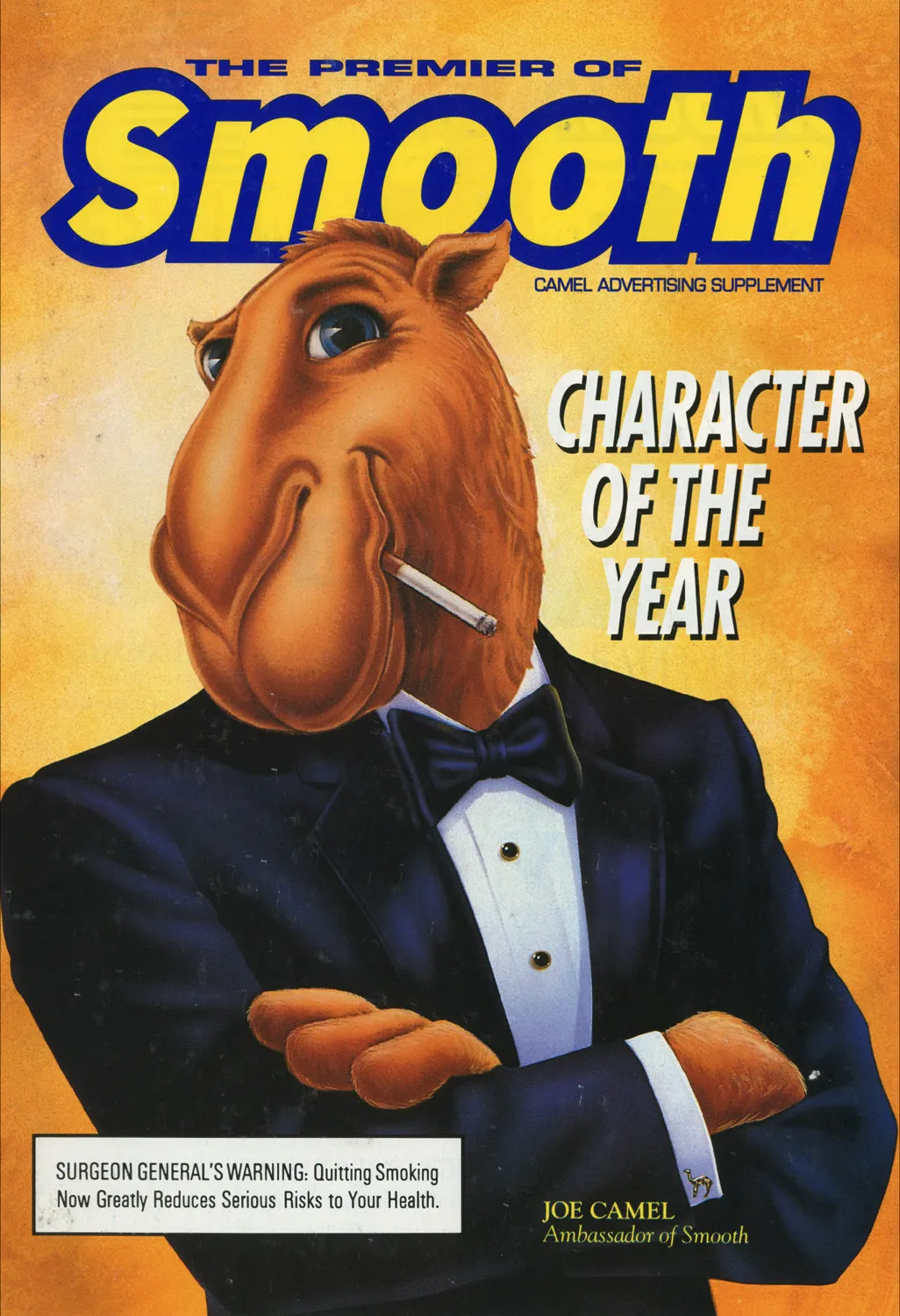

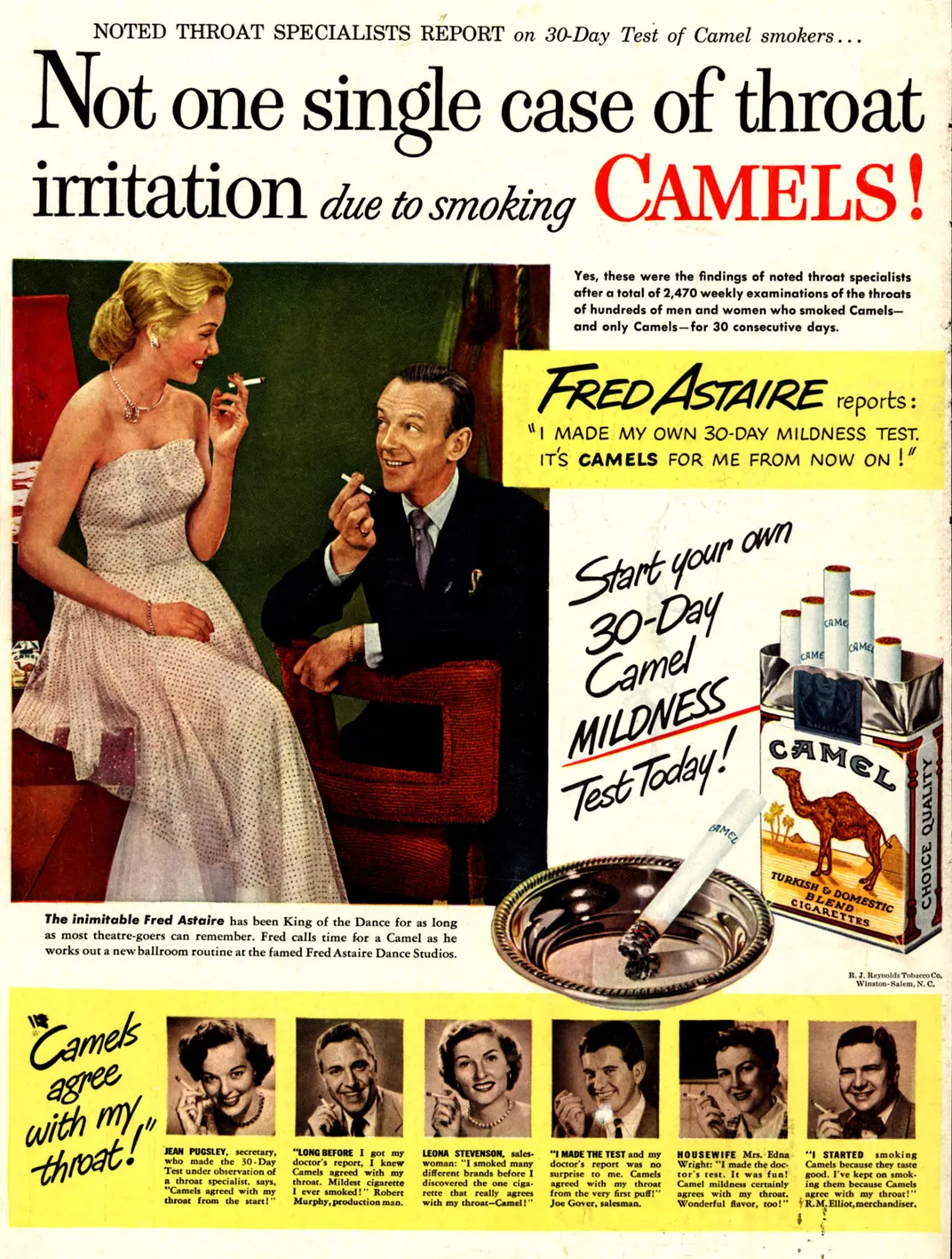
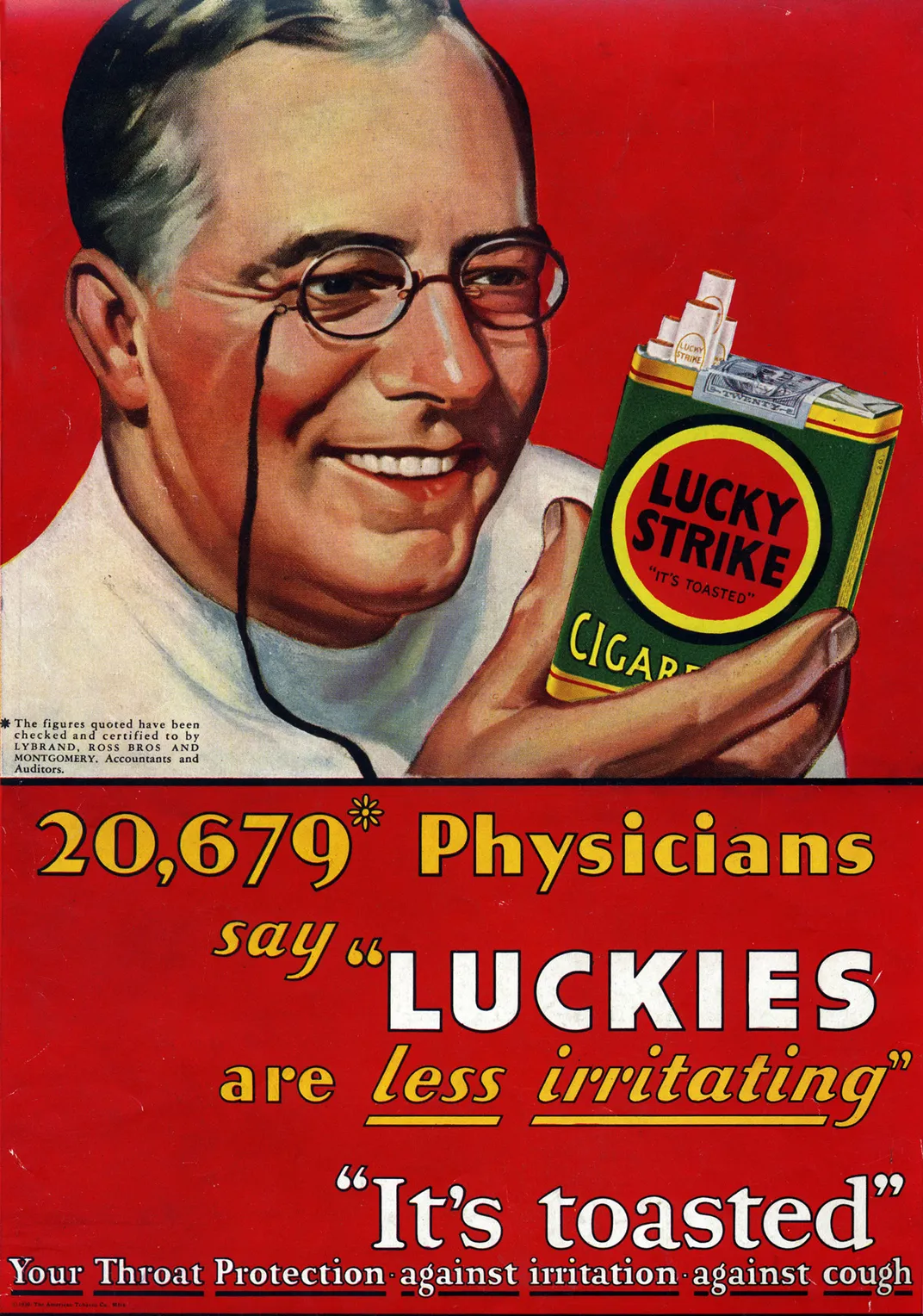

Throughout the late 20th century, the federal government tightened regulations on the placement and content of traditional tobacco advertisements, largely limiting their exposure to children. The first of these regulations came when Congress passed the Public Health Cigarette Smoking Act of 1970 to ban the advertising of cigarettes on television and radio, following the landmark 1964 Surgeon General report that causally linked lung cancer and chronic bronchitis to smoking.
Other efforts from Big Tobacco to target children were eventually stymied by the government as well. In the late '90s, the Federal Trade Commission banned the indelible Joe Camel, and the Food and Drug Administration banned kid-friendly flavors like strawberry, grape, and chocolate from traditional, or combustible, cigarettes in 2009...
Check off all of the ways that the federal government became involved with the tobacco industry by the late 20th century.
...But in the early 2000s, emerging companies promulgated a new way of getting hooked on nicotine: electronic cigarettes, more commonly known as e-cigarettes. Jackler has close to 13,000 items in his collection pertaining to this recent fad, and his research has revealed troubling similarities between the campaigns of old and the practices used today.
"[E-cigarette producers] ignore absolutely everything that was ever agreed to around combustible cigarettes,” says Jackler. His collection of e-cigarette ads is rife with such misleading and targeted messages that hawk everything from pseudoscientific health claims to kid-friendly bubblegum flavors and “back to school” sales. “You have pictures of doctors saying, ‘Use this e-cigarette.’ You have all sorts of claims in e-cigarettes that are the kinds of things that would have been forbidden. E-cigarettes show up on television and radio,” he continued.
Calling the industry an “unregulated Wild West,” Jackler bemoans the familiarity of the techniques he sees in the marketplace. Take the San Francisco e-cigarette startup JUUL, to name one, which advertises “delicious” flavors that promise to “deliver a vapor experience like no other,” all in the service of a lofty mission of helping adults to quit smoking. E-cigarettes’ inroads in disrupting the traditional tobacco industry seemingly would be good news to anti-smoking campaigners, and startups like JUUL capitalize on this perception. They proclaim on their website that they are “driving innovation to eliminate cigarettes.”
However, Jackler and others argue that that e-cigarette companies’ marketing campaigns carry much more appeal to adolescents – most of whom never may have considered smoking traditional cigarettes, and haven’t been subjected to heavy cigarette marketing thanks to new regulations. With bright colors, sleek design and fashionable millennial models, advertisements for JUUL’s high-nicotine product could easily be promoting the newest smartphone line.
“Very clearly, they do the same damn thing today as they did then. The messaging is very subtle, very carefully crafted. They target, in the same way, adolescents,” says Jackler. (UPDATE, 4/13/18: JUUL submitted the following statement via e-mail: "It is absolutely false that Juul markets to anyone other than adult smokers. We could not be more emphatic on this point: Our product is only intended for adult smokers. No young person, and no adult who is already not a smoker, should use our product or any nicotine product. All of our marketing reflects that position.")
E-cigarette companies are required to follow all the same regulations that tobacco companies are required to follow.
Juul issued a statement in 2018 claiming that they only market to adults. Find at least one piece of evidence from this section that counters (goes against) this claim. Copy and paste the evidence here.
At least one fMRI brain imaging study supports Jackler’s claims that e-cigarette ads appeal particularly to kids. Research by Yvonnes Chen at the University of Kansas suggests that some e-cigarette advertisements may trigger high levels of activation in the reward centers of adolescent brains– even for those who had never smoked.
Themes of rebelliousness, sex appeal, and kid-friendly flavors abounded in the e-cigarette ads used in the study, which Chen says likely explains the adolescents’ heightened neural and behavioral responses. “If you take a look at these categories, these have been traditionally used by tobacco companies when they were trying to market the combustible tobacco products,” Chen says. “The appeals are very consistent throughout the decades… and clearly, these are the traits that are traditionally appealing to adolescents and even children.”
Source: Ads for E-Cigarettes Today Hearken Back to the Banned Tricks of Big Tobacco
Current research proves that e-cigarette advertisements definitely trigger high levels of activation in the reward centers of adolescent brains, even in those who have never smoked.
List some of the adolescent themes present in e-cigarette ads that were also present old cigarette ads.
Using adolescent themes in advertising would probably fall into which of the following categories?