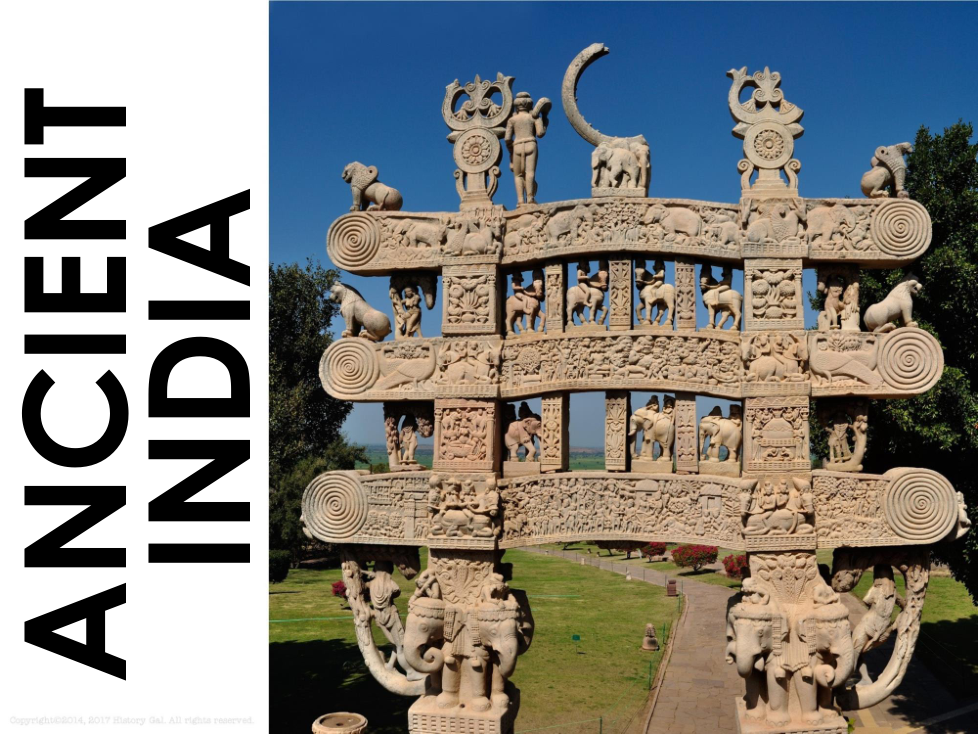
The first half of this Formative is review of 6th grade, In order to understand Medieval Indian History you need to understand the basics of Ancient Indian History.
Created by Mr. Bergh of San Bernardino City Unified School District at Shandin Hills Middle School.
The following resources were utlilized in the creation of this Formative for educational/classroom use:
“Chapter 13: Medieval India.” In EVERYTHING YOU NEED TO ACE WORLD HISTORY IN ONE BIG FATE NOTEBOOK. Workman Publishing Co., Inc., 2016.
& various other online educational materials.
Learning Intention:
I am learning about the changes and parallels between ancient Hindu India, the rise of Buddhism, and then it's conquest by Islam.
Success Criteria:
I can outline the social structure of the caste system.
I know the life and moral teachings of Buddha.
I have discussed the expansion of Muslim rule through military conquests and treaties, emphasizing the cultural blending within Muslim civilization and the spread of Islam in India.
I can describe the growth of cities and the establishment of trade routes among Asia, Africa, and Europe, the products and inventions that traveled along these routes (e.g., spices, textiles, paper, steel, new crops), and the role of merchants.
I understand the intellectual exchanges among Muslim scholars of Eurasia and Africa and the contributions Muslim scholars made to later civilizations in the areas of science, geography, mathematics, philosophy, medicine, art, and literature.
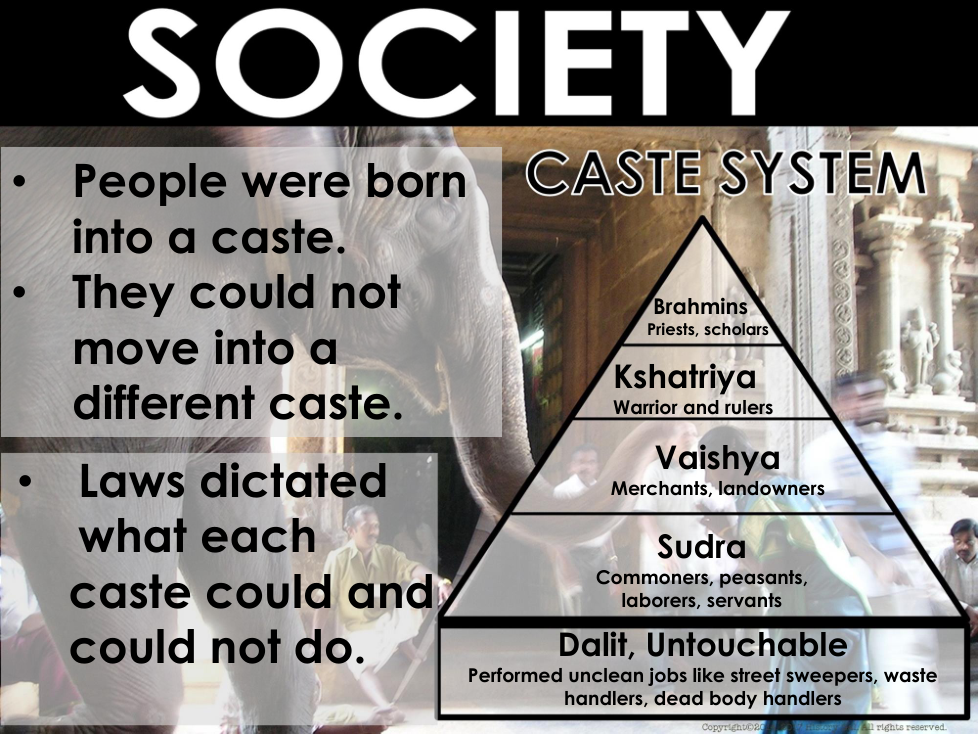
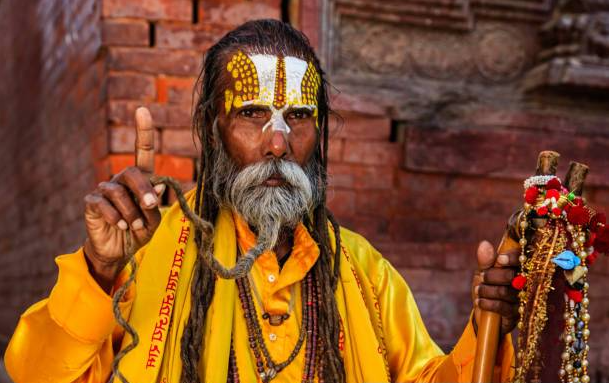
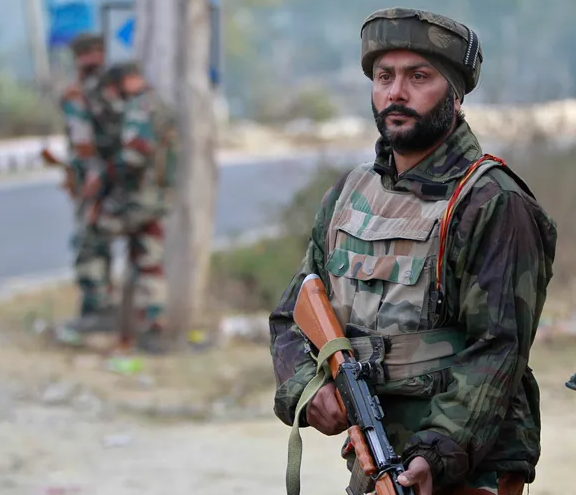
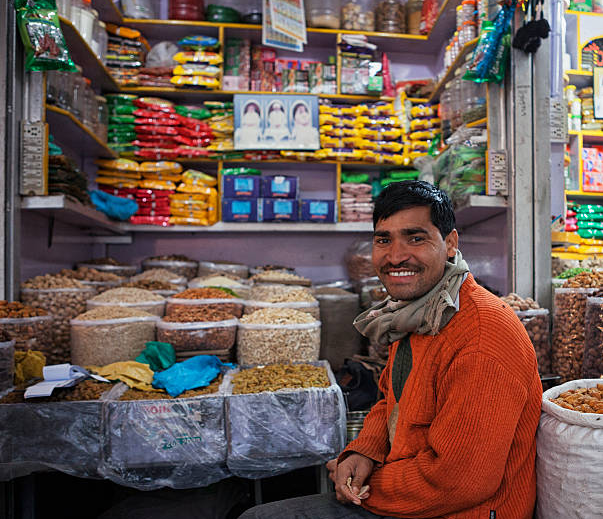
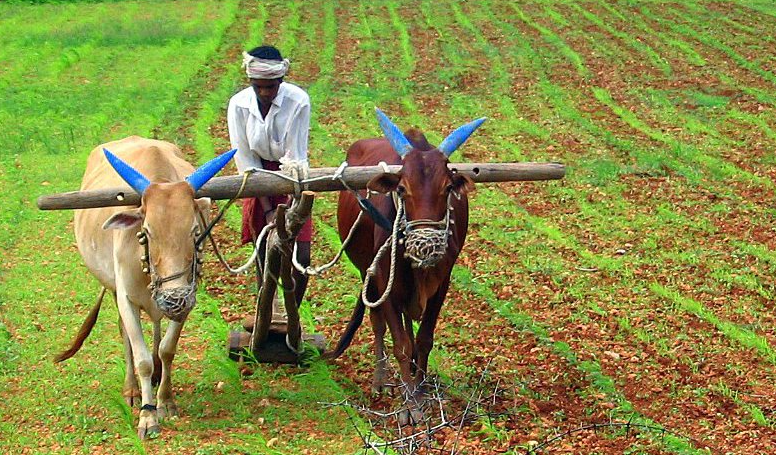
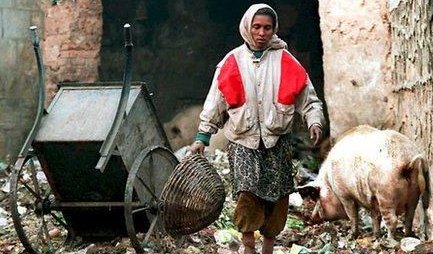
Match the caste with its responsibilities using pictures.
| Draggable item | arrow_right_alt | Corresponding Item |
|---|---|---|
Kshatriya | arrow_right_alt |
|
Vaishya | arrow_right_alt |
|
Dalit, "Untouchable" | arrow_right_alt |
|
Brahmin | arrow_right_alt |
|
Sudra | arrow_right_alt |
|
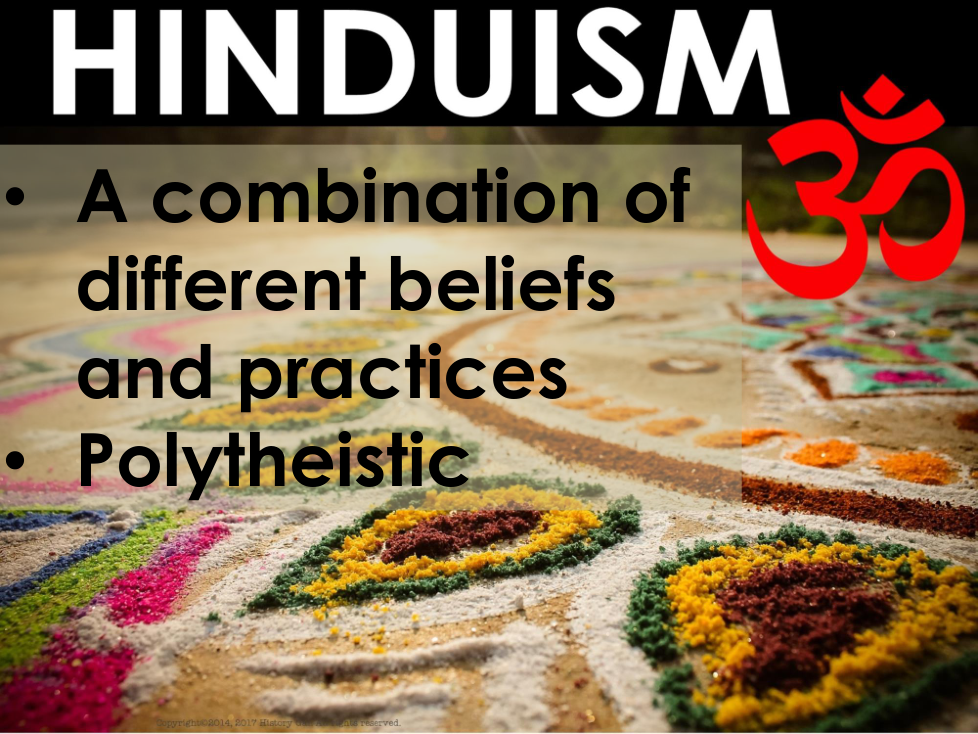
Separate religions into Polytheistic and Monotheistic.
Note from Mr. Bergh, "This is a touchy subject when it comes to some Hindus. Many Hindus believe that they are Monotheistic. Hindus state that all of their many (poly) gods come from one single (mono) powerful spirit of the universe called Brahman."
Polytheistic | Monotheistic | |
|---|---|---|
Christianity | ||
Islam | ||
Judaism | ||
Hinduism | ||
Aztec Faith | ||
Greco-Roman Pantheon | ||
Mayan Faith |
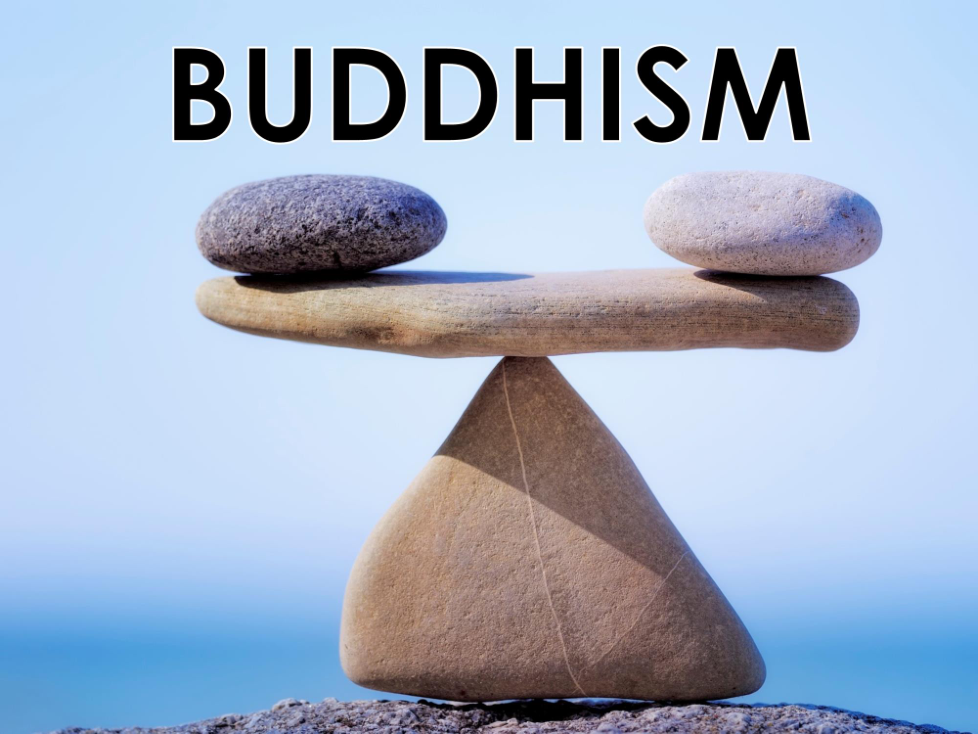
Make an educated guess, a prediction.
In this picture we see two colored rocks balancing on a flat rock, that is balancing on triangle rock, that is balancing on an even bigger rock.
In your opinion, what does this picture have to do with Buddhism?
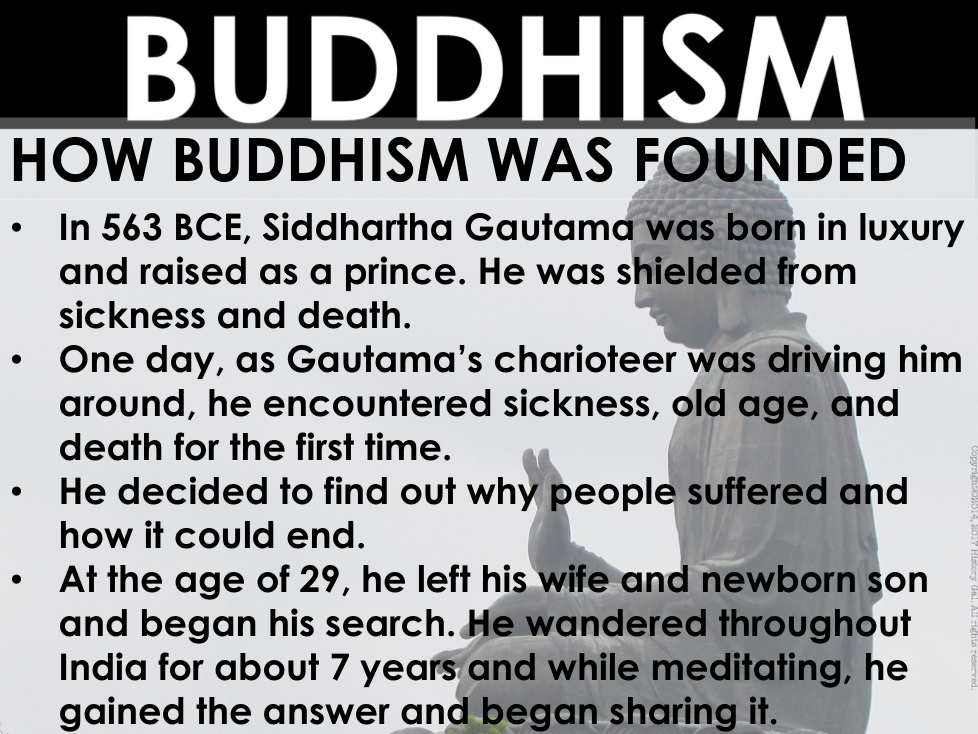
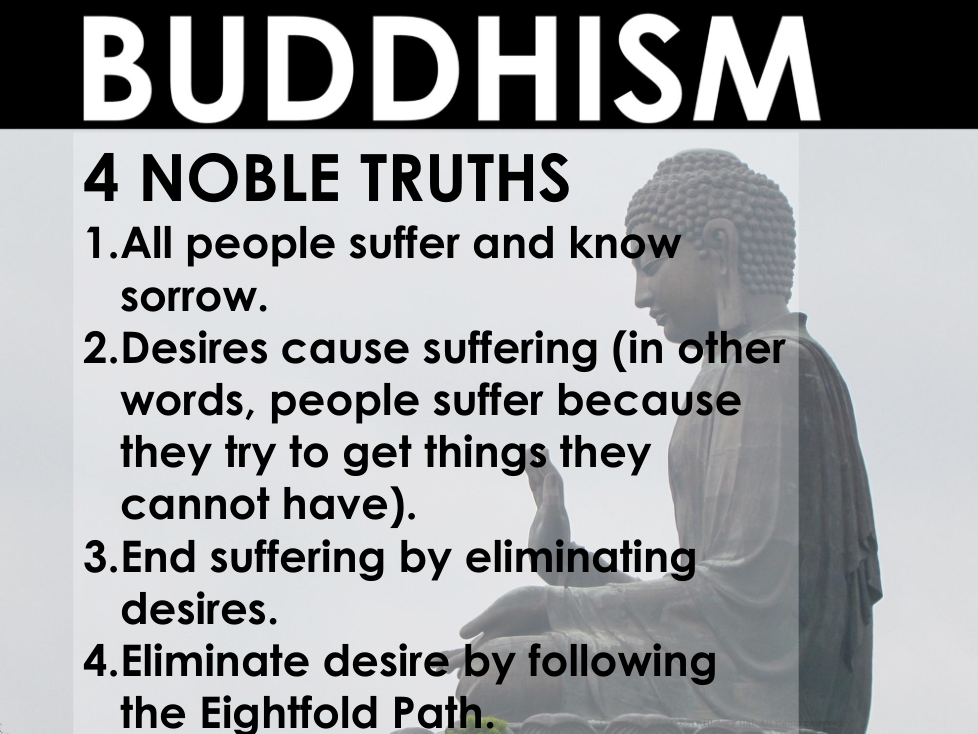
What fundamentally is Buddhism's goal?
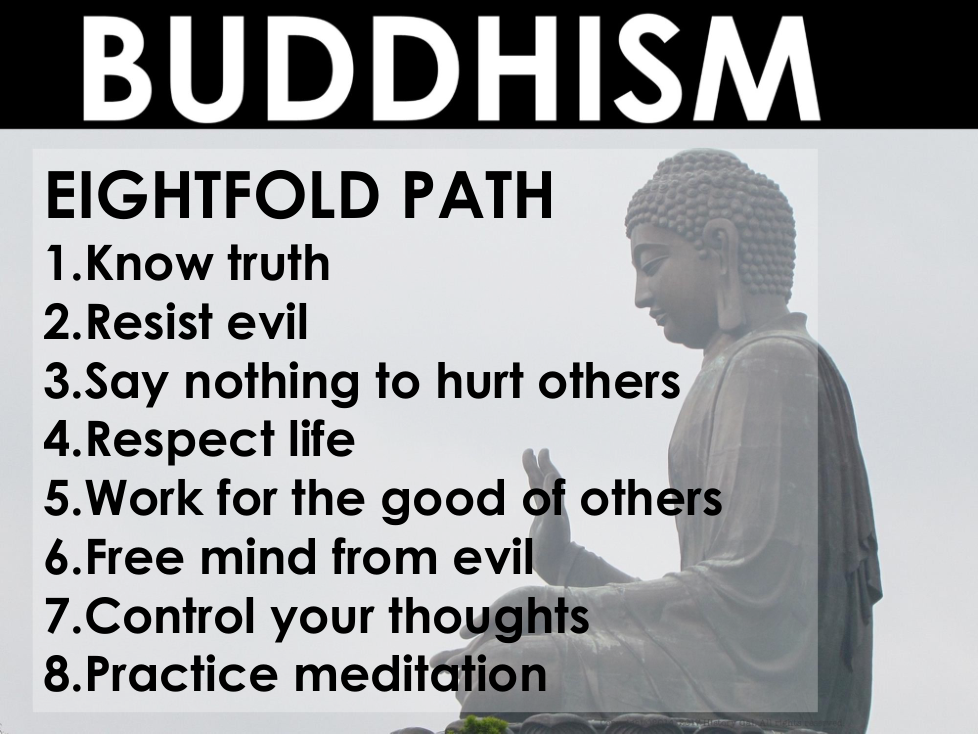
What parts of the Eightfold Path do you agree with? Disagree with? Write at least two (2) sentences.
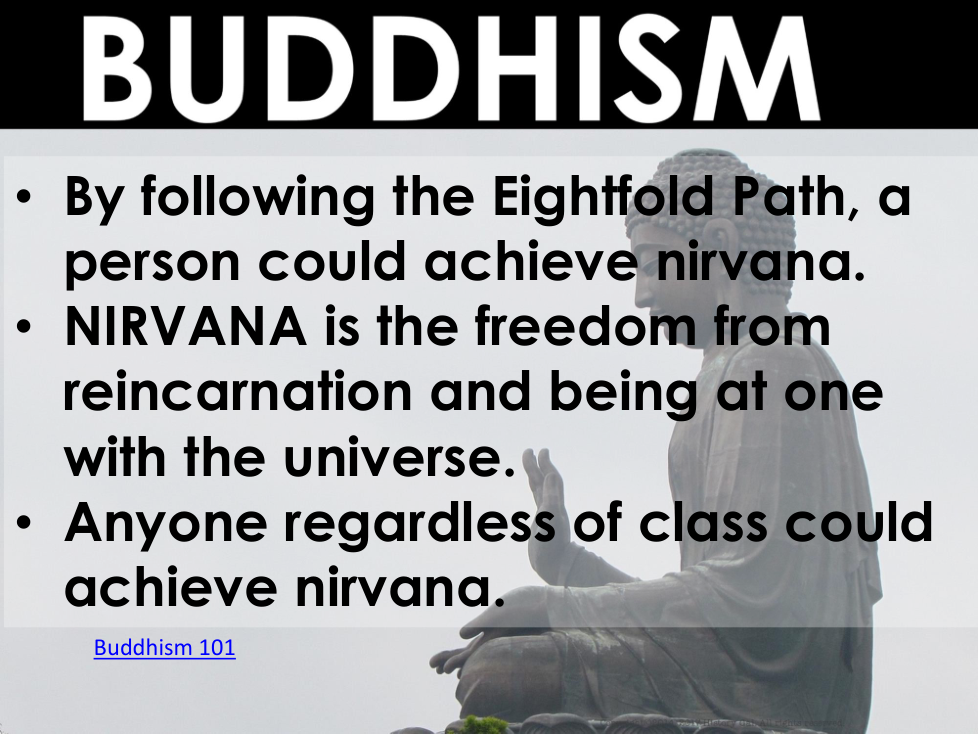
Buddhism is described as a protest religion. Many of the Buddha's teachings protest the ideas of the dominate religion of the time, Hinduism.
What teachings seem to oppose Hinduism? Select all that apply.
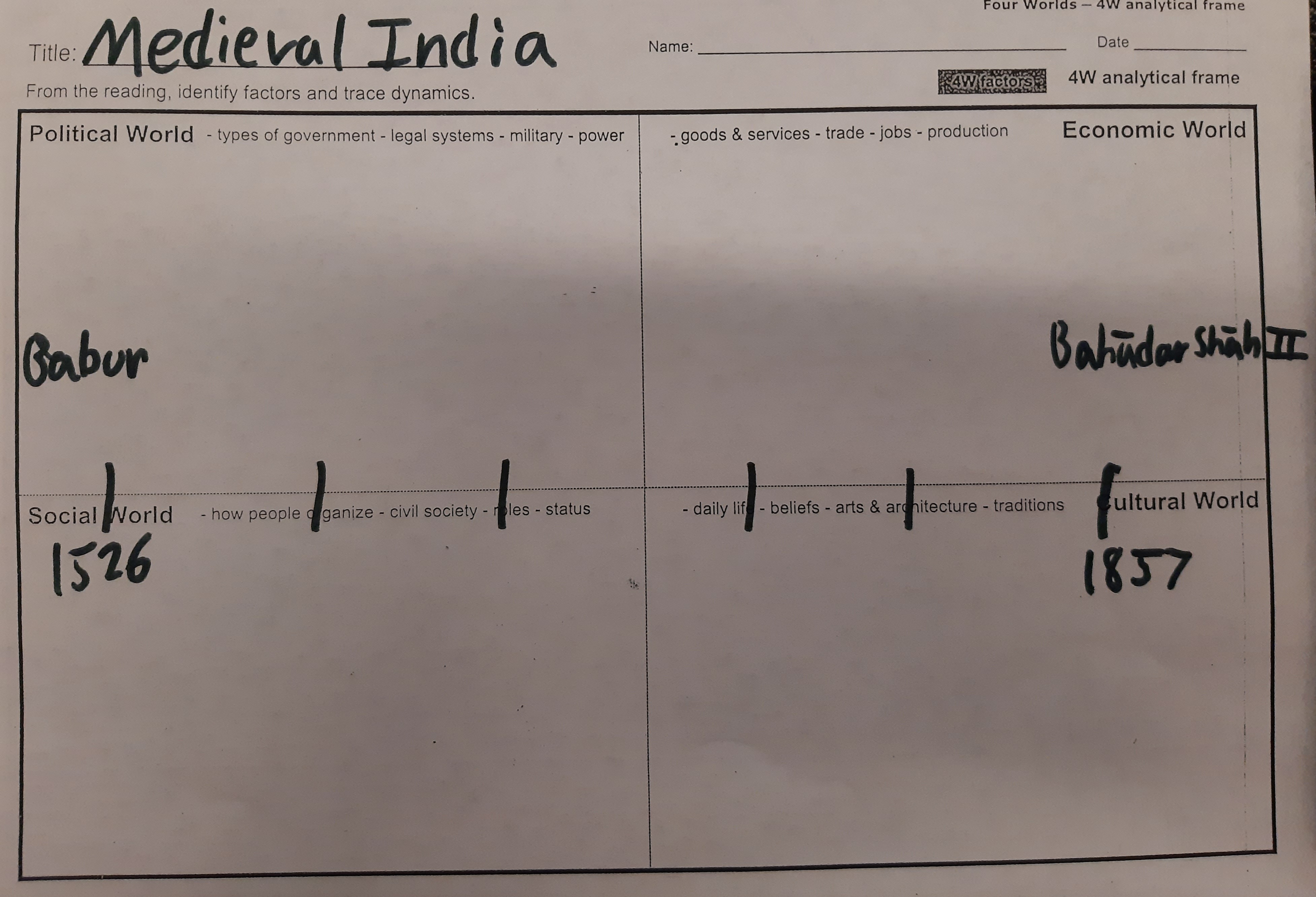
Flip your 4 Worlds sheet to the back and title it Medieval India. If you haven't done so already.
On your 4 Worlds Sheets create a number line using the middle line between the top and bottom two boxes. This will be used to create a basic timeline of the events of Medieval India. Use the video and readings below to fill in the timeline.
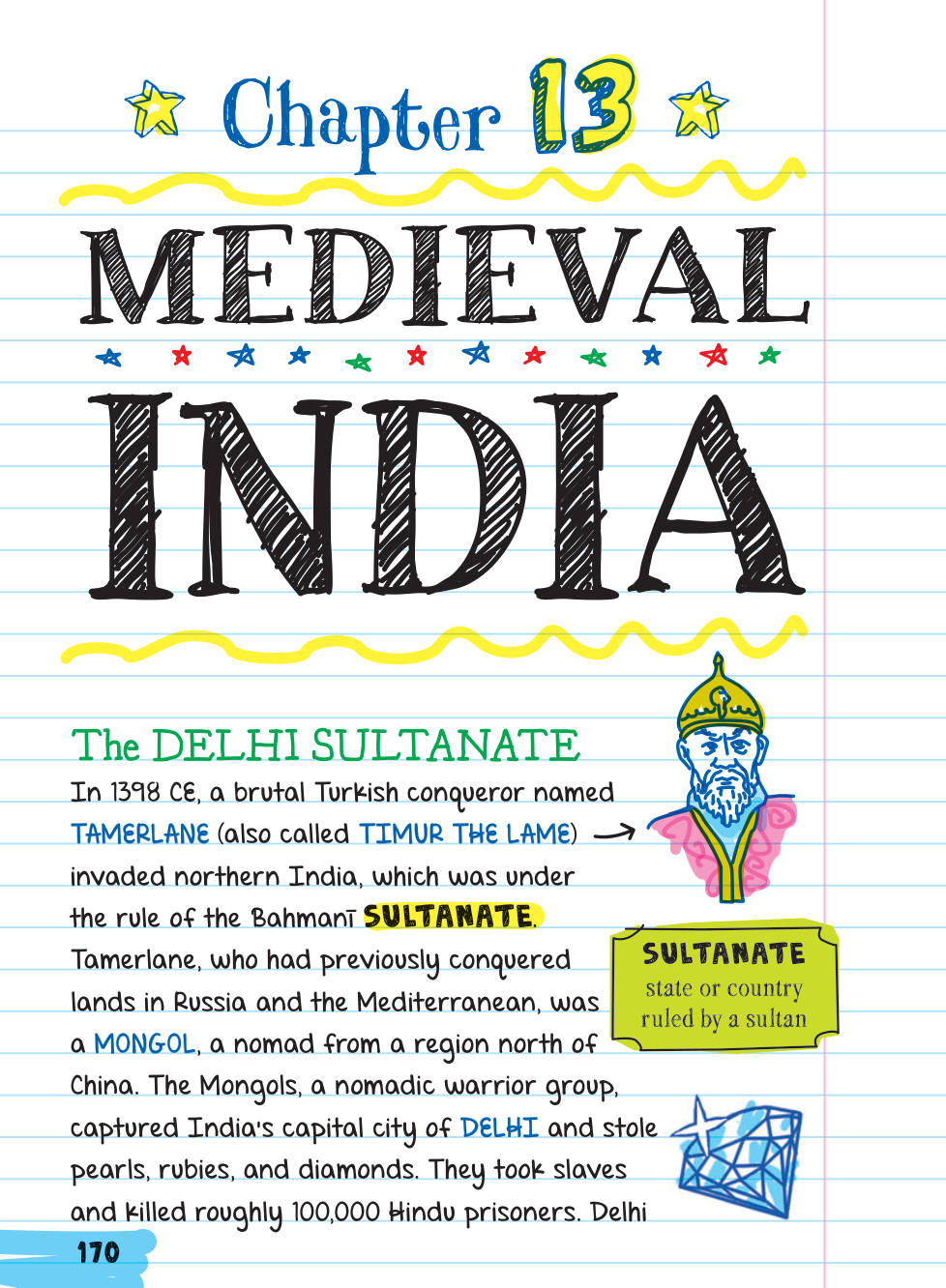
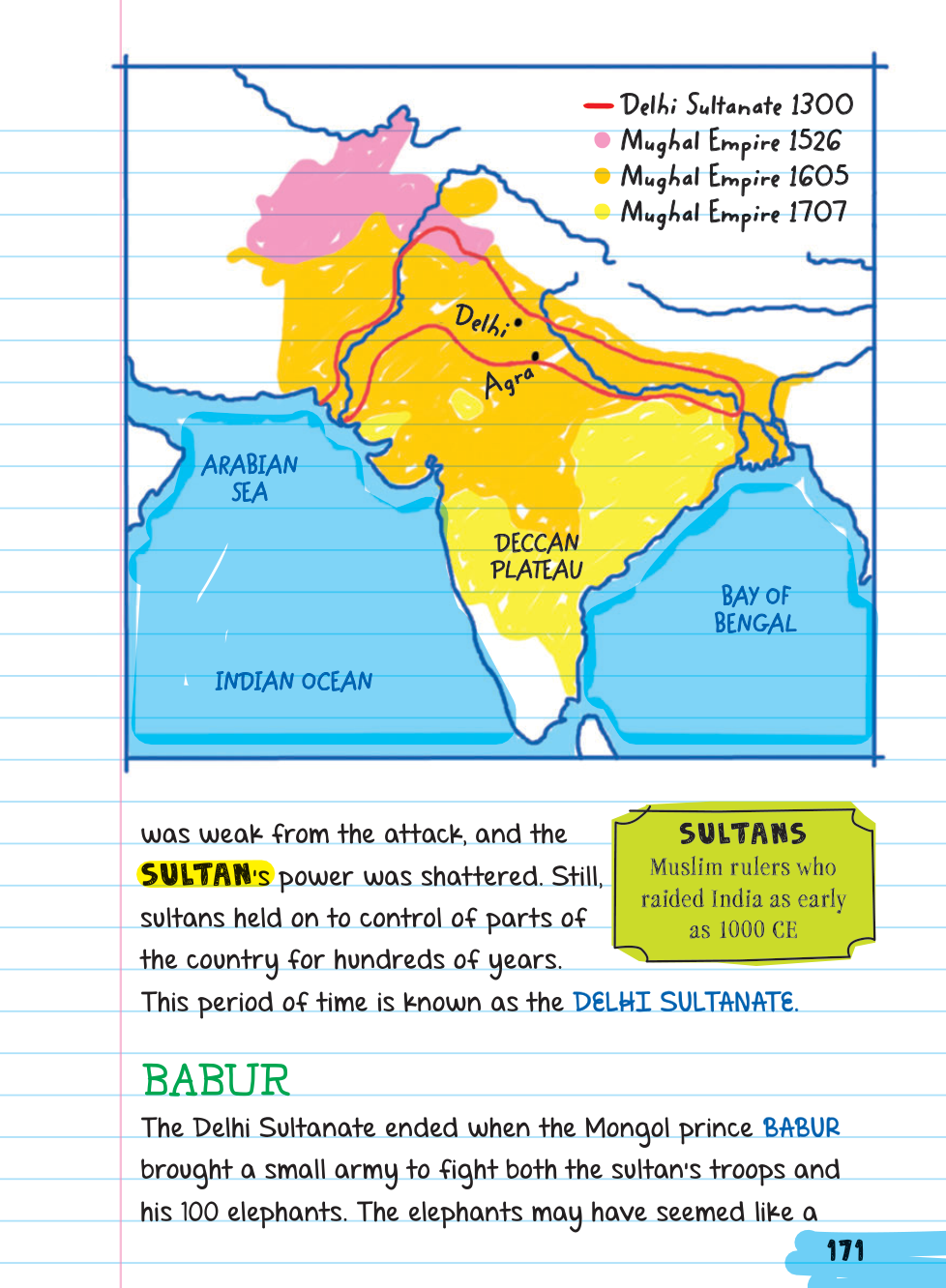
The Delhi Sultanate was a Muslim kingdom.
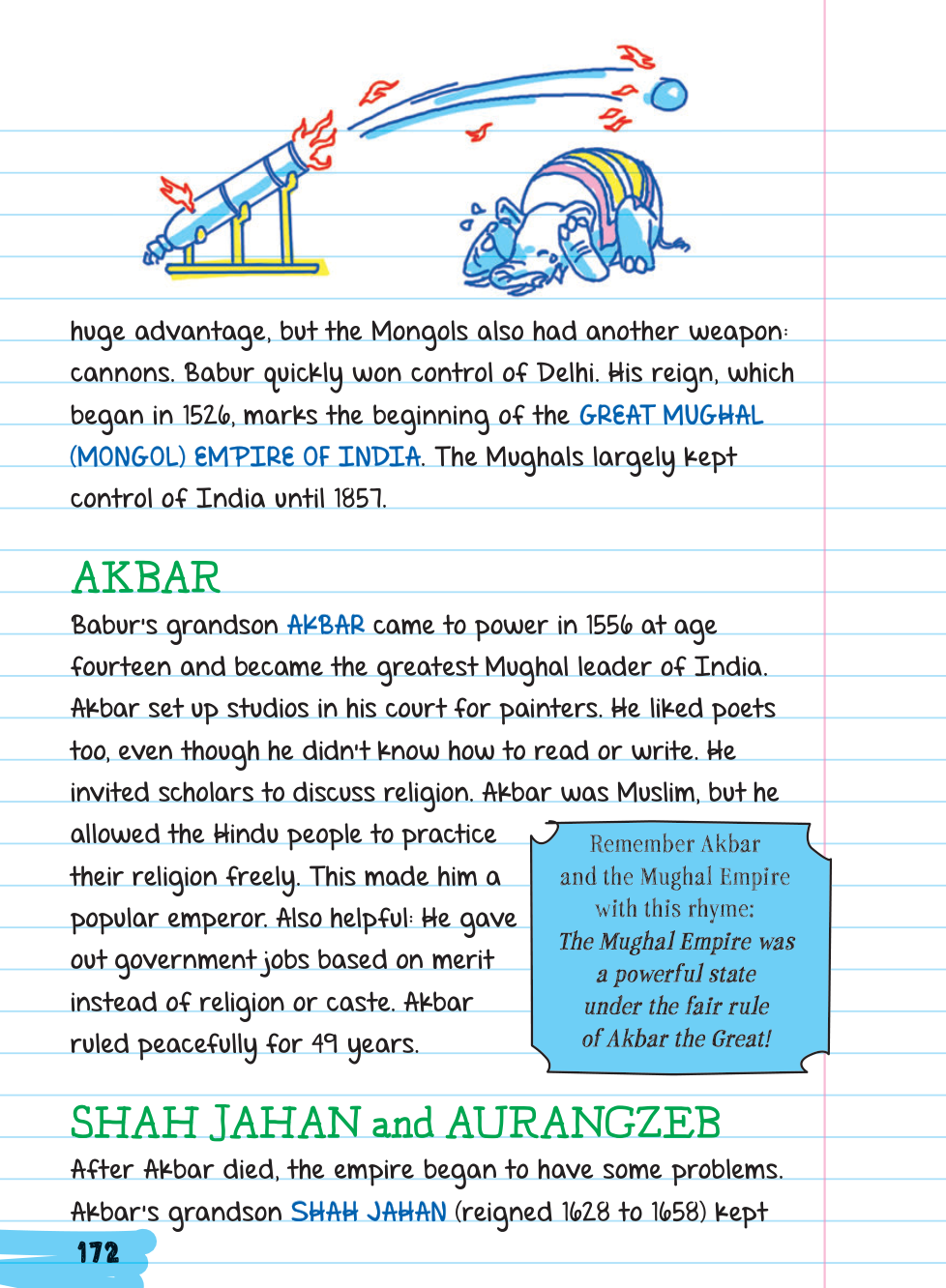
Remember the Akbar and the Mughal Empire with this rhyme:
The
Claim: India is a multi-cultural and religiously diverse place.
How could studying the different religions and kings of India help prove this claim? Answer in at least two (2) sentence.
How was the continent of India traditionally protected from invaders?
| Draggable item | arrow_right_alt | Corresponding Item |
|---|---|---|
From the South | arrow_right_alt | the Himalayan Mountains were difficult to pass. |
From the North | arrow_right_alt | the Indian Ocean was too vast for non-modern ships to journey far from shore. |
What are the two life giving rivers of India and which way do they flow?
| Draggable item | arrow_right_alt | Corresponding Item |
|---|---|---|
Ganges River | arrow_right_alt | streams West. |
Indus River | arrow_right_alt | streams East. |
Which of the following did the Aryans NOT bring to India?
On the top of the Hindu caste system were the []. Below that were real people who talked with them, the []. Under that were those with swords and warrior skills the []. Below that were those with some knowledge, enough to trade and build things but not enough to do anything else the []. Under that were the majority of the people, simple farmers called []. Lastly there were those who would clean the trash and sewers the [].
Hindus believe in Reincarnation based on Karma.
Siddhartha Gautama, the Buddha, followed Hindu teachings exactly.
Replay the quote from the Buddha from the video or read it below. What do you interpret it to mean?
"All that we are is the result of what we have thought. The mind is everything. What we think, we become."
Replay the quote from the Buddha from the video or read it below. What do you interpret it to mean?
"Thousands of candles can be lit from a single candle, and the life of the candle will not be shortened. Happiness never decreases by being shared."
Take this time to write notes about Bahadur Shah II Zafar in the last line of your timeline.
Mark the date 1857.
Not sure what to write?
Replay the video from 3:45 to 5:00, listen and watch again.
What you have two lines with nothing written?
Line 4 write the name Shah Jahan and the date 1628.
Line 5 write the name Aurangzeb and the date 1658.
What are you supposed to write? Read below looking for the two emperor's names to find out.
When you read new information not mentioned in the video about an emperor add that to your timeline.
The Delhi Sultanate got it's power from controlling the two life giving rivers of India, the Indus and the Ganges.
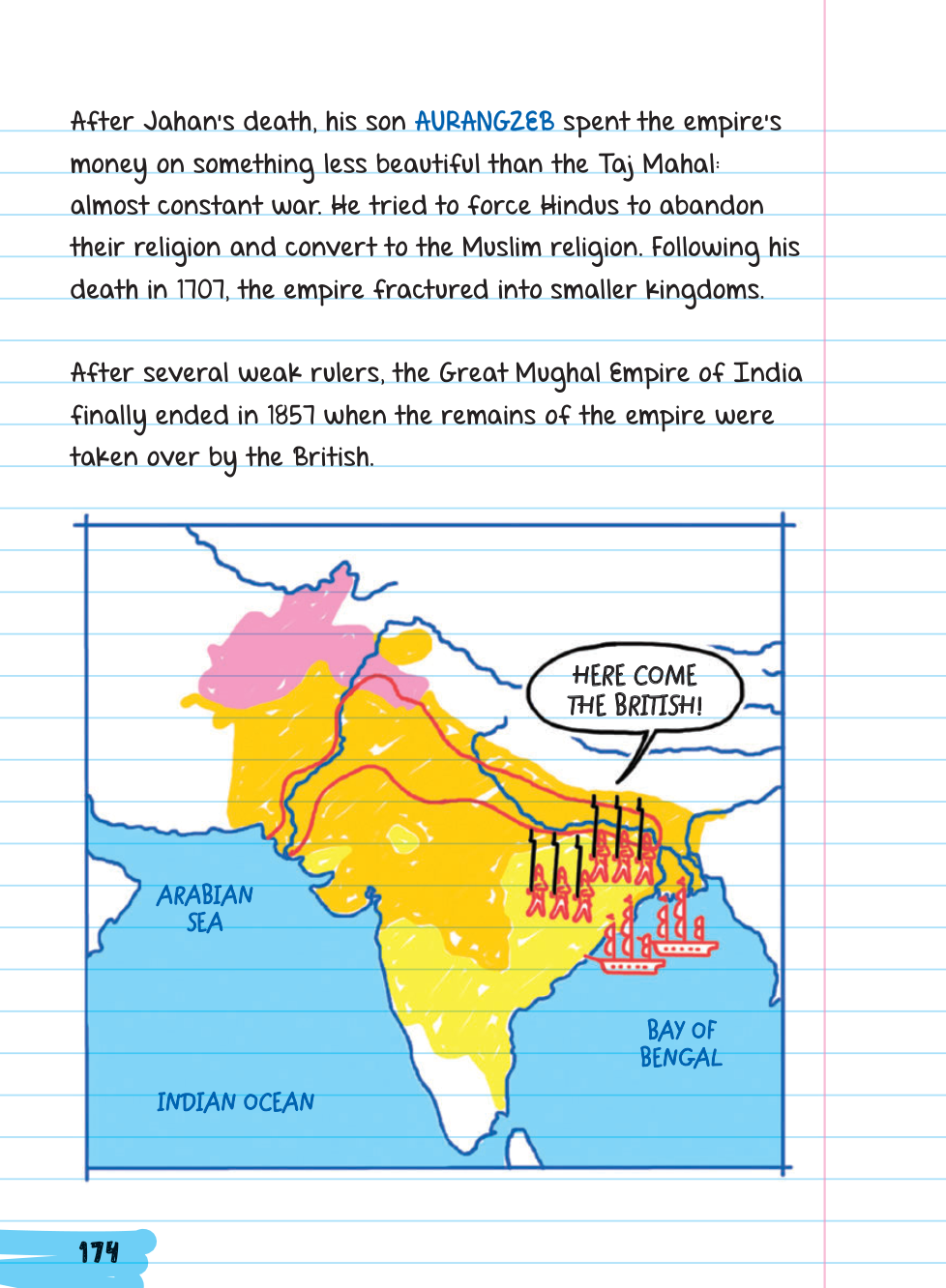
The Mughal Empire got bigger and bigger until reaching it's largest in 1707.
What technology did the Mughal's use to conquer India?
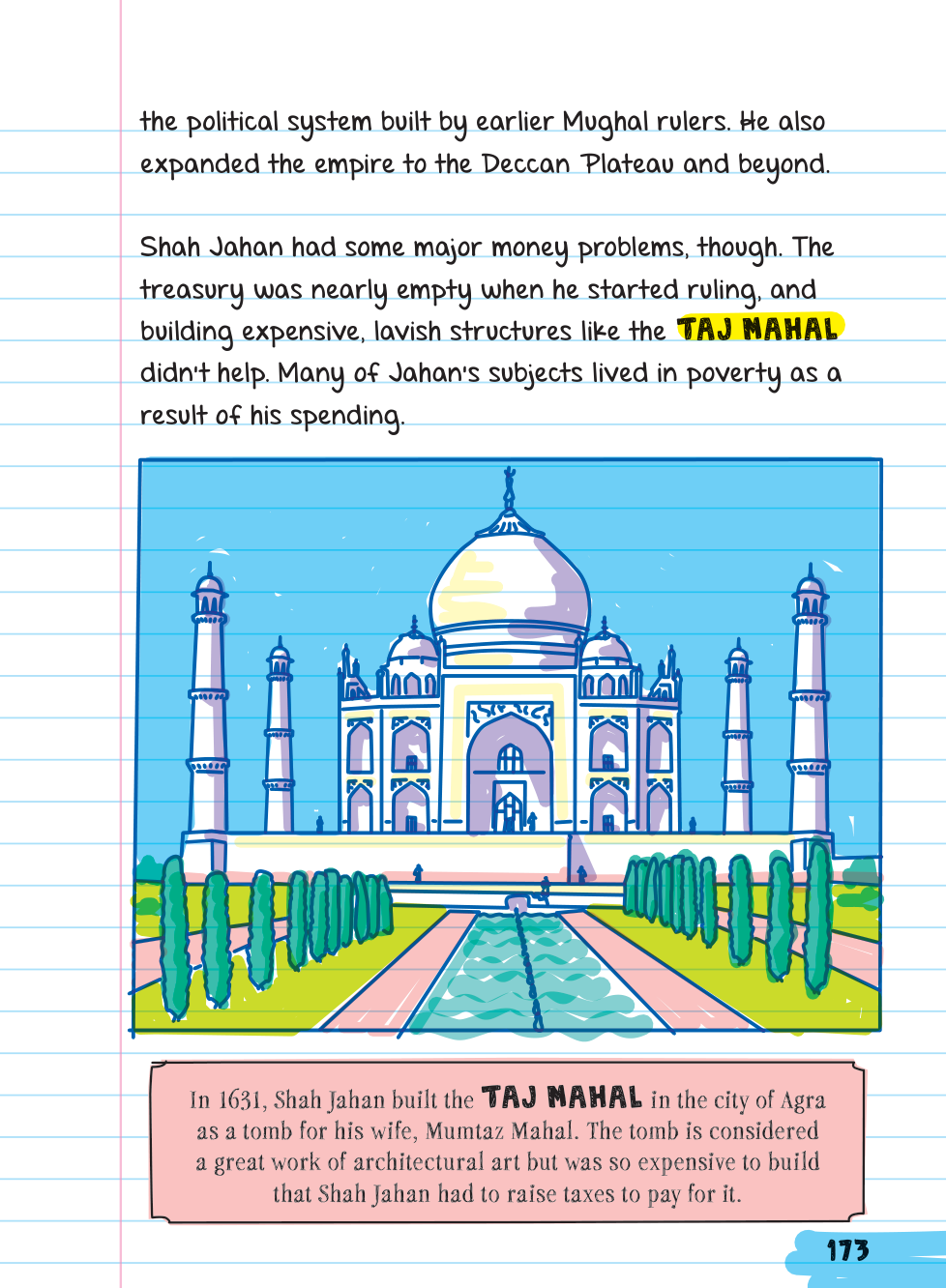
Look at the picture below.
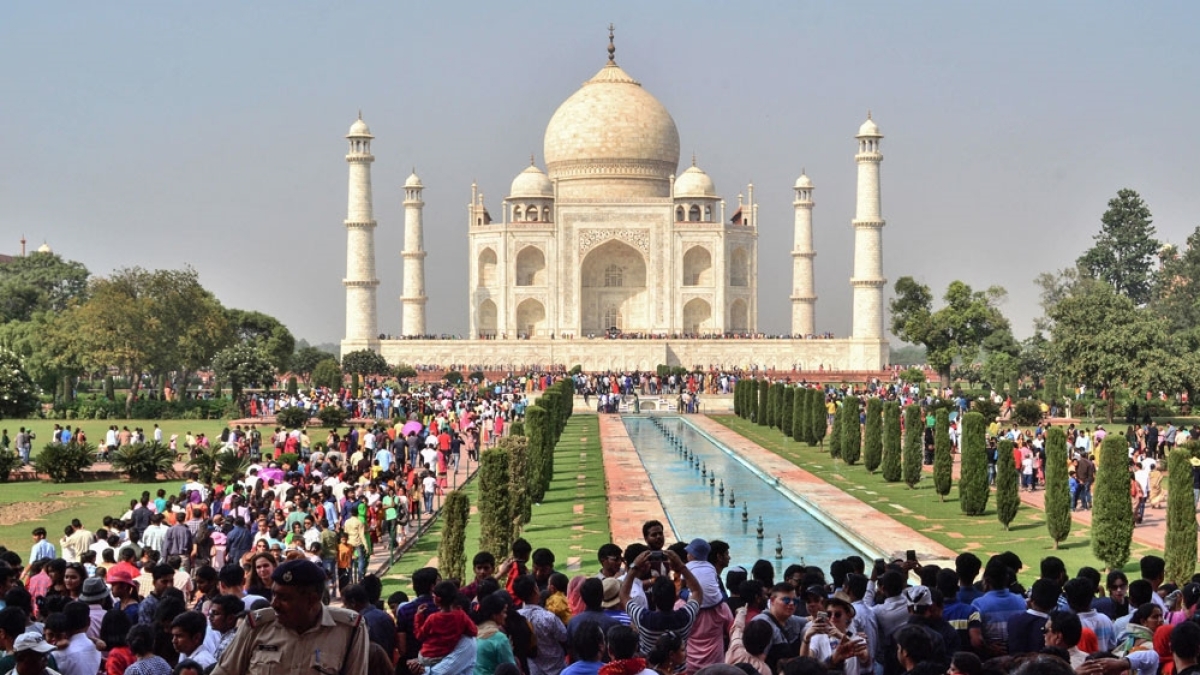
Based on this modern photo the Taj Mahal is ...
Based on the reading and the prior question, what do you think Taj Mahal was built to represent?
Read the text and question carefully...
Who was the first Mughal king?
Read the text and question carefully...
Who was the last king of India?
Read the text and question carefully...
Who was the last Mughal king?