Unit 4 Part 2 - China & Mongolia
star
star
star
star
star
Last updated over 2 years ago
30 Nsɛmmisa
Hyɛ no nsow a efi ɔkyerɛwfo no hɔ:
Ɛhia
3
6-8.CST.1
6.6.6
7.3.6
Created by Mr. Bergh of San Bernardino City Unified School District at Shandin Hills Middle School.
The following resources were utlilized in the creation of this Formative for educational/classroom use:
“Chapter 14 The Golden Age of China.” In EVERYTHING YOU NEED TO ACE WORLD HISTORY IN ONE BIG FATE NOTEBOOK. Workman Publishing Co., Inc., 2016.
& various other online educational materials.
Learning Intention:
I am learning about the Golden Age of Chinese Civilization, the rise of the Mongolian Empire, and the eventual collapse of the Mongol Empire and rise of the Ming Dynasty.
Success Criteria:
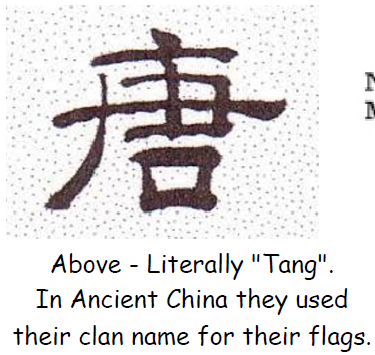
I can describe the reunification of China under the Tang Dynasty and reasons for the spread of Buddhism in Tang China.
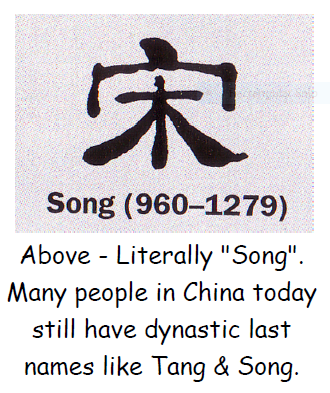
I can describe agricultural, technological, and commercial developments during the Tang and Sung periods.
I have analyzed the influences of Confucianism and changes in Confucian thought during the Sung and Mongol periods.
I can describe the development of the imperial state and the scholar-official class.
I understand the importance of both overland trade and maritime expeditions between China and other civilizations in the Mongol Ascendancy and Ming Dynasty.
I can trace the historic influence of such discoveries as tea, the manufacture of paper, woodblock printing, the compass, and gunpowder.
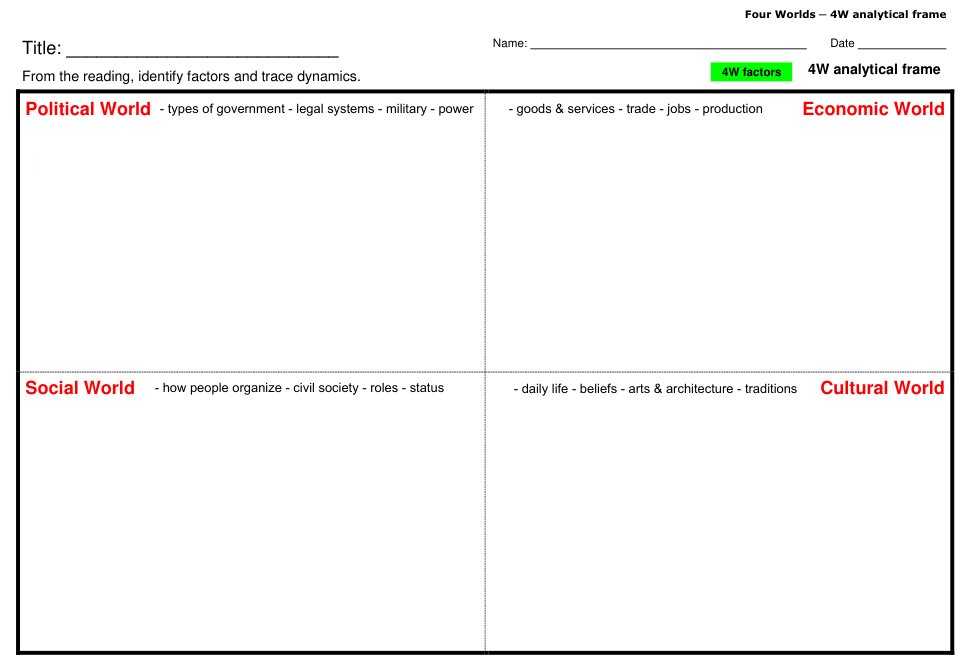
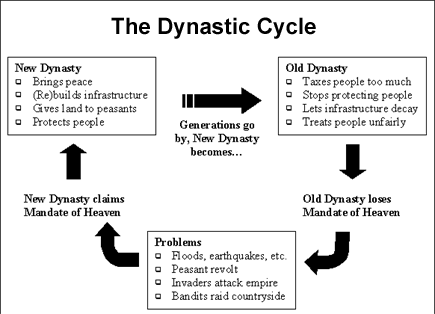
The History of Chinese civilization can be organized by the Dynastic Cycle. Each dynasty is given its right to rule by the Mandate of Heaven. They lose this right when bad things happen. Complete the chart below using the picture above.
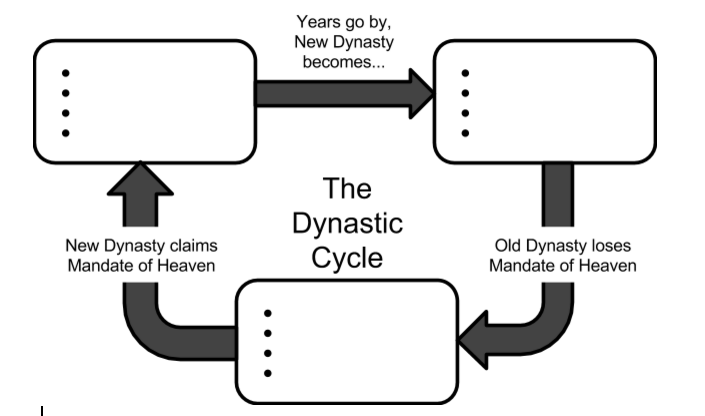
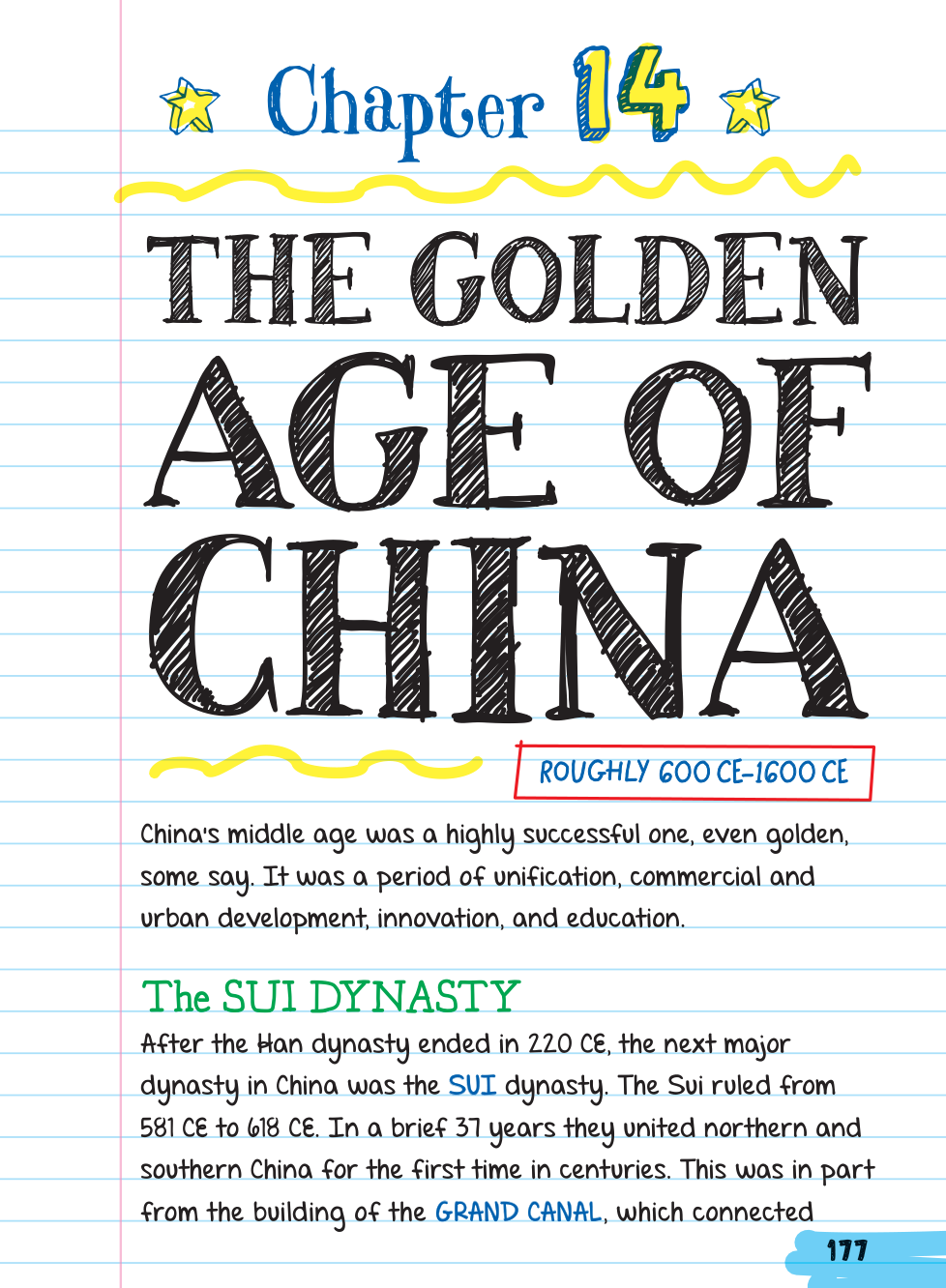
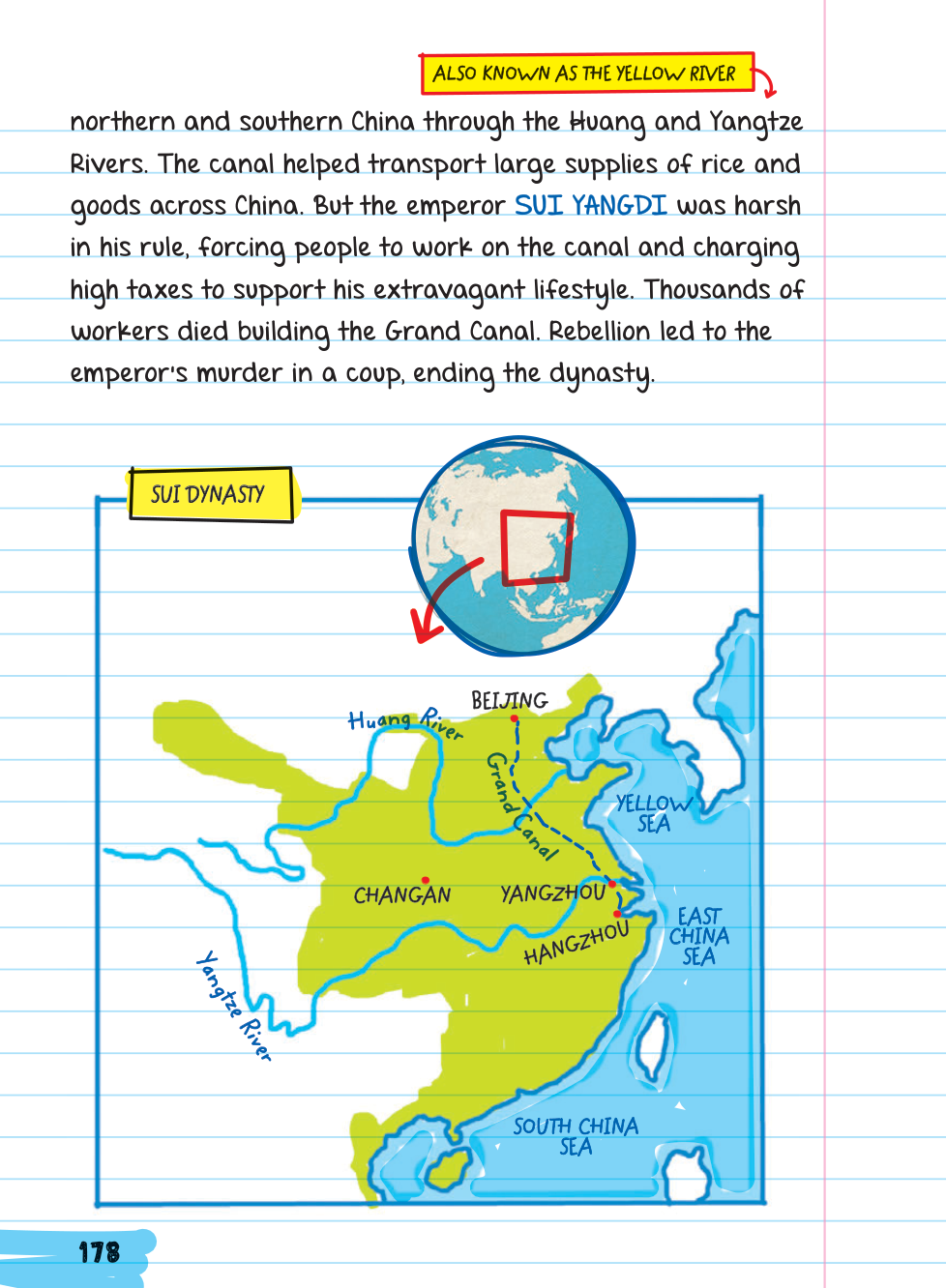
Match the two rivers that gave birth to Chinese civilization to their correct description using the map as a guide.
| Draggable item | arrow_right_alt | Corresponding Item |
|---|---|---|
The Chang Jiang (Yangtze or Great River) 1st longest river in China. | arrow_right_alt | 3,395 miles long.
Starts in the Bayan Har Mountains and ends in the Yellow Sea. |
The Huang He (Yellow River) 2nd longest river in China. | arrow_right_alt | 3,915 miles long.
Starts in the Tibetan Plateau and ends in the East China Sea. |
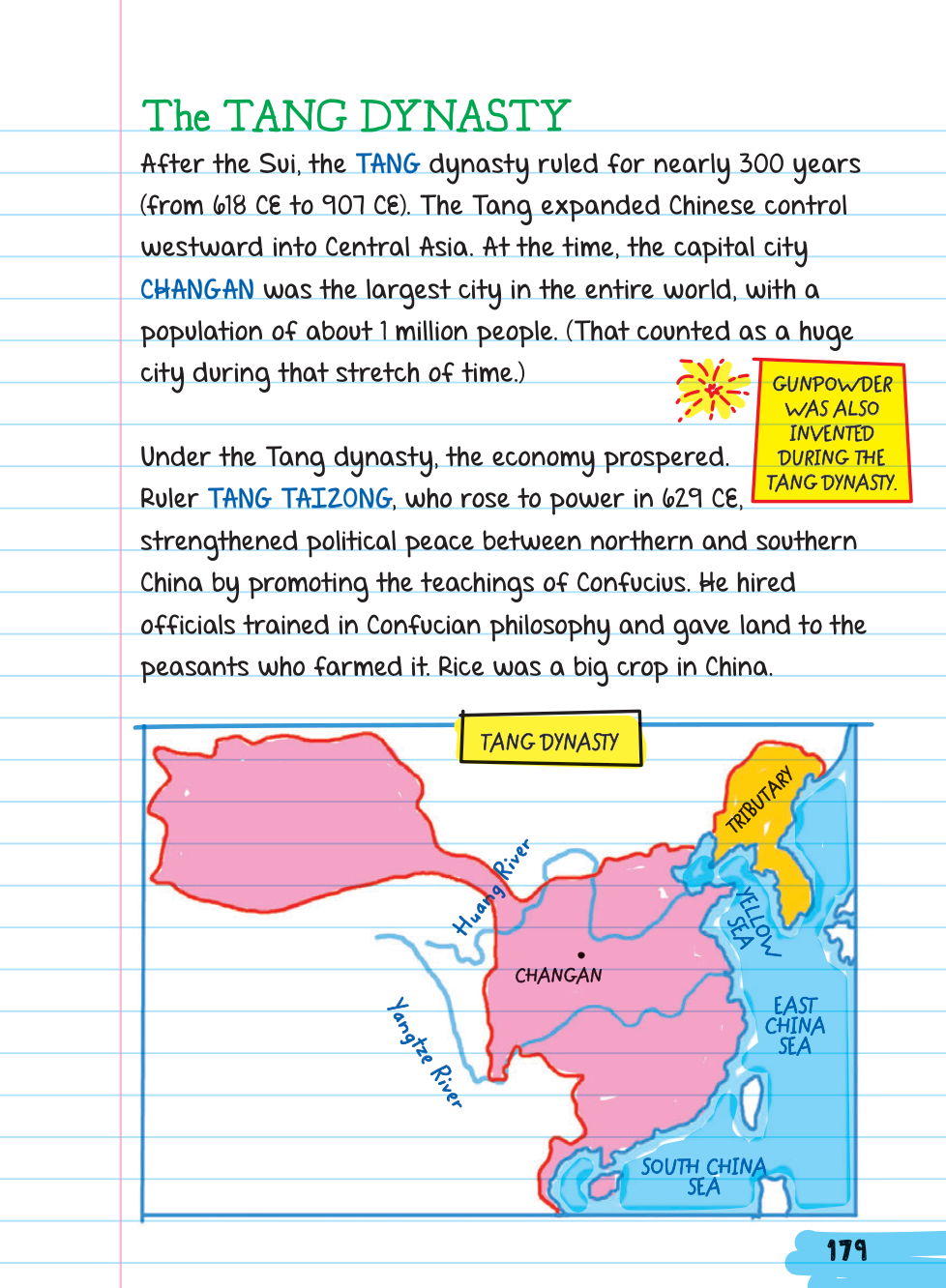
The teachings of Confucius were used to strengthen connections between northern and southern China.
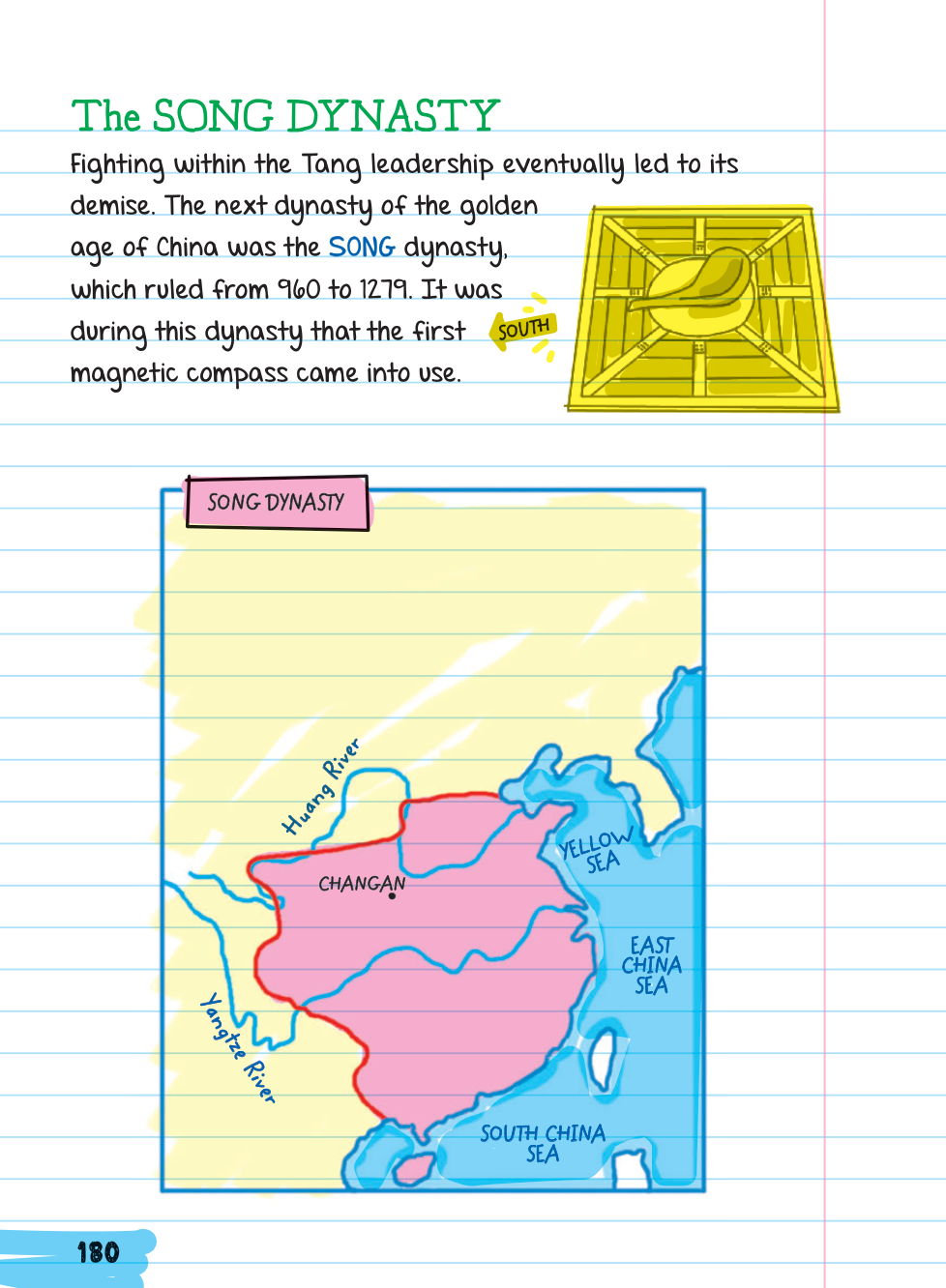
Why do you think the invention of the compass was so important for sailing?
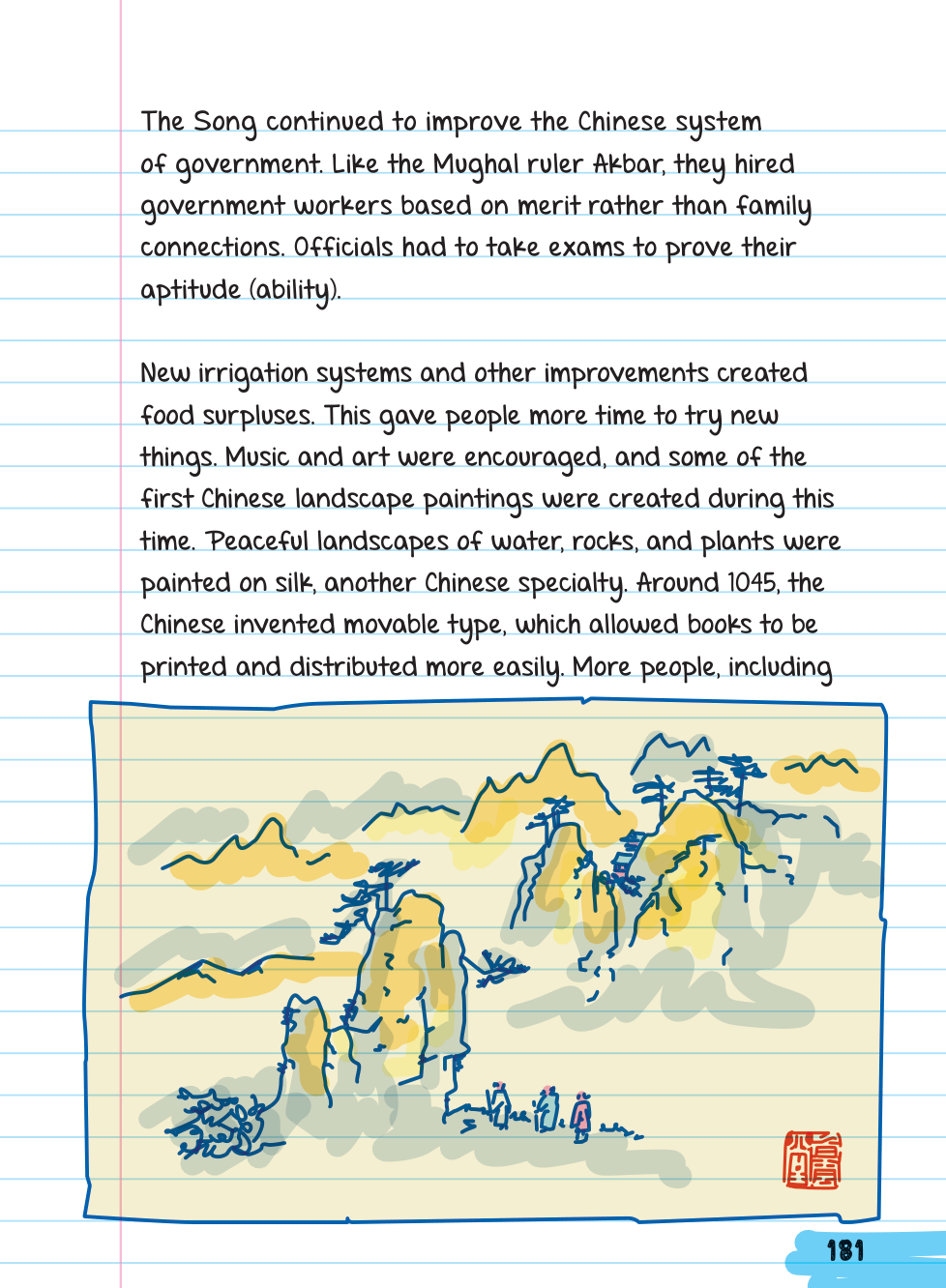
Come up with at least two different reasons why you think it's important to promote workers based on merit instead of connections.
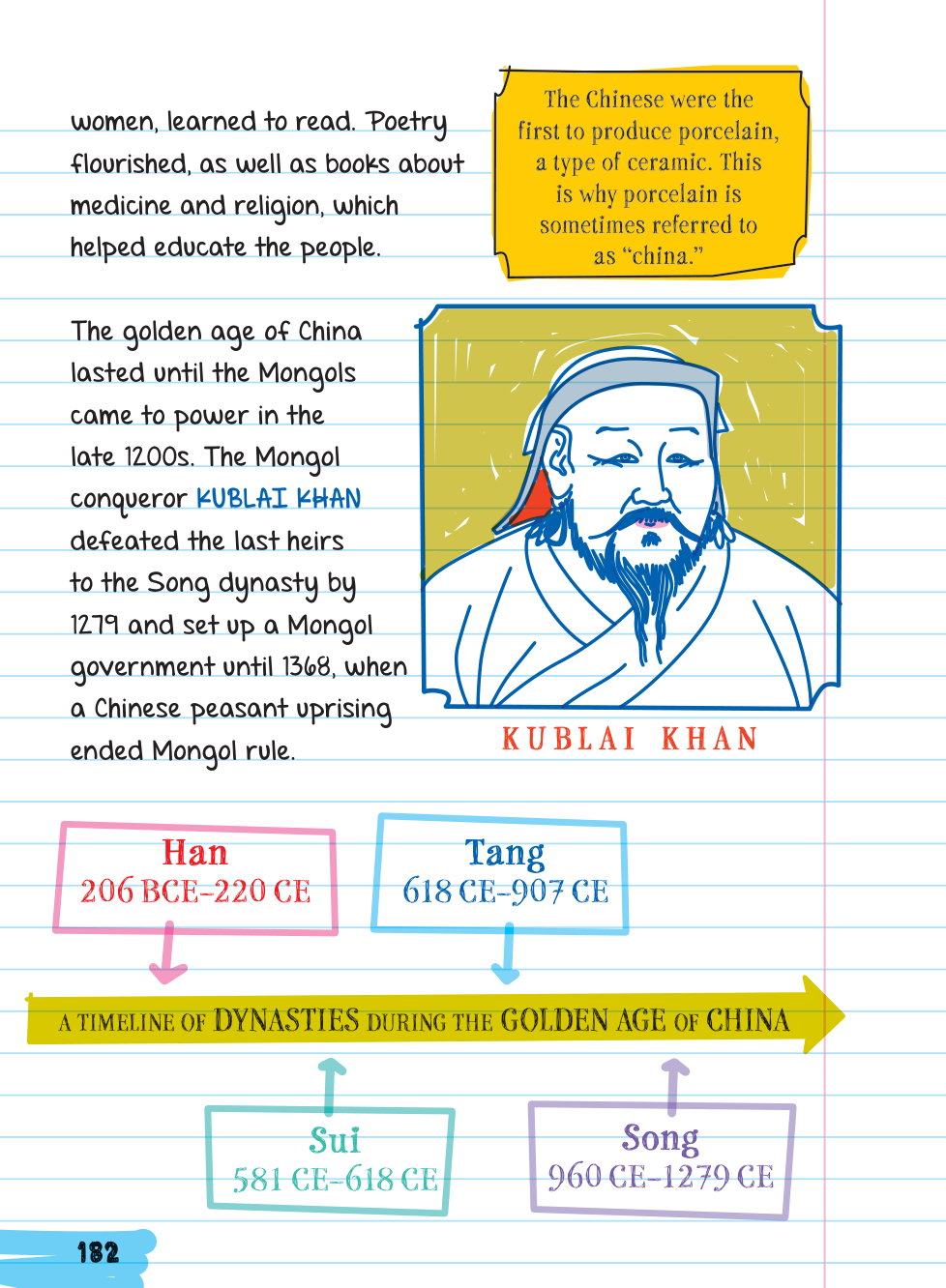
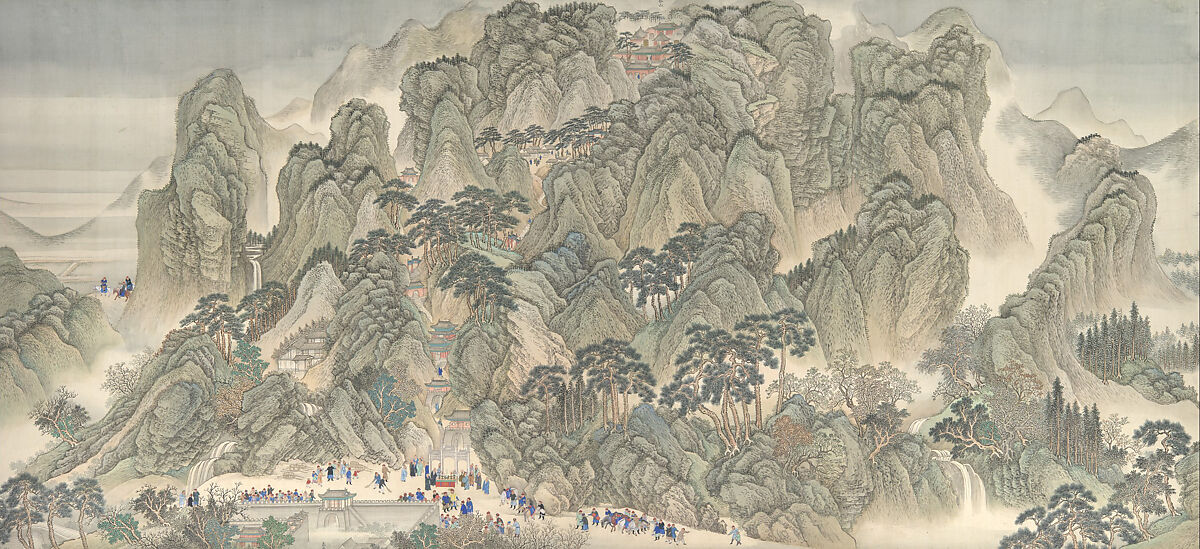
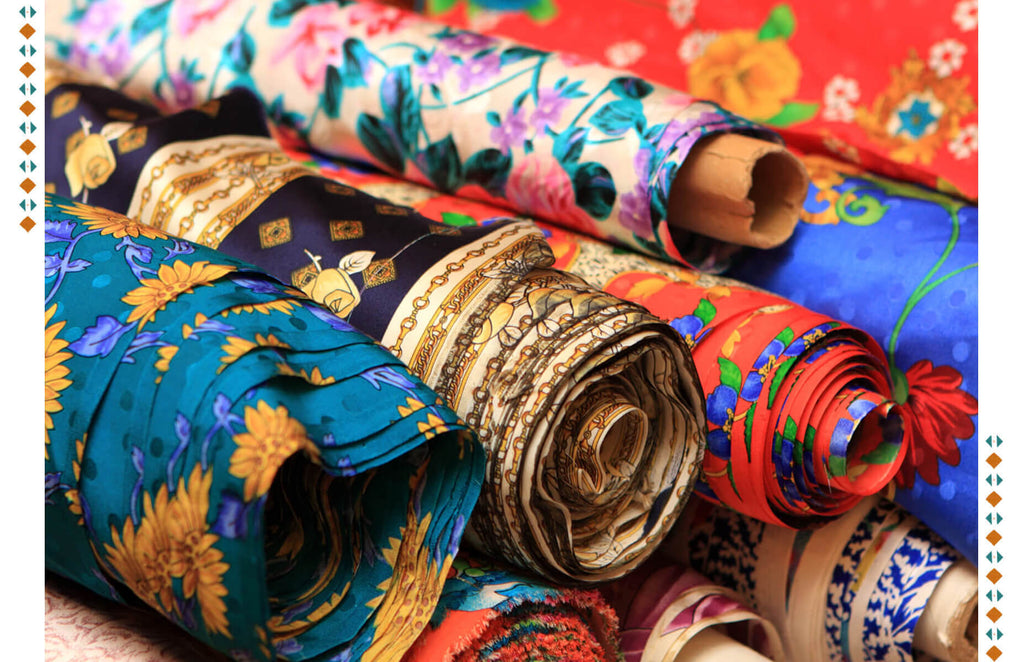
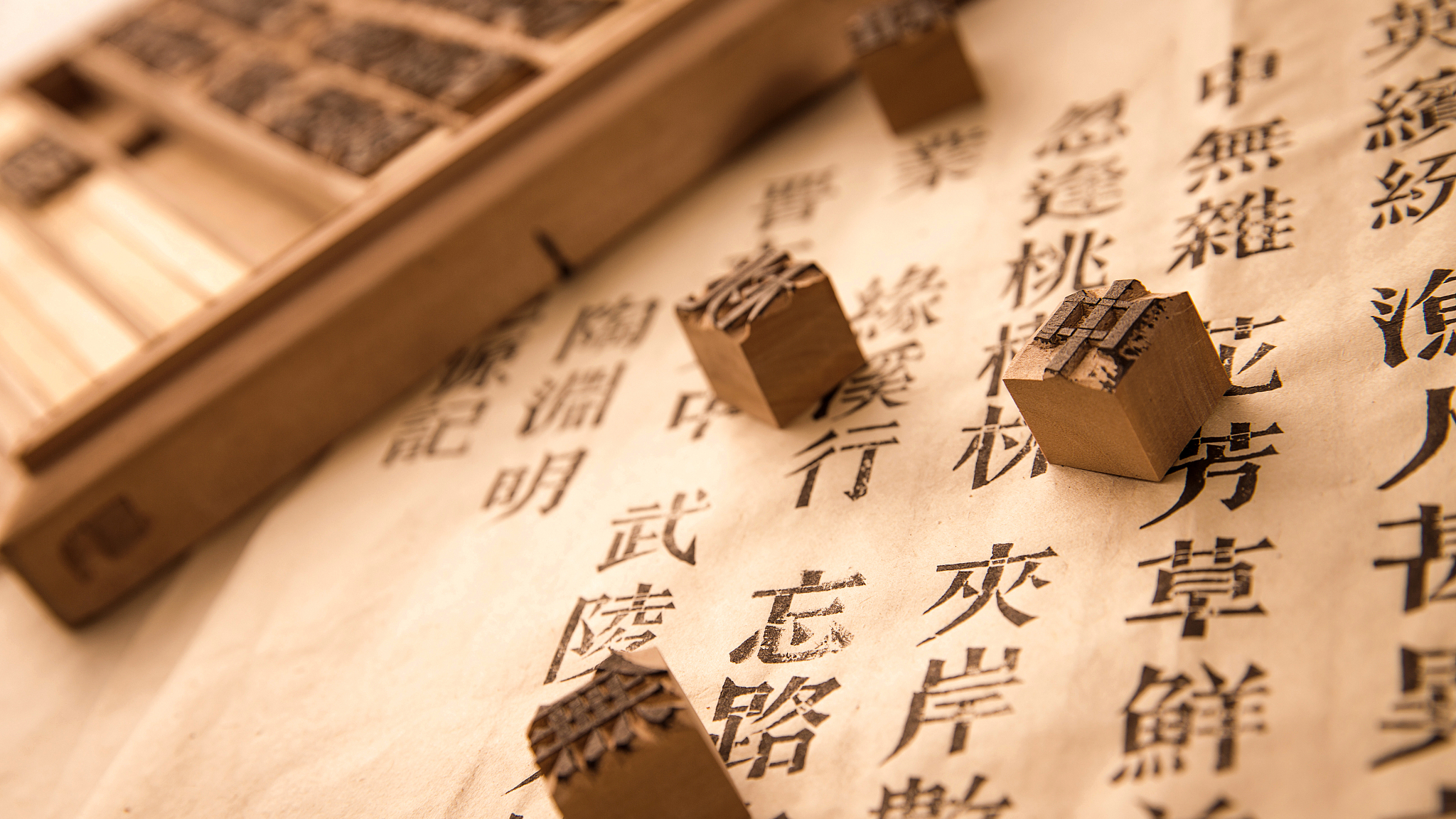
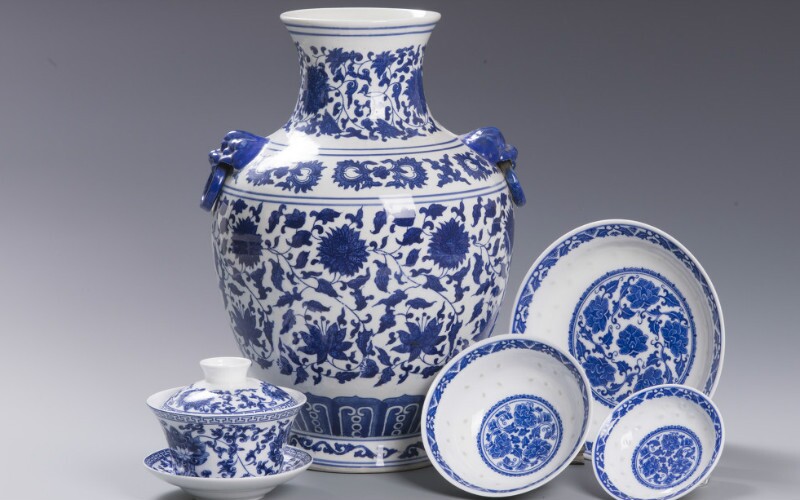
Match the Chinese invention name to its picture.
| Draggable item | arrow_right_alt | Corresponding Item |
|---|---|---|
silk | arrow_right_alt |
|
porcelain | arrow_right_alt |
|
Chinese landscape paintings | arrow_right_alt |
|
movable type | arrow_right_alt |
|
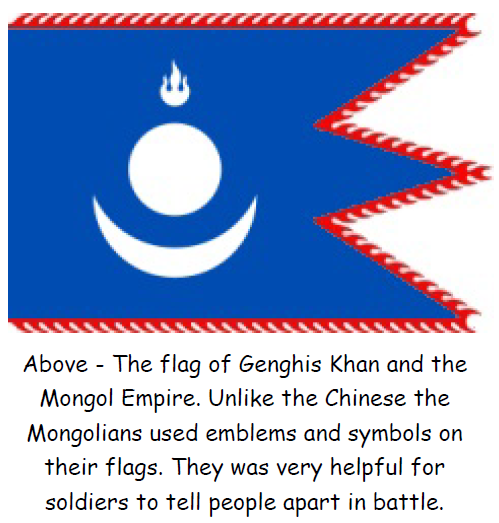
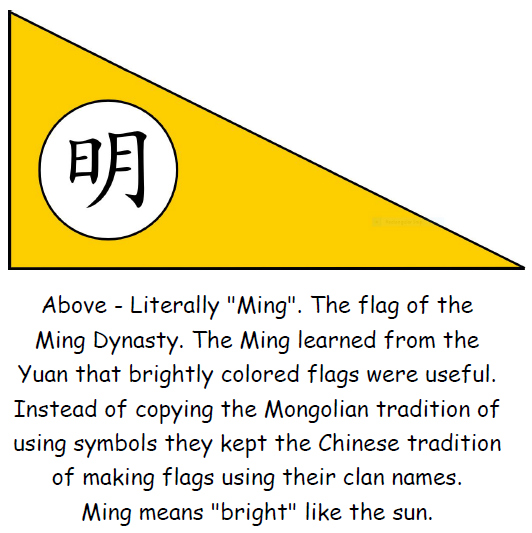
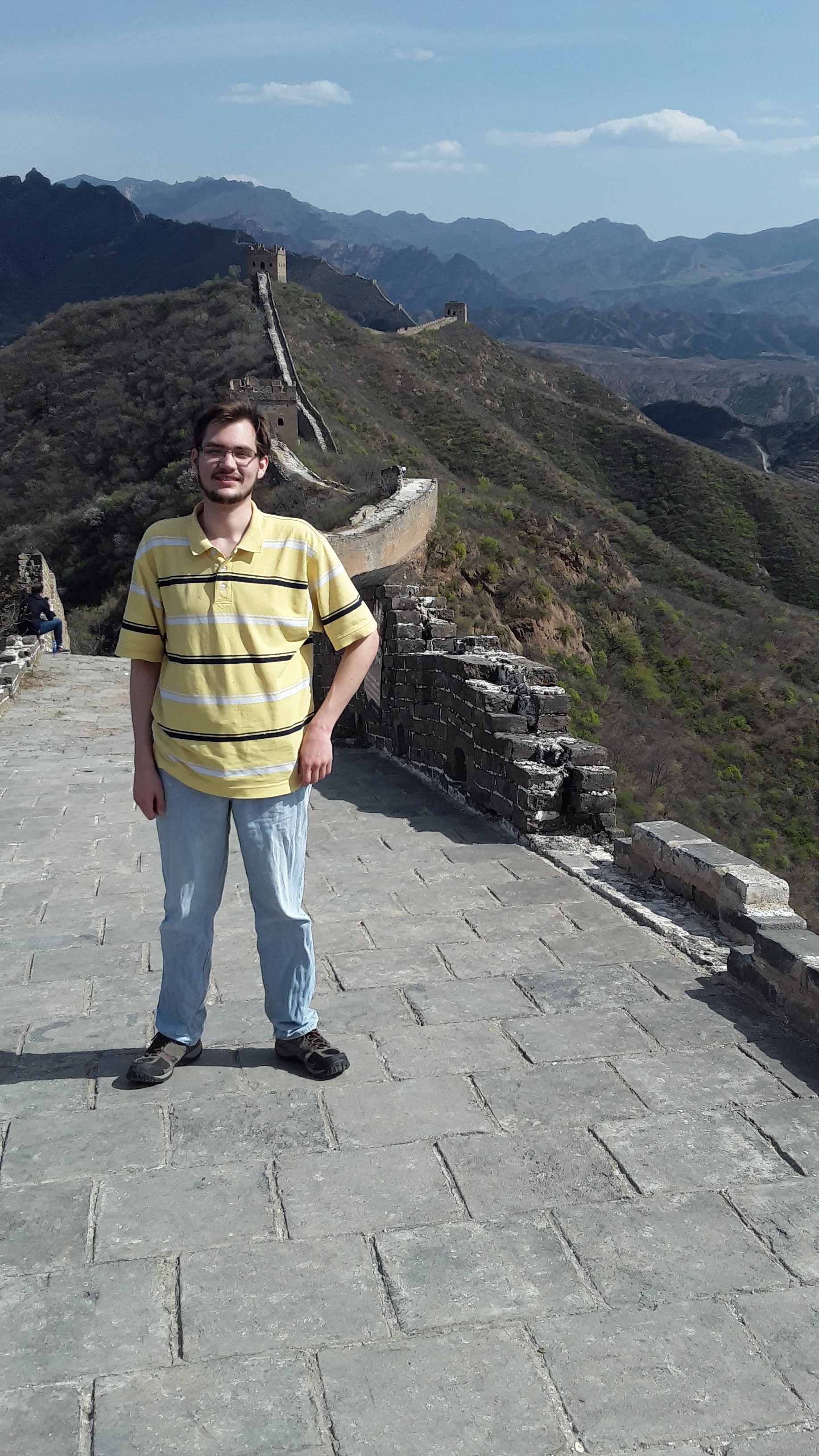
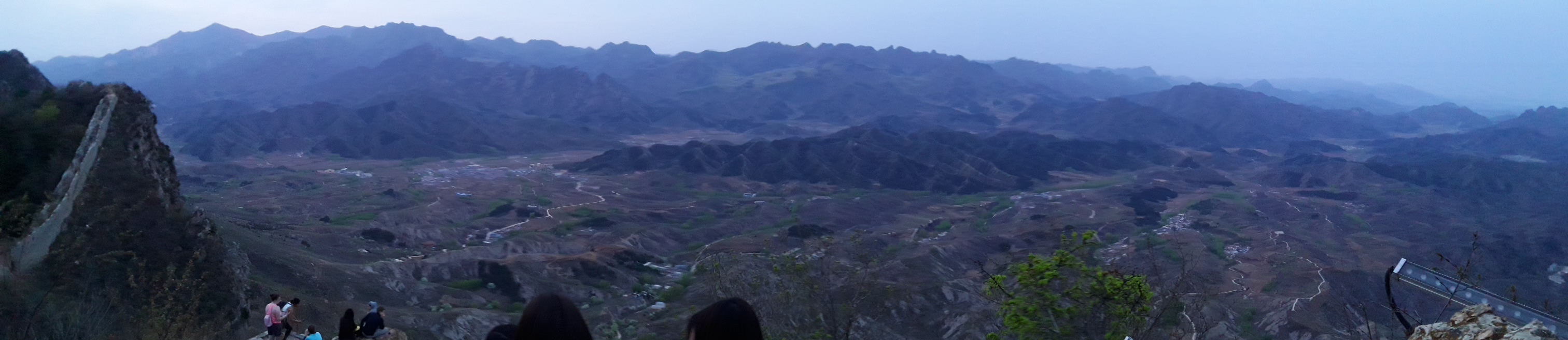
In 1279 the Mongol leader Kublai Khan conquered China and founded the Yuan dynasty. After Kublai Khan’s death in 1294, however, the Yuan dynasty weakened. This weakness, combined with Chinese hatred of Mongol rule, led to rebellion, and the rise of a new dynasty: The Ming. The Ming Dynasty is most famous for two accomplishments. They built the Great Wall as we know it today, the incredible stone structure stretching across the edge of the steppe, a symbol and a message to the Mongols and to the world, that China would never again be conquered by steppe nomads. The second accomplishment was a short-‐lived but very impressive series of Chinese sea voyages throughout the Indian Ocean and South-East Asia led by the famous admiral Zheng He.
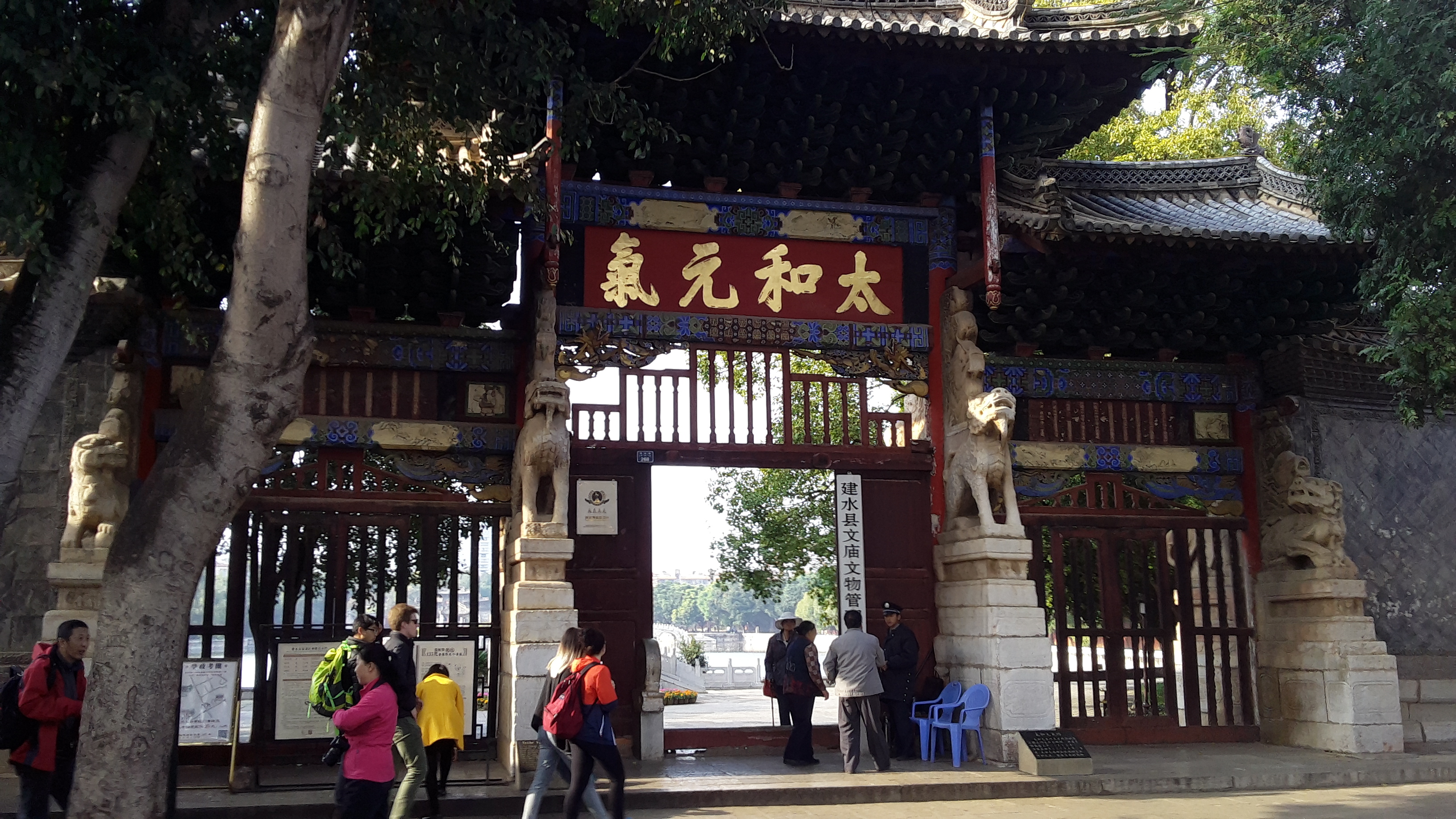
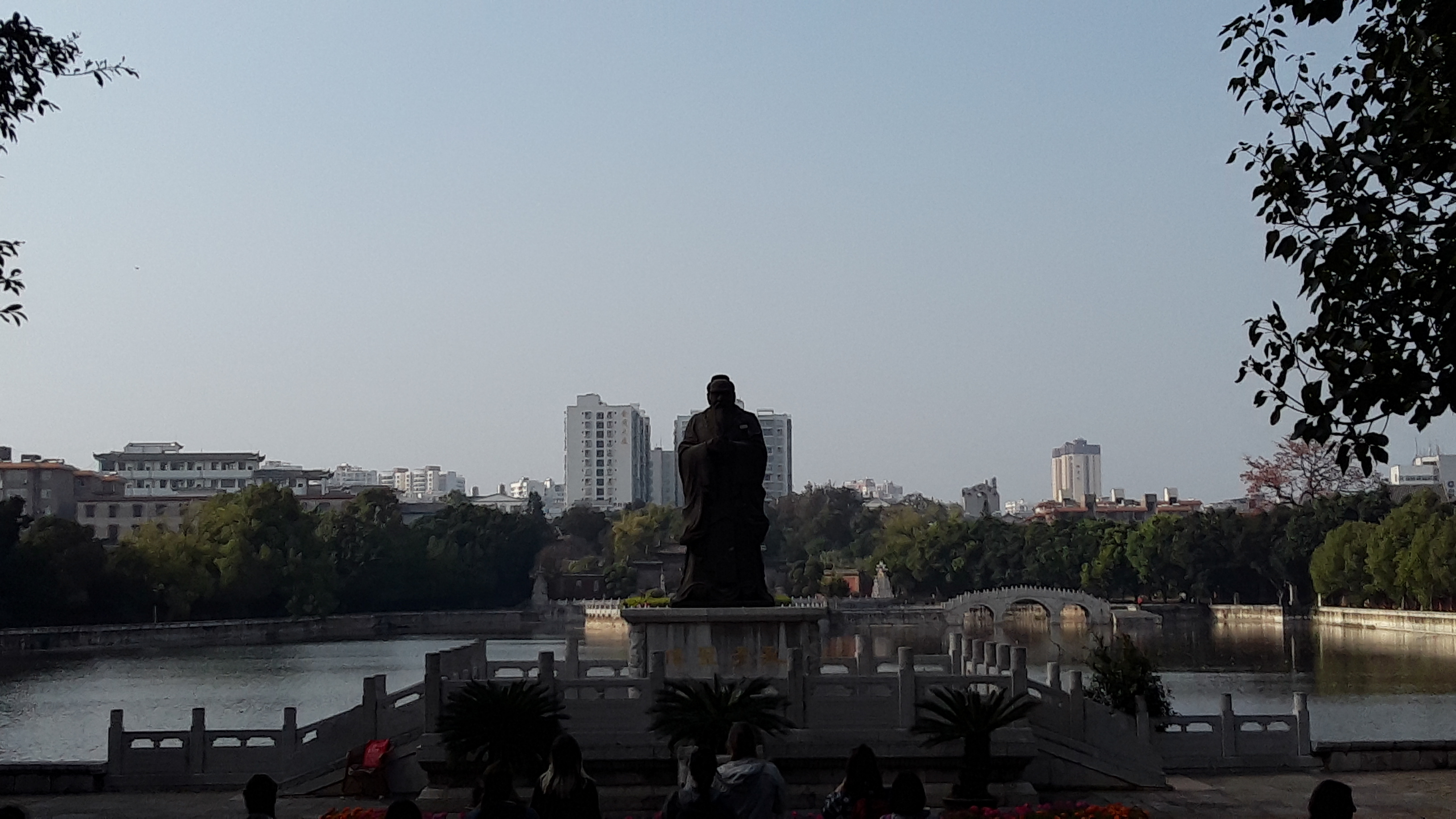
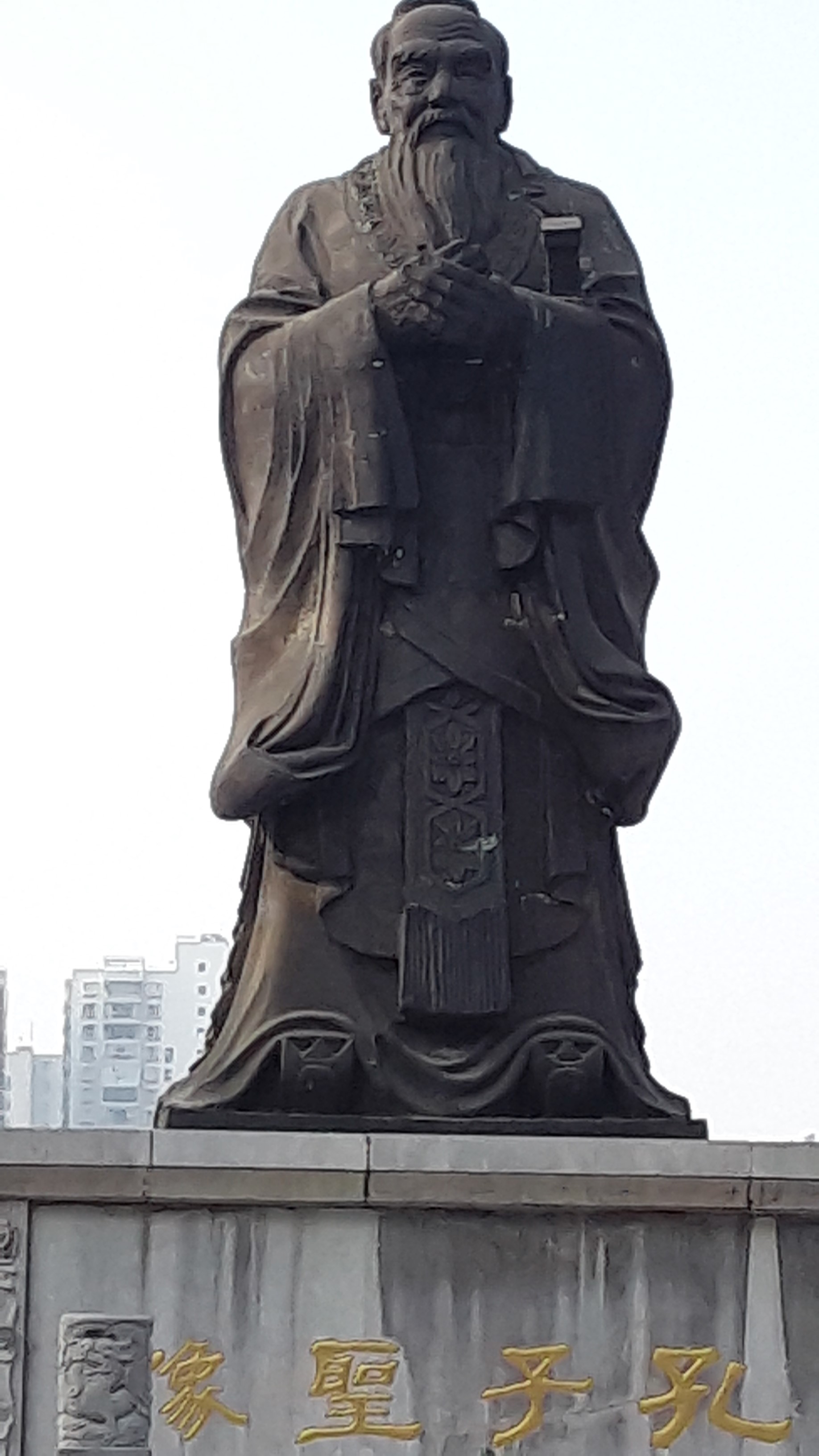
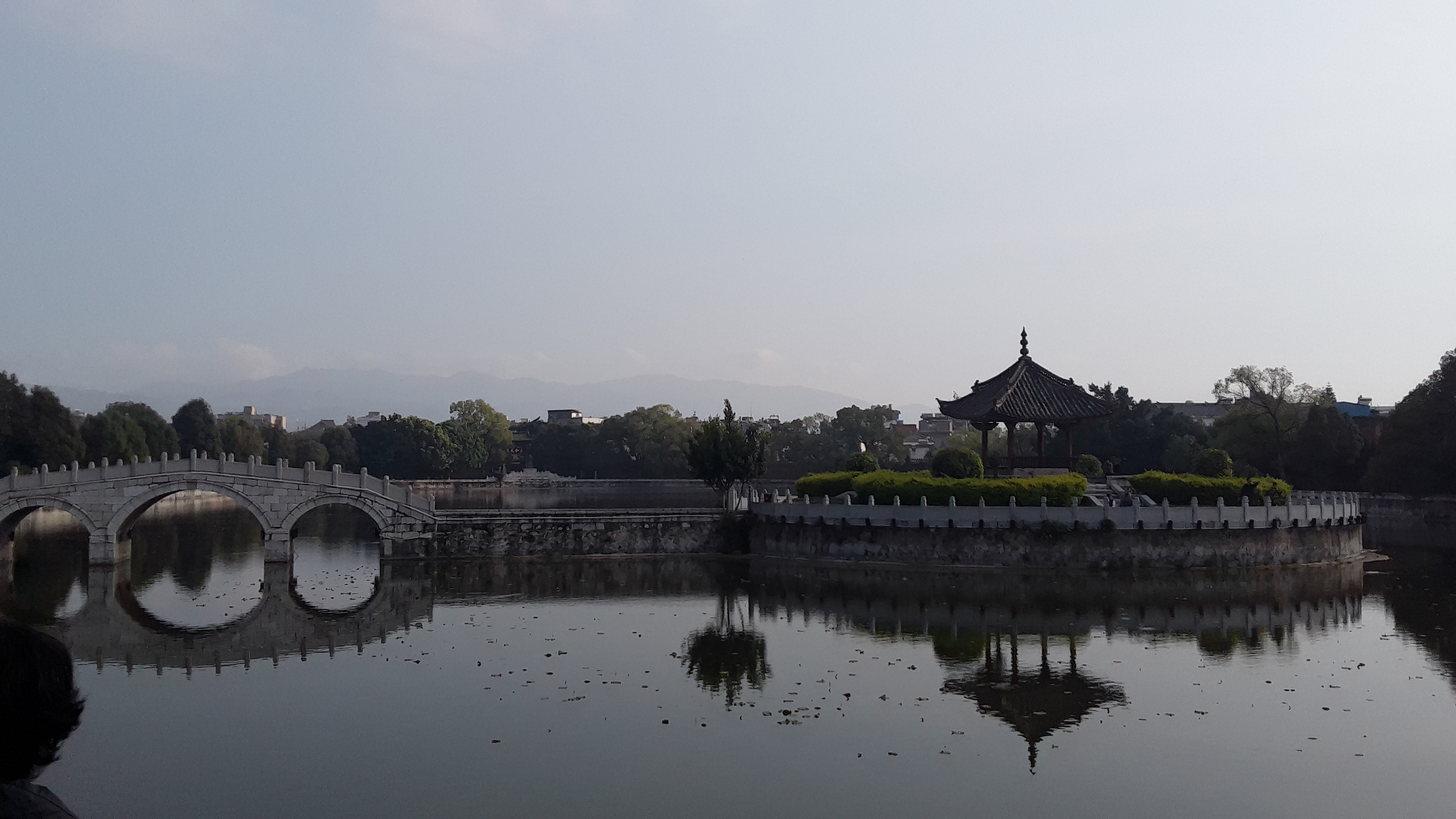
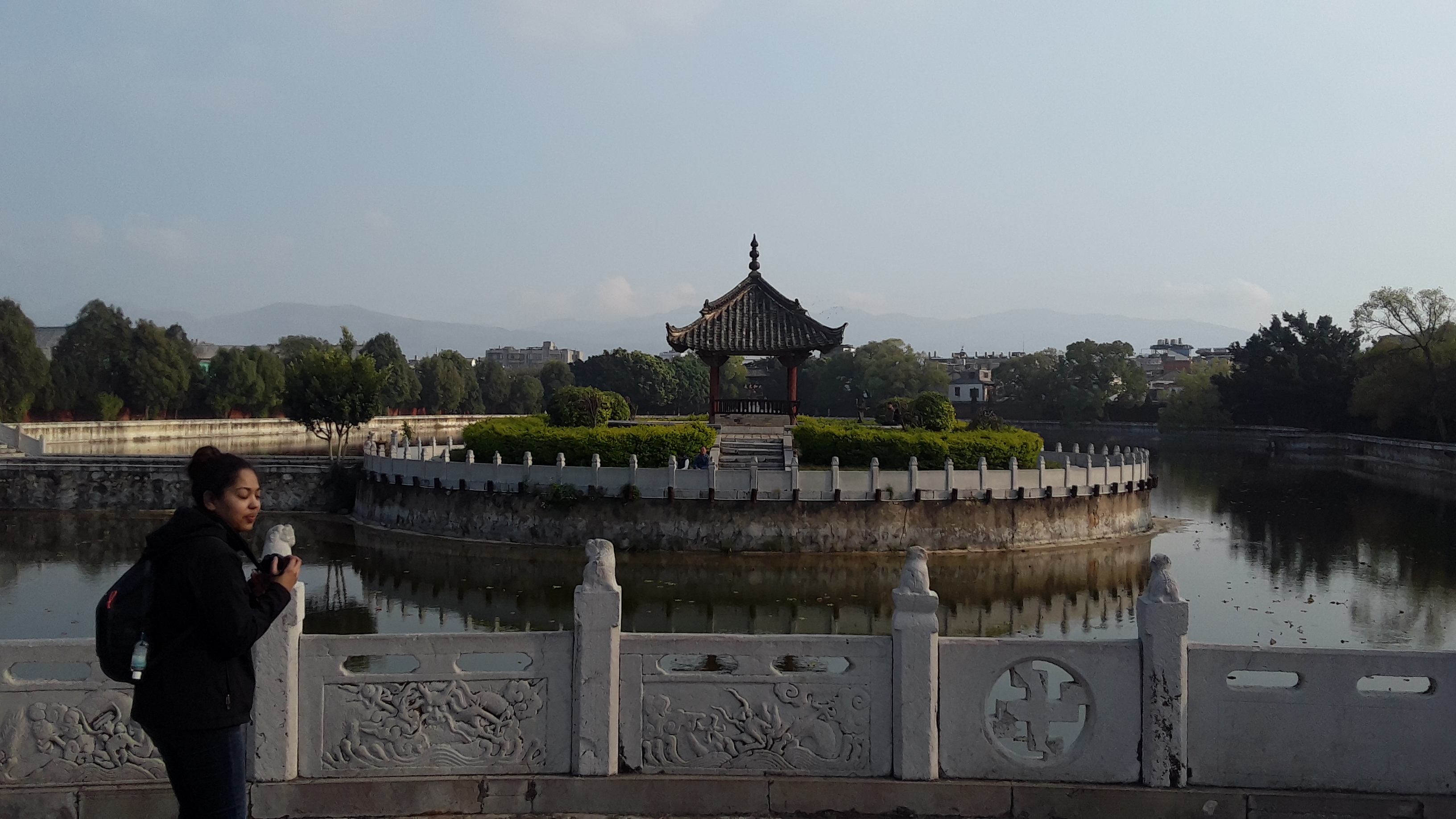
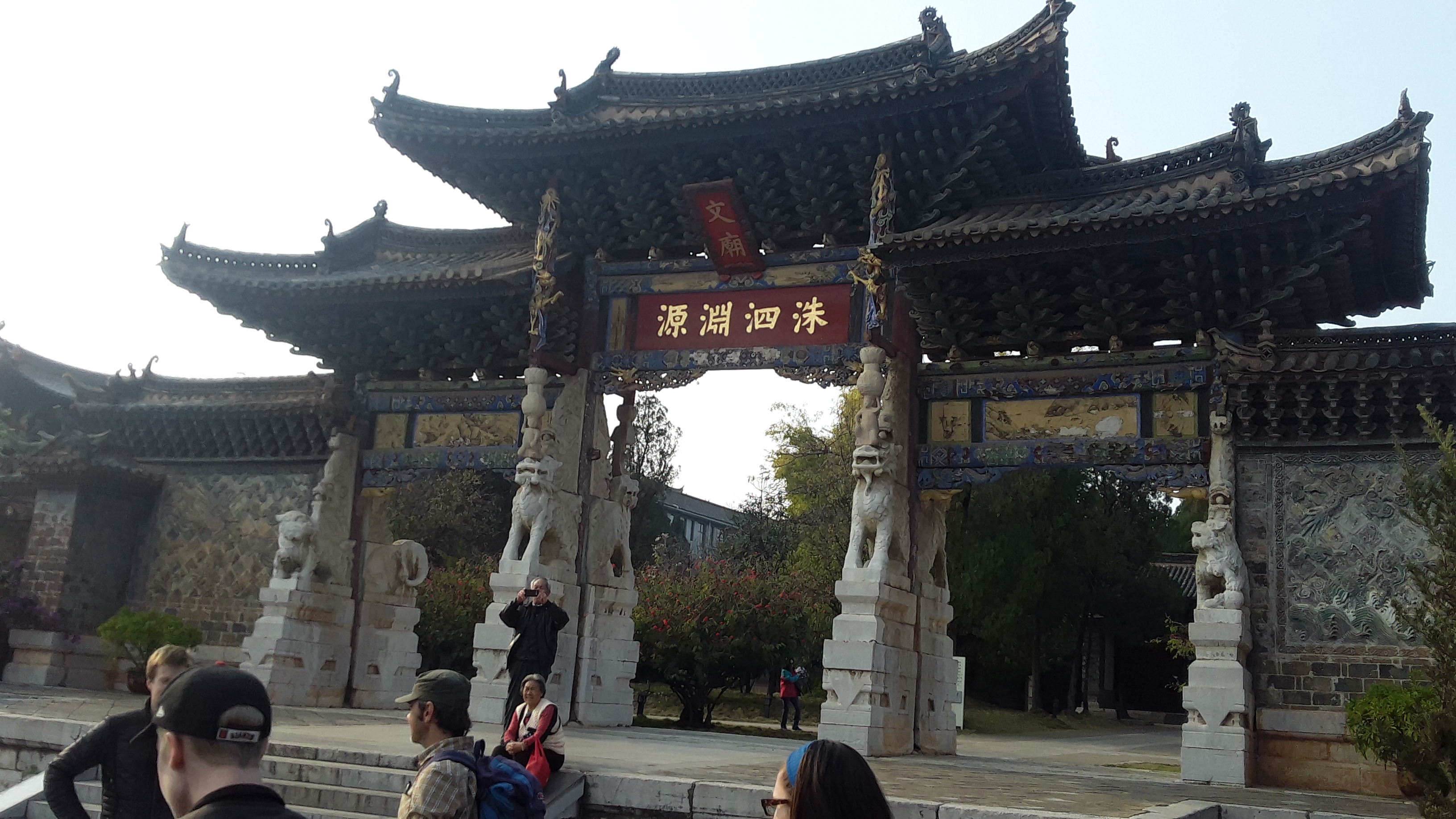
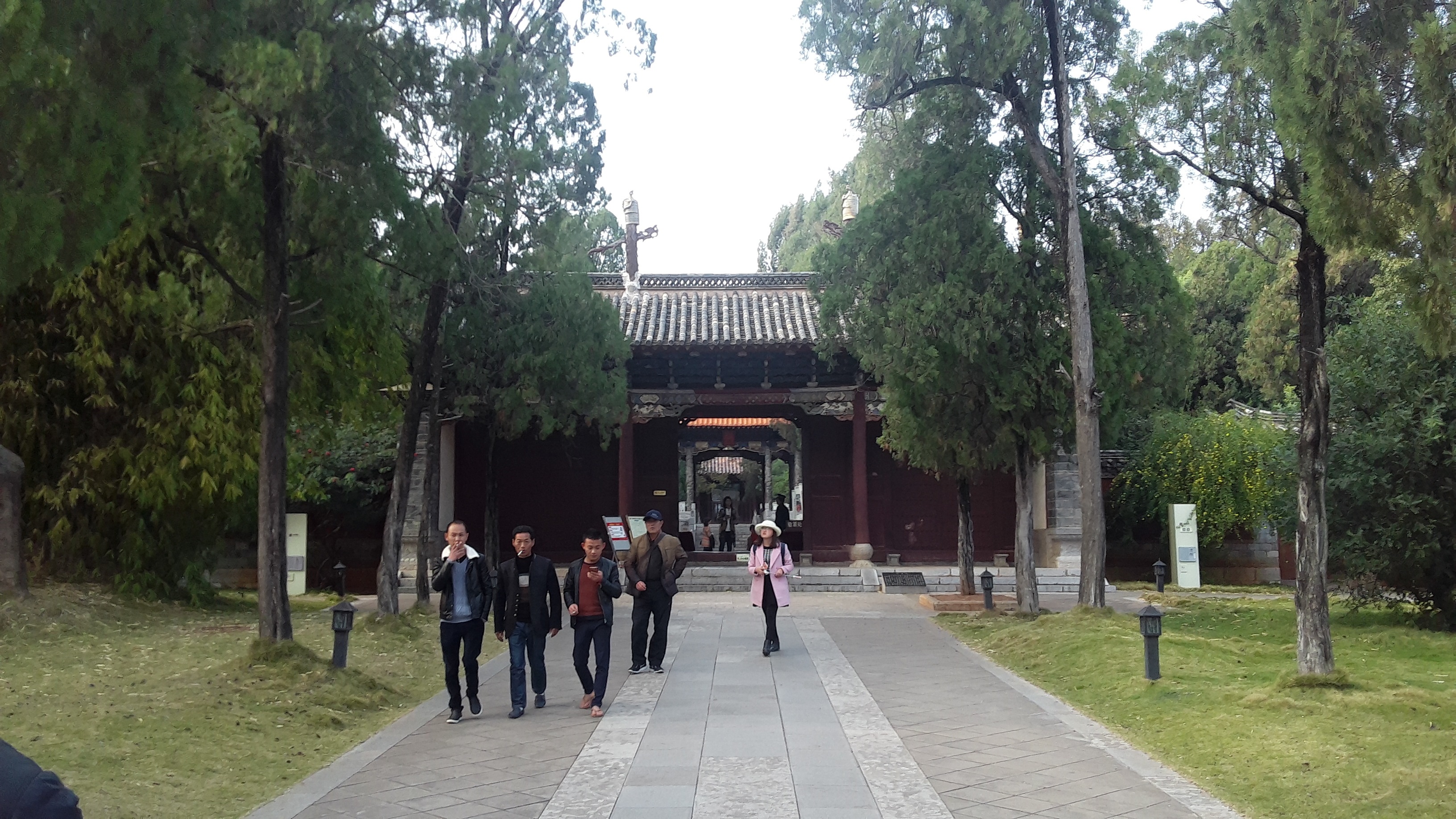
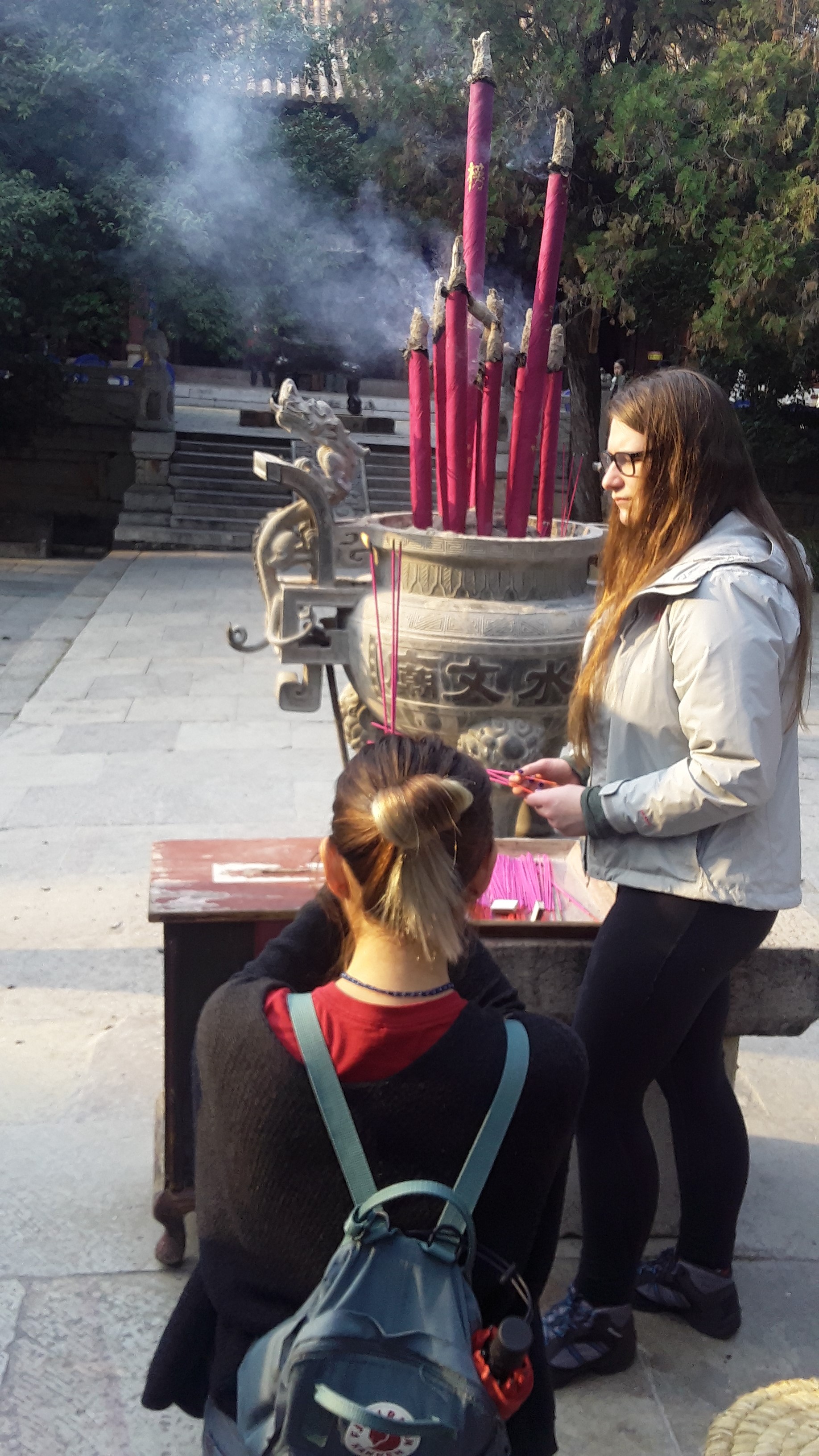
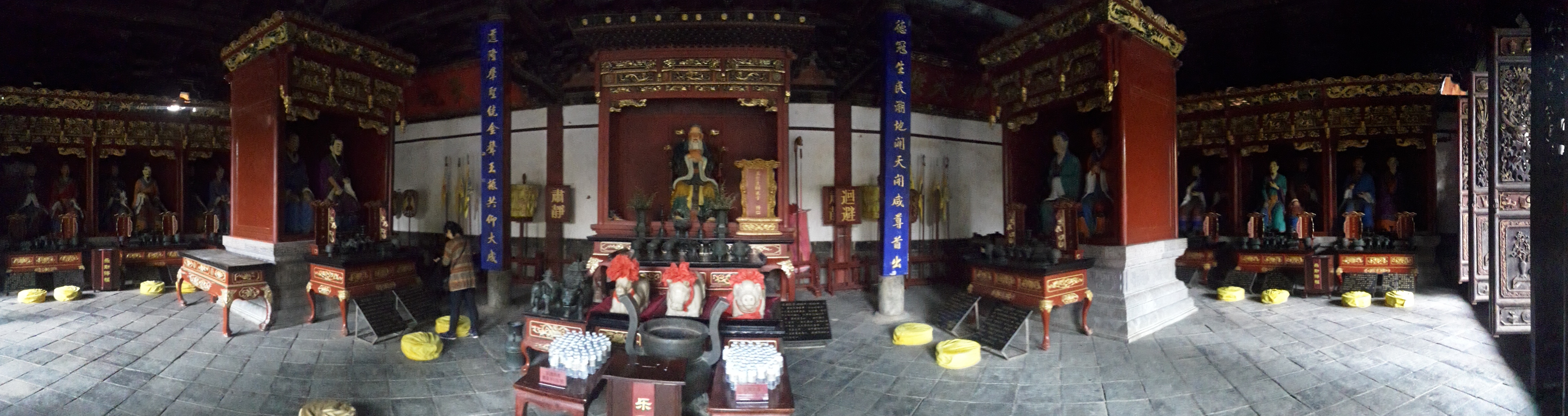
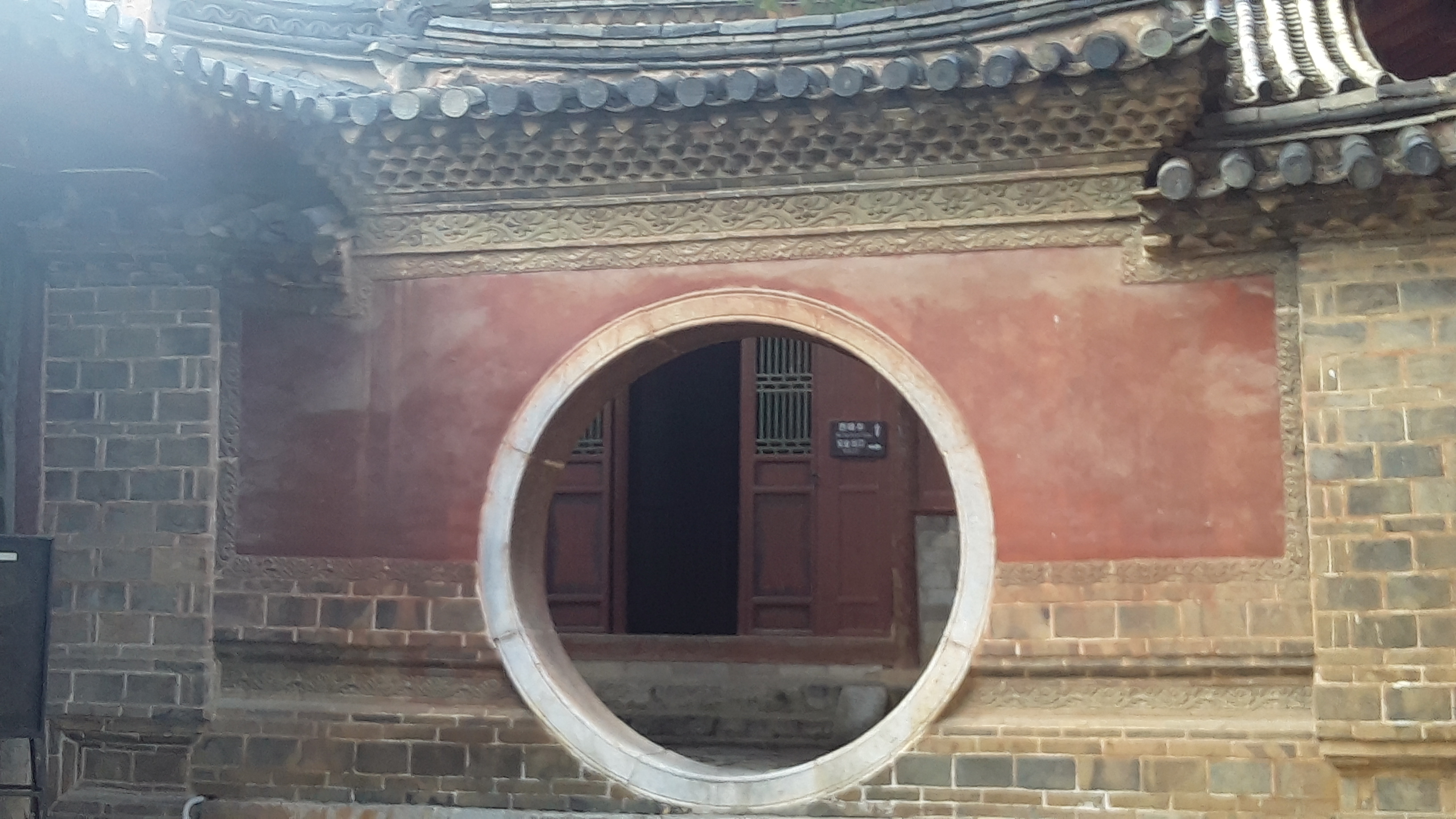
To the right a lot of totally optional to view photos Mr. Bergh took while in the southern most temple to Confucius, Jianshui Confucius Temple, built during the Yuan Dynasty's conquests of what is now Yunnan Province.
Below is what I remember from my memory.
(That mean's I'm a secondary source!)
1st Photo - The entrance to the temple. There is only one entrance and one exit to the entire temple. It is surrounded by large walls on all sides to protect it and keep it separate from the modern city around it.
2nd & 3rd Photo - The first thing you see upon entering is a towering statue of Confucius standing before the lake that must be walked around to reach the temple itself.
4th & 5th Photo - In the center of the temple is a pagoda. This peaceful place is where many Confucius scholars would study for their imperial exams to join the scholar-official class and get government jobs around the empire.
6th & 7th Photo - The temple consists of several open roofed square parks, each with an archway to pass through. Very green and clean.
8th Photo - It is tradition for guests to the temple to lite incense and burn it to purify themselves before going far into the temple. It also honors the spirit of Confucius.
9th Photo - In the temple are several alters to Confucius and legendary Confucian scholars of the past. One would pray and study at each alter if they needed help being prepared for a particular part of the imperial exam that the scholar was good at. There is also a legend that professors would stand behind these alters, moving parts o the alters using levers to make the statues move, and speak answers to young students who prayed.
10th Photo - Behind this portal one was supposed to leave all their negative emotions behind them. Within the temple there is a dark room where students would take their imperial exams. The exams were so hard students would have to write using a ink pen on parchment without light, writing down word for word copies of ancient texts they had memorized. If they got even one part of the text wrong they'd fail the exam.
1st Video - Here a tour guide shows off the bells the temple would of used for songs, calling dinner, starting the school day, and closing the temple. While we don't know what songs they played and certainly the scholars used to play them better, he does his best. The bells are unique in the world, each part of the bell makes a different sound that vibrates for several minutes after being hit.
2nd & 3rd Video - After visiting the Confucius temple we visited some locals that knew the tour guide. While it was obvious that the event was staged, the tour guide and the performers made it to appear spontaneous. They started playing and singing old songs that they had known since they were young. While I'm sure they were being paid by the tour guide, it is lovely that traditional Chinese village music has survived as a result.
What is "Global Trade"?
along the steppes in Central traded goods between different cultures with no .
The Silk Road was one giant road.
The Silk Road was not maintained by any one country, but by the demand for exotic goods.
Check off all countries that adopted Buddhism through The Silk Road.
Check off all countries that adopted Islam through The Silk Road.
Gunpowder, originally invented in China, helped the Ottoman and Mughal Empires take over their parts of the world.
Why do you think it's important to learn about The Silk Road?
Which large Chinese city was not connected by the Grand Canal when it was first built? Use the map as a guide.
Why do you think it was important for Emperor Sui Yangdi to build the Grand Canal?
Check off all the uses for gunpowder that the Chinese originally came up with.
During the Tang Dynasty, Korea, shown in yellow on the map, was a tributary state of China. The Korean king gave gifts to the Chinese emperor in exchange for some protection and access to Chinese markets, culture, and technology.
Based on the above text, what does the word tributary mean?
According to the quote, how does Genghis Khan feel about his conquests?
Which of the descriptions below best describe the Mongol and Turkic peoples of the 12th century?
Which of the following inventions did Temujin NOT use to become Chinggis Khan?
The Mongols believed it was their religious duty to conquer the world.
According to the map Genghis Khan conquered half the world, not his children.
The Mongols helped to encourage global trade by protecting all religions, artisans, and merchants.
Modern China and Russia may not have developed without the Mongols uniting their people against them.
Check off all the things Zheng He was.
Zheng He's Treasure Ships were the largest ships ever built out of wood before the industrial age.
China didn't need things from the world they were the most powerful country in the world at the time.
Chinese emperors wanted to be recognized as the center of the world.
Chinese emperors wanted to collect rare thing that couldn't be made in China to prove China's status.
Check mark everything below that a Chinese Treasure Ship might return to China as tribute.
After Zheng He and the Yongle Emperor died China became Isolationist. They stopped building ships and instead built the Great Wall.
Why do you think isolationism made China weak in the long run?