Trees Have Organ Systems
Trees have two systems, compared to the multiple systems that are present in animals. Trees are multicellular organisms with organ systems that enable them to carry out specifi c functions necessary for maintaining homeostasis. However, that does not diminish the importance of these two systems, which have numerous critical functions.
The table below contains information about the structures and functions of the systems found in trees.
Systems in Trees
Root System | Shoot System | |
|---|---|---|
Structures | roots | stem/trunk, branches, leaves |
Functions |
|
|
The model below is a cross section of a stem as viewed through a microscope that was observed during an investigation. The stem contains the xylem and phloem, which together make up the vascular bundle, a structure that transports materials within a tree.
Cross Section of a Stem
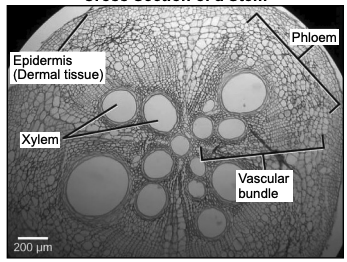
Describe an interaction between the vascular bundle with both the root and shoot systems in a plant.
The compounds needed by plants to carry out life functions are delivered to plant cells in different ways. Maple trees are one type of tree that produce a liquid, known as sap, that circulates sugar, water, and other molecules throughout the plant. Root hairs are single-celled structures that exchange oxygen and carbon dioxide within air pockets in the soil. They also absorb water from the soil. These materials are then delivered to all plant cells.
Which statement best explains why the function of sap and root hairs is necessary for the functioning of plant cells to maintain homeostasis?
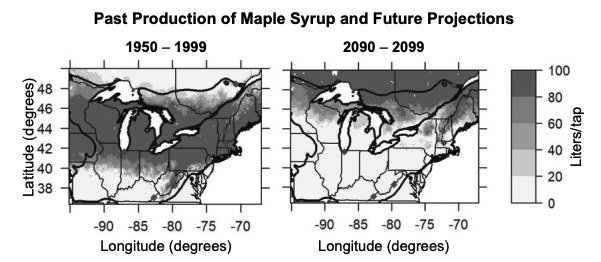
Changing climate is affecting the health of maple trees and their production of sap, used to produce maple syrup. The result is less sweet syrup, which is affecting the maple syrup industry. The model below shows the amount of maple syrup produced from 1950 to 1999, as well as future projections, given the continual rise in temperature.

Which statement provides evidence to explain how the changing climate will affect maple trees and syrup production in the future?
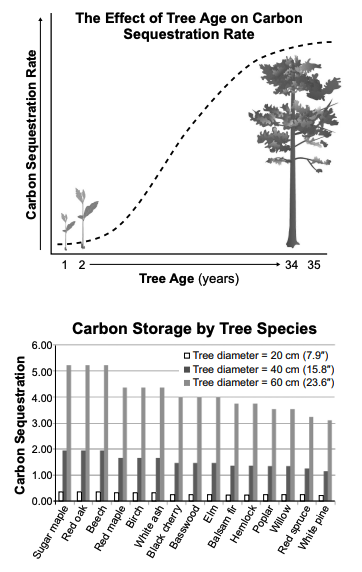
Scientists are concerned about the changing climate and the potential loss of maple trees. Trees are extremely important in the sequestering (storage) of carbon.
The models below illustrate carbon sequestration based on tree age and the diameter of various species of trees.

Describe the role of tree age and diameter, including those of maples, on carbon cycling and storage between the atmosphere and biosphere.
Base your answers to questions 5 through 10 on the information below and on your knowledge of biology.
Strategies for Survival in Different Animal Species
When bluefin tuna reach breeding age, they migrate in schools until they reach an area in the ocean where conditions are right. Bluefi n tuna then spawn, where they release millions of eggs and sperm into the water.
Spawning takes place in nutrient-poor water. Young tuna practice cannibalism to obtain nutrients. Once the young reach a certain size, they stop eating each other and travel in schools to other regions of the ocean. Only two out of every 30 million fertilized eggs will reach adulthood. Four to six years later they will spawn, and the cycle will begin all over again.
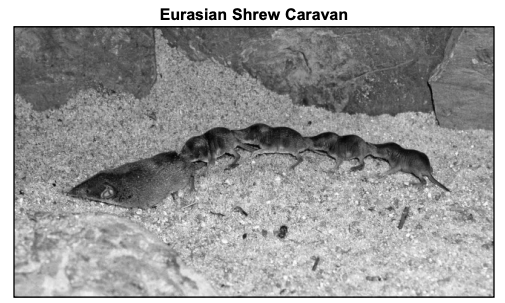
Shrews are mammals that live primarily underground. The female gives birth to fi ve to seven offspring per litter and has three or four litters per year. About 50% of the offspring survive. The young are dependent on the mother for milk for 22 to 25 days. During this time, if the mother has to move the nest to a new location, the young shrews form a caravan behind the mother. Each shrew holds onto the base of the tail of the shrew in front of it with its mouth, forming a chain of shrews, as shown below.

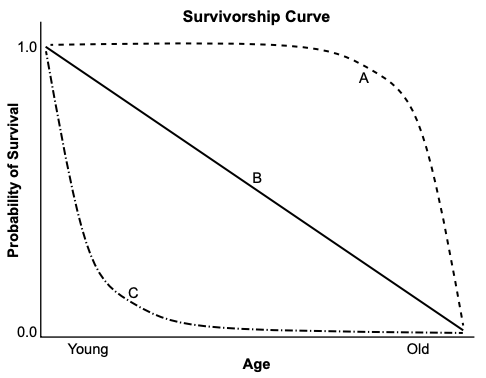
A survivorship curve is a model showing the number or proportion of individuals surviving to each age for a given species or group. The survivorship curves below are used to represent life expectancy patterns in three different species, A, B, and C.

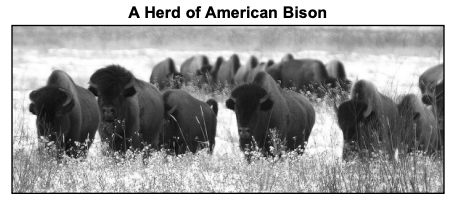
American bison are herding mammals found on the plains of North America. When predators, such as wolves or mountain lions, threaten the calves, the adults form a double ring around the calves. The adult female bison make an inner circle around the calves while the male adult bison form an outer circle around the females.

Construct an explanation that shrew behavior makes it possible for the species to survive even though they produce fewer offspring than the tuna per reproductive cycle.
Use the information provided to explain which survivorship curve best represents the shrews.
Base your answers to questions 11 through 14 on the information below and on your knowledge of biology.
A Unique Relationship: Mulberries and Silk
The ability of living organisms to rearrange elements into different forms and groups is fundamental to life. Mulberry plants use specifi c biological processes to combine molecules present in the environment in order to produce the substances they need to carry out life functions. Silkworms eat mulberry leaves exclusively, getting all of their water and other nutrients from these leaves.
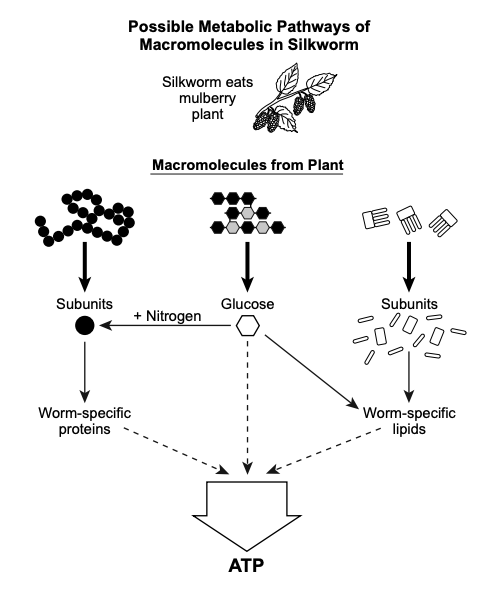
Most nutrients from the mulberry leaves enter the silkworm in the form of macromolecules. The macromolecules must be metabolized by body systems of the silkworm into a form that the cells of the worm are able to use. The model below summarizes some of the processes the silkworm uses to convert the nutrient macromolecules from the mulberry tree into a usable form.

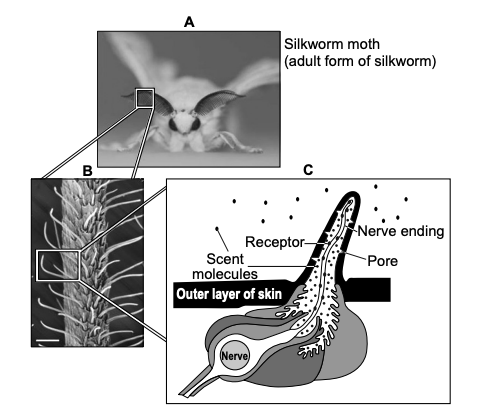
Researchers have determined that silkworm moths have a mechanism that enables them to locate mulberry leaves. Mulberry leaves emit scented chemical molecules that are detected by highly sensitive receptors within the antennae of the silkworm, as shown in the models below.

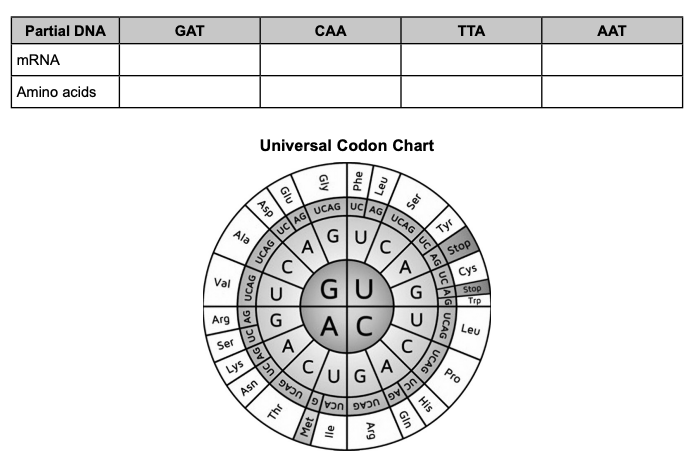
Silkworms use the mulberry leaves to produce fibroin, a protein molecule needed to spin silk. Part of the DNA sequence that codes for the protein fibroin is listed in the table below.

Based on information in the model, which statement describes the chemical process by which the energy in glucose from the mulberry plant is converted and made available to the silkworm?
Base your answers to questions 15 through 19 on the information below and on your knowledge of biology.
Ivory and Elephants
In African elephant populations, both males and females usually have ivory tusks, which are actually a pair of massive teeth. Some females never grow them. Tusks are crucial to male elephants for defense and in their competition for mates.
In many parts of the world, elephant ivory is still viewed as a status symbol. It was used to produce small carvings, jewelry, piano keys, and chess sets. Traditional medicine used ivory powder to treat a variety of illnesses. Acquiring ivory results in the illegal killing of elephants, known as poaching. Ivory is still sold, even though it is against the law to do so.


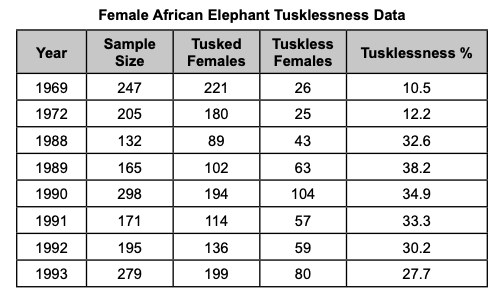
Tusklessness, not growing tusks, appears to be caused by a dominant allele, carried by females and lethal to males. The table below contains data on the change in the frequency of tusklessness in female African elephants.
African savanna elephants can signifi cantly impact the ecosystems that they live in. These elephants can push down and uproot trees, allowing the tree bark to be used for food. As trees are uprooted, the soil is disturbed, and the organisms that live under the soil are exposed.
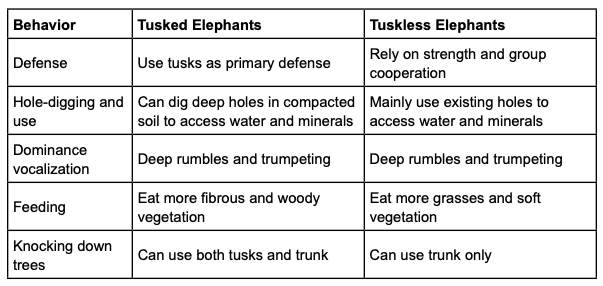
The table below shows how the trait of tusklessness impacts the behavioral characteristics of African savanna elephants.

Conflict between humans and elephants exists across Africa. As human populations grow, people are moving into wild areas, increasing loss of natural habitats. Elephants compete with people for decreasing resources. Elephants searching for food frequently enter villages and sometimes damage property, uproot vegetable gardens, and can harm people. Multiple organizations have come up with solutions to reduce conflict between elephants and humans, as described below.
Solution One: Beehive Fences
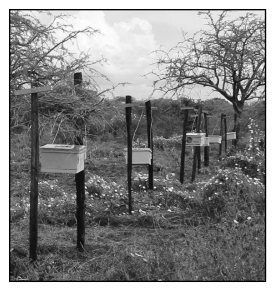
Beehive fences are made by hanging beehives connected by wire around crops to deter elephants from entering areas by using their natural fear of African honeybees. When an elephant pushes the wire the hives shake, alerting guard bees which then defend their hives. Over time, elephants learn to avoid these bee-fenced areas.
Solution Two: Resource Management Hunting Millions of acres of elephant habitat are set aside where limited elephant hunting is allowed. These areas are closely monitored and regulated. Without this managed hunting, the critically important elephant range will be lost to other land uses.

Evaluate the solutions listed above by explaining which solution would be most effective at reducing the conflict between humans and elephants while having the least impact on the ecosystem.
Base your answers to questions 20 through 23 on the information below and on your knowledge of biology.
Carbon Cycle Supports Life on Earth
Life on Earth is only possible with carbon. Organisms on Earth rely on carbon for the production of molecules used in life functions. Various processes in the environment cycle carbon. In the ocean, the main producers in this cycle are plant-like microscopic organisms called phytoplankton.
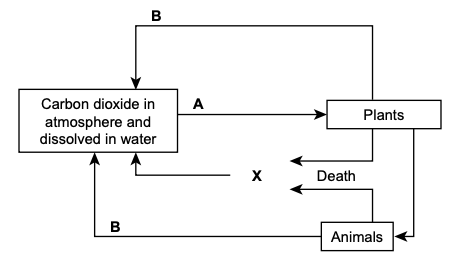
The model below represents how processes A, B, and X play a significant role in the exchange of carbon.

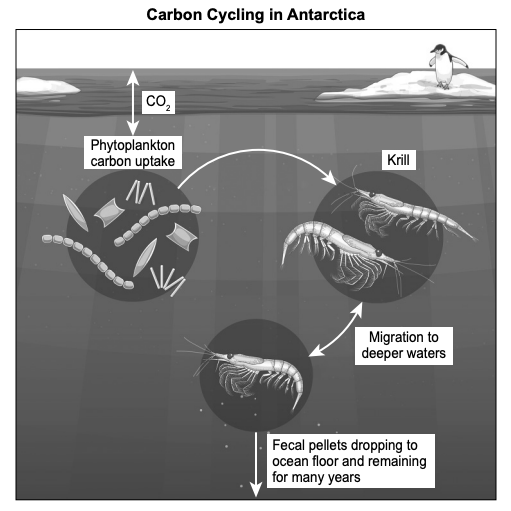
Krill are small shrimp-like creatures that live in the southern oceans around Antarctica and consume phytoplankton. They play an important role in the carbon cycle. Krill contribute to the removal of up to 12 billion tons of carbon from the Earth’s atmosphere each year.
The model below illustrates the role of krill in the carbon cycle.

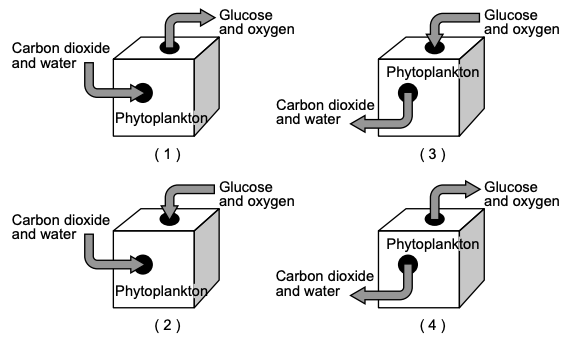
Which model below best identifies how phytoplankton cycle carbon between two of Earth’s spheres?

Base your answers to questions 24 through 28 on the information below and on your knowledge of biology.
Keratin — A Very Versatile Protein
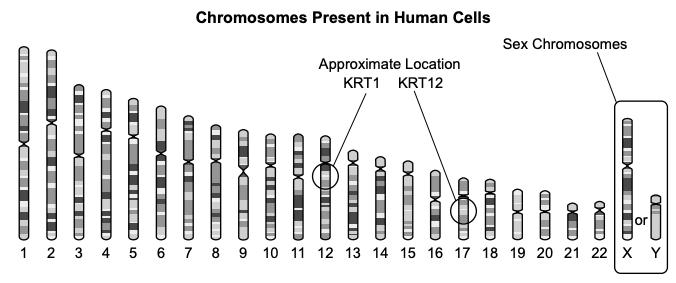
The skin, hair, nails, horns, and claws of many organisms are composed of a tough, structural protein called keratin. In humans, there are over 54 different types of keratin proteins in the body. The KRT1 gene, involved in making one type of keratin protein called keratin 1, is expressed in the outer layers of skin. Another keratin protein is coded for by the gene KRT12 and functions in the cornea of the eye.
Segments of the DNA code for synthesizing these proteins are shown in the table below.

The model below represents the approximate location of the human KRT1 and KRT12 genes within the human genome.

Some keratin-producing genes, like KRT10, are expressed in a group of body cells, known as keratinocytes. These are located in the outermost layers of the skin, making up about 90 percent of the cells there. In some individuals, keratinocytes do not produce appropriate amounts of keratin, resulting in various skin disorders.
The table below summarizes the results of an investigation used to study portions of a normal and mutated KRT10 gene present in skin cells.
Treatments for some keratin-related disorders are being researched, including gene therapy. One possible technique would use lab-grown, genetically modified keratinocytes. These modified cells include a properly functioning version of the keratin-producing gene that is then transplanted into the patient.
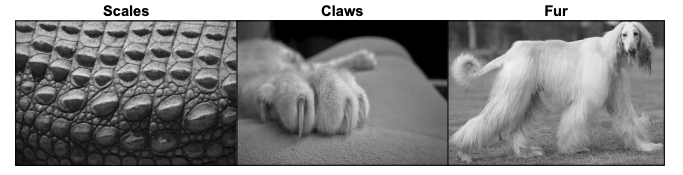
Crocodile scales, cat claws, and fur are also composed of keratin. The keratin in each of these structures is not identical, nor does it perform identical functions.

Use the model to describe how this genetic information is utilized to produce specialized cells.
Use information obtained from the table to provide evidence that explains why the gene mutation may affect the amino acid sequence, altering the ability of the skin cells to produce the keratin protein.

Base your answers to questions 29 through 32 on the information below and on your knowledge of biology.
How Do Kangaroo Rats Survive in the Desert?
Kangaroo rat species live in the desert and conserve water so efficiently that they can survive without drinking. The body systems of these animals have various adaptations that allow the rats to extract water from the food they eat.
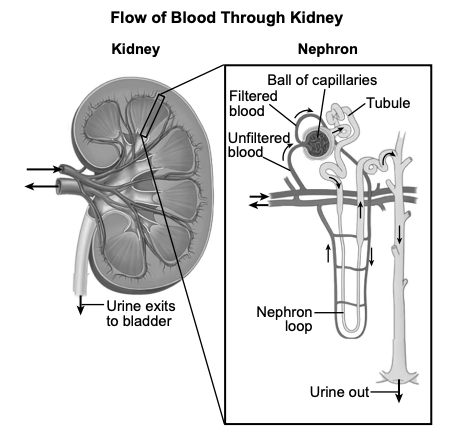
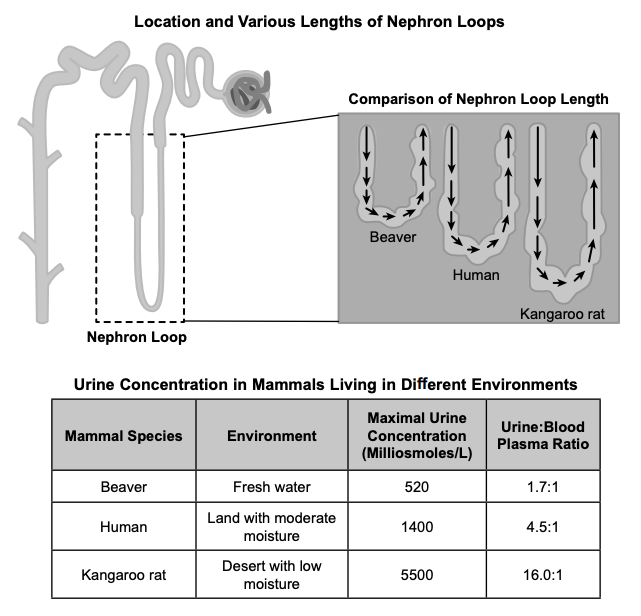
Kangaroo rats produce highly concentrated urine containing a minimal amount of water. Urine concentration depends on specialized structures in the kidney called nephrons.
The model below shows the organization of specific parts of the circulatory and excretory systems that are needed to filter water and waste from the blood.

The length of the nephron loop has been directly correlated with the efficiency of water conservation in organisms.

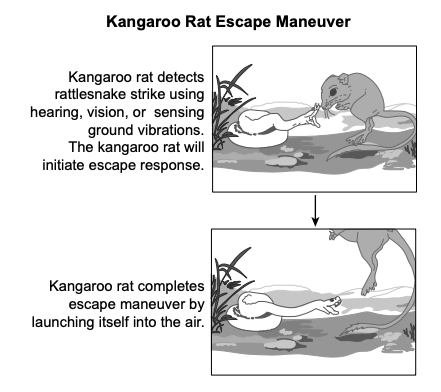
Survival in the desert also requires that kangaroo rats have the ability to escape predators. Various body systems must work together to enable the kangaroo rat to perform lightning-quick escape maneuvers. Scientists studied the evolution of the kangaroo rat leap. They determined that although 81% of snake strikes were accurate, 78% of the time the kangaroo rats were fast enough to evade a bite that would kill.

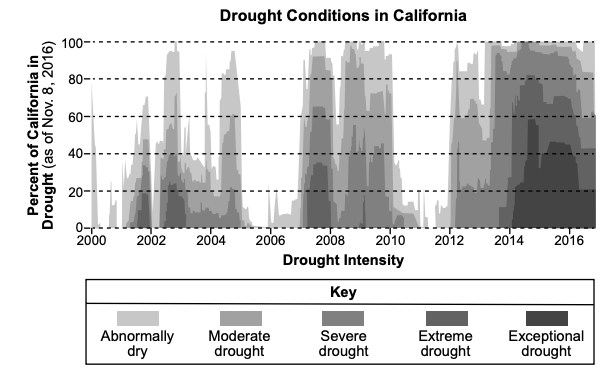
California is home to several species of kangaroo rats. Kangaroo rats are highly affected by changes in their habitat. Because they don’t drink water, they are dependent on the food available in the habitat for both nutrition and water.
The graph below shows the change in drought conditions in California over a 16-year period.

Describe how specific parts of the circulatory and excretory systems interact within the kangaroo rat to conserve water
Using evidence from the information provided, describe how the kangaroo rat carrying capacity may be impacted if this trend continues in California.
Base your answers to questions 33 through 36 on the information below and on your knowledge of biology.
Evolutionary Relationships
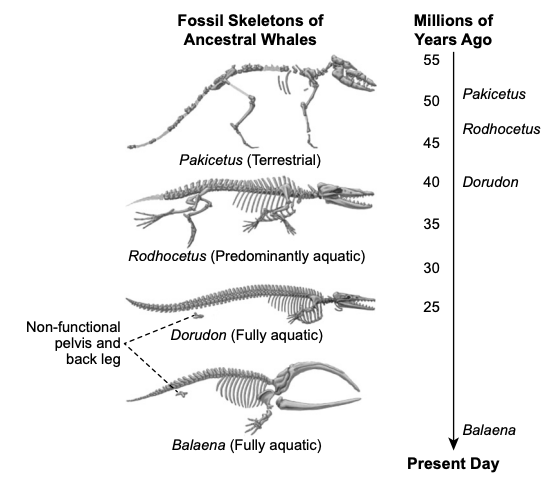
Evidence suggests that whales have descended from mammals that walked on land. The diagrams below show some information about extinct ancestors of modern whales.

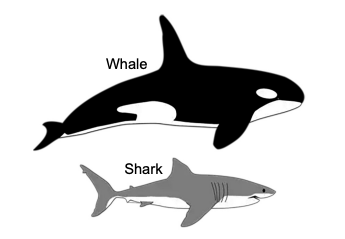
Whales and other marine mammals are often mistaken for fi sh, such as sharks, because of the similarity of their body shapes, as shown below. Even though they look similar, whales and sharks are genetically different.

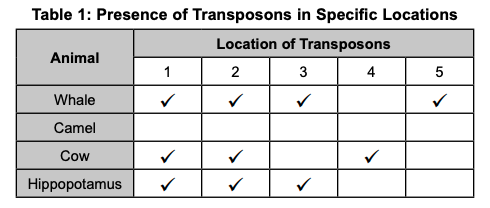
Researchers also studied the location of transposons, a type of DNA that is randomly inserted into a genome and passed down to future generations. Transposons are studied to determine evolutionary relationships. The table below shows some information about transposons in mammals.

Which statement includes scientific information that best explains how modern whales may have descended from land-living mammals?
Base your answers to questions 37 through 41 the information below and on your knowledge of biology.
The Human Journey from One Cell to 30 Trillion
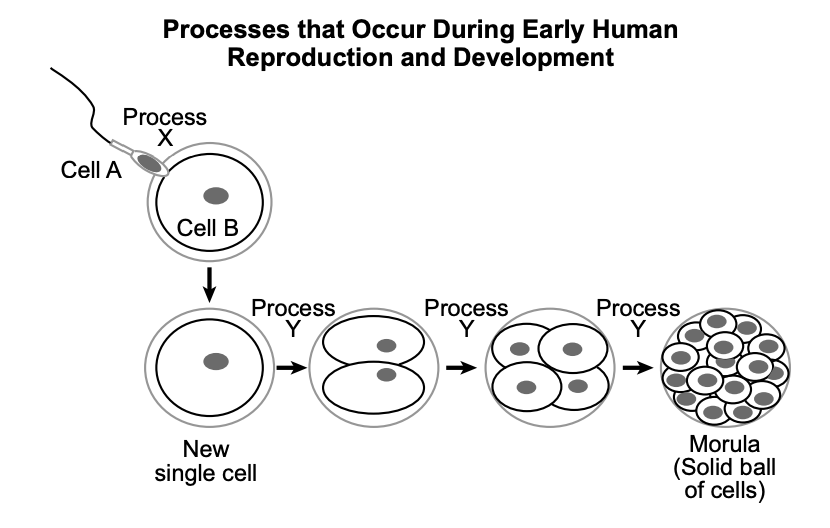
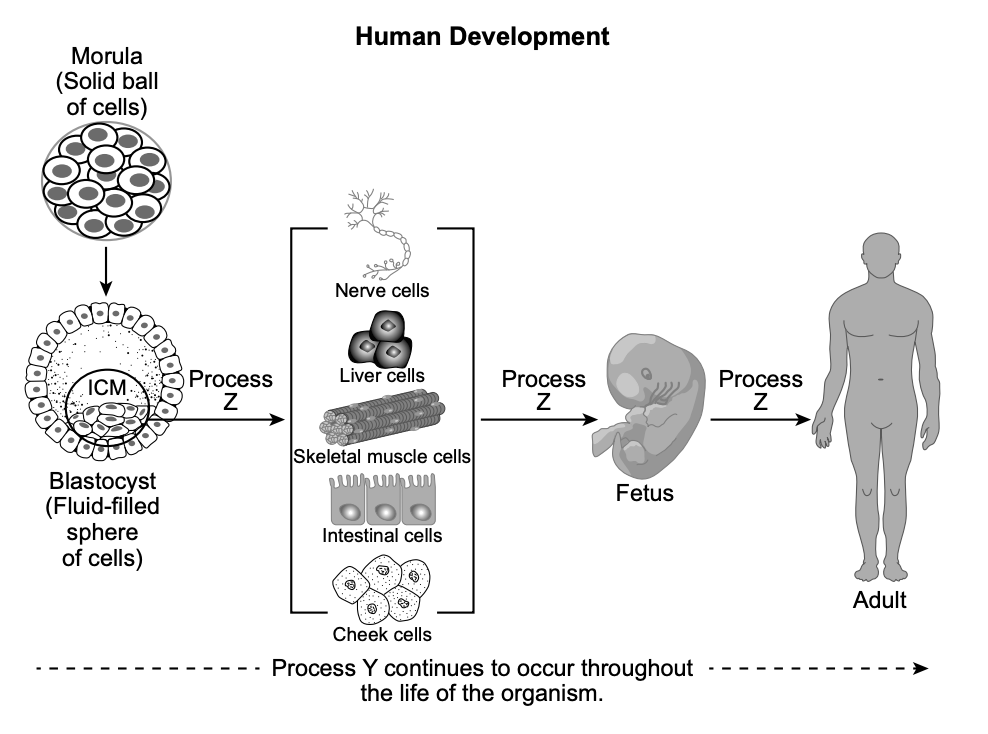
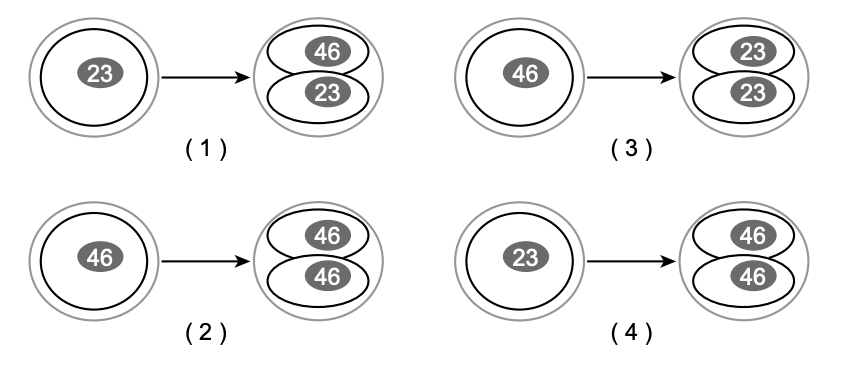
Events that occur during human reproduction and development result in the transformation of a single cell into an individual made of trillions of cells. These events are numerous and diverse, but all play a part in ensuring the continuity of life. The journey begins with the formation of the fi rst cell (Process X). That cell will respond to specific factors both inside and outside the cell to produce many similar cells (Process Y).

As human development continues, the solid ball of cells will hollow out to form a fluid-filled sphere of cells. At one end, it contains a mass of less than 100 cells called the inner cell mass (ICM). The ICM will form the fetus.

As the embryo develops, the cells of the ICM rearrange and change location. These changes are the result of Process Z and will give rise to all of the cell types needed to form structures such as nerves, organs, and muscles, such as the cardiac muscles of the heart. When a person suffers a heart attack, some of their cardiac muscle cells die. This causes permanent damage to the heart because adults cannot produce new cardiac cells under normal conditions. Doctors used animal models (pigs) to test several therapies aimed at repairing damaged heart tissue.
If an error is present in the DNA of Cell A, describe how the error would be present in every cell within the morula.
Describe a trade-off researchers must consider when using pigs as model organisms to cure heart disease in humans.
Base your answers to questions 42 through 45 on the information below and on your knowledge of biology.
Driving the Florida Panther to Extinction
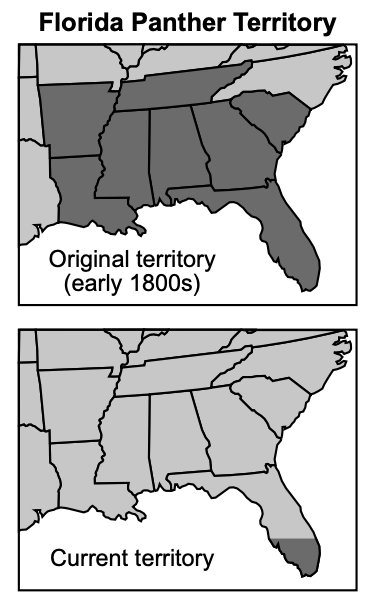
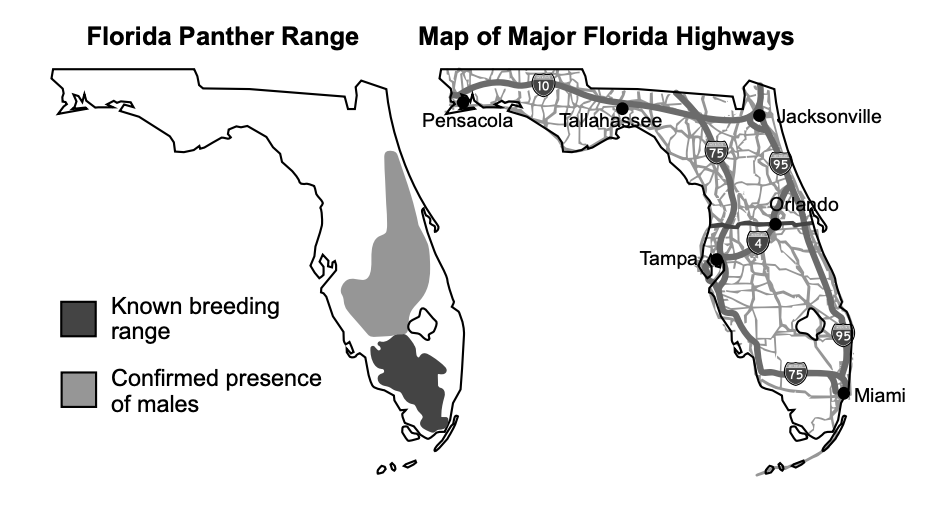
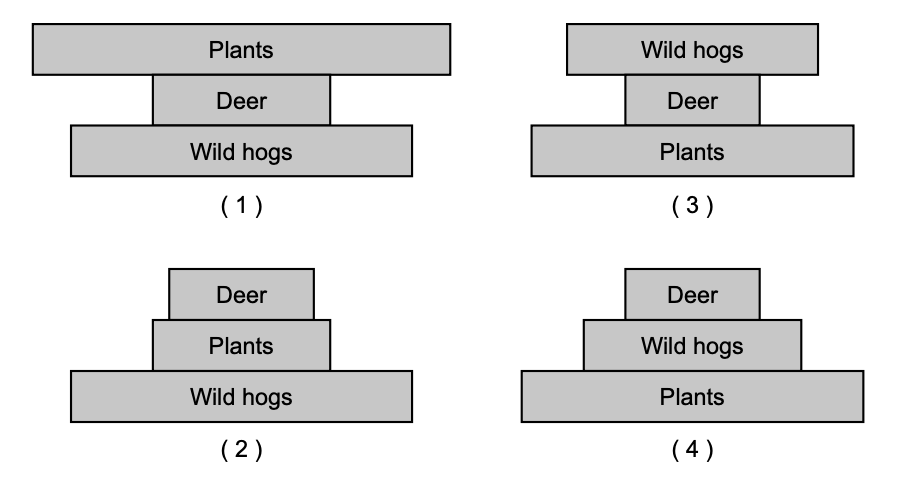
The decline in the Florida panther population is an example of how humans have had an impact on the biodiversity of an area. The panther is a large cat that preys primarily upon wild hogs, raccoons, and deer. They can be found in forested areas, pinelands, and freshwater swamp forests. During the 1800s and early 1900s, habitat loss and hunting led to the panther’s near-extinction. By the mid-1980s, only 20 to 30 panthers could be found in the wild. Conservation efforts to increase the panther population started with the release of eight females from Texas in 1995 into available panther habitat in south Florida, much of which was protected from human activity. The Florida panther population historically bordered the Texas population, with interbreeding occurring naturally. Such conservation efforts have succeeded in bringing the wild panther population up to about 200 individuals.

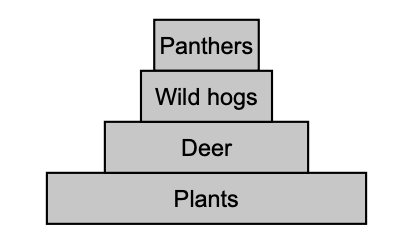
The model below represents a balanced Florida ecosystem.

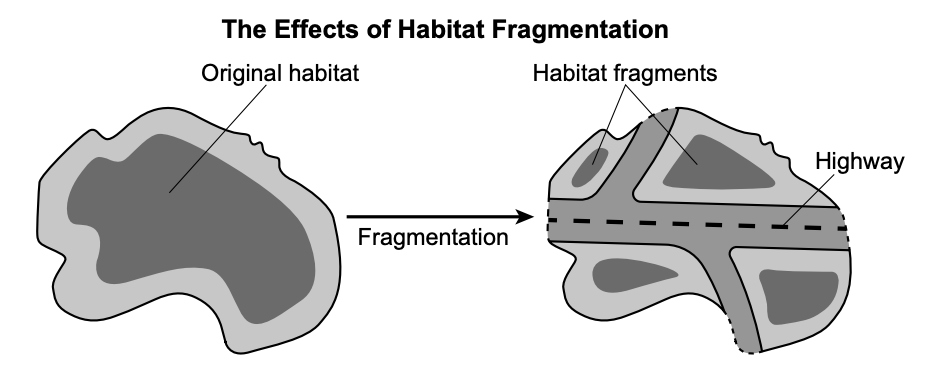
Human-caused habitat fragmentation from the late 1800s through today has broken up the once-large panther territory. Urbanization has contributed to the fragmentation of the panther habitat in Florida. The model shows some information about habitat fragmentation.

Some conservationists are now concerned that their original efforts to restore the Florida panther population may have been undone. They claim that new proposals to increase the number of housing developments and highways within the Florida panther breeding range will reduce the panther population to levels that occurred in the 1980s.
A proposed solution to reduce panther deaths caused by cars is to build wildlife bridges. When designing wildlife bridges, engineers in Florida prioritized the criterion of panther survival while also considering constraints such as cost, driver safety, environmental impacts, and aesthetics.
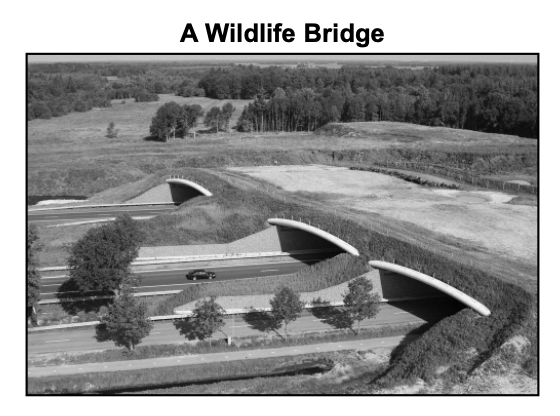
Evaluate wildlife bridges as a solution to reduce the impact on panther populations, based on prioritized criteria and constraints.
Which piece of evidence best supports how the tuna’s spawning behavior provides a survival advantage?
A student claimed that
Explain how the process of evolution has led to the development of this behavior in bison populations.
In the 1800s, unregulated hunting reduced bison herds from tens of millions of individuals to fewer than 1,000. How might the DNA of the modern bison populations compare with the DNA of ancestral populations prior to the 1800s?
Use evidence from the model to explain how the elements in the glucose can be used by the silkworm to synthesize protein molecules needed to sustain life.
Which statement best describes how the organization and interactions of two systems present within the silkworm moth enables it to find and use mulberry leaves as their source of nutrients?
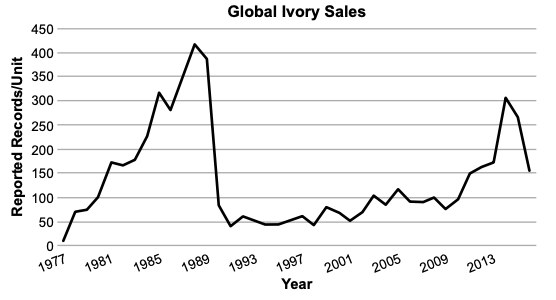
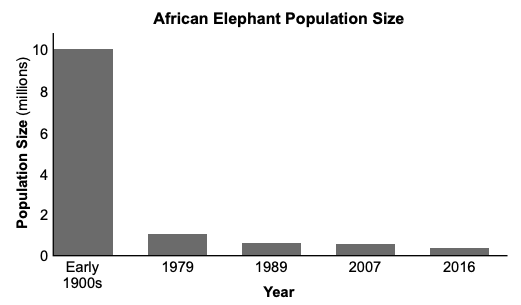
Researchers claimed that elephants were being poached for their tusks, which are composed of ivory. Based on data provided in the graphs, which statement best explains this claim?
Which statement best describes a trend in tusklessness represented in the data table?
Which statement about how humans affected the elephant population is supported by the evidence provided?
Which statement identifies the claim, supported by evidence, that a shift to more tuskless elephants could disrupt the stability of the local ecosystem?
Based on the model, identify the process represented by X and describe how this process contributes to the cycling of carbon between two of Earth’s spheres.
Based on the model, explain how rapid growth in the krill population would affect the cycling of carbon between the atmosphere and biosphere.
A carbon sink is anything that absorbs more carbon from the environment than it releases. Which process carried out by krill results in the accumulation and storage of carbon for a period of time?
Which statement best provides evidence that supports the explanation that the sequence of DNA determines proteins?
Which claim best explains why only one generation of genetically modifi ed keratinocytes must be genetically altered and transplanted into an individual in order for that individual to continue producing appropriate amounts of keratin?
Based on the evidence provided, which statement best explains the variation in keratin structure and function as represented by these organisms?
Which explanation, based on the evidence provided, supports the claim that natural selection leads to the adaptations that control water regulation in specific environments?
Which statement best describes an interaction that occurs between body systems during the kangaroo rat’s lightning-quick maneuver?
Based on evidence, which statement explains how whales and sharks have evolved to have similar body shapes?
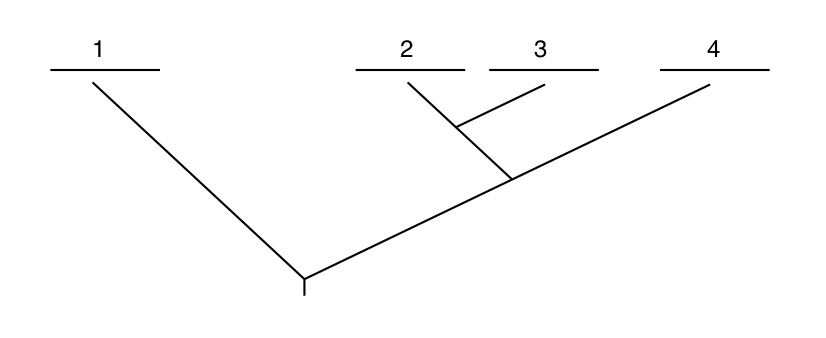
Which types of evidence would best demonstrate patterns that could be used to determine the evolutionary relationships between goats and the other organisms?
Which statement explains why Process X is necessary to maintain the continuity of life?
Which diagram best summarizes how Process Y results in the typical number of chromosomes present in the nucleus of each human cell?

Which statement best summarizes the result of Process Y at all stages of human development, from the new single cell stage to the adult stage?
Which explanation regarding the Florida panther would best be supported by the evidence in the information provided?
Which pyramid of biomass would best represent the Florida ecosystem if the panthers went extinct, causing a sudden imbalance in the ecosystem?

Which statement supports the claim that habitat fragmentation will increase the likelihood of the Florida panther becoming extinct?