Part III (Question 35) ENDURING ISSUES ESSAY
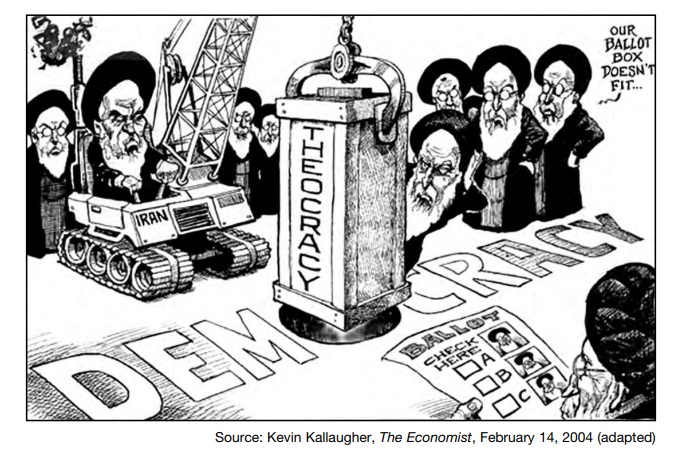
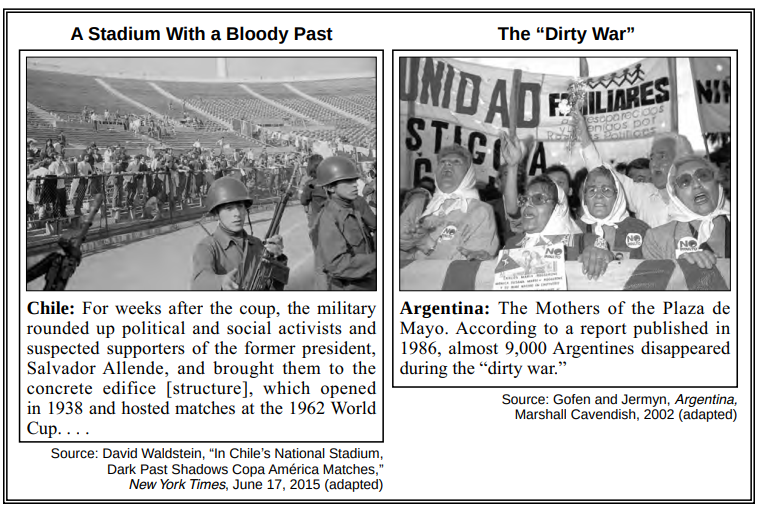
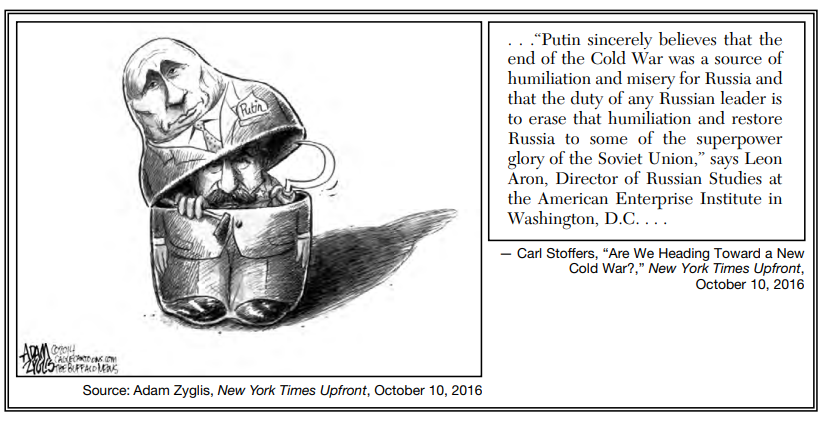
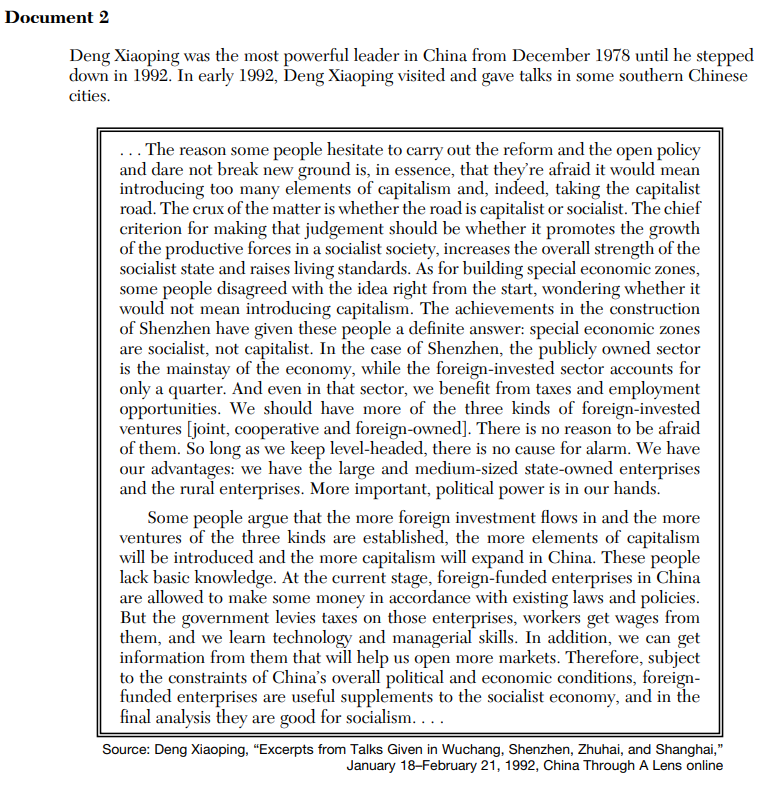
This question is based on the accompanying documents. The question is designed to test your ability to work with historical documents. Some of these documents have been edited for the purposes of this question. As you analyze the documents, take into account the source of each document and any point of view that may be presented in the document. Keep in mind that the language and images used in a document may reflect the historical context of the time in which it was created.
Directions: Read and analyze each of the five documents and write a well-organized essay that includes an introduction, several paragraphs, and a conclusion. Support your response with relevant facts, examples, and details based on your knowledge of social studies and evidence from the documents.
An enduring issue is a challenge or problem that has been debated or discussed across time. An enduring issue is one that many societies have attempted to address with varying degrees of success.
Task:
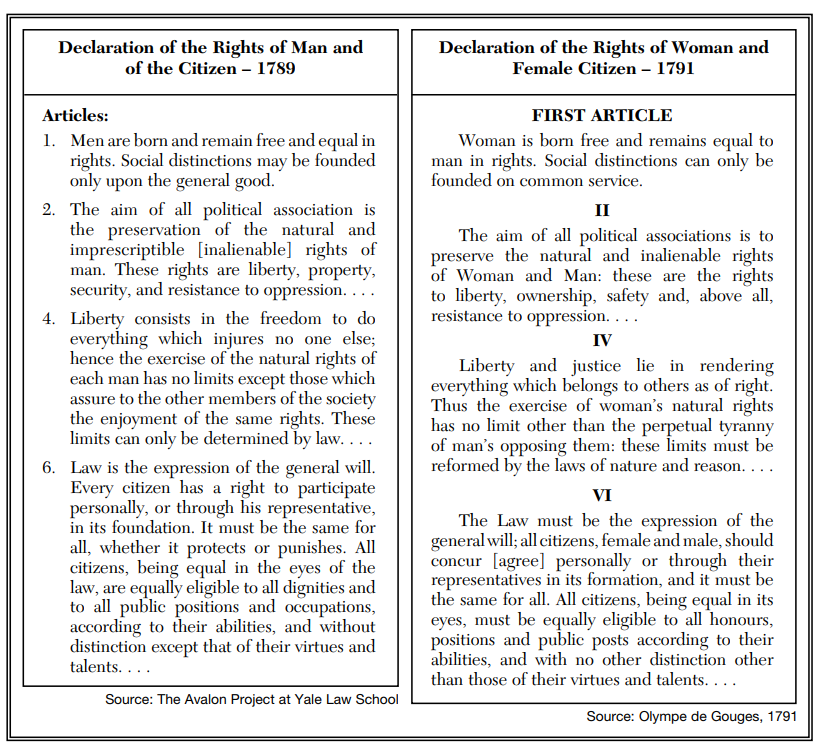
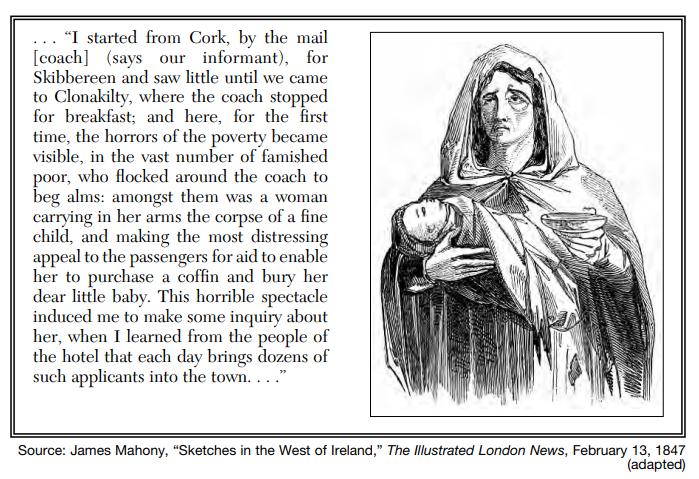
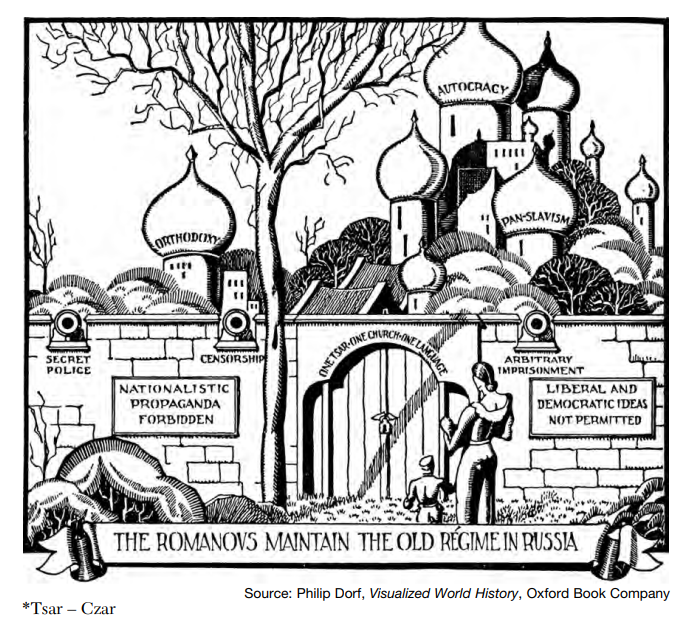
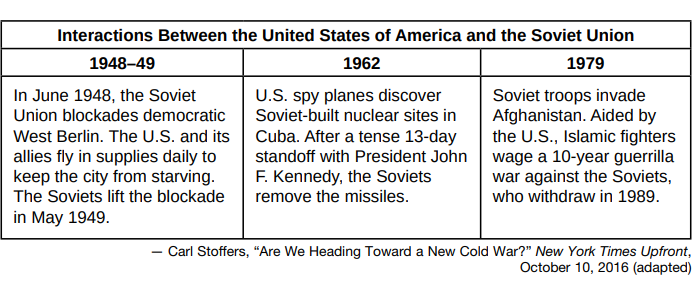
• Identify and explain an enduring issue raised by this set of documents
• Argue why the issue you selected is significant and how it has endured across time using your knowledge of social studies and evidence from the documents
In your essay, be sure to
• Identify the enduring issue based on a historically accurate interpretation of at least three documents
• Define the issue using relevant evidence from at least three documents
• Argue that this is a significant issue that has endured by showing:
– How the issue has affected people or has been affected by people
– How the issue has continued to be an issue or has changed over time
• Include relevant outside information from your knowledge of social studies
In developing your answer to Part III, be sure to keep these explanations in mind:
Identify—means to put a name to or to name.
Define—means to explain features of a thing or a concept so that it can be understood.
Argue—means to provide a series of statements that provide evidence and reasons to support a conclusion.