1
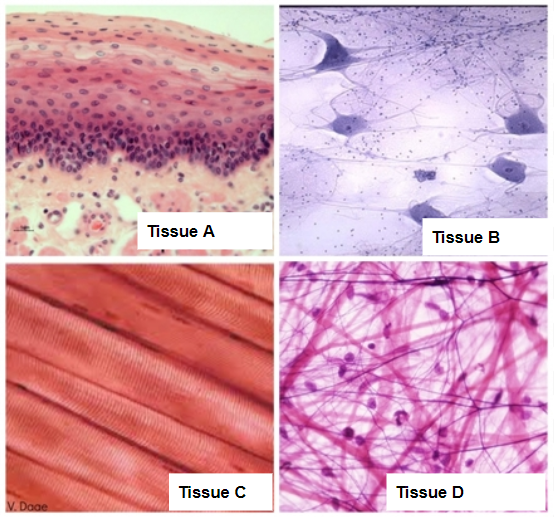
This tissue is
This tissue is
1
1
1
PLEASE SPELL WORDS CORRECTLY WHEN ASKED TO TYPE IN YOUR ANSWER
PLEASE SPELL WORDS CORRECTLY WHEN ASKED TO TYPE IN YOUR ANSWER
The levels of organization: Cells make up
Match the major tissue type with its example.
lining of organs/glands, outer layer of skin
Nerves
blood, bones, cartilage, tendons, ligaments, adipose
skeletal, cardiac, smooth
Epithelium
Connective
Muscular
Nervous
Drag each choice to the correct tissue type
protects, supports, and binds together other body tissues
responds to stimuli and transmits impulses and together with supporting cells
specialized to contract and cause movement
forms the linings, coverings, and glandular tissue of the body
Epithelium
Muscular
Nervous
Connective
This tissue is
A
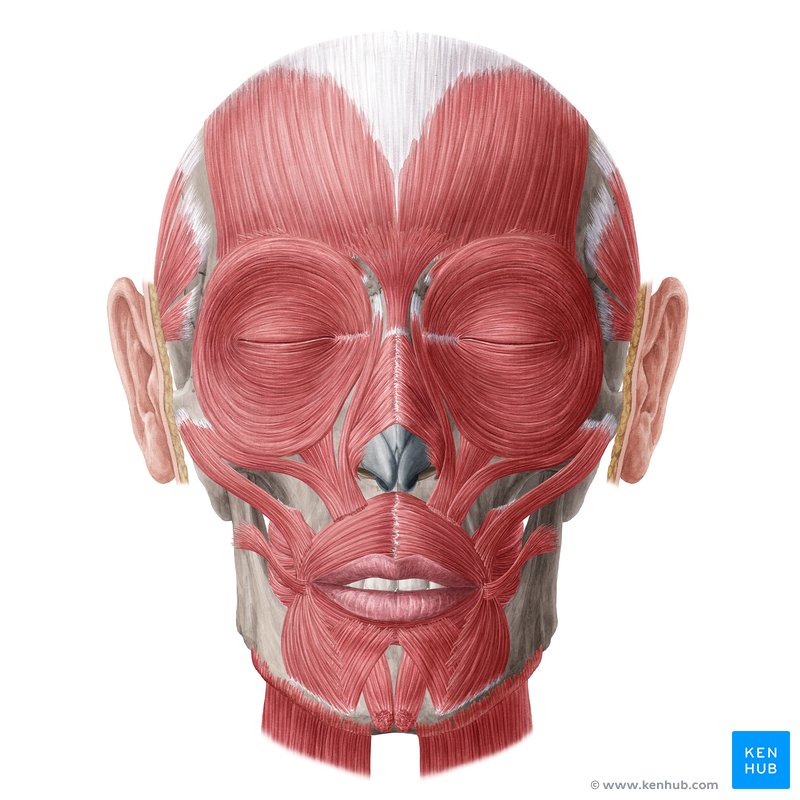
This muscle is called
Match the muscle to its correct function
| Draggable item | arrow_right_alt | Corresponding Item |
|---|---|---|
muscle that allows you to move your jaw up and down | arrow_right_alt | orbicularis oris |
facial muscle that is known as the "kissing" muscle | arrow_right_alt | orbicularis oculi |
facial muscle that allows you to wink | arrow_right_alt | temporalis |
This tissue is
This tissue is
This tissue is
This muscle is called
This muscle is called