air pressure: the
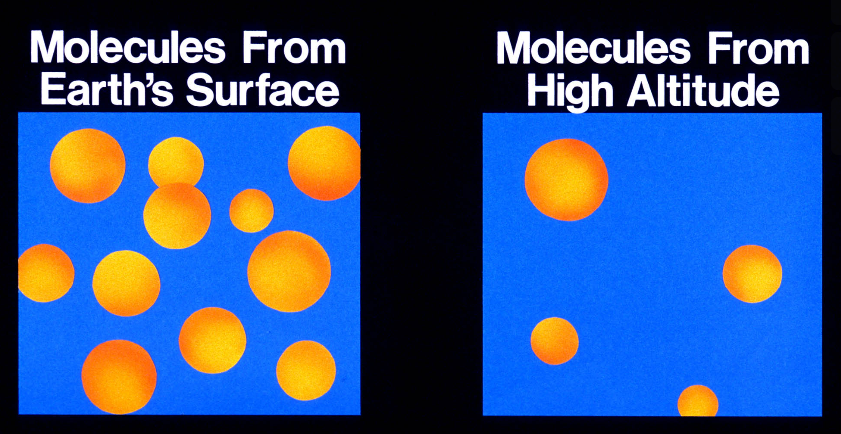
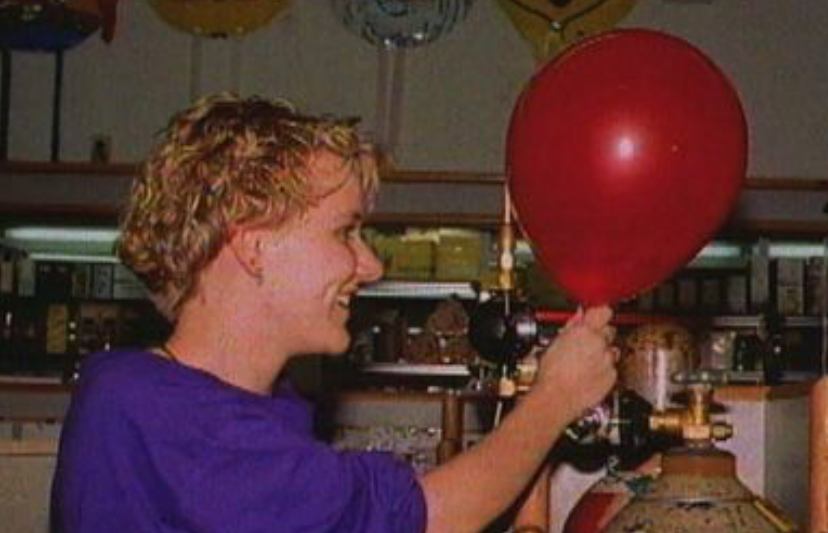
The air molecules are more spread out as one goes higher. So, air pressure
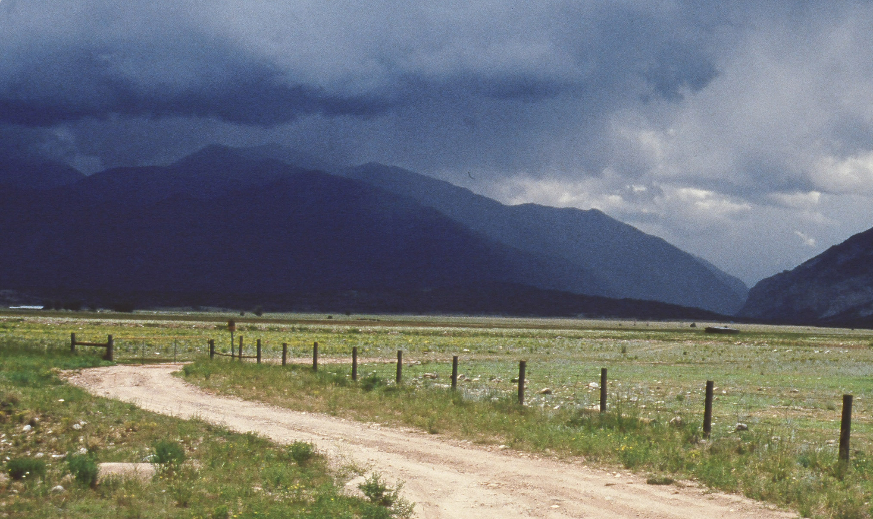
Storms usually occur when the air pressure over an area is very
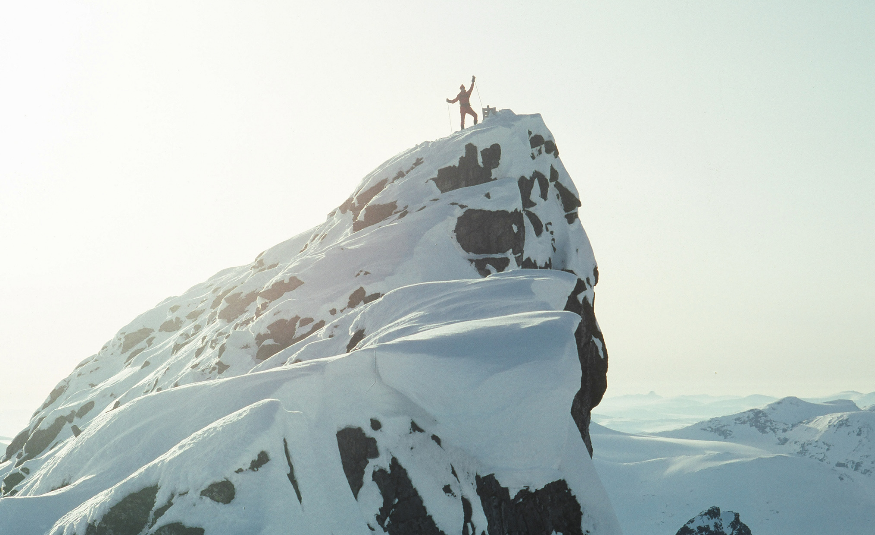
Air pressure at the peak of a mountain is much
air pressure: the
The air molecules are more spread out as one goes higher. So, air pressure
Storms usually occur when the air pressure over an area is very
Air pressure at the peak of a mountain is much
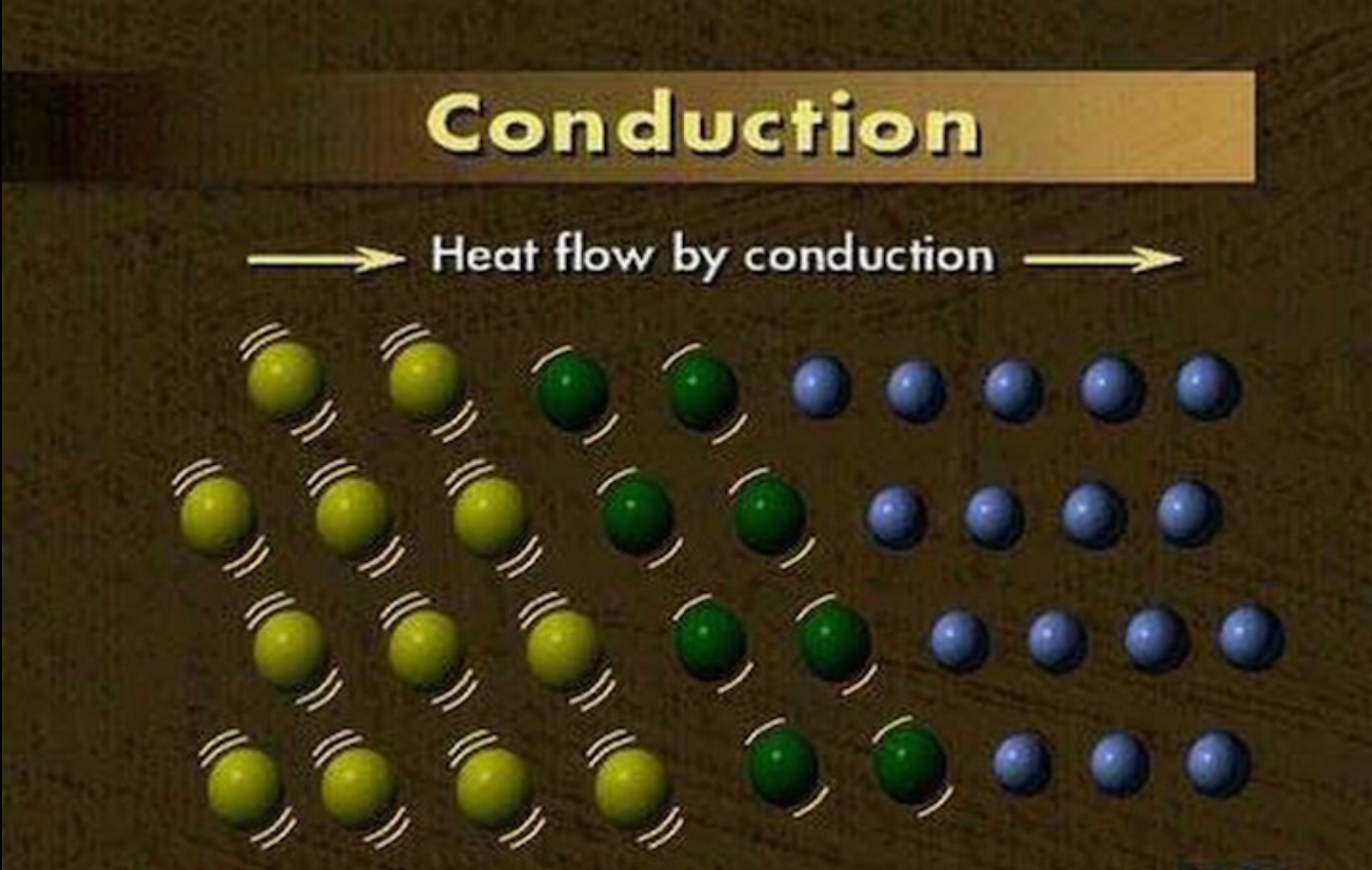
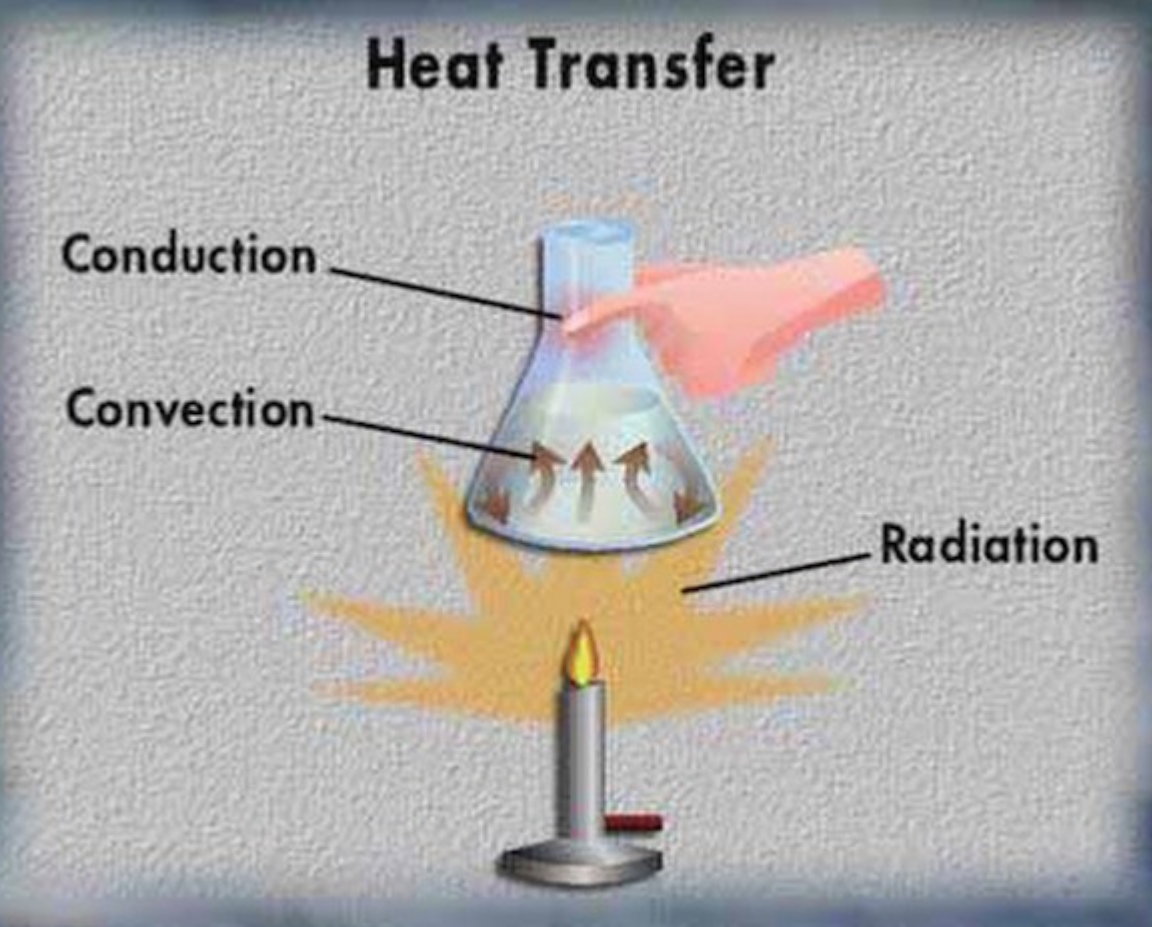
conduction: the transfer of heat energy within an object, or between objects that are directly touching each other, due to
In a solid, heat is conducted as the
Heat energy can be transferred in several ways. Radiation is the transfer of energy via
gas: a state of matter without any defined
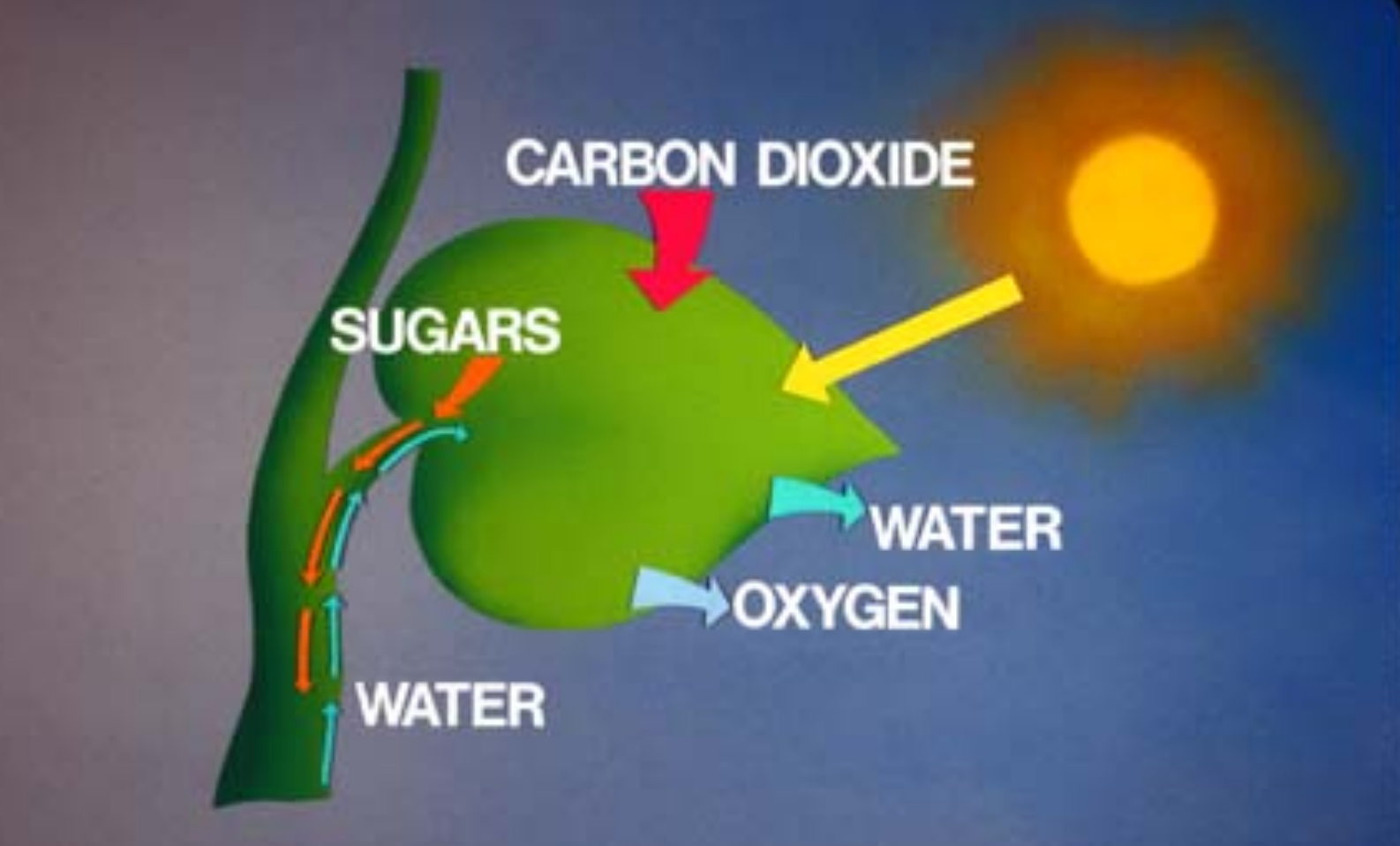
Plants use carbon dioxide gas and water to make food for themselves in the presence of sunlight. This process is known as
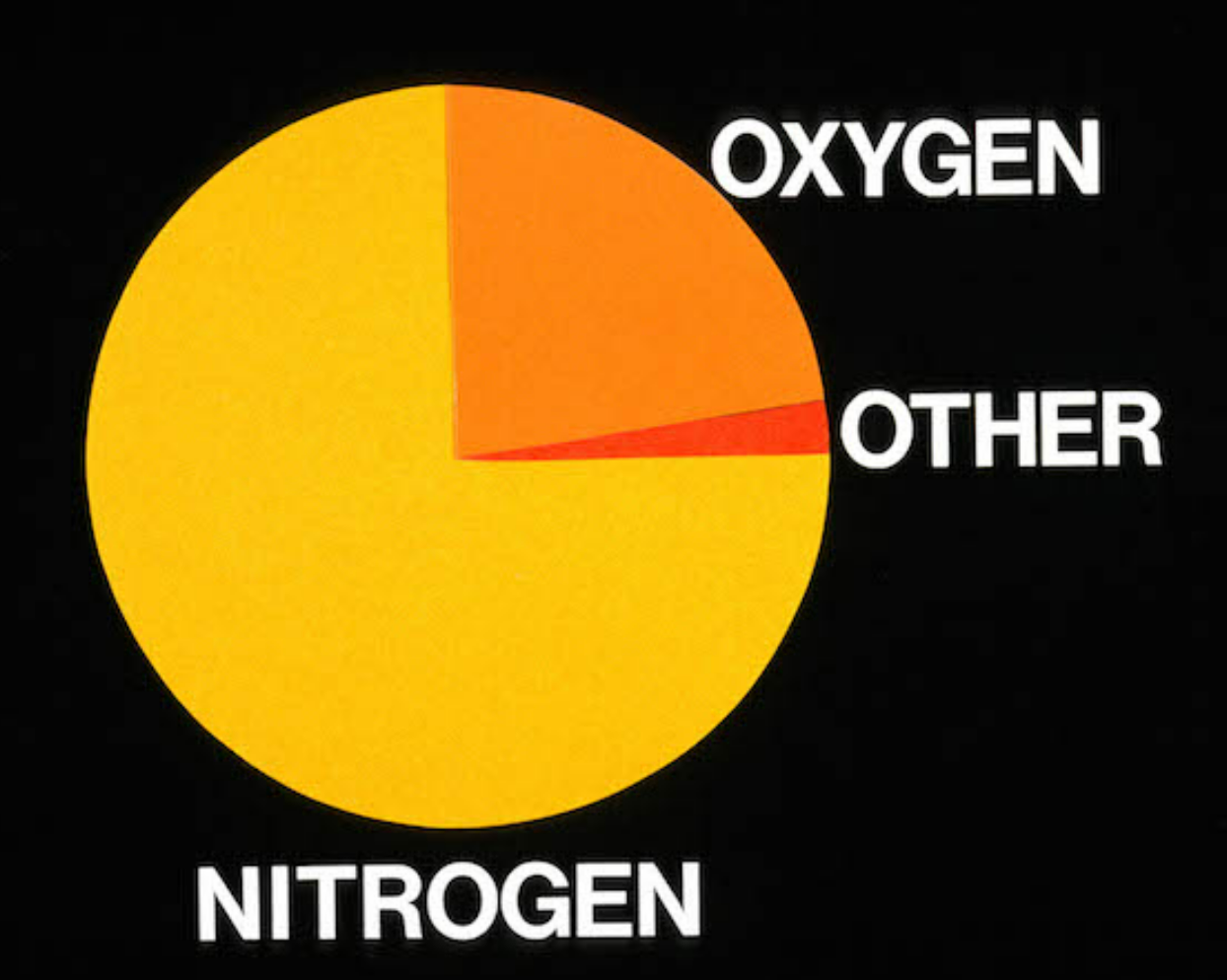
Nitrogen, oxygen, and carbon dioxide are the main gases that make Earth's
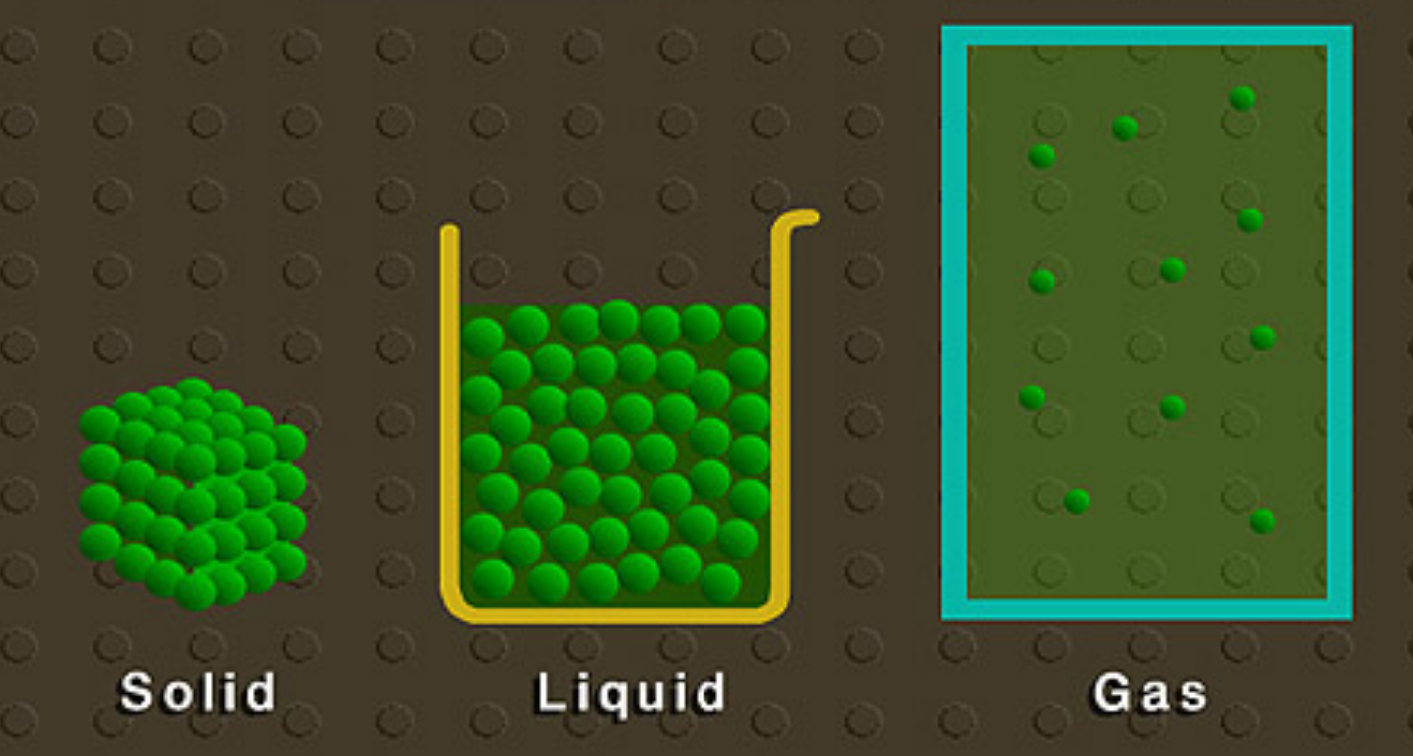
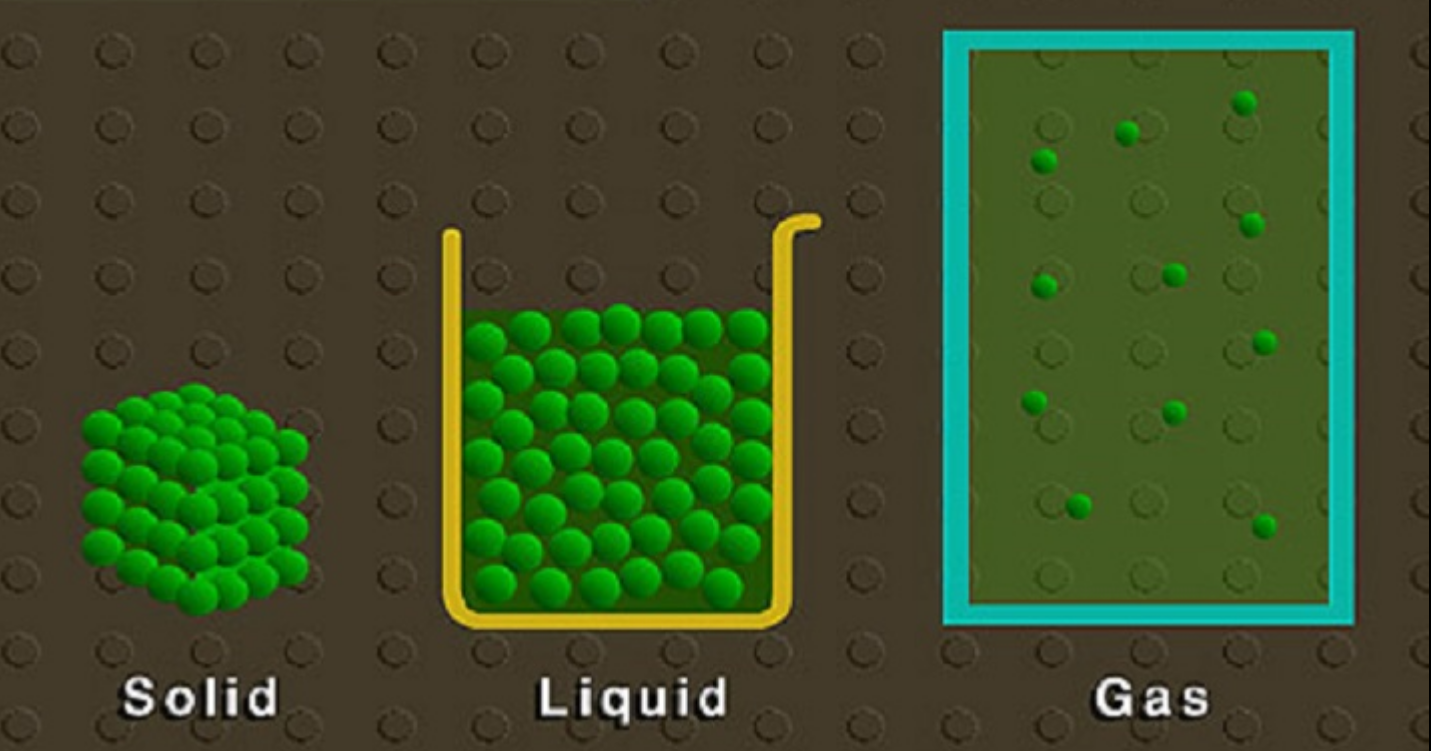
Unlike a solid or liquid , the molecules of a gas are not packed close together. They move about
kinetic energy: the energy an object has because of its
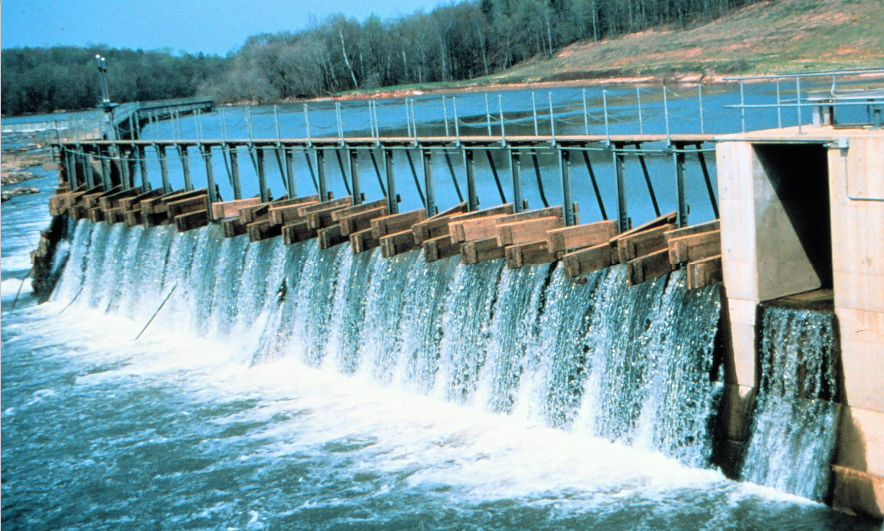
When water is
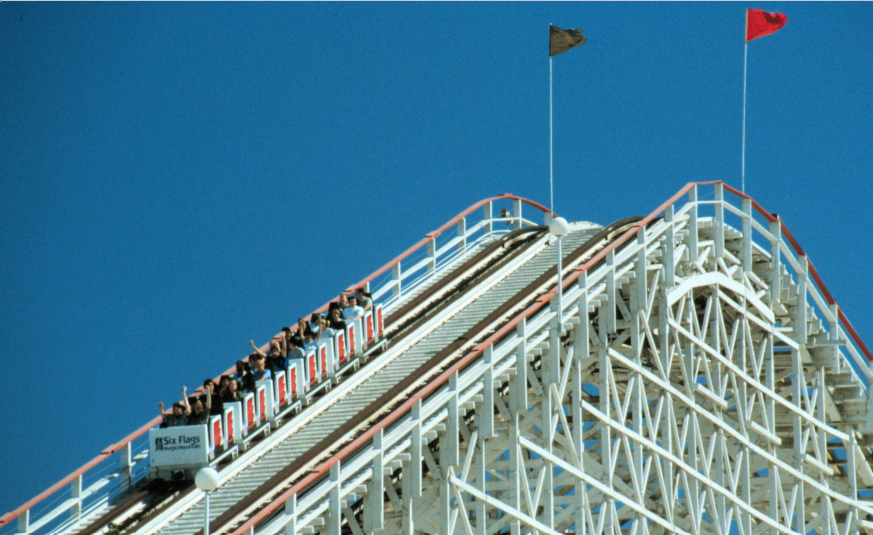
When a roller coaster is at highest position on the slope, it has stored potential energy. As it begins to move down the slope, this stored energy is converted to
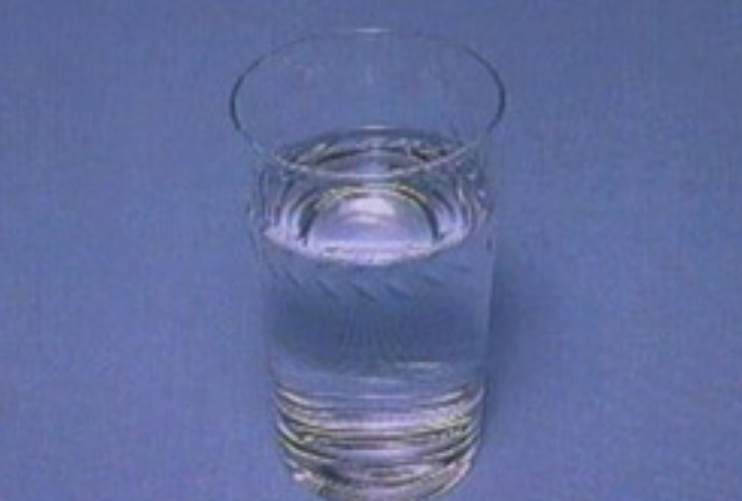
liquid: a state of matter with a defined
These three illustrations represent
Liquids, as well as
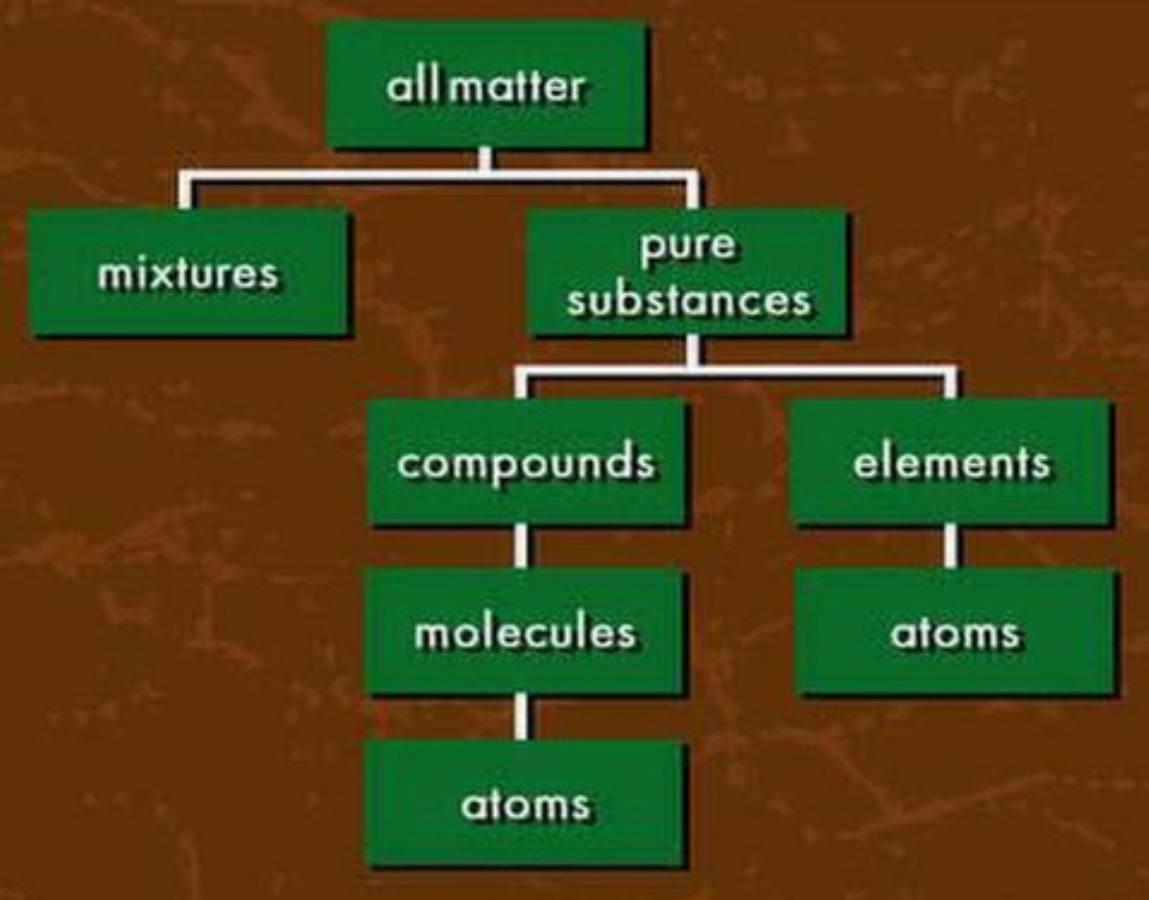
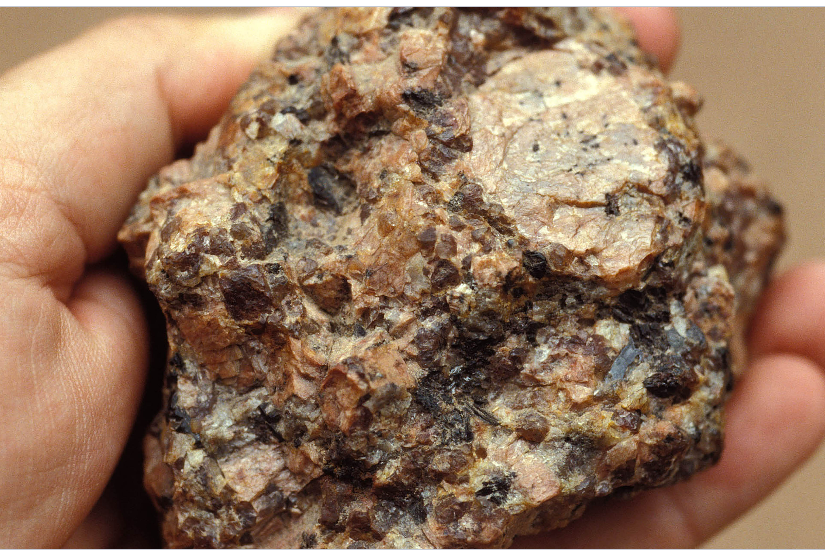
mixture: a combination of substances that can be
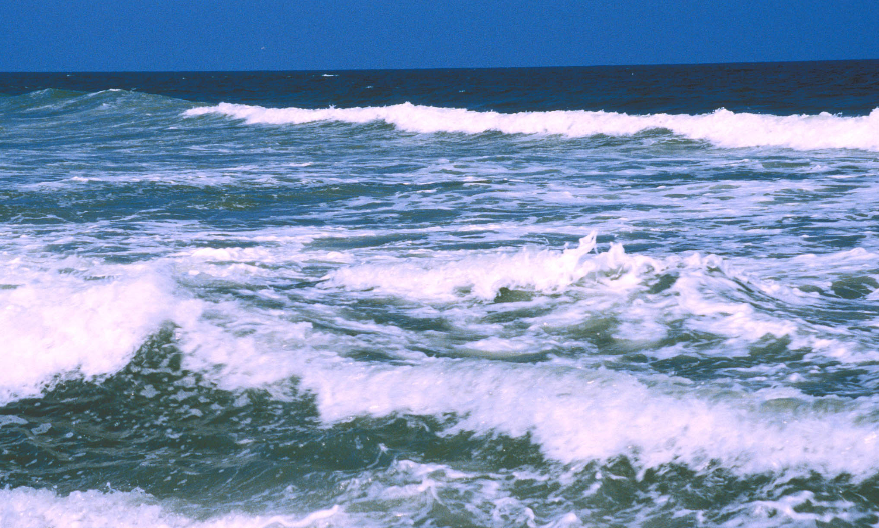
The ocean is a mixture of salt and many other
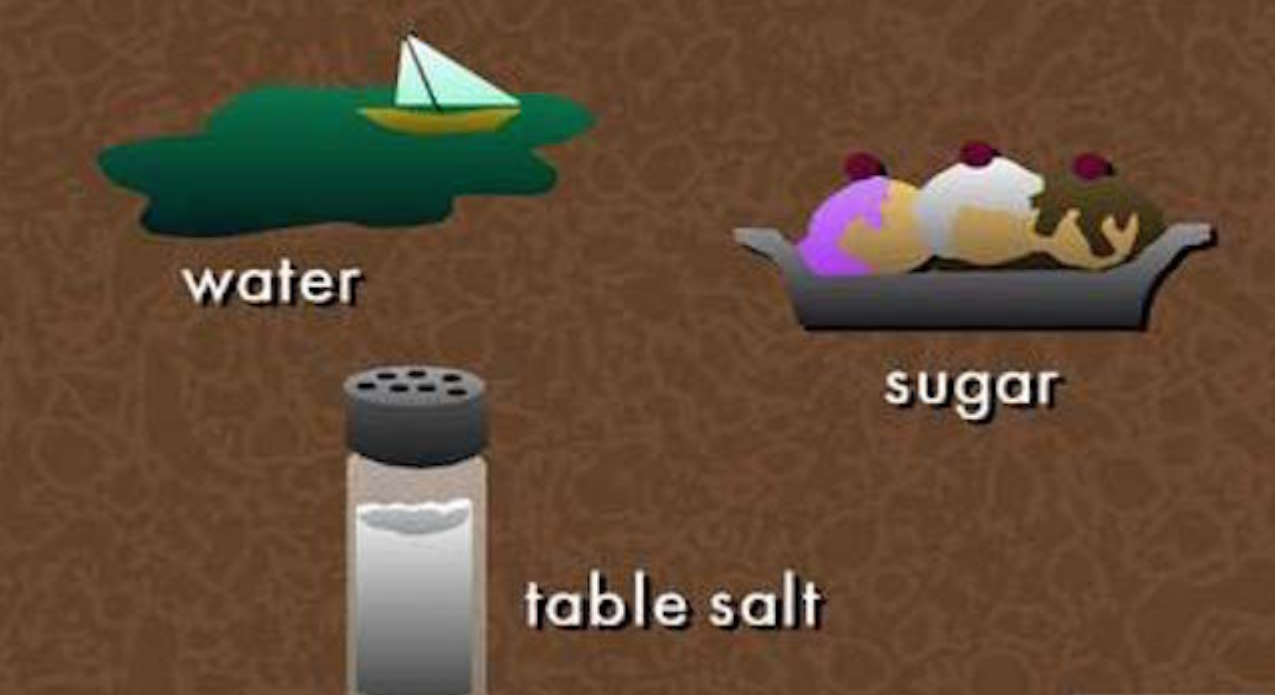
pure substance: a material with a particular
Matter can be categorized as mixtures and pure substances. Pure substances could be
solid: matter with a
Alphabet blocks are solids because they have a definite
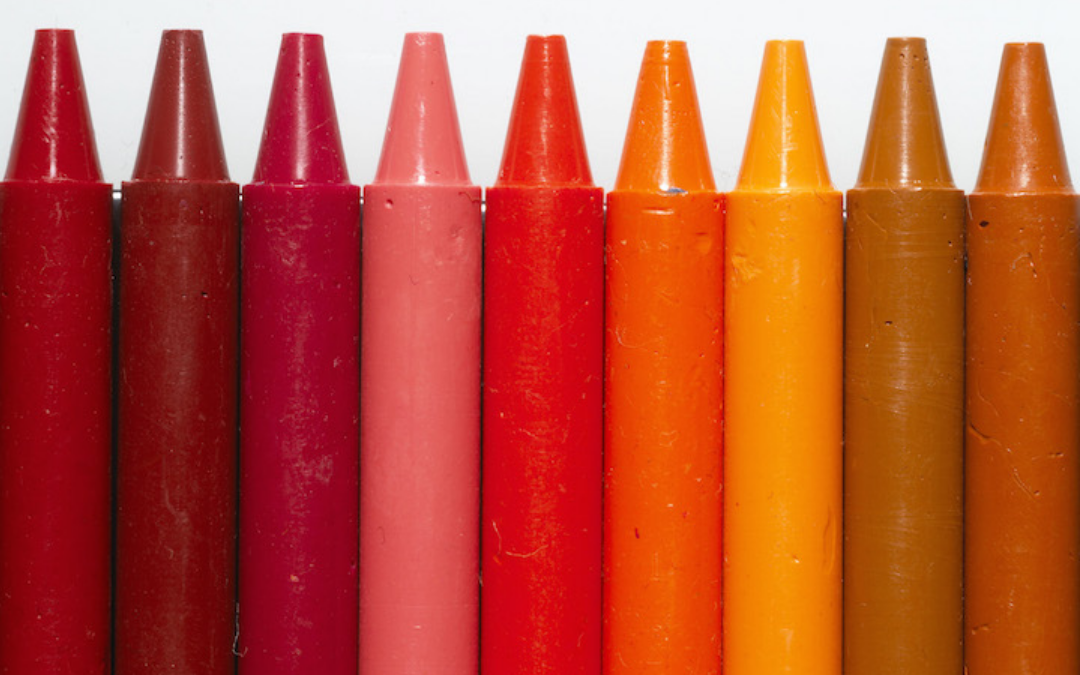
A crayon is a solid. The
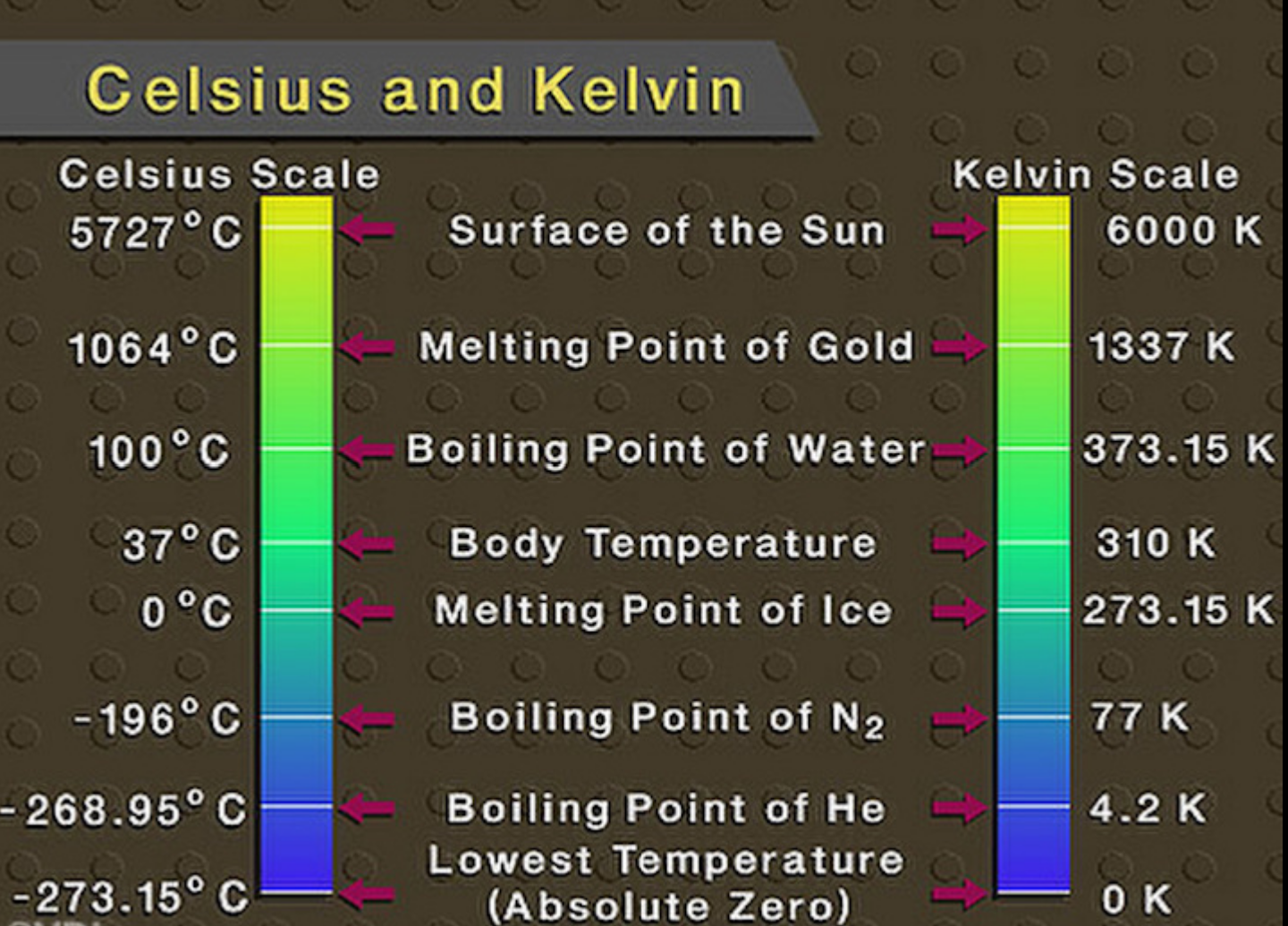
temperature: a measure of the average
Lord Kelvin (William Thomson), the physicist who first identified absolute zero, devised a temperature scale that begins at
thermal energy: energy in the form of

Heat is the