7th 1.3 Vocab

Last updated over 2 years ago
7 questions
6
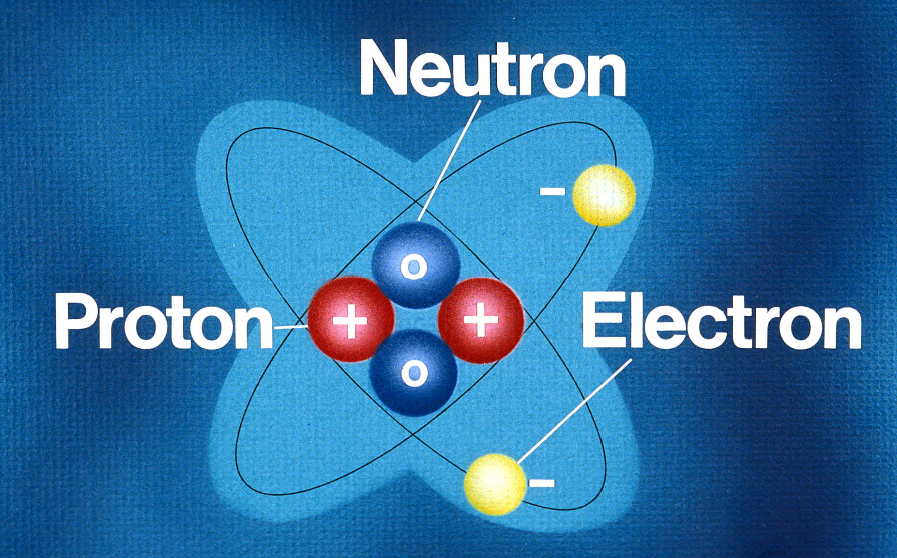
atom: the _______ of an element that has all the chemical properties of that element

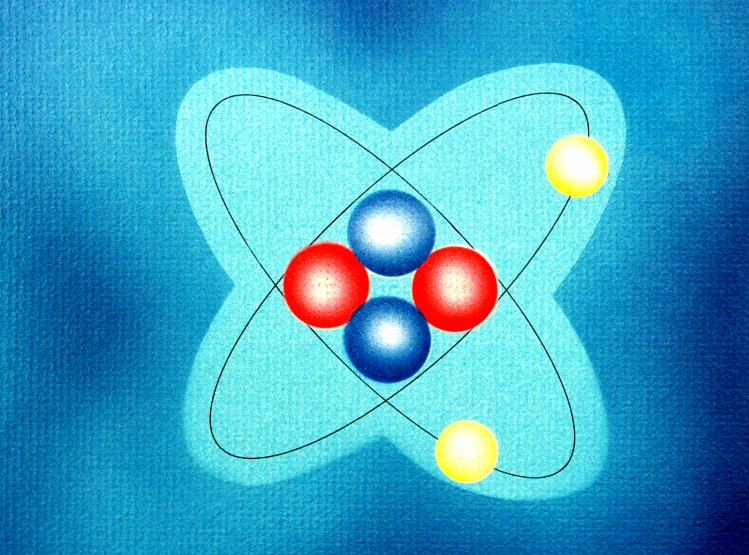
_______ is made of atoms. Atoms are very small and cannot be seen using conventional microscopes. A grain of salt contains about _______ (1,200,000,000,000,000,000) atoms. Atoms consist of a _______ containing protons and often neutrons surrounded by _______ .

Latin root atomus meaning "_______"

5
chemical formula: a set of _______ used to describe the _______ within a substance

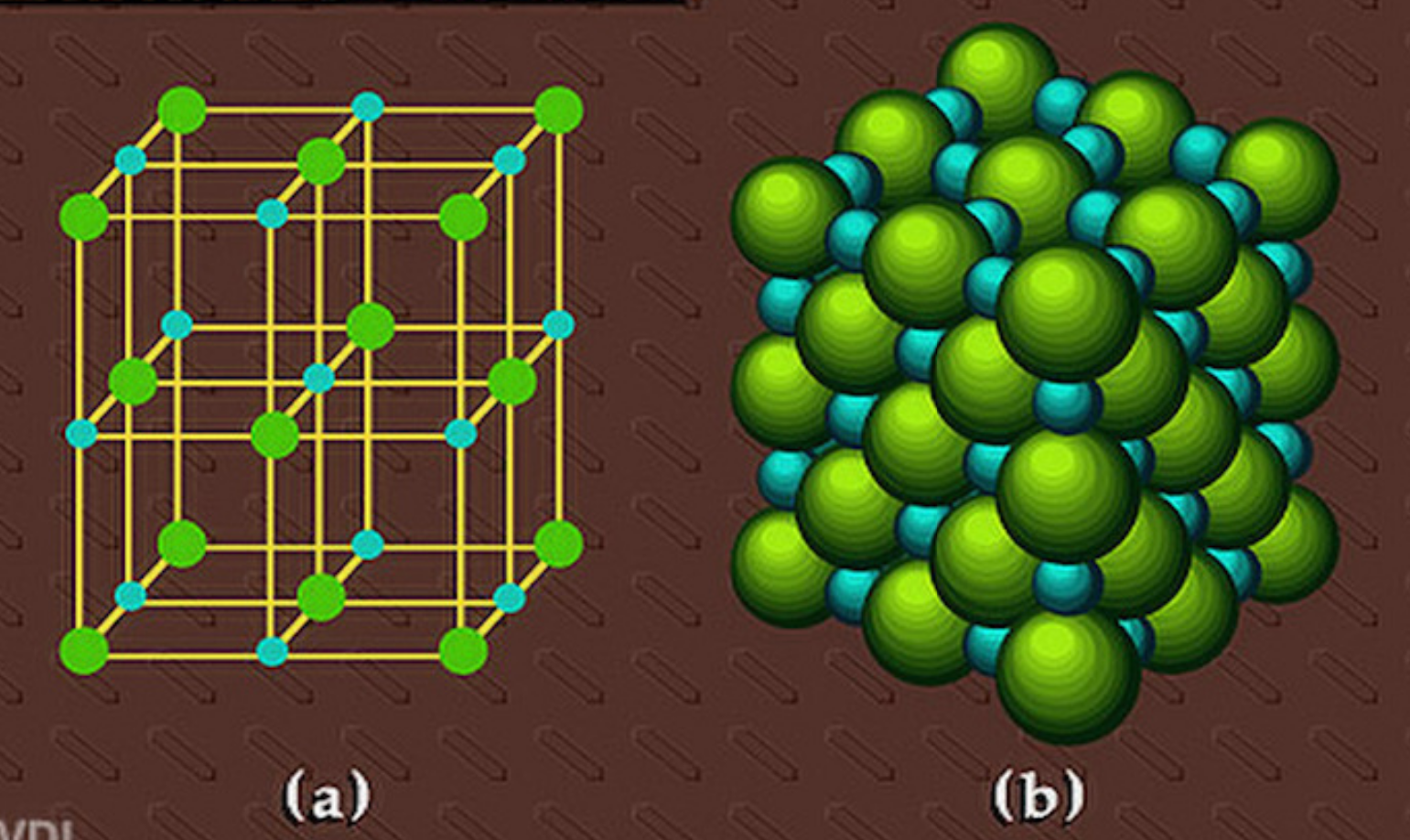
Table salt is composed of two elements in a 1:1 ratio: _______ (Na) and _______ (Cl). The chemical formula for salt is NaCl.


Chemical structure of _______
5
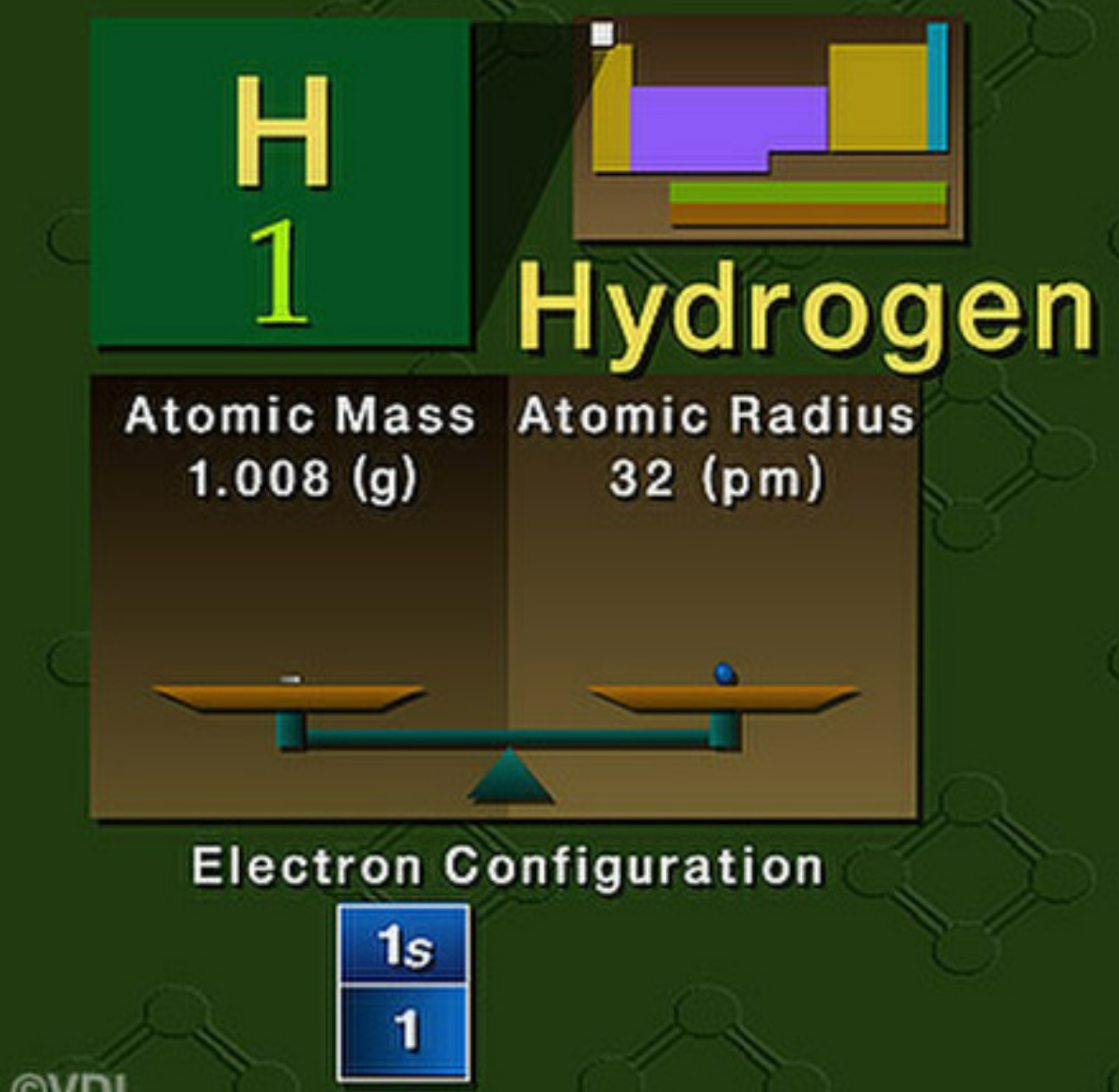
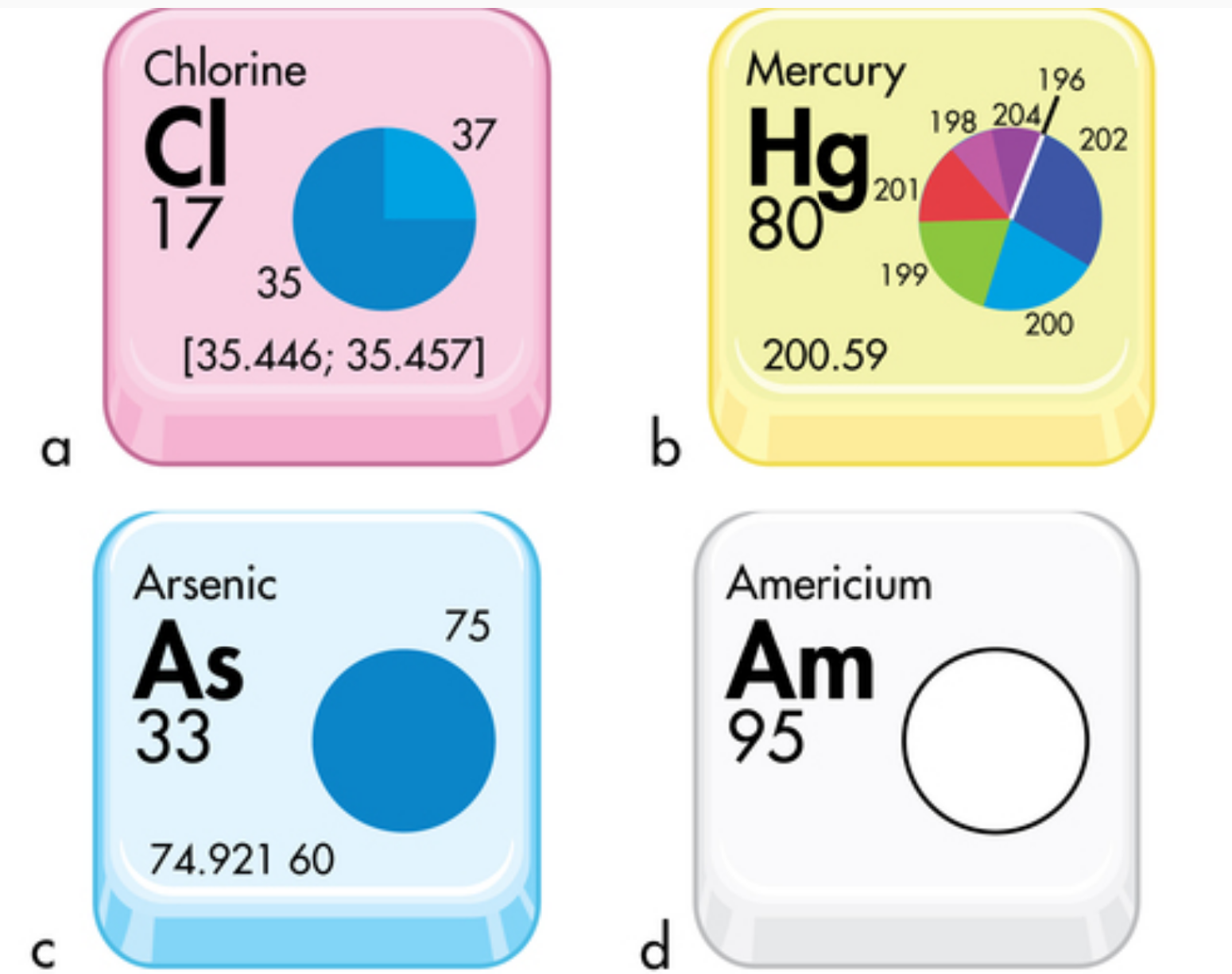
chemical symbol: the one- or two-letter representation of an _______ ; symbols are often derived from the Latin name of the element

Latin stem symbolum meaning “creed, token, _______ ”; Greek stem symbolon meaning “token, watchword”

From the Greek words _______ (water) and _______ (forming).

Simple images of the IUPAC _______ designation for elements
5
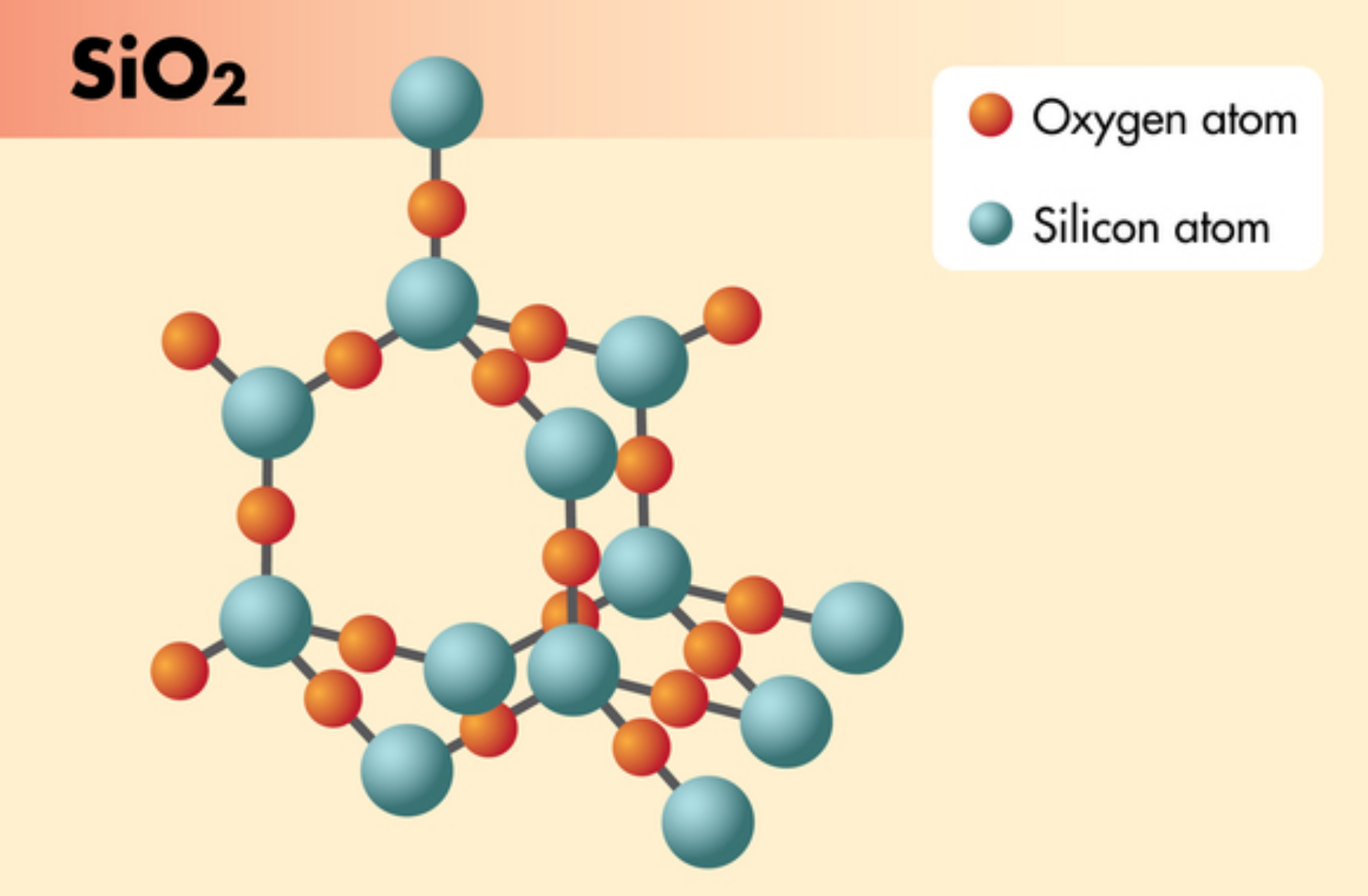
compound: a _______ that is formed when two or more different _______ combine; can usually be separated by _______ reaction

In solid form,_______ compounds likecommon salt (NaCl) form arrangements of ions called _______ . Figure (a) is a ball-and-stick model of NaCl, and figure (b) is a more realistic space-filling model, with cations in contact with anions.
3
element: a _______ that cannot be broken down into simpler substances by chemical reactions


_______ is an element.

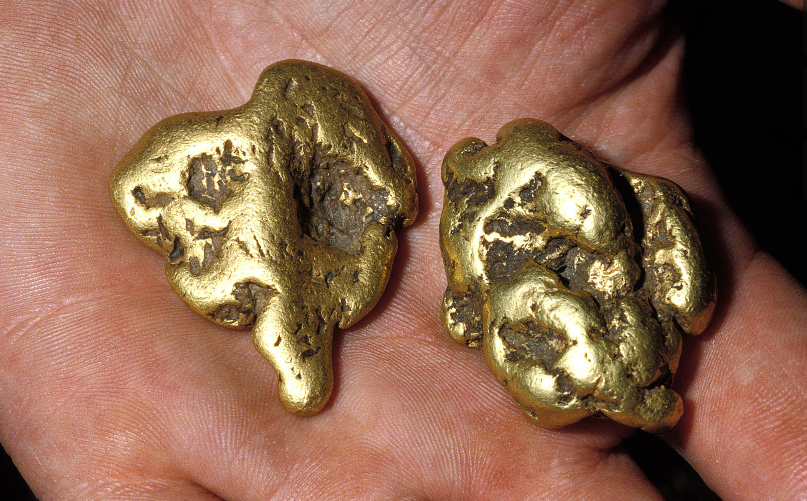
The element _______ is precious for its lustre.
4
molecule: two or more _______ joined together


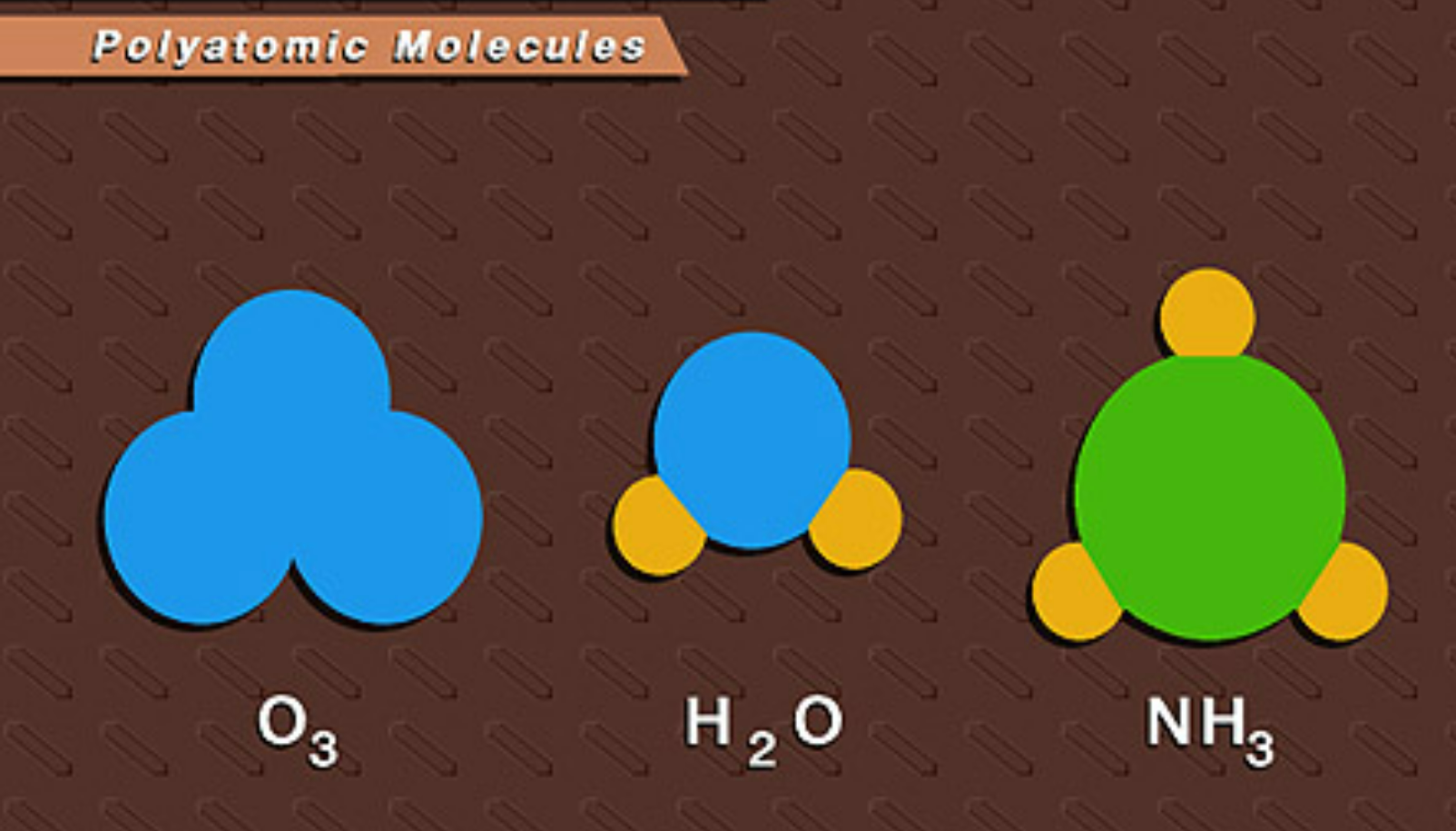
A molecule of _______ contains three atoms of oxygen. A molecule of _______ contains two atoms of hydrogen and one atom of oxygen. Similarly, a molecule of _______ contains one atom of nitrogen and three atoms of hydrogen.
5
polymer: a _______ that is made of _______ that are arranged in a repeating structure

From the Greek polymeres “_______.”

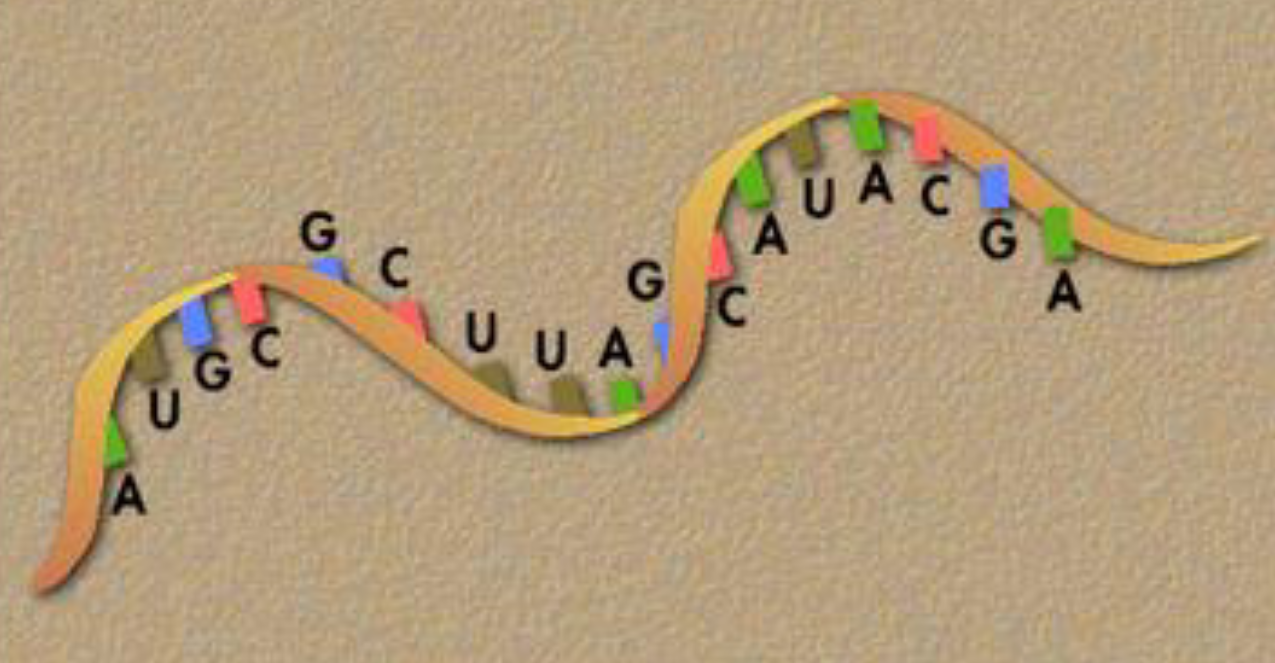
_______ is a polymer containing thousands of _______ .