acceleration: a change in the
When any moving object goes
acceleration: a change in the
When any moving object goes
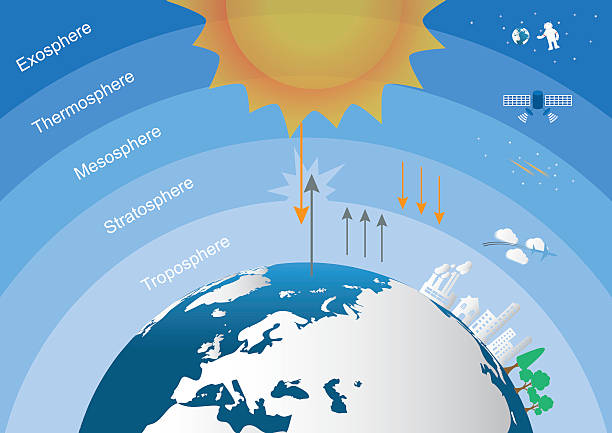
atmosphere: the
These layers include ozone layer that protects us from
Greek roots: atmos meaning "
contact: the act of
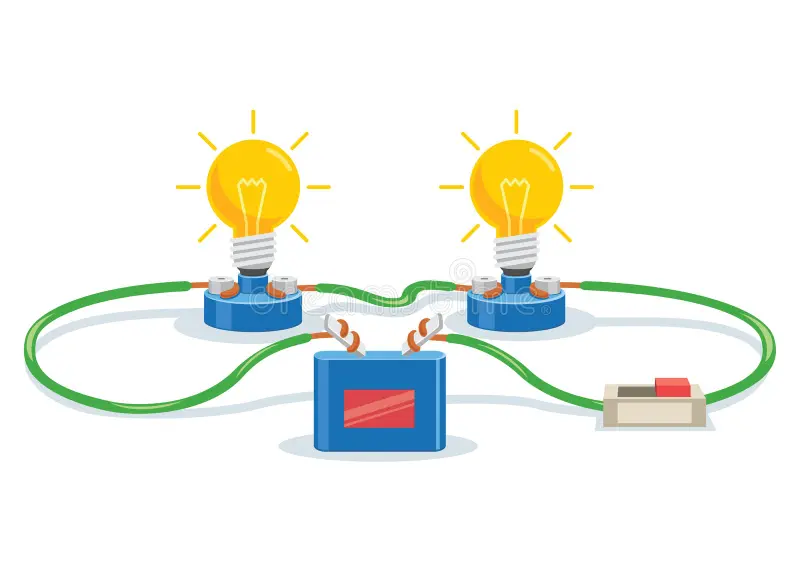
An electrical
Earth: the
Earth is the only place in the solar system that has everything we need to live - air, water, and comfortable
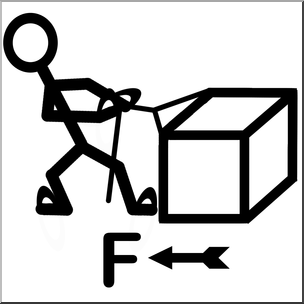
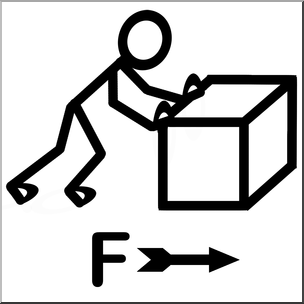
force: a
Fill up a balloon with air and then let it go. The air in the balloon quickly escapes and the balloon moves in the opposite direction. This is caused by the force of the
frame of reference: an item against which the
A person standing at a bus stop sees the

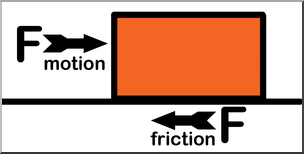
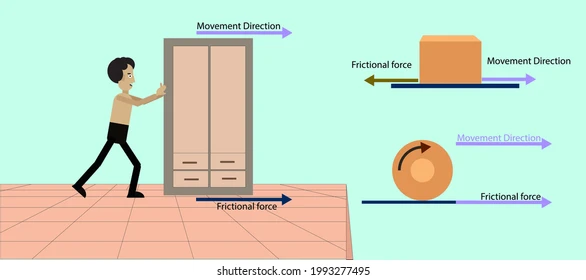
friction: a force that
It is easier to walk on a dry surface than it is to walk on ice. You keep slipping on ice because ice has
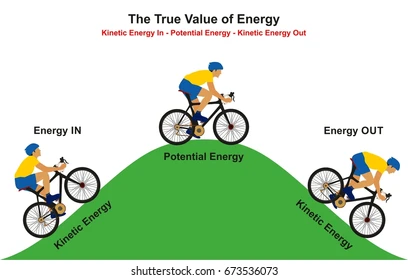
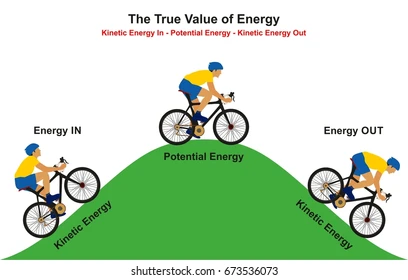
kinetic energy: the energy an object has due to its
An object's kinetic energy is one half the product of the object's
Greek root kinetikos meaning "
kinetic friction: a
Objects that appear smooth are actually quite
Greek root kinetikos meaning "moving, putting in motion"
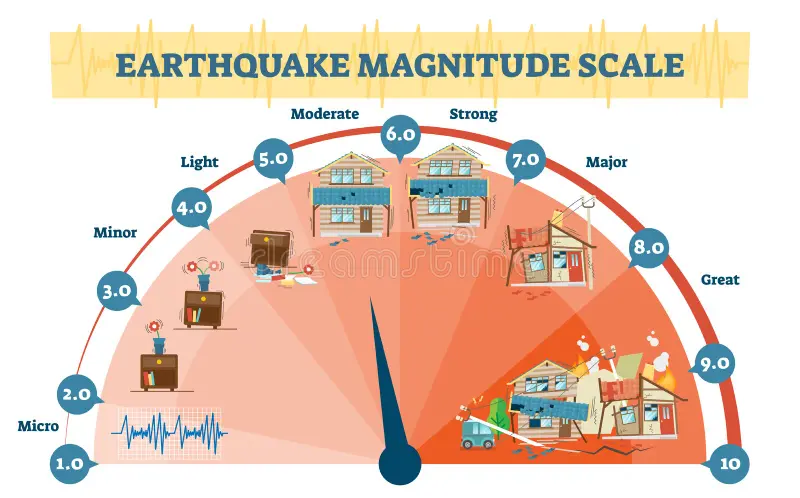
magnitude: size of ground movement caused by
During an earthquake, magnitude is measured on a logarithmic scale called the
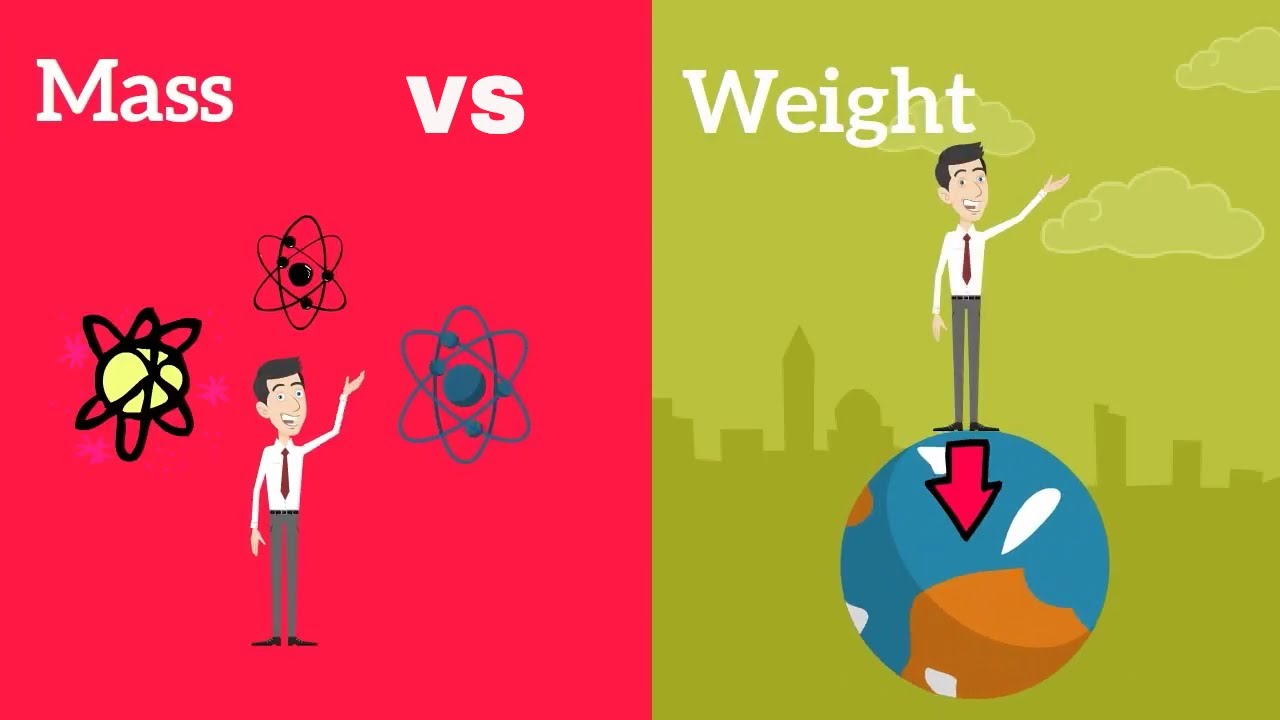
mass: the amount of
A penny has a mass of about
Newton's laws: the three
Newton's first law states: "An object in motion
Newton's second law states: "Force is the product of
Newton's third law states: "For every action force, there is an
orbit: the
Earth and the other planets in the solar system go around the Sun in

potential energy: the amount of energy that is
When you stretch a rubber band, it’s ready to spring back. You’ve added potential energy to it. This energy might do something. But it isn’t doing anything yet. Once you let go, you release the
speed:
Speed is a measurement of
surface: the
All
velocity: the speed and
Speed is how fast something is traveling. Velocity is both the speed of the object and the
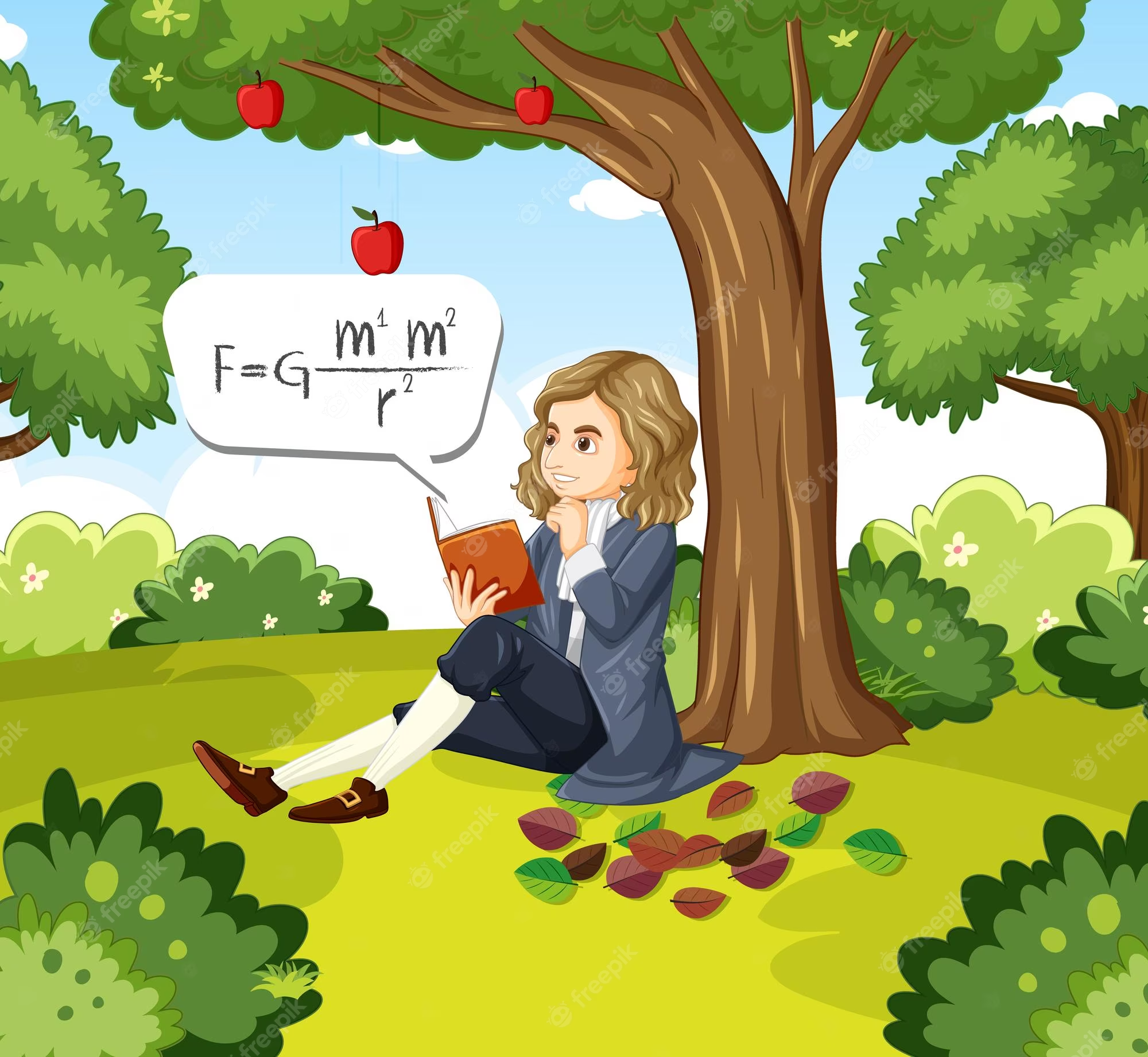
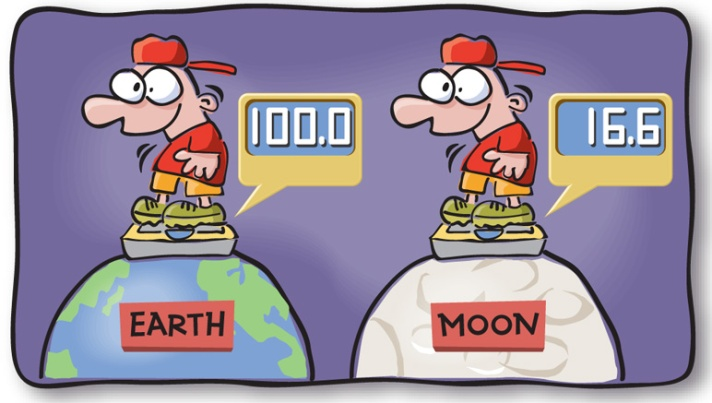
weight: the force of
Earth’s
work: a force applied to an object over a
How do you make a bicycle work? You need to get on the bicycle and use your legs to pedal. You transfer the energy in your leg muscles to mechanical energy through the pedals of the bicycle. The bicycle begins to move. You can move faster by working your muscles to transfer more energy and pedal faster. Work is the result of