Twa kɔ nsɛm atitiriw so
Log in
Sign up for FREE
arrow_back
Laabri

8th 1.2 Vocab

star
star
star
star
star
Last updated almost 3 years ago
18 Nsɛmmisa
3
5
4
3
2
4
3
3
3
3
4
2
3
1
5
3
2
4
Asemmisa {{asɛmmisaAhyɛnsode}}
1.

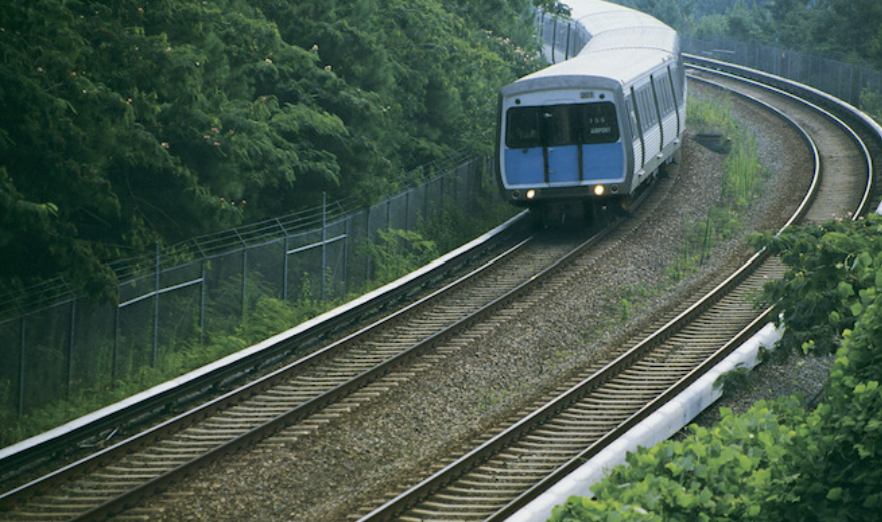
acceleration: a change in the (speed, direction, or both) of a body (related word: accelerate)
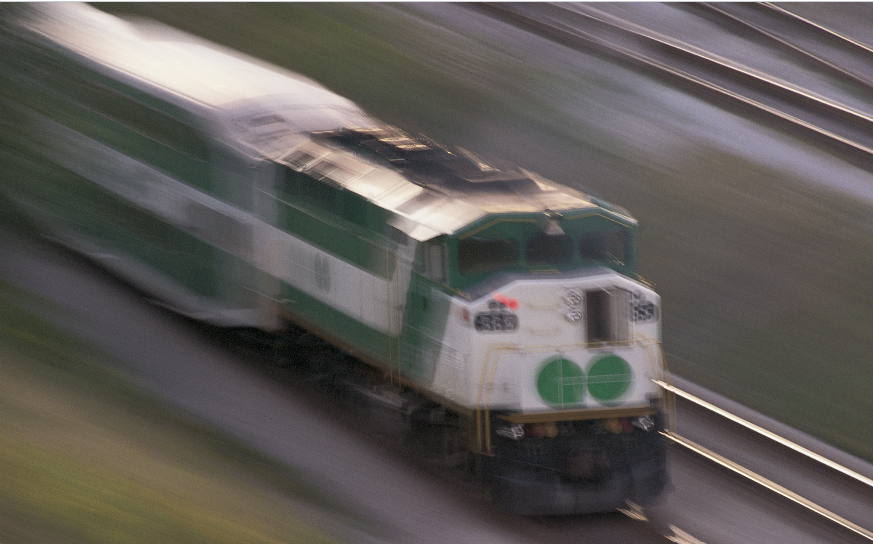
When a train accelerates, its .

Asemmisa {{asɛmmisaAhyɛnsode}}
2.

conservation of energy: Energy cannot be out of nothing, nor can it be completely . Energy can only change its form.

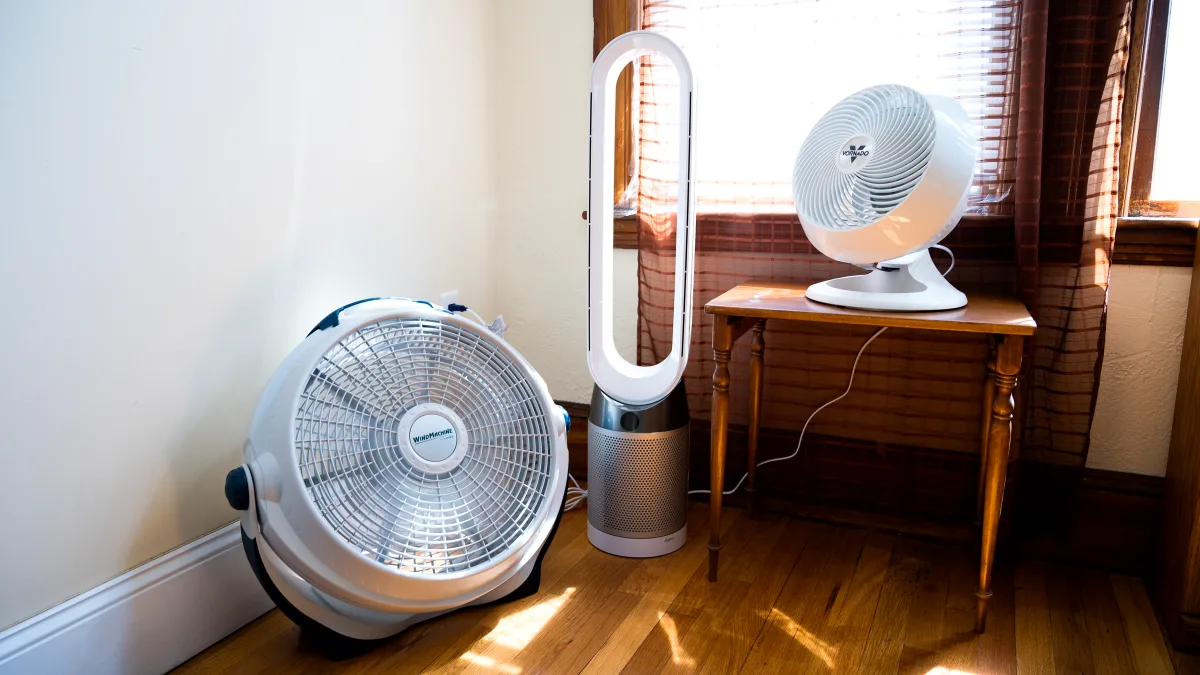
The blades of a fan turn because the fan uses electricity from a wall socket. The electrical energy from the wall socket is , meaning it is not created or destroyed. Instead it transformed into energy (motion of the blades).

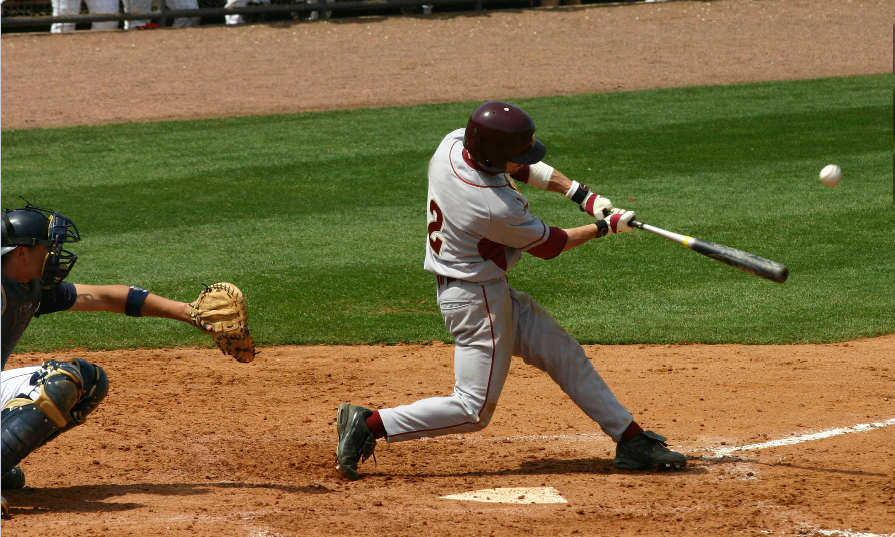
During a game of baseball, when the bat hits the ball, energy is from the bat to the ball.

Asemmisa {{asɛmmisaAhyɛnsode}}
3.

density: an object's mass divided by its volume; a measure of how many are packed together into a certain amount of

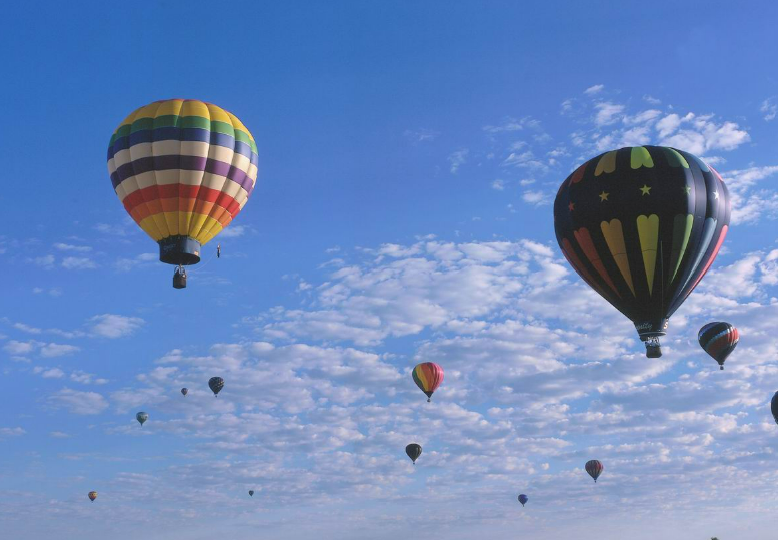
The air inside hot air balloons is heated to its density. These balloons can float in air because the hot air inside these balloons has a lower density than the cooler air outside.

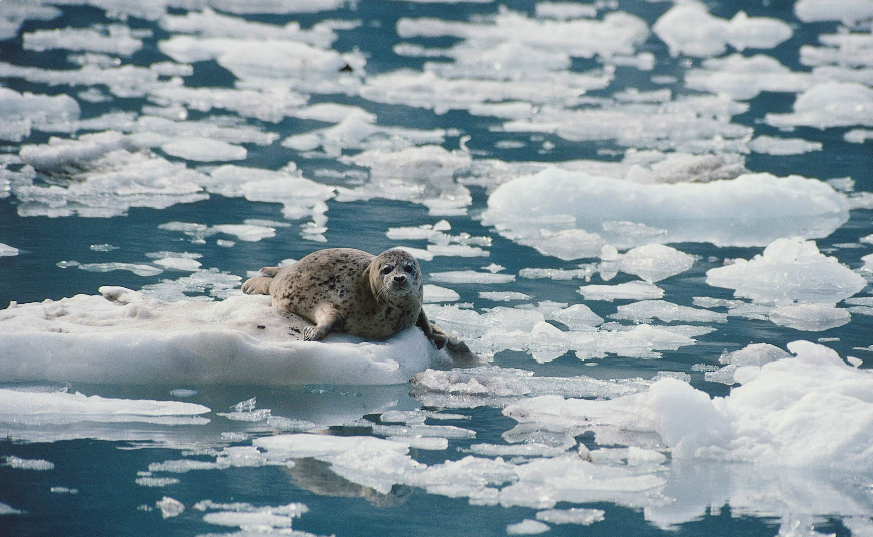
Ice floats on water because its density is than that of water.

Asemmisa {{asɛmmisaAhyɛnsode}}
4.

force: a that is applied to an object

Motorboats have propellers that the water backward, thereby creating a force that forces the boat forward.

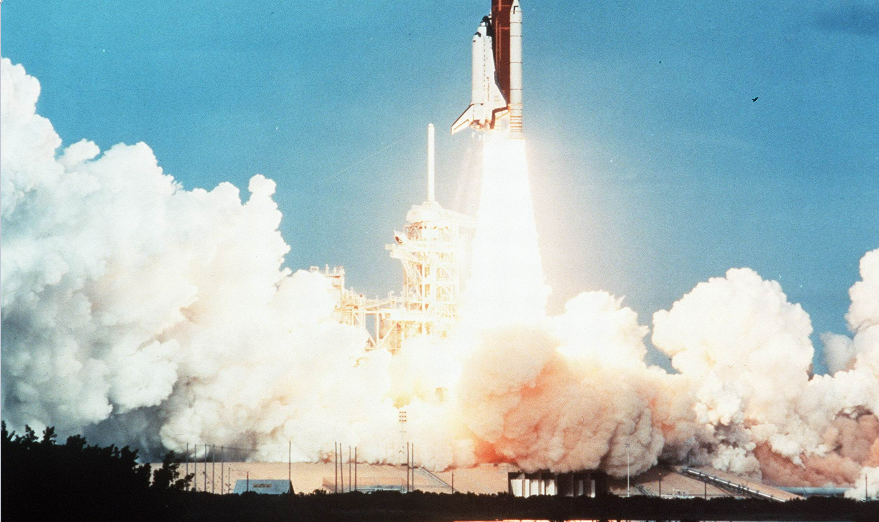
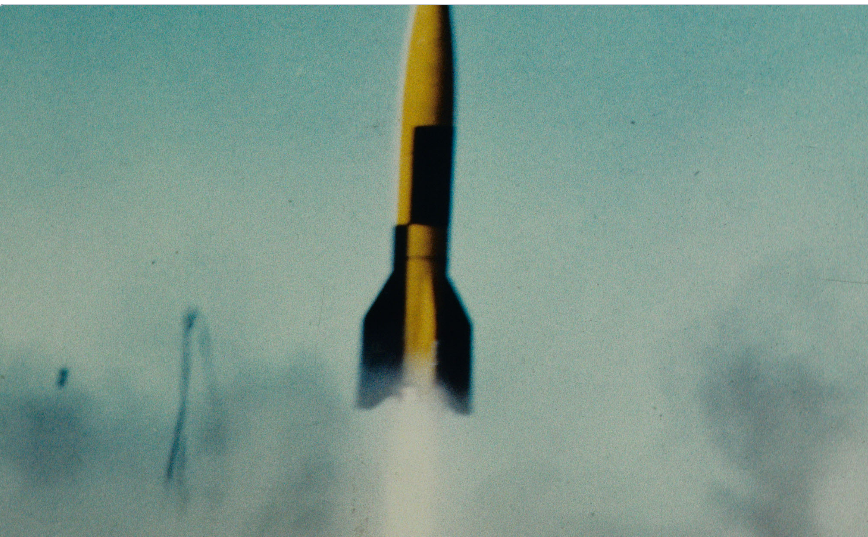
The force produced due to the from a rocket in a downward direction causes it to be pushed upwards.

Asemmisa {{asɛmmisaAhyɛnsode}}
5.

gravity: a force that exists between any two objects that have

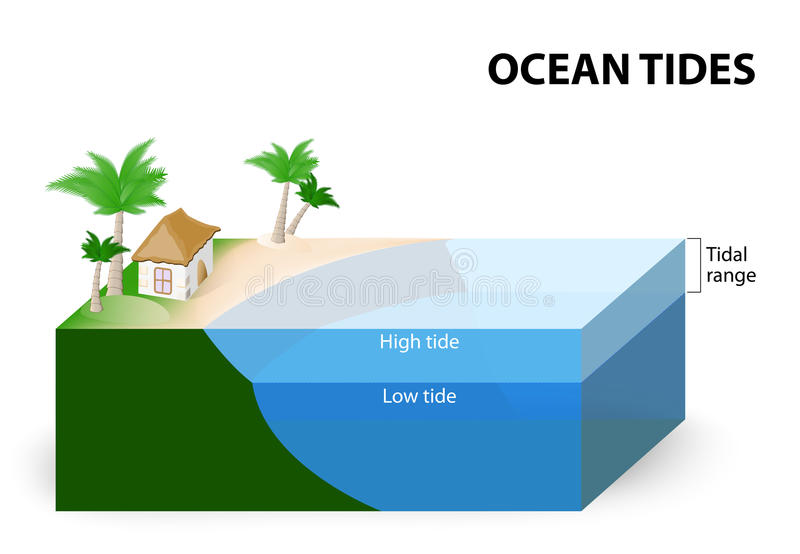
The regular of the water level along a shoreline is caused by the Moon and Sun's gravity.

Asemmisa {{asɛmmisaAhyɛnsode}}
6.

hydrogen: the chemical element consisting of one and one

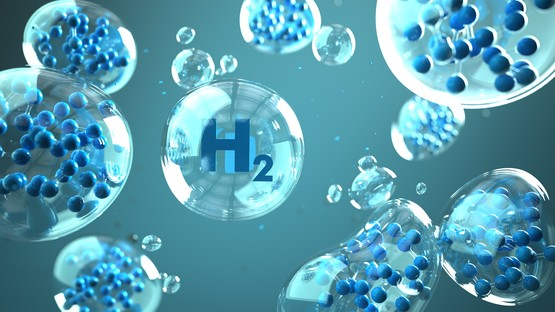
Hydrogen is the most element in the universe. As a gas, it is colorless, odorless, and highly flammable. Two hydrogen atoms combine with one oxygen atom to form a molecule. Hydrogen gas also combines with oxygen to power rocket engines that lift astronauts and satellites into orbit around earth. Could it power our cars some day?

Asemmisa {{asɛmmisaAhyɛnsode}}
7.

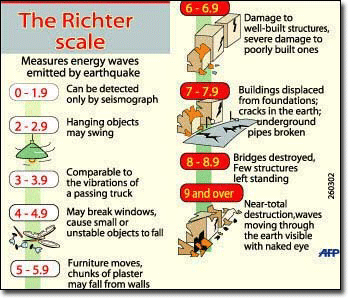
magnitude: size of ground movement caused by due to energy released

In 1755, Lisbon, Portugal, had the largest earthquake documented by humans. This was before the Richter scale, but historic accounts of damage indicate the magnitude would have been to . There have been no known magnitude 10s.

Asemmisa {{asɛmmisaAhyɛnsode}}
8.

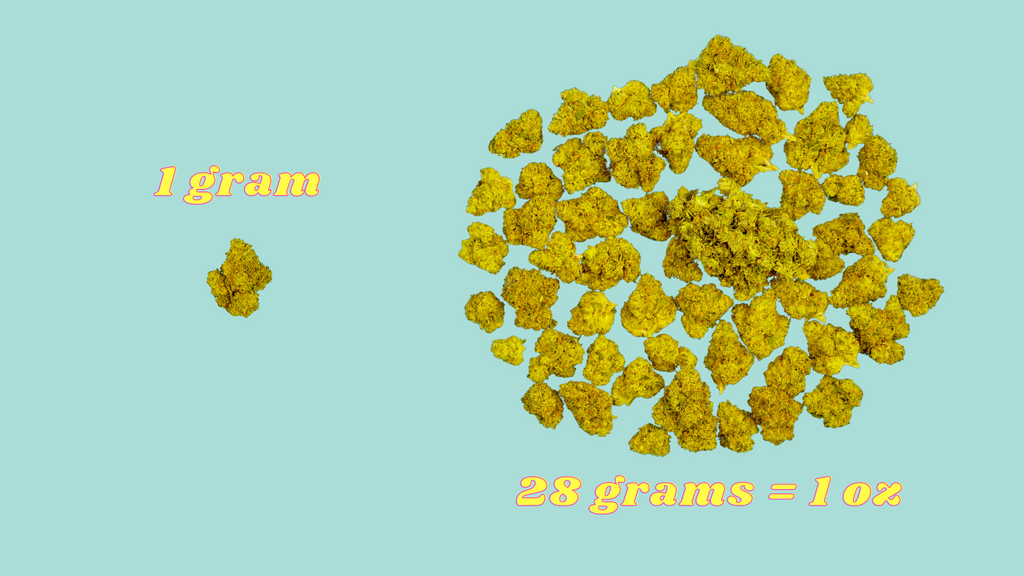
mass: the amount of in an object

The gram is the basic unit of mass in the metric system. There are grams in a kilogram.

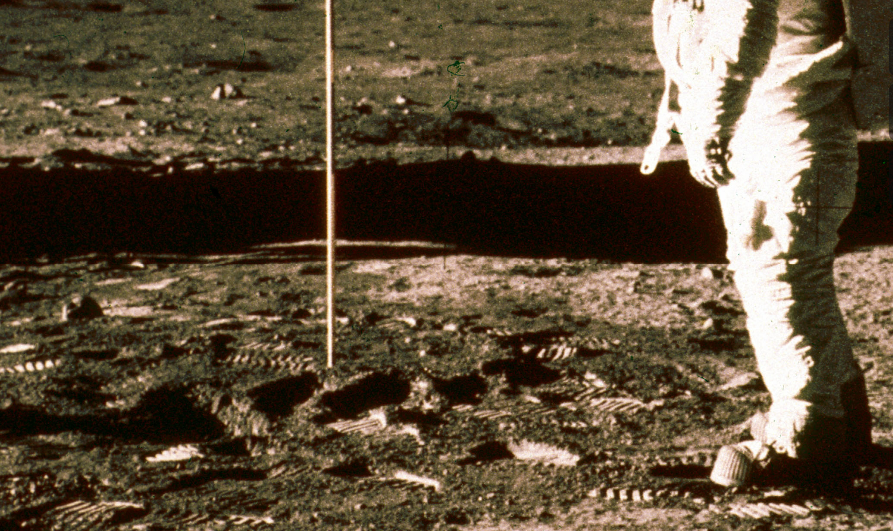
An object has the same mass on Earth and on the Moon. An object's weight will be times greater on Earth than on the Moon.

Asemmisa {{asɛmmisaAhyɛnsode}}
9.

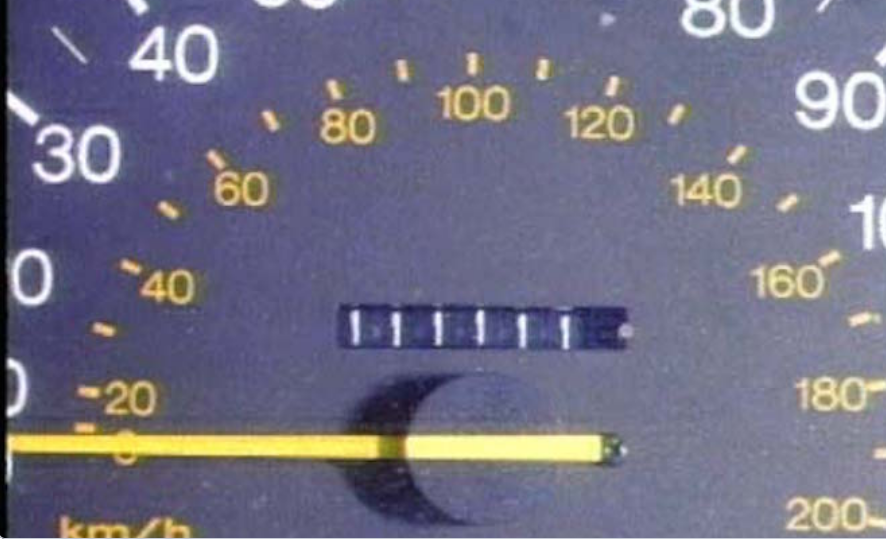
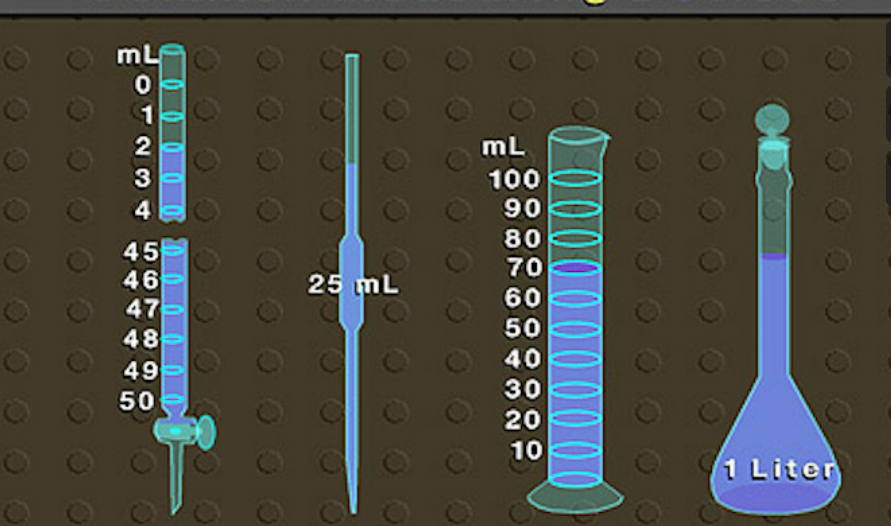
measure: to use a tool to learn more about the of an object

An is a device that measures the distance traveled by a vehicle.

Many devices are used to measure the volume of liquids in the lab. Name one: .

Asemmisa {{asɛmmisaAhyɛnsode}}
10.

motion: a change in the of an object compared to another object

Trains travel from place to place at high speeds. When a train is moving, it is said to be in .

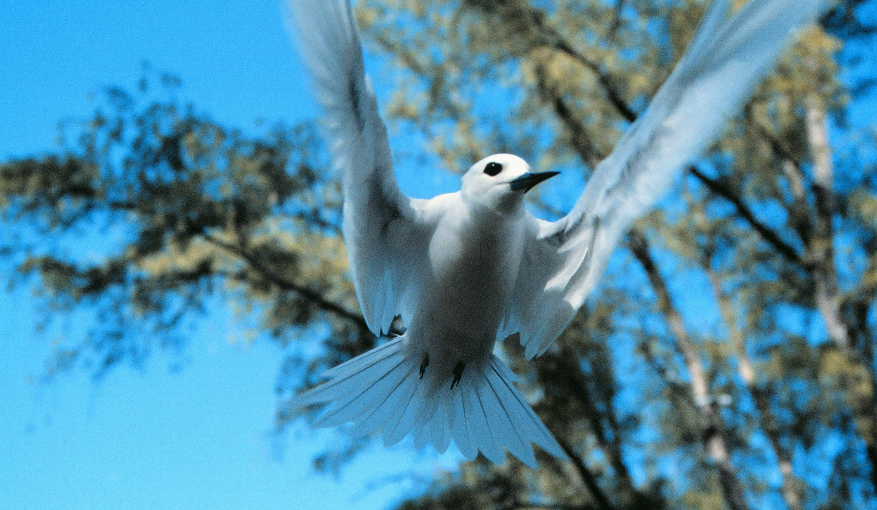
A bird that is flapping its wings and flying from one place to another, is said to be in .

Asemmisa {{asɛmmisaAhyɛnsode}}
11.

orbit: the of an object as it revolves around another object

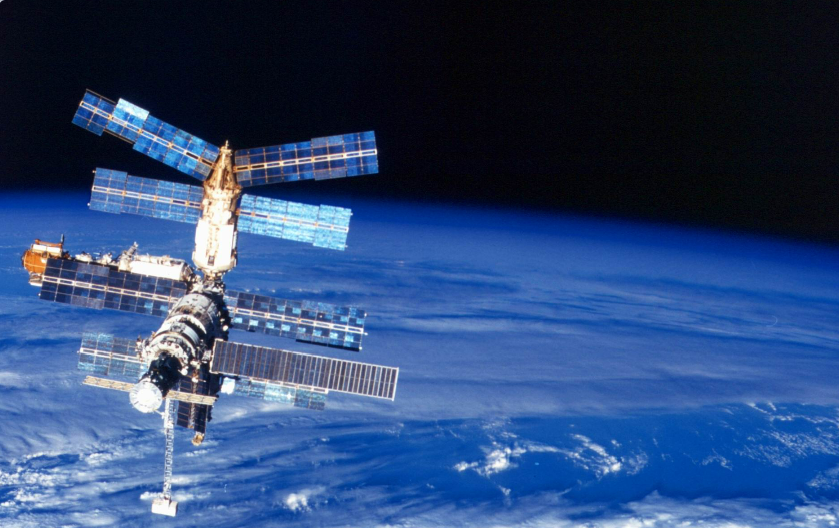
Scientists have created many artificial satellites that orbit in space. They gather data about the universe and help .

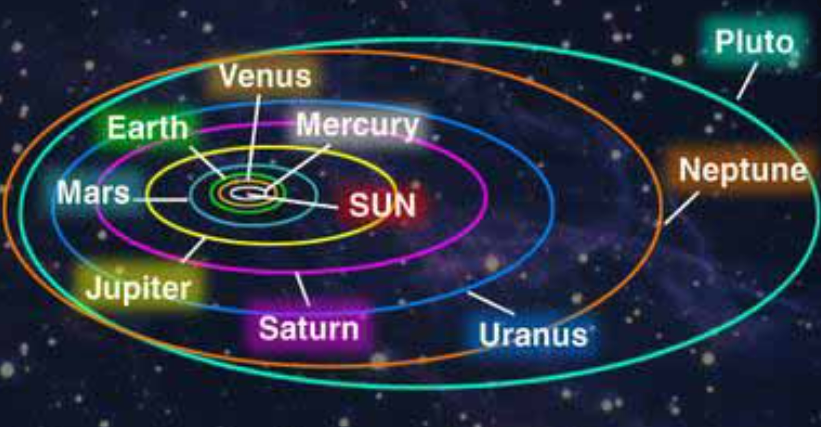
The planets, their moons, , and comets orbit around the Sun. The Solar System is made up of the Sun and all these bodies.

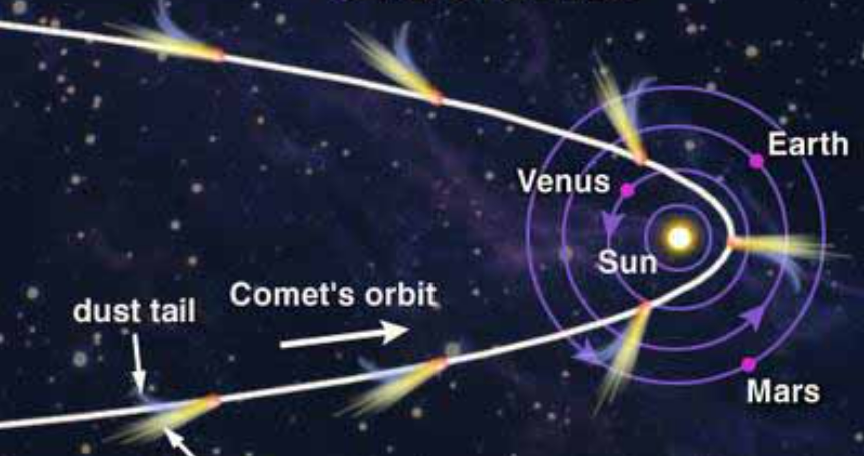
Comets orbit the Sun on an path.

Asemmisa {{asɛmmisaAhyɛnsode}}
12.

oxygen: an element that makes up about % of Earth's atmosphere; a gas in Earth's atmosphere and in water that living organisms breathe

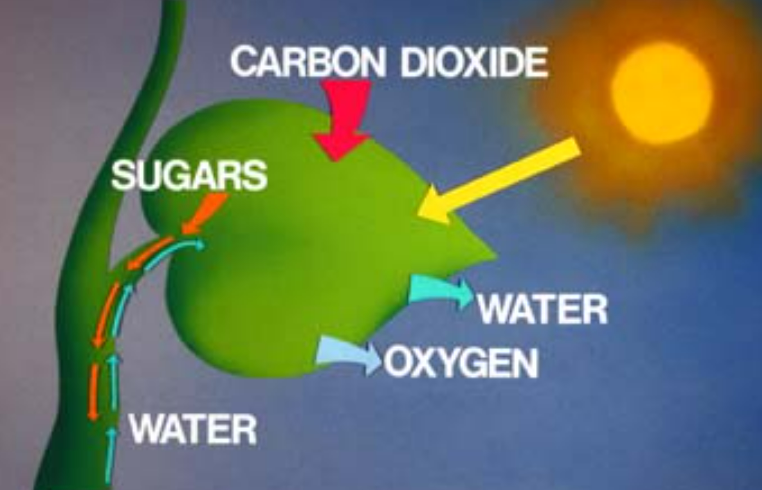
Plants release oxygen as a by-product during ,a process in which plants use carbon dioxide and water to make food for themselves in the presence of sunlight.

Asemmisa {{asɛmmisaAhyɛnsode}}
13.

potential energy: the amount of energy that is in an object; energy that an object has because of its position relative to other objects

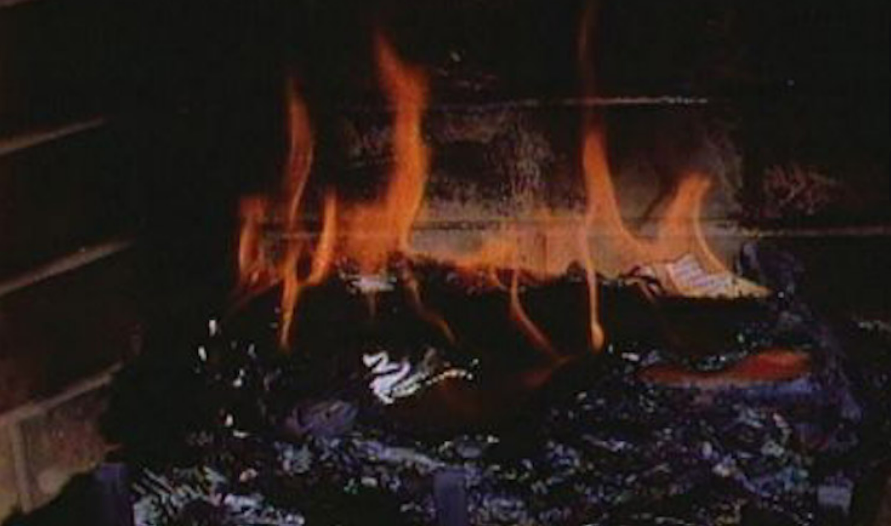
Wood is a source of potential energy. This energy is stored in the form of . When wood is burned, the potential energy is converted to heat and light energy.

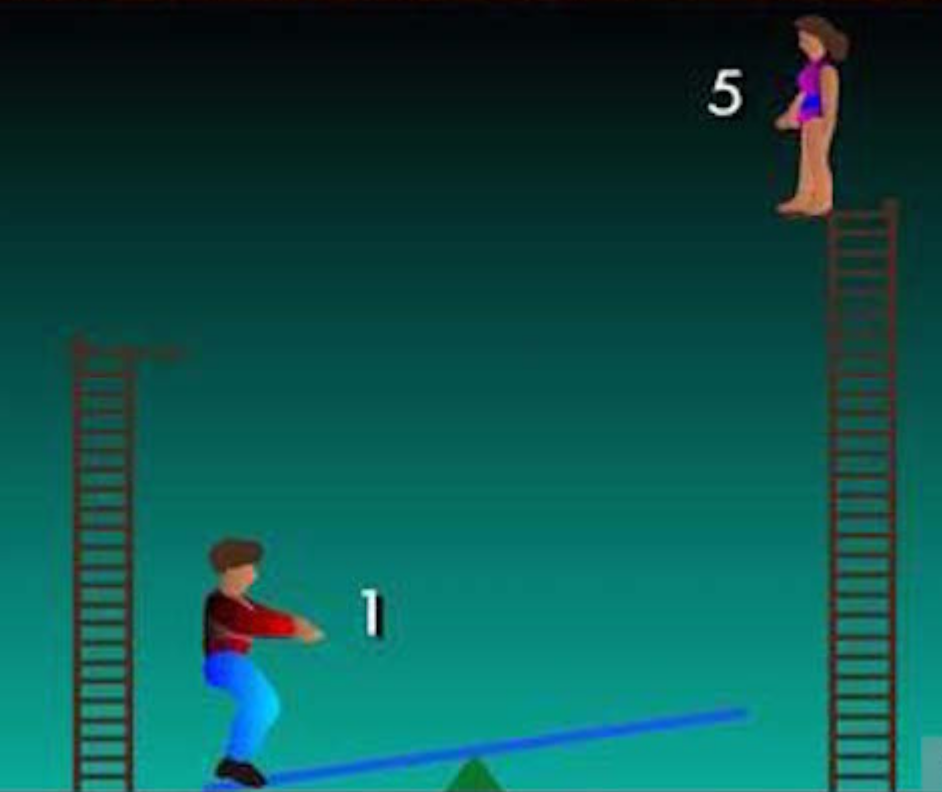
A person standing at the top of a ladder has potential energy. When she jumps down, this potential energy is converted into .

Asemmisa {{asɛmmisaAhyɛnsode}}
14.

speed: traveled per unit of

Asemmisa {{asɛmmisaAhyɛnsode}}
15.

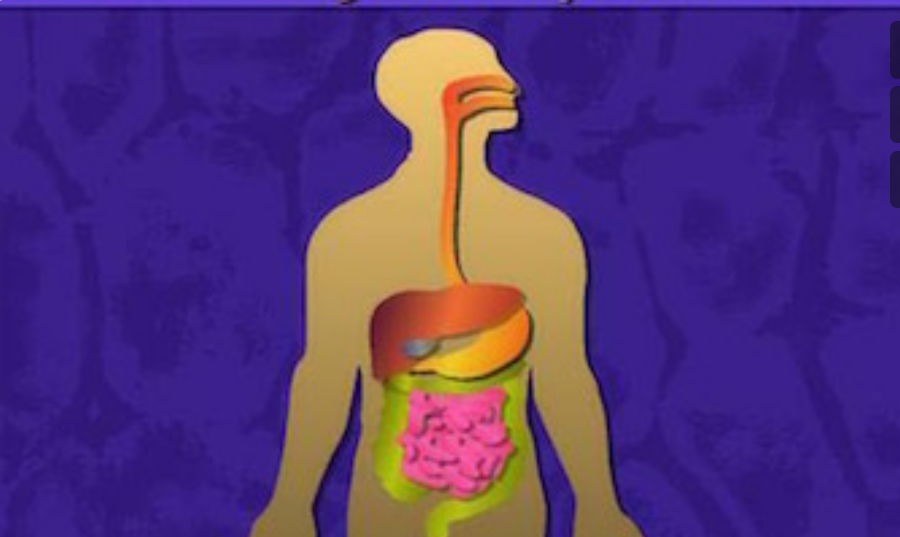
system: a group of parts that work together to or

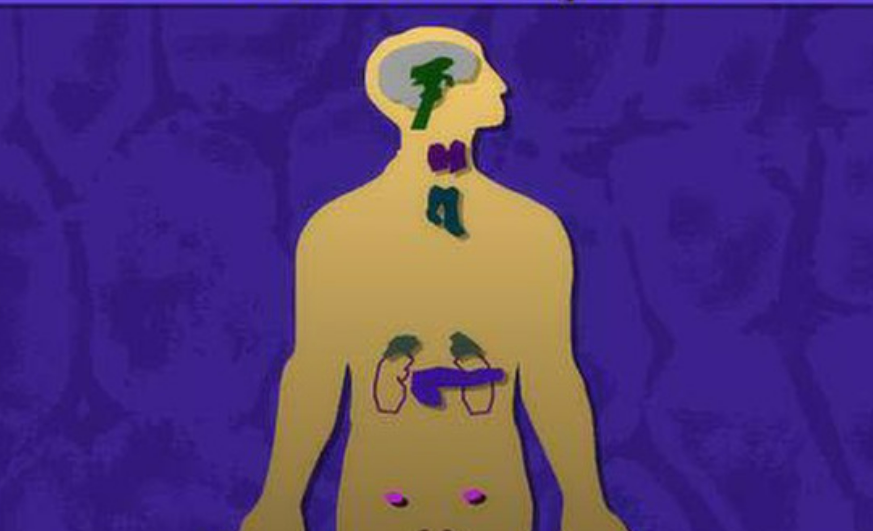
, or hormones, are the chemical messengers of the body. They are made by glands and control many body functions.

Digestion begins in the mouth where starch is broken into sugars. are digested with acid in the stomach. The food is neutralized and passed through the intestines where the nutrients are absorbed into the .

Asemmisa {{asɛmmisaAhyɛnsode}}
16.

thrust: a reaction force that pushes an object

Rockets produce thrust by emitting from a highly pressurized chamber through a small opening.

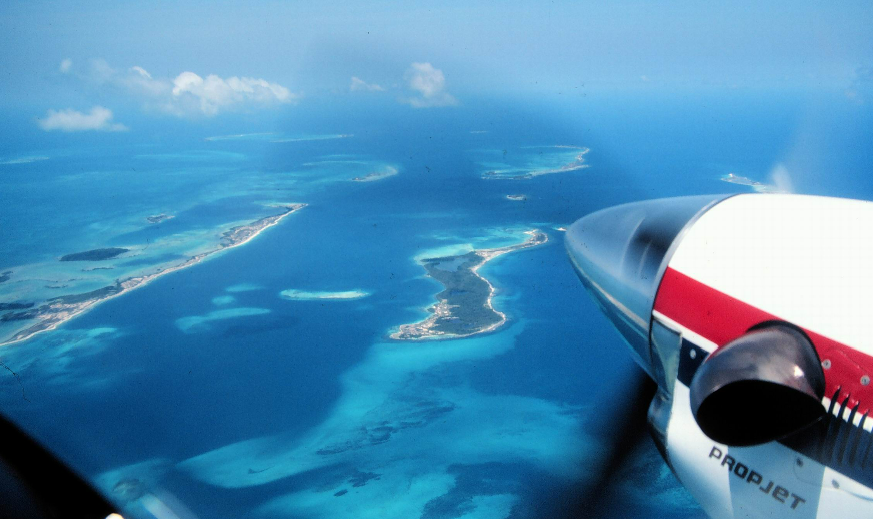
Propellers rotate at very high speeds, and thus convert into a forward thrust. Propellers are used for airplanes, motorboats, and ships.

Asemmisa {{asɛmmisaAhyɛnsode}}
17.

velocity: the and of moving objects

Asemmisa {{asɛmmisaAhyɛnsode}}
18.

weight: the force of on an object

The weight of a person with a mass of 60 kg will be N on the Moon.
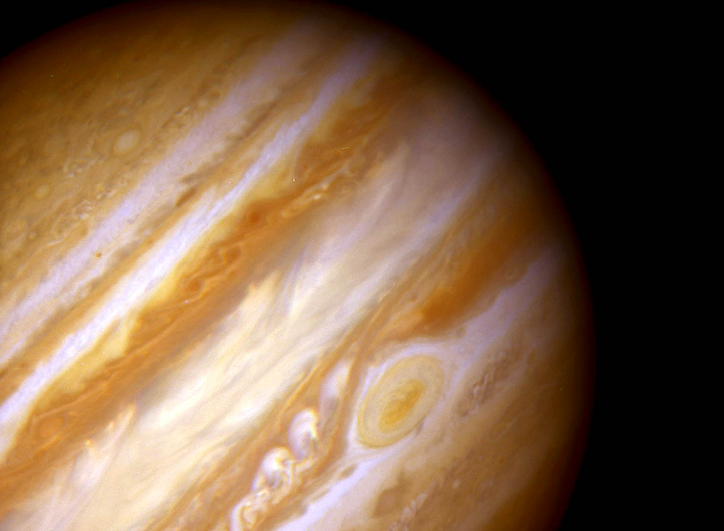
The weight of a person with a mass of 60 kg will be N on Jupiter.
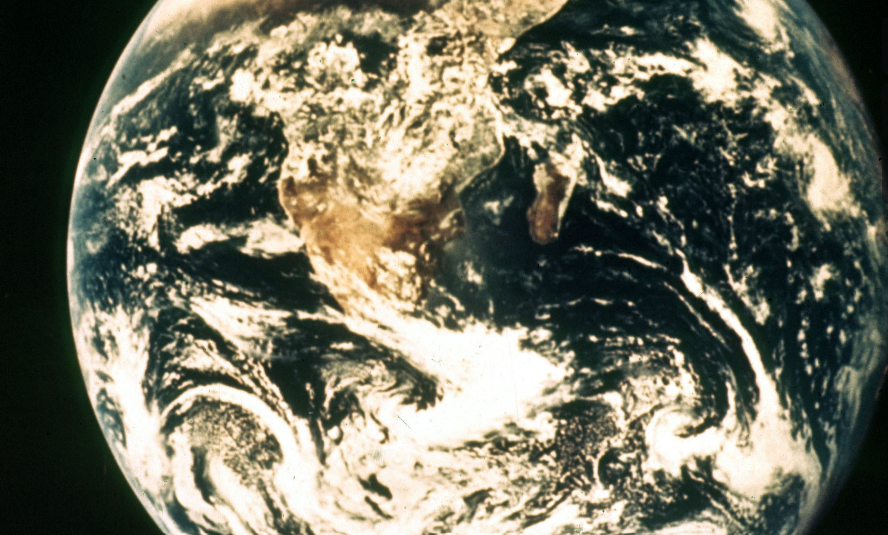
The weight of a person with a mass of 60 kg will be N on Earth.