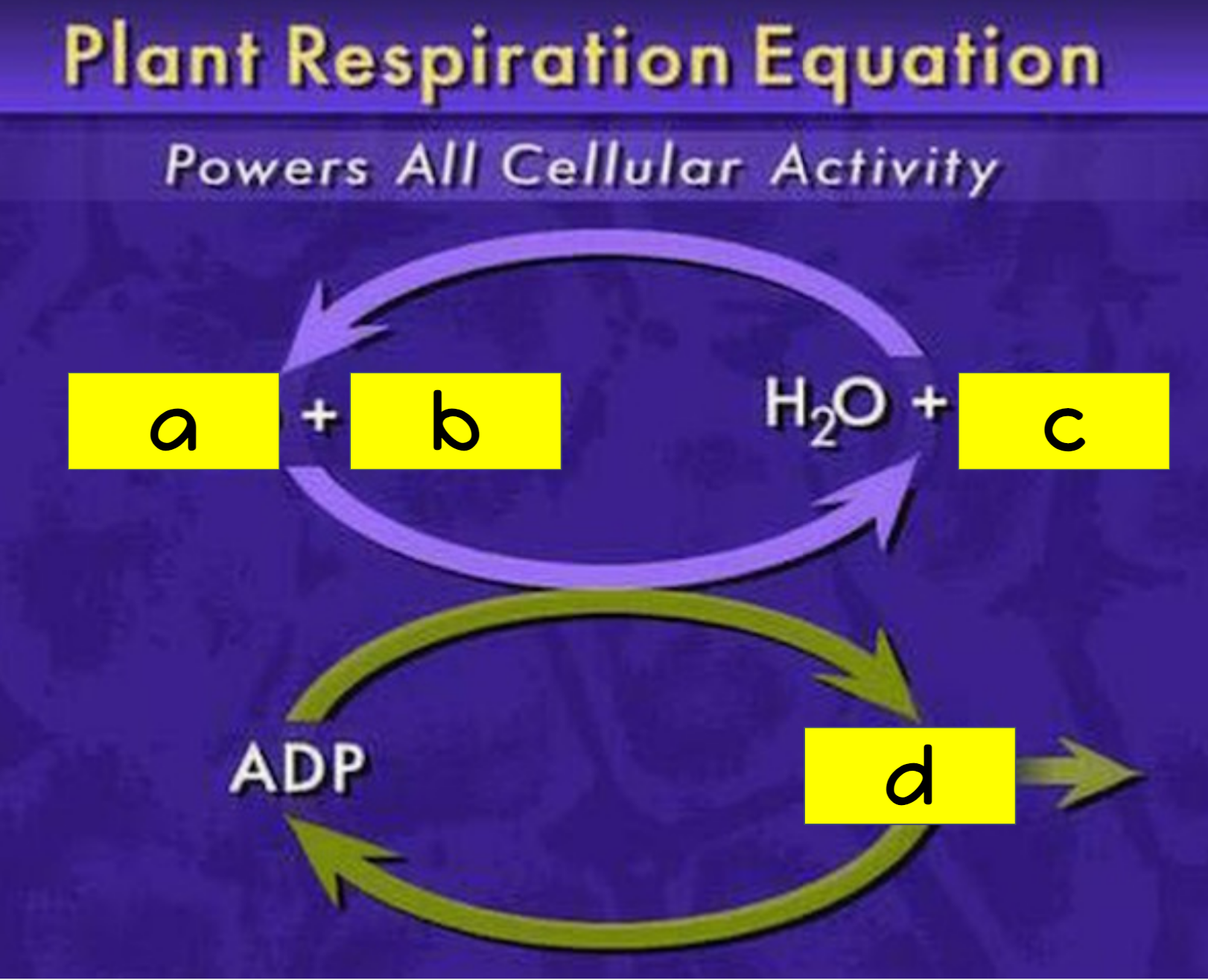
aerobic respiration: the form of in cell respiration that requires _______
2 points
2
Question 2
2.
Draggable item
arrow_right_alt
Corresponding Item
a
arrow_right_alt
H2O
b
arrow_right_alt
sugar
c
arrow_right_alt
CO2
d
arrow_right_alt
ATP
1 point
1
Question 3
3.
anaerobic respiration: the form of cell respiration that can take place in the _______ of free oxygen
1 point
1
Question 4
4.
Organisms that live in environments that have low oxygen concentrations often use _______ respiration to provide the energy they need for their life processes.
2 points
2
Question 5
5.
cellular respiration: the process that occurs when the _______ energy of "food" molecules is released and partially captured in the form of _______ (ATP)
2 points
2
Question 6
6.
Select the "food" molecules used during cellular respiration.
1 point
1
Question 7
7.
chemical energy: the energy that is stored in the _______ between atoms
1 point
1
Question 8
8.
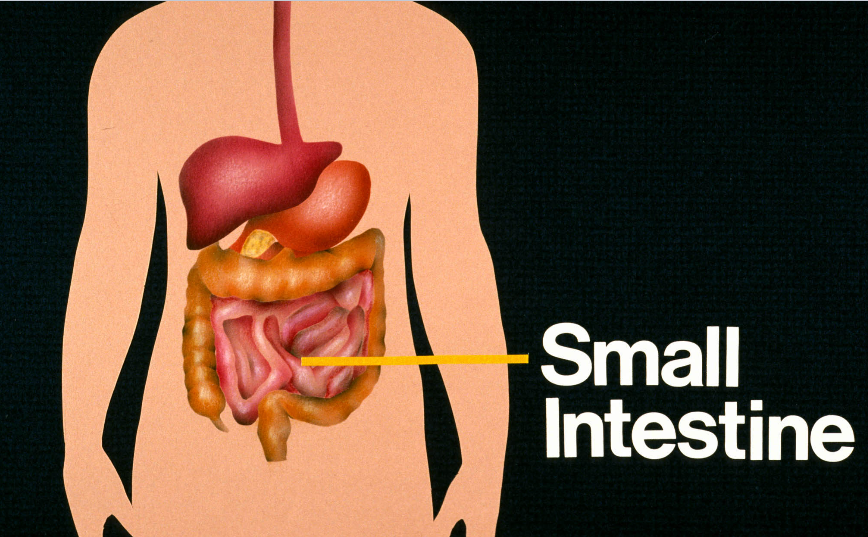
The food we eat is stored in our bodies as chemical energy. This stored chemical energy is then used to do _______ .
2 points
2
Question 9
9.
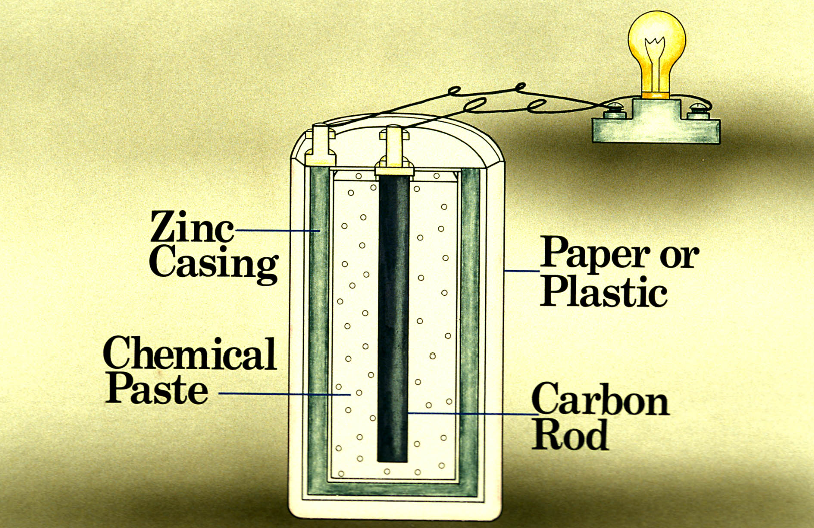
Dry cells change _______ energy into _______ energy, which is used by the bulb to produce light.
1 point
1
Question 10
10.
chlorophyll: a _______ that traps energy from _______
1 point
1
Question 11
11.
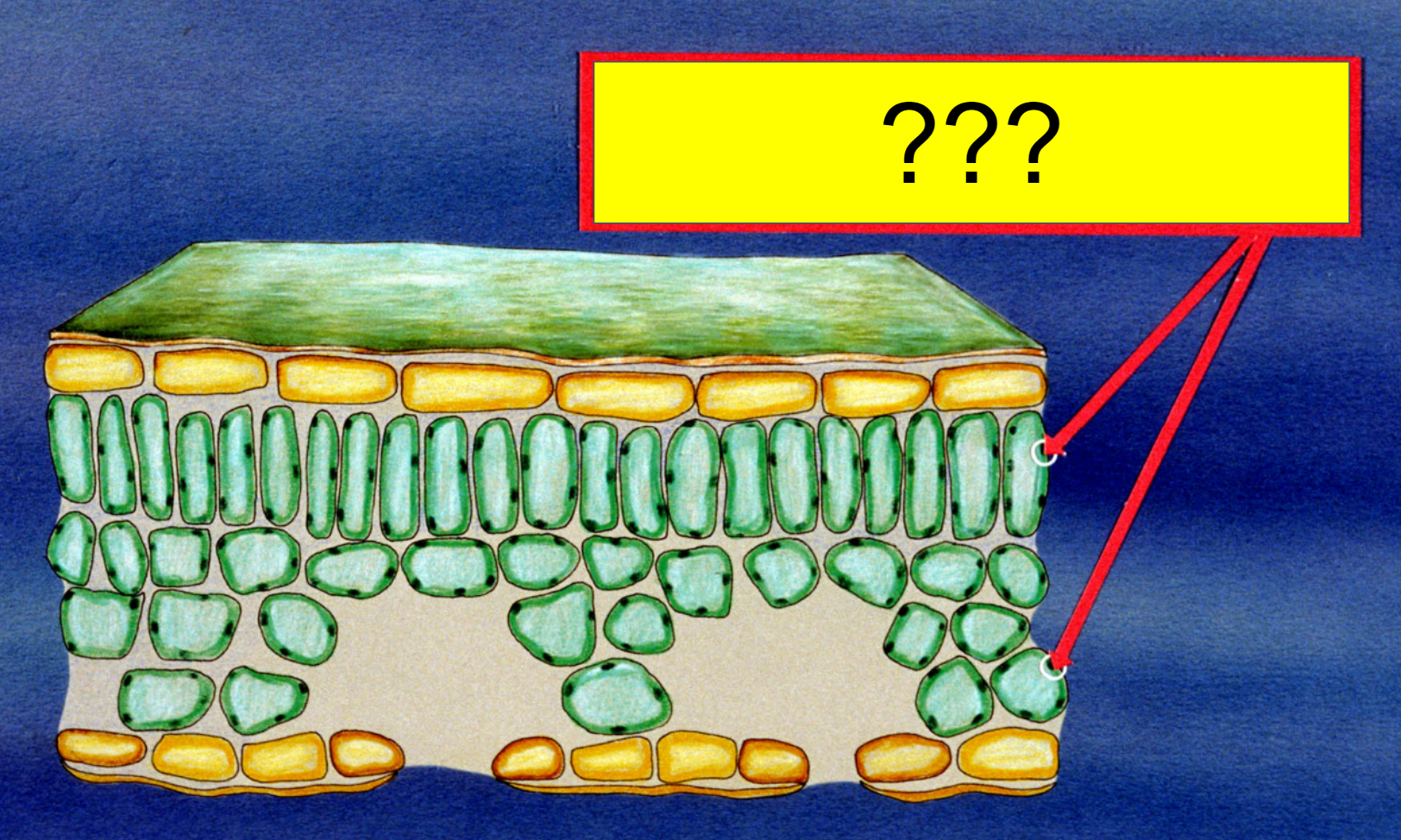
_______ are present in the leaf cells. They contain chlorophyll.
1 point
1
Question 12
12.
chloroplast: an organelle in a plant cell that turns _______ from the sun into _______ for the plant to use
1 point
1
Question 13
13.
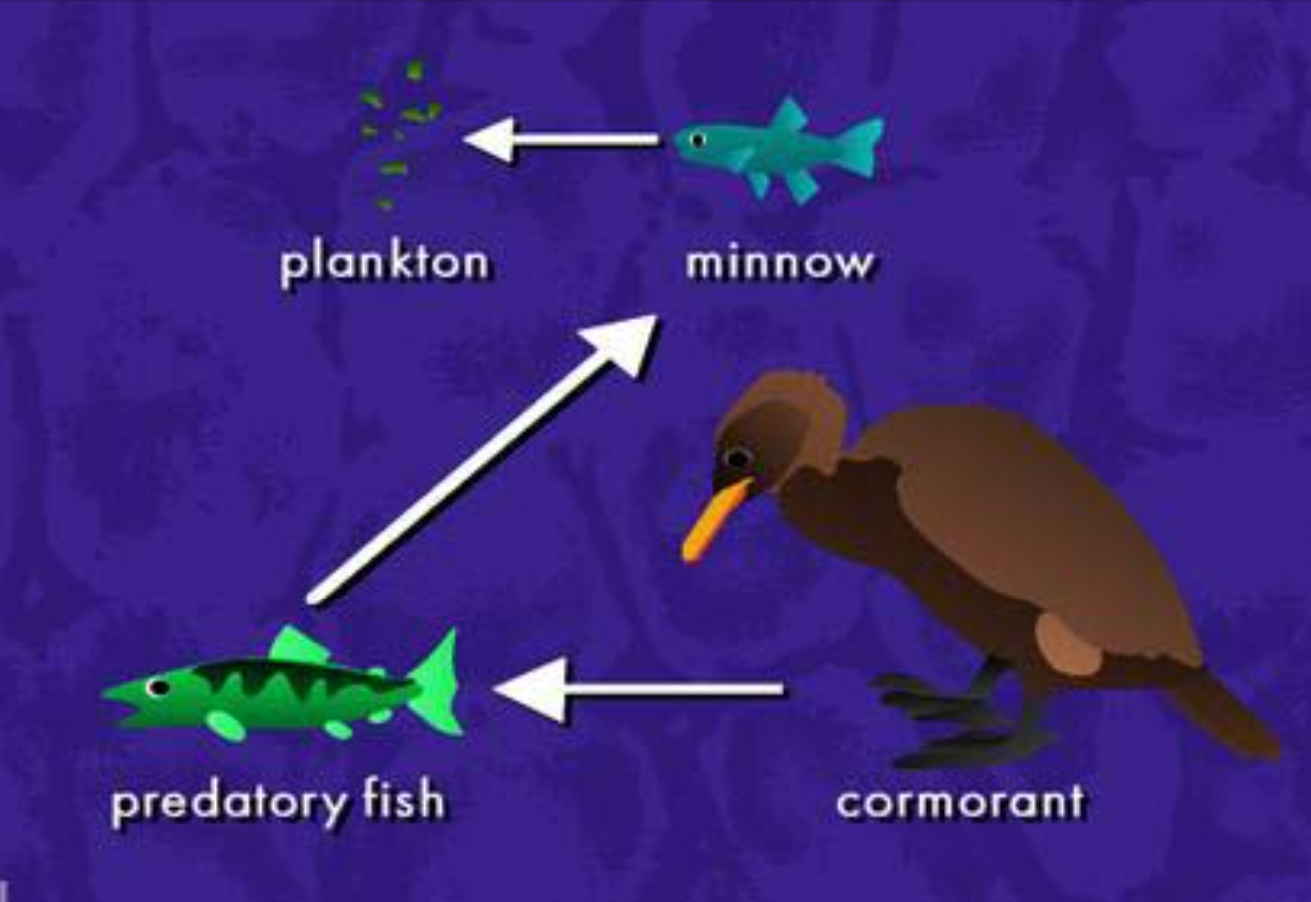
consumer: an organism that eats other living things to get _______
1 point
1
Question 14
14.
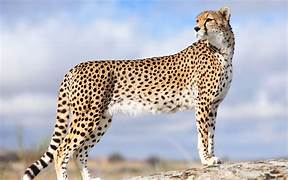
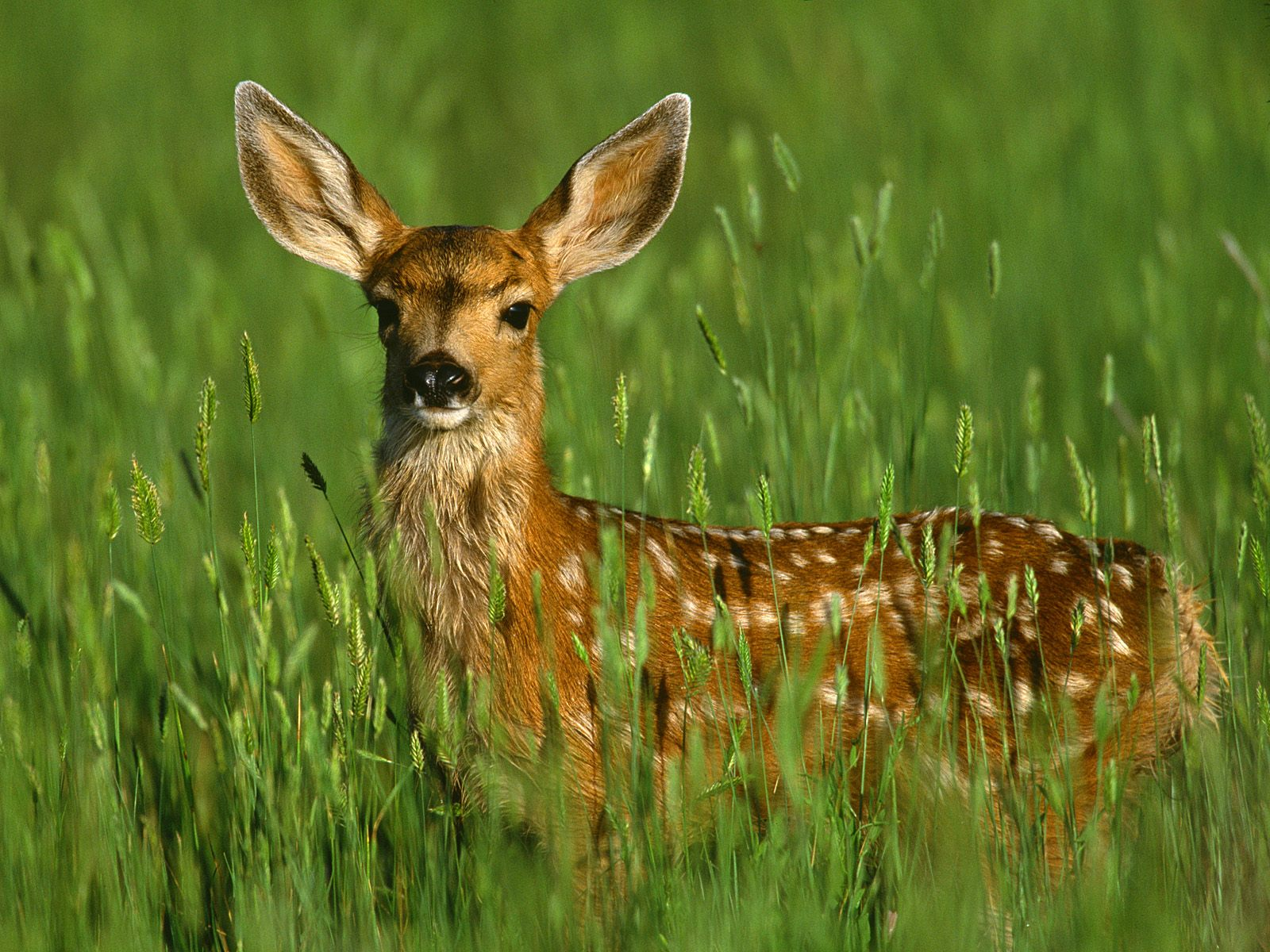
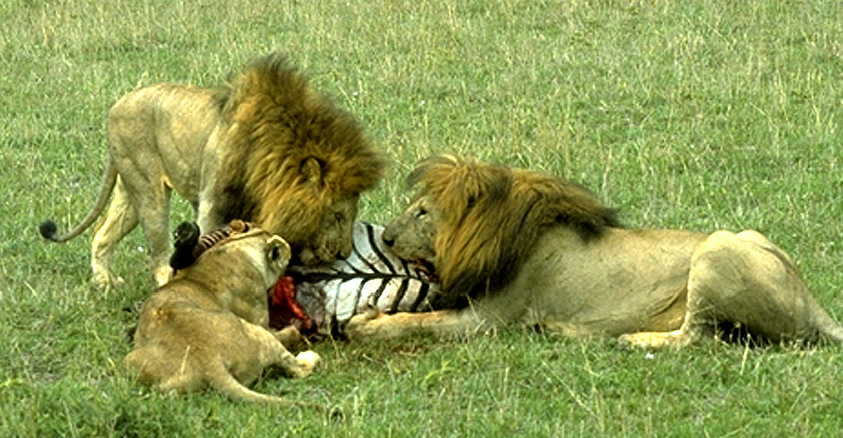
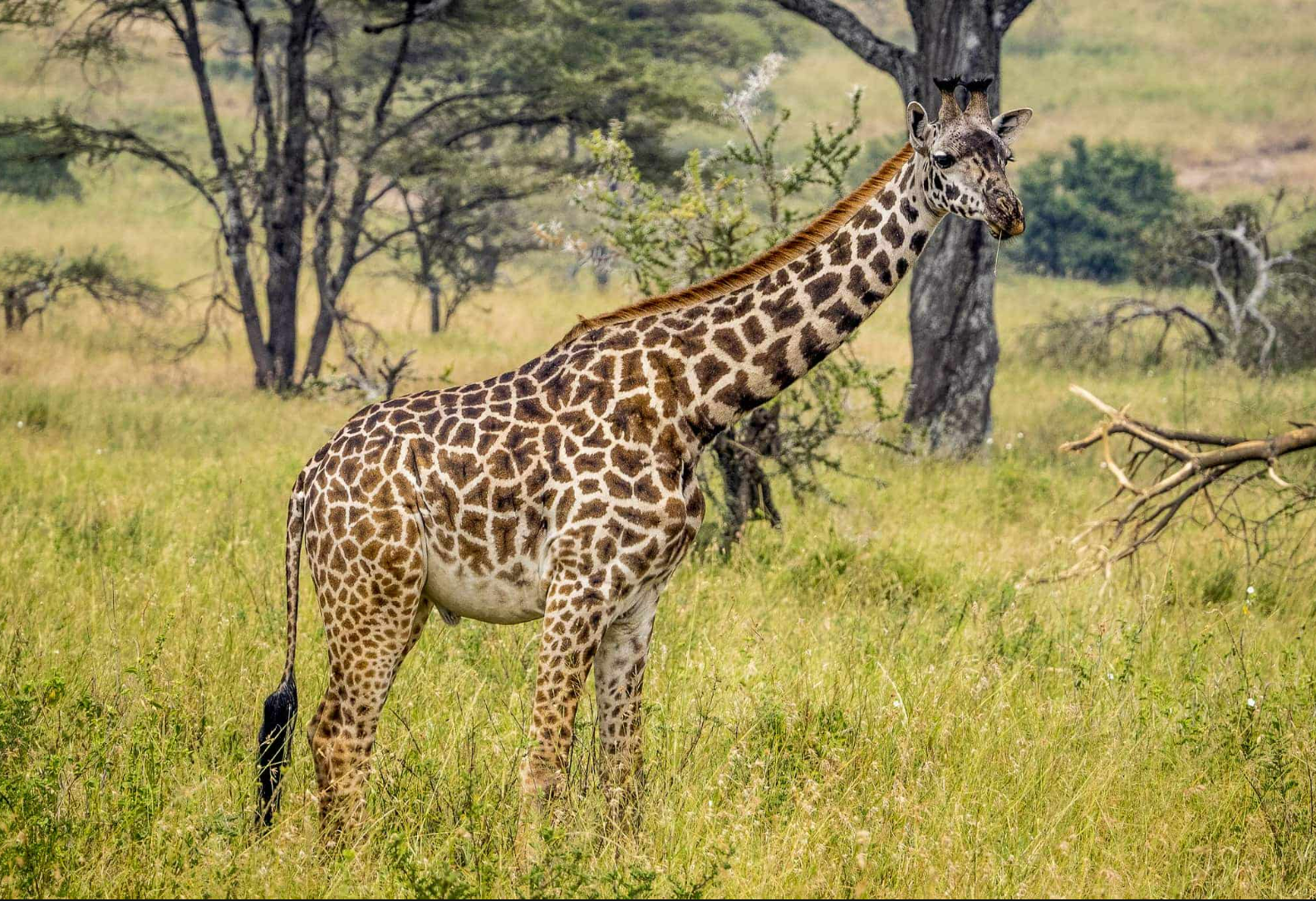
Categorize the animal as carnivorous or herbivorous consumers.
Carnivorous Consumers
Herbivorous Consumers
1 point
1
Question 15
15.
decomposer: organisms which carry out the process of decomposition by breaking down dead or _______ organisms
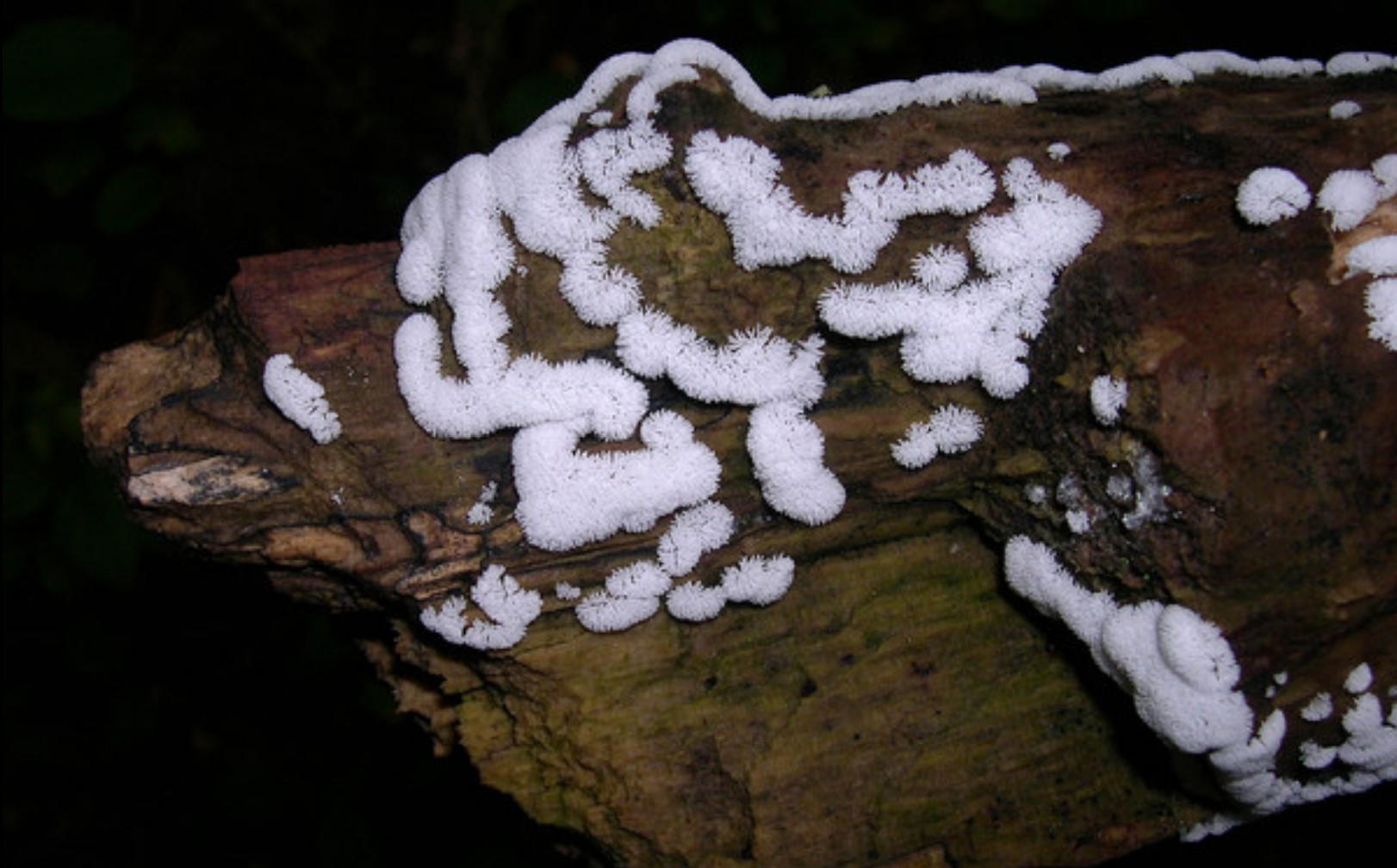
In a forest, trees are often covered with _______, which act as decomposers.
2 points
2
Question 16
16.
_______, orginally classified as fungi, are now widely accepted as members of the _______ kingdom and are a large mass of cytoplasm with barely any cell walls.
1 point
1
Question 17
17.
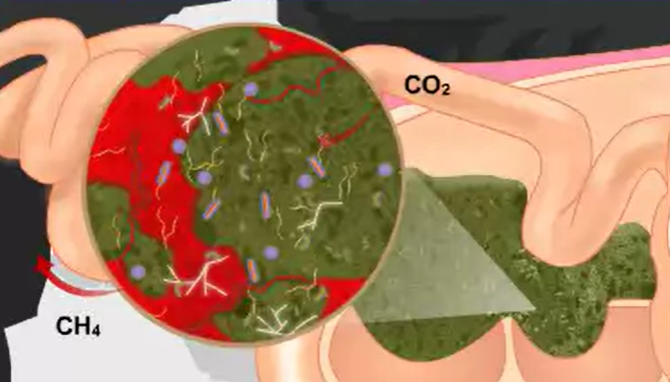
fermentation: conversion of carbohydrates into _______
2 points
2
Question 18
18.
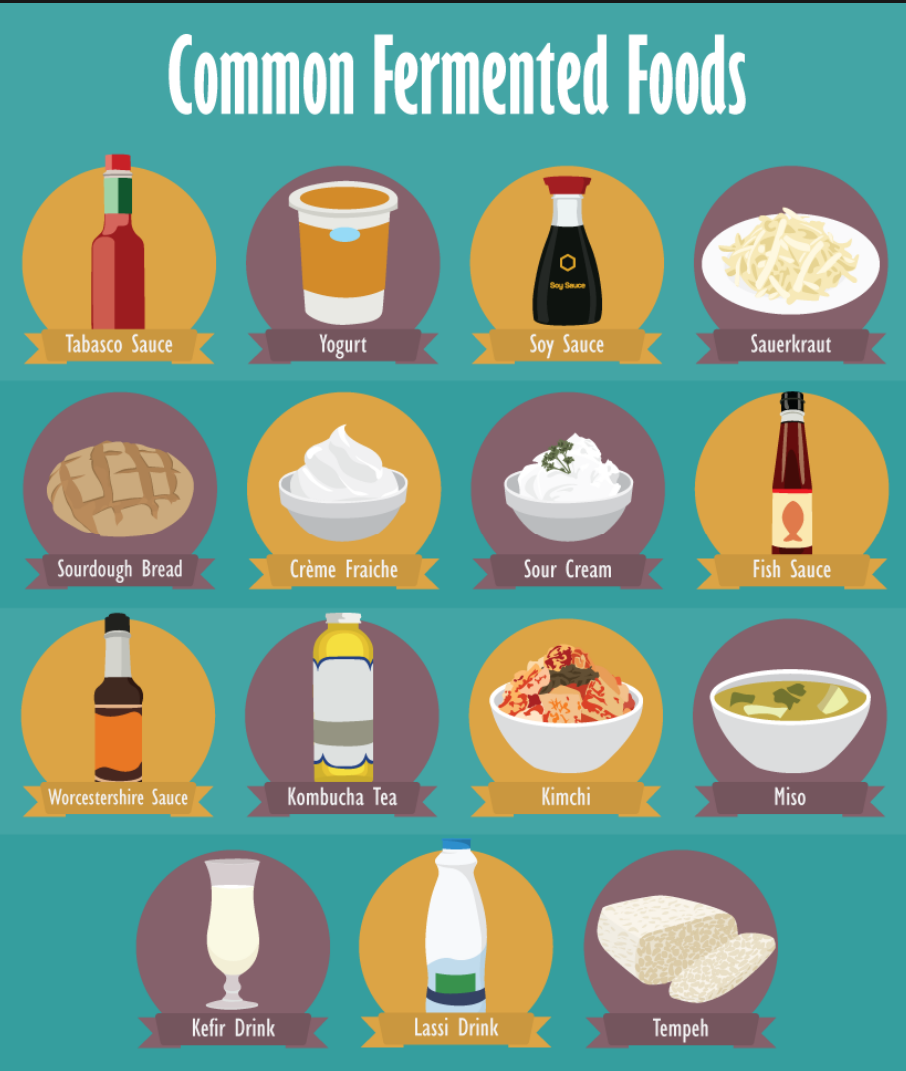
Fermentation is used to convert sugars to _______, to produce CO2 for the leavening of bread, and to produce _______ to preserve sour foods.
1 point
1
Question 19
19.
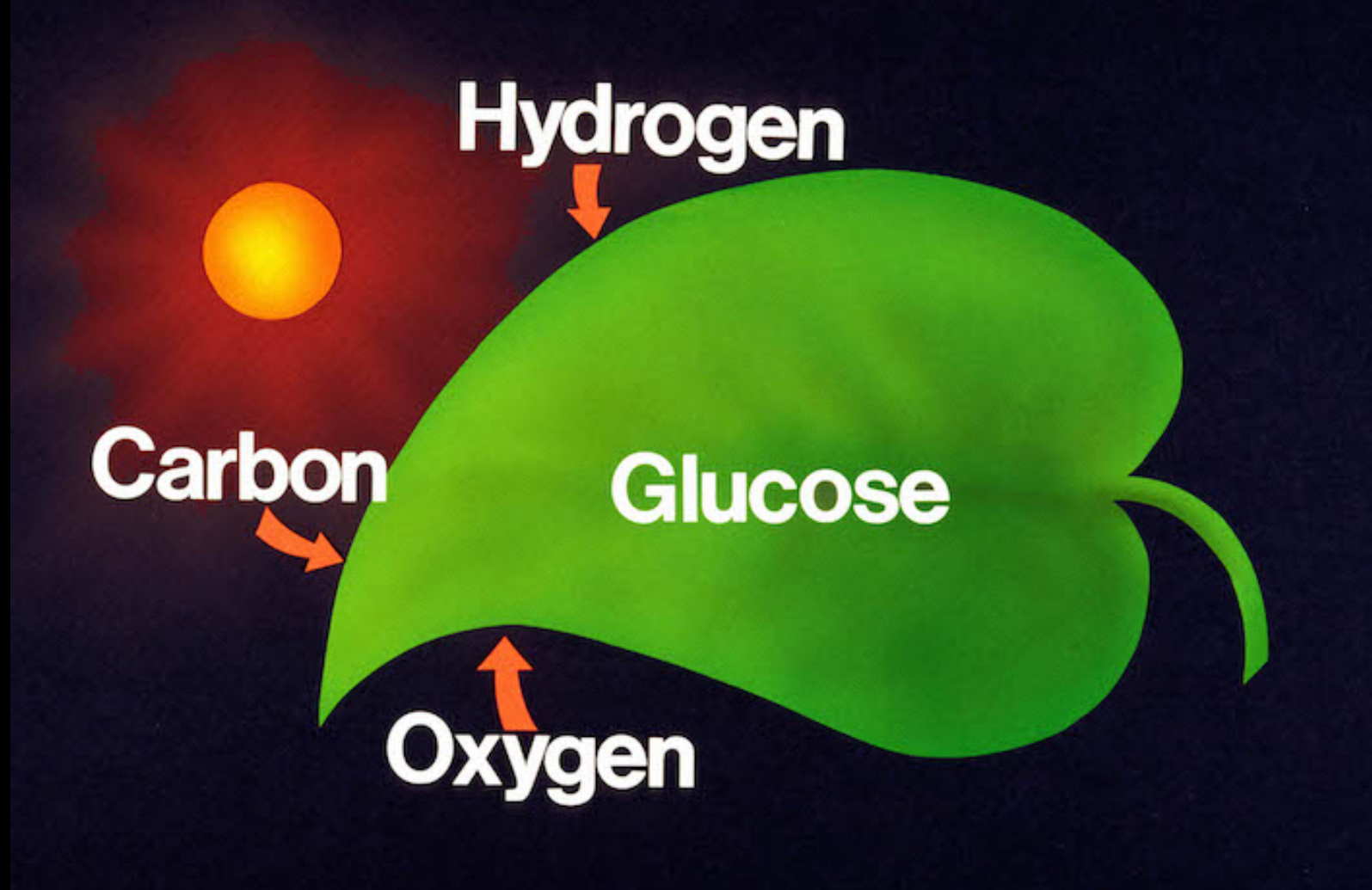
glucose: a simple _______ produced by plants during photosynthesis
1 point
1
Question 20
20.
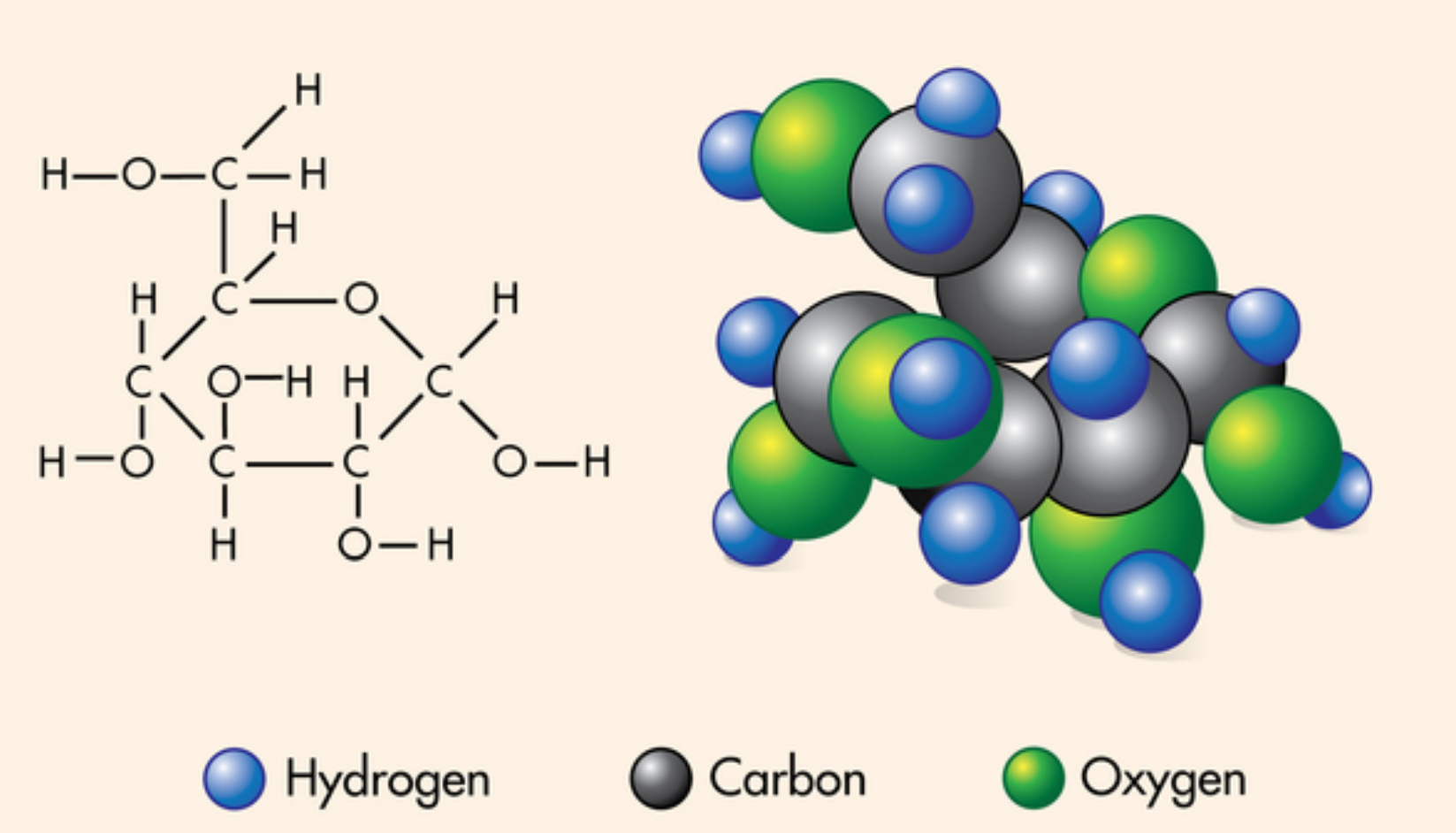
What is the molecular formula of glucose?
3 points
3
Question 21
21.
glycolysis: the breakdown of _______ through a series of biochemical reactions produces two molecules each of _______, pyruvate, and NADH. It is the first stage of _______.
1 point
1
Question 22
22.
kinetic energy: the energy an object has due to its _______
2 points
2
Question 23
23.
mitochondria: an organelle in _______ cells that is the site of _______ and generates most of the cell’s ATP
1 point
1
Question 24
24.
photosynthesis: the process in which plants and some other organisms use the energy in sunlight to make _______
2 points
2
Question 25
25.
potential energy: the amount of energy that is _______ in an object; energy that an object has because of its _______ relative to other objects
1 point
1
Question 26
26.
producer: an organism that makes its own _______ and does not _______ other plants or animals
1 point
1
Question 27
27.
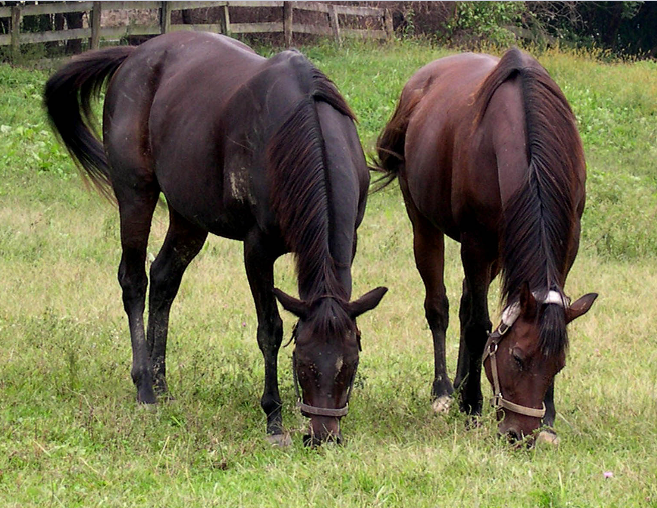
In the image, the producer is the _______.
1 point
1
Question 28
28.
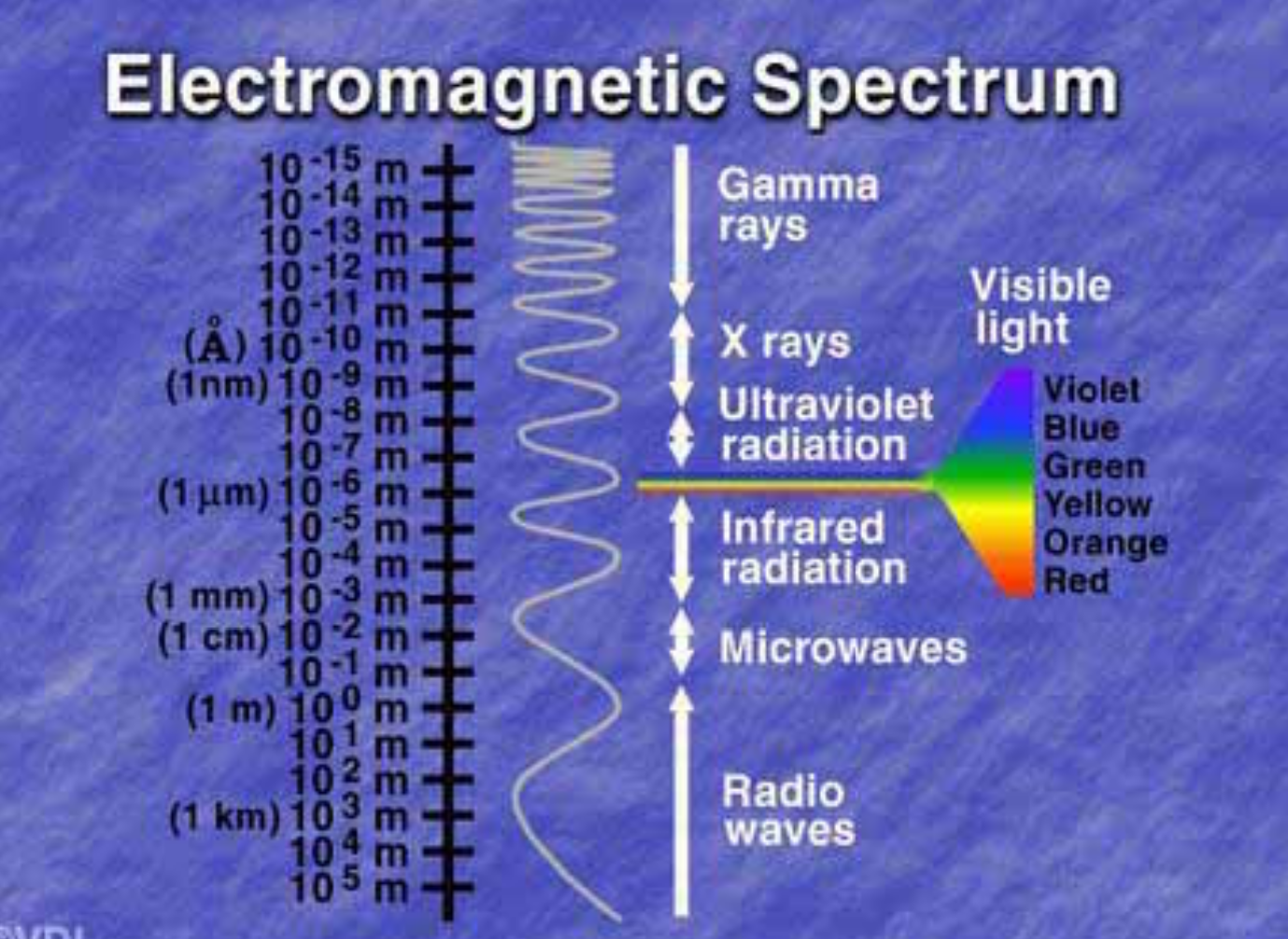
radiant energy: energy that does not need _______ to travel
1 point
1
Question 29
29.
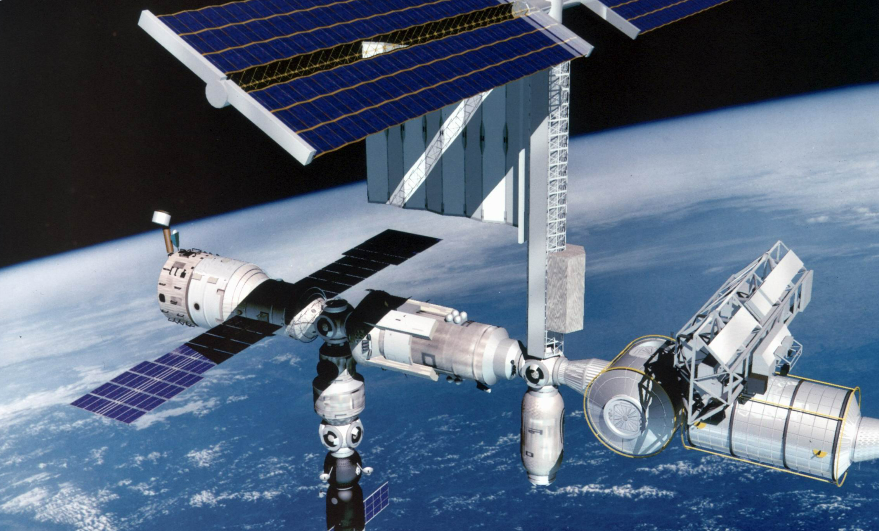
_______ are used to send out messages for space communication. Radio waves are a form of radiant energy.
1 point
1
Question 30
30.
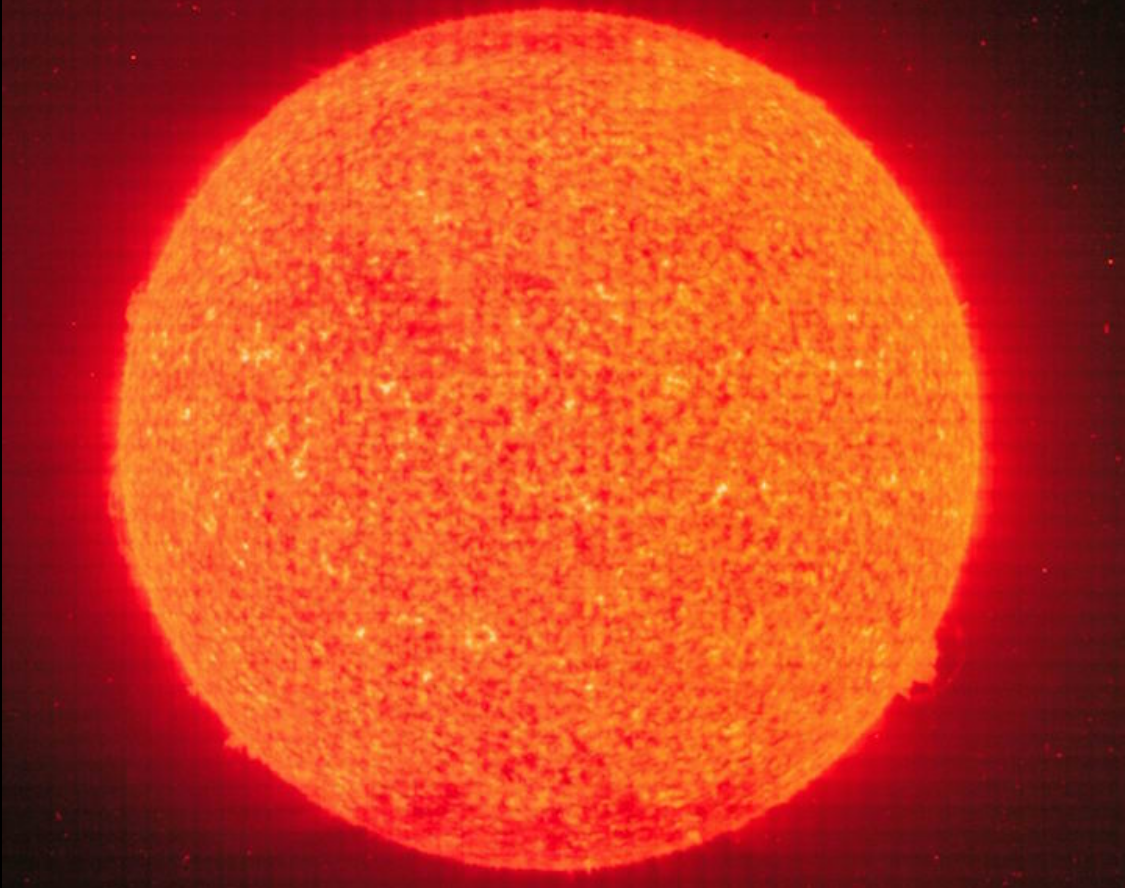
The Sun emits _______ . This energy reaches Earth as heat and light.
1 point
1
Question 31
31.
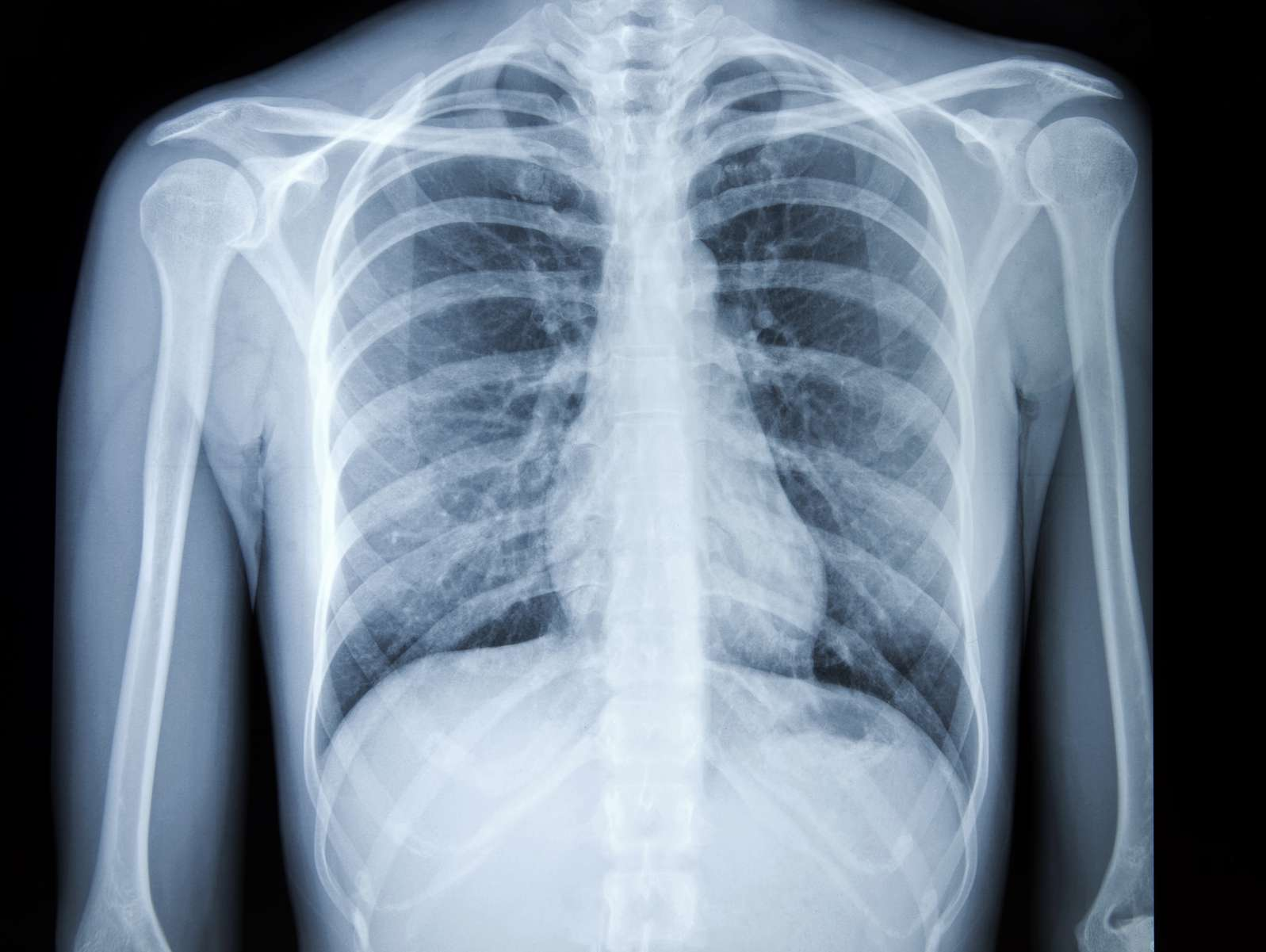
X-rays are a form of _______ . They are used to make images that are important in diagnosing diseases.
1 point
1
Question 32
32.
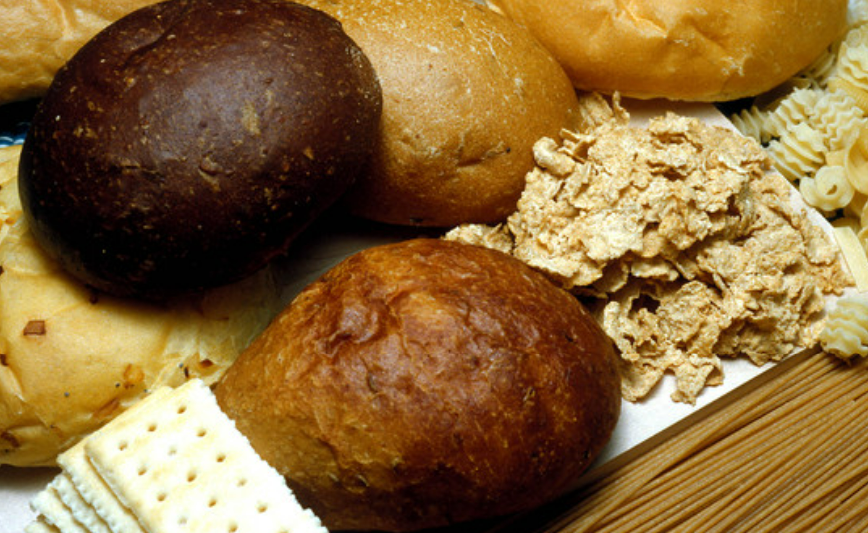
starch: a long-chain _______ formed from glucose units joined by glycosidic bonds