Log in
Sign up for FREE
arrow_back
Library

First Semester 8th Grade Science Pretest

star
star
star
star
star
Last updated 4 months ago
23 questions
Required
1
S8P1b
Required
1
S8P2a
Required
1
S8P1d
Required
1
S8P1a
Required
1
S8P1d
Required
1
S8P1e
Required
1
S8P1e
Required
1
S8P1d
Required
1
S8P2b
Required
1
S8P3b
Required
1
S8P2d
Required
1
S8P2b
Required
1
S8P2b
Required
1
S8P2c
Required
1
S8P2c
Required
1
S8P1c
Required
1
S8P2d
Required
1
S8P1e
Required
1
S8P2d
Required
1
S8P2d
Required
1
S8P1f
Required
1
S8P1f
Required
1
S8P2c
Question 1
1.

Question 2
2.

Question 3
3.

Question 4
4.

Draggable itemarrow_right_altCorresponding Item
arrow_right_alt
arrow_right_alt
arrow_right_alt
Question 5
5.

Question 6
6.

Question 7
7.

Question 8
8.

Question 9
9.

Question 10
10.

Question 11
11.

Question 12
12.

Question 13
13.

Question 14
14.

Question 15
15.

Question 16
16.

Question 17
17.

Question 18
18.

Draggable itemarrow_right_altCorresponding Item
arrow_right_alt
arrow_right_alt
arrow_right_alt
arrow_right_alt
arrow_right_alt
Question 19
19.

Question 20
20.

Question 21
21.

Question 22
22.

Question 23
23.

Draggable itemarrow_right_altCorresponding Item
arrow_right_alt
arrow_right_alt
arrow_right_alt
arrow_right_alt
arrow_right_alt
arrow_right_alt
arrow_right_alt
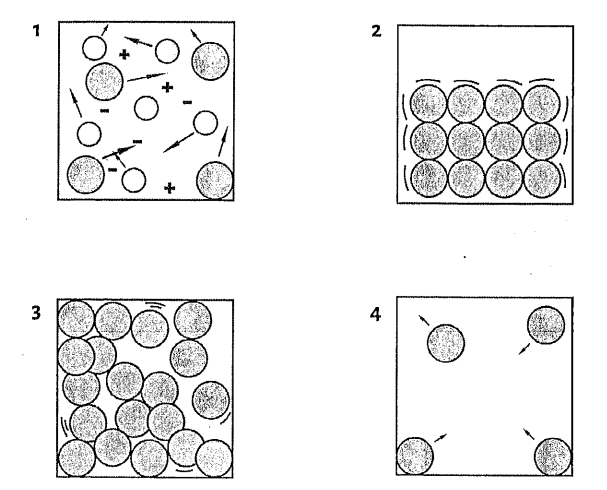
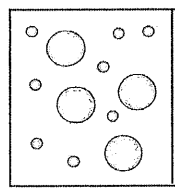
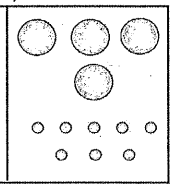
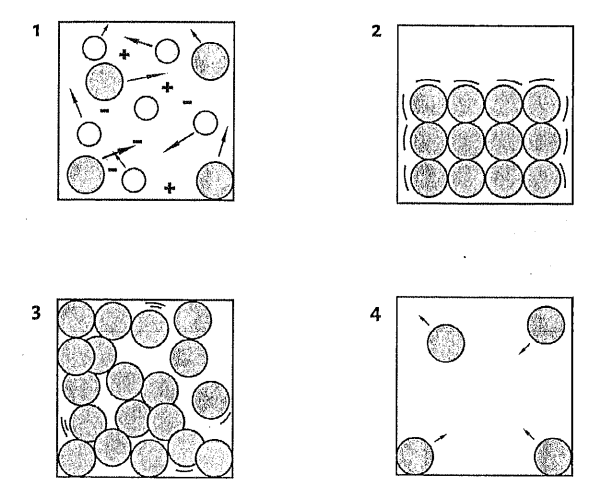
Look at the models of particles in different states.
Part A: Which model shows the structure and movement of particles in a gas?
model 1
model 4
model 3
model 2
Using the models in the diagram, answer the question.


If you added an extreme amount of thermal energy to a gas, which model in the diagram would reflect the behavior change of the particles?
model 3
model 2
model 4
model 1
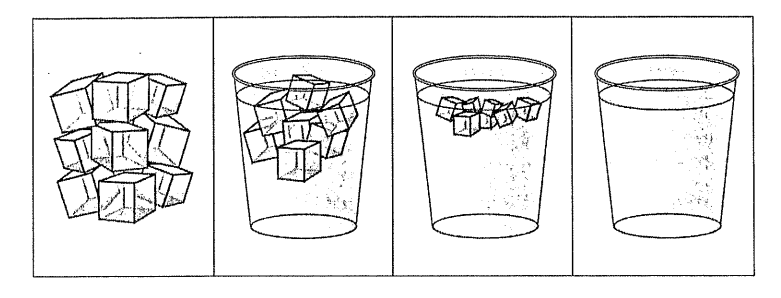
Look at the following diagram of ice being put into a cup of water below.

The process of ice turning to water is a _________ and is an example of __________.
chemical change only
physical change only
evaporation
physical and chemical change
melting
freezing
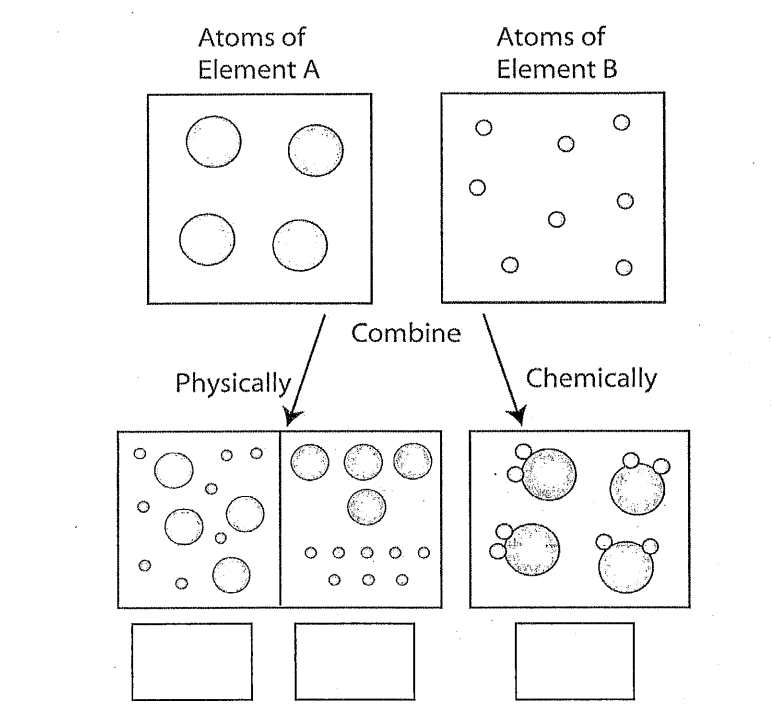
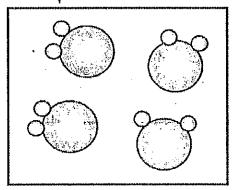
Look at the diagrams below of Atoms A and B. Then look at the potential results when you put them together. Select and match the letter of the choice that BEST describes each of the potential results.

homogeneous mixture
heterogeneous mixture
compound
Which TWO of the following COULD be indicators of either a chemical or physical change?
the ability to separate a mixture
a change in color
the formation of a precipitate
a release of energy
the formation of a gas
an absorption of energy
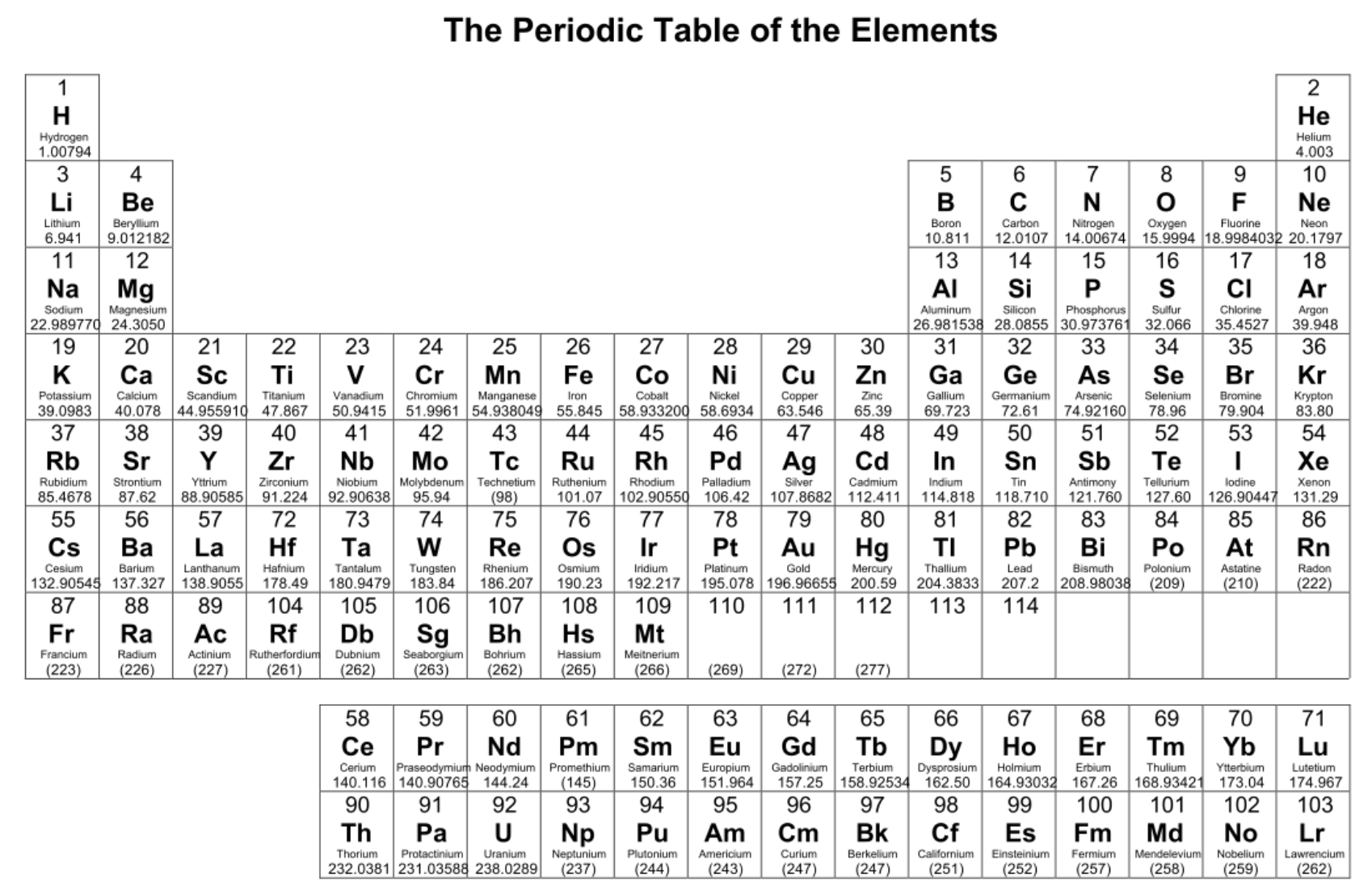
Look at the Periodic Table of Elements shown below.
Part A: Choose the correct answer from the choices beneath each blank. The far-right column group on the Periodic Table above are known as the __________, and they are notable for being extremely __________.
rare on Earth
reactive
noble gases
metalloids
alkali metals
unreactive
Which of the following BEST explains why the correct answer to the second part of Part A was the right choice?
These elements have complete outer electron orbitals, so they have an extreme need to react with other elements or molecules and shed electrons.
These elements have incomplete outer electron orbitals, so they have an extreme need to react with other elements or molecules.
These elements already have complete outer electron orbitals, so they have need to react with other elements or molecules.
These elements do not have electrons, and therefore can't react with other elements or molecules.
Select the correct answers describing signs that a chemical reaction might have taken place.
You have a substance in which a solid has dissolved into a liquid.
There is a change in energy.
There is a change in odor.
You have a new substance that you can separate physically.
A precipitate forms.
There is uniformity in composition and appearance.
There is a change in form.
There is a change in color.
Signs a Chemical Reaction Might Have Taken Place
Davis is comparing the strength of elastic energy of three rubber bands of different sizes. Of the following choices, which one would be the BEST way for him to prove the relative elastic energy of each rubber band?
Shoot the same acorn from each rubber band while pulling the rubber band as far back as possible for each shot. The rubber band that launches the acorn the farthest is the strongest.
Weigh the rubber bands on a scale. The heaviest rubber band is sure to be the strongest.
Shoot acorns of varying size from each rubber band. Regardless of the size the acorn, the rubber band that shoots its acorn the farthest is sure to be the strongest.
Measure the width of each rubber band. The widest rubber band is sure to be the strongest.
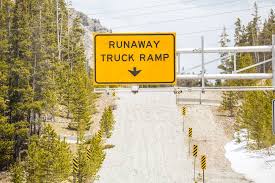
In scientific terms, which of the following BEST summarizes the purpose of a runaway truck ramp?

A runaway truck ramp is designed to absorb all the potential energy of an out-of-control truck speeding down a hill.
A runaway truck ramp is designed to absorb all the kinetic energy of an out-of-control truck speeding down a steep hill.
A runaway truck ramp is designed to neutralize an out-of-control truck's both kinetic and potential energy by stopping the truck on the crest of a hill.
A runaway truck ramp is designed to maximize a truck's potential energy by stopping the truck on the crest of a hill.
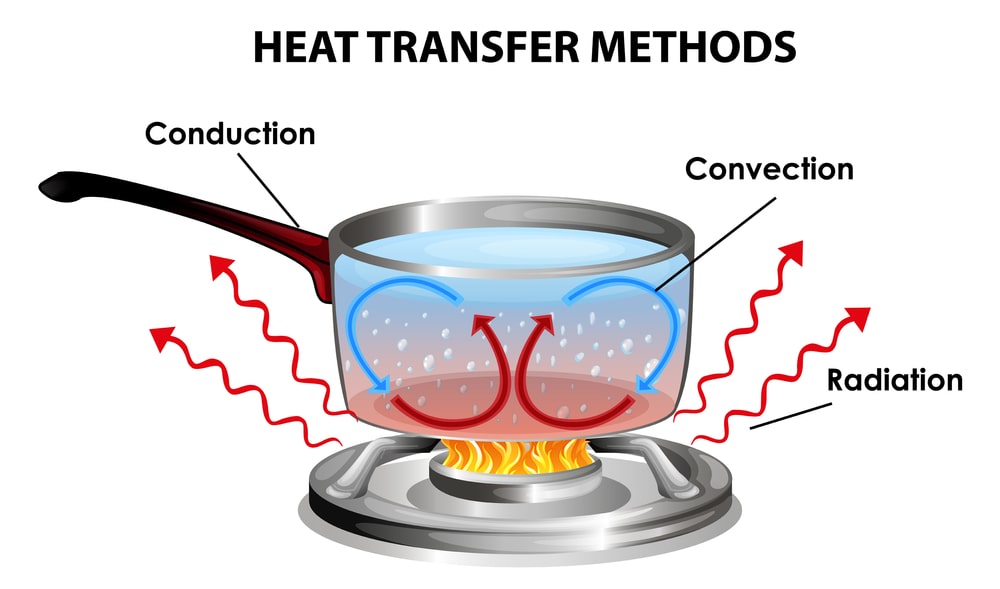
Look at the following diagram about heat transfer methods.

Janie is trying to argue how conduction and convection interact in the formation of a convection current. Which of the four arguments below would be BEST for her to model her own argument after?
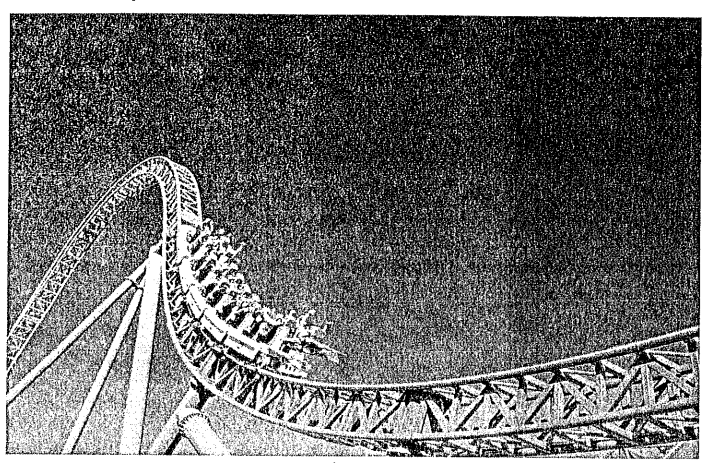
Look at the picture of the rollercoaster ride below.

Assuming the train car is moving downhill, which of the following statements is MOST accurate about the train car in the moment captured above?
The train car is losing potential energy, although it still has some left.
The train has neither potential nor kinetic energy.
The train car is about to reach its maximum potential energy.
The train car has reached its maximum kinetic energy.
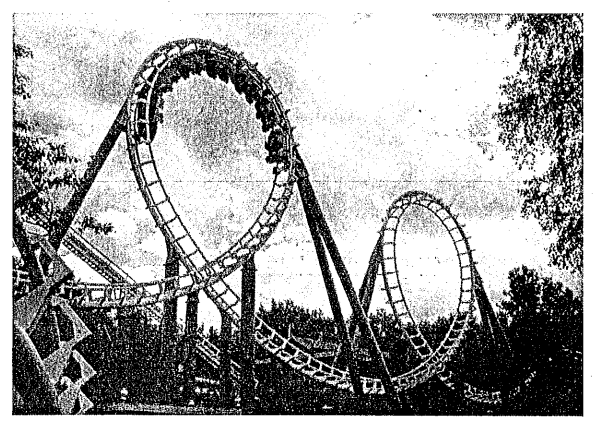
Look at the picture of the rollercoaster ride below.

Assuming the train car is moving right to left across your page, which of the following statements is MOST accurate about the train car in the moment captured above?
The train has neither potential nor kinetic energy.
The train car is about to reach its maximum potential energy or has reached max potential energy.
The train car is losing potential energy, although is still has some left.
The train car has reached its maximum kinetic energy.
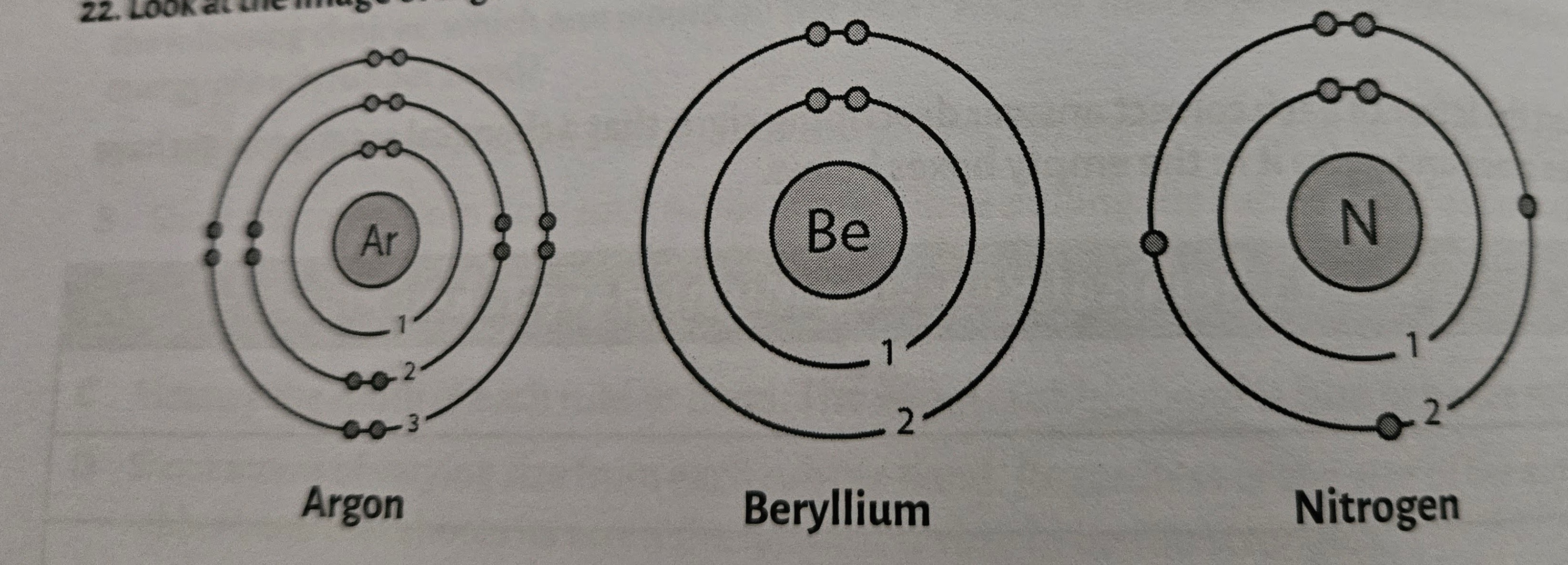
Look at the image of argon, beryllium, and nitrogen atoms above. The atom of which element shown in the image, if any, would MOST LIKELY lose electrons?
argon
beryllium
None of these elements would be likely to lose electrons.
nitrogen
Look at the image of argon, beryllium, and nitrogen atoms above. Which of the following statements BEST explains why the answer to Part A is the best choice?
Argon has unpaired electrons in its outermost orbital.
Beryllium has unpaired electrons in its outermost orbital.
None of the atoms shown has unpaired electrons in its outermost orbital.
Nitrogen has unpaired electrons in its outermost orbital.
Terrence is trying to determine thephysical properties of a substance. Select the correct answer(s) that describe the traits that show the physical properties of a substance.
melting point
dissolvability
combustibility
density
reactivity
boiling point
flammability
Choose the correct answers from the choices. A heat transfer occurs when heat, also known as _________________, moves from one substance or body to another. An example of a heat transfer that doesn't require the substances or bodies to physically touch is _______________.
convection
radiation
mechanical energy
thermal energy
chemical energy
conduction
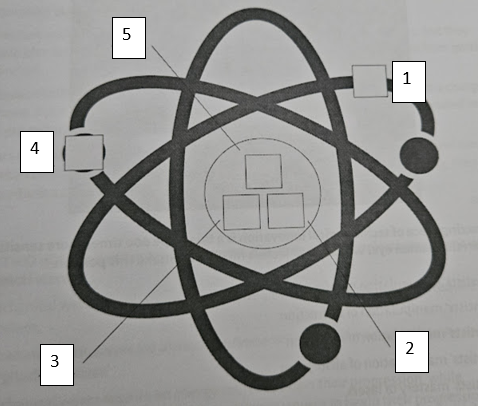
Look at the image of the atom. Select the correct terms that describe each part of the atom and match it to the number of the corresponding box from the picture.
5
electron orbitals
3
nucleus
1
proton
2
electron
4
neutron
Jesse is planning an investigation to explore the different types of energy. She wants to investigate radiant energy first.
Part A: Which of the following investigations and corresponding observations will provide Jesse proof of the power of radiant energy?
Investigation: Jaime heats water in a metal pot on a stove. She comes back two hours later. Observation: Two-thirds of the water has evaporated.
Investigation: On a sunny day, Jaime puts a plastic bowl wrapped in aluminum foil and full of water on the black concrete surface of the school parking lot. She comes back two hours later. Observation: The water level has risen, with some of the water spilling onto the parking lot.
Investigation: On a sunny day, Jaime puts a plastic bowl wrapped in aluminum foil and full of water on the black concrete surface of the school parking lot. She comes back two hours later. Observation: One-third of the water has evaporated.
Investigation: Jaime heats water in a metal pot on a stove. She comes back two hours later. Observation: The water level has risen, with some of the water spilling onto the stovetop.
Part B: Use your answer from the previous question. Which of the following BEST explains why the correct answer to part A was the right choice?
Radiant energy is energy from the Sun, and when it heats water in a plastic bowl wrapped in aluminum foil, it causes the water to evaporate over time.
Radiant energy is heat energy in all forms, and when itis used on a pot filled, with water on a stove, it causes the molecules in the water to expand and the water to overflow.
Radiant energy is energy from the Sun, and when it heats water in a plastic bowl wrapped in aluminum foil, it causes the molecules in the water to expand and the water to overflow.
Radiant energy is heat energy in all forms, and when it is used on a pot filled with water on a stove, it causes water to evaporate over time.
Part A: Which of the following choices correctly balances the following chemical equations?
S8 + F2 --> SF6
S8 + 24F2 --> 8SF6
24S8 + F2 --> 8SF6
S8 + F2 --> 24S + F6
S8 + F2 --> 8SF6
Use the previous question. Part B: The chemical equation you just balanced proves the validity of the
Law of Conservation of Matter
Law of Reactivity
Law of Conservation of Energy
Law of Gravity
Match the types of energy listed on the left to the examples of that energy at work listed on the right.
sound energy
wind blowing
electrical energy
fire burning
gravitational energy
lightning striking
mechanical energy
gasoline powering a car
radiant energy
lightning striking
thermal energy
thunder booming
chemical energy
skydiving