The purpose of this simulation is to demonstrate how individuals using a common resource (the commons) for their own personal gain will inevitably result in the degradation of the commons, and a decrease in the yield for both the group and the individual.
Background
In 1968 the Tragedy of the Commons was published. A major premise of the article is the notion that any resource that is open for anyone to use – such as air or parts of the ocean – will eventually be destroyed because everyone can use the resource, but no one is responsible for preserving it. When people are not compelled to preserve resources for the welfare of future generations, the Tragedy of the Commons occurs.
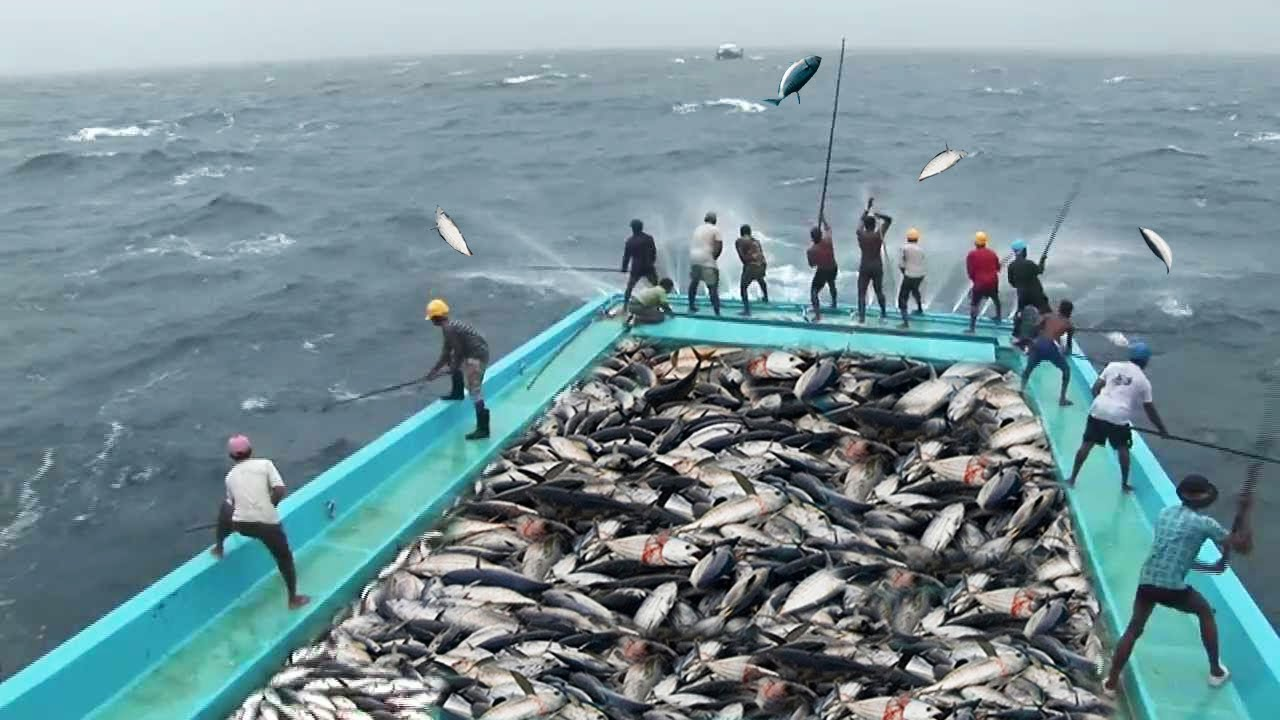
In this simulation, each one of you represents the head of a family that is in need of food. In order for your family to survive, you must catch enough fish for them to eat. The only food source is a small local lake which can hold up to 30 fish.
Once a year (round) you will get a chance to fish and each time you fish you may take from 0 to 5 fish from the lake. It is your choice how many fish you take, however, if you only take one fish, your family will starve. If you take more than 2 fish, you can sell them for a profit. The fish in your lake will reproduce once a year (round). Keep the fish that you “catch” in front of you. If any family has starved then they cannot fish the next year.
Materials
20 Pinto beans (Low Value Fish)
Bowl
Spoons
10 Black beans (High Value Fish)
Fishing log
Holding containers
Procedure
Each group of 3-4 will get a lake full of fish and each group member will get a fishing pole (spoon). The entire group will fish for several years (rounds). Between fishing seasons, the fish will reproduce. A bonus will be given to the member of each group who catches the most fish.
To “fish” you must use the fishing pole to “catch” the fish out of the lake.
The “lake” has a carrying capacity of 30 – so there can never be more that 30 fish in the lake.
Fish one “season” at a time, which represents one generation of fish. Each student may catch as many fish as s/he wants. They need at least two fish per season, or their family will starve.
After each fishing season, stop fishing, and the fish will “reproduce.” For every two fish left in the bowl, another fish will be added, up to the carrying capacity of 30.
Record the number of fish caught during each season by the group.
1 point
1
Question 1
1.
Enter your data into the table
1 point
1
Question 2
2.
Did anyone in your group take too many fish? (Yes or No)
Did everyone try to take as many as possible? (Yes or No)
Explain what happened in your group.
1 point
1
Question 3
3.
Did anyone sacrifice any fish for the good of the community? (Yes or No)
Does society ever reward this type of person?
Explain.
1 point
1
Question 4
4.
In round 2…How did your strategy change, if at all?
Did it make a difference to know that those who caught more fish were rewarded?
1 point
1
Question 5
5.
Is it possible to maximize the number of fish caught per person AND maintain a sustainable population of fish in the pond at the same time?
If so, explain how.
1 point
1
Question 6
6.
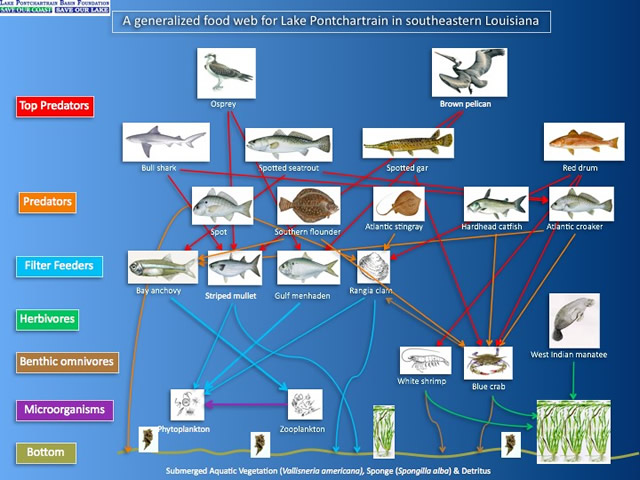
Besides humans, what else might rely on the fish in our lake as a resource?
(Select 3 correct answers)
1 point
1
Question 7
7.
How could our fishing practices impact the lake ecosystem?
1 point
1
Question 8
8.
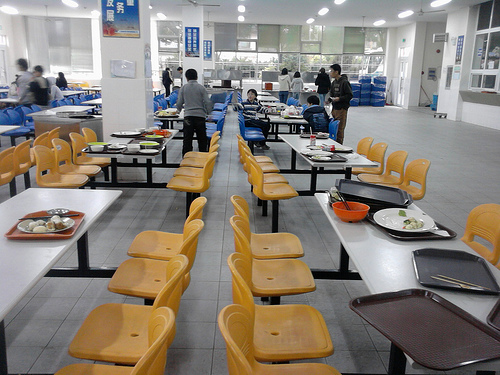
Think of a local commons that you are familiar with (social areas, eating areas, bathrooms, parking lots, etc).
Explain how a tragedy of the commons situation can arise in one of these areas.
1 point
1
Question 9
9.
Propose a solution for how the problem could be solved.
1 point
1
Question 10
10.
What are some natural resources that are commons resources?
(Select 3 correct answers)
1 point
1
Question 11
11.
For the Tragedy of the Commons to occur, the resources must be
1 point
1
Question 12
12.
How can we protect overused natural resources?
1 point
1
Question 13
13.
Explain why overfishing of privately owned lakes are NOTan example of the tragedy of the commons.