Use the data to create a scatter plot on Desmos. Take a screen shot of your scatter plot and submit it below.
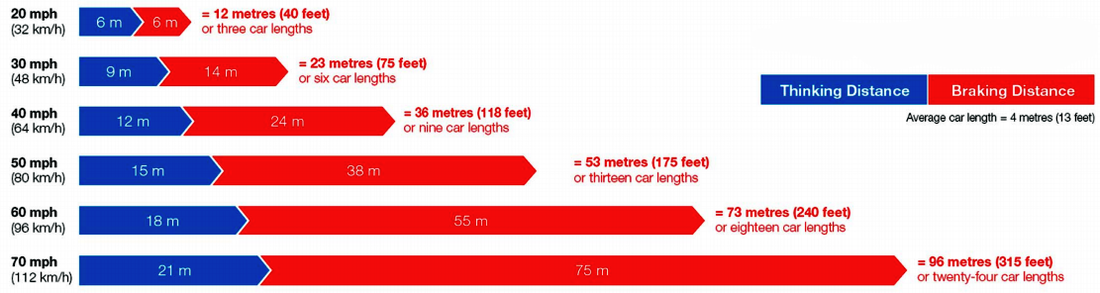
Use the data to create a scatter plot on Desmos. Take a screen shot of your scatter plot and submit it below.
Using Desmos, we will create a scatter plot of the provided data about stopping distances. We will then use the regression capabilities of Desmos to create a quadratic model that represents stopping distances.
Using Desmos, we will create a scatter plot of the provided data about stopping distances. We will then use the regression capabilities of Desmos to create a quadratic model that represents stopping distances.
Use the data to create a scatter plot on Desmos. Take a screen shot of your scatter plot and submit it below.
Using Desmos, create a quadratic regression model with your data. Take a screen shot of your model in Desmos and paste it in the show your work window.
Type out the Quadratic Model that represents your data.
What is the correlation coefficient for your Quadratic Model? This is the R Squared value.
Using Desmos, create a linear regression model with your data. Take a screen shot of your model in Desmos and paste it in the show your work window.
Type out the Linear Model that represents your data.
What is the correlation coefficient for your Linear Model? This is the R Squared value.
Which model do you think best matches your data? Justify your reasoning using the R Squared correlation coefficient.
What is the stopping distance if you are traveling 25 mph?
What is the stopping distance if you are traveling 75 mph?
What is the stopping distance if you are traveling 100 mph?
Suppose a car took 500 feet to brake. Use your model to calculate how fast the car was going when the braking began.