Types of Medications
There are
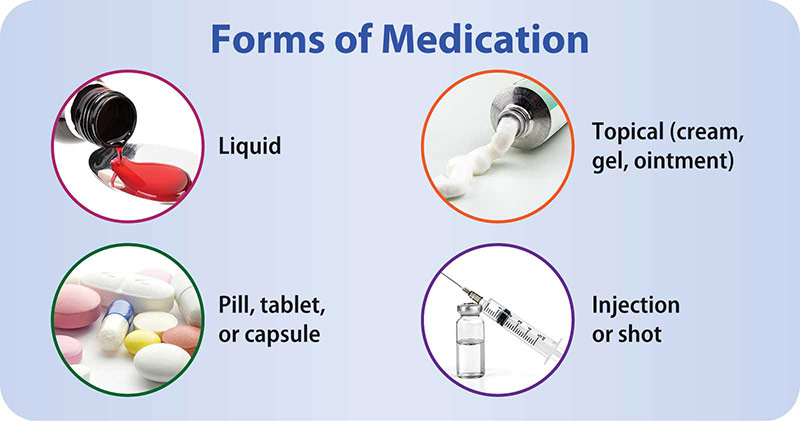
Figure 11.1
Over-the-Counter Medications
People can purchase
The most commonly used OTC medications are
Prescription Medications
People can only purchase
🔔 Bell Ringer: As you come in follow these instructions
How do your decisions about drugs and medications relate to your health?
SEL Check: 🌟 How are you feeling today? Please select the emoji that best represents your mood.
After studying this lesson, you will be able to
| Draggable item | arrow_right_alt | Corresponding Item |
|---|---|---|
over-the-counter (OTC) medications | arrow_right_alt | substances used to treat symptoms of an illness or to cure, manage, or prevent a disease |
medication | arrow_right_alt | medications and other substances that change the way the body or brain functions |
side effect | arrow_right_alt | medicines people can purchase without a doctor’s prescription to treat the symptoms of many minor health conditions |
medication abuse | arrow_right_alt | medicines that people can only purchase with a doctor’s order for the treatment of a specific illness or condition |
prescription medications | arrow_right_alt | unpleasant and unwanted symptom that occurs from taking a medication |
overdose | arrow_right_alt | taking medication in a way that does not follow the medication’s instructions or intended use |
medication misuse | arrow_right_alt | a persistent pattern of medication misuse that can result in serious harm to a person's physical, mental, and social health |
drugs | arrow_right_alt | taking more of a medication or drug than the body can process at one time |
When you hear the terms
If used properly and for their intended purpose, medications can have many benefits.
Types of Medications
There are
Figure 11.1
Over-the-Counter Medications
People can purchase
The most commonly used OTC medications are
Prescription Medications
People can only purchase
Types and Functions of Prescription Medications
| Draggable item | arrow_right_alt | Corresponding Item |
|---|---|---|
Opioids | arrow_right_alt | Kill or slow the growth of bacteria |
Vaccinations | arrow_right_alt | Eliminate or reduce pain |
Stimulants (available both with a prescription and over-the-counter) | arrow_right_alt | Work with the body’s natural immune system to reduce the risk of developing an infection or disease |
Depressants (also called sedatives or tranquilizers) | arrow_right_alt | Reduce pain, often after surgery |
Anesthetics | arrow_right_alt | Reduce anxiety and help people relax, stay calm, and sleep |
Antibiotics | arrow_right_alt | Increase energy, alertness, and attention |
Mid Lesson Check-In: Take a moment to reflect on your understanding of the material covered in this lesson.
On a scale of 1 to 5, with 1 being 'I'm completely lost' and 5 being 'I understand everything perfectly,' how would you rate your comprehension at this point?
Health Risks of Taking Medications
Taking
Side Effects
All medications, even OTC medications, can cause
-start or stop taking a medication increase or decrease the amount of a medication -you are taking
Medication labels should list the possible side effects of taking the medication.
Medication Interactions
Some medications cause
If two medications work together to increase overall effect (called synergism), the effect on the body can be too strong. For example,
Sometimes the same medication can have
Using a
Exit Ticket: 🤔 How can you connect today's lesson to your life?